Vibrating with colour, textures and different voices, we are very proud to present these works ‘from Africa, for Africa, to the World’.
Strauss & Co, Africa’s leading auction house, is excited to announce a new auction format on 28 February, with highly-anticipated features by pioneering modernists and trailblazing contemporary artists from the African continent. Curatorial Voices: Modern and Contemporary Art from Africa is already attracting international interest, with all lots selected by a line-up of acclaimed curators from important art centres across Africa. Joining Strauss & Co are indeed Kimberley Cunningham, art advisor and founder of South Africa’s Cunningham Contemporary; Valerie Kabov, art historian, critic, arts advocate and director of First Floor Gallery Harare; Dana Endundo Ferreira, Founder and CEO of Pavilion54; Danda Jaroljmek, Director of Circle Art Agency, Nairobi; and Heba Elkayal, an independent curator and researcher based between Cairo and London.
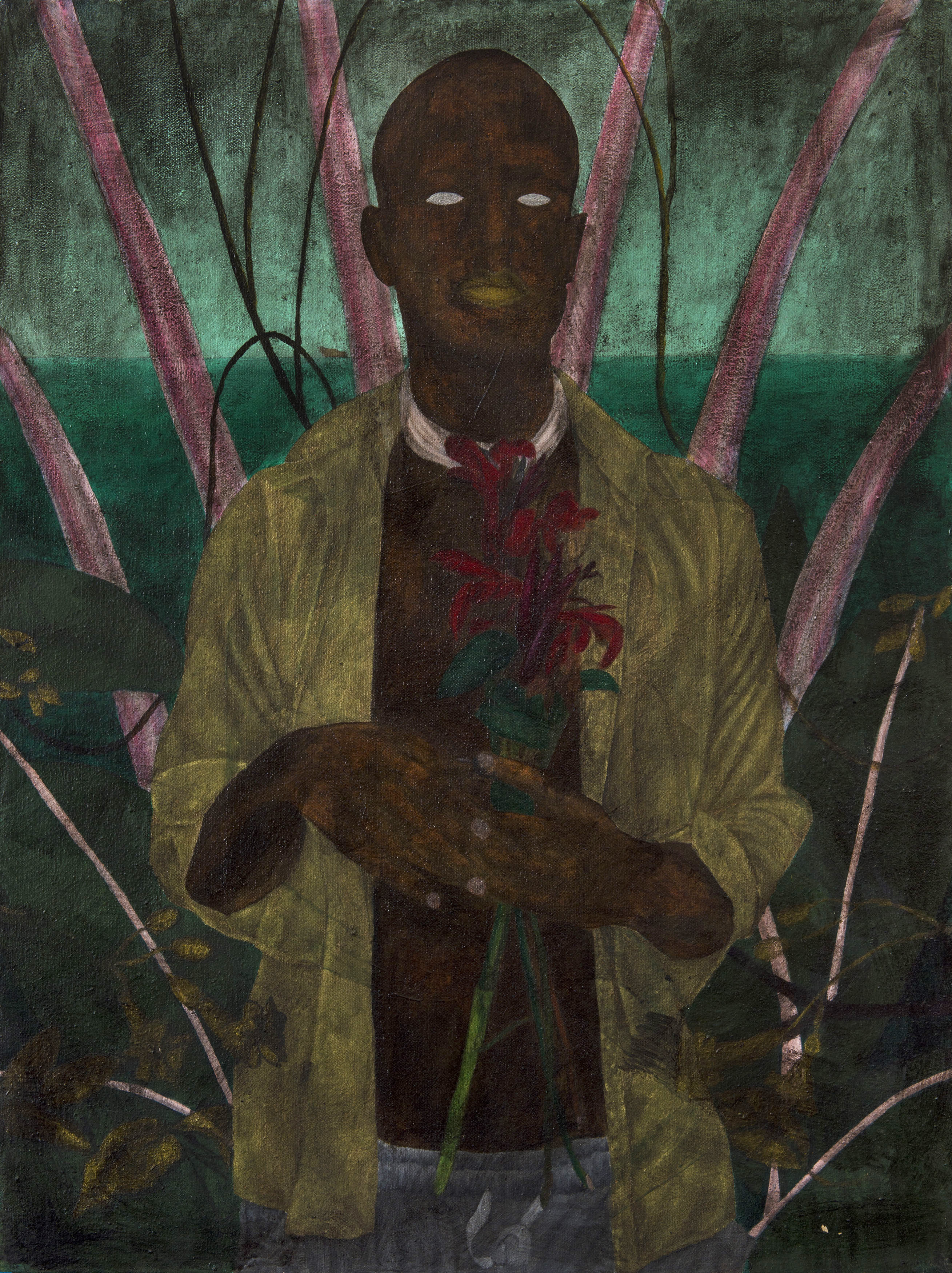
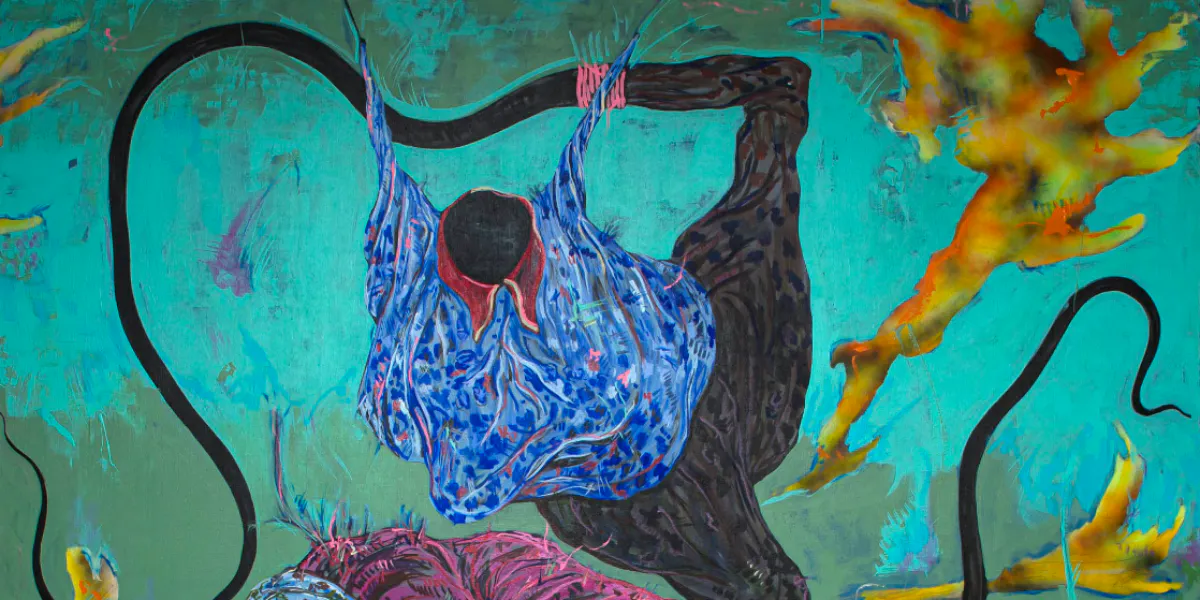
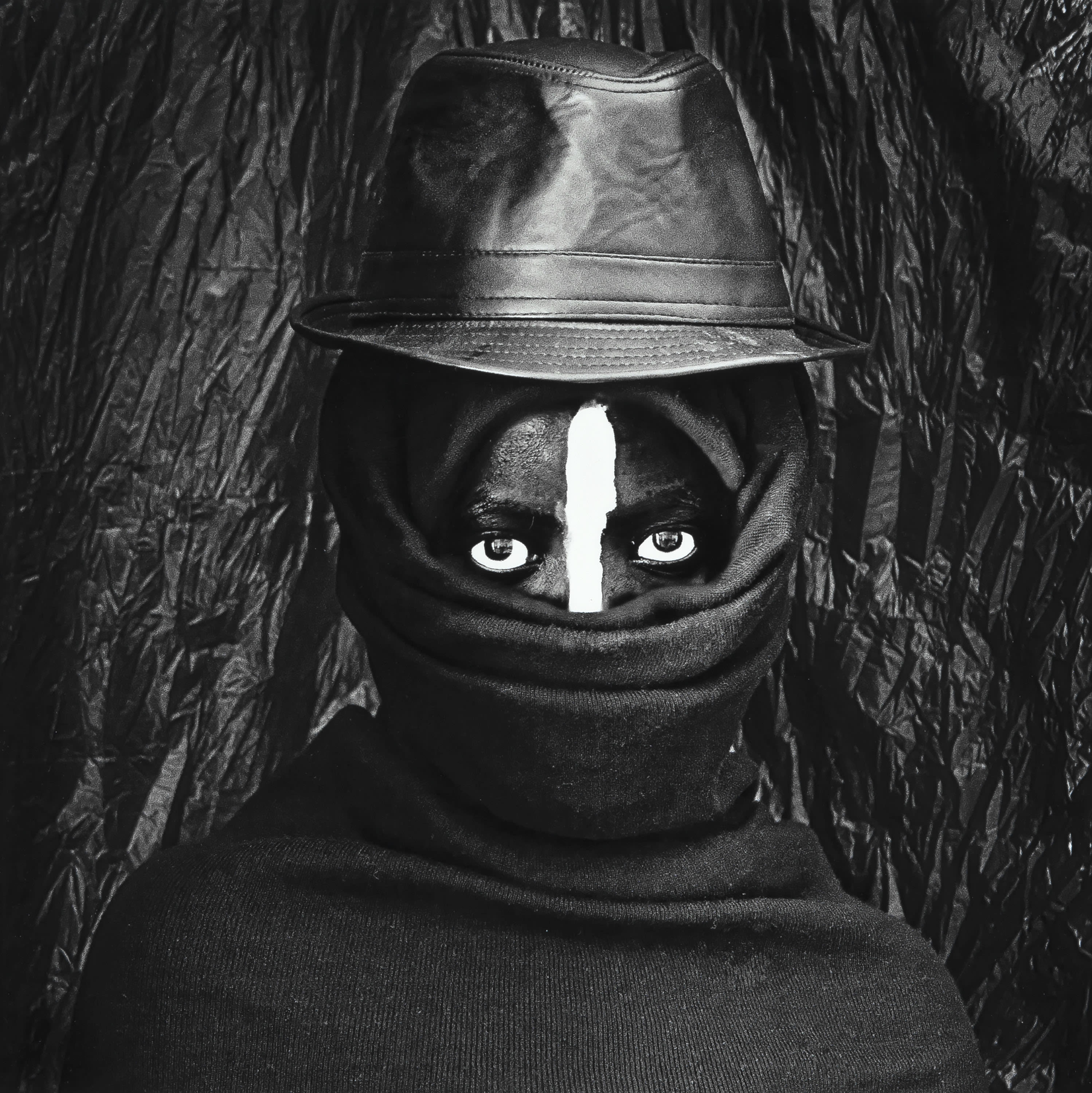
Highlights of the auction include works by distinguished artists Pierre-Christophe Gam, Cyrus Kabiru, Zanele Muholi, Simphiwe Ndzube, Thierry Oussou, Athi-Patra Ruga, Cinga Samson and Tafadzwa Tega – among others. Speaking of this new Pan-African auction, Kate Fellens, Co-Head of Sale at Strauss & Co, says: “The goal of this new sale is to underscore the importance of greater collaboration across Africa. Through working together we look to strengthen the infrastructure between us. From Cape Town to Cairo, from Lagos to Harare, in order for the African art market to sustain itself in the long term, these types of collaborations from within become crucial.”
“A lot of African art is discussed and traded at art fairs and auctions in Europe and the US. These are important global meeting points for art, however, we want to focus on the relationships within the African continent, and working together is an important part of this”, she adds. For Kirsty Colledge, also heading the sale, “There is a palpable energy in our viewing room in Cape Town, as an exciting selection of works from across the African continent from both established and emerging artists come together.” The sale, as she puts it, is “Vibrating with colour, textures and different voices. We are very proud to present these works ‘from Africa, for Africa, to the World’”.
Some of the leading curators behind the sale have kindly sat down with Barnebys to share their curatorial vision and insight into the ever-exciting world of collecting Modern & Contemporary African Art. We have asked Dana Endundo Ferreira, of Pavilion54, what she thinks of the current market and how she sees it developing in the future.
Barnebys: Where do you see the position of African Art in the current global art market?
Dana Endundo Ferreira: I still see the market for art from Africa as a small but emerging one. It still has a long way to go, but the future looks promising. Art collection is closely tied to wealth, which accounts for China’s entry into the art market in recent years, and explains why the US still dominates the market. If we look at the continent of Africa, there are strong indicators: a growing number of high-net-worth individuals, and rapid urbanisation. The continent currently holds $2.1 trillion in wealth, which is expected to increase by 38% over the next ten years. Even in the current challenging global economic environment, Africa is set to outperform the rest of the world in economic growth over the next two years, according to the African Development Bank.
On the other hand, while it is true that museums in the West have hosted an unprecedented number of African artists in recent years, and more focused art fairs have sprung up worldwide, I think that we have only very recently started to have the voices of Africans and afro-descent being brought into the conversation, and it not only happening from a western perspective. This allows us to finally tell the many African stories from a different viewpoint, and not as a single homogenous entity as the term ‘African art’ might sometimes suggest. Africa is huge and full of various cultures, histories, races, religions, and styles, including in the diaspora. We’re only scratching the surface of what Africa and its diaspora have to offer when it comes to art.
Moreover, while a few artists are getting international recognition and experiencing skyrocketing prices, most of it is still very affordable where prices are still within the reach of even new collectors – showing that the African art market still has a long way to go. We are still far from a maturing market.
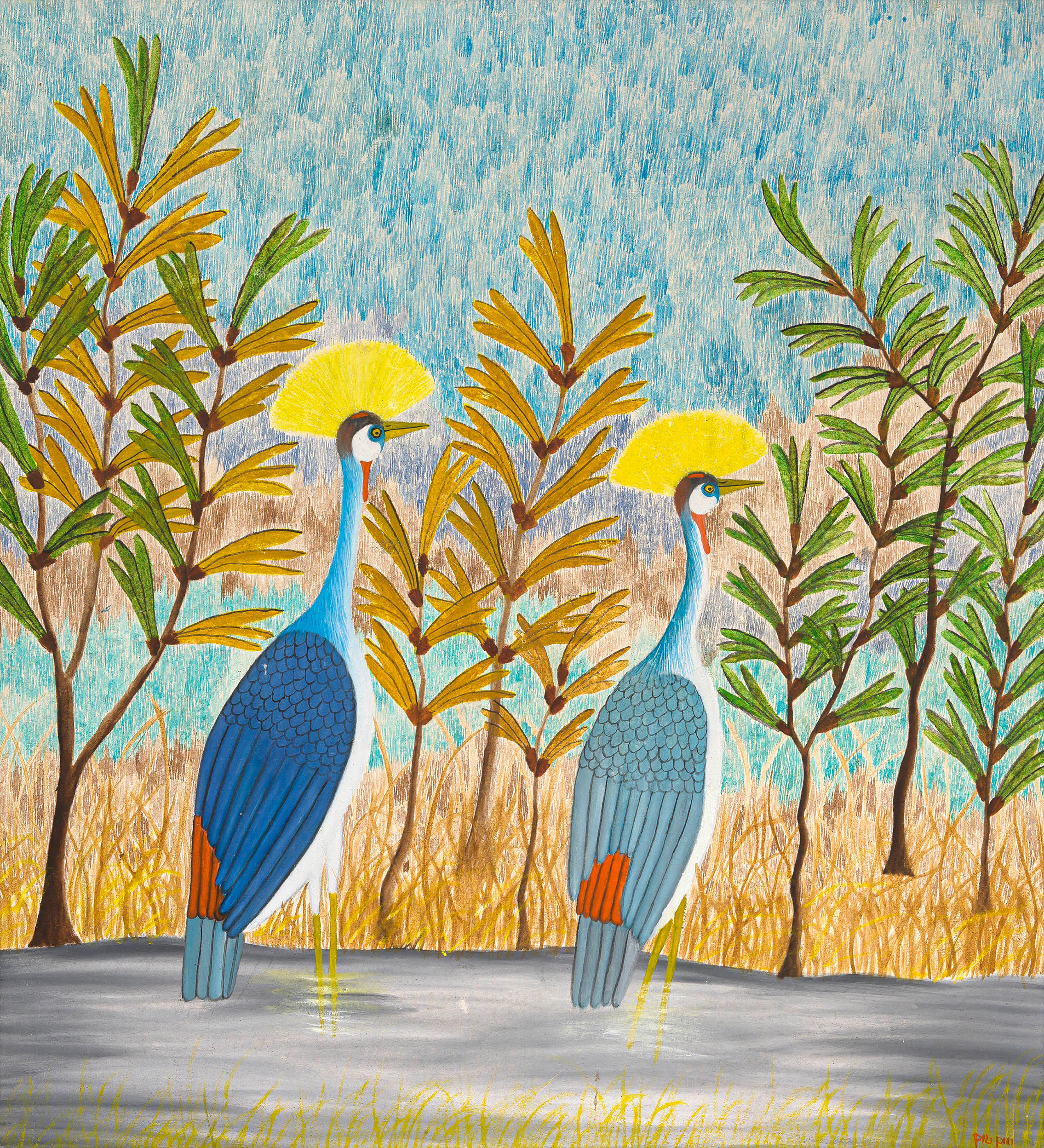
Both interest in and demand for African Art has risen considerably in recent years, but how do we ensure that African Art develops sustainably, and not only as a trend?
The development of art fairs such as 1:54 and Art X Lagos; the construction of new museums like the Zeits MOCCA and others; and international auction houses have contributed hugely to creating international interest in African Art. Now the next step is going to be more infrastructures that can bring even more visibility to artists and their work, including within the continent.
We know that art acquisition in the market relies very much on exposure and understanding. Any major retrospective show can open up audiences, and help to bring the demand up, which then in turn brings prices up.
That is why I believe that the three following aspects are going to be needed to build a sustainable market: Infrastructure. Education. Domestic demand.
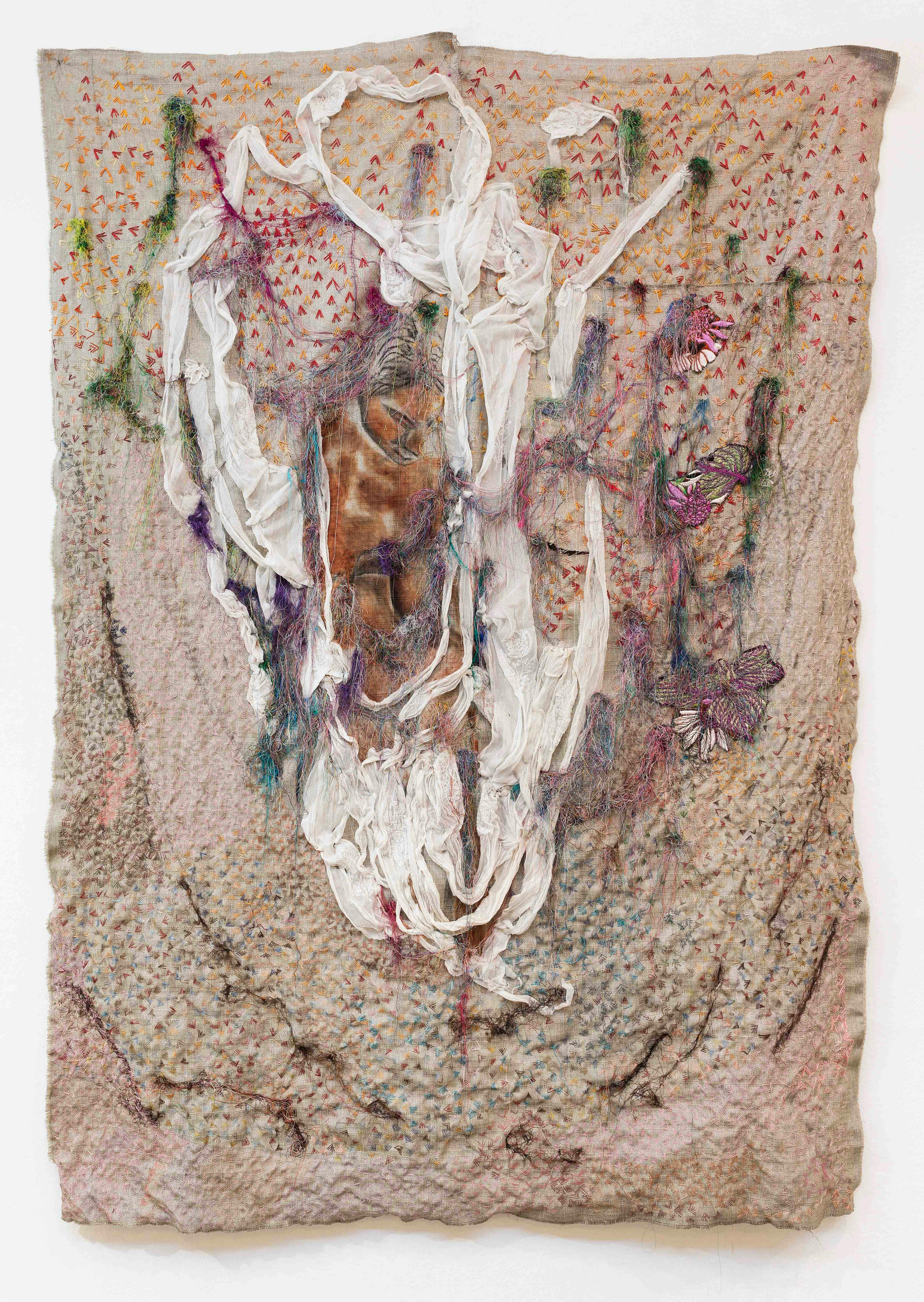
Working to champion the development of African art collecting is also guest curator Serge Tiroche, an active collector of African Contemporary art and founder of Africa First, a platform that supports emerging talents from all over Africa. Here are his thoughts.
Barnebys: What role can an individual collector play to raise the profile of the African Contemporary market and what, beyond the importance of financially supporting these artists through collecting, is there to consider?
Serge Tiroche: A collector can play a very broad role in supporting artists, without the constraints of the defined roles of curators, gallerists, museums or critics.
As an international collector with over 30 years of experience in all facets of the art industry – besides the economic support that I lend artists through acquisitions, commissions, residencies and prizes – I can also provide impartial advice on career development, pricing, and representation. I also serve as a viable ambassador of their practice with curators, fellow collectors, and gallerists. I often witness a significant rise in an artist's desirability once they've been added to our collection and promoted through our network, institutional loans and donations, international gallery shows and strategically timed pop-up exhibitions and art fairs.
Africa First, which I founded in 2017, has taken upon itself exactly that mission – of being a crossover platform that can offer emerging artists financial support, visibility, advice, and career development opportunities on a global scale; and, when the time is right, serve as a doorway to secondary markets. Most importantly, none of this comes at the expense of the traditional support functions an artist should have, and actually quite the contrary, because we cherish and thrive on collaboration.
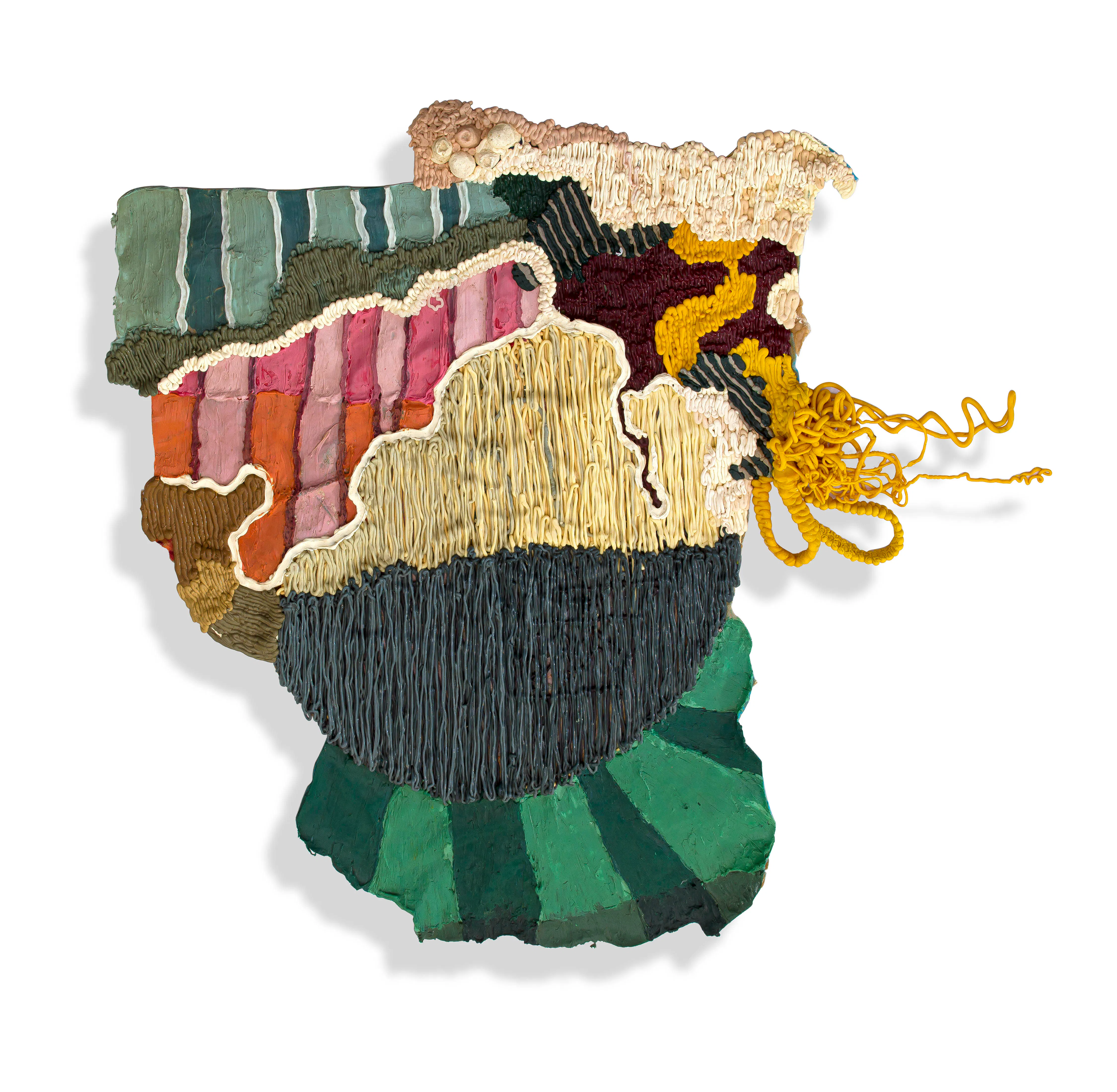
For Valerie Kabov, of First Floor Gallery Harare, collaboration throughout all institutions is also key. We’ve asked her:
Barnebys: What are some key challenges facing curators across the continent, either from personal experience or collectively?
Valerie Kabov: Our sectors do not have enough well-resourced institutional independent spaces to support the development of historical research and exhibitions, which really respond to the needs of local art sectors or the growth of local audiences. Curators often operate in compromised situations to accommodate funding imperatives, and frequently see international spaces as a preferred option. We need to develop models, which make exciting major exhibitions possible and enable them to travel across the continent. Addressing this issue, however, requires addressing many challenges of interconnectivity logistics across the continent, which almost every sector of culture and economy on the continent face.
But Valerie is ultimately hopeful about the market’s future.
Where do you see African art heading in the upcoming few years?
I think we are at an important moment, where the international interest in contemporary art from the continent has awakened local collectors to the talent in their midst, so going forward we have a really exciting opportunity to build up sustainable and responsive local art markets, with engaged and proactive collectors. This is the most interesting thing emerging in my view.
Who would be your key ‘artist to watch’ on the continent?
As a gallery focused on emerging artists and building careers, I have a bias towards our artists and Zimbabwean contemporary art in general. It is a unique and extraordinarily rich art scene, with a disproportionate amount of exceptional talent given the size of the country. Artists we see establishing themselves strongly internationally in the next couple of years are Gresham Tapiwa Nyaude, Wycliffe Mundopa and Helen Teede. They already have a strong collector and critical support and have the maturity and strength of practice to become major stars in the near future.
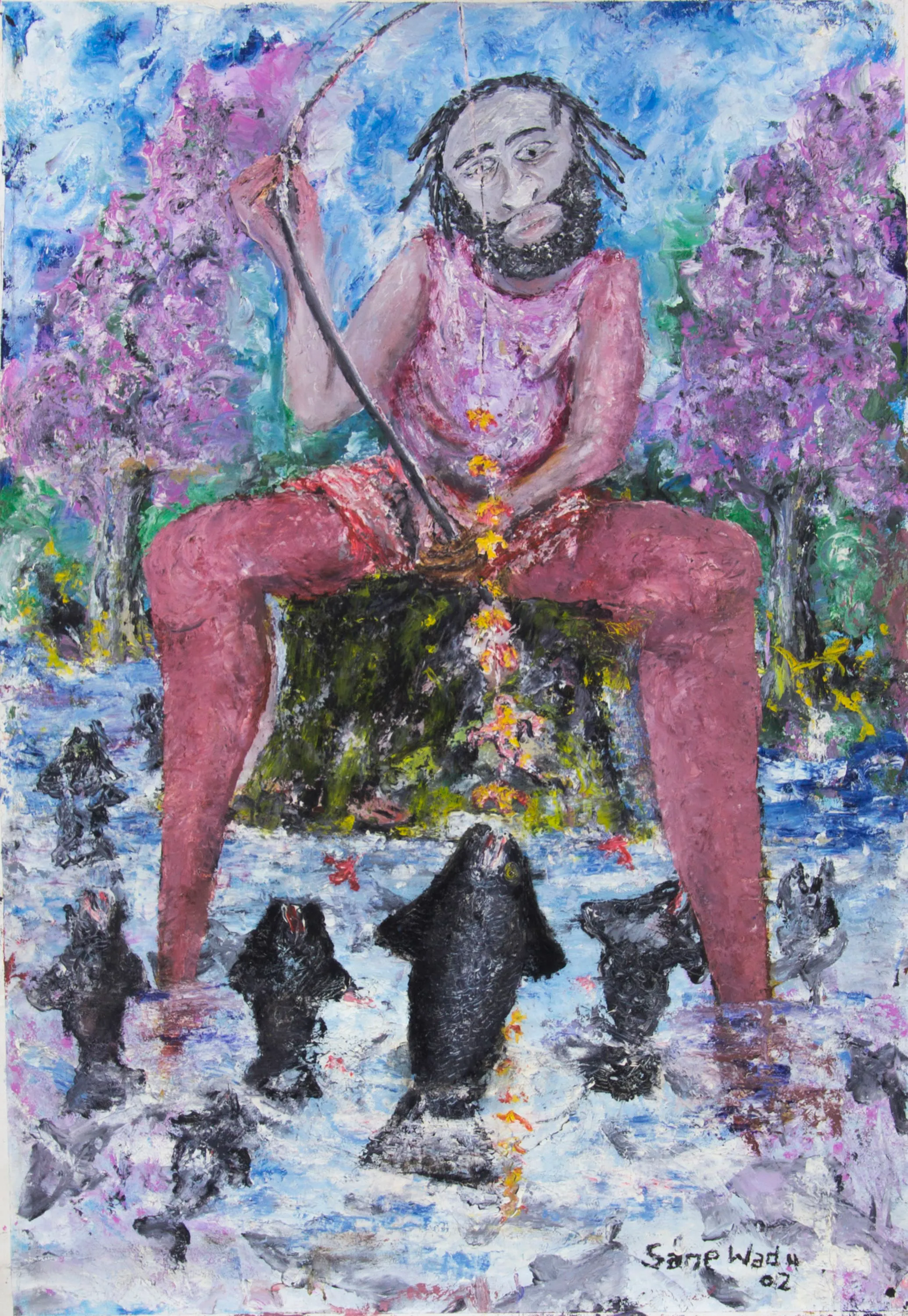
Danda Jaroljmek, of Circle Art Agency, Nairobi, also shares that building a sustainable art market is key. “Our intention is to create a strong and sustainable art market for East African artists. Through group and solo exhibitions and participation in international art fairs, the gallery has increased visibility for established and emerging artists, both internationally and at home.” Here is what she had to say:
Barnebys: It seems that growing the collectors’ base of African artists is a work of advocacy first – cultivating, educating, promoting – how do you balance this role?
Danda Jaroljmek: Having come from a non-profit background, when we set up Circle Art Agency the motivation remained the same: giving artists opportunity, sometimes putting this before financial security.
What has been your approach to curating auctions that encourage investment in East African Art?
A few things: finding a balance between Modern and Contemporary, making sure that the older generation is not being forgotten, and representing work from the whole region as fairly as possible – from Kenya to Uganda, Tanzania, Ethiopia and Sudan. Also making sure that there is a good range of prices to encourage young or new collectors, as well as those who know which artists they are interested in. Spending a lot of time, talking and advising potential bidders to build a wider understanding of the art scene, from the 1060s to the current day, is also crucial.
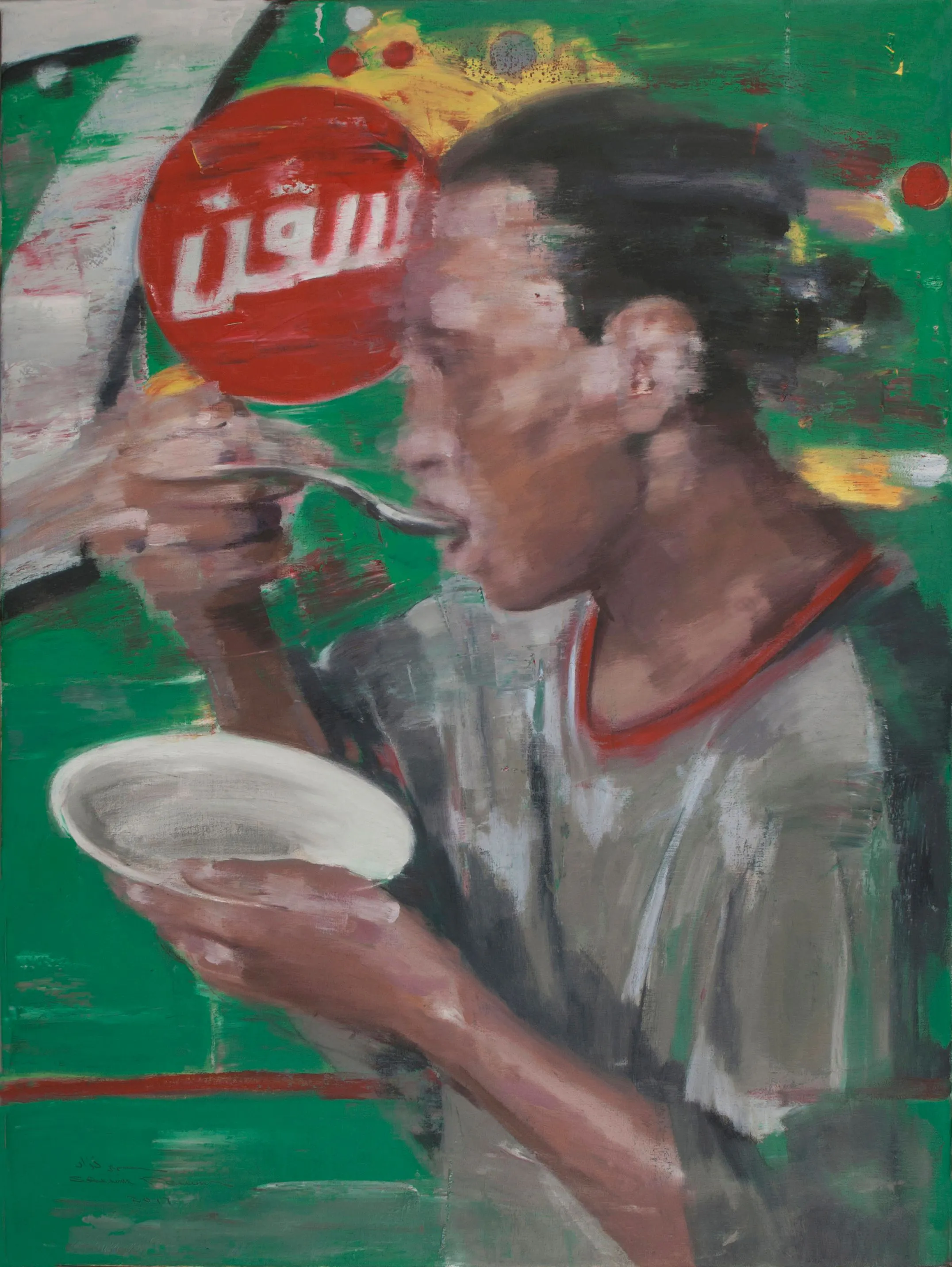
Heba Elkayal, an independent curator and art historian, has also collaborated with Strauss & Co. For her, “It is long overdue that African artists present, show and sell side by side in an African auction house." Heba’s mission focuses on presenting works by Egyptian artists working today to a new audience of curators and collectors.
Barnebys: In what ways do you see contemporary Egyptian artists in dialogue with the rest of the Continent?
Heba Elkayal: The conversation currently is not as loud or dynamic as it could be. Despite Nasser's efforts at driving Egyptians spiritually and emotionally towards a Pan-African movement in the 1950s and 60s, all was reversed in subsequent years because of the political landscape in Egypt, changing to a foreign policy preference towards the United States and Europe. Today, Egyptians are yearning for opportunities to engage with other countries and artists on the Continent, because they recognise that they have more in common, in terms of their respective political histories and current social climates and realities. Also, they recognise that aesthetically and artistically, artists on the Continent are vying towards and succeeding in the creation of vernacular artistic identities, which is a far more interesting artistic proposition than what's happening elsewhere. A canon of Modern and Contemporary African art has formed and continues to expand, and that is far more attractive to many Egyptian artists than trying to be recognised by audiences and curators abroad – who share very little intellectually and culturally with Egyptian artists.
Talk us through some of the artists you’ve selected for this edition, what are some of the key themes explored?
Identity in its many iterations and facets, whether it be the collective identity of the Egyptian populus during times of political upheaval and the Arab Spring, or the individual trying to better understand one's own true self vis-à-vis the socially imposed expectations by the mores of Egyptian society. Just as Weaam El Masry tries to explore what it means to be a woman in society today and challenge the limitations and oftentimes very oppressive visible and invisible forces that challenge women on a daily basis, Ibrahim Ahmed also focuses on the question of masculinity that has been socially-imposed on men, and the toxicity of those ideas and their impact on young men. Although Nermine Hammam's work focuses more on a more internal element of identity in the spiritual sphere, these works are political and carry strong political statements and messages.
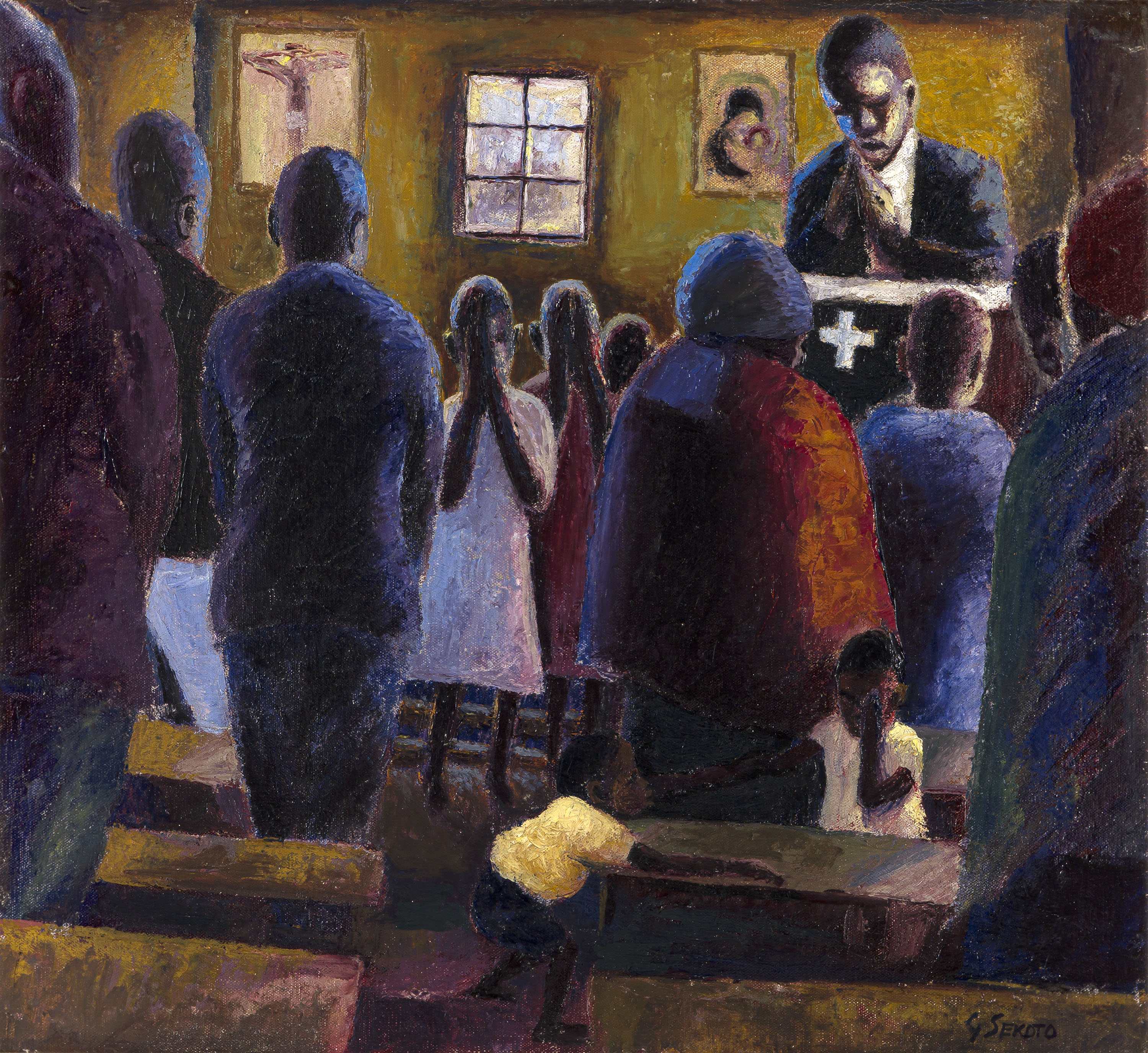
Curatorial Voices: Modern and Contemporary Art from Africa will launch on Tuesday 28 February. As Bina Genovese, Managing Executive at Strauss & Co, said: “The auction will present works by renowned African artists to the public at a time when Cape Town, a global art capital, is the centre of attention. With our proven competencies handling art from southern Africa, Asia, Europe and North America, I have no doubt that this new sale will broaden dialogue among artists and collectors from across the African continent and beyond, as well as provide networking opportunities for art professionals.”
![Simon Gate, engraved glass bowl, model 122, Orrefors, 1923 [detail]. Photo: Bukowskis](https://images.prismic.io/barnebys/1a48de6d-7561-4707-8be8-5a410a13ad6c_Cover.jpg?auto=format,compress)