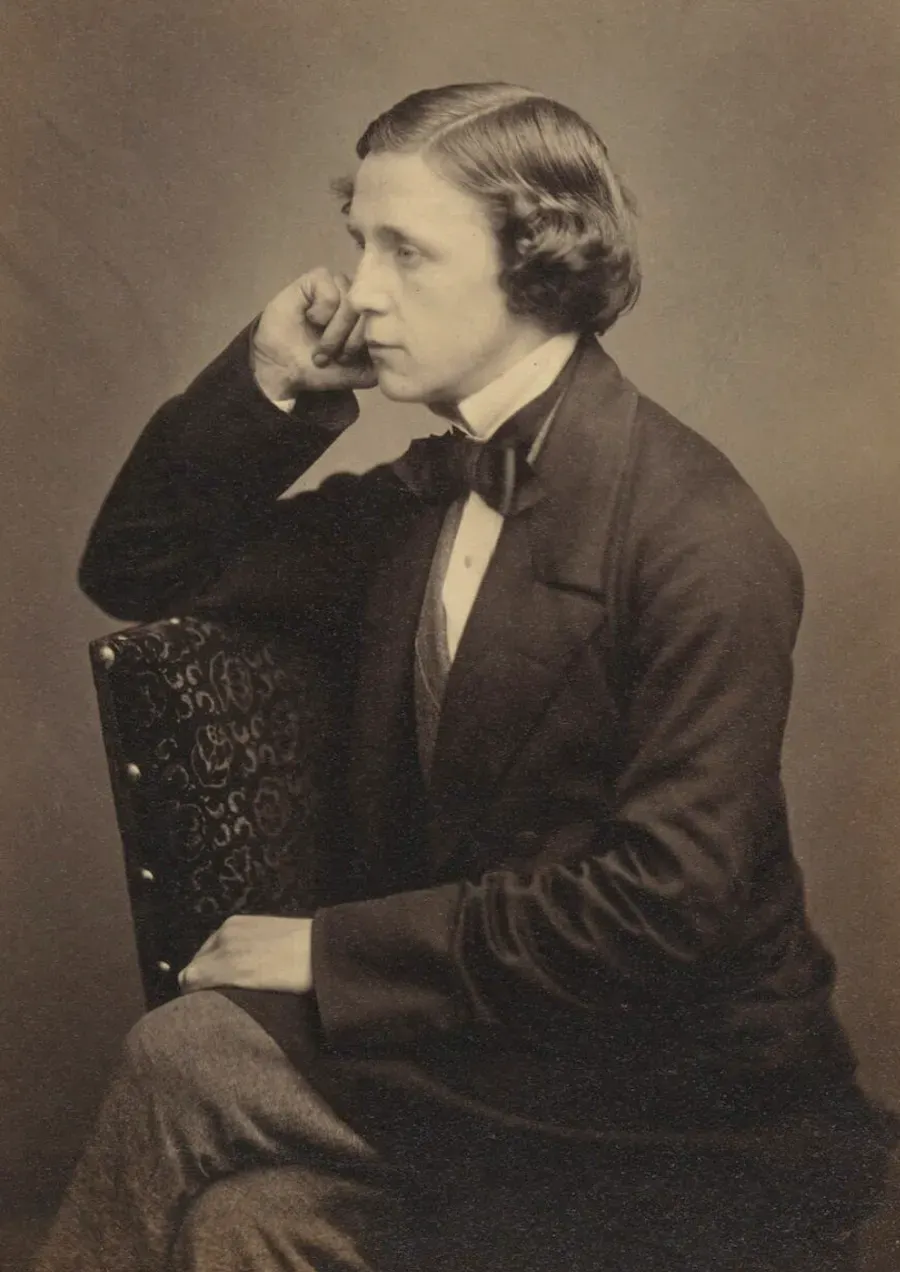
In 1865 Charles Lutwidge Dodgson, better known as Lewis Carroll, published a novel destined to become a cult classic, Alice's Adventures in Wonderland. The book tells the story of a little girl named Alice who tumbles into a fantasy world populated by weird and fascinating anthropomorphic creatures.
See also: Surrealism and the Subconscious
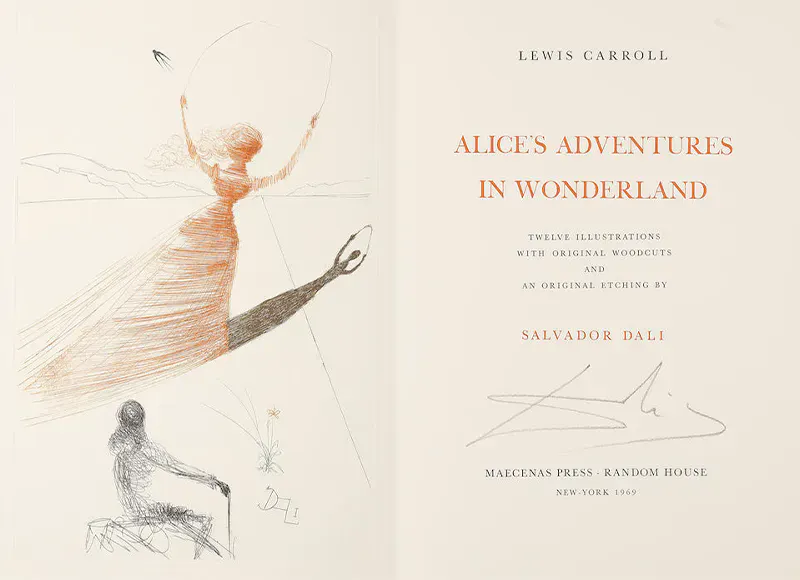
Almost a hundred years later at a 1961 conference, Marcel Duchamp said that the "young artist of tomorrow" would "like Alice in Wonderland [...] be led to pass through the looking-glass of the retina, to reach a more profound expression." He was the first to sense the conceptual common ground between the story of Lewis Carroll and the Surrealist art movement. Eight years later, in 1969, the Random House publishing house commissioned Salvador Dalí to illustrate this classic of literature for an exclusive edition, a task which culminated in what is still today considered one of the greatest collaborations between psychedelia and surrealism.
See also: Salvador Dalí: Art Crazy
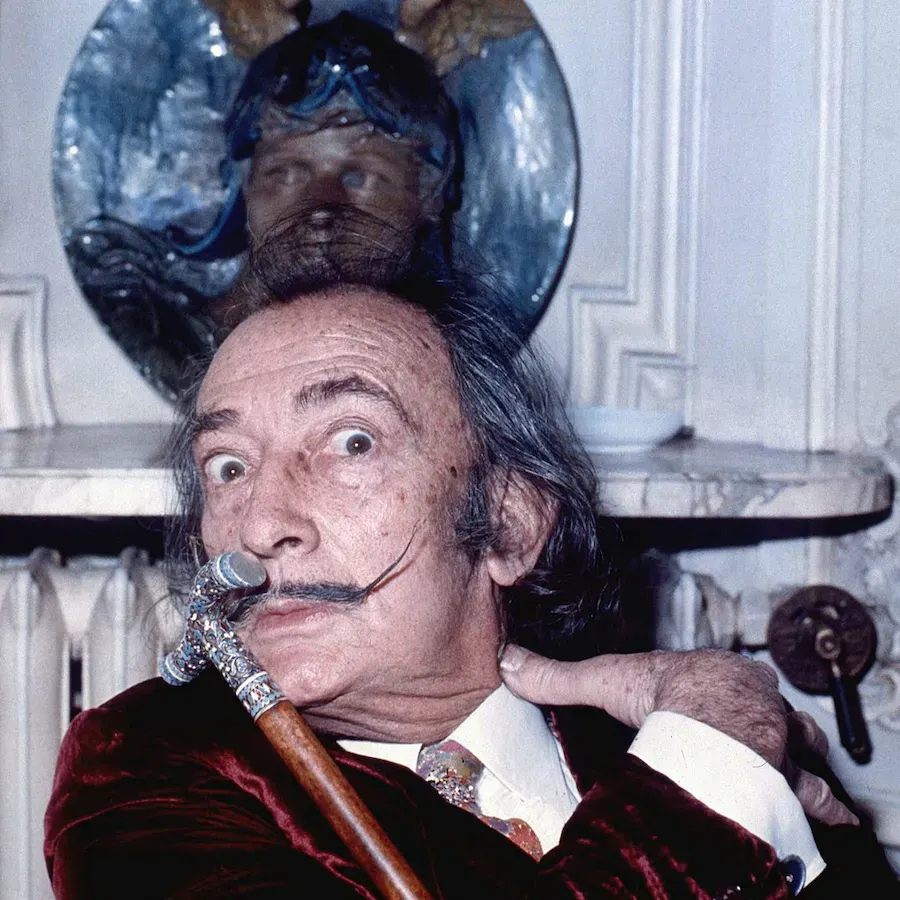
The eccentric Dalí who would say such mind-bending statements like, "I don't use drugs, I am the drug" and ''Take me, I am the drug; take me, I'm hallucinogenic," was probably the best person to illustrate the bizarre world created by Carroll.
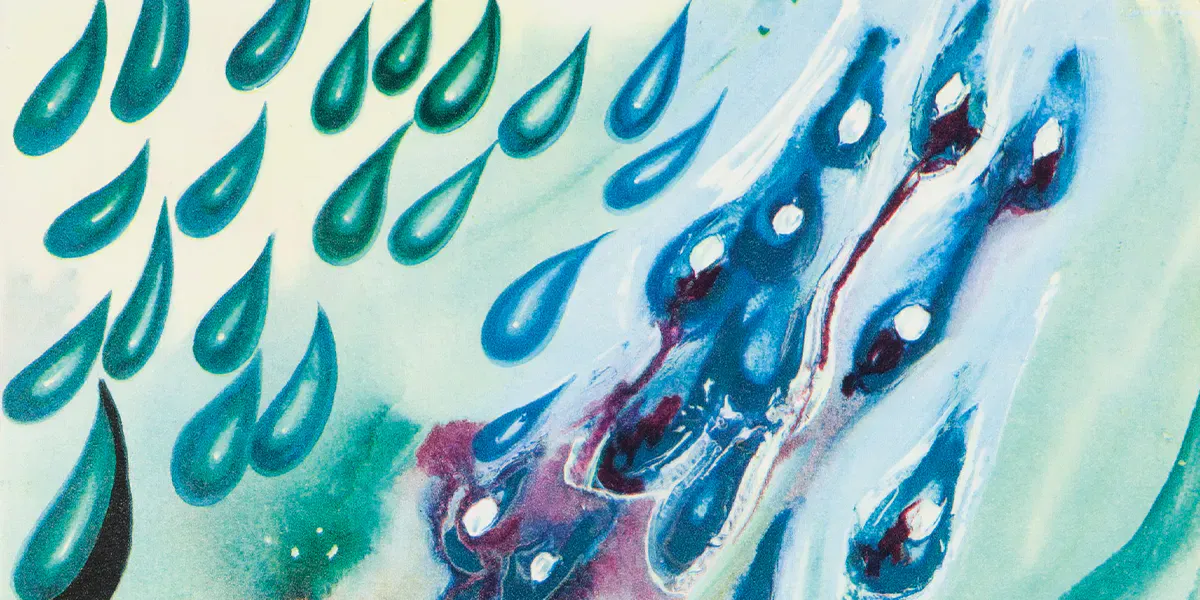
The extravagant fairy tale born out of the genius of the English writer were transformed by the hands of the Spanish surrealist into artworks of disturbing beauty: an original etching and 12 heliographies made on the basis of original gouaches, dripping with colour and whimsical figures. The rare edition with these illustrations was immediately coveted by book collectors from all over the world and over time has always generated a certain interest on the auction market.
See also: The Twelve Tribes of Israel by Salvador Dalí
After all, Salvador Dalí, like his other illustrious Surrealist colleagues Magritte and Ernst, distorted the world as it was then known in all possible ways, playing with the perception that people had of inanimate objects, humans and animals, exactly as Carroll had done in his fantastic tale decades before.
Want to receive more articles like this by email? Sign up for our free newsletter!
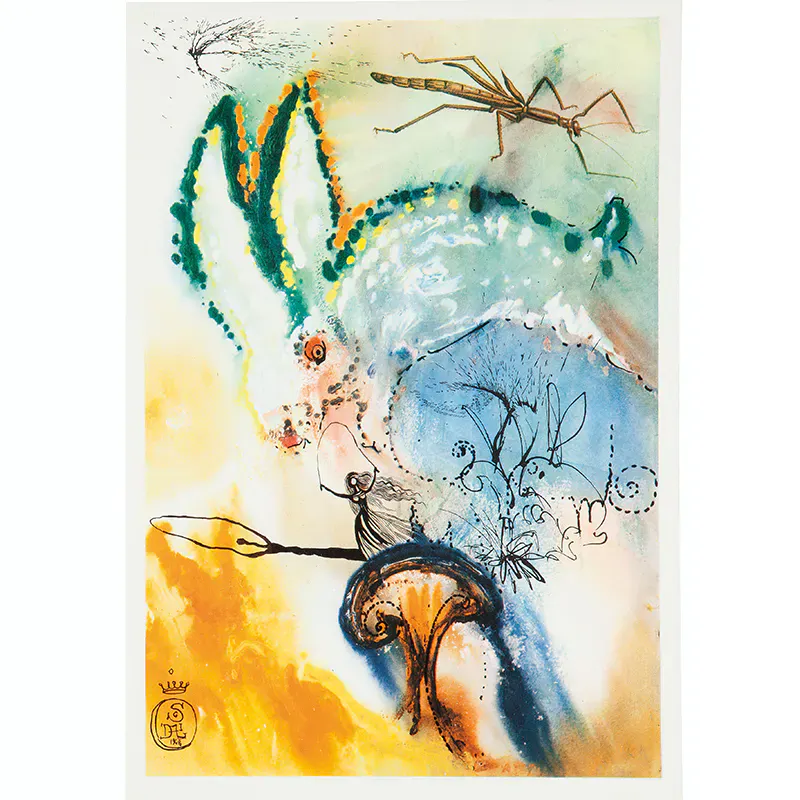
The meeting and harmonious union of dreams and reality can be considered a real event in the art and literature of the mid-20th century. The Random House publishing house expressed itself in these terms regarding the highly original illustrations of the published book: "Even in your deepest imaginings we doubt that you could conceive of a work more uniquely and breathtaking beautiful. The Limited Edition of this gigantic work of the imagination is restricted to 2,500 portfolios. Dali hand-signed each title page individually. Interest indicates that the demand from art and book collectors the world over will far out-run the supply. And small wonder."
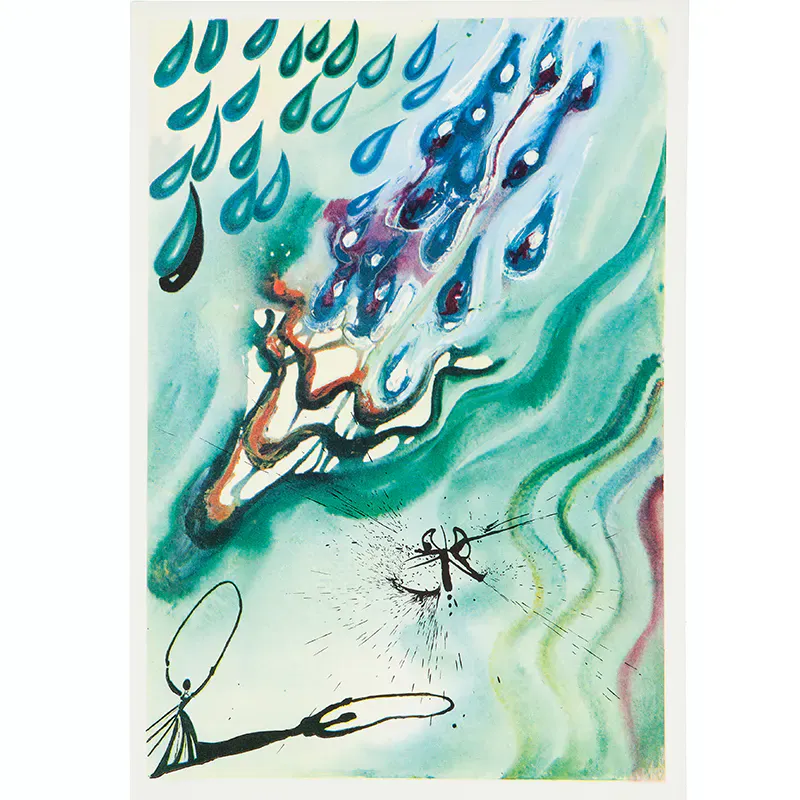
In 2015, to mark the 150th anniversary of the release of Carroll's book, Princeton University Press brought Dalí's illustrated work back to life with new introductions by Mark Burstein, president of the Lewis Carroll Society of North America, and mathematician Thomas Banchoff, who knew and collaborated with Dalí.
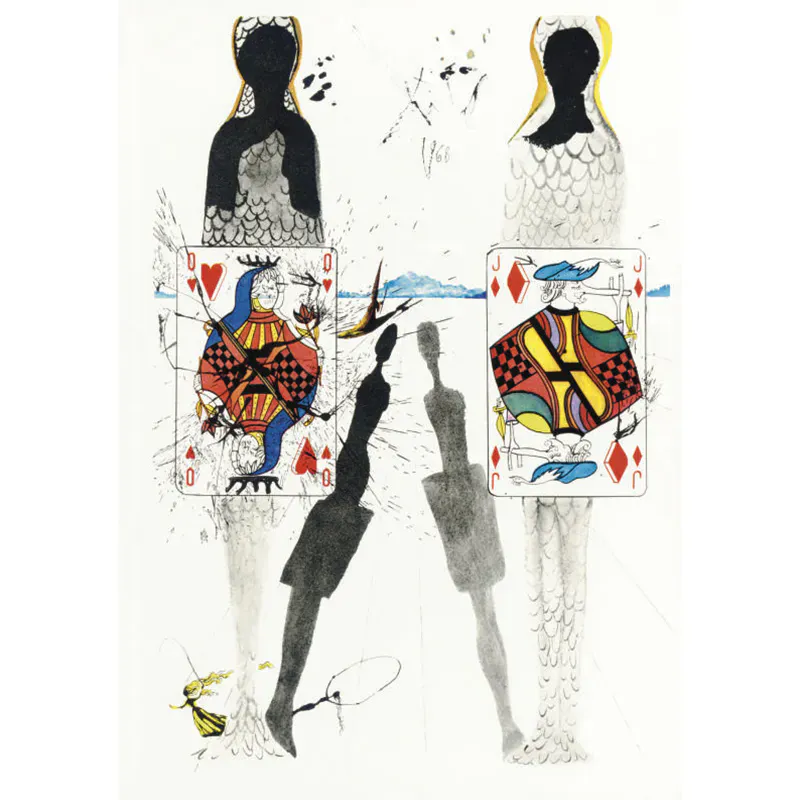
In addition to Dalí, many other artists have reinterpreted Alice's Adventures in Wonderland: among them, Peter Blake, Charles Blackman, Lisbeth Zwerger, who also illustrated The Wizard of Oz, Ralph Steadman, who created the illustrations for Animal Farm by George Orwell, and Tove Jansson, the celebrated Swedish-speaking Finnish artist who created the beloved Moomin characters. Each artist has given their own interpretation of Carroll's genius and added a personal touch, merging the everyday world and fantasy in a way that is as free from constraints as possible.
See also: Art Brut: Art Outside the Box
This legacy lives on today when copies of Dali's Alice in Wonderland come up for auction. In 2018, the complete set of 13 prints sold at Phillips for a record £25,000, showing the enduring interest in this creative collaboration.