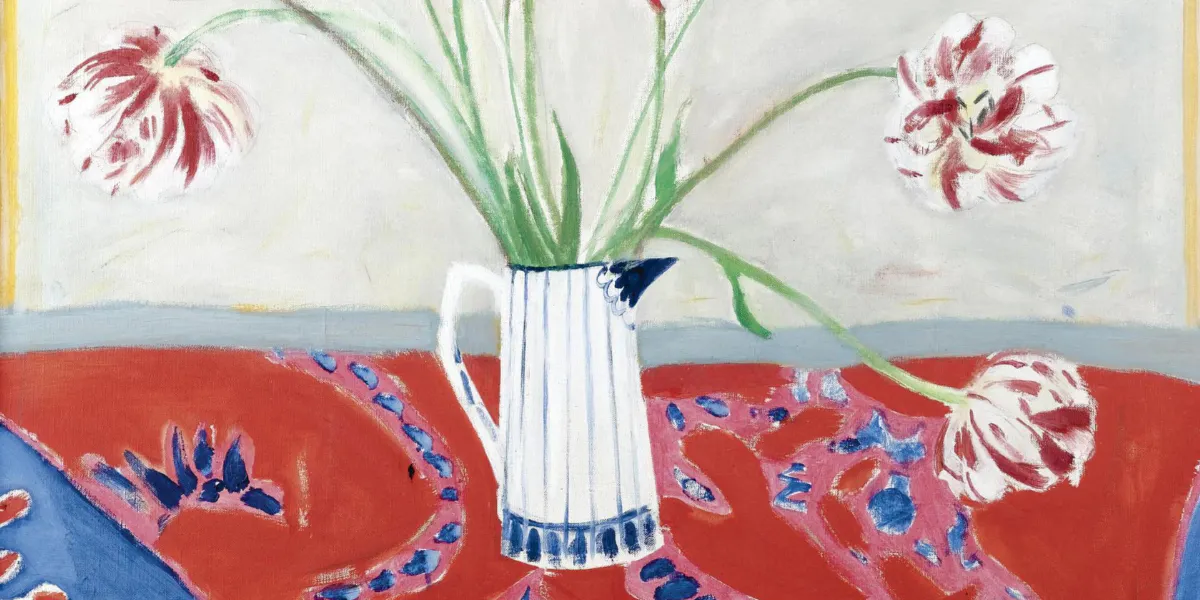
Born in 1931 in Falkirk, Scotland, Dame Elizabeth Blackadder (DBE, RA, RSA) studied at the Edinburgh College of Art from 1949 to 1955 under Robert Philipson, William MacTaggart and William Gillies. A travelling scholarship in 1954 took her to Greece, Italy, and Yugoslavia, where she was influenced by Byzantine art and mosaics. On a second scholarship to Italy the following year, she immersed herself in early Renaissance art, but also looked at contemporary artists such as Giorgio Morandi, whose extraordinarily still lifes would later be recalled in her own work. The drawings made on the early Italian journey also reveal her extraordinary talent for draughtsmanship, which continued in her work over the next sixty years.
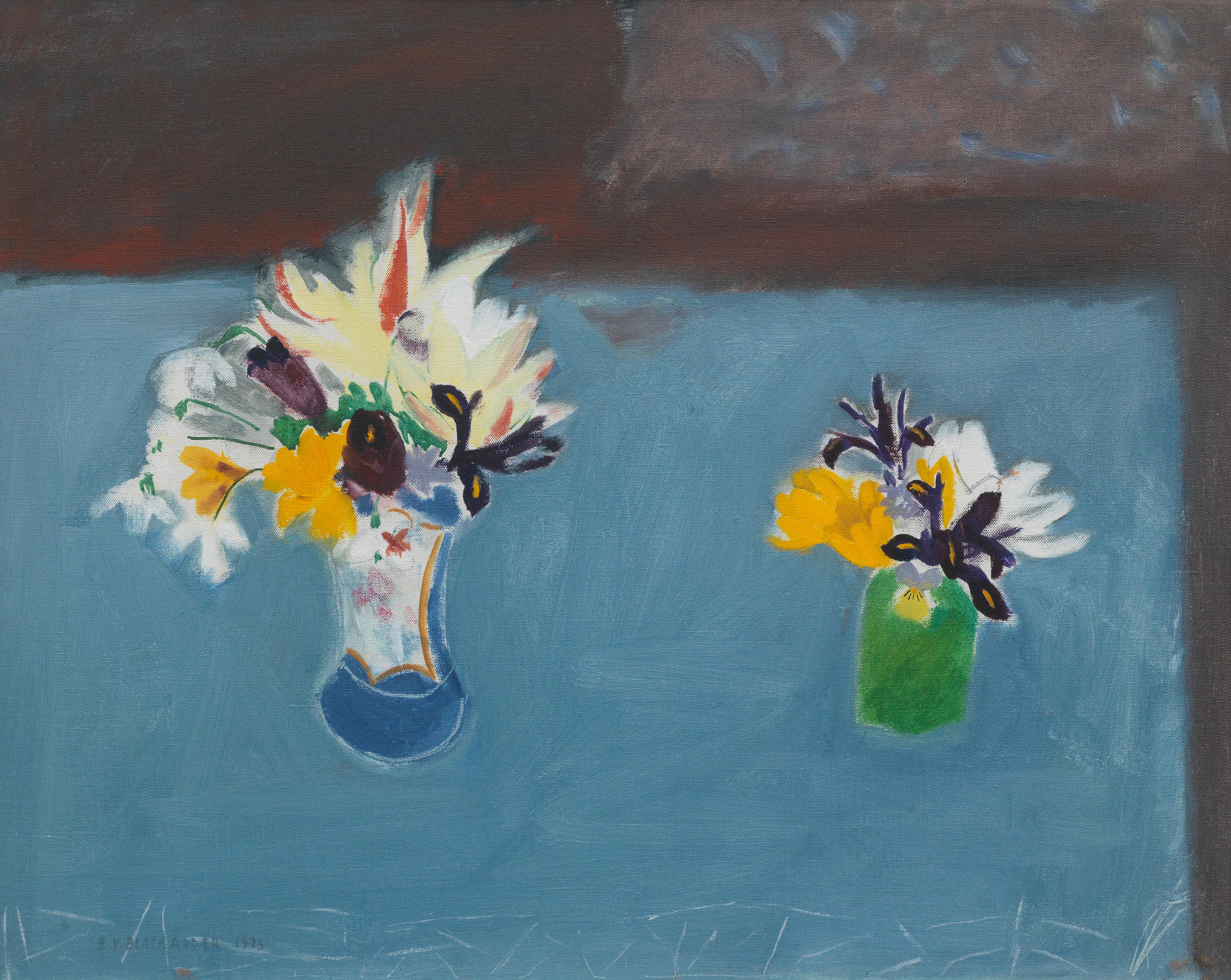
In 1956 Blackadder married the landscape painter John Houston and together they began to travel extensively. From her education, to her travels, and even her marriage – Elizabeth was in every sense of the word an artist to her very core.
See also: Abstract Art: From Genre to Movement
Despite the fact that she could never be described as an 'abstract artist', Blackadder gained much from her understanding of the non-figurative revolution, which swept through European and American painting in the late 1950s and 1960s. In 1962, her painting White Still Life, Easter, a semi-abstract still life placed on a shallow pictorial space, earned her the Gurtrie Award for best work by a young artist at the Royal Scottish Academy. The same year, she started teaching at the Edinburgh College of Art, which she continued doing until her retirement in 1986.
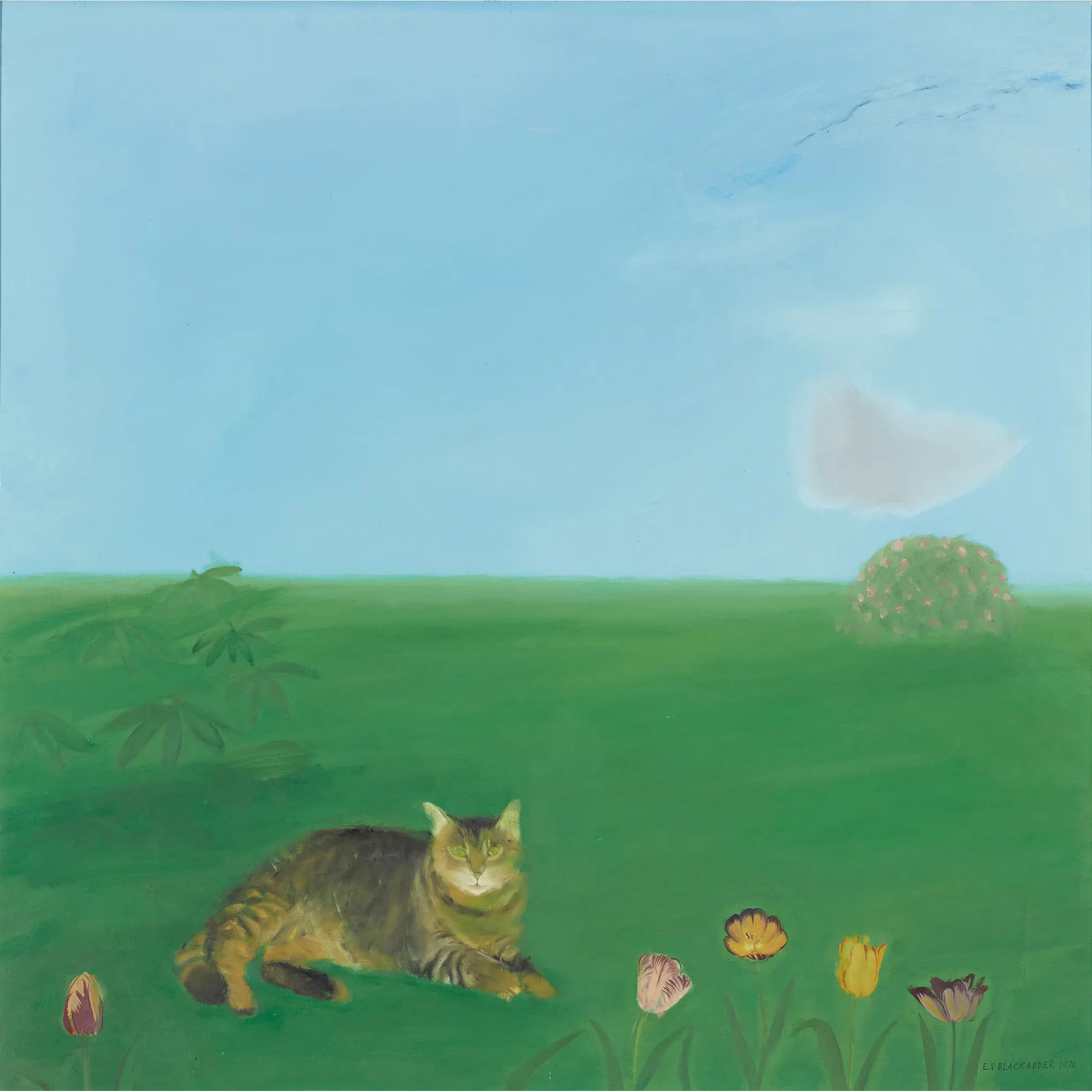
In 1965 Blackadder was looking at new ways of approaching still life, taking her cue from Redpath and the Edinburgh School, but also bringing to this her own unique vision, which often drew on sources as diverse as Mughal miniatures and colour-field abstraction.
Want more articles like this delivered straight to your inbox? Subscribe to our free newsletter!
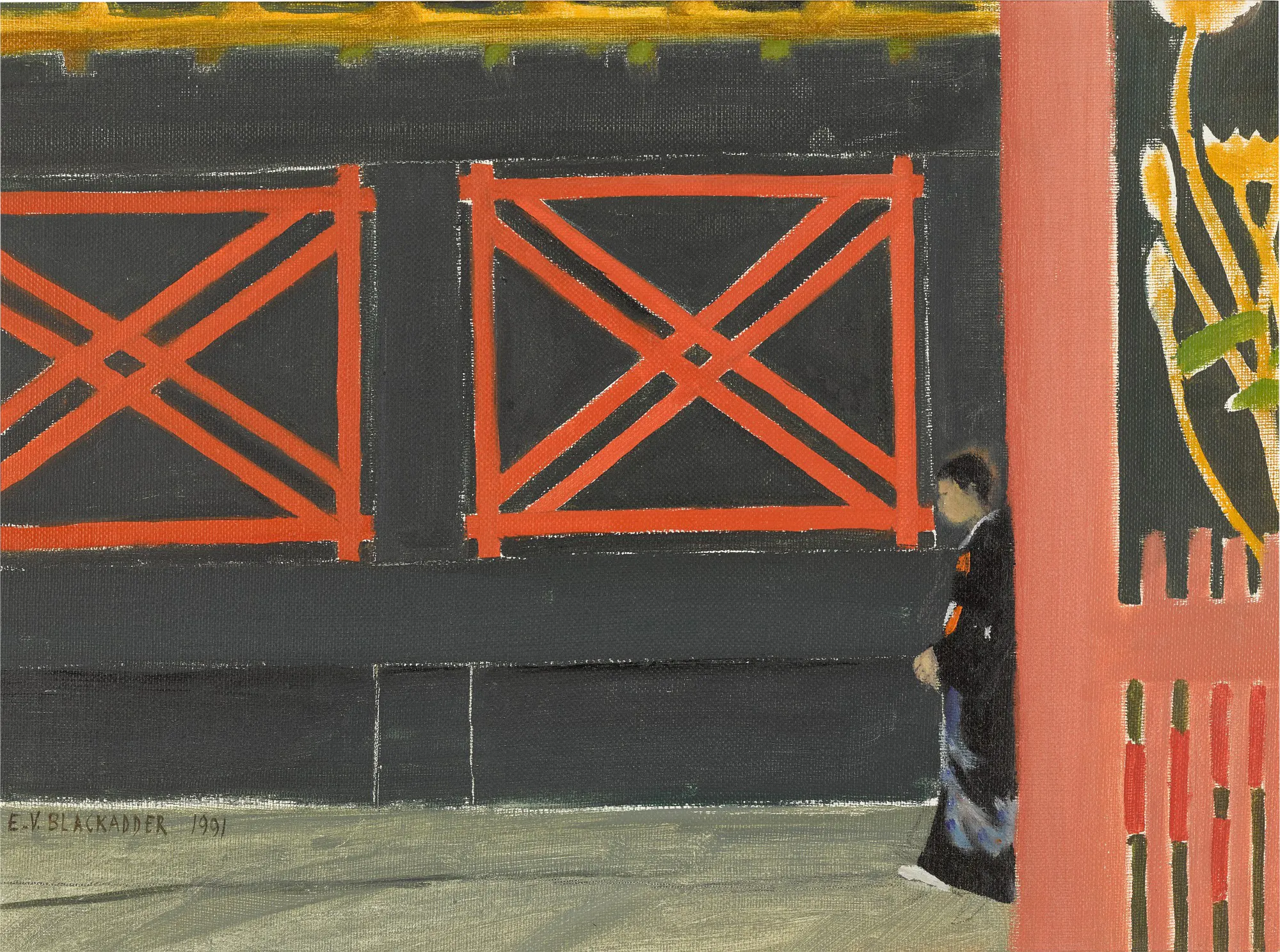
Travelling across Japan on a number of occasions during the 1980s, her work took on Eastern influences and techniques, with vibrant oils and watercolours. She spent the 80s and 90s working in different styles for each of her chosen genres. In these years, her botanical work became more intense and her landscapes ever simpler. At the same time, the still lifes adopted a yet more flattened appearance, with almost no perspective whatsoever. In 1985, Blackadder also began working at the Glasgow Print Studio, where she kept working with master printmakers to produce etchings and screenprints until 2014.
See also: Kimono: The Japanese Dress On and Off the Screen
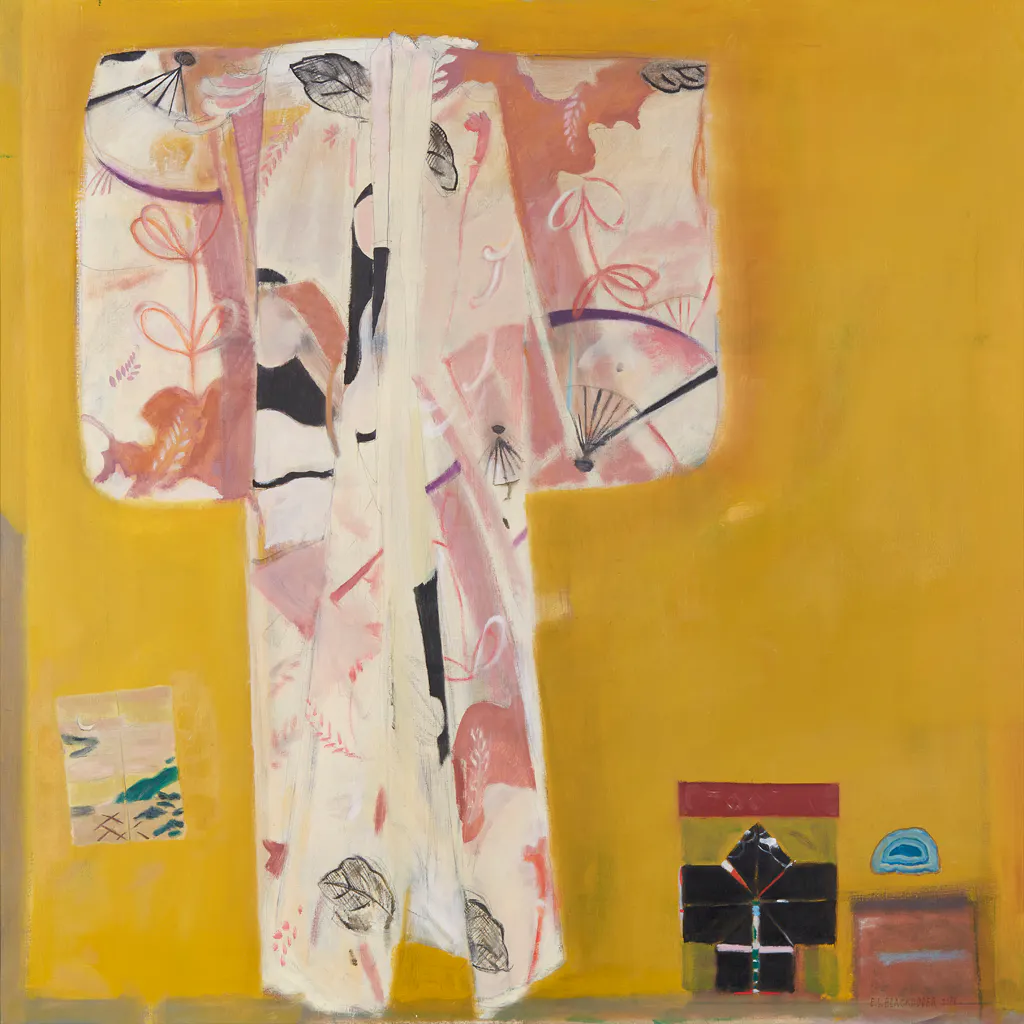
The objects in her still lifes were always chosen with care: from popular toys and ornaments to Japanese and Indian prints, her subjects seemed to be floating in their space, often surrounded by a shimmering aura, suggesting an individual presence and character. These incredible details borrowed from around the world, be it Asia or America, made her work truly universal in its visual language.
See also: Travel the World Through Art

See also: Her Majesty: 70 Years in Portraits
Blackadder was the first woman to be appointed to both the Royal Scottish Academy (elected in 1972) and the Royal Academy (elected in 1976). In 1982, she was awarded an OBE for her contribution to the arts, which was promoted to a DBE in 2003. She was also appointed Her Majesty's Painter and Limner in Scotland, the first female artist appointed by HRH The Queen, and has received multiple honorary doctorates at several universities. In 2011, when she turned 80, a major retrospective of her work opened at the National Galleries of Scotland. Blackadder died on 23 August 2021, aged 89.
Find more articles in Barnebys Magazine
This is an updated version of an article originally published on 9 March 2017.