
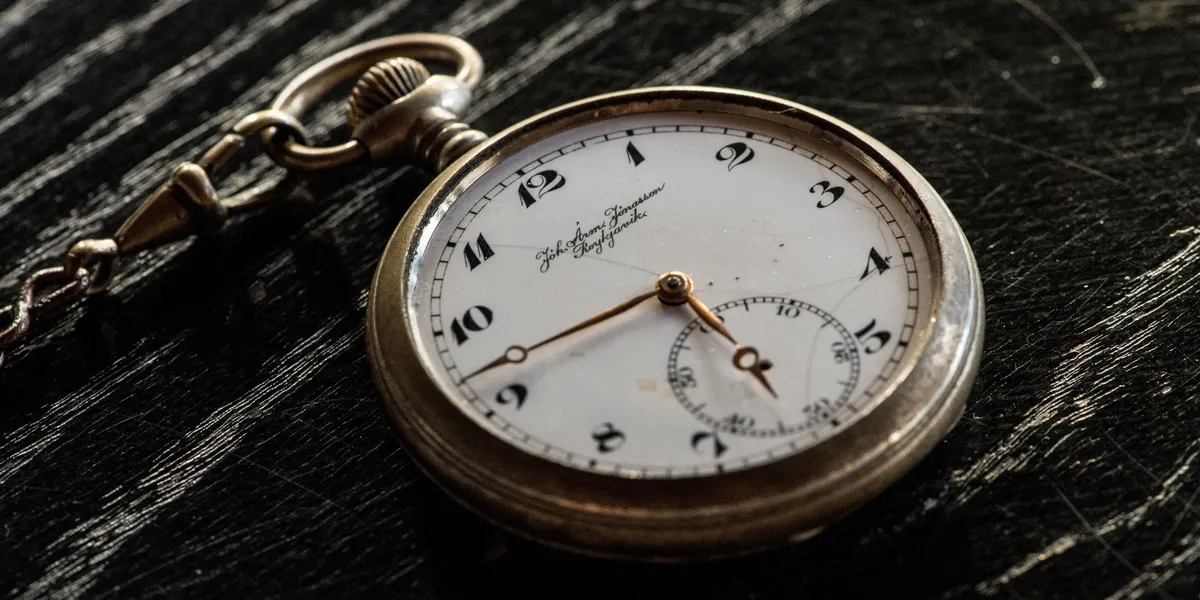
In 1863, several investors from the city of Chicago approached the former mayor Benjamin W. Raymond about setting up a watchmaking firm in the neighbouring village of Elgin. Their initial idea was simple: to produce watches of good quality in industrial quantities, in order to capture the middle market that was excluded from buying luxury items. From the beginning, the founders of Elgin were positioned as new conquerors of the American midwest.
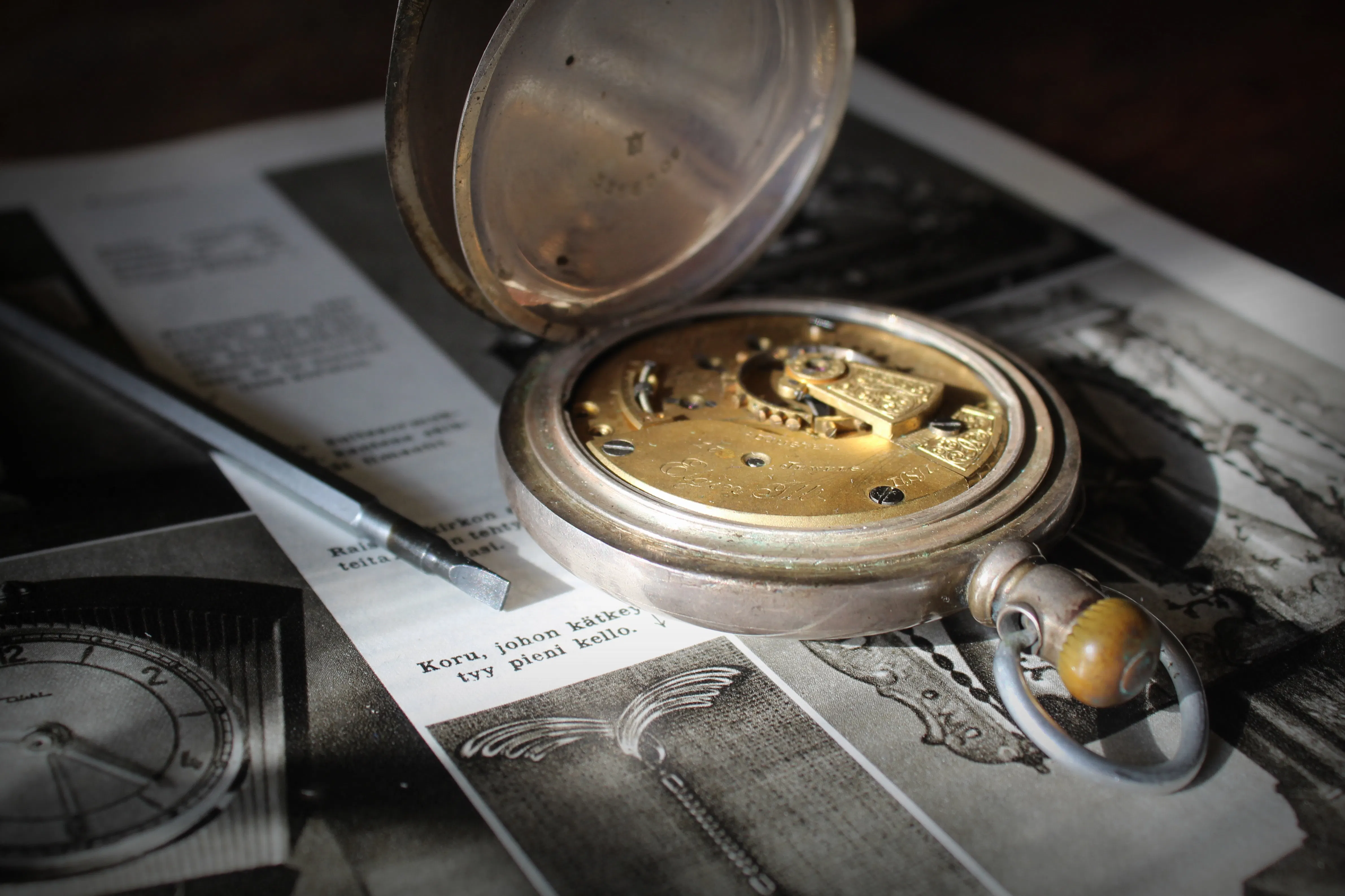
Their concept responded to several issues. America was still recovering from the Civil War, and the standard of living had fallen. Industrialisation was picking up all over the country, but at widely different rates depending on the industry – watches, for one, were still largely made by individual craftsmen. This meant that there was little to no standardisation, the price point was high, and it was difficult for people, especially in rural areas, to buy a watch or have it repaired.
See also: Patek Philippe: a Timely Investment

The Elgin factory took two years to complete, and with a 142,000 m² space was the largest watchmaking complex in the world for a century. Production was carried out by employees recruited from the Waltham Watch Company, Elgin’s main competitor. The clock tower at the Elgin site became a symbolic landmark for generations of men and families, while embodying the power and precision of the brand. These values were also symbolised in the company's logo, a winged Father Time equipped with a scythe and a modern watch.
See also: The 10 Most Expensive Watches Ever Auctioned
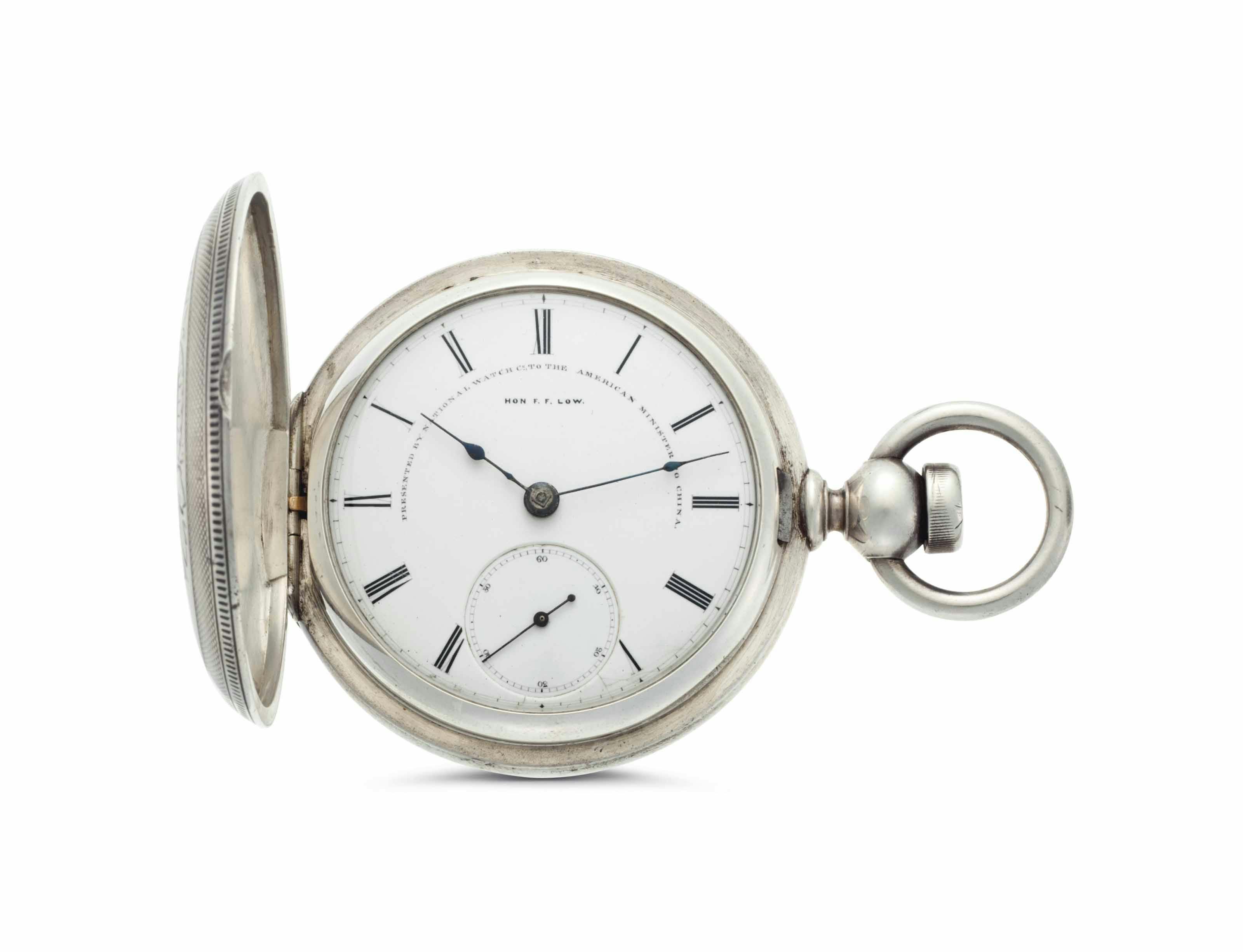
Soon, Elgin’s corporate strategy paid off. Their first product was an American size 18 ‘full plate design’ marked with the name B.W. Raymond. Elgin pocket watches were sold across the country, called ‘railroad watches’ as a nod to the American bourgeois class that now travelled cross-country by train. The most expensive models included gold coins, but these comprised less than 10% of production; as always, the primary objective remained mass appeal and availability.
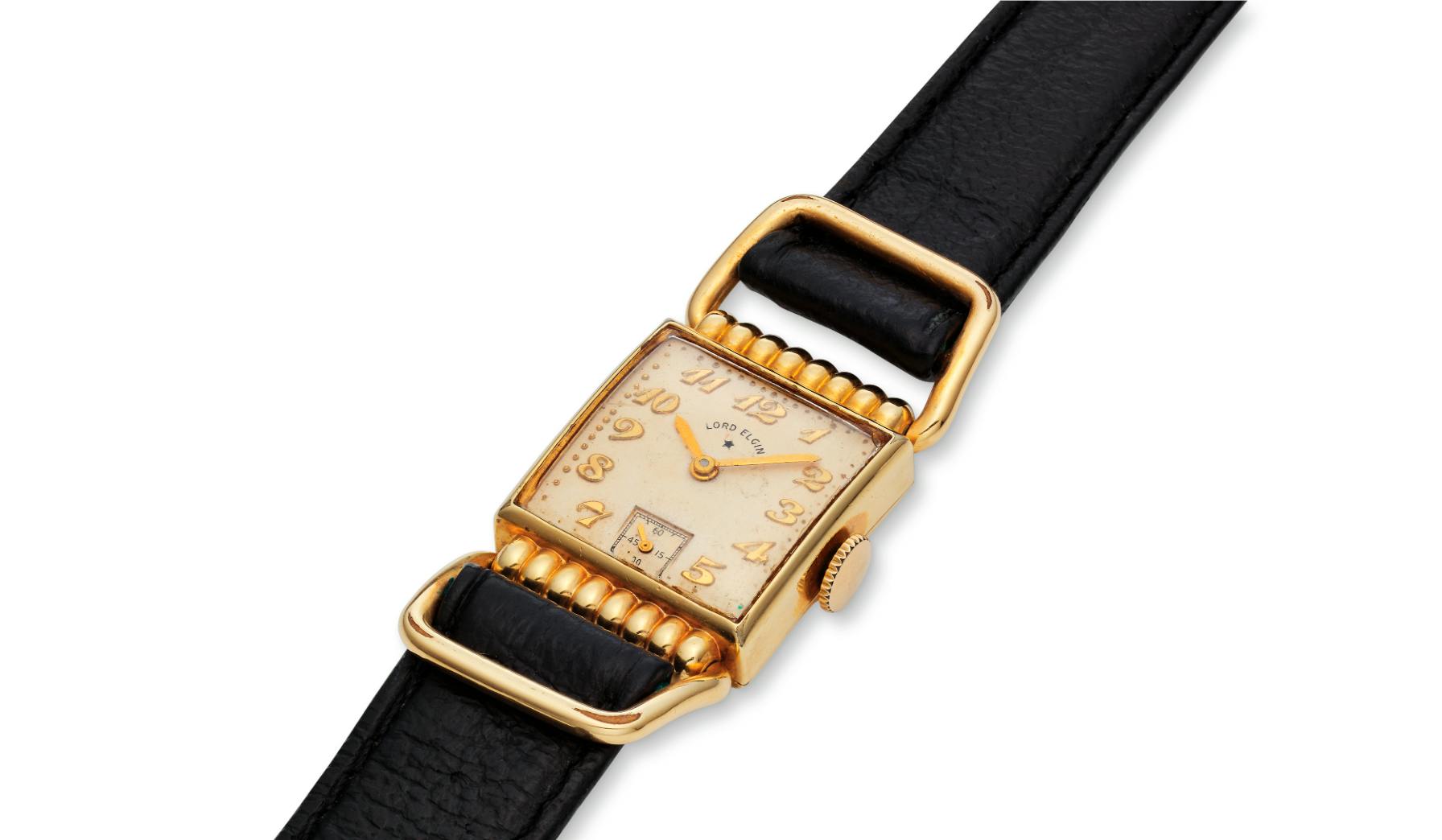
Elgin produced their first wristwatches in 1910, and they met with instant success. From New York to Chicago, consumers showed off their modern taste on their arms, and the watch quickly became an item of validation in good society. Elgin developed innovative and easily recognisable designs, thus garnering respect and a good reputation among consumers. By 1932, the company had already produced 32 million watches and new plants were set to open in Aurora, Illinois and Lincoln, Nebraska. It seemed that Elgin was headed straight for the top, but the coming war would cause unforeseen setbacks from which the company would never recover.
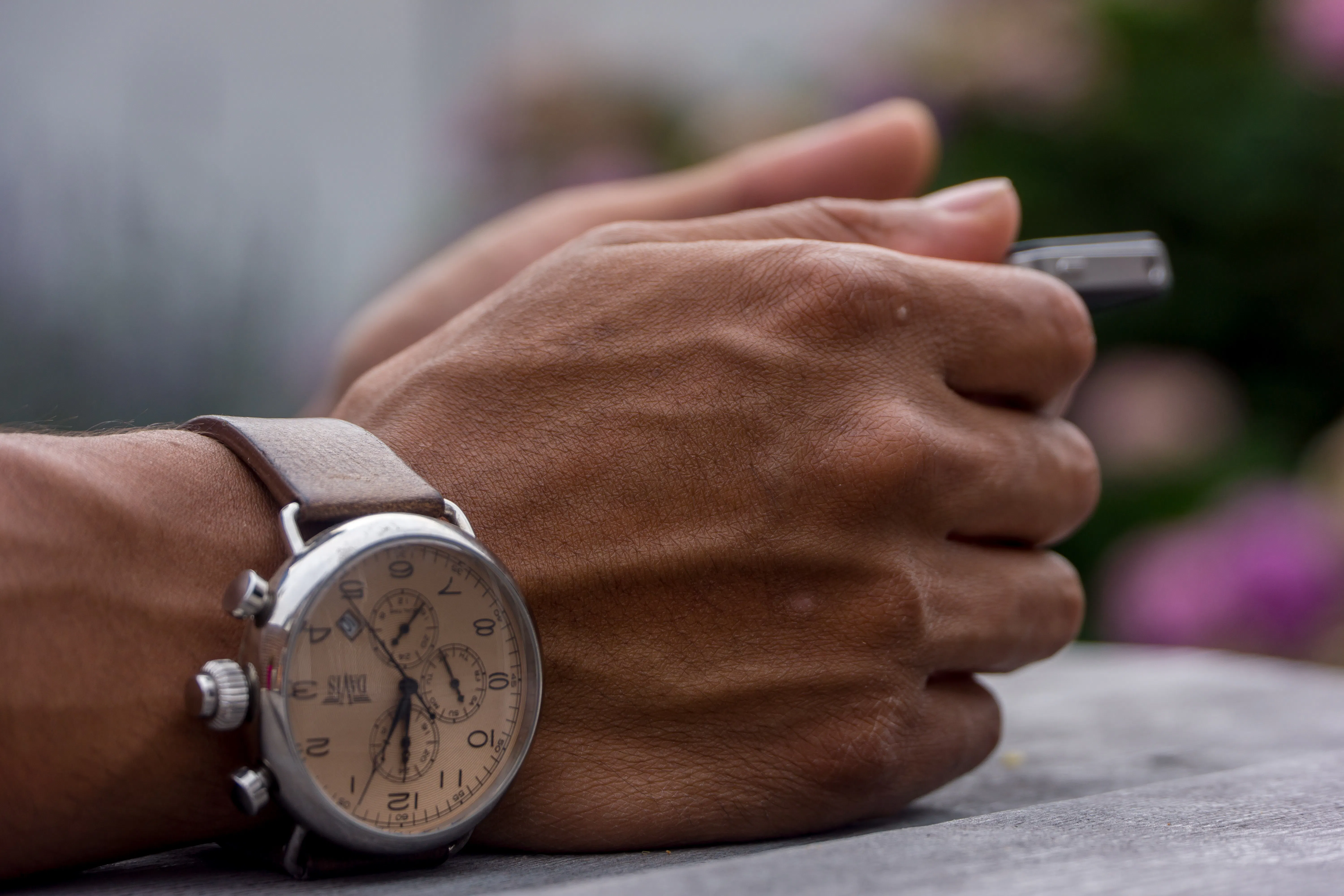
Elgin supported the military effort for several years, producing altimeters, chronometers, and measuring devices for the American army. They also designed a watch model specifically for for soldiers, the iconic A-11. Unfortunately for Elgin, this change in focus allowed an opening for Swiss watchmakers to establish a hold on the American civilian watch market, and Elgin wasn’t able to recover their former territory.
See also: What You Need to Know about Buying a Pocket Watch
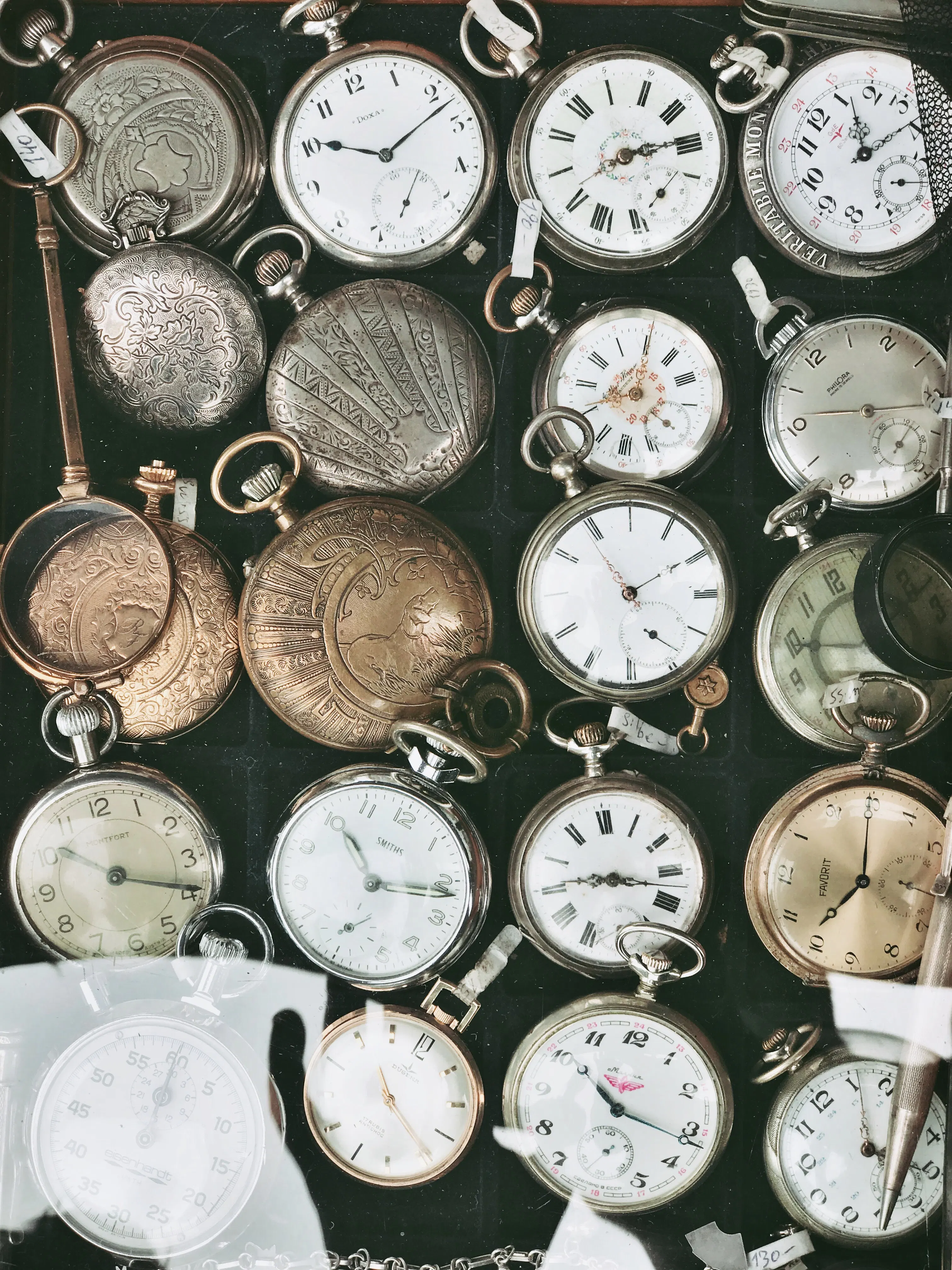
Overtaken by modernisation, Elgin failed to reestablished themselves after the war. The plant closed in 1964, just over a century after it opened. The site was dismantled in 1966, and the last productions were marketed in 1968. It is estimated that Elgin manufactured about 60 million watches in total, and collecting Elgin has now become a fairly popular hobby among amateurs. Given the company's massive output and the resilience of their products, models can still be found in good condition and at reasonable prices fairly easily.
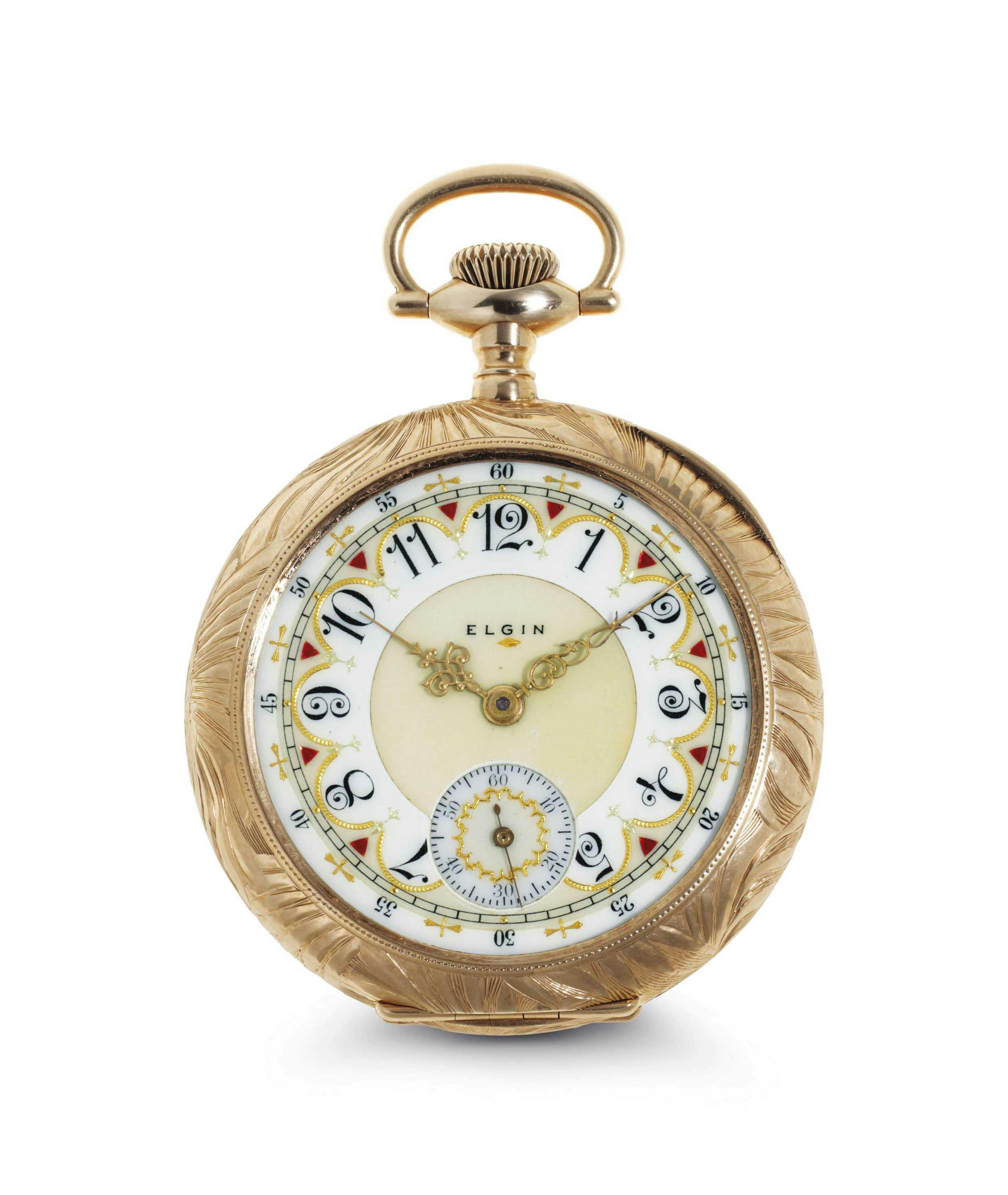
The Lelong Lady Tiger and the elegant Lady Elgin 23 are two of the pricier women’s models, and can be found on the market in the US$1,000-5,000 (£770-3,860) range. Gentlemen may be drawn to the distinguished lines of the Lord Elgin 626 or the Elgin 19 Shockmaster, which are usually priced between US$300 and US$400 (£230-310). The high rollers may want to shell out for the most emblematic model, the Elgin A-11 created for American GIs. The best preserved models can be purchased on the market for between US$1,000 and US$5,000 (£770-3,860), a small price to pay for a large piece of history.