
A stage: this is exactly the right term with which to start the description of the top lot of Grisebach’s summer auctions, which are taking place from 1-3 June in Berlin.
On 5 May 1909, the then 27-year-old Hermann Max Pechstein was in the audience when the opera ballet from Saint Petersburg presented a completely new dance event on the stage of Kroll Opera in Berlin. The production, which was to run for two weeks, was organised by the art dealer Paul Cassirer, who had been influenced by his fiancée’s enthusiasm, actress Tilla Durieux.
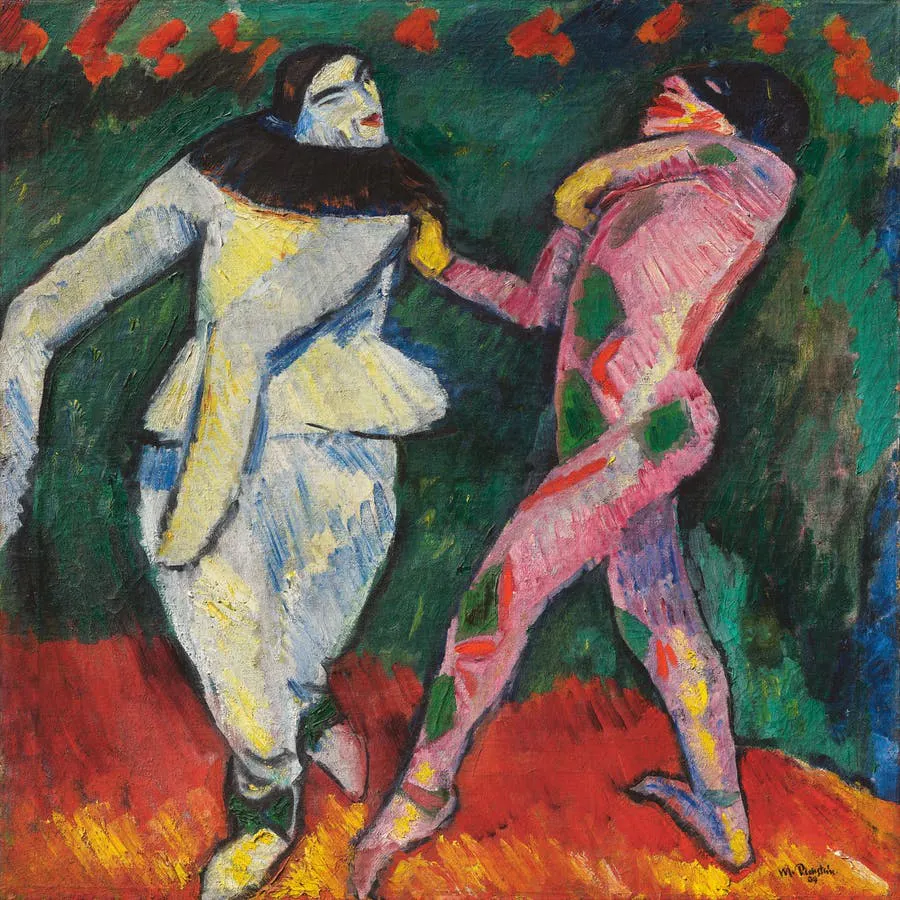
The performance on 5 May took place in front of an audience composed of members of the Berlin Secession around Cassirer and Max Liebermann and their friends. It was an important evening that not only marked the founding of the Ballets Russes, but was also an eye-opener for the avant-garde of Berlin, who were shown a presentation of modern dance full of expressionist movements. Pechstein, who had moved to Berlin the year before after spending several months in Paris, was inspired by the performance and produced the painting Russian Ballet, which depicts the two figures Pierrot and Harlequin in the midst of a scene full of virtuoso dynamics.
Pechstein's early major work is now being auctioned off for the first time in this ‘Selected Works’ auction, which is part of Grisebach's summer auctions. “Never before has a comparable painting by the artist been offered on the German or international market. The way in which painting and dance are passionately combined here makes the ‘Russian Ballet’ a symbol of the dawn of a new era," Dr Markus Krause, managing director and partner of Grisebach and an expert in modern art, explains in a press release from the auction house.
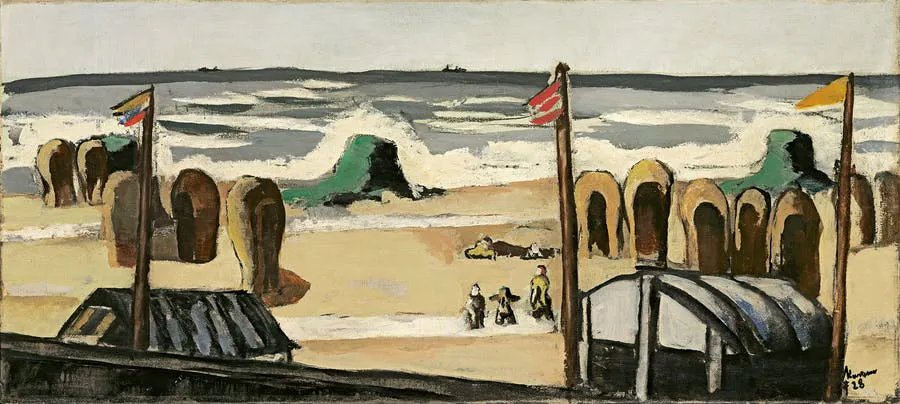
Grisebach’s ‘Selected Works’ auction will take place on 2 June and will include a total of thirty-two lots. Another highlight among the modernist works is Max Beckmann's Grauer Strand from 1928, which is one of the painter's coveted seascapes.
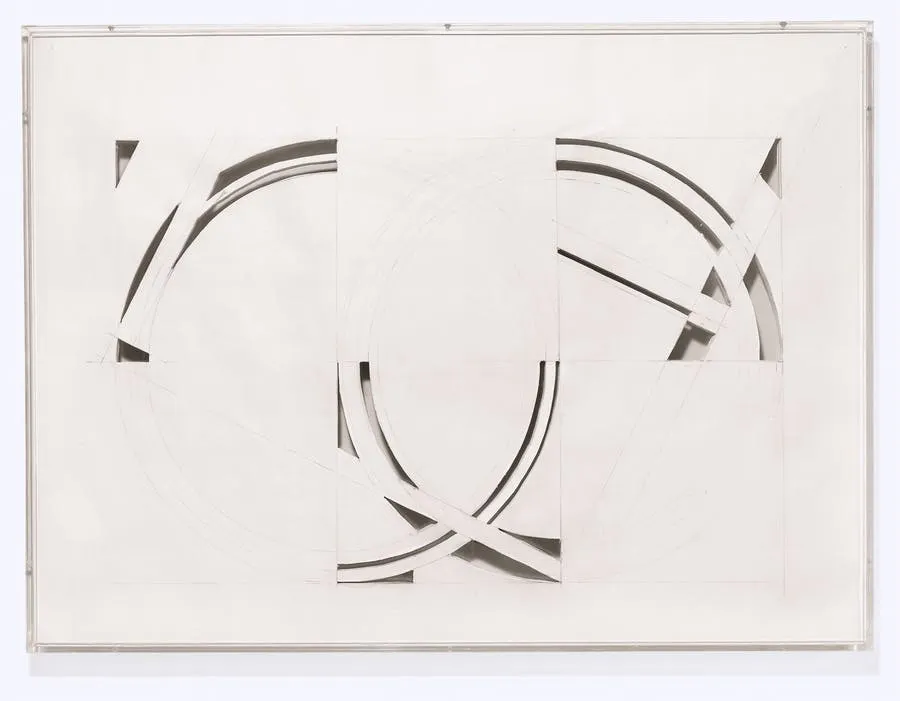
Like Pechstein's Russian Ballet, the sectional drawing Circle Grid Overlay by the American conceptual artist Gordon Matta-Clark will be offered for the first time on the auction market at Grisebach in early June. Direct references can be made to the Office Baroque project that Matta-Clark carried out in Antwerp in 1977 on the occasion of Peter Paul Rubens’ 400th birthday.
The auction of works from the outstanding Expressionist collection by Adalbert and Thilda Colsman will take place on the afternoon of 2 June, which wonderfully complements the ‘Selected Works’ offer.
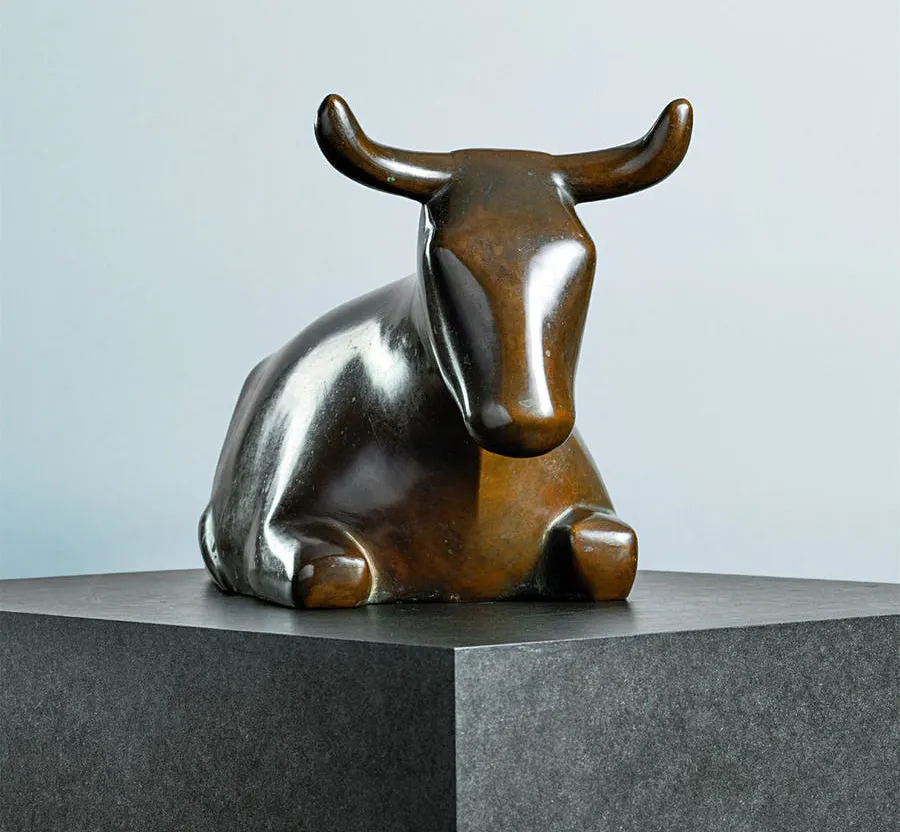
For example, sculptor Ewald Mataré is represented in both auctions with one of his stylised animal figures, more precisely with two cows. While Standing Cow, Wind Cow from 1923 will be called up on the evening of 2 June, bids may be placed on Big Kneeling Cow from 1925 (pictured) in the afternoon.
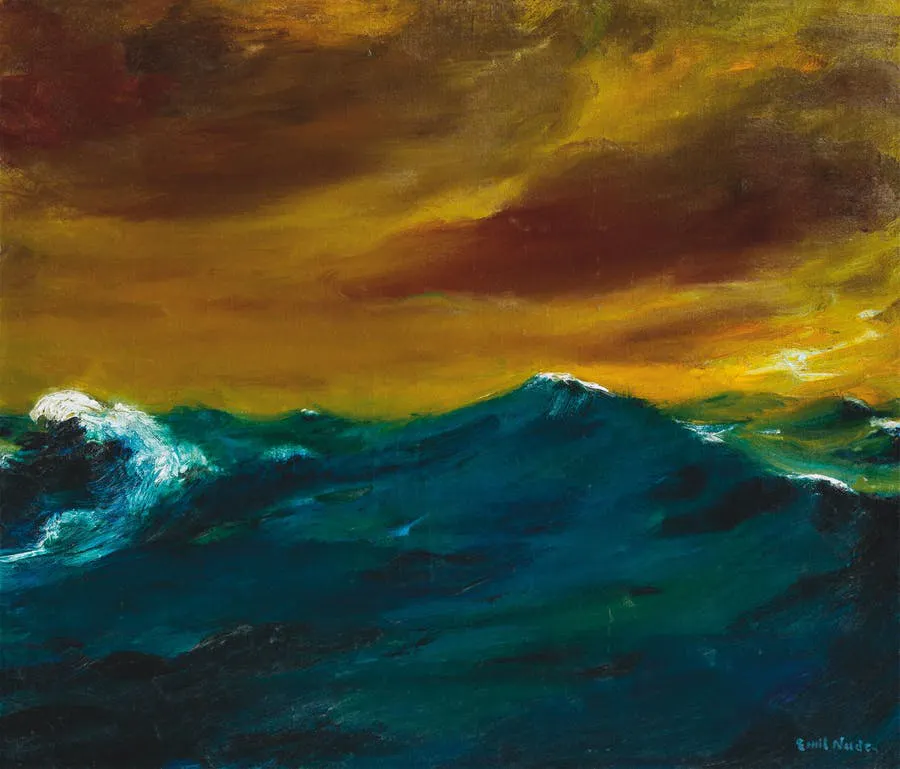
Emil Nolde's painting Hohe See from 1939, which the collector couple had acquired directly from the artist in 1940, is being called up with the highest estimate of the auction. Through his sister Gertrud, Adalbert Colsman was related by marriage to the important art patron Karl Ernst Osthaus, whose outstanding collection of modern art forms the core of the collection at the Museum Folkwang in Essen.
While nineteenth-century art and photography on 1 June are the prelude to Grisebach’s summer auctions, further sales of modern and contemporary art on 3 June round them off.
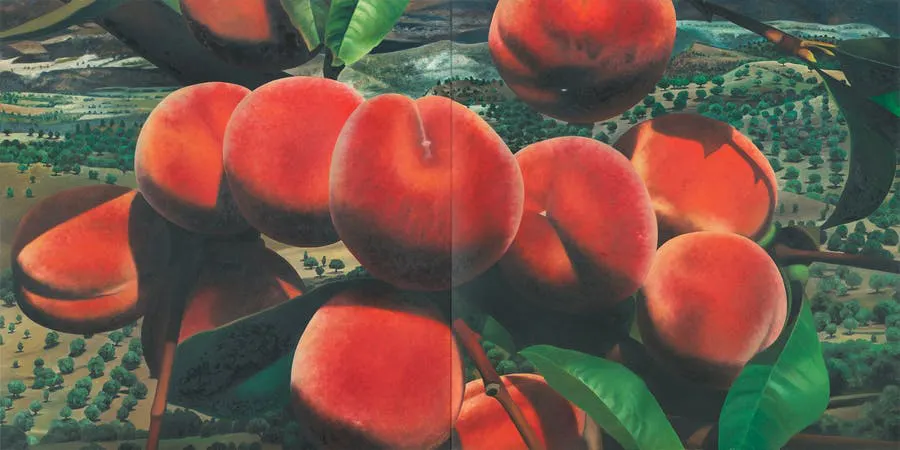
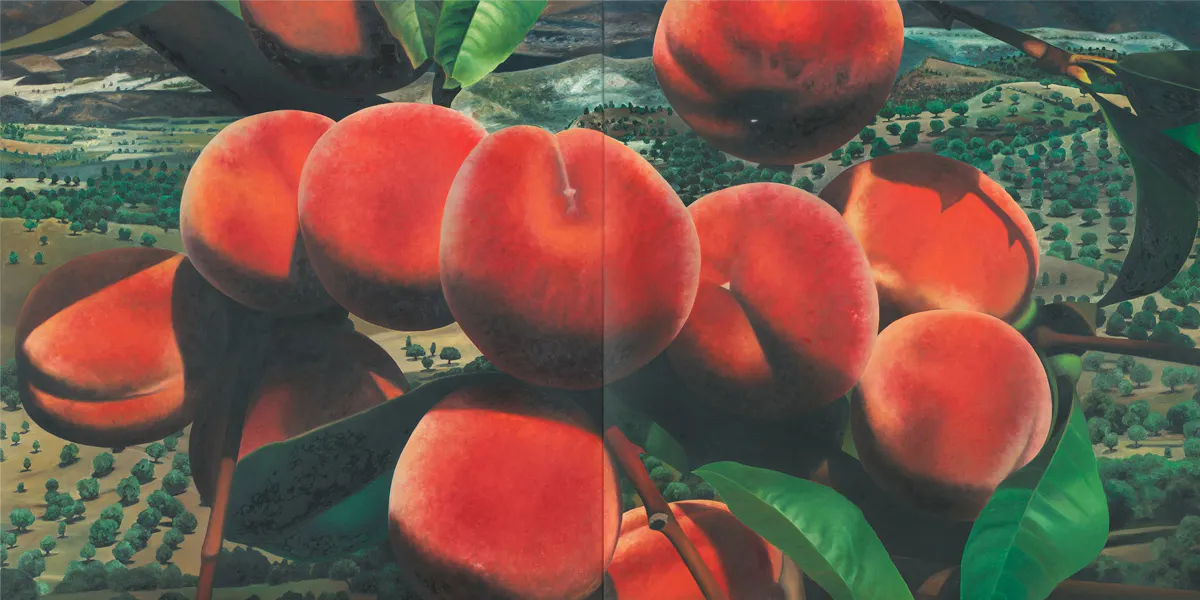
Karin Kneffel’s luscious bunch of peaches appear to be floating above an Italian-inspired landscape. The two-part oil painting measuring 180 x 360 cm is part of a group of works by Kneffel from the 1990s, in which the artist staged oversized fruit on large-format canvases. Kneffel undoubtedly received inspiration for the background during her stay at the Villa Massimo in Rome in 1996-97.
The auctions will take place from 1-3 June at Villa Grisebach, Fasanenstrasse 25, in Berlin. There is the possibility of a preview from 24-31 May.
Discover all the lots from Grisebach’s Summer Auctions right here