
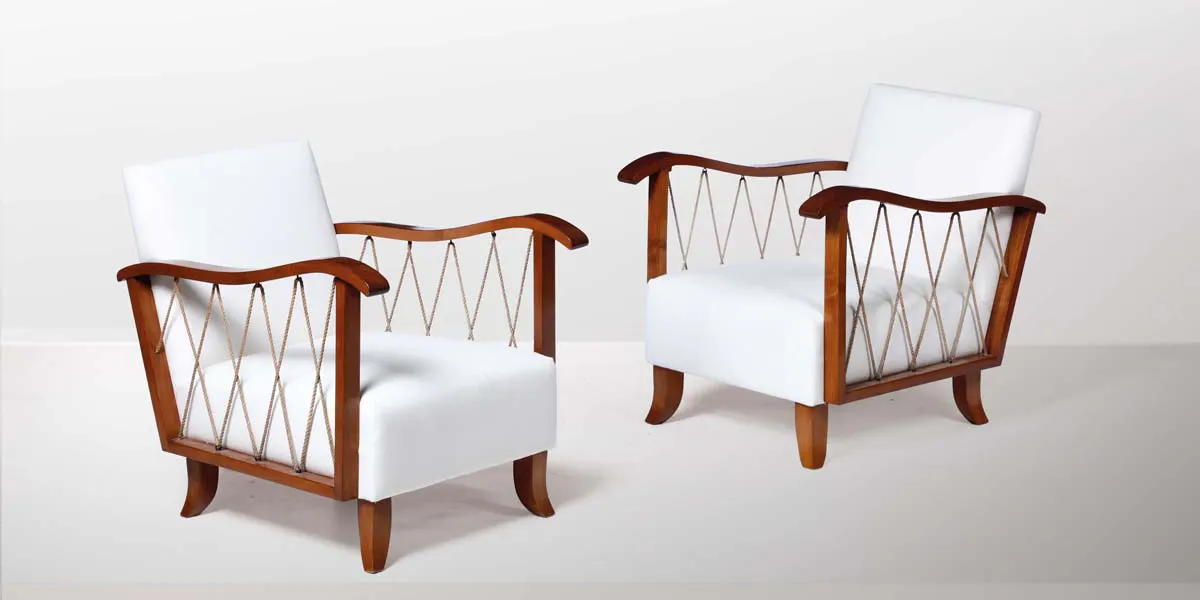
The post-war period is a fundamental moment in the history of Italian Design – namely, that of 1945 to 1965. In fact, during this time, Italy managed to break the predominance of Scandinavian design on the international market with Italian Bel Design. Iconic objects from this period and movement are now being brought together for an auction on 19 May at Cambi Casa d’Aste.
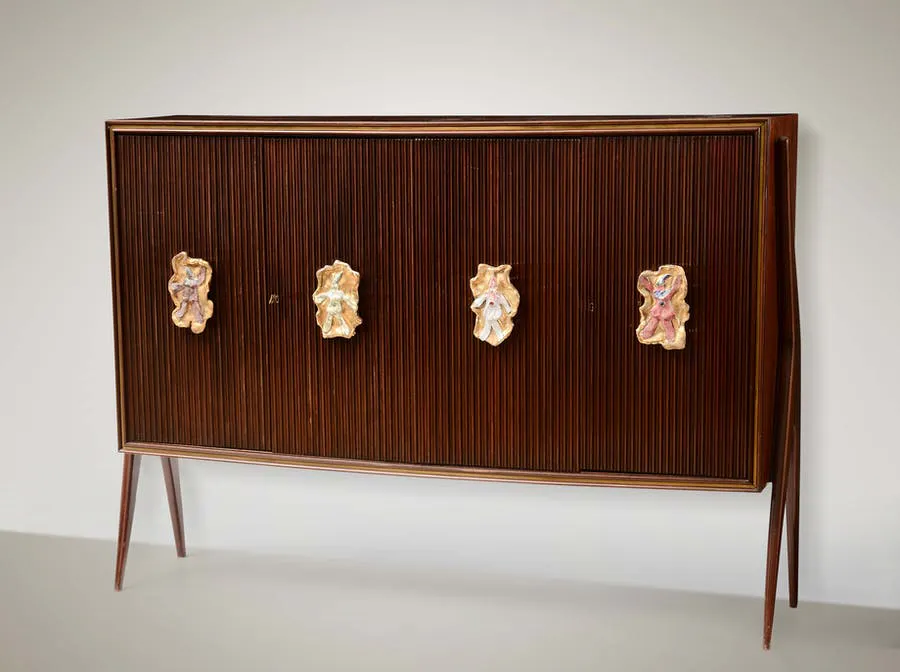
In 1946, the same year in which Corradino D'Ascanio patented the first Vespa, which quickly became one of the great symbols of Italian design in the world, the exhibition RIMA (Italian for furniture exhibitions) was organised at the Triennale di Milano. Here, young architects were called upon to design furnishings and interiors, including the likes of Vico Magistretti, Ignazio Gardella, Gabriele Mucchi, Carlo De Carli, and the BBPR group.
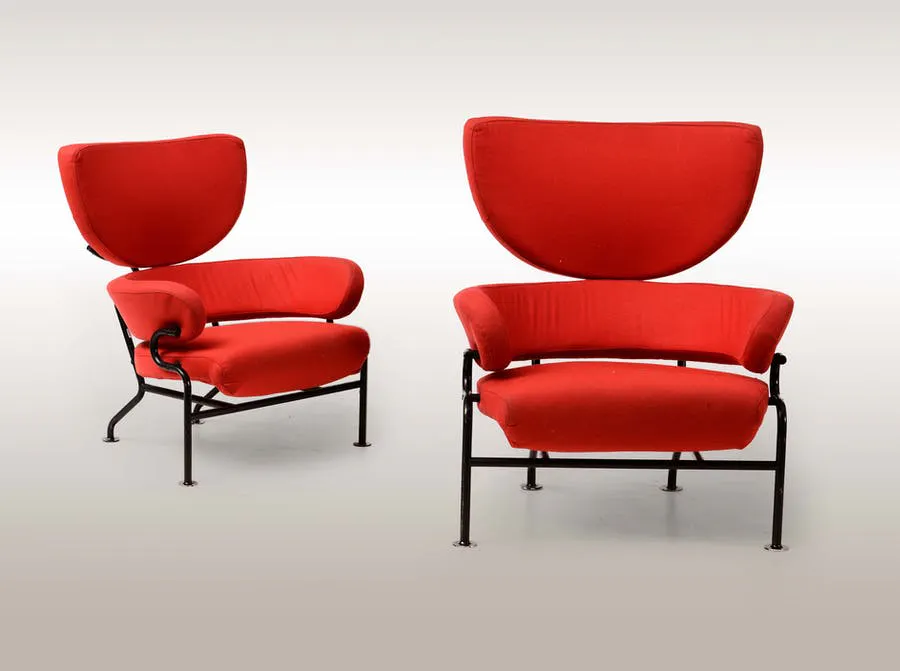
In the meantime, the two most influential Italian magazines of the time mobilised against architectural culture and ‘style furniture’, or furniture with 19th-century references. These publications were Domus – of which Gio Ponti founded in 1928 but only returned to in 1948 – and Lo stile nella casa e nell’arredamento, founded by the same architect during his years moving away from Domus.
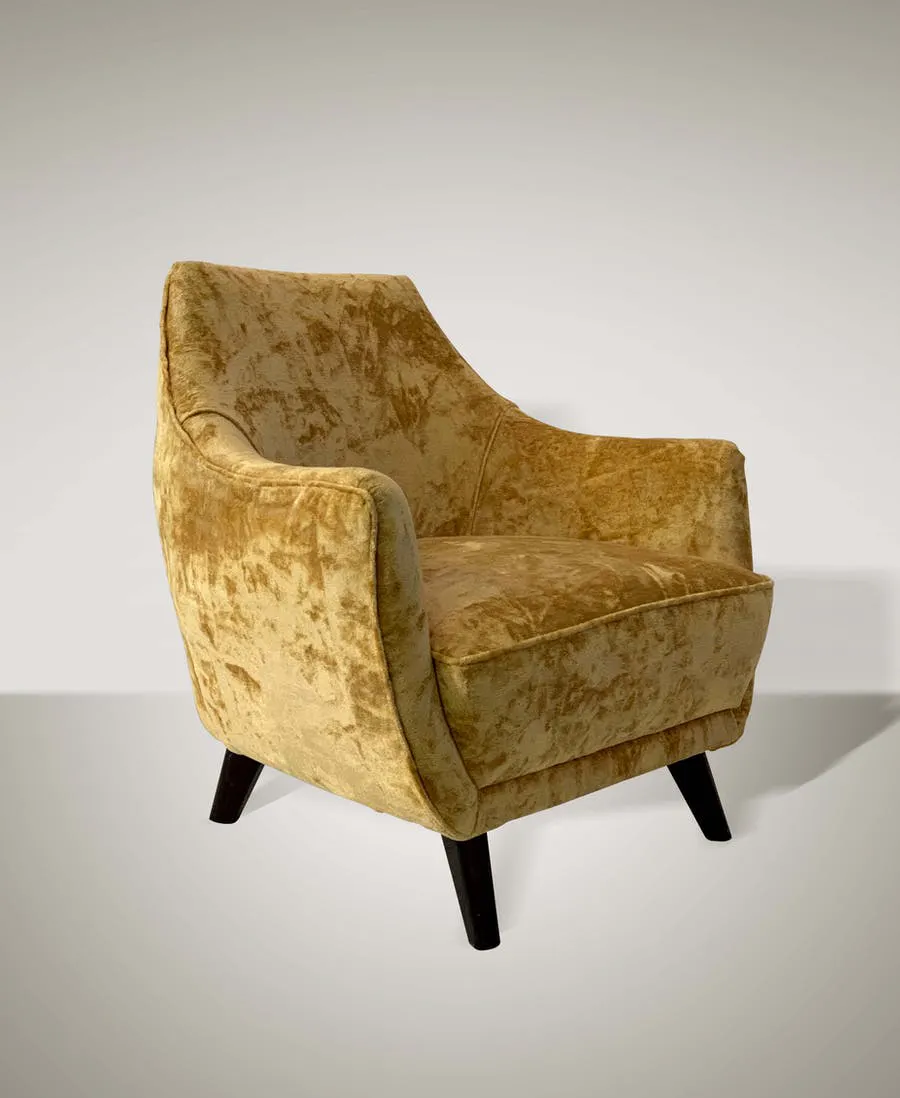
The Italian design of those years is fluid, full of suggestions, uses waste material and reinvents objects with a strong human charge.
In the following year came the eighth edition of the Triennale, where the furniture selection was directed by Franco Albini, Luciano Canella, Anna Castelli Ferrieri and Ettore Sottsass. From that moment on, the ‘Made in Italy’ designs began to be known internationally. Between 1951 and 1961, the export of Italian products abroad increased by a staggering 259%.
Italian architect Mario Bellini affirms that, during the sixties, Italy broke the predominance of Scandinavian design with pieces more tied to craftsmanship than functionality and irony. Bellini says that the Italian design of those years is fluid, full of suggestions, it uses waste material and reinvents objects with a strong human charge. It is an ‘emotional’ design.
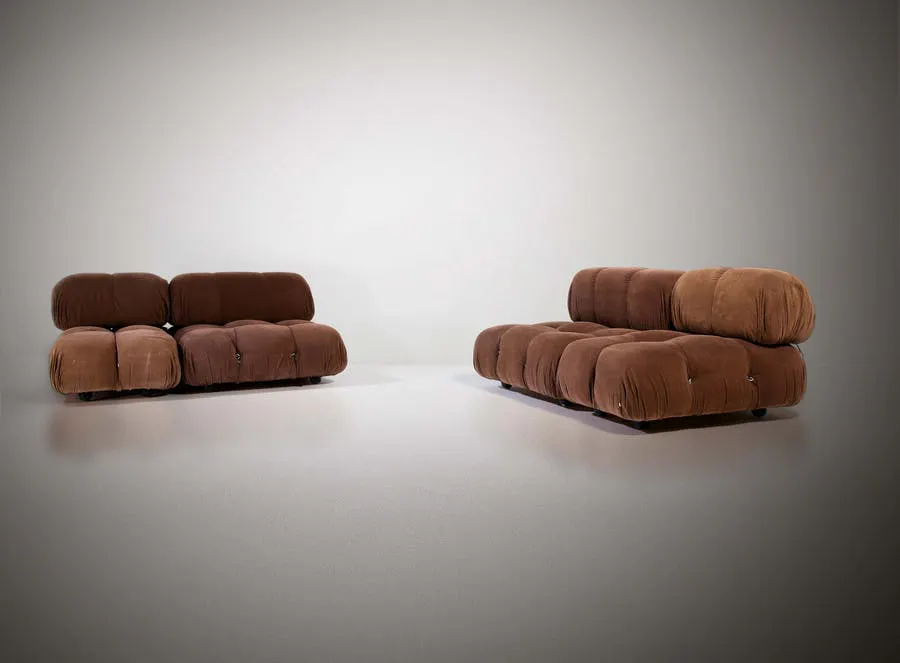
In the second half of the 1950s, Italian design was celebrated with two exhibitions in London and one in Chicago, at the Illinois Institute of Technology. In 1954, on the occasion of the 10th edition of the Triennale. The Compasso d'Oro prize was established and promoted by Rinascente. During the event, Lucio Fontana introduced the young industrialist Dino Gavina to the world of design, including introductions to Achille and Pier Giacomo Castiglioni, Carlo Scarpa and Luigi Caccia Dominioni, with whom Gavina then produced some of the most important pieces in the history of design.
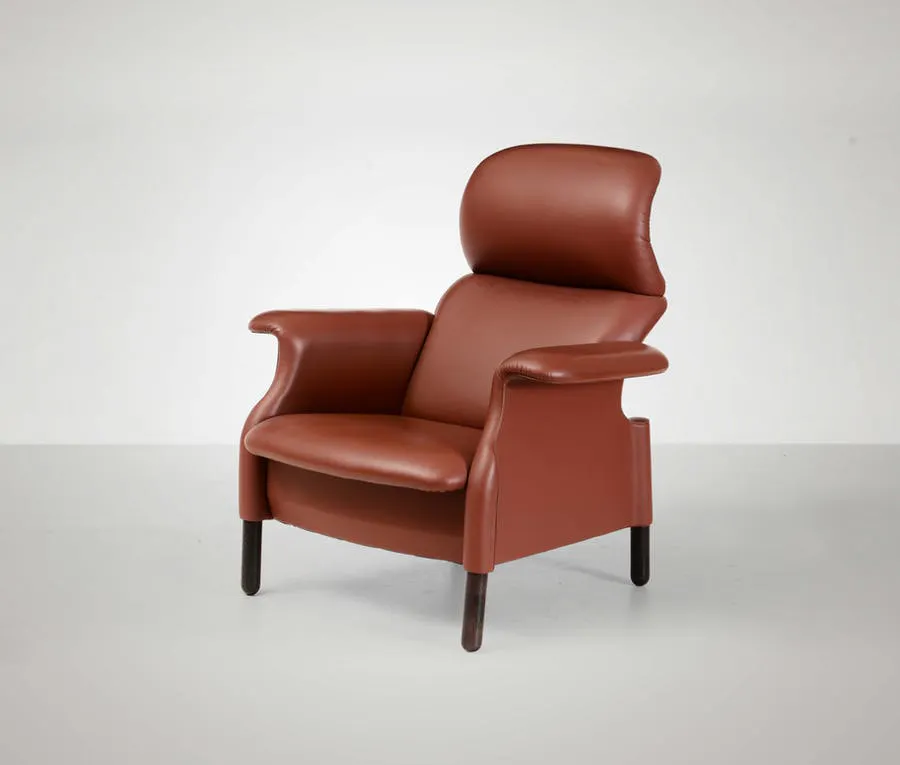
In the mid-sixties, the culmination of Italian experimentation was reached and technological evolution contributed to the development of new design methods. This period is characterised by technical and formal innovations, such as the use and modelling of plastic or plexiglass.
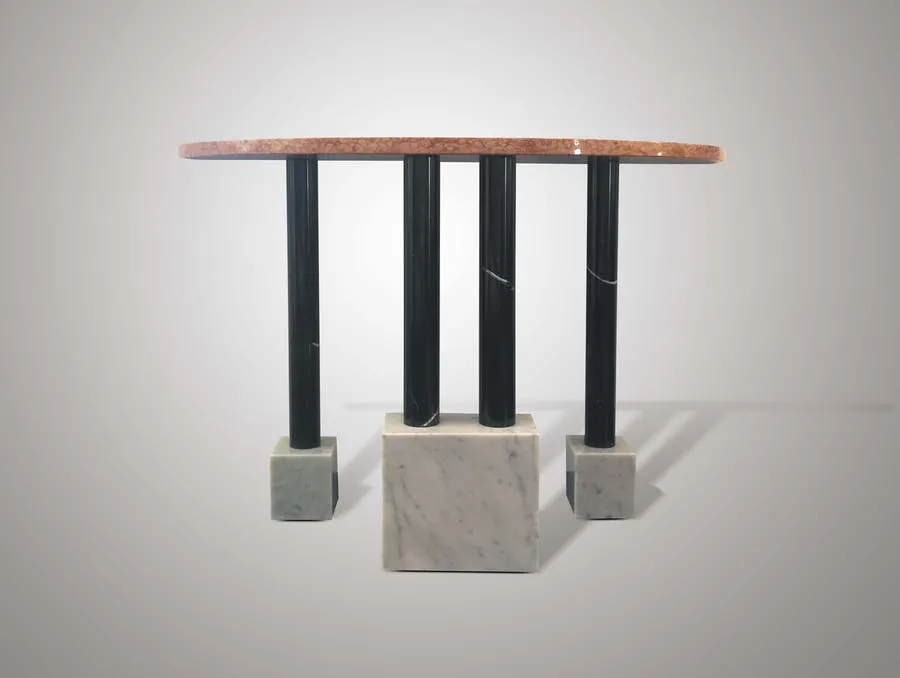
These first movements and objects of the artistic avant-gardes thereafter became estranged from their original contexts. They went on to have a new aesthetic life and a new function: in 1972, MoMa hosted the exhibition Italy: The New Domestic Landscape, which celebrated the pinnacle of the success of Italian Bel Design and confirmed the importance of Made in Italy at an international level. Then came the eighties, the Memphis group, post-modernism and the eclectic design of Mendini, Enzo Mari and Studio 65. But that's another story.
Meanwhile, the catalogue of Cambi's ‘Design Lab’ auction, scheduled for 19 May, offers some of the most beautiful and iconic pieces of Italian and international design: over 400 lots that retrace a century of Italian history and creativity, from 1900 to today.