A secret recovery mission ended on 30 September 2019, when a van stopped in front of the Rathgen research laboratory in Berlin to unload five packages.
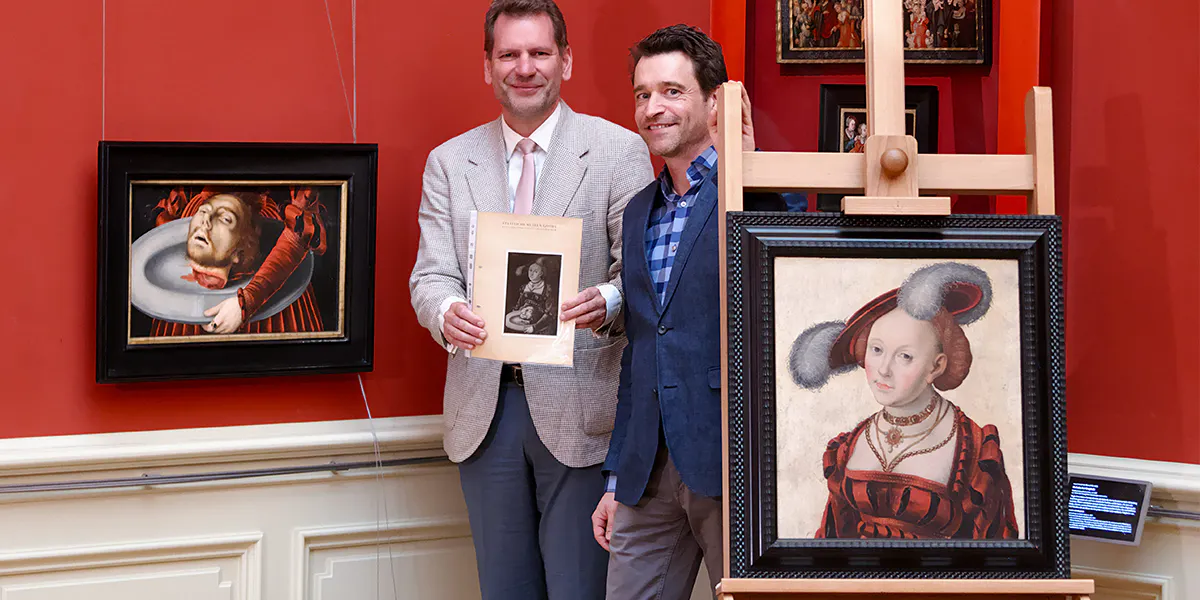
The contents weren't revealed until 17 January 2020 at a press conference, revealed The Daily Art Newspaper. Inside were five paintings of old masters stolen from Friedenstein Castle over 40 years ago and missing ever since. The robbery, which occurred in December 1979, is considered the most disastrous in the history of communist East Germany. It is as incredible as the recovery mission which was carried out without any ransom being paid.
"The 1979 robbery traumatised the people of Gotha," said Tobias Pfeifer-Helke, director of the Schloss Friedenstein Foundation, at the press conference. As many as a thousand people were questioned by law enforcement, and according to recent discoveries, the paintings were smuggled through the Iron Curtain in the mid-1980s. It remains to be seen how the criminals managed to bypass one of the most watched fortified borders in history.
It took 41 years for the five works, whose insurance value amounts to €4 million (£3.38 million) to reappear. Gotha Mayor Knut Kreuch said he received several phone calls in 2018, followed by photographs from a lawyer. The latter's customers demanded more than €5 million ($4.23 million) for the paintings. "We don't give money to thieves," replied Martin Hoernes, of the Ernst von Siemens Art Foundation, whom the mayor had then asked for the funds.
See also: Billionaire Banker Convicted for Smuggling a Picasso
Hoernes pointed out that no payment had been made to guarantee the return of the works. However, the Siemens Art Foundation covered the legal costs, research and transport, which, put together, amounted to less than €50,000 (£43,000). The result was a "diplomatic coup" made possible by skilful negotiation.
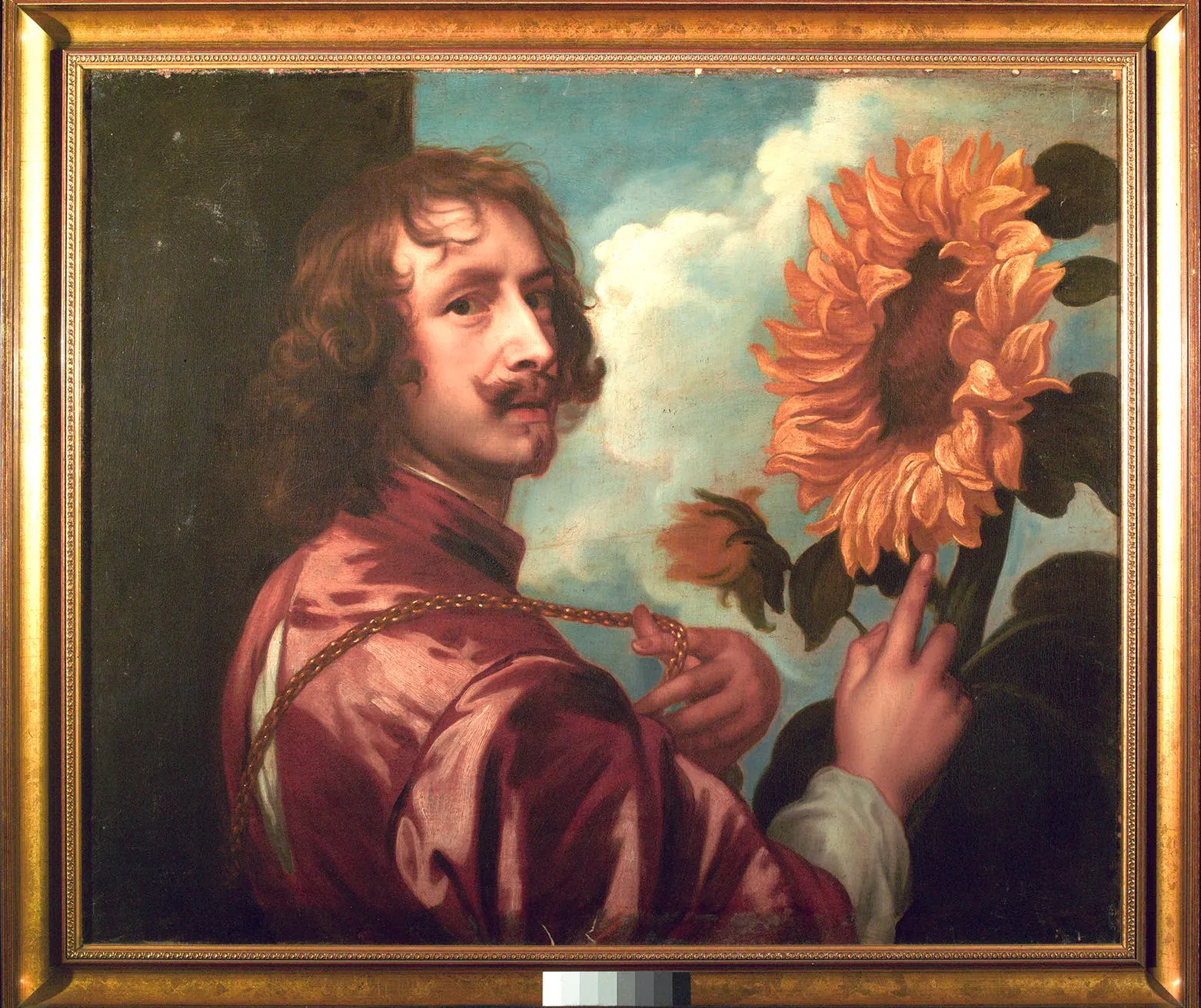
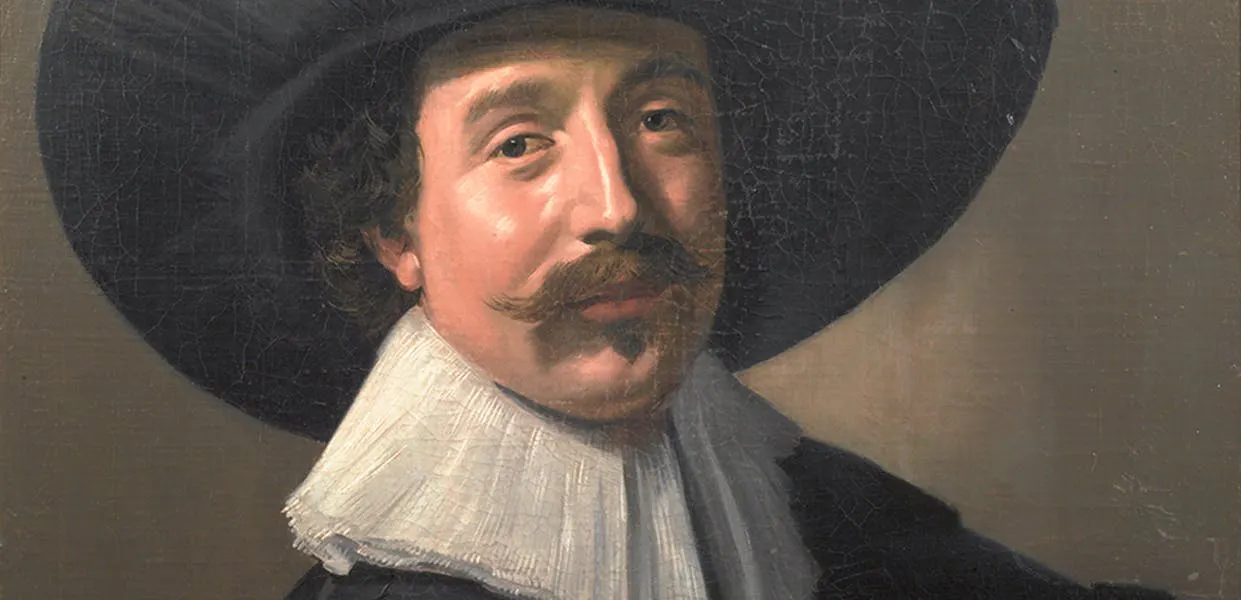
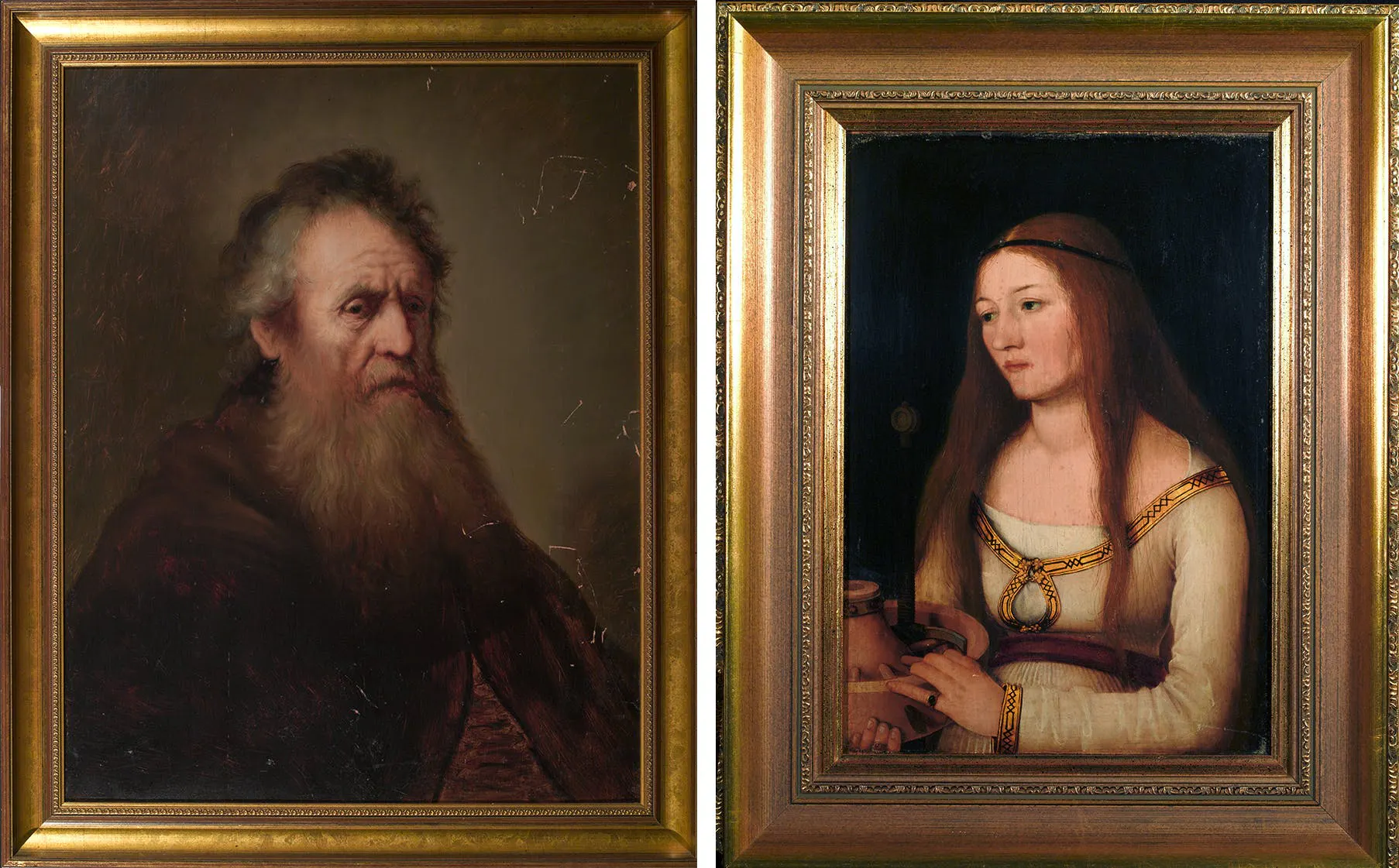
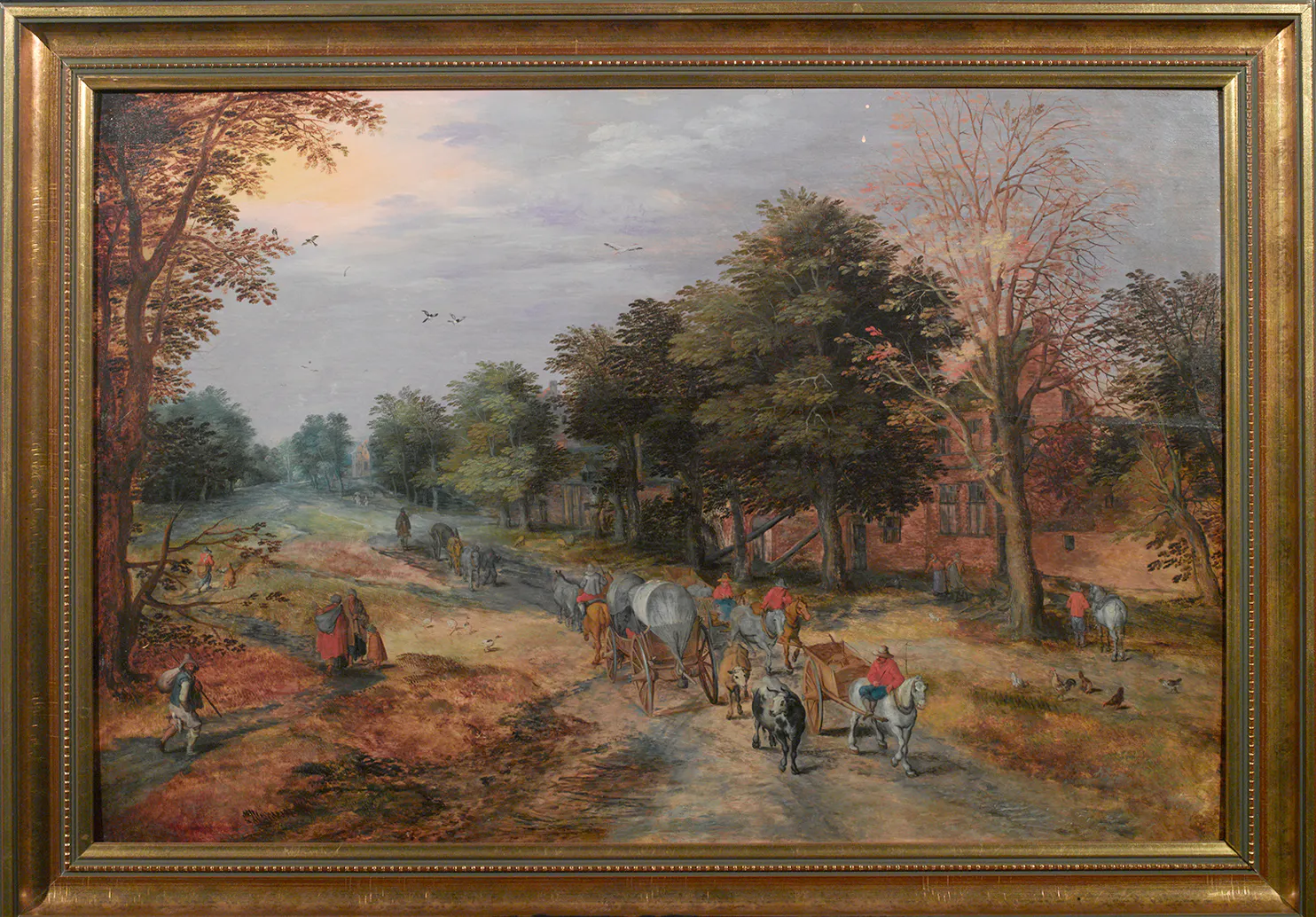
Among the works is a portrait of Saint Catherine by Hans Holbein the Elder (1510), a portrait signed Frans Hals (1535), a landscape formerly attributed to Jan Brueghel the Elder and today considered the work of his workshop, a copy of a self-portrait by Anthony van Dyck, and a 17th-century portrait attributed to Ferdinand Bol.
See also: The Rediscovered Stolen Klimt is Authenticated
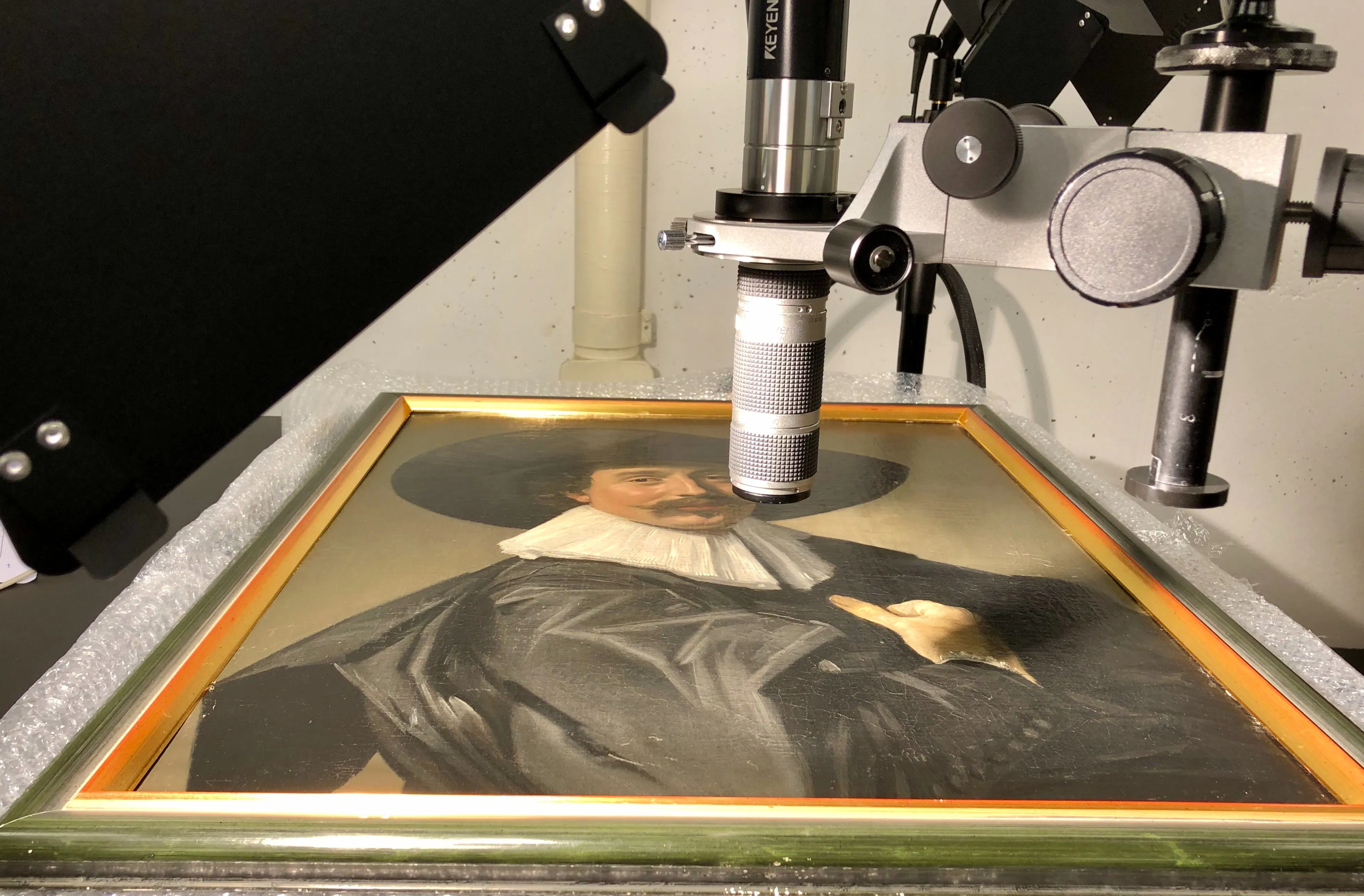
After their secret arrival at Rathgen's laboratory, the researchers had three months to analyse the paintings. Stefan Simon, the director of the institute, said that their authenticity is beyond question. Comparisons with photographs prior to 1979 revealed identical cracks in the varnish.
Criminal investigations are continuing. The identity of the thieves is still unknown, and the case remains unresolved, said René Allonge, of the Berlin police.
See also: The Top 10 Stolen Paintings
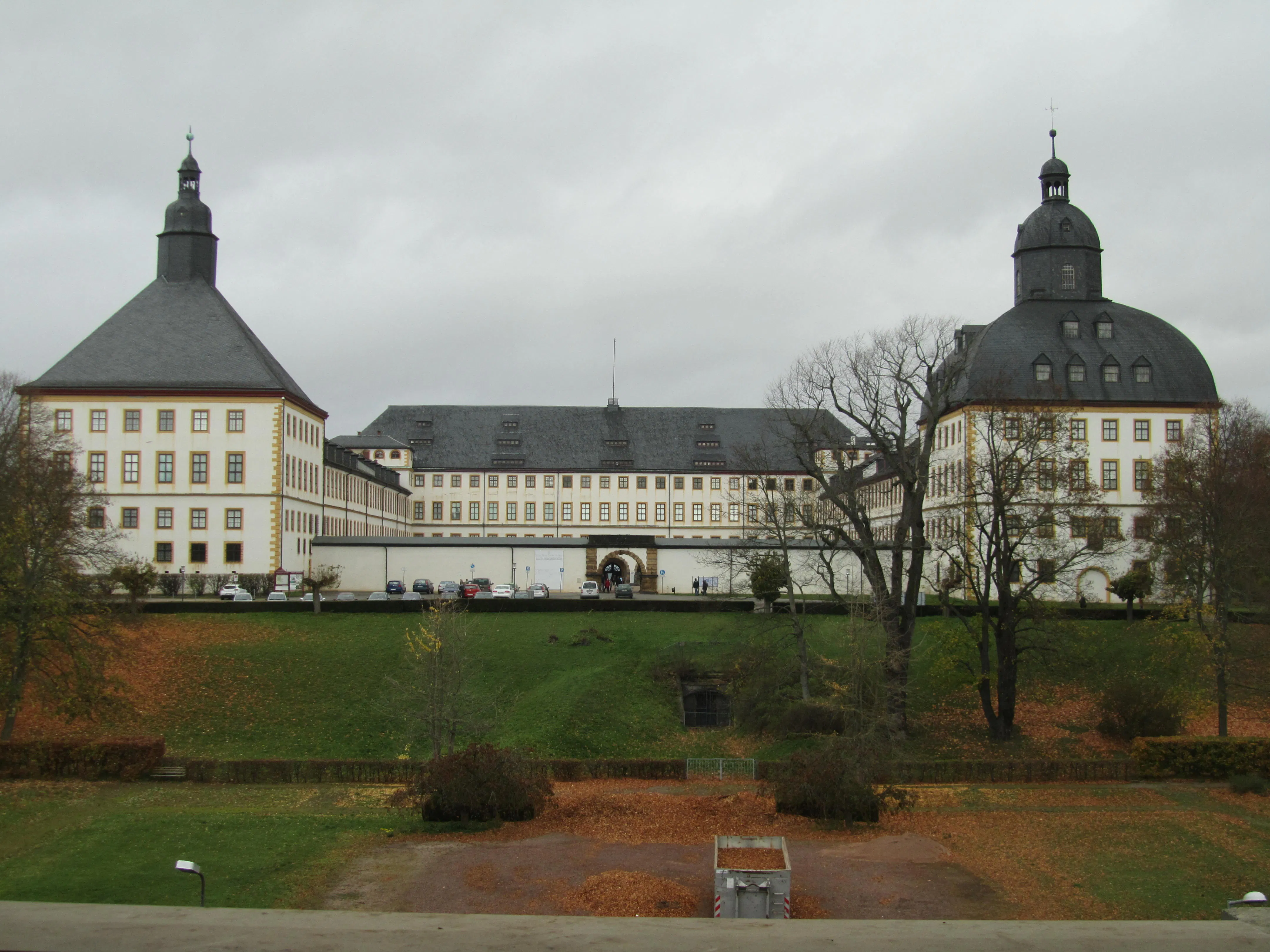
The five paintings were on display at Friedenstein Castle until 26 January 2020 and now will be restored for an exhibition dedicated to the history of theft planned for 2021. "This is the most important event since German reunification for the city of Gotha," said Pfeifer-Helke.