
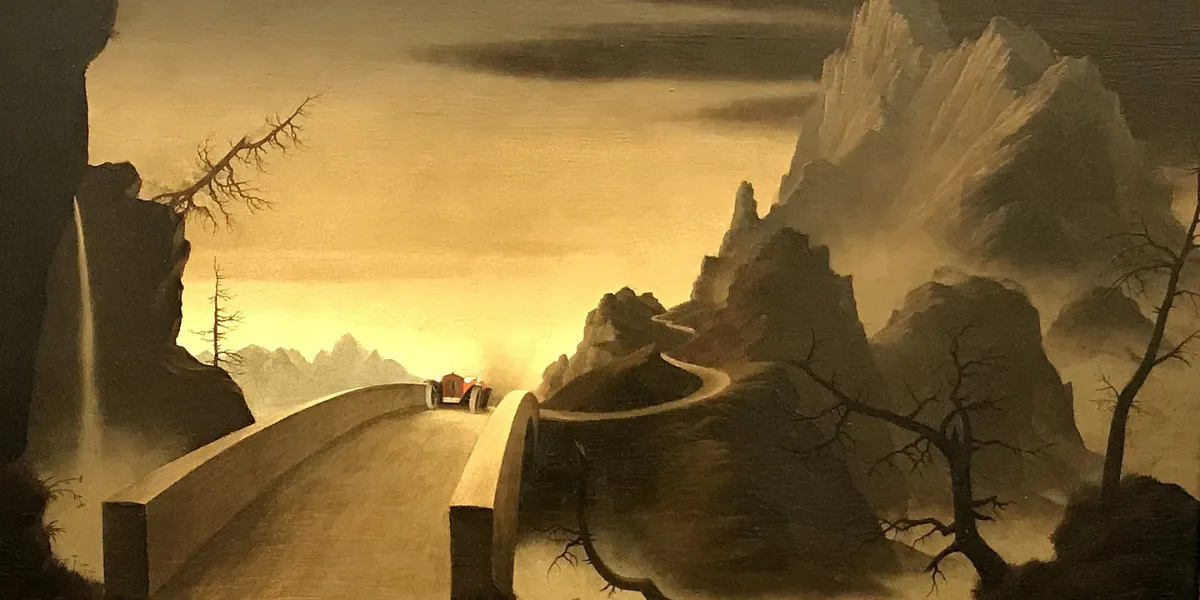
Franz Sedlacek (1891-1945) was born in Breslau (now Wrocław, Poland) and in 1897 moved with his family to Linz, Austria. Franz began drawing caricatures in his teenage years and showed promising artistic talent right from the start. After graduating, he moved to Vienna in 1910 to study architecture, and then chemistry a year later. At the same time, he continued to draw and in 1912 exhibited in Linz for the first time. He taught himself to paint and was one of the founders of the 'MAERZ' artists' association with Anton Lutz and Klemens Brosch.
See also: Ferdinand Georg Waldmüller: The Biedermeier Rebel
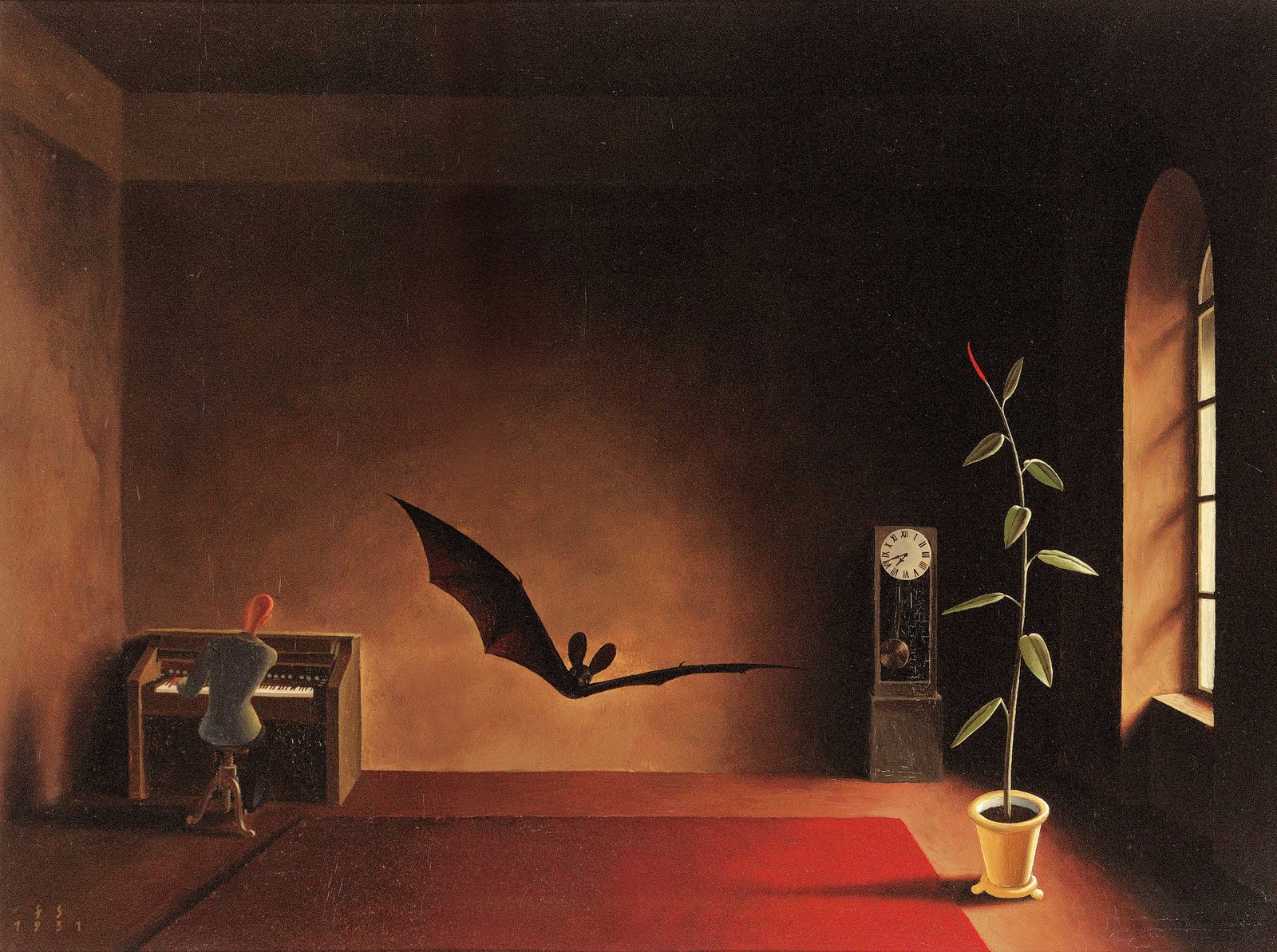
He interrupted his apprenticeship when the First World War broke out and joined the ranks. After the bloody conflict, he returned to university to finish his studies and became head of the industrial chemistry department. Continuing with his painting, he adopted oil as his medium. In 1927, he joined a group of artists including sculptors, painters and architects who broke away from the Austrian Artists' Association. This revolutionary group is known as the Vienna Secession, formed in 1897 with Gustav Klimt as its first president. The ideology of the group was to create original art forms not constrained by the past, and Sedlacek regularly participated in the group's exhibitions. During his lifetime, he won several national and international prizes, and in 1930 his paintings were exhibited at MoMA. In 1939, he became a member of the Kunstlerhaus Wien.
See also: Gustav Klimt: Artist of Emotion and Eroticism

Want more articles like this delivered straight to your inbox? Subscribe to our free newsletter!
In 1939, Sedlacek joined the Wehrmacht, the unified armed forces of Nazi Germany. His ideological involvement in the Nazi propaganda remains undetermined, but in his art, Sedlacek employed the codes of surrealism and symbolism to express his thoughts on the current situation without risking being sent to the camps. His subjects often move from dreams to nightmares and communicate an anxious feeling, as informed by his experiences. And although his work is difficult to define, he can be classified as part of the post-expressionist New Objectivity movement, or Neue Sachlichkeit. In any case, he fought alongside the German army in Stalingrad, in Norway, and in Poland, where he mysteriously disappeared during the battle of Torun in February 1945. He was declared dead in 1972, but his body was never found.