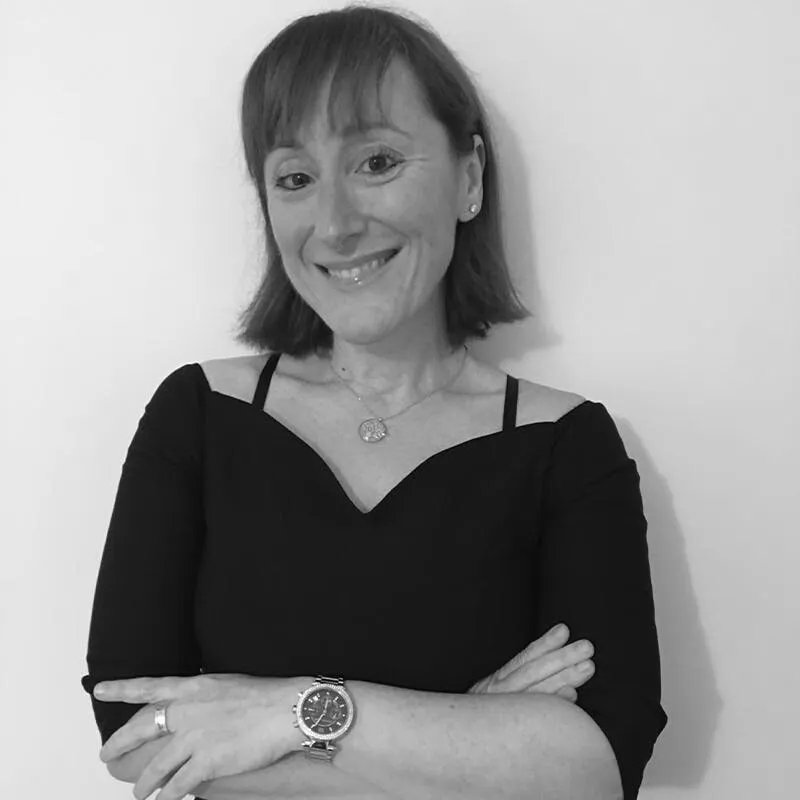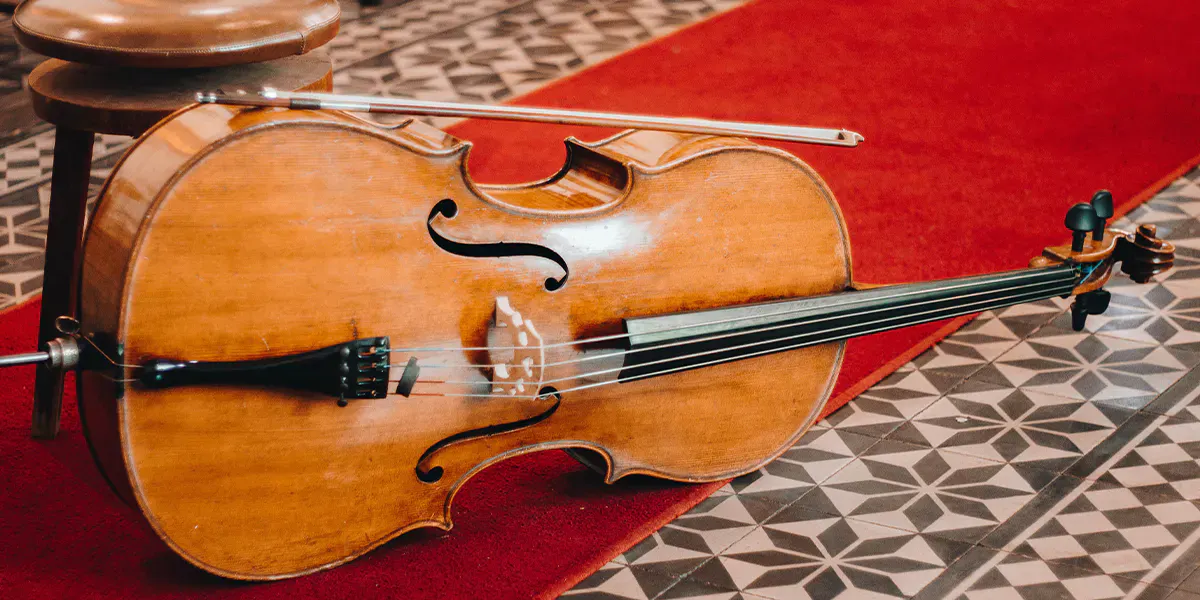
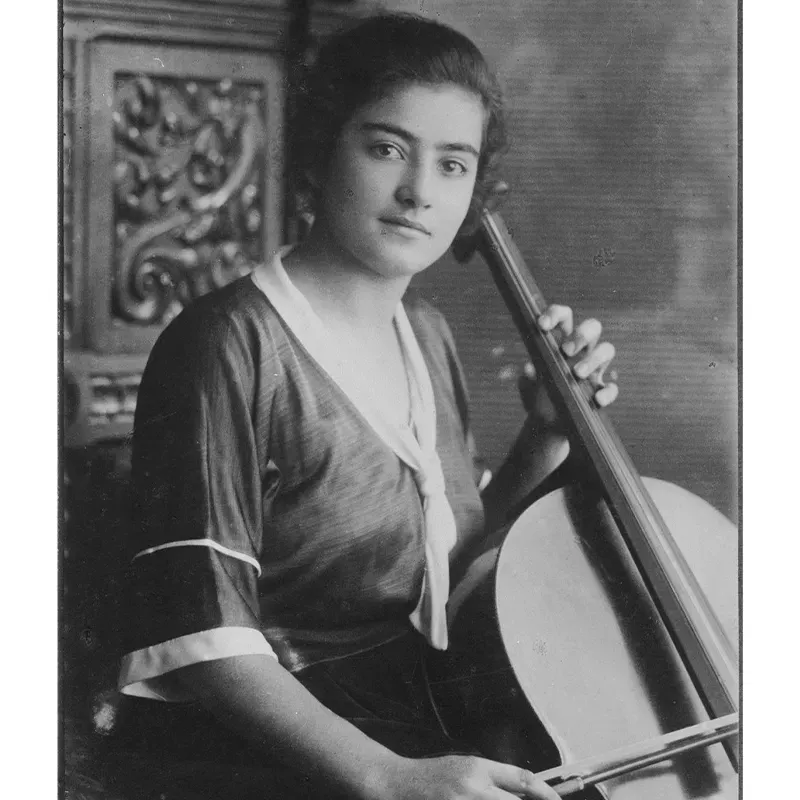
As a young girl, Frieda Belinfante was teased about the size of her hands. Those who mocked her could not have imagined that in the future, those same hands of hers would have played the cello brilliantly, directed orchestras, incited the Resistance, forged documents and stood up to the Nazis.
Born in Amsterdam on 10 May 1904 into a family of musicians, Frieda became the first woman in Europe to hold the role of artistic director and conductor of a professional orchestral ensemble (Het Klein Orkest), a position she held until the Nazi occupation of the Netherlands. However, this did not end her musical career, which resumed after the Second World War.
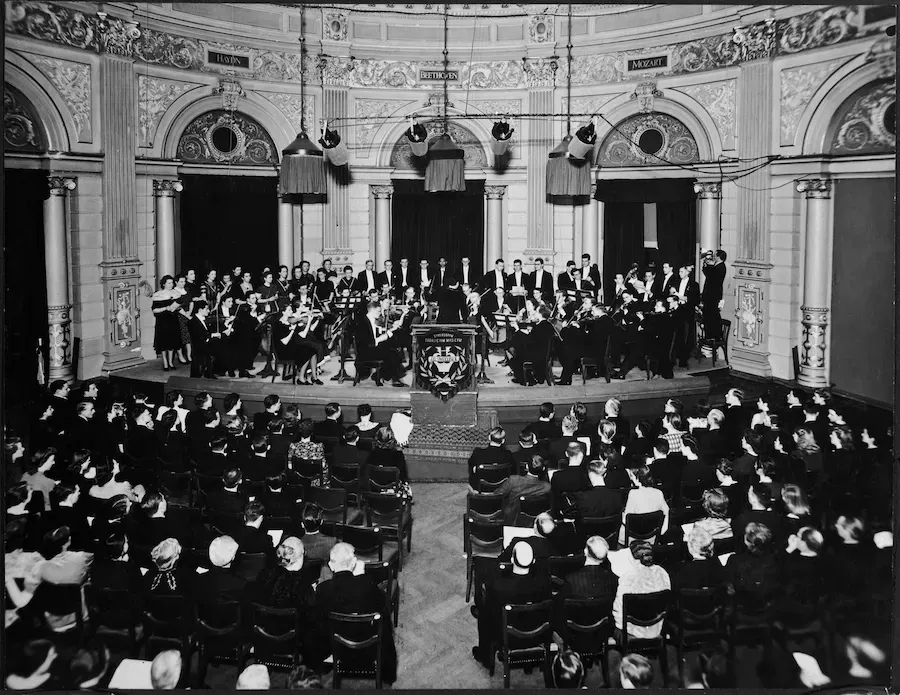
Belinfante was not the only one to see her artistic career interrupted by the Nazis. Numerous intellectuals and artists were hindered during that period for many reasons, whether that be for their Jewish ancestry or sexual orientation. Since Frieda was lesbian and had a Jewish father, she felt a responsibility to challenge the Nazis and immediately leapt into action, joining the Dutch Resistance. She befriended Willem Arondéus, an openly gay writer, painter and illustrator and together with him and the resistance group known as the CKC, she began forging identity documents to help people at risk of persecution by the Gestapo.
See also: Out of the Closet: 5 Pioneering Artists
Besides being a very dangerous activity, punishable by death, forging identity documents required a lot of money. When the Resistance began to run out of funds, Frieda decided to ask for help from Henry Heineken, who ran the well-known brewing company. The man, as well as being very wealthy, was a music lover and served on the board of directors of the Dutch Concertgebouw orchestra, for which Frieda had played. Heineken was willing to help, although any major bank withdrawals would be controlled by the Nazis. Frieda then had a brilliant idea: she would sell him her beloved cello for a huge figure, 100 times higher than the real value. Both Frieda and Heineken obviously took a big risk, demonstrating that, in addition to sharing a love of music, they were also individuals full of courage and self-sacrifice.
See also: Million Dollar Strings: The Violins of Antonio Stradivari
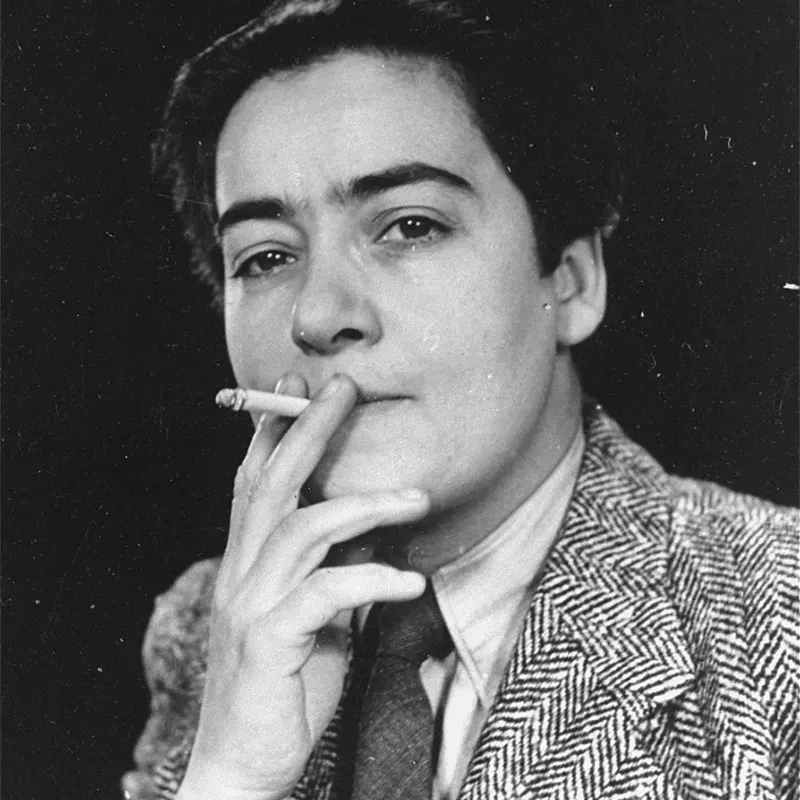
Frieda and the other members of the CKC group quickly realised that in order to continue successfully forging identity documents, it was necessary to destroy the original documents. For this reason, they decided to bomb the Amsterdam Public Registry on 27 March 1943. The Registry, however was only partially destroyed, and due to a tip-off, Arondéus was arrested and sentenced to death. His last words before being executed were: "Tell people that homosexuals are not weak."
See also: The Story of Marilyn's White Piano
Belinfante managed to escape, assuming the identity of a man and dressing in men's clothes for three months. Her disguise was so convincing that her own mother did not recognise her when she passed her in the street. However, the musician was forced to flee abroad later and managed to take refuge in a refugee camp in Switzerland, where she tried to cheer up the sad atmosphere of the place by offering free cello lessons.
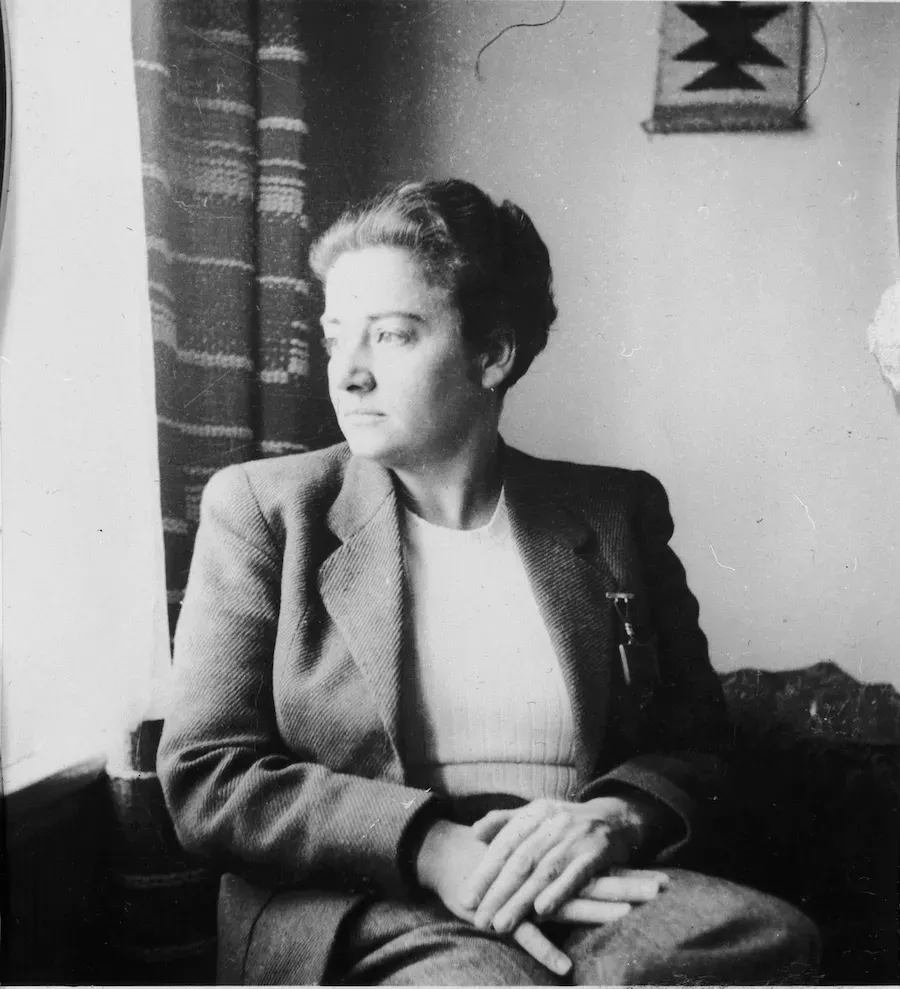
Belinfante was repatriated to the Netherlands as soon as the war ended. However, she was disappointed by the lack of recognition that members of the Resistance received at home. In 1947, she decided to emigrate to the United States. After a brief stop in New York, a city she deemed too big, she traveled around the US with her original cello, bought back after the war. She ended up settling in Laguna Beach, California, where she continued to conduct orchestras successfully, although she still encountered prejudice. In 1987, Orange County and the city of Laguna Beach, California designated 19 February as 'Frieda Belinfante Day' to honour her contributions to musical culture.
Want more articles like this delivered straight to your inbox? Subscribe to our free newsletter!
In the course of her life Belinfante faced prejudices and persecutions of various kinds, for her sexual orientation, for her Jewish origins on her father's side, and for her role as an orchestra conductor in a career still dominated by men. She tackled each attack head on, guided by her motto: "If I think I can do it, it means I can do it."
She died of cancer in 1995 in Santa Fe, New Mexico at the age of 90. However, her inspiring legacy as a musical and LGBTQ+ fighter, activist, and icon will forever remain alive like endless music, capable of echoing through time and space.