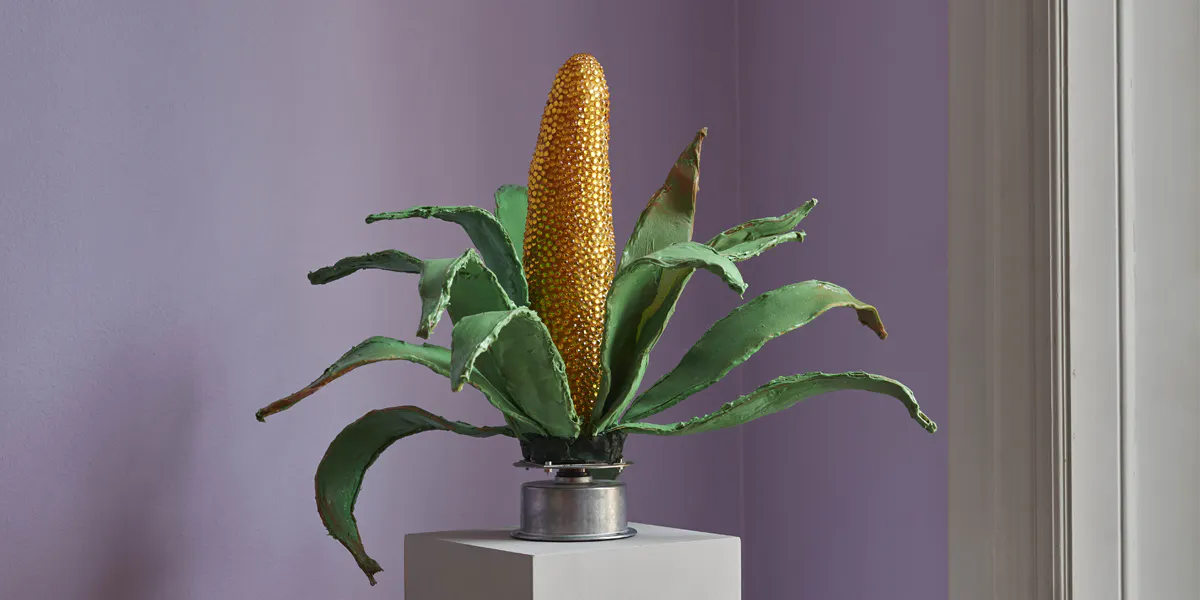
On 20 April, it's time for Bukowskis to hold its 'Contemporary Art & Design' auction. In the catalogue you will find three-dimensional art by Donald Baechler and Nathalie Djurberg & Hans Berg, lithographs by Banksy and Andy Warhol, paintings by Yayoi Kusama and Sara-Vide Ericson, and photographs by Dan Wolgers and Maria Friberg.
The auction also offers an eclectic selection of postmodern and contemporary designs. Hanna Hansdotter, Herbert Ode, Mats Theselius and Hilma af Klint, among others, are represented here.
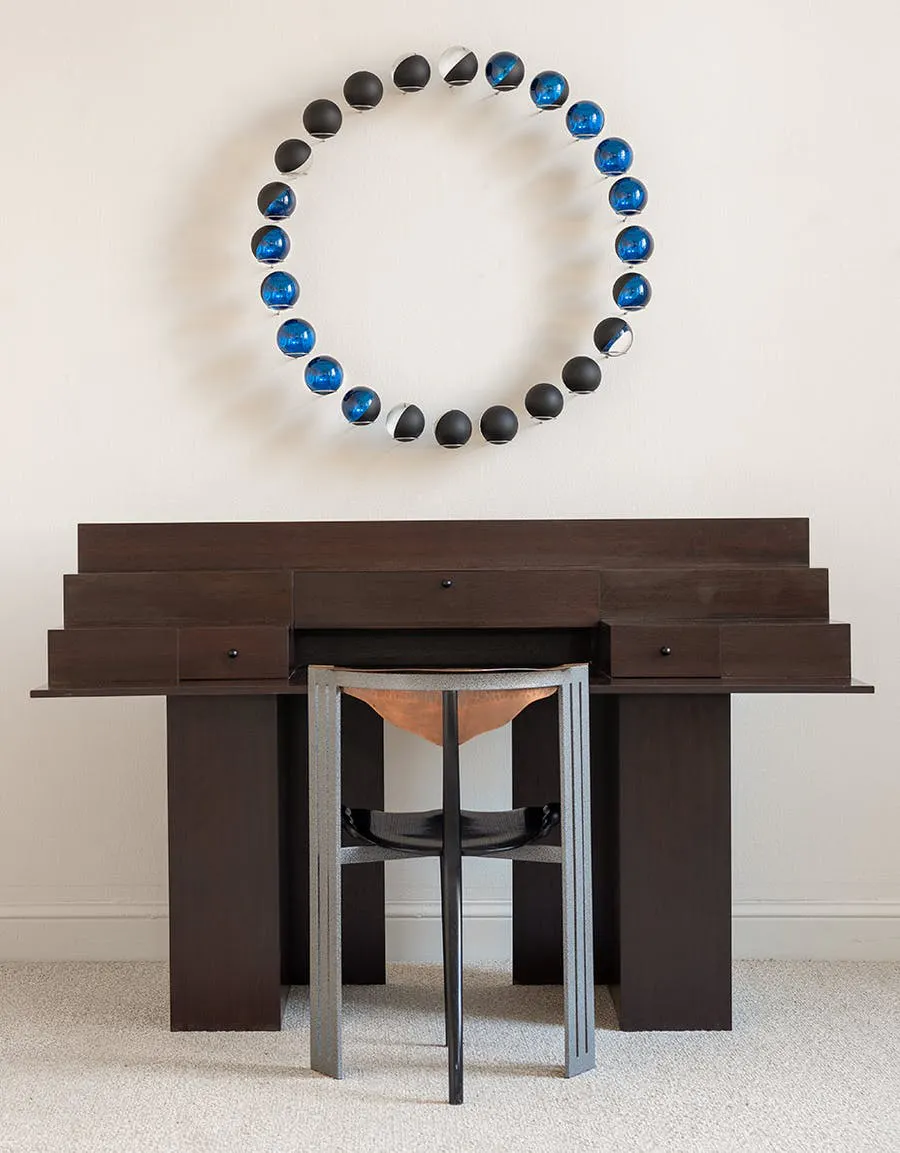
Olafur Eliasson is an artist who often addresses climate change in his works. He showed the installation Ice Watch, consisting of large melting ice blocks from Greenland, during the climate summit in Paris in 2015. Since 2012, he has led the Little Sun project, which manufactures and distributes LED lamps in communities that lack electricity. In 2019, he was appointed by the UN Development Program UNDP as a goodwill ambassador for climate issues.
Today, he is active in his studio in Berlin with a team of about a hundred. There, he creates everything from photography and painting to film and installation. Eliasson's works are simple, both in terms of material and experience, but are often technically advanced. For one of his most talked about projects, he had waterfalls built along the East River in New York. The artwork, which could be experienced during the summer months of 2008, is the world's most expensive public art project of all time.
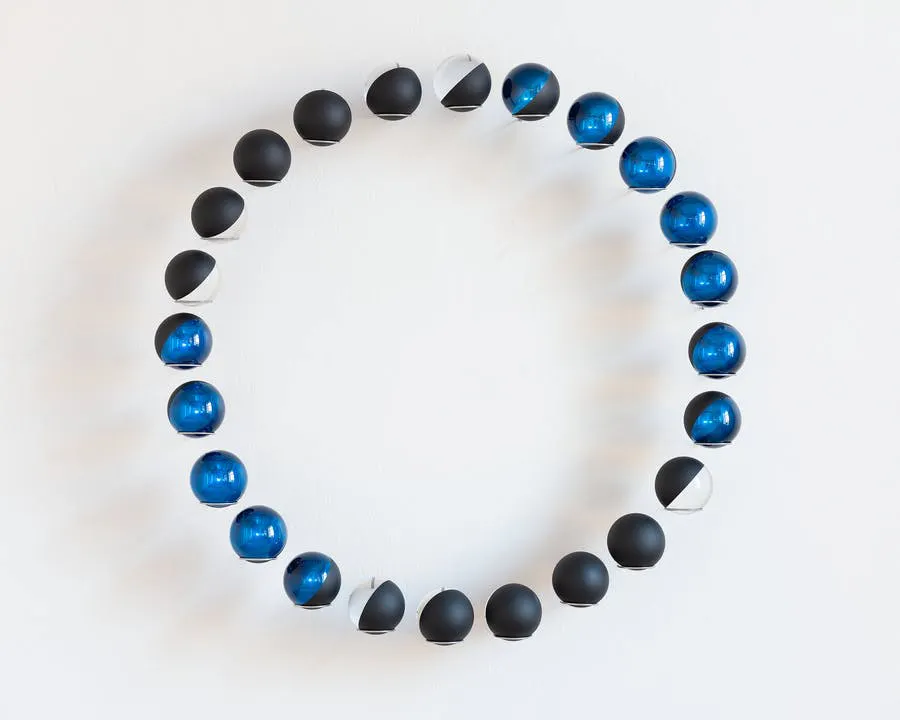
Circles and spheres are a recurring theme in Eliasson's art. An example is this auction's work Your blue expectations, consisting of 24 partially chromed spheres in crystal glass in blue and black. The spheres are arranged in a circle and face their axis at a 60 degree angle, slightly rotated in relation to each other. The artwork is optical, where reflections of the viewer and the room shift in, depending on light and one's own movement.
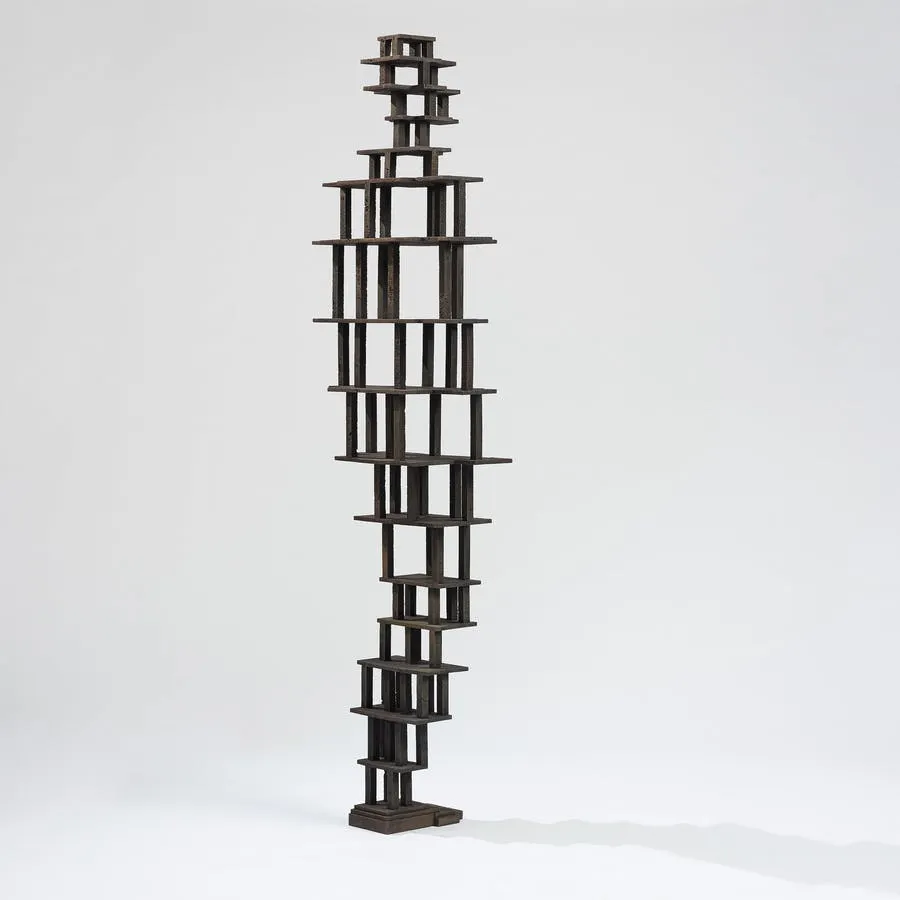
In his art, the British artist Sir Antony Gormley examines the relationship between the human form and the human presence in relation to nature and architecture. It was after a trip to India and Sri Lanka in the 1970s that he created his first works, inspired by man and how the body creates private spaces in public environments. It was even then that he created the first casting of his own body.
Since the 1990s, Gormley has placed life-sized sculptures in nature and in urban environments. By placing the sculptures in messy urban environments, Gormley comments on the changing environment we live in today. STATION XIII is part of the 'STATION' series that Gormley worked on between 2013-15. The series doesn't consist of conventional sculptures but 'human architecture'. They appear to be stable bodies but are actually very fragile especially in a public space.
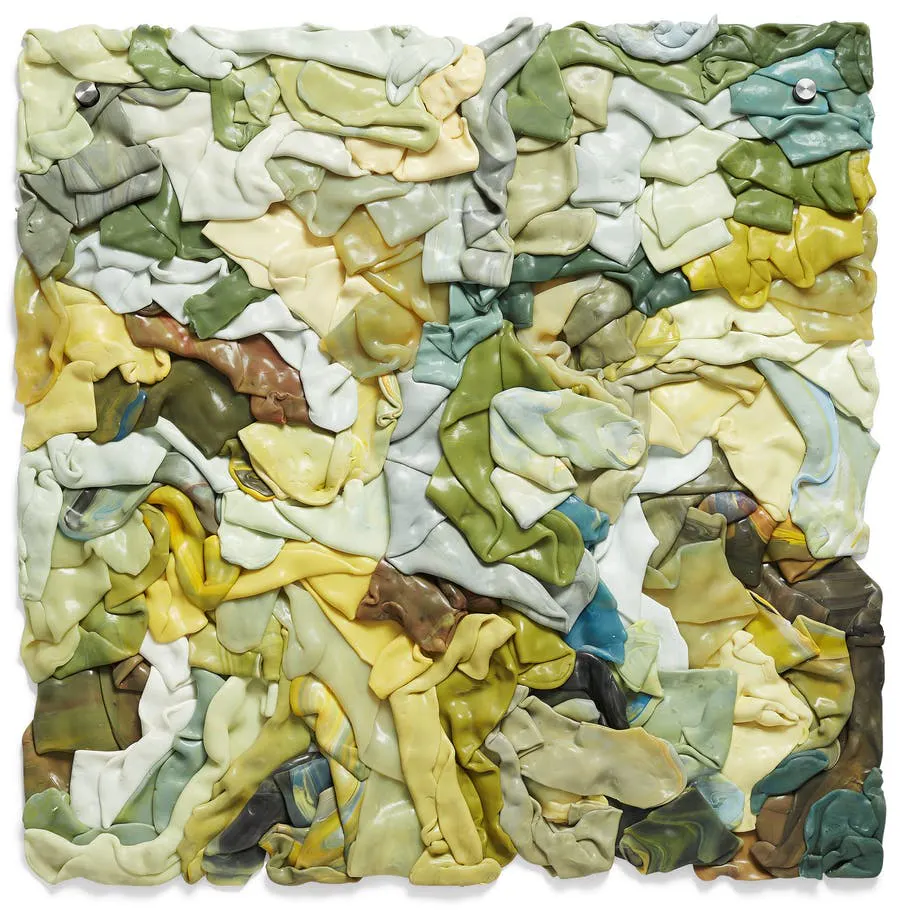
Matthias van Arkel is educated in classical painting, but since the early 2000s he has worked with transparent silicone rubber. He colours the material, which is then processed in endless variations. Neither canvas, glass nor wall is needed to hold together the three-dimensional work of art, which can have the shape of a painting, a solid cube or something else entirely. Gradually, van Arkel has refined his technique and so much so that he has managed to blur the boundaries between painting and sculpture.
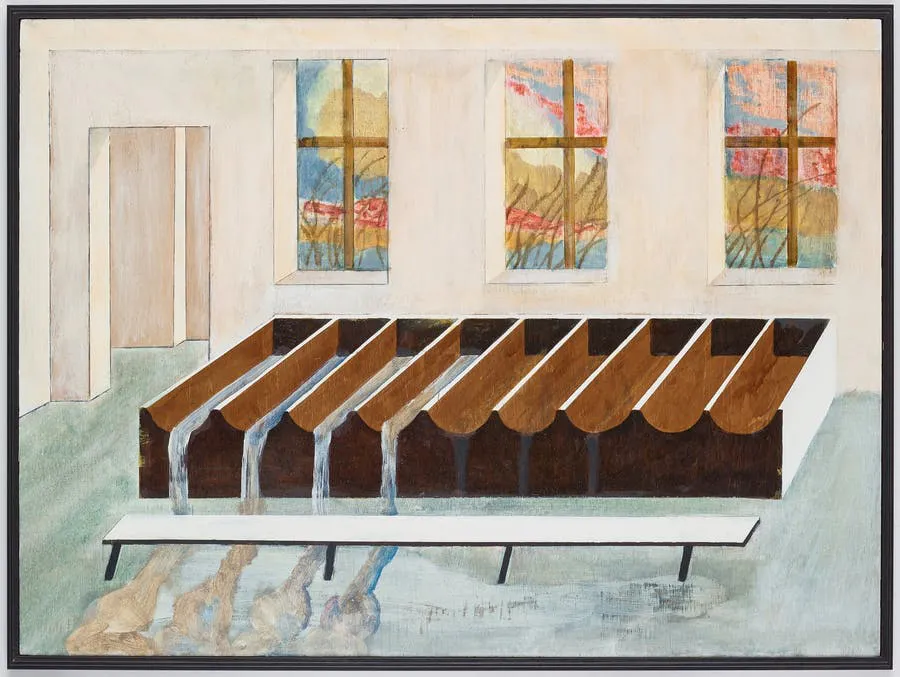
Karin Mamma Andersson's painting is distinctive and personal. It is rooted in the northern landscape and in a strong tradition of Nordic landscape painting. She has also been influenced by the figurative and naive paintings that dominated in the early 20th century. In her work, she starts from herself and lets a story be woven into the creative process, conveying a kind of enigma through her works.
In the auction's painting Grottekvarn, the northern landscape is depicted through the room's three windows, and in the foreground, water floats over the benches forming a stream. In Norse mythology, Grotte is the world mill that grinds gold and regulates the movements of the stars. The mill can also grind peace and happiness or war and doom.
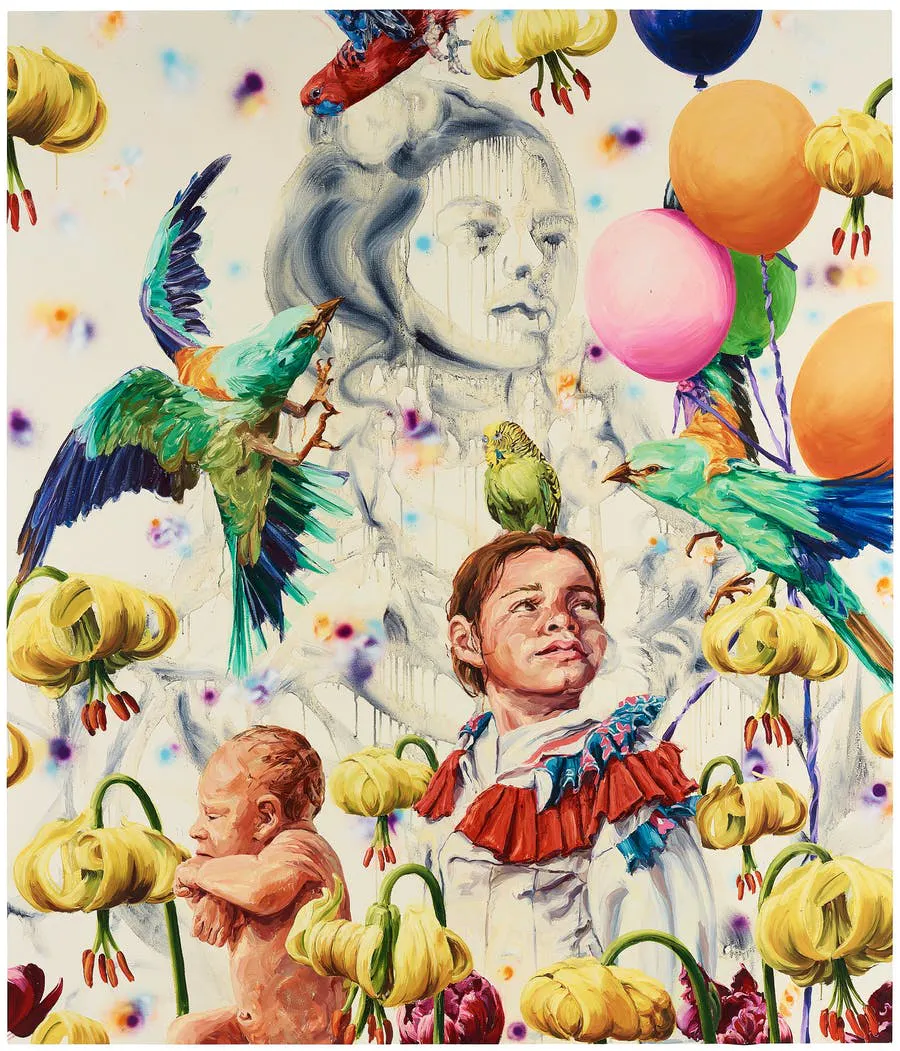
In Linn Fernström's pictorial world, the motifs revolve around people and animals, in a borderland between idyll and nightmare, playfulness and seriousness. Her style is often realistic with references to classical painting and masters such as Peter Paul Rubens, but with elements of symbolism and surrealism, as well as the Mexican artist Frida Kahlo and her colourful pictorial world. Balloon Girl contains many of the themes that are recurring and typical of Fernström's art. We see the colourful balloons, the newborn baby, the girl with big eyes and the contours of the artist.
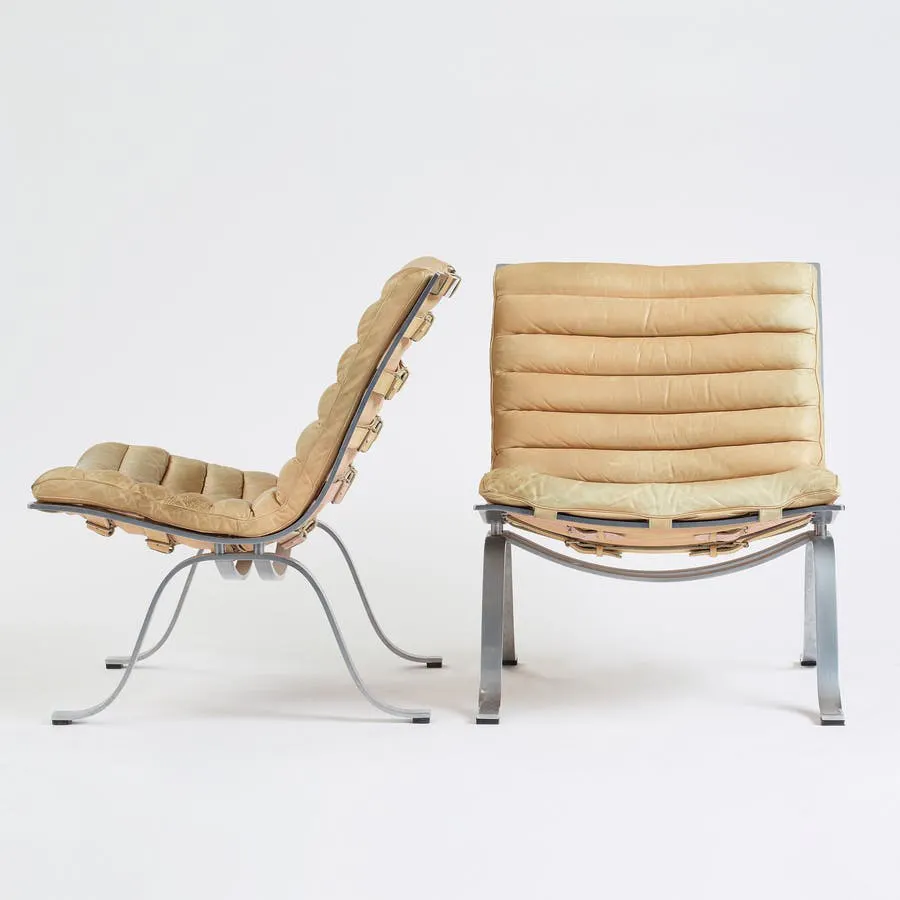
Arne Norell's career took off when he opened his own workshop in 1954 in Solna, Stockholm. Four years later he moved to Småland where he founded the company Möbler AB. He was a versatile furniture designer and used various material combinations such as wood, leather, fabric and metal. His furniture is characterised by comfort and lightness and many of them came into production only after his death in 1971. These were manufactured by the same company which today is called Norell Möbler AB and which is one of Sweden's leading manufacturers when it comes to seating furniture.
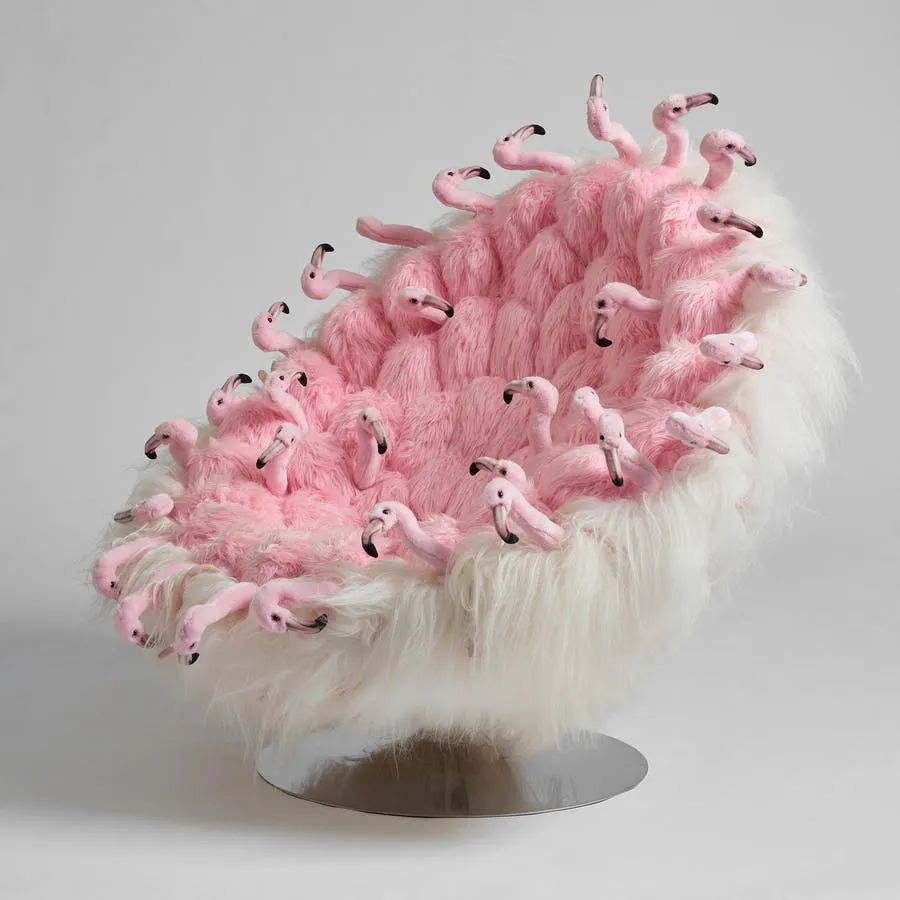
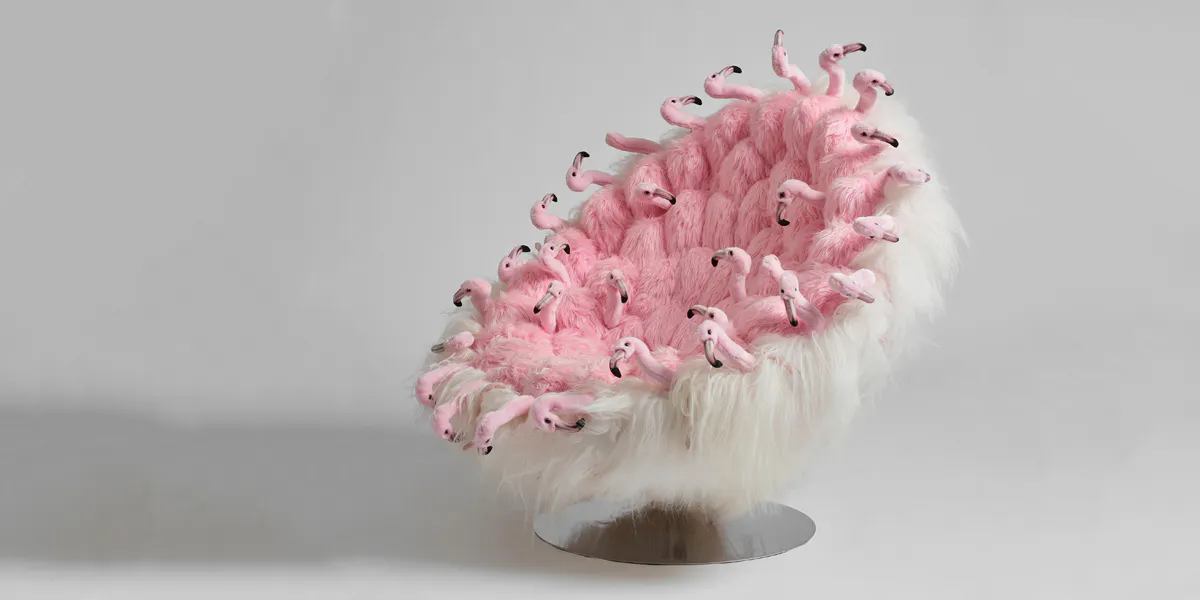
In 2015, the AP Collection brand was founded in Brussels. It all started with Alexis Verstraeten and Pauline Montironi's long distance relationship, which led to the couple sending all kinds of stuffed animals to each other. When they were reunited, they decided to create their first design project – with the stuffed animals in focus. For six years, AP Collection has given new life to older design objects by adorning them with stuffed animals, everything from rabbits and lions to polar bears and pandas. For the auction's colourful armchair Miss Flamingo, AP Collection has used a chrome-plated foot from the 1960s, designed by the French designer Pierre Paulin.
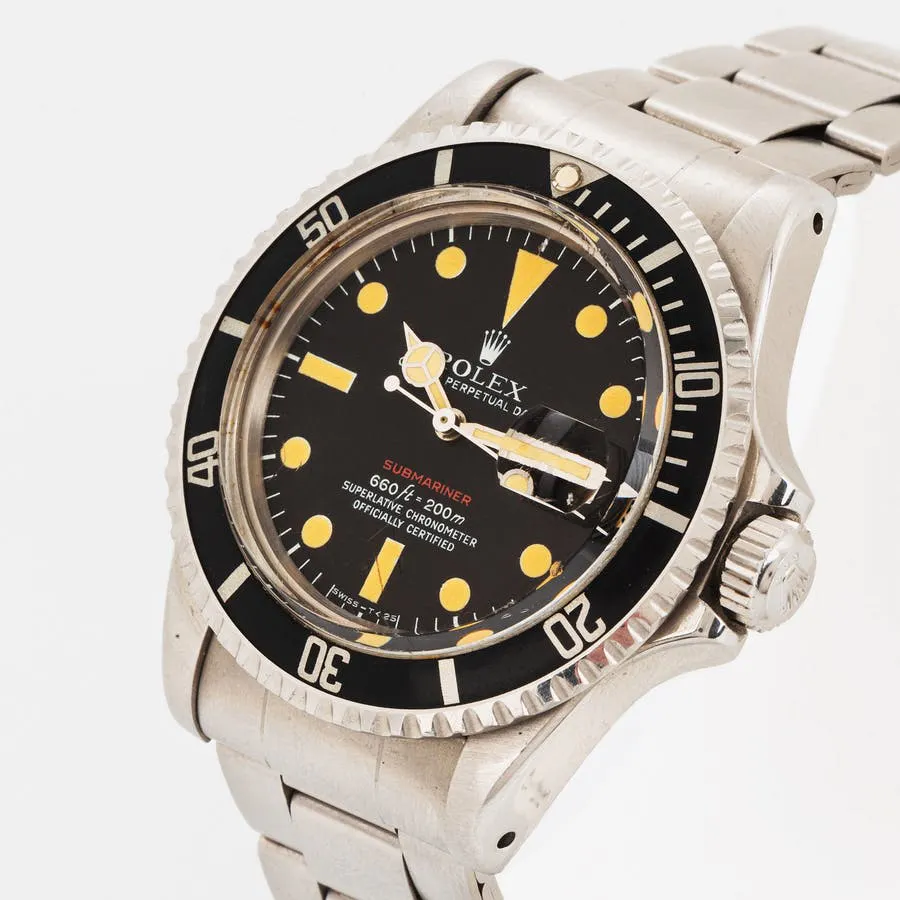
Later in the evening of 20 April, the internationally acclaimed watch auction 'Important Timepieces' will be held. The sale offers an exciting mix of vintage watches, modern classics and collectables from the most sought after watch manufacturers, such as Rolex, Patek Philippe, Audemars Piguet, Omega and Heuer.
Highlights include a Rolex Submariner 'Red Mark V"' The Rolex Submariner was created in 1953 to be used by divers. It became the very first watch that was waterproof to a depth of 100 meters. The model became not only popular with divers but also a favourite with the British agent James Bond. Sean Connery wore the Model 6538 in the first four James Bond films and Roger Moore wore the Model 5513 in two films.