Stay up-to-date with the antiques world

By subscribing, you are agreeing to the privacy policy. Unsubscribe anytime.

Barnebys

Barnebys HQ

Brahegatan 10
BOX 5038
114 37 Stockholm

Company

  • About Us
  • Join Barnebys
  • Our Partners
  • Press
  • Career

Explore More

  • Barnepedia
  • Buying / Selling at auction
  • Auction Houses / Dealers / Galleries

Support

  • FAQ
  • Terms of Use
  • Privacy and Cookies policy
  • Contact us
  • Barnebys Group AB
  • Barnebys.se
  • Barnebys.com
  • Barnebys.co.uk
  • Barnebys.de
  • Barnebys.fr
  • Barnebys.es
  • Barnebys.it
  • Barnebys.hk
  • All auction items
  • Categories
  • Auction results
  • Magazine
  • Ancient Art
  • Arts & Graphics
  • Asian Art
  • Books, Maps & Manuscripts
  • Carpets, Rugs & Textile
  • Coins & Banknotes
  • Contemporary Art
  • Ethnographical
  • Fashion & Vintage
  • Folk Art
  • Furniture, Design & Mirrors
  • Glass
  • Jewellery & Gems
  • Lighting
  • Medals, Arms & Armour
  • Miscellaneous
  • Music & Musical Instruments
  • Nautica, Technica & Optic
  • Photographs
  • Porcelain & Pottery
  • Postcards & Stamps
  • Sculptures
  • Silver & Gold
  • Sports & Leisure
  • Tin & Metals
  • Toys & Collectables
  • Vehicles
  • Watches & Clocks
  • Wine & Spirits
  • Works of art
  • All auction items
  • Auction results
  • Magazine
  • Get a valuation
  • Auction system

Barnebys Magazine

LatestEditor's picksTopics
Magazine/Painting/From fake to famous: John Myatt's forged art career

From fake to famous: John Myatt's forged art career

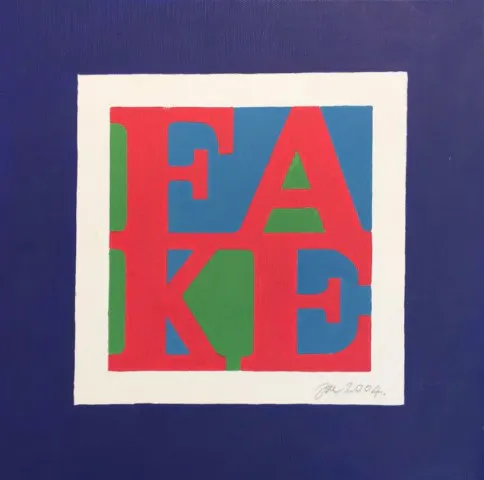
John Myatt achieved notoriety as the the biggest art fraudster of the 20th century. Myatt created more than 200 perfect canvas forgeries in the style of artists including Albert Gleizes, Henri Matisse, Marc Chagall and Alberto Giacometti, many of which were sold in galleries and auction houses.

27 July 2017
From fake to famous: John Myatt's forged art career

In 1995, Myatt was arrested by Scotland Yard detectives and sentenced to 12 months in prison. This initial sentence was shortened to four months as Myatt cooperated during the investigation and showed good behaviour whilst in Brixton prison.

Myatt became a sensation in the art world. Whilst in prison, he was commissioned to create 'genuine fakes,' forging a successful career copying masterpieces, which his clients were completely aware were not the original piece of art.

John MyattImage: The Independant

Today, Myatt is represented in Winchester's Canvas Gallery. Myatt began copying the works of the art history's greats when divorce left him a single parent. Working as an art teacher, Myatt began to recreate famous artworks in order to raise extra cash. His recreations soon spiralled into forgery and he became one of the 20th century's most lucrative fraudsters.
a70512a0ab881096d8bf5b8e176d86e7j

Myatt place a classified advert in Private Eye, offering genuine fakes of nineteenth and twentieth century paintings for around £150. He received a call from ‘Professor John Drewe’, a supposed nuclear physicist who was interested in buying a selection of works. Myatt produced 14 paintings for Drewe over the next two years, generating enough cash to support his family. At this stage, Myatt had no idea how fraudulent Drewe would turn out to be.

In 1986, Myatt created a painting in the style of French Cubist painter Albert Gleizes. Soon after, Drewe called to explain that he had the painting valued by prestigious art house Christie’s, who had been duped into believing it was an original, subsequently valuing the piece at £25 000. Myatt agreed to sell and, one week later, received 50% of the money in cash.

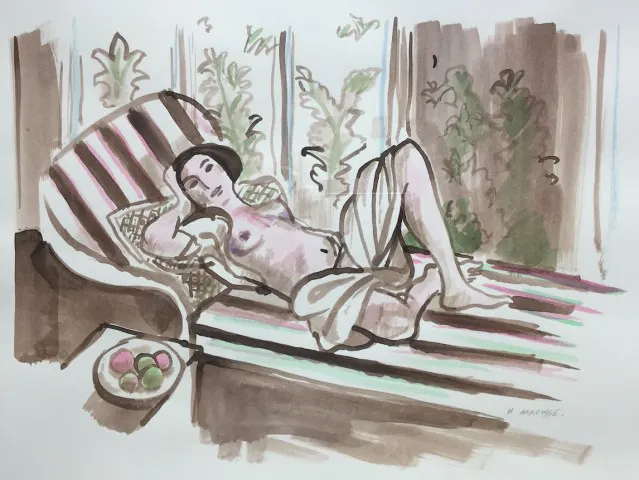
Lured by the promise of more income, Myatt created and auctioned 200 forgeries in the style of many art masters, including Henri Matisse, Marc Chagall and Alberto Giacometti. Nonetheless, Myatt himself was duped by Drewe who would keep the lion’s share of profits for himself. Tired of his business partner’s relentless lies, Myatt put a stop to the fraud in 1993.

Two years later, an ex-partner of Drewe ‘blew the whistle’ leading to the arrest of Myatt by Scotland Yard detectives.

Upon release Myatt declared he would never paint again, but the Scotland Yard detective who originally arrested him and the plaintiff’s barristers all wanted mementos of the court case. He was soon persuaded to return to his easel and was commissioned to paint portraits for those involved in the case.
42d57133f5805d7d23d2d1301b6a9b1cj

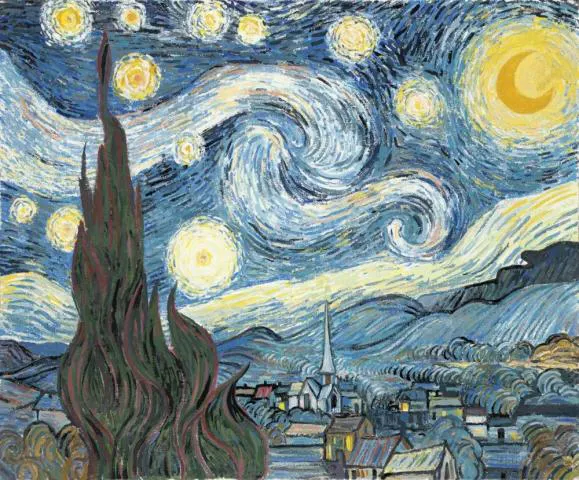
Myatt has continued to paint, with customers stretching from the UK to Canada and the Philippines. He also helps detectives to expose fraudulent schemes and his television programme Fame in the Frame on Sky Arts has seen him paint portraits of celebrities.
starry nightjohn myattart fraudvincent van goghgiacometti

Subscribe to Barnebys Magazine

By subscribing, you are agreeing to the privacy policy. Unsubscribe anytime.

Explore related articles

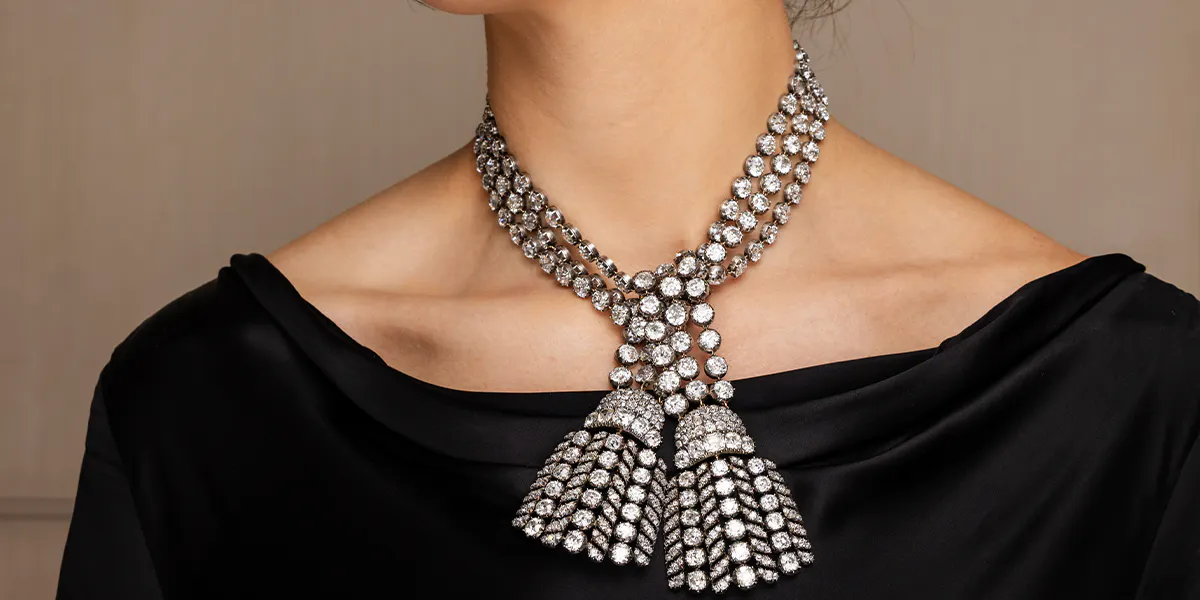
LONDON, ENGLAND – 23 SEPTEMBER: On 23 September 2024, Sotheby’s in London, England, unveils one of the rarest and most historically significant diamond necklaces of noble and royal provenance ever to be auctioned. It will be displayed at Sotheby’s London until 25 September, before being auctioned for the first time at a live auction by Sotheby’s flagship Live Auction Royal and Noble Jewels at the Mandarin Oriental Hotel in Geneva on 11 November 2024, with an estimated price of CHF 1,600,000 – 2,400,000 / $ 1,800,000 – 2,800,000. Most likely created in the decade before the French Revolution, its provenance holds legendary status. It was part of the jewellery collection of the Marquess of Anglesey's family for about 100 years before being sold to a major private Asian collector in the 1960s, and it has not been seen in public for 50 years. It was worn at at least two coronations – those of George VI and Queen Elizabeth – and has several potential provenance stories, the most enticing of which is its possible connection to Queen Marie Antoinette and the scandal of the ‘Necklace Affair’. (Photo by Tristan Fewings/Getty Images for Sotheby's) (detail)
Jewellery & Gems

Historic Necklace Linked to Marie Antoinette Makes Auction Debut

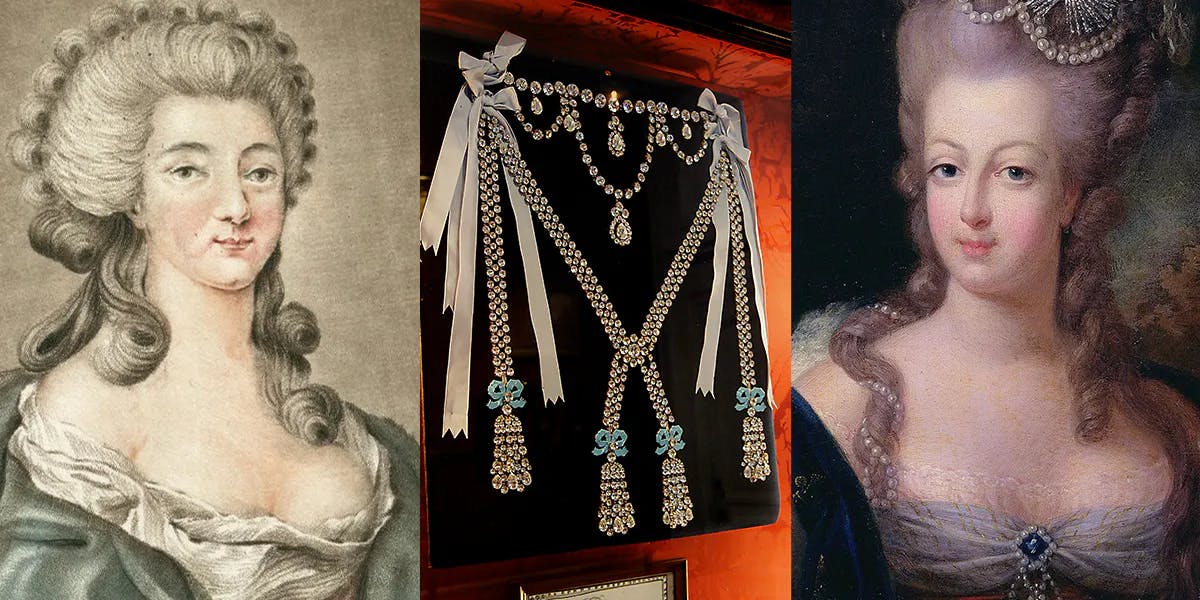
Left: Unknown artist, Jeanne de Saint-Rémy de Valois, Countess de La Motte, ca. 1786. Center: The diamond necklace copy in zirconia, Breteuil Castle, France. Right: Jean-Baptiste André Gautier-Dagoty (1740-1786), Portrait of Marie Antoinette, c. 1775, Musée Antoine-Lécuyer, Saint-Quentin. Public domain images (detail)
Jewellery

How the Affair of the Diamond Necklace Ruined Marie Antoinette

The three forged paintings that were seized by the police. Image © Valencian Generalitat Police
Painting

An £11-million Trove of Forged Art Seized in Spain

Bring your auction to collectors worldwide!