
![Marble portrait of Emperor Caracalla, 205-209 AD [detail]. Photo © Hermann Historica GmbH](https://images.prismic.io/barnebys/aa19618d-8764-4cf1-a791-57b6d5c506a4_f80dc9b2-938a-4ca5-a10b-289d1fbff6c9_HHTitel.png.jpeg?auto=format,compress)
Auction house Hermann Historica in Grasbrunn near Munich will present its 89th auction from 26-28 May and 1-2 June. The auction house, which specialises in historical and military-historical treasures, has once again put together an outstanding catalogue that will inspire every collector in this field. Those interested in the arts will also have plenty of treasures to choose from during the two enticing sales.
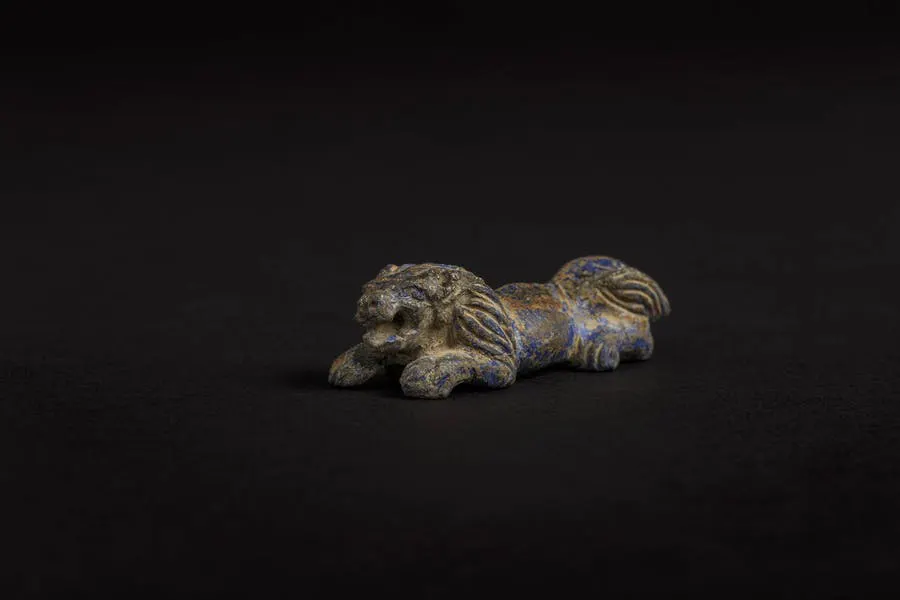
The auction begins on 26 May with the ‘Art and Crafts, Antiques’ section, which consists of 578 lots coming from five millennia and originating in very diverse regions. One of the oldest pieces here is a lapis lazuli sculpture, only 5.8 cm in size, of a naturalistically-carved lion reclining with its mouth open. It was created during the 3rd millennium BC by an artist from the Elamite Empire, located on the Persian Gulf in what is now Iran.
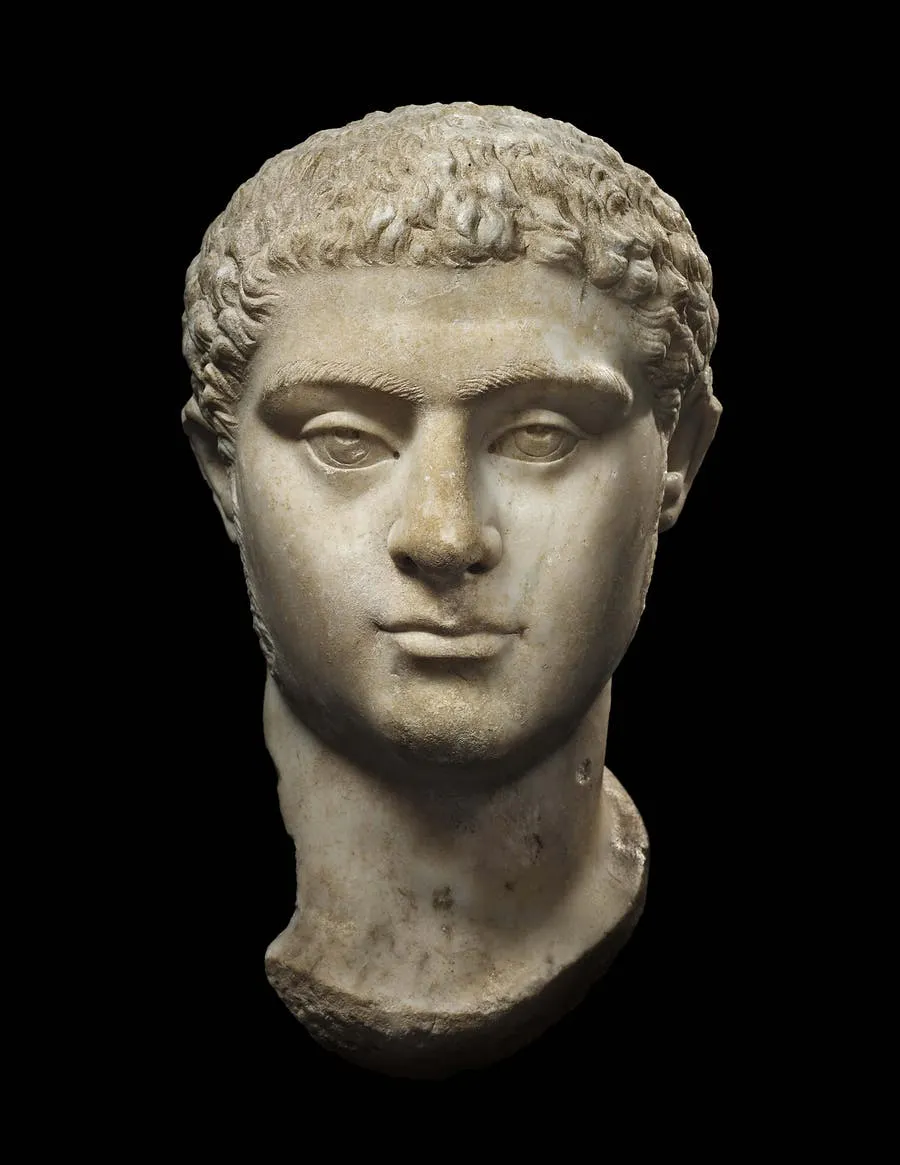
This life-size portrait of the Roman emperor Caracalla (211-217 AD) was also made in a naturalistic way and from a valuable material. It shows the emperor at a young age with his typical curly hairstyle. At least €200,000 (£172,282) is required for this fine marble sculpture dating from the early 3rd century.
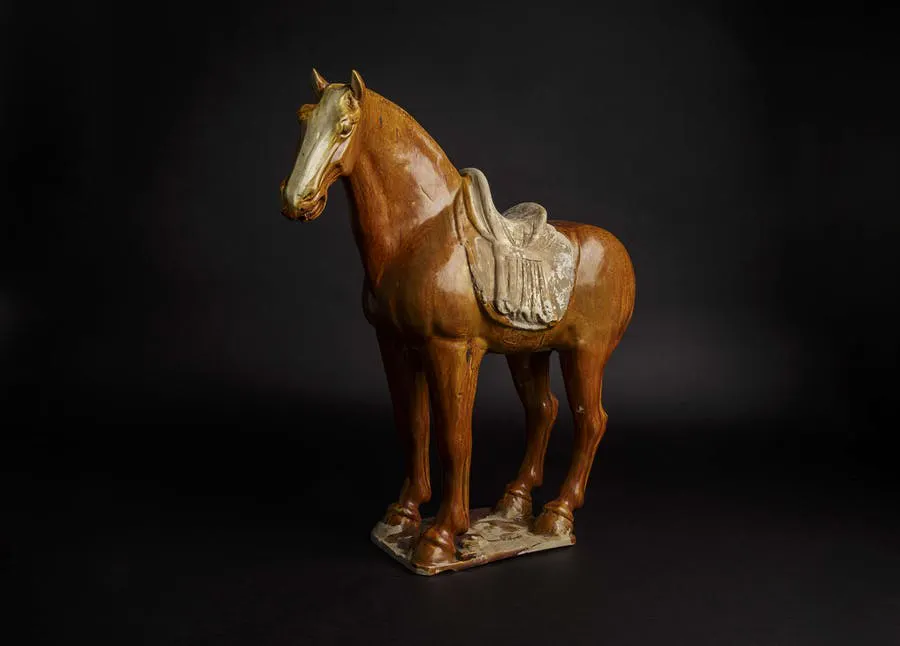
When the Western Roman Empire was already history, the Tang Dynasty came to power in far-off China. Horses were of great importance to all their rulers, but especially to Emperor Taizong, the second emperor of the dynasty. Depictions of the noble four-legged friends established themselves as an independent theme in the art of the country..
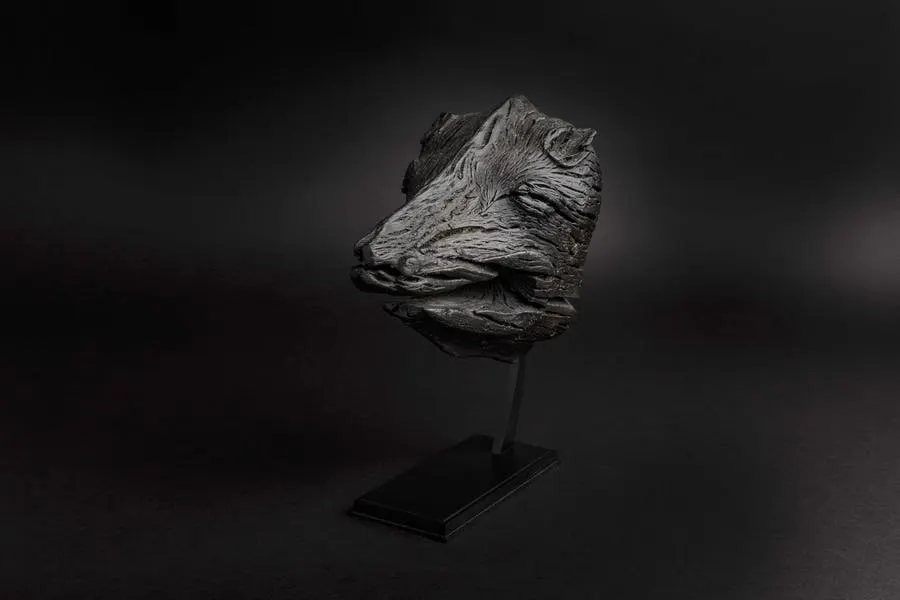
Another exciting lot is this fully carved wooden boar's head, which is said to have been part of a Viking longboat that was found in the 1930s on the bottom of the Scheldt near Antwerp. These conditions explain its good state of preservation, since wood, like all organic materials, decomposes relatively quickly if it is exposed to oxygen. A radiocarbon investigation revealed that the boar's head was created between the years 660 and 870.
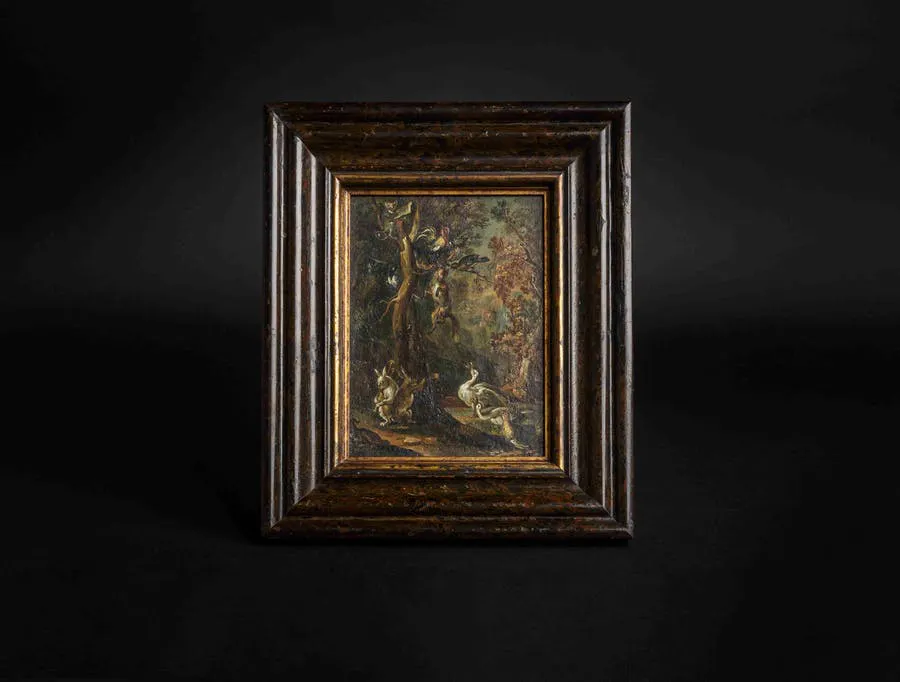
This extraordinary painting dates from the first half of the 17th century, and takes the viewer into the world of fables. Small Animals Judge the Fox was executed in oil on a copper plate and shows a red fox hung from a branch by angry birds and insulted, while a cat reads a judgment and two hares make music. The work measures just 14.5 x 20 cm.
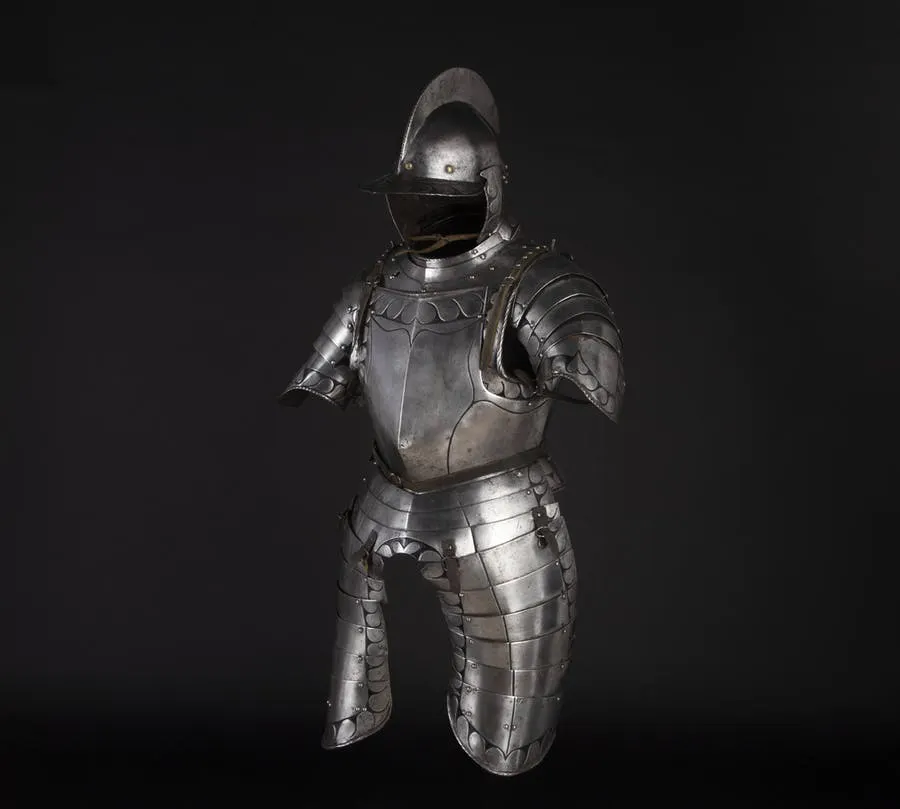
On 27 May, the sale continues with 322 lots in ‘Ancient Weapons and Armor From All Over the World’. One notable item is black and white suit of servant’s armour with a balaclava from southern Germany. All parts of the armour were made around 1560 and have identical décor.
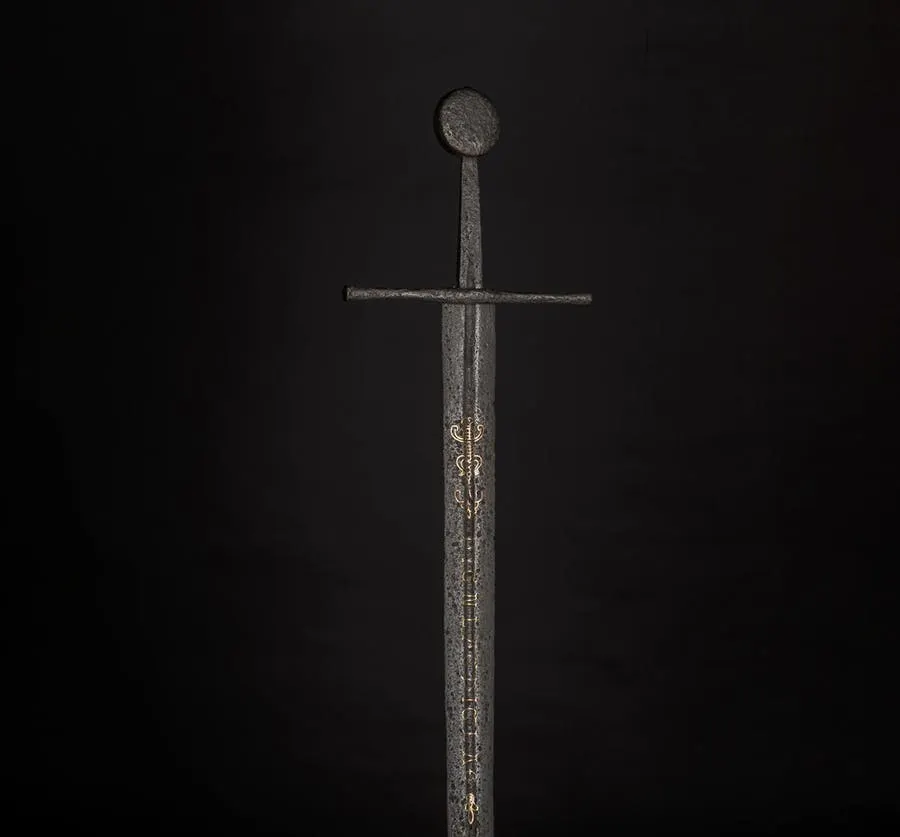
This early knightly sword is about three hundred years older, and its elaborate workmanship shows extreme technical ability on the part of the armourer. One side of the double-edged blade was decorated with an inscription and a stylised eagle with leaf ornament in gold.
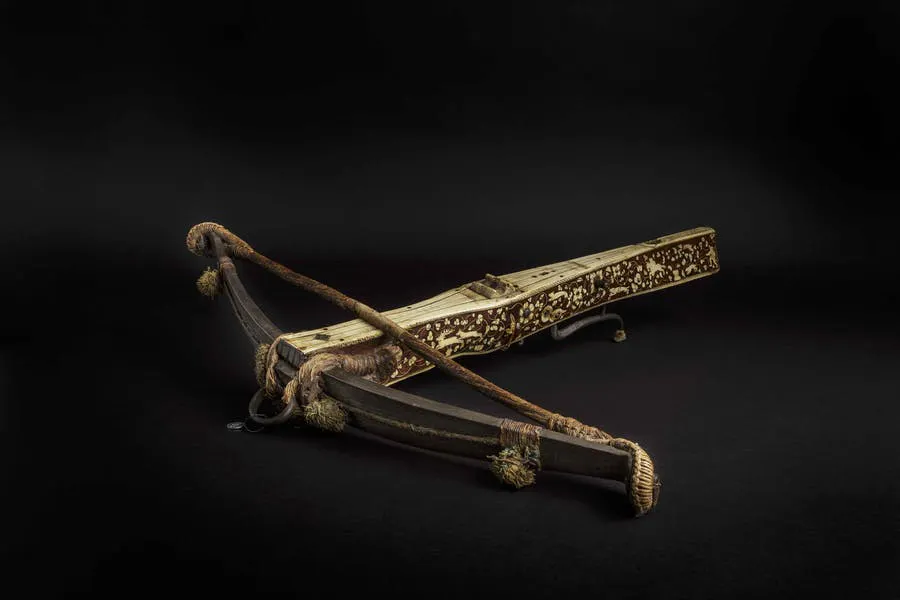
This Renaissance crossbow weapon, made around 1600-20 in southern Germany, is adorned with a fine decoration made of bone depicting hunting motifs.
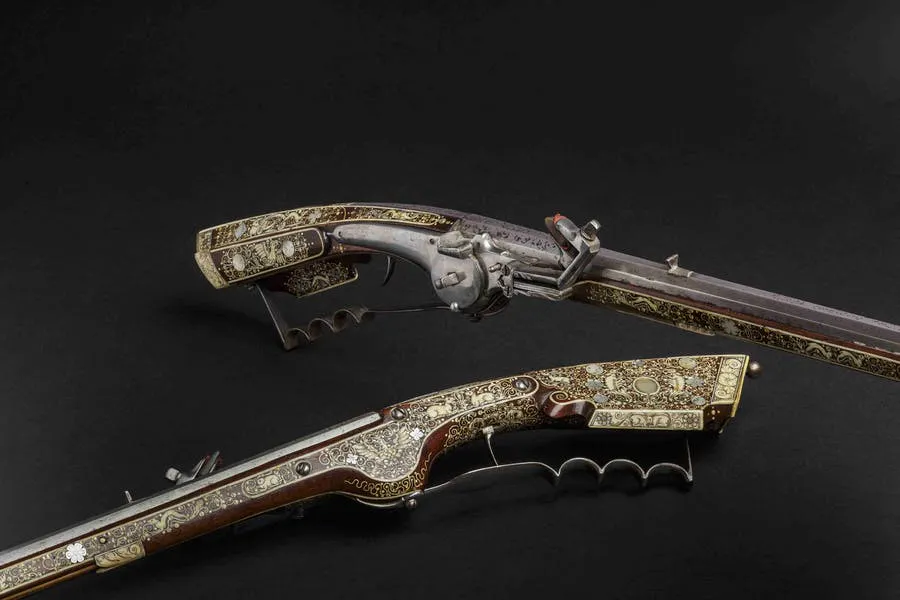
On 28 May, Hermann Historica will dedicate itself to ‘Firearms From Five Centuries’, which consists of an astounding 1,044 lots. One of the highlights is this important pair of wheel lock carabiners, which were made in Teschen around 1640 and decorated with elaborate bone and mother-of-pearl inlays. The Silesian city of Teschen was famous for its excellent hunting rifles, which became coveted prestige items. The starting price of €65,000 (£55,991) estimated here also shows how valuable these special examples are.
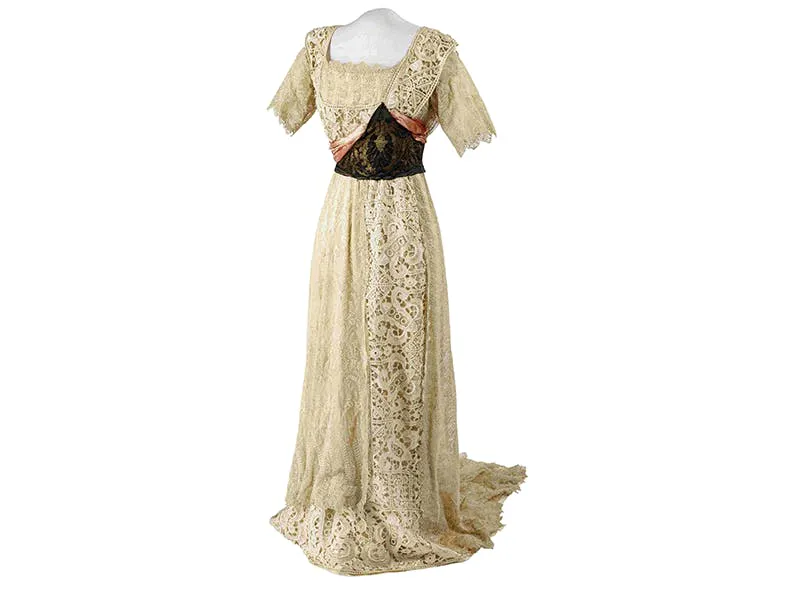
The catalogue of ‘International Orders & Military-Historical Collectables’, appearing on 1 June, is a real treasure chest for admirers of Empress Elisabeth of Austria. The 454 lots include several pieces from the personal belongings of the legendary Empress, including this elegant salon dress made of cream-coloured silk and lace, which Elisabeth had made by the tailor Marie Braun in her native Munich.

This magnificent gala uniform of an Austrian general of the cavalry also comes from the Habsburg multi-ethnic state. The uniform, including the shako, is a fine example of the elaborately designed uniforms of the Hungarian hussars. It was made around 1900.
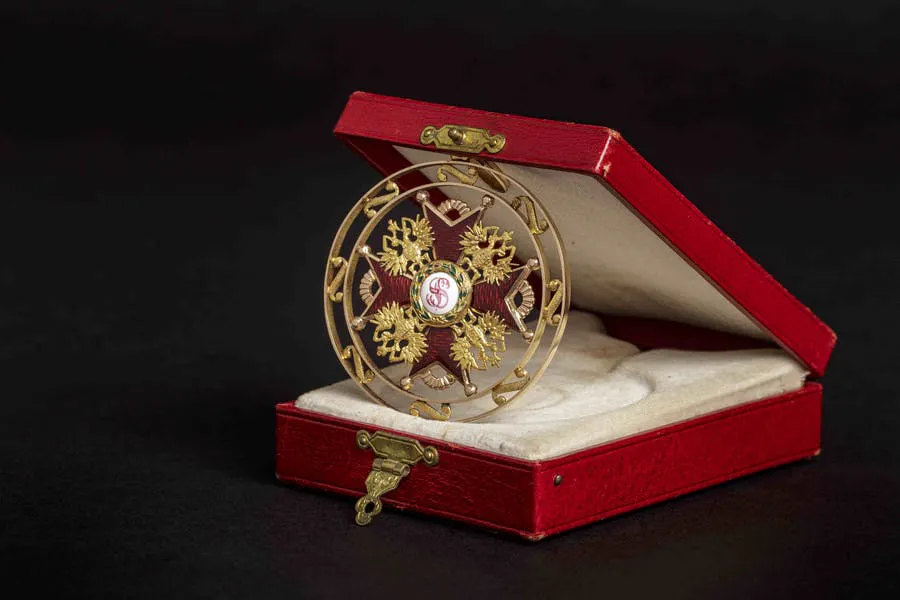
Finally, we take a detour to the Russian Empire with this special form of the Stanislaus Order, introduced in 1839, which could only be awarded to order officials. The pictured order is a work by the Saint Petersburg goldsmith Julius Keibel from 1870.
The auction series ends on 2 June with the ‘International Military History from 1919’ sale. All auctions start at 10 a.m. and take place at Hermann Historica in Grasbrunn, near Munich. Previews can be arranged from 19 to 22 May and 29 and 31 May.