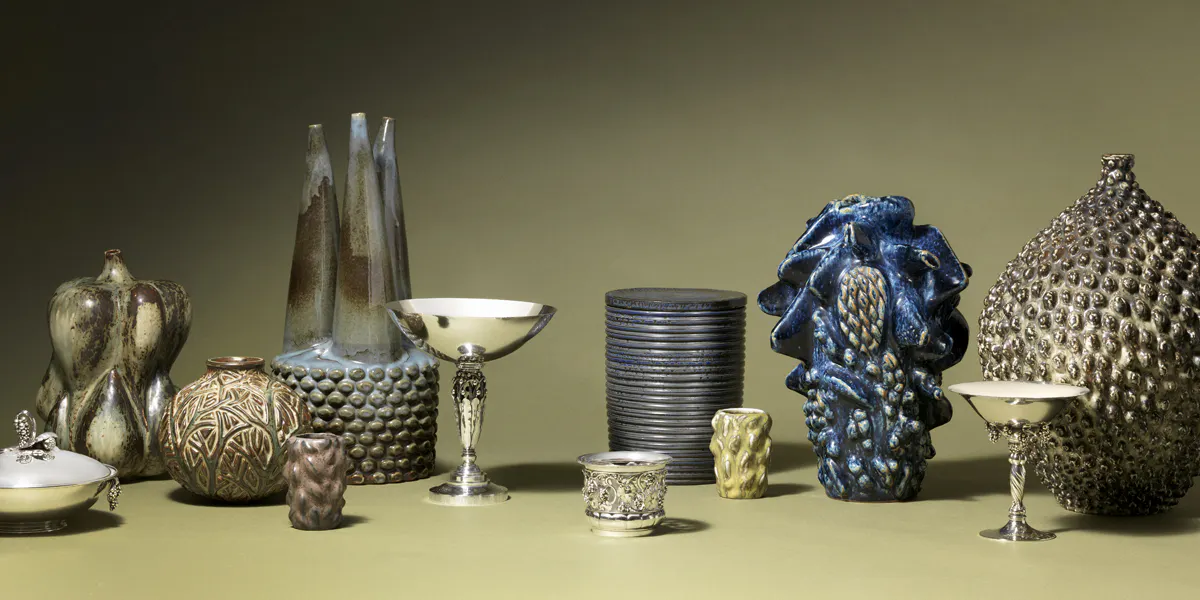
Seven auctions over four days—nearly a thousand objects will be up for sale at Bruun Rasmussen's premises on Nørgaardsvej 3 in Lyngby between 16 and 19 September. The auction week kicks off with the sale of artefacts from Danske Bank's former headquarters. Following that, art, antiques, jewellery, bags, and wristwatches will all go under the hammer. The week culminates with the auction Force of Nature - Georg Jensen and Axel Salto, which showcases two of the most prominent names in Danish arts and crafts.
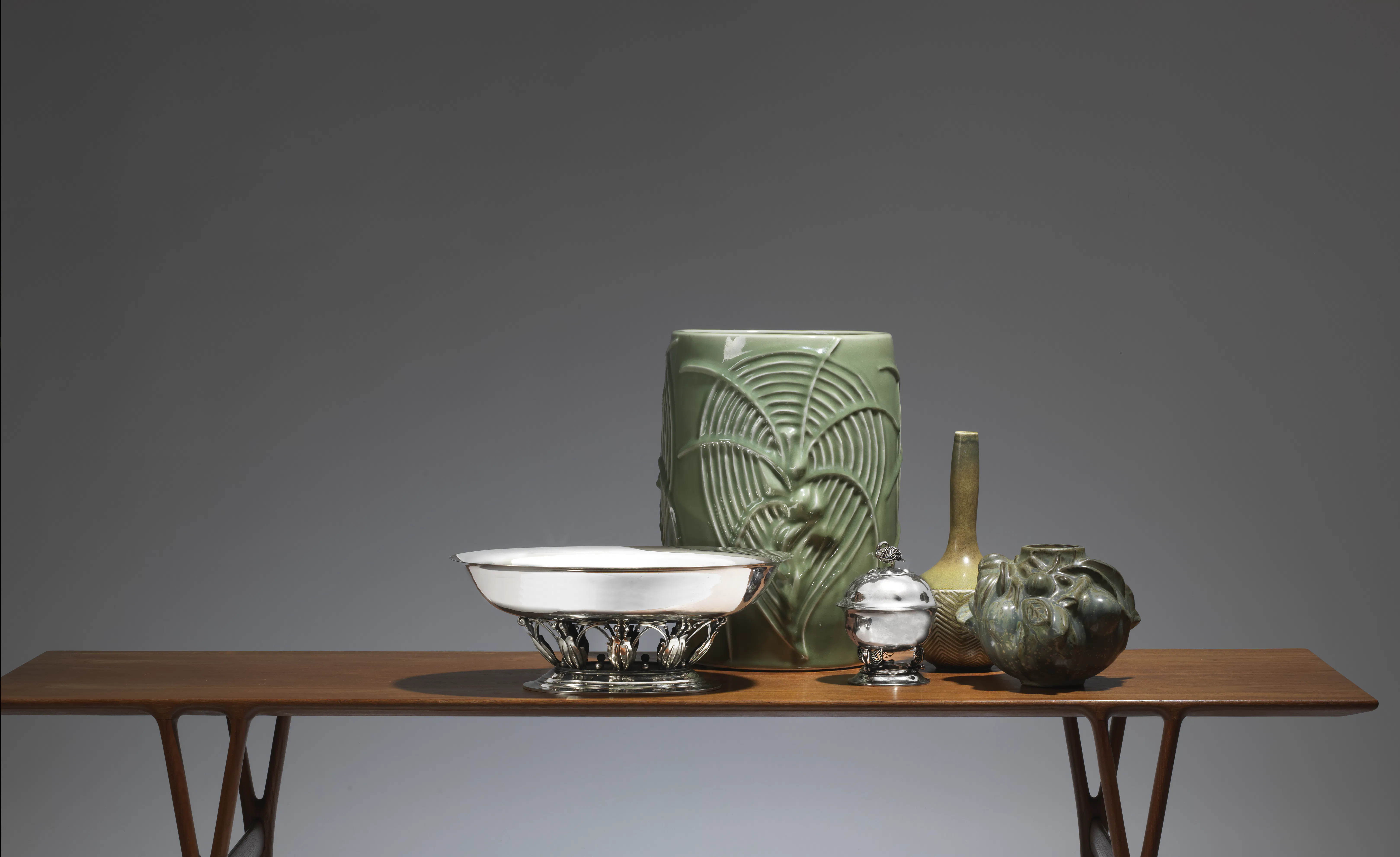
The 19th century was a transformative period for Danish crafts. In the first half of the century, Danish furniture design reached unprecedented heights, and later in the century, there was a burgeoning interest in Danish arts and crafts, with silversmithing and ceramics playing a central role.
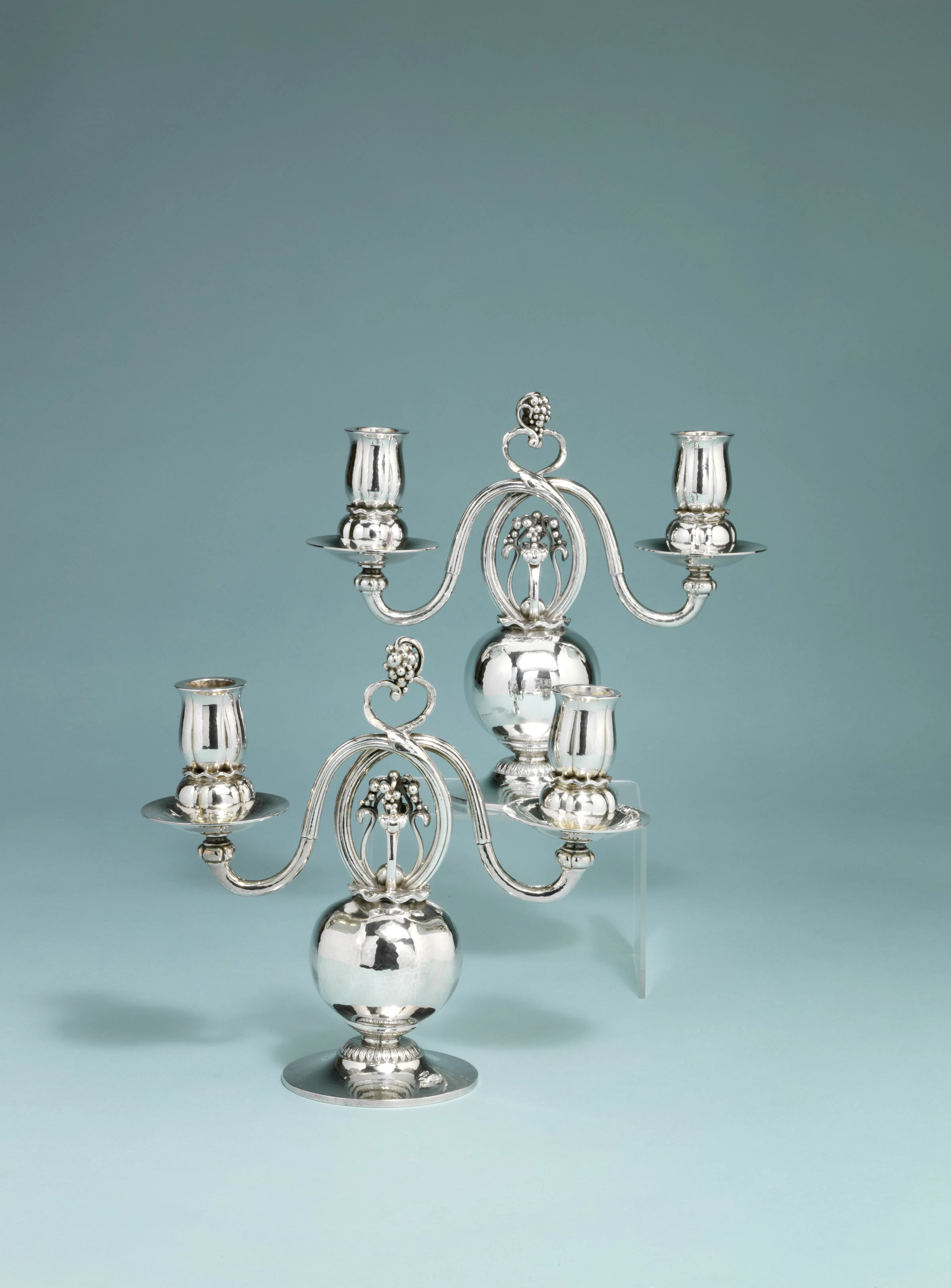
Georg Jensen (1866-1935) began his apprenticeship as a goldsmith at the age of fourteen, but his artistic inclinations led him to study sculpture at the Royal Danish Academy of Fine Arts. In the late 19th and early 20th centuries, he was profoundly influenced by the Danish Skønvirke style, which blended elements of German Jugendstil, French Art Nouveau, British Arts and Crafts, and Nordic National Romanticism. Jensen's designs were characterised by organic forms and nature-inspired motifs such as animals, fruits, and flowers. His work exemplified his skill in merging traditional Danish design with modern, international influences.
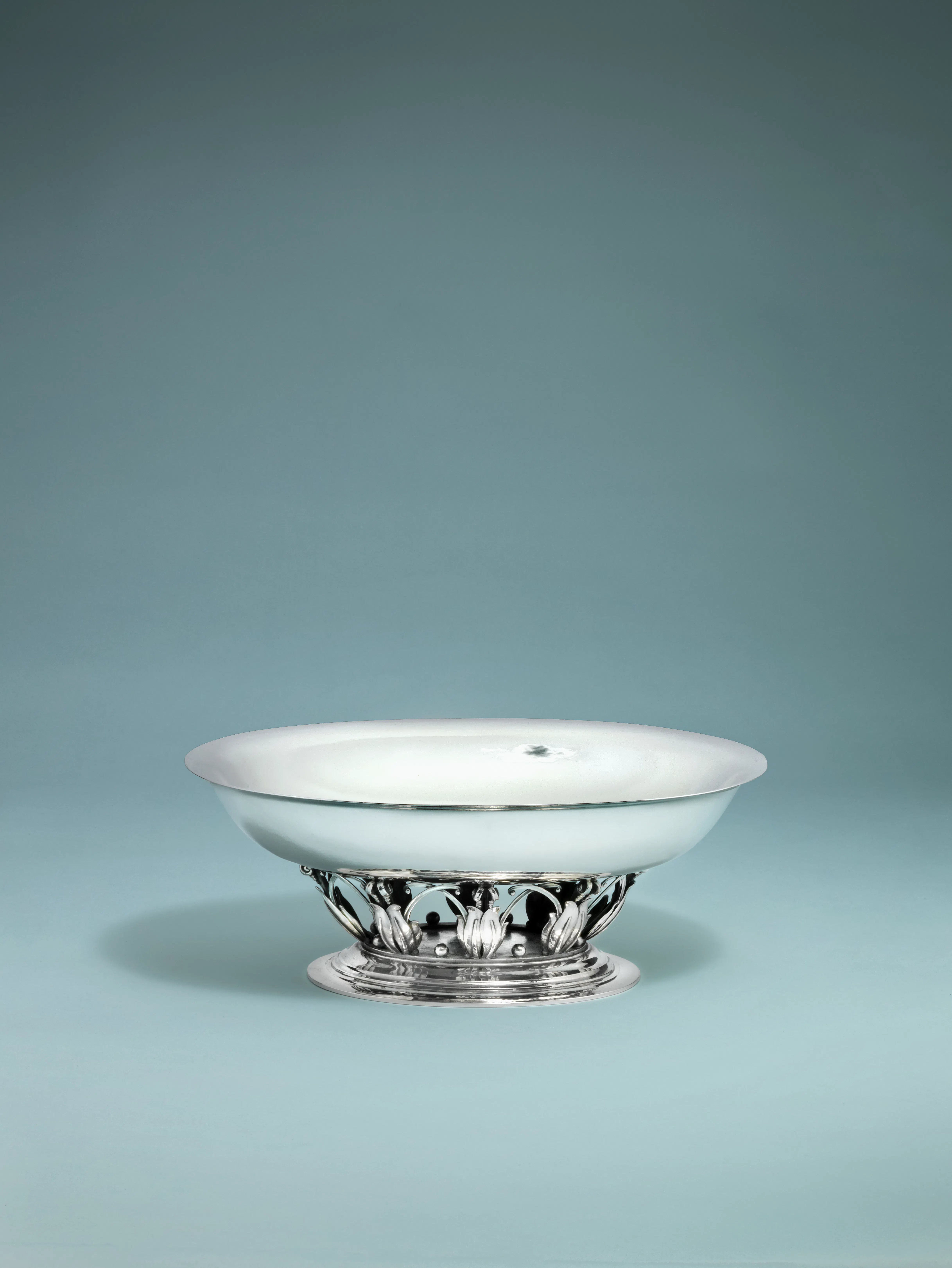
In 1904, Jensen opened his own silversmith workshop in Copenhagen. Over the next two decades, he gained international acclaim for his innovative designs. A significant milestone came in 1915, when American newspaper magnate William Randolph Hearst purchased nearly all of Jensen's pieces at the San Francisco World's Fair.
Georg Jensen designed thirteen different cutlery sets, eight of which were named Continental, Beaded, Blossom, Rope, Lily of the Valley, Akkeleje, Viking, and Fuchsia. Of these, only Continental, Beaded, and Blossom remain in production, while the others are available solely on the second-hand market.
The company was acquired by Royal Copenhagen in 1972, but Jensen's design principles continue to endure. Today, Georg Jensen is an internationally recognised brand, celebrated for its exceptional craftsmanship and ability to harmonise form and function, which continues to inspire a global audience.
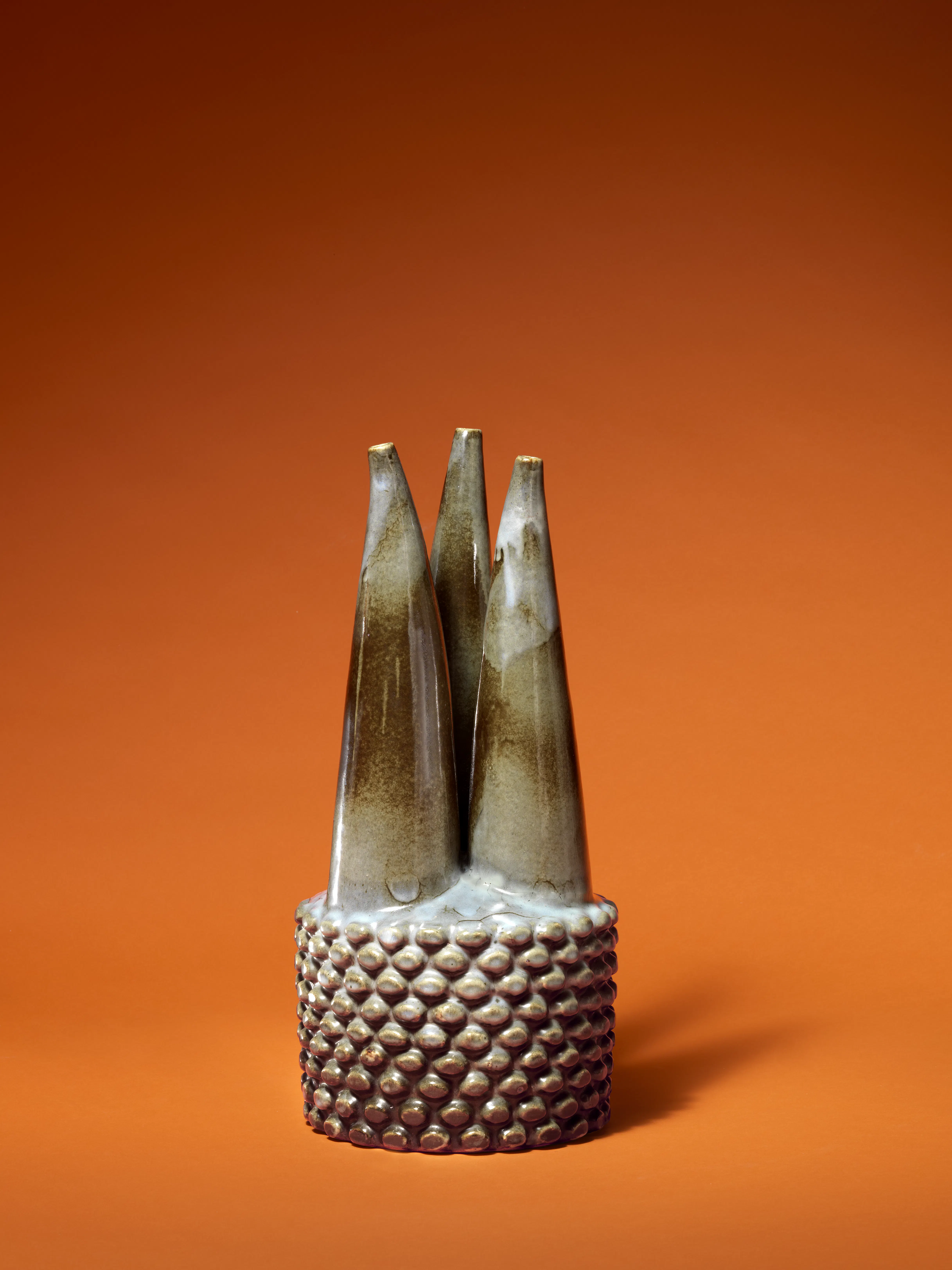
Georg Jensen's design philosophy was deeply rooted in the belief that everyday objects could be works of art, a principle shared by Axel Salto, another prominent Danish artist.
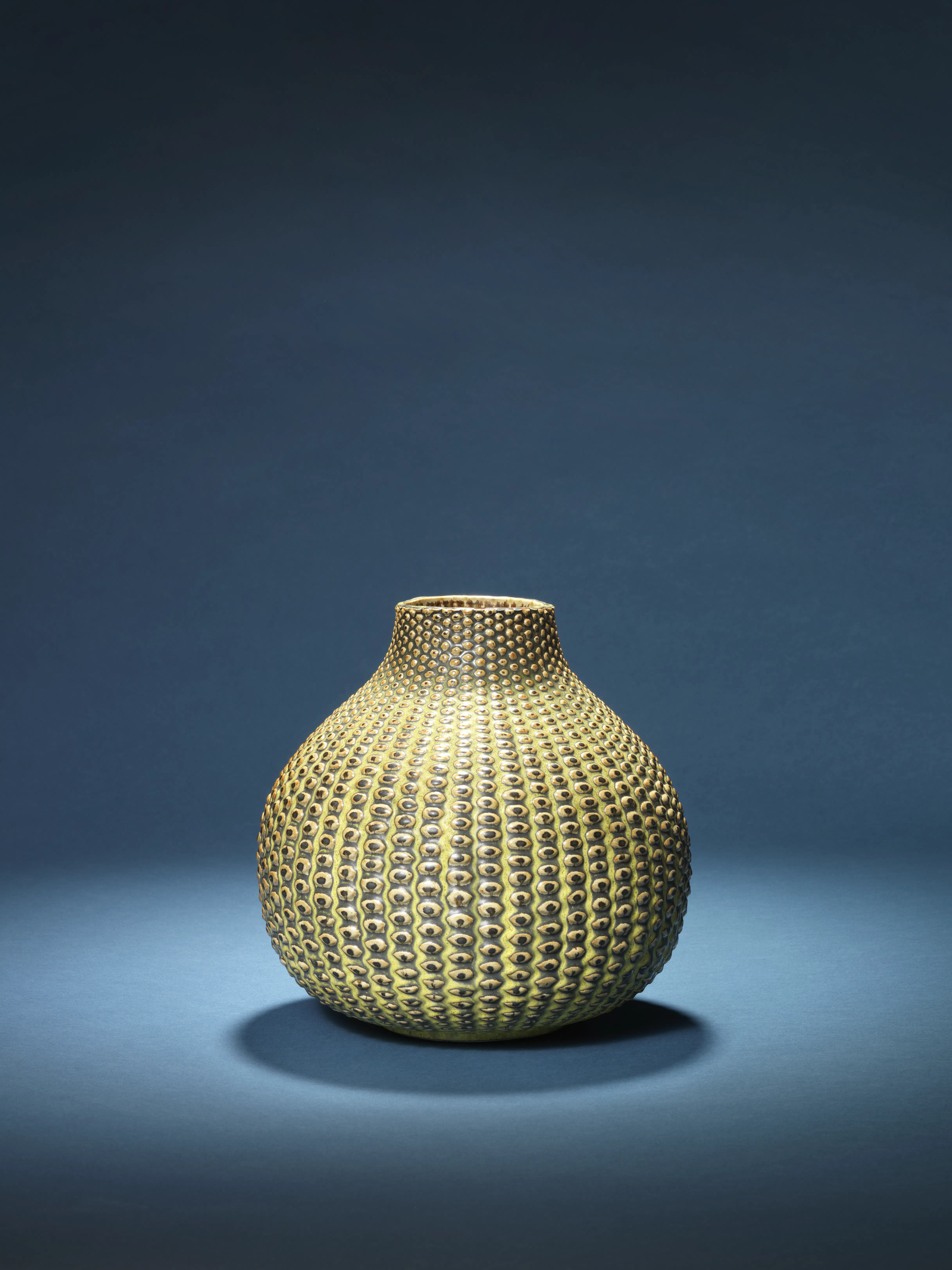
After studying at the Royal Danish Academy of Fine Arts with the ambition of becoming a painter, Axel Salto (1889-1961) later shifted his focus to ceramics, a medium that allowed him to explore new and innovative forms of expression. Salto's major breakthrough came in 1925 at the World Exhibition in Paris, where he showcased his nature-inspired stoneware pieces. These works, often classified into three categories—fluted, knobbed, and budding—quickly became iconic, establishing him as a leading figure in the modern movement.
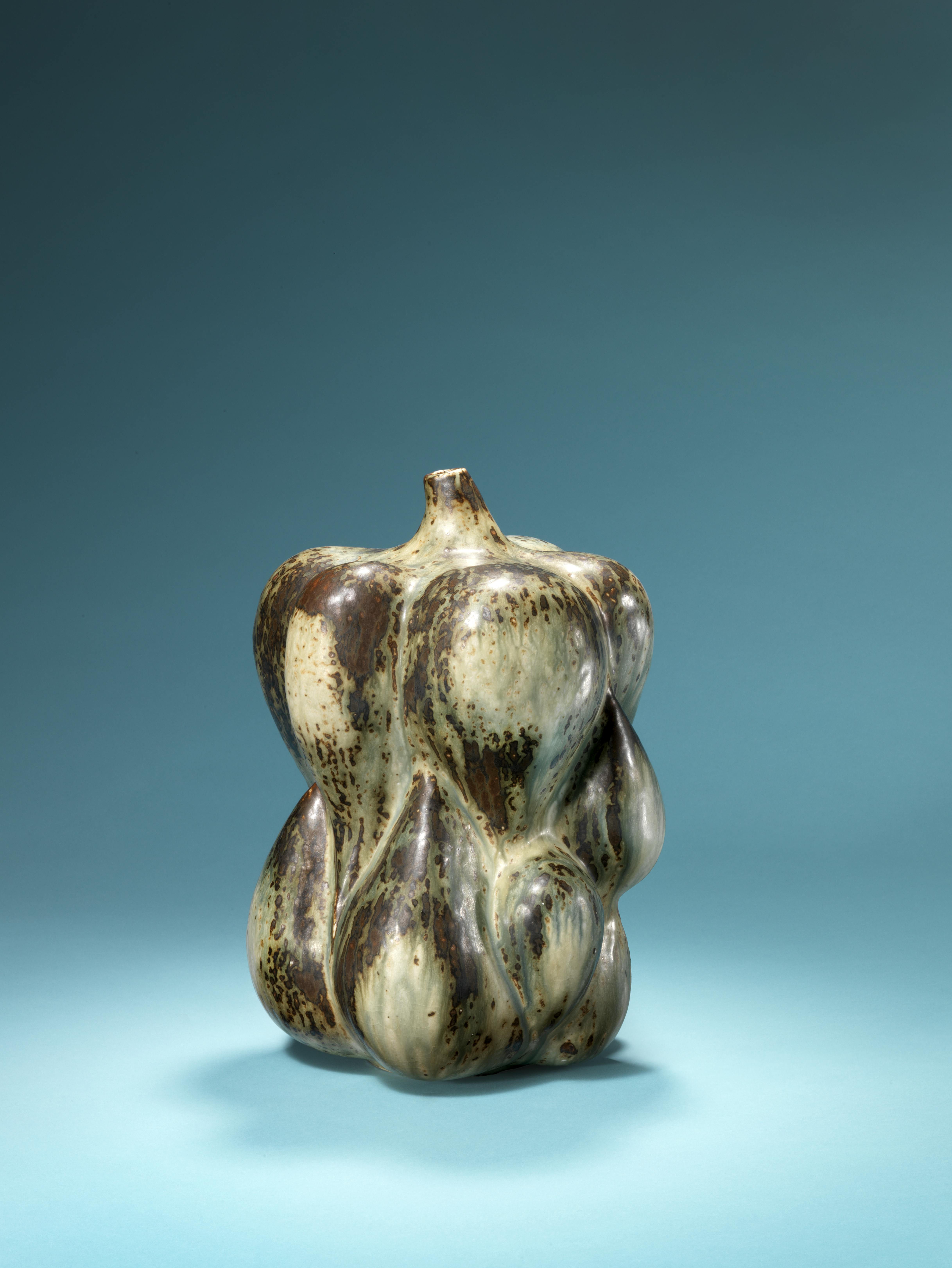
Axel Salto aimed to create in the ‘spirit of nature,’ striving not only to replicate nature but also to capture its inherent energy and dynamism. His continual experimentation with shapes and surfaces enabled him to push the boundaries of ceramics, producing works that were as much art as they were functional objects.
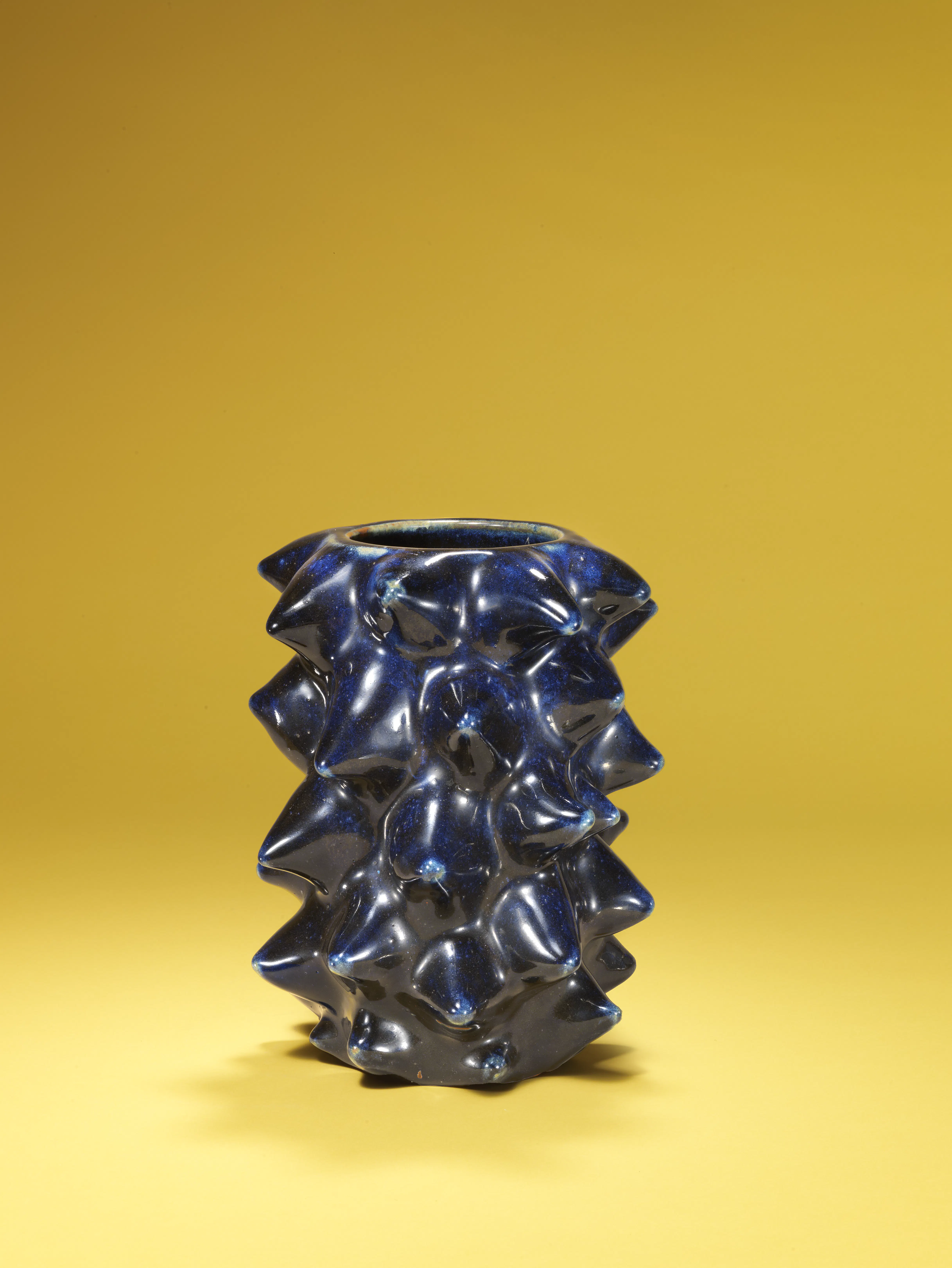
Today, Axel Salto's works are more sought after than ever, often commanding high prices at auction. His contributions to modern ceramics continue to inspire both collectors and new generations of designers.
In addition to Georg Jensen and Axel Salto, the catalogue features names such as Hans J. Wegner, Poul Henningsen, Nanna Ditzel, Kaare Klint, and many others.