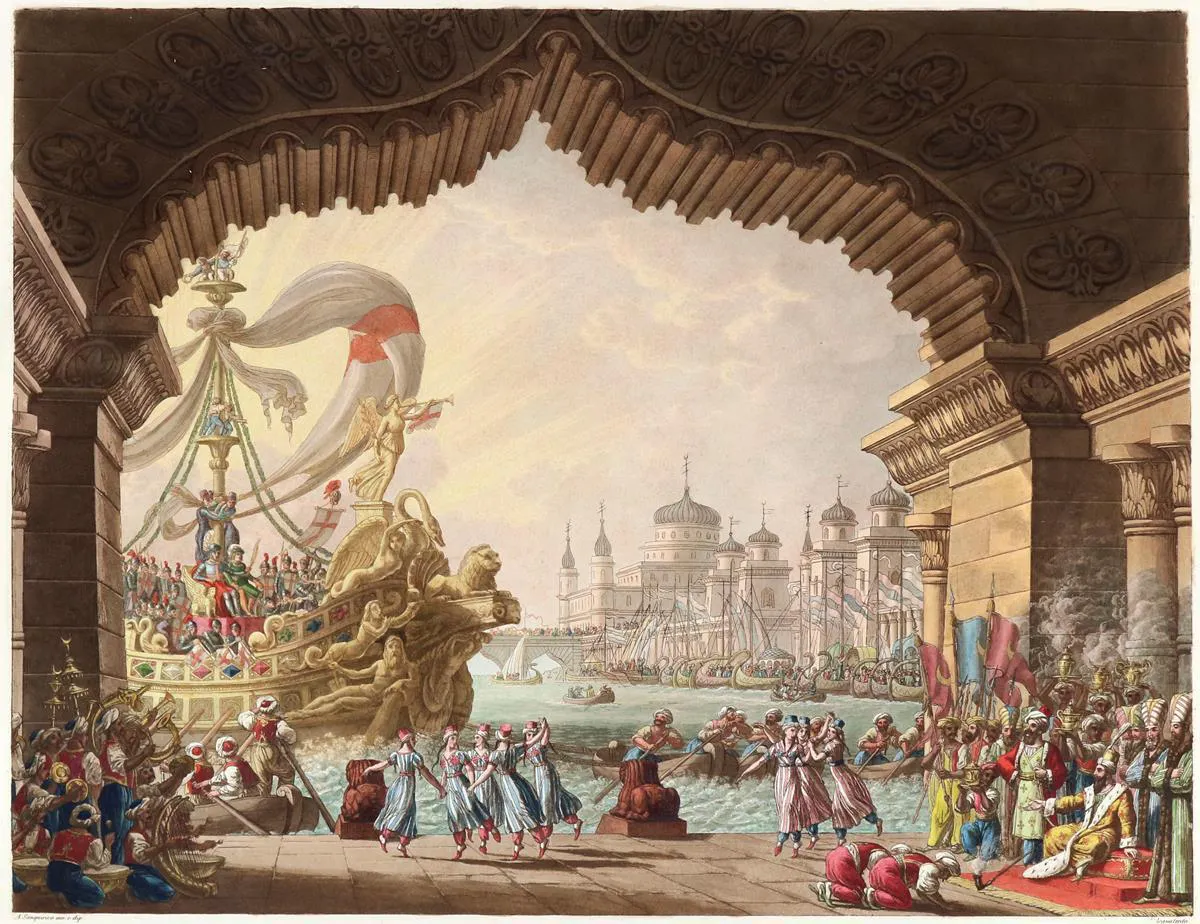
Italian auction house Wannenes’ 14 June auction is dedicated to nineteenth-century paintings and has a broad international scope. The sale includes works by important Italian artists such as Stefano Bruzzi, Salvatore Fergola, Beppe Ciardi, Gaetano Esposito, Pietro Sassi and Émile-René Menard. It also includes stand out English Pre-Raphaelites like John Bernard Partridge and Charles Sillem Lidderdale, and beautiful watercolours from an important Italian private collection. A key theme throughout the masterpieces in the auction is nature.
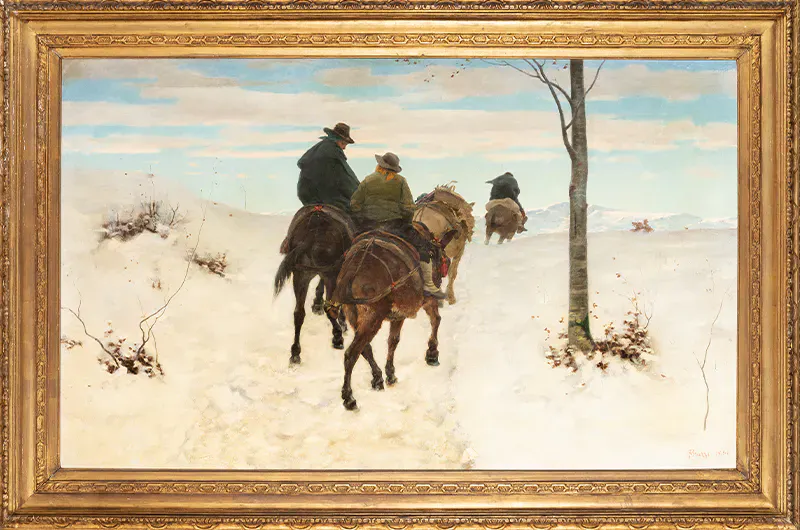
We see a majestic and monumental representation of nature in Stefano Bruzzi (1835-1911), one of the most sensitive interpreters of the Italian figurative landscape during the nineteenth century. His fame even crossed the Alps due to his friendship with the Swiss painter Arnold Böcklin. Bruzzi had a strong connection to mountain landscapes, possibly because he was solitary by nature. His constant and rigorous study of nature makes his art romantic and passionate, but also transparent and straightforward in its pictorial rendering.
In Mulattieri sull'Appennino, an oil on canvas of 1880, the light of the snowy landscape is luminous and crystalline. The whiteness of the snow envelops everything, while the figures on horseback, the protagonists of the scene, take on sharp, incisive tones, and project themselves against the clear sky. The snowy mantle lights up with delicate inflections. There, pinkish colours and blues blend as if by magic, creating a dazzling atmosphere. Bruzzi’s works often portray flocks of sheep or herds of cattle with shepherds, grazing on the green slopes or the snowy plateaus of the Apennines of Piacenza, parading in blissful and silent solitude. But it is in the whitewashed landscapes, made vibrant by a crystal clear light, which the deep feeling of companionship with nature is most clear.
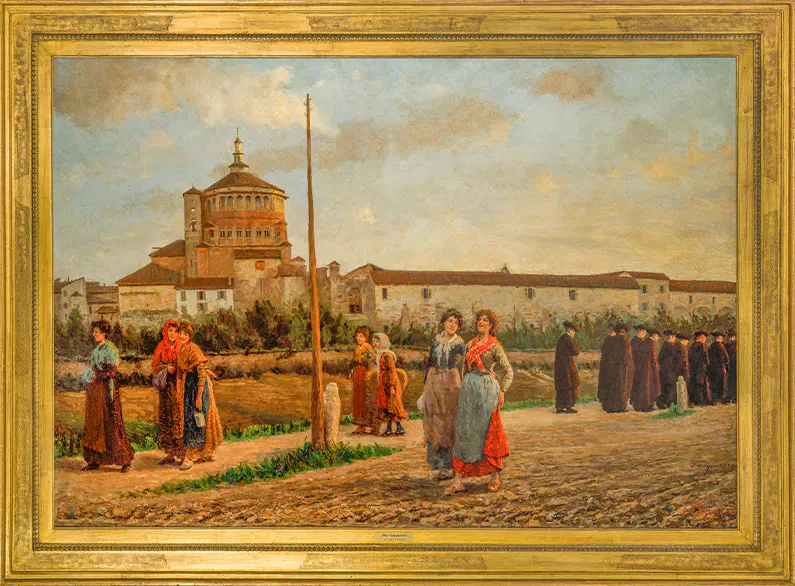
The Forbidden Fruit by Pio Sanquirico (1847-1900) is considered one of the artist's most important works. It was sent to the Esposizione Nazionale Artistica di Venezia in 1887 and best represents the liveliness of Sanquirico’s art: a group of young girls cross an Indian row of priests who furtively look at forbidden fruit which they will never pick.
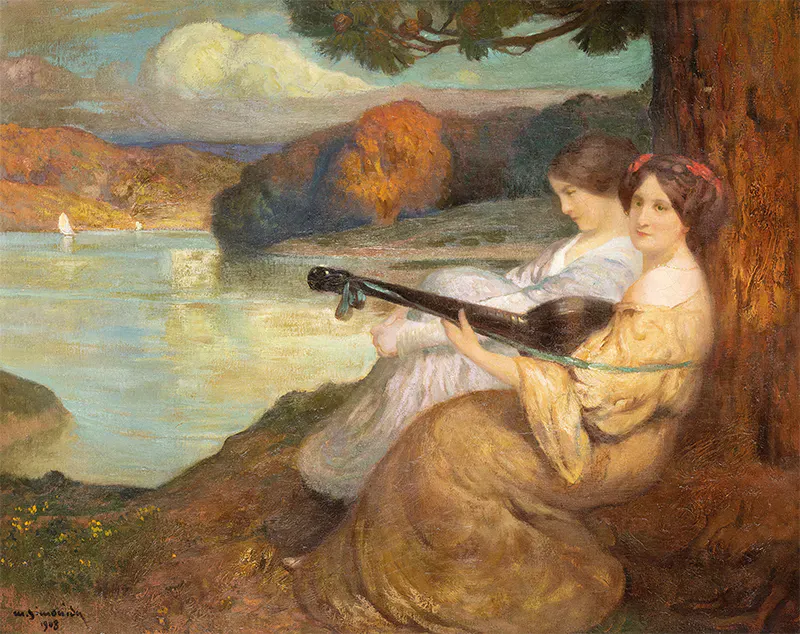
In the Harmony of the Evening by Michel Simonidy (1870-1933), the artist's brush stroke is light and the colours are blurred. The whole effect is that of a magical atmosphere suspended in time: one can see inspiration in the works of Puvis de Chavannes or the atmosphere of Victorian era bourgeois privilege.
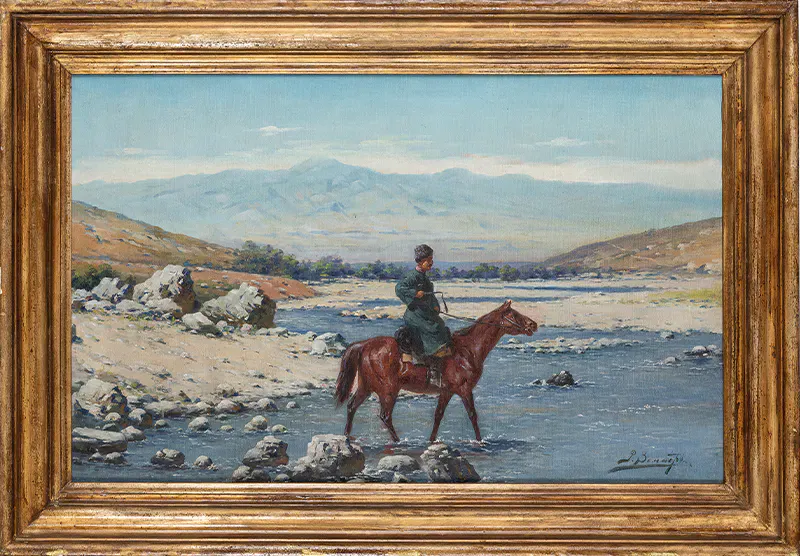
The final highlight of the 19th-century sale is the bright painting by Richard Karlovich Zommer (1866-1939), Landscape with Cossack on Horseback. In this work, the strong figure of the horseman stands haughty and elegant against the immense clear blue sky.
Wannenes’ 15 June auction of Old Master paintings is full of expressive artworks and creative talent. The first highlight is a rare sketch by Giovanni Battista Crosato (1697-1758).
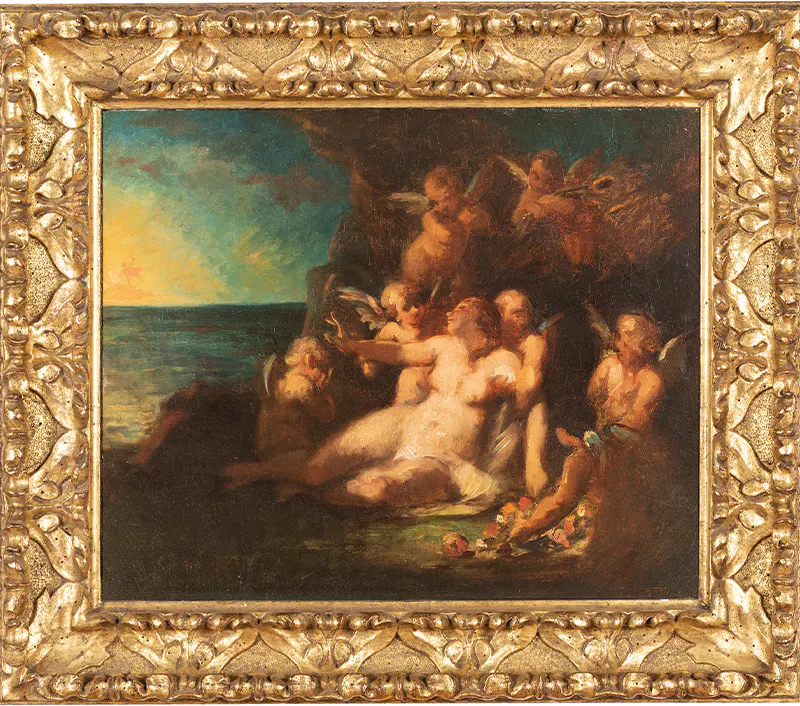
The work, depicting Clizia after being abandoned by Apollo, reflects a precise knowledge of mythological scenes. It depicts the famous story from Ovid’s Metamorphosis. After a 'gloomy' style in the beginning of his career, the artist developed an original manner of eighteenth-century taste which elegantly blended Piazzetta and Emilian teachings with the best pictorial texts of the early eighteenth century. This unique balance manifests splendidly in this wonderful sketch.
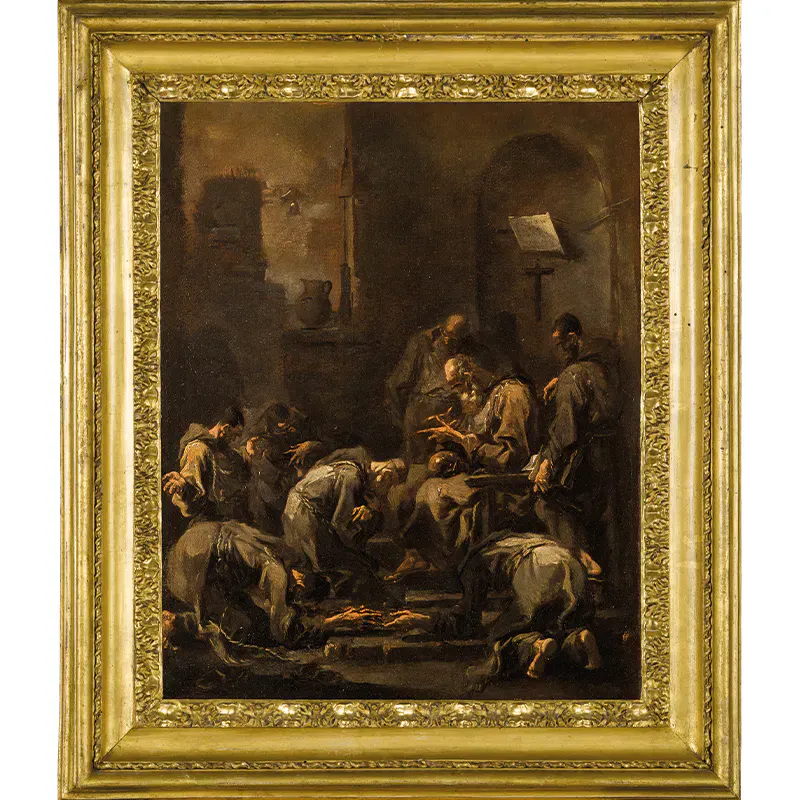
This delightful sketch by Alessandro Magnasco (1667-1749) shows the contrition of monks. Here, in addition to including Venetian stylistic influences like Marco and Sebastiano Ricci, the artist formed the figures with rapid brushstrokes and darting flashes of light. His style is fluid and expressive and gives his painting energy and tension.
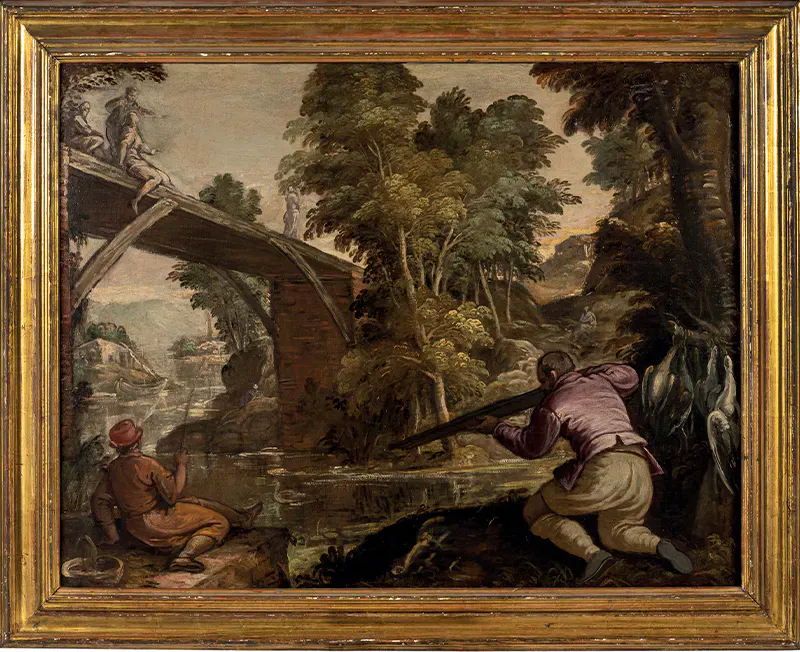
Paolo Fiammingo by Pauwels Franck, (c. 1540-1596) is a crucial work to understand the painter in relation to Tintoretto. Franck, who was a Master in Antwerp in 1561, was influenced by Italian landscapes and tizianesco, which had diffused through the prints and sketches of Hieronymus Cock. The artist moved to Venice at the beginning of the 1580s and there, skillfully mixing the Flemish tradition with the Venetian, found extraordinary success.
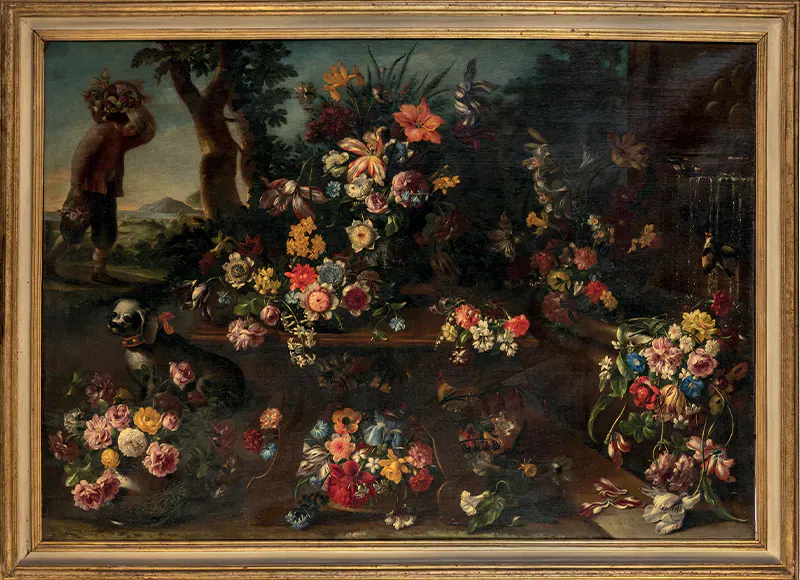
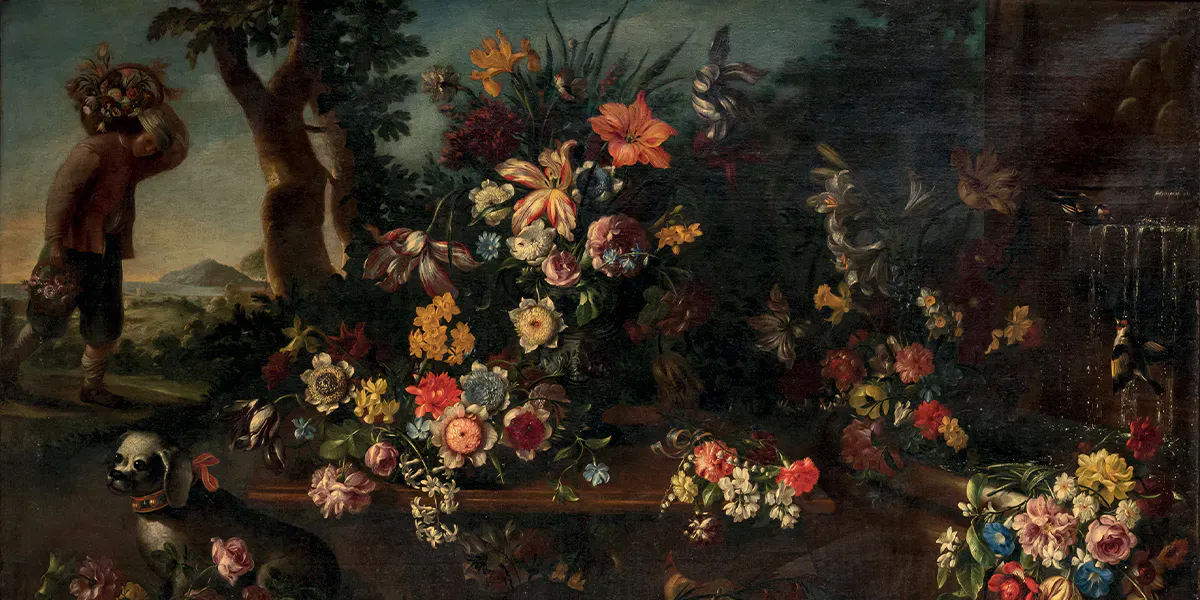
The luxuriant Garden with flowers, fountain and figure by Giovanni Stanchi (1608- 1675) splendidly renders the temperament which characterises the genre of still lifes between post-Caravaggesque severity and Baroque exuberance. Here, the artist has created a luxurious realism which, while adhering to reality, satisfies a need for decoration. The symbolic allusions which characterised the archaic still lifes are diluted, favouring instead beautiful decoration.