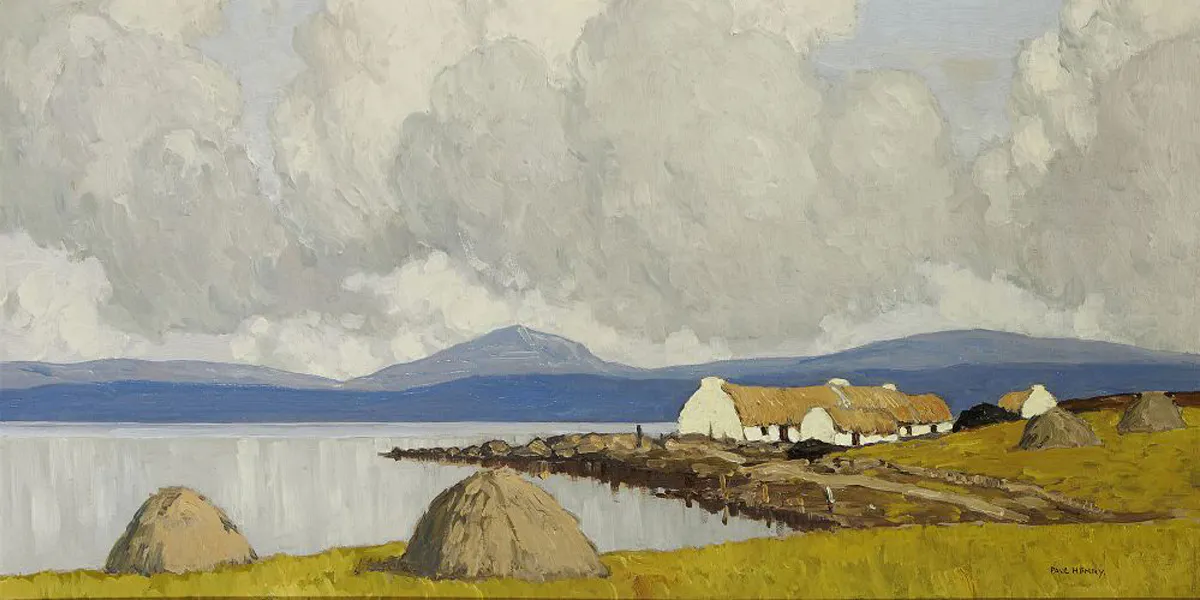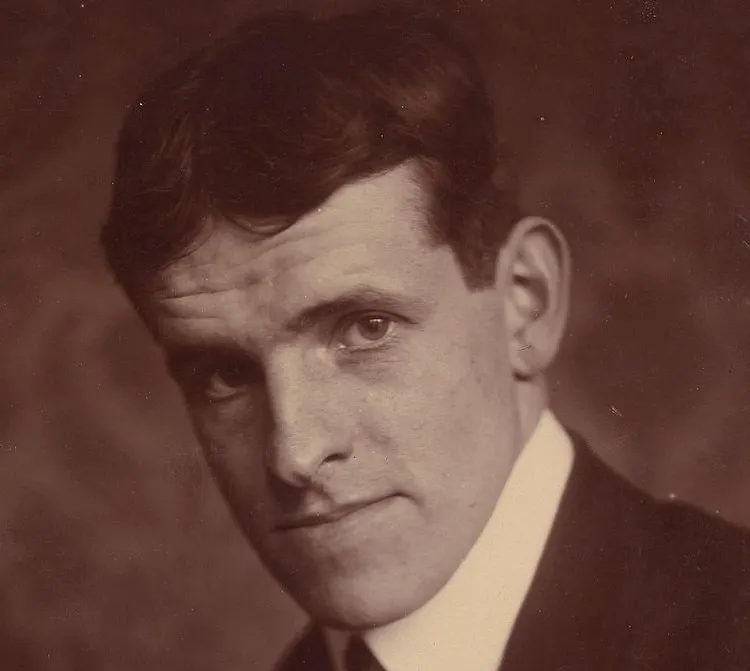
Shortly after the couple married, William Butler Yeats left behind a life in law to become an artist, much to the surprise of Susan. Yeats' oeuvre would go on to include some of the most famous portraits in 20th century Irish art, including his portrait of John O'Leary. William's son, the poet W.B. Yeats also paid tribute to O'Leary, the Irish separatist and leading Fenian O'Leary, in his poem September 1913: "Romantic Ireland's dead and gone; it's with O'Leary in the grave."
W.B. Yeats' younger brother, John (Jack) Butler Yeats, followed in their father's footsteps by picking up the paintbrush. Yeats began his career working in oils, depicting landscapes as well as figures from his childhood growing in in Sligo, west Ireland.

Beginning with illustration, Yeats' work movied from Romanticism then in around 1920 to Expressionism, eventually moving towards Symbolism. Yeats became an important part of modern Dublin in the 20th century, depicting Irish landscapes, horses, circus and travelling players.
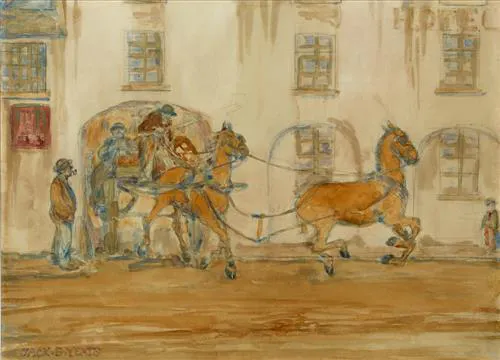
It was Yeats' application of paint that made his work so revolutionary. His early paintings played energetically with line and colour. Later on in his career, Yeats applied paint thickly, at times even not using a paintbrush last all.
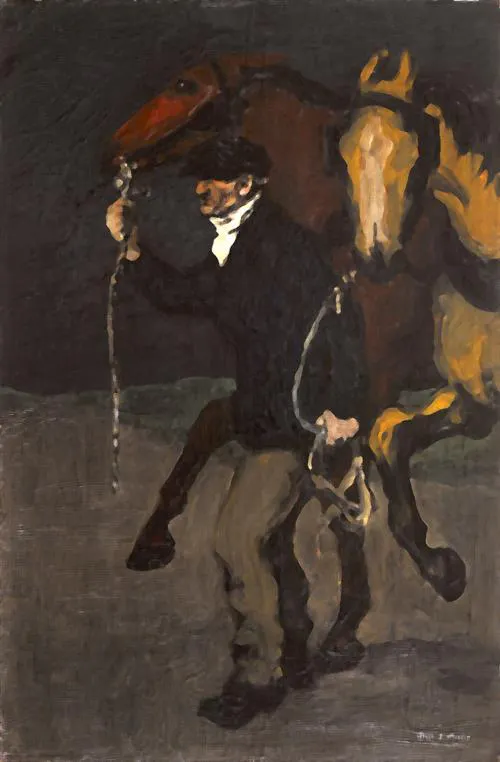
Jack Butler Yeats was the first Irish painter to sell a work for over £1 million. Check out more realised prices for Jack Butler Yeats here.
All pieces featured by Jack Butler Yeats will be part of Whyte's Irish & International Art sale on 27th February, 2017. Check out more here.