
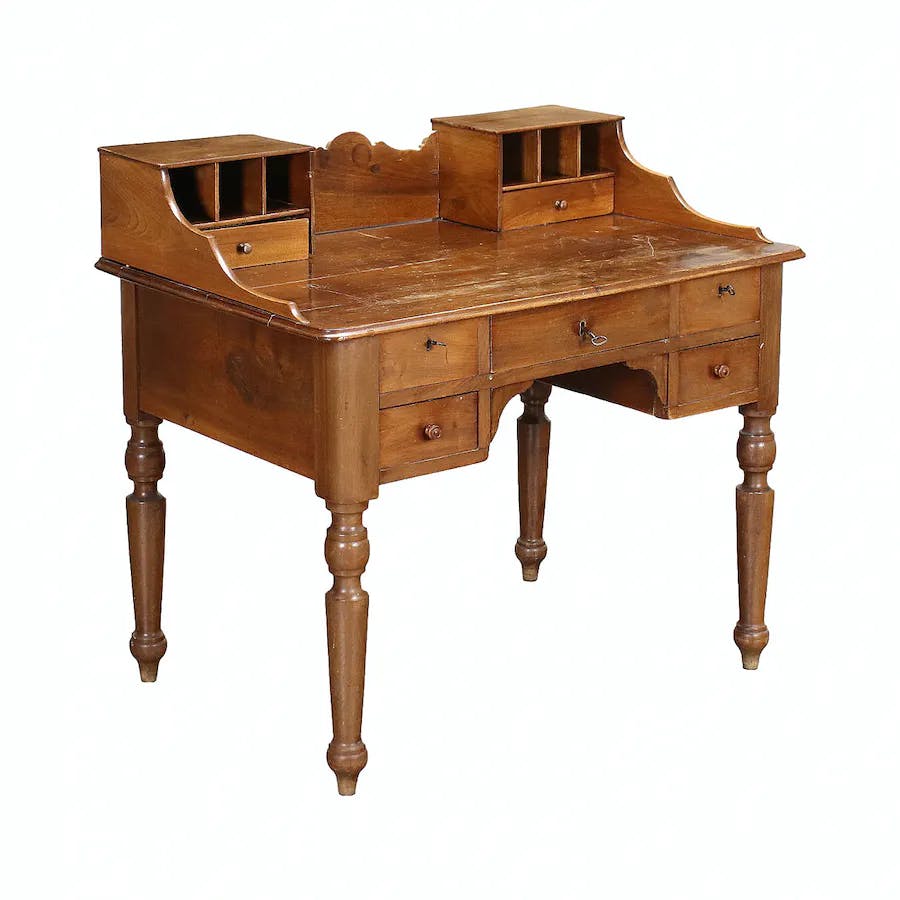
In the Middle Ages, desks had two main elements: a part where one needed to write and a lectern. Usually, desks had massive structures capable of supporting rather heavy manuscript volumes. During the Renaissance and later, desks began to have slimmer structures and, with the development of cabinet-making and the improvement of woodwork, more drawers were added. At the end of the 17th century, writing tables were a must: not only were they useful, but their flawless design with drawers was essential for scholars who wanted to keep their research hidden away or for businessmen looking for greater security for documents.
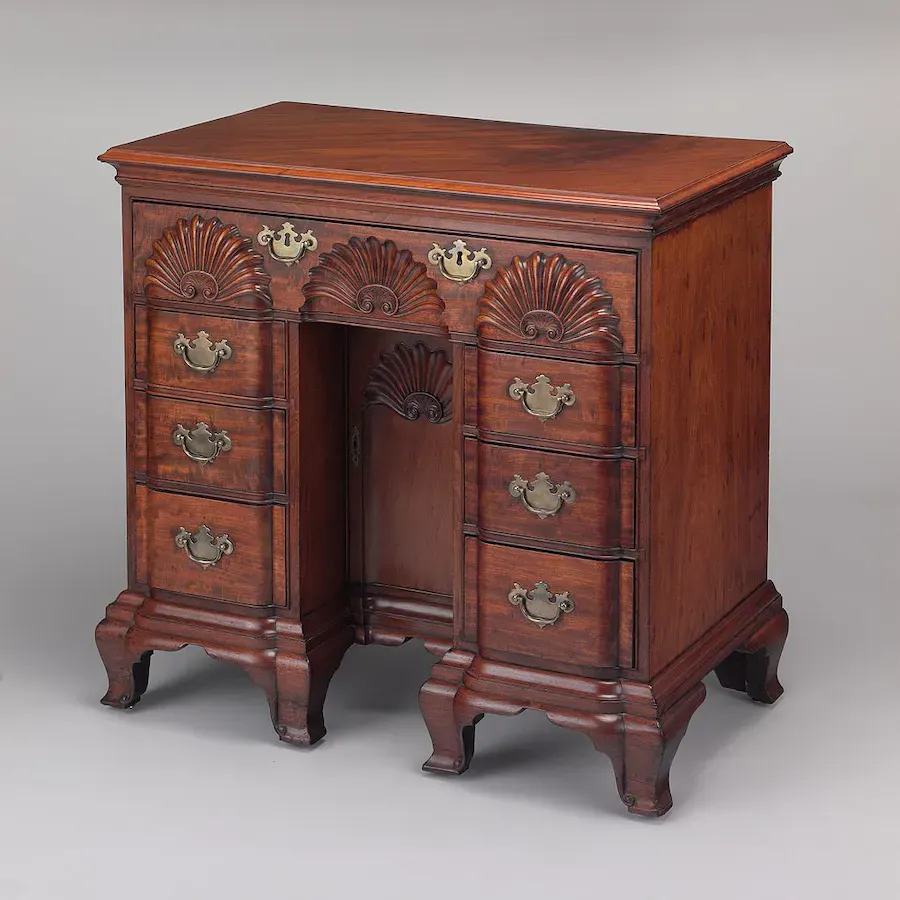
In colonial America, furniture makers were redesigning the desk in a variety of exciting ways. Exquisitely carved legs and edges were all the rage. As well as being aesthetically beautiful, desks crafted during this time were a triumph of design. Some featured tops that could be removed while others had flip-top designs. By the 1800s, the schoolmaster desk, which survived well into the 20th and even 21st century, was designed.
See also: How to Furnish Your Modern Home with Antiques
But when it came to formal writing desks, nobody did it quite like the French. The French became the kings of the bureau desk, designing the Lady's Desk, Bureau Plat, Bureau Mazarin and Tambour desk.
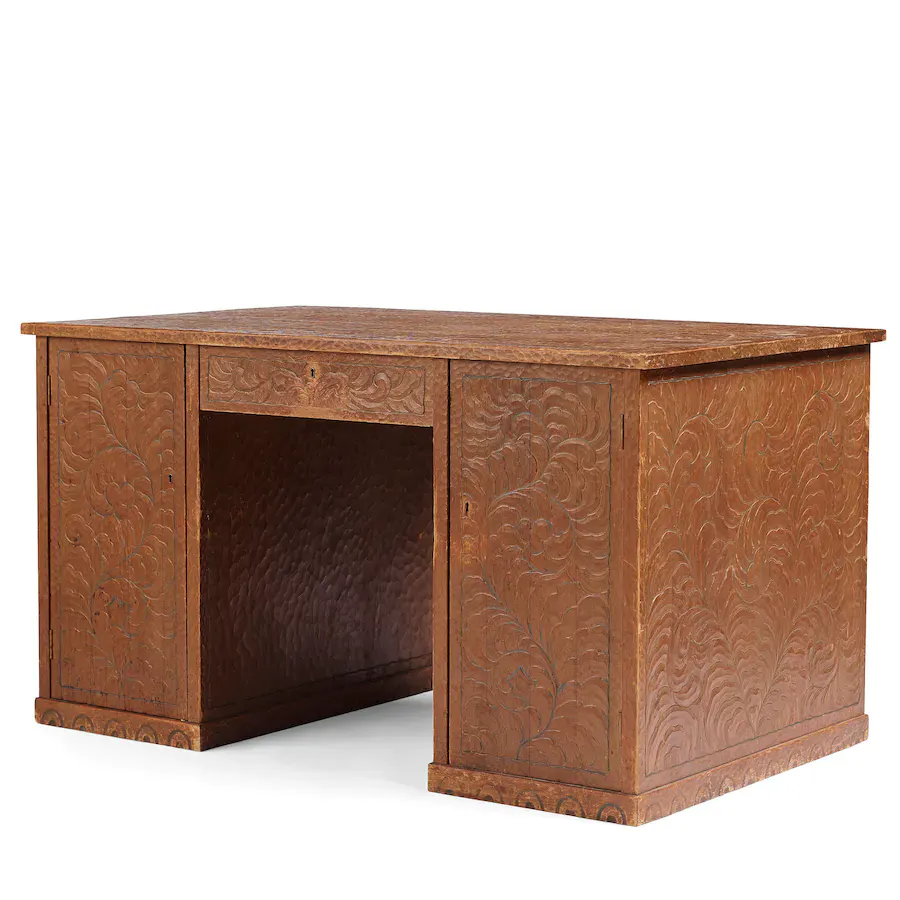
Desks are also a key way to track the development of how roles and jobs within society changed. For example, during the 1800s, the Partners Desk was designed for partners working together in the banks of England. Crafted from high quality woods such as mahogany, oak or walnut, this piece of furniture was first conceived in the UK and, as well as being comfortable, it allowed each of the partners or colleagues to keep an eye on the other.
See also: A Brief History of Furniture Design
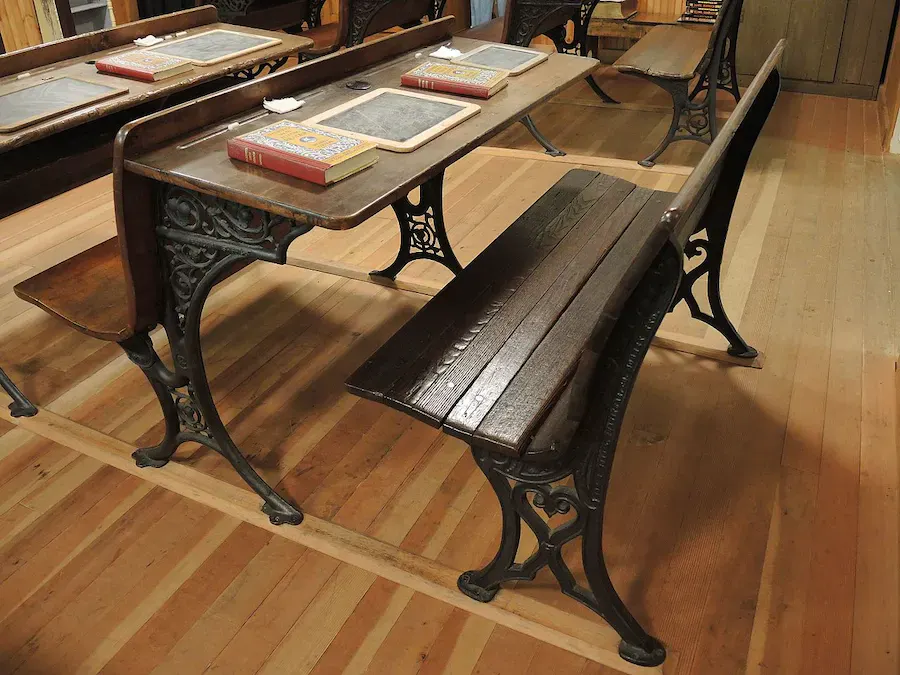
In the late 1880s Anna Breadin patented a one-piece school desk, constructed with a table section attached in front of a wooden seat and back. At the beginning of the 20th century there was a small boom in the production of desks from the increase in office work. Steel desks were introduced that could withstand the weight and strain of typewriters.
See also: The Transformer of Type: The History of the Typewriter
By the Art Deco period, desks were made of a variety of materials, including metal and lacquer, with minimalist designs finished with modern materials such as Bakelite and chrome.
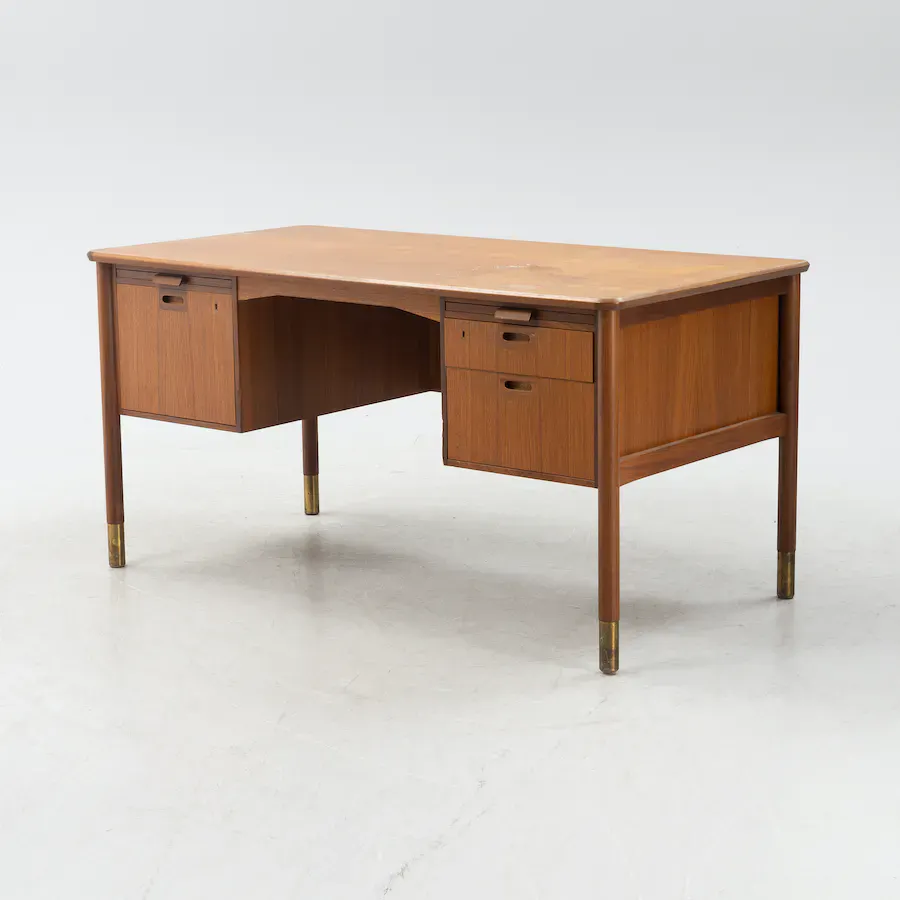
The spread of the desk increased significantly after the Second World War due to more clerical work and the consequent need for work stations in offices. Mid-20th-century masters of design elevated the desk to whimsical new heights, fashioning desks with curved edges. Scandinavian designers created natural designs with sumptuous Scandi wood and designed pieces inspired by the industrial revolution.
Want more articles like this delivered straight to your inbox? Subscribe to our free newsletter!
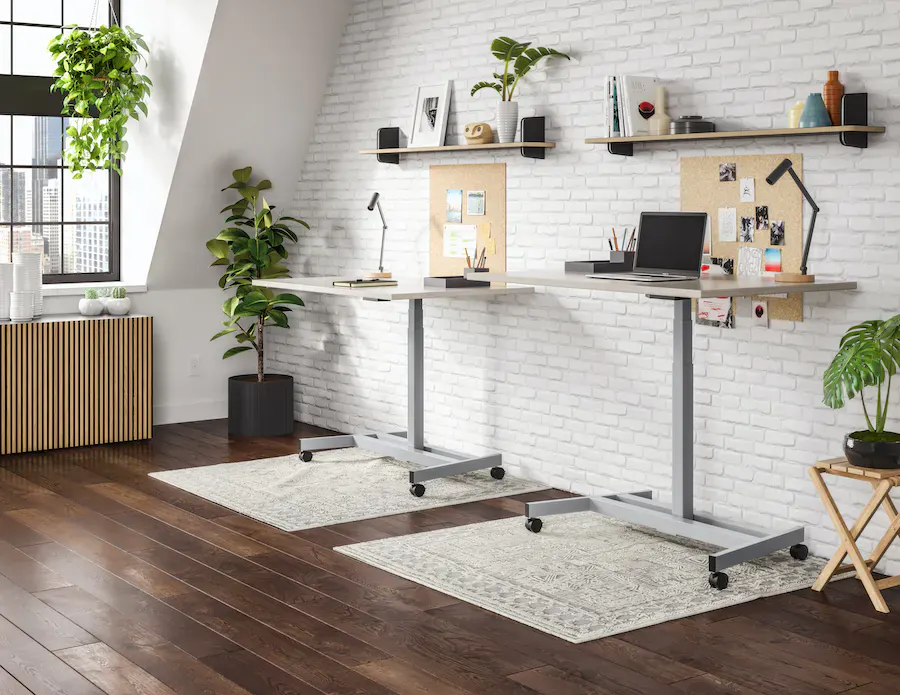
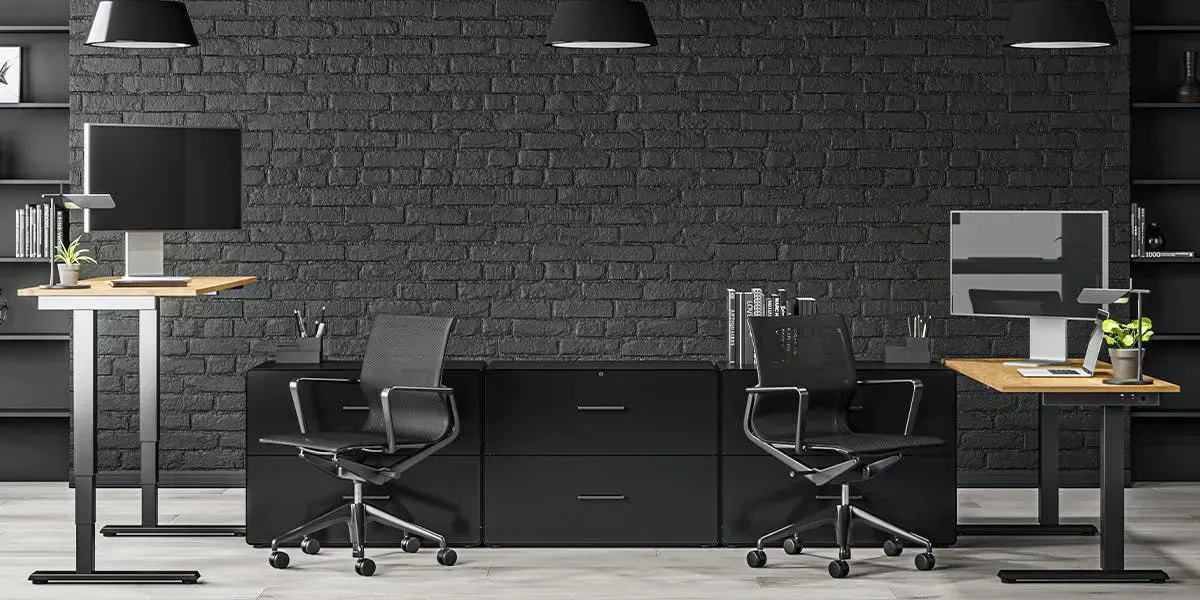
In more recent years, standing desks have proliferated to spend less time sitting (avoiding the negative consequences for health that derive from this prolonged position) and have become a popular trend especially among young people.
Today, in the midst of a technological revolution, only time will tell where the humble but always useful desk will end up.
Read more articles in Barnebys Magazine
This is an updated version of the article originally published on 13 January 2017.


