Stay up-to-date with the antiques world

By subscribing, you are agreeing to the privacy policy. Unsubscribe anytime.

Barnebys

Barnebys HQ

Brahegatan 10
BOX 5038
114 37 Stockholm

Company

  • About Us
  • Join Barnebys
  • Our Partners
  • Press
  • Career

Explore More

  • Barnepedia
  • Buying / Selling at auction
  • Auction Houses / Dealers / Galleries

Support

  • FAQ
  • Terms of Use
  • Privacy and Cookies policy
  • Contact us
  • Barnebys Group AB
  • Barnebys.se
  • Barnebys.com
  • Barnebys.co.uk
  • Barnebys.de
  • Barnebys.fr
  • Barnebys.es
  • Barnebys.it
  • Barnebys.hk
  • All auction items
  • Categories
  • Auction results
  • Magazine
  • Ancient Art
  • Arts & Graphics
  • Asian Art
  • Books, Maps & Manuscripts
  • Carpets, Rugs & Textile
  • Coins & Banknotes
  • Contemporary Art
  • Ethnographical
  • Fashion & Vintage
  • Folk Art
  • Furniture, Design & Mirrors
  • Glass
  • Jewellery & Gems
  • Lighting
  • Medals, Arms & Armour
  • Miscellaneous
  • Music & Musical Instruments
  • Nautica, Technica & Optic
  • Photographs
  • Porcelain & Pottery
  • Postcards & Stamps
  • Sculptures
  • Silver & Gold
  • Sports & Leisure
  • Tin & Metals
  • Toys & Collectables
  • Vehicles
  • Watches & Clocks
  • Wine & Spirits
  • Works of art
  • All auction items
  • Auction results
  • Magazine
  • Get a valuation
  • Auction system

Barnebys Magazine

LatestEditor's picksTopics
Magazine/Coins & Numismatics/How the dollar coin couldn't make it in America

How the dollar coin couldn't make it in America

A buck, a single - the dollar bill is perhaps the most recognised legal tender around the world. But did you know that before the American Revolutionary War, coins made up the U.S.'s currency - and there was not a single dollar bill in sight.

22 March 2017
How the dollar coin couldn't make it in America

European coins were circulated within America and its colonies, with Spanish silver dollar coins being the most used. They were legal tender in the States until 1857. In 1794, the first U.S. dollar coins were minted.
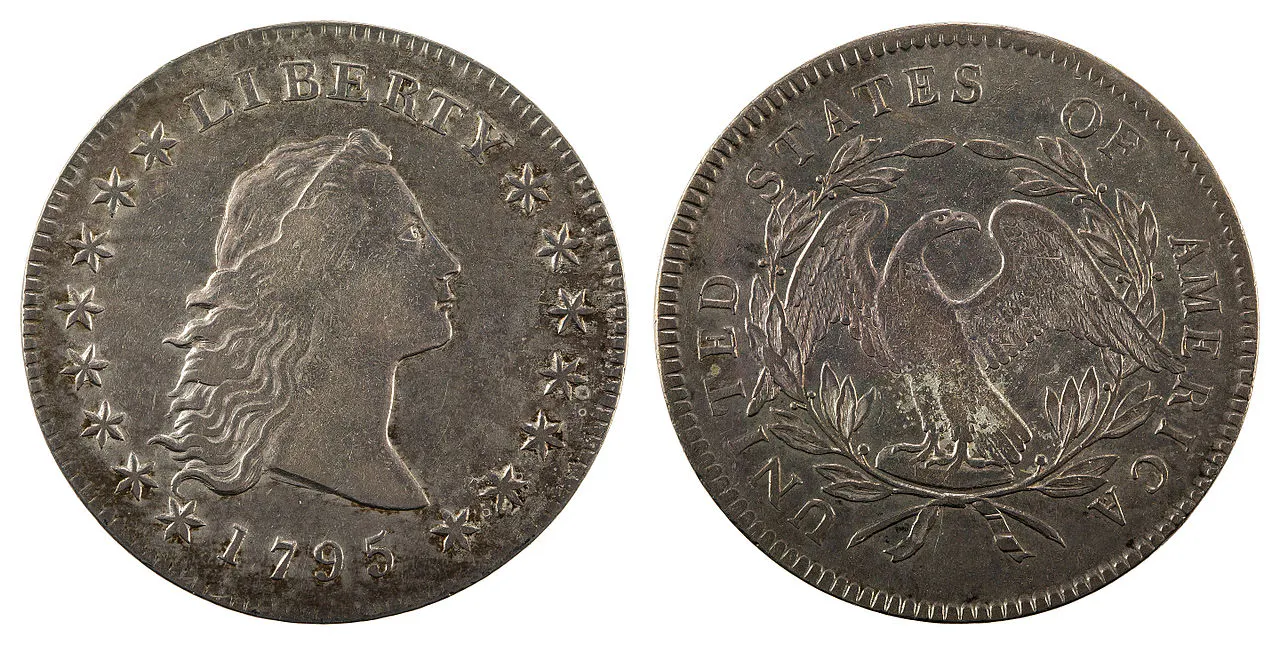
US Mint (coin), National Numismatic Collection (photograph by Jaclyn Nash) - National Numismatic Collection, National Museum of American History 1795-$1-Flowing hair JN2015-6688-89

Despite the dollar bill not being introduced until 1862, coins were unpopular with Americans. One reason was the size compared to the value of the coin - the gold dollar (introduced in 1848) was a exceptionally small coin. The fact that a dollar coin was worth around a day's wage when it was in use and that is was so easy to lose made the coin so unpopular.

The gold dollar coin was made of 90% gold and was the smallest denomination of gold currency ever produced by the United States federal government. In the late 1840s, after America saw great gold rushed, Congress was interested in putting more gold to use in the form of currency.
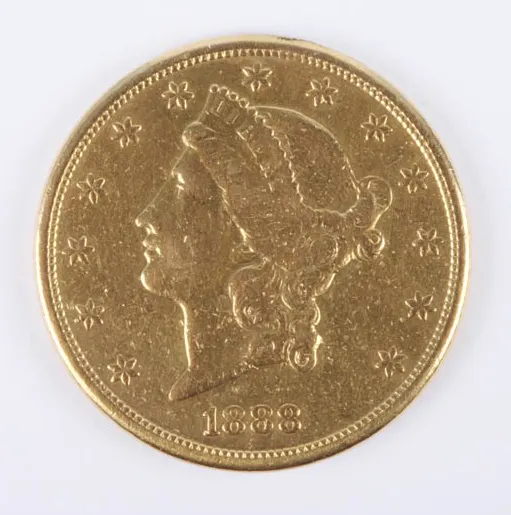
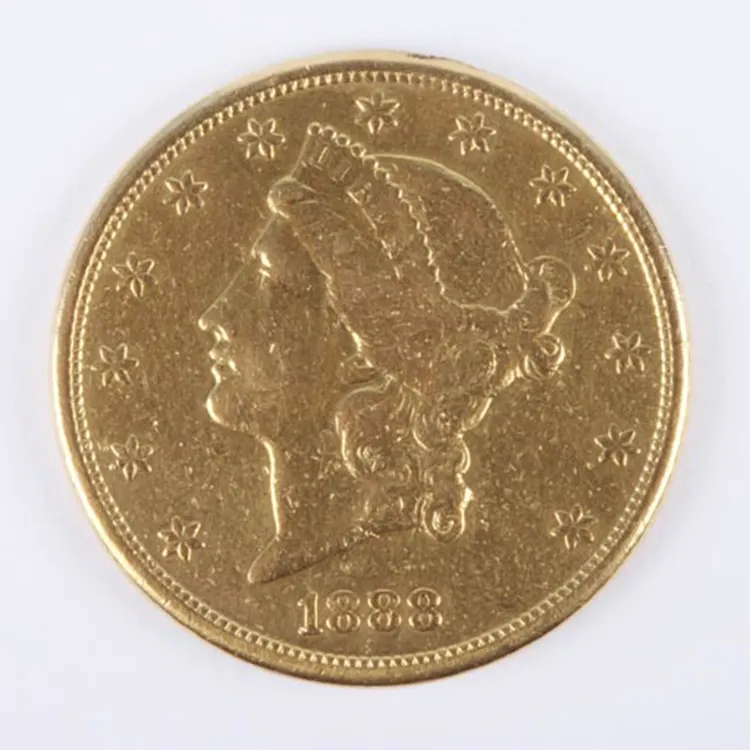
20 dollar U.S.A gold coin, 1888, 33.4g

In 1849, the Liberty Head coin - the first of three types of gold coins - was circulated.

In 1854, the size of the gold dollar coin was increased. Most of the third type of gold coins, which was produced in 1856-1889, were used to pay for interest on Government bonds and the cost of the Civil War.

It was only in 2011 that the Mint halted all production of dollar coins for circulation, meaning that they became collectors' pieces only.

The 20 dollar U.S.A gold coin will be part of Sala Moyua Brancas' sale on 29th and 30th, 2017. Check out the full catalogue here.

historyamerican coinscurrencycoinscivil war

Subscribe to Barnebys Magazine

By subscribing, you are agreeing to the privacy policy. Unsubscribe anytime.

Bring your auction to collectors worldwide!