
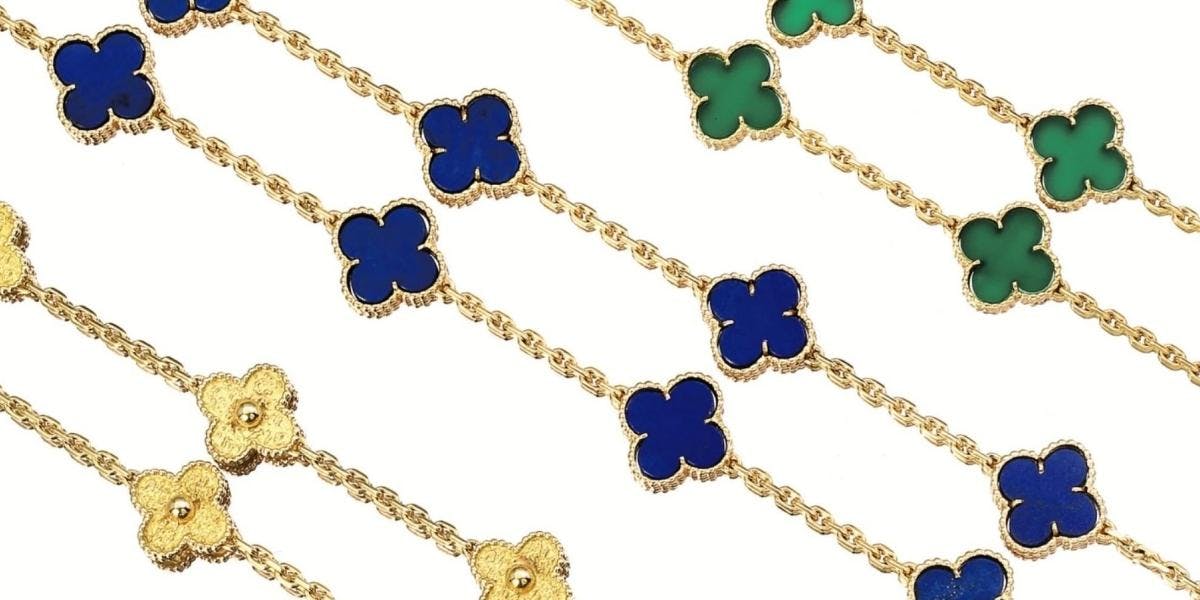
The four-leaf clover design which features in the Alhambra lines by Van Cleef & Arpels dates back to 1968, when the symbol was first used by the jewellery designers. It was inspired by Jacques Arpels, the nephew of Van Cleef & Arpels' founder Estelle Arpels, who would collect four-leaf clovers in his garden for luck. The concept that four-leaf clovers are lucky has an ambiguous beginning, but most likely has to do with their rarity as the four leaves are a genetic mutation.
See also: The 9 Most Popular Jewellery Brands
In the mid-1950s, the brand had decided to launch more everyday jewellery with semi-precious stones that could be worn casually. The Alhambra soon became the most popular version of this more accessible collection and was named for the quatrefoil symbol from the archways at the Alhambra Palace in Granada, Spain.
Want more articles like this delivered straight to your inbox? Subscribe to our free newsletter
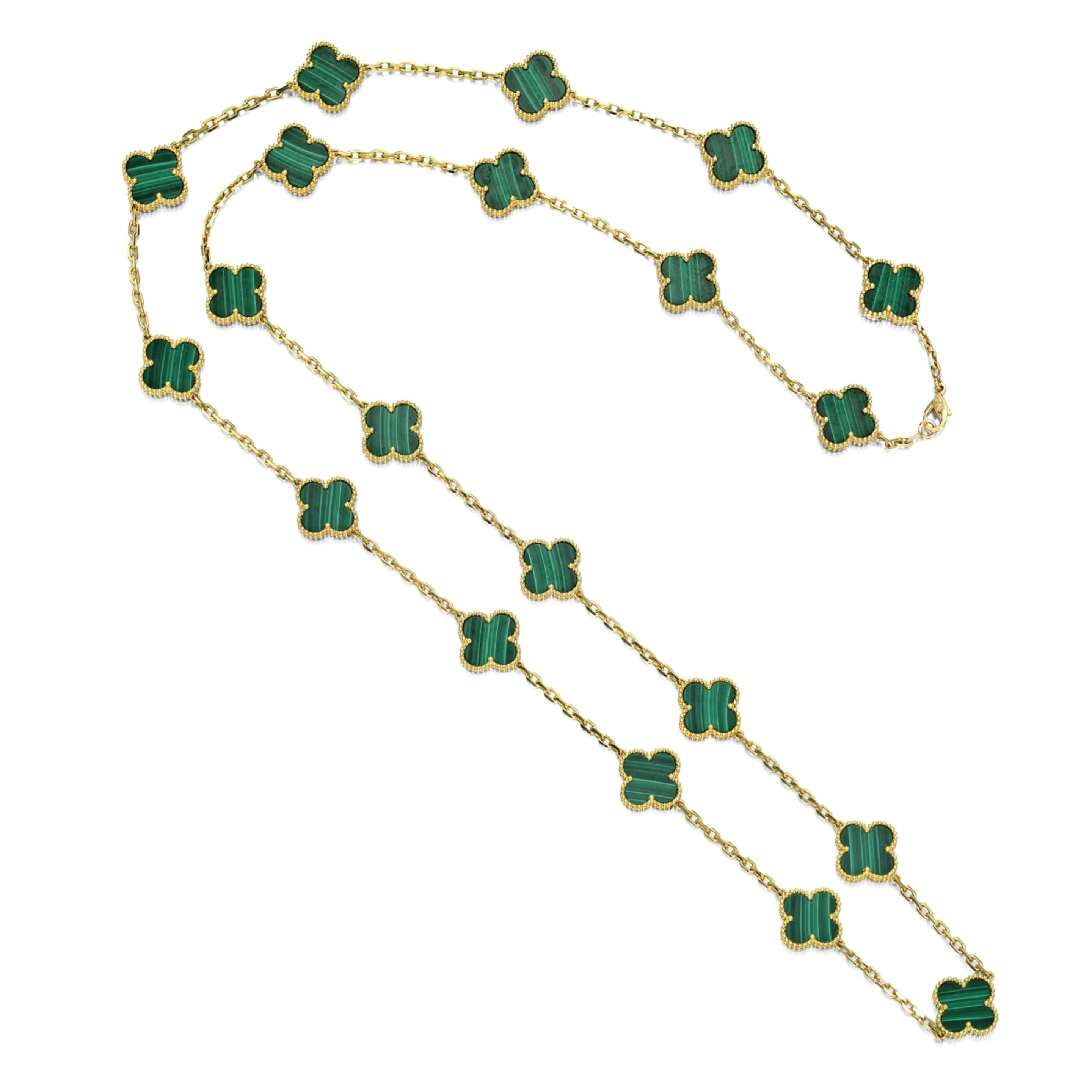
The original Alhambra necklace boasted 20 gold-enclosed clovers in a variety of materials, from malachite to coral. In the 1970s, malachite Alhambra pieces were a coveted piece of jewellery, and Princess Grace of Monaco often wore a vintage malachite Alhambra long necklace, which has been part of many of her important jewellery exhibitions. She owned a variety of Alhambra necklaces and often wore them together. However, the design fell out of favour until the early 2000s, when it soon became a red carpet favourite with Hollywood's most glamorous and European royalty, who would adorn themselves with Alhambra necklaces, earrings, rings or bracelets.
See also: History's Most Famous Engagement Rings
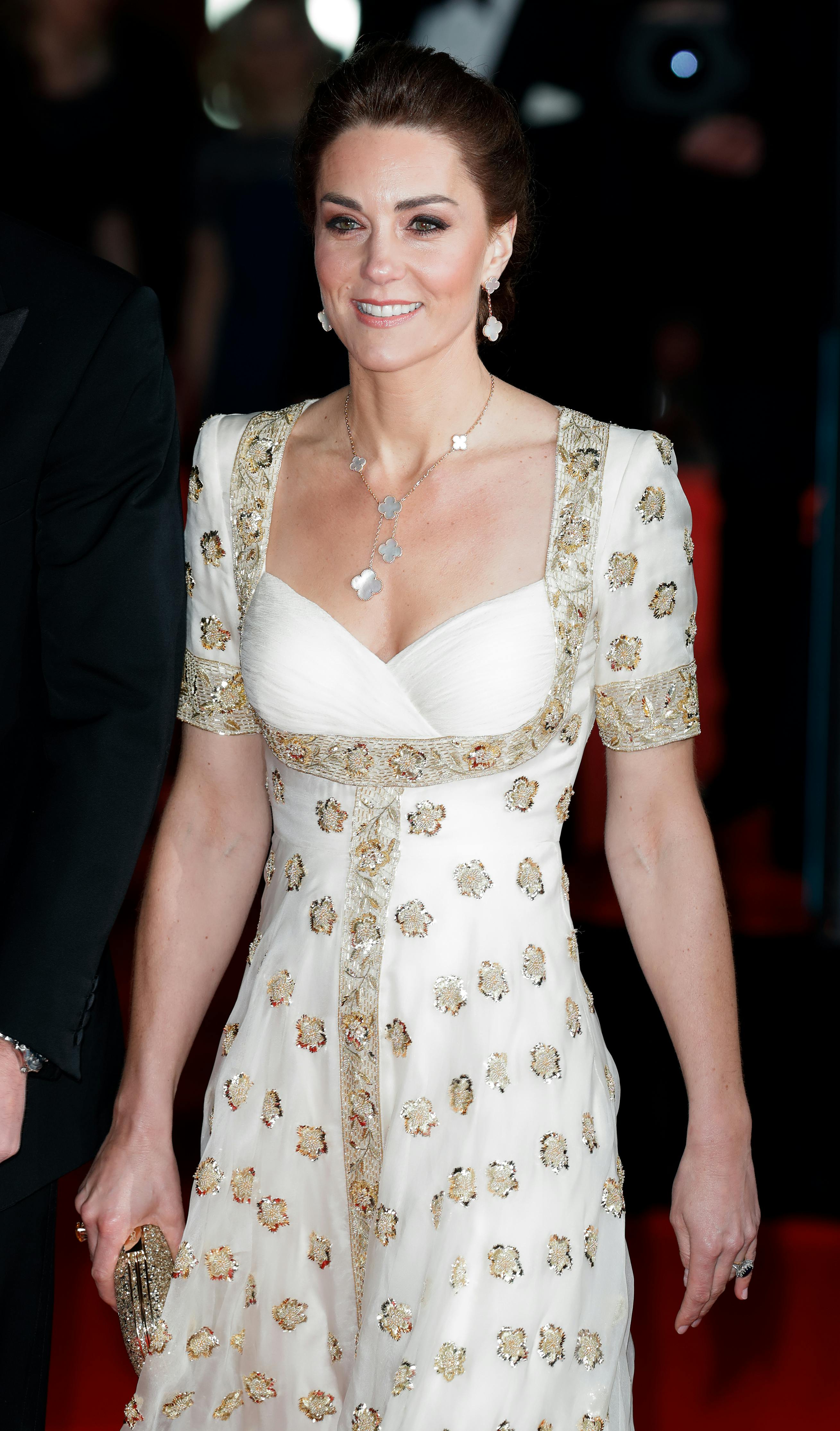
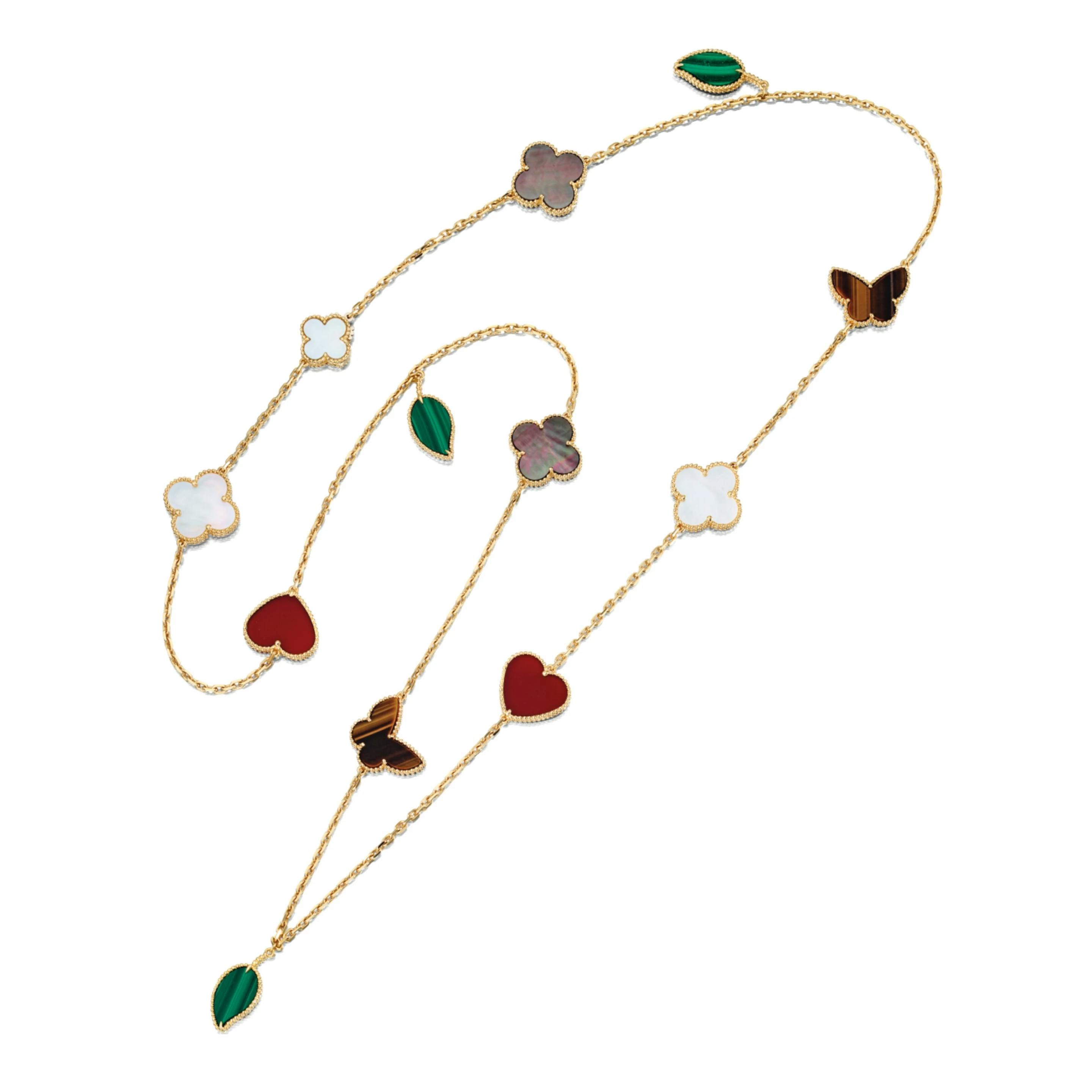
The Alhambra design is now as iconic as the Cartier panther or the Gucci horsebit. The three main lines are the Magic Alhambra, which features both large and small clovers; the Lucky Alhambra, featuring heart, leaf and butterfly shapes alongside clovers; and Sweet Alhambra, designed for children.
See also: Crown Jewels: 5 Times Royal Jewellery Made Auction Headlines
Today, Alhambra necklaces can fetch six-figure sums at auction. The highest price paid for an Alhambra piece was in 2017 when a diamond 16-clover necklace sold for £101,600 at Sotheby's. Other Alhambra sets with semi-precious materials like lapis lazuli, coral, turquoise, mother-of-pearl and more have also achieved high prices.
Learn more about jewellery on Barnebys Magazine
This is an updated version of an article originally published on 5 March 2018.