

Barnebys: Mr Koch, you and your sister Petra Koch are the third generation to run the gallery. How was it founded in 1955?
Ole-Christian Koch: My grandfather, Bruno Koch, was a passionate collector and merchant from Greifswald. He had the vision of opening a gallery in the Federal Republic. In order to achieve this, he sent his collection to several relatives in West Berlin, then left Greifswald and travelled to various cities in search of a suitable gallery space. On 2 February 1955, his birthday, he opened the gallery in Hanover.
What kind of art does Galerie Koch present?
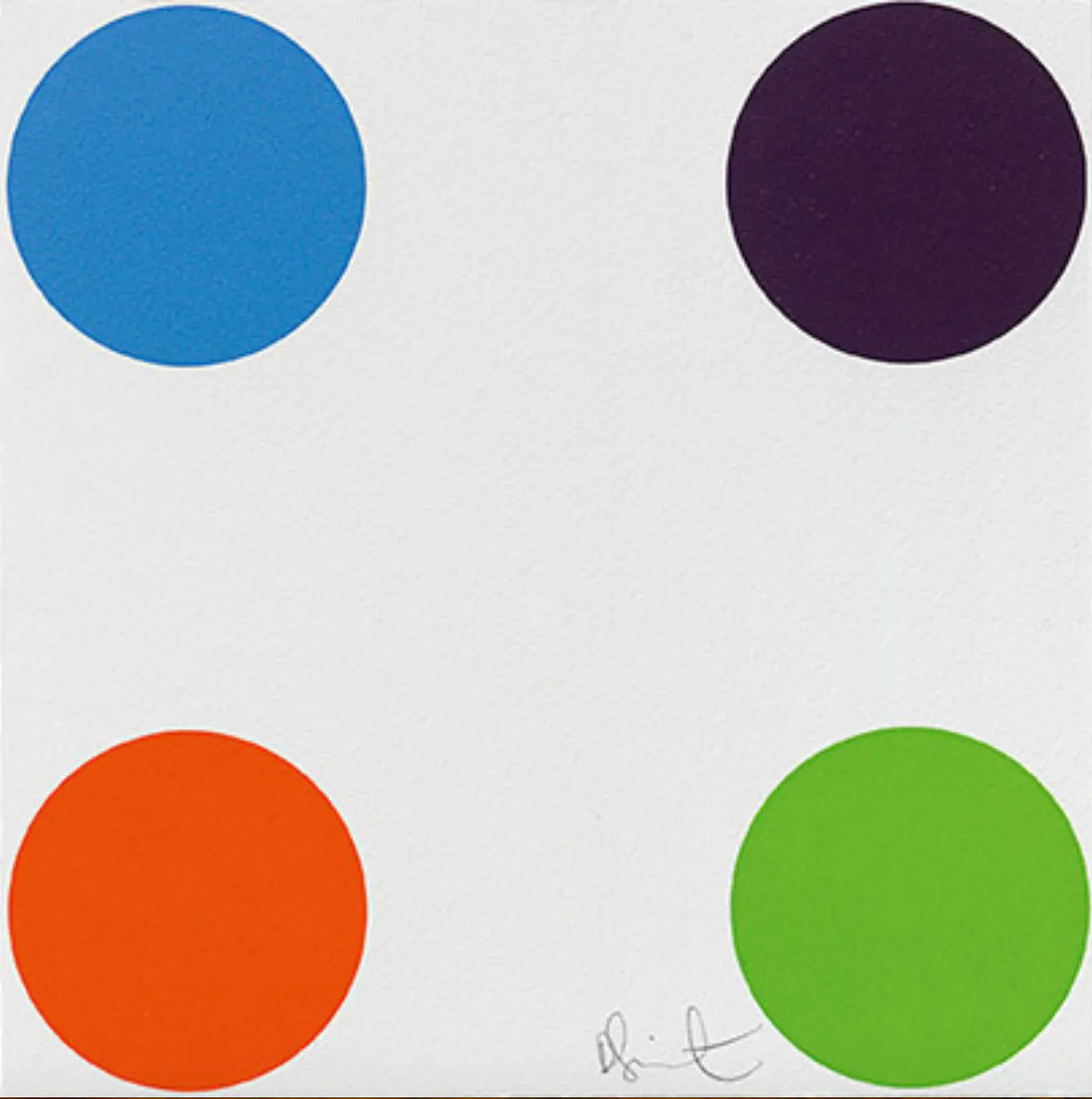
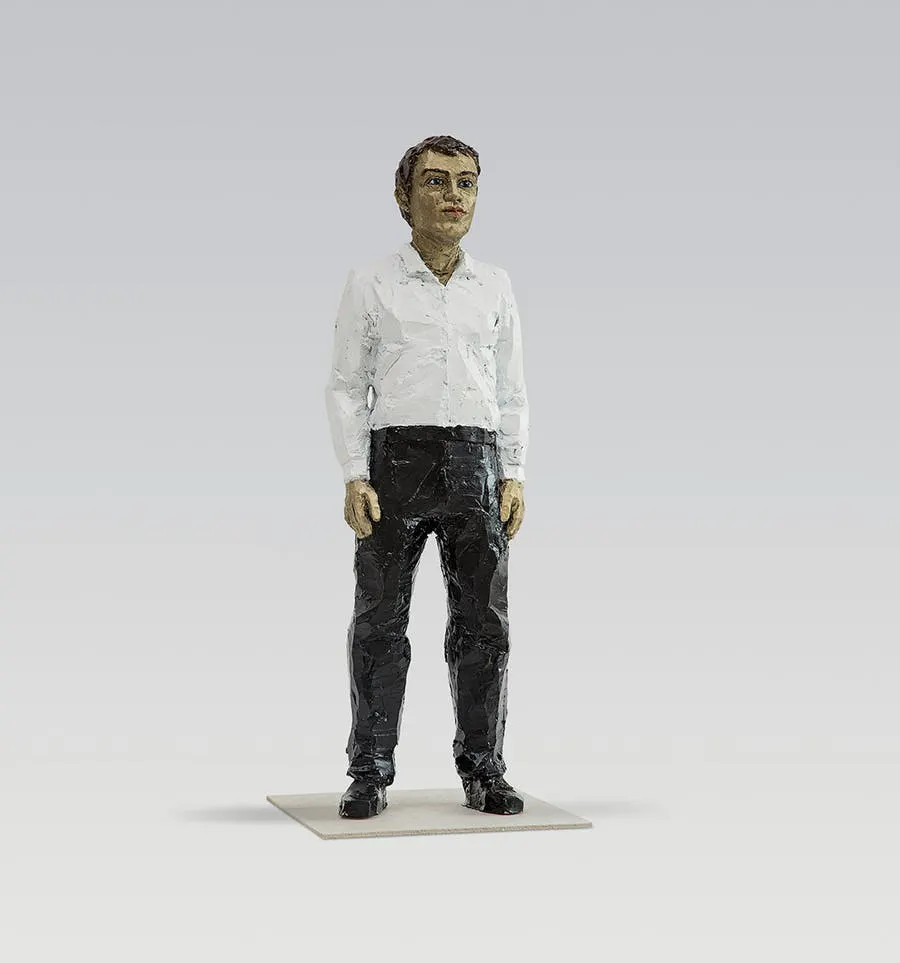
Our focus is on classic modern and post-war art, as well as selected contemporary artists. We specialise in the field of oil paintings and works on paper as well as sculpture.
What are some of the highlights of the gallery's 65-year history?
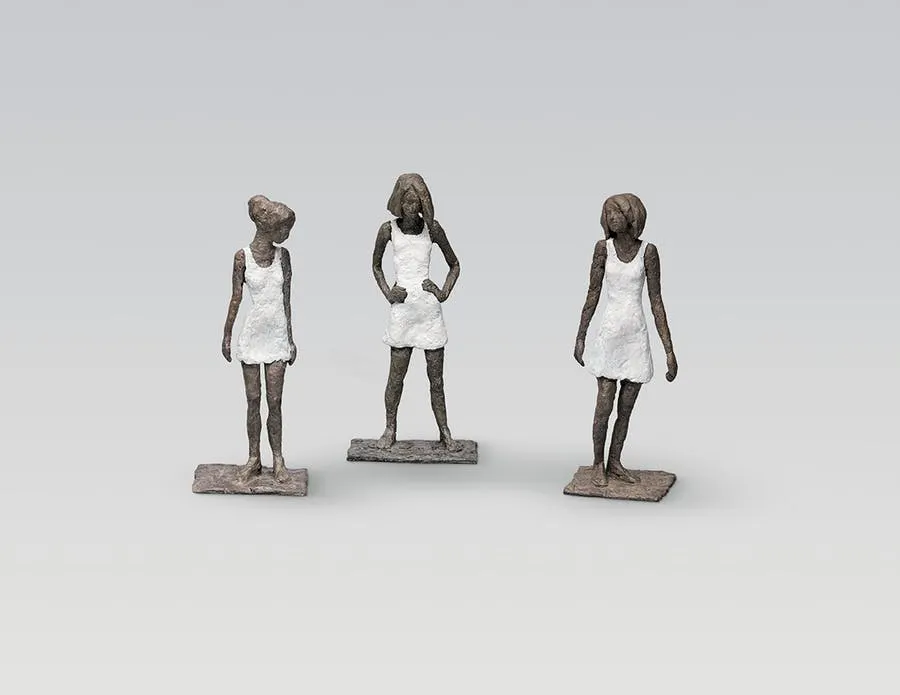
Without question, the highlights include solo exhibitions by Max Liebermann, Heinrich Zille, Ernst Ludwig Kirchner and Lyonel Feininger, as well as sculptors such as Fritz Klimsch, Jacques Lipchitz and Ewald Mataré. These exhibitions were also accompanied by important publications.
65 years isn’t exactly a classic anniversary. Why are you celebrating it so extensively?
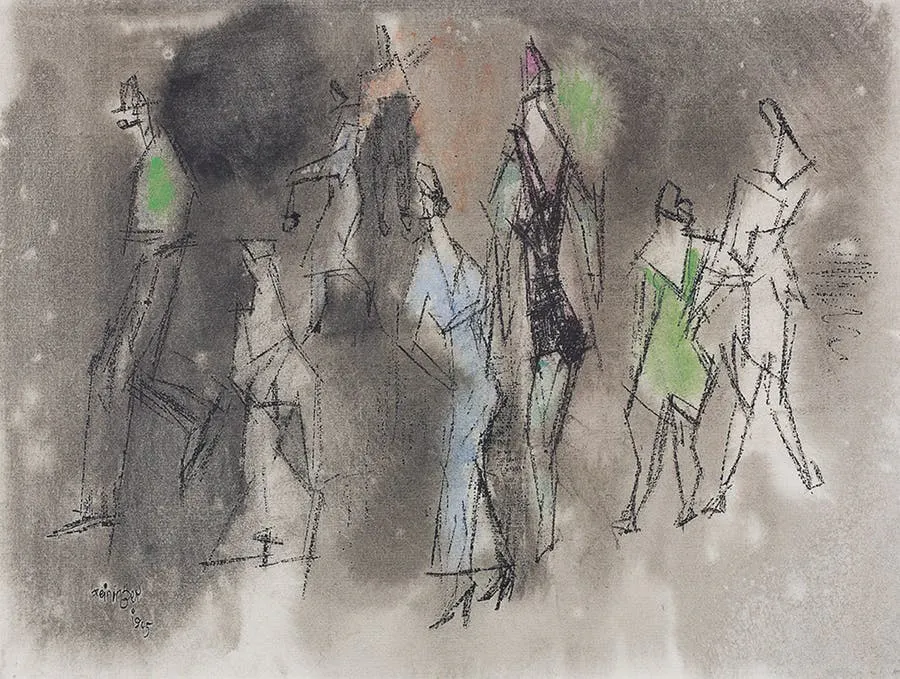
We also explain this in our preface to the catalogue: it's not an anniversary, but it is a nice number. For the past 35 years we have celebrated the company’s birthday every five years with a kind of anniversary exhibition and important catalogue. We have regularly exhibited at art fairs in Munich and Cologne since 1966, and many of our customers don’t know our gallery rooms in Hanover. These exhibition catalogues therefore offer an excellent opportunity to keep our customers up to date on new acquisitions – which they appreciate very much.
How is the anniversary exhibition composed?
We exhibit 45 artists, and it is a personal journey through time through 100 years of art. My sister and I are concerned with several aspects here – on the one hand, we would like to show a representative selection of our contemporary artists, but on the other, this platform also gives us the opportunity to test our customers with new and challenging artistic material.
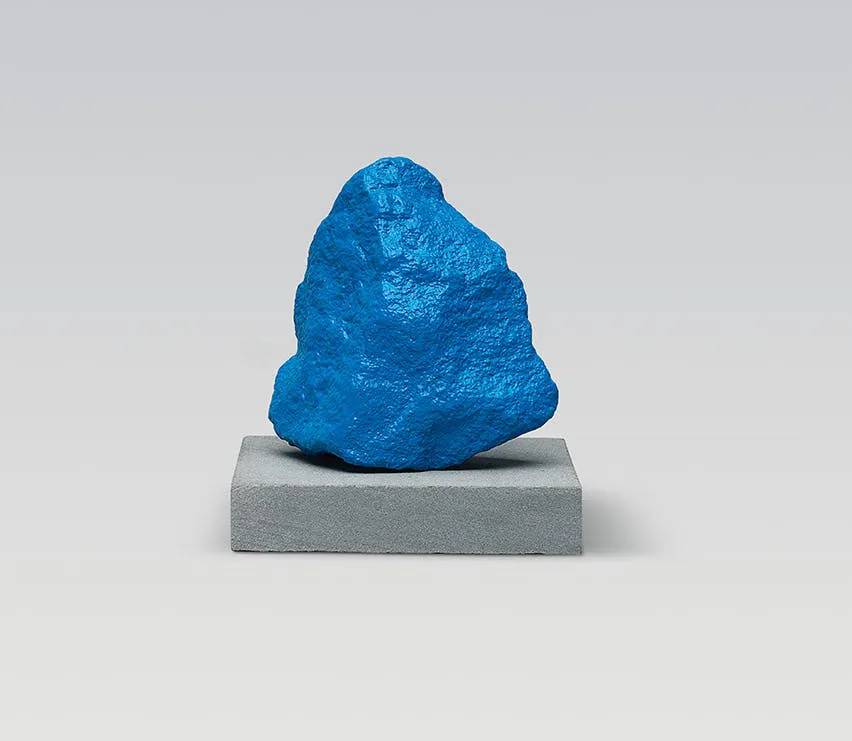
Ugo Rondinone, Erwin Wurm and Jeppe Hein are perfect examples of this. They are artists whose work we like very much, but whom we have never exhibited before. Of course, we are very excited to see whether they will pique the interest of our existing customers or even draw in new patrons.
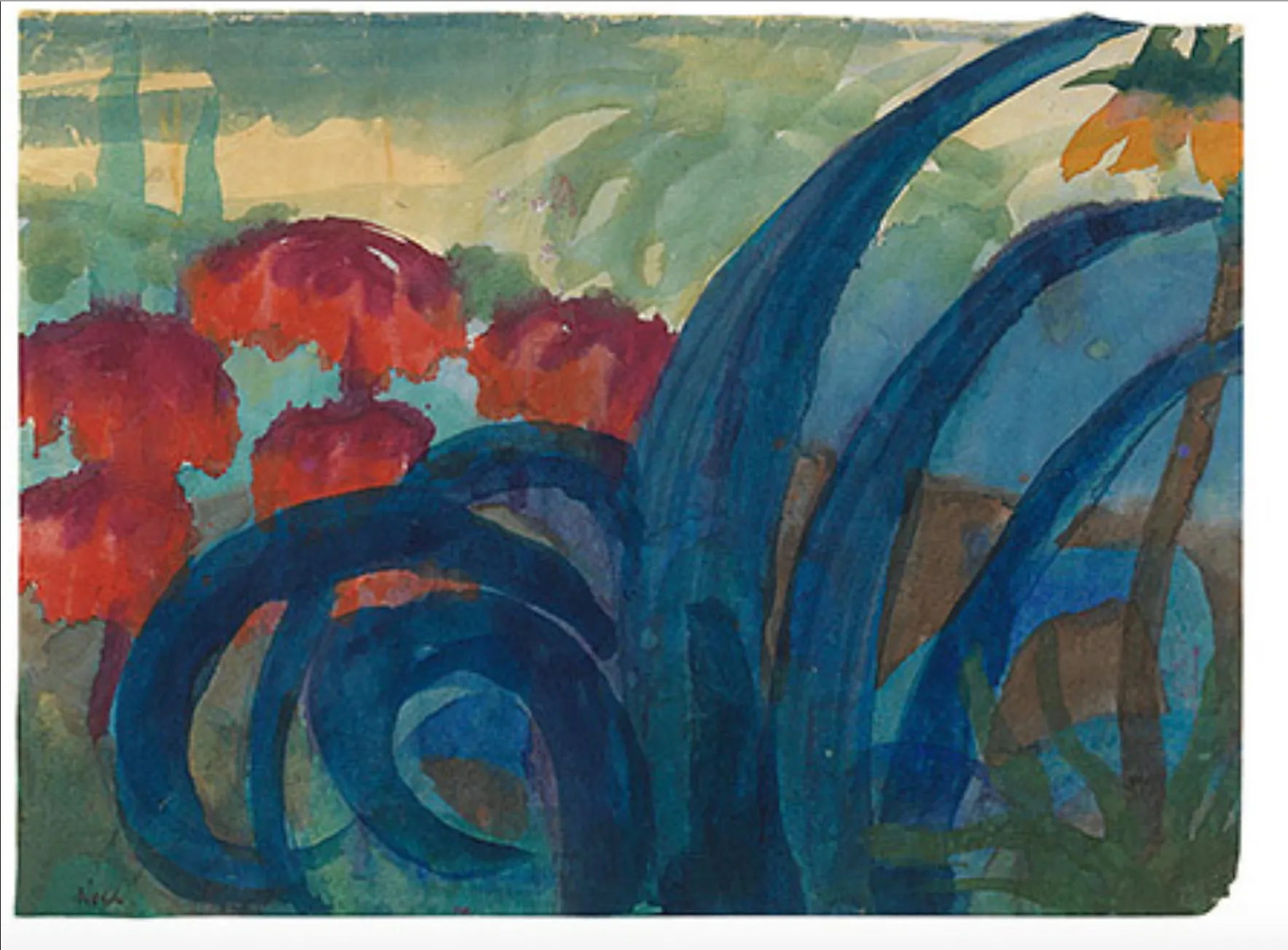
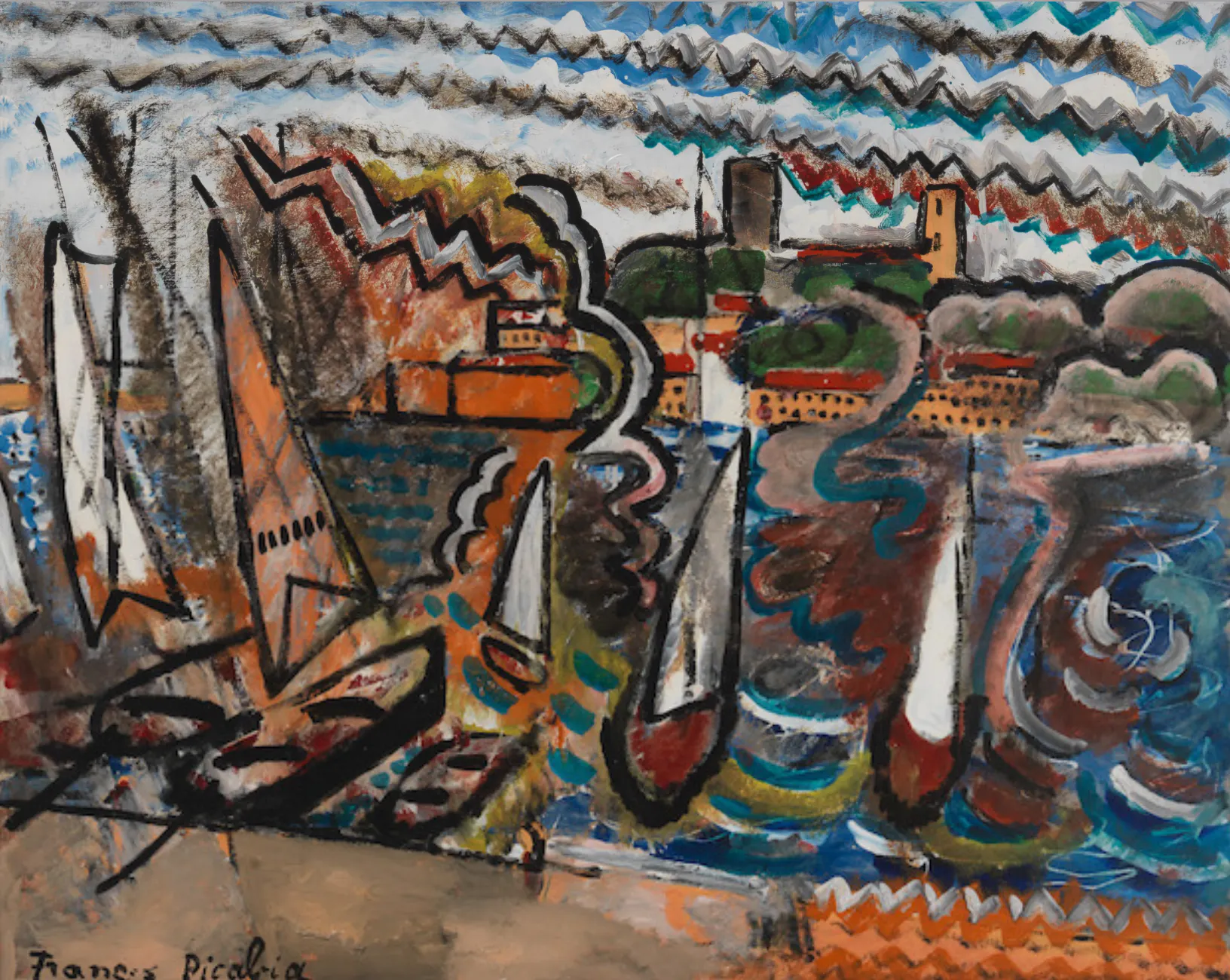
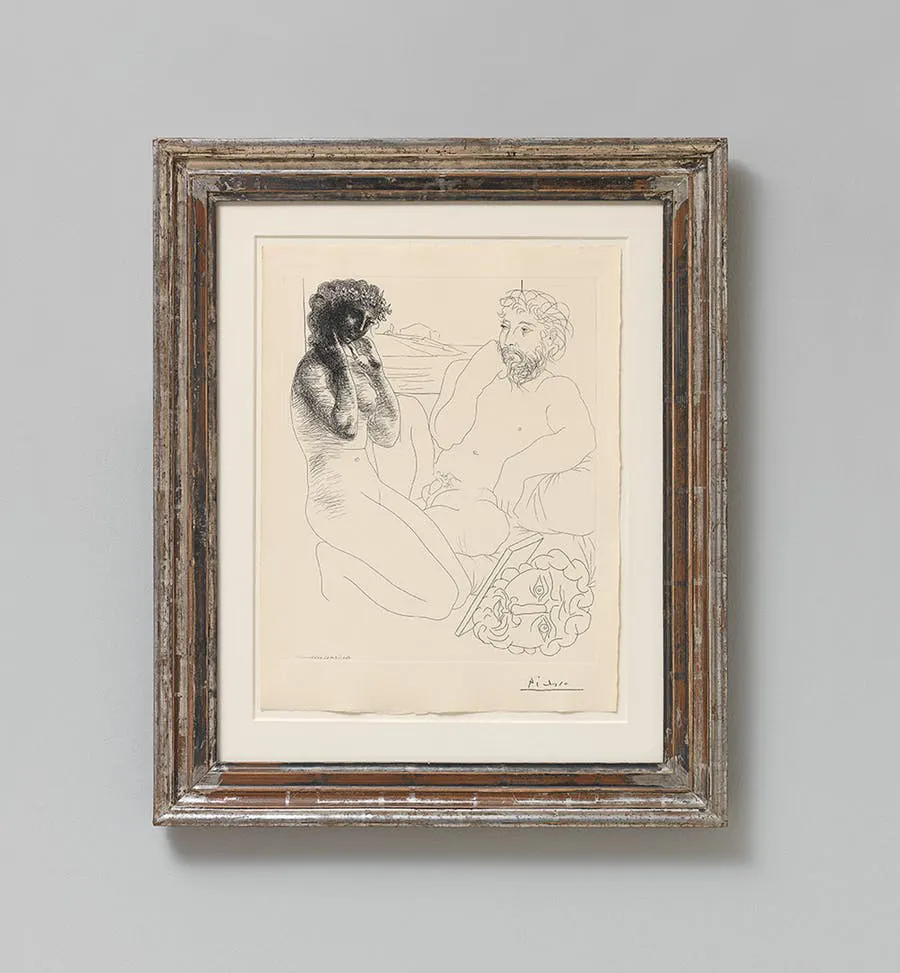
Another important aspect of the exhibition is our display of classical modern and post-war art, including works by Gotthard Graubner, Emil Nolde and Francis Picabia.
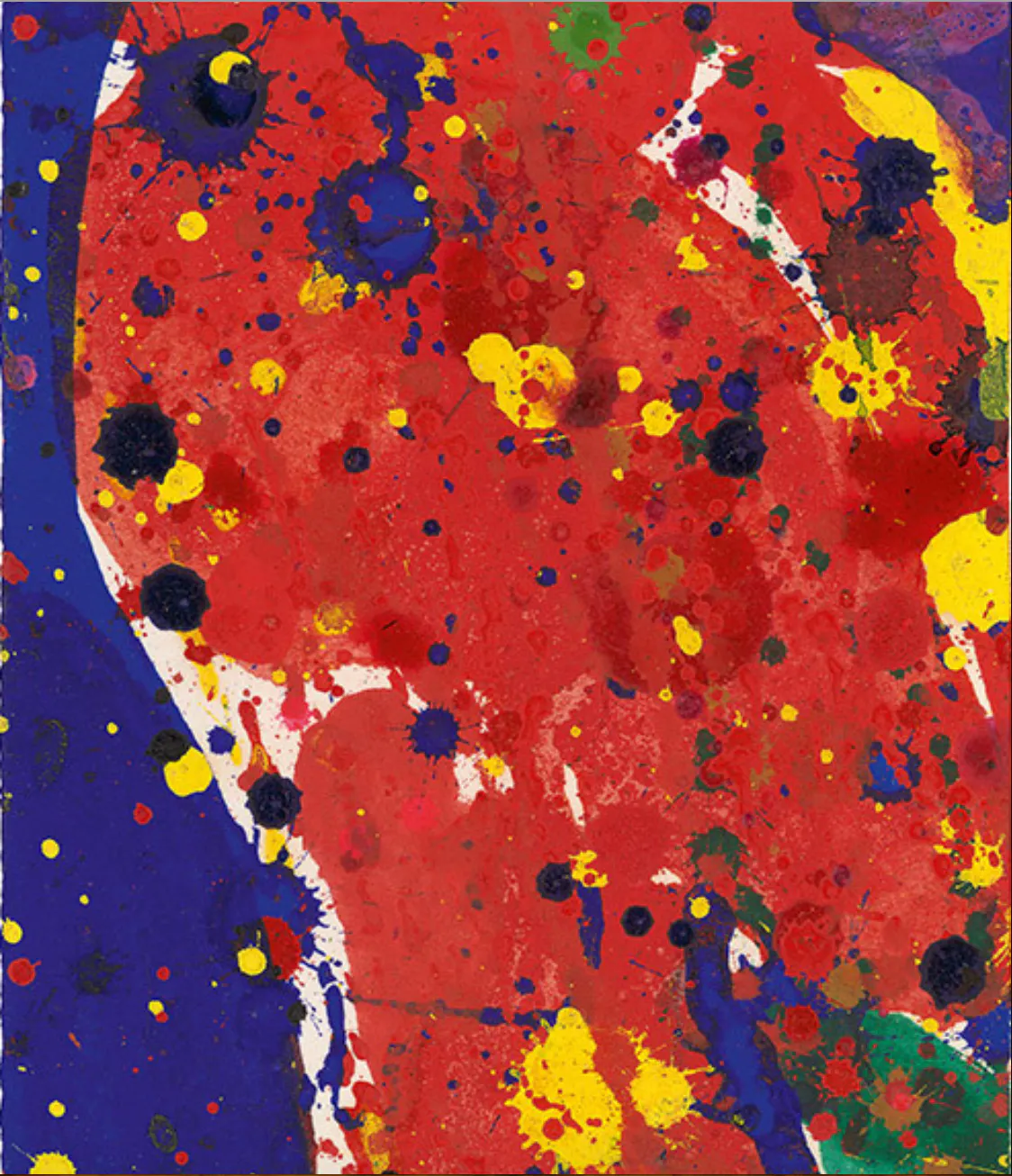
Do you have a personal favourite in the exhibition?
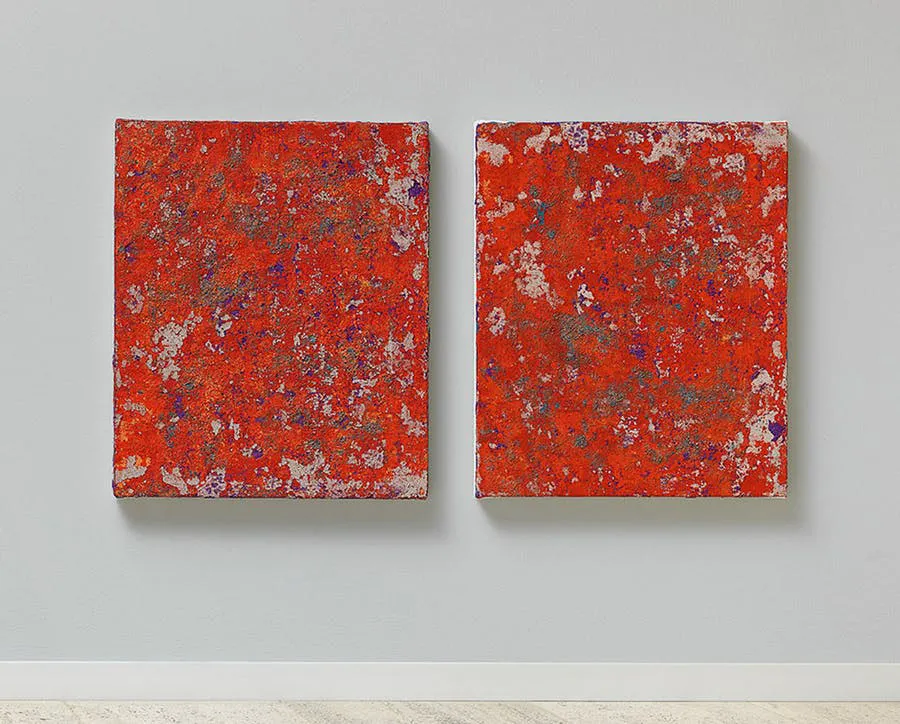
Sure, the Sam Francis piece is a little gem from the artist's best creative phase.
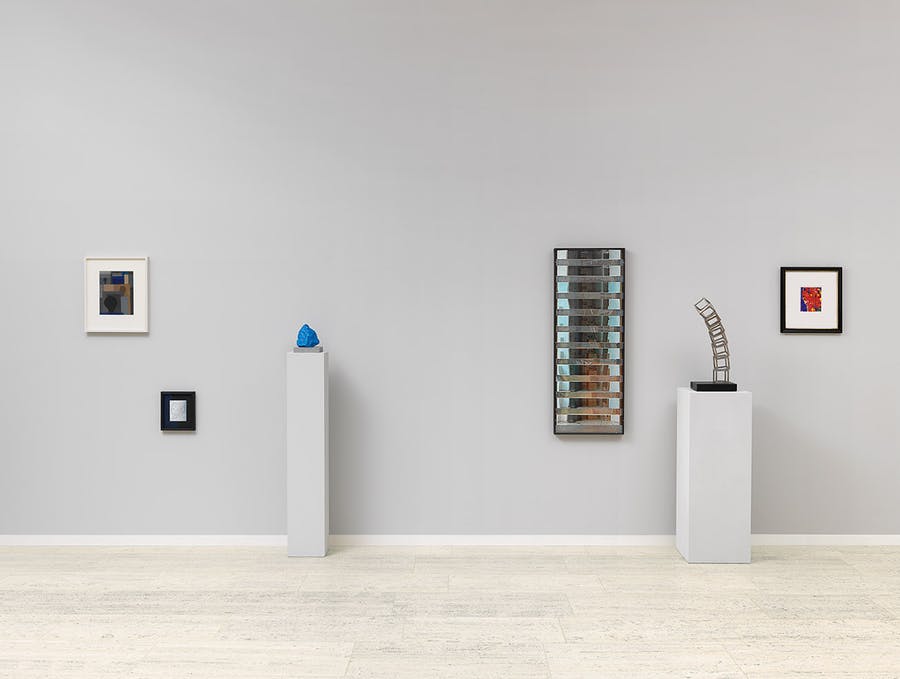
Rudolf Jahns’ work was once a gift to Kurt Schwitters, and it is a small sensation that we can offer it to our customers here in Hanover almost a century later.
Such a special group exhibition has just as much to offer ‘old hands’ at collecting as it does newcomers. What can you recommend to the latter group, and what should you pay attention to when creating a collection?
The customer should absolutely follow their heart and their gut feeling. Most importantly, personal enjoyment is the return. Buying from a reputable gallery is recommended – is the gallery a member of a federal association, for example. With younger artists in particular, it is important to get to know their CV. Was the artist a Master’s student with a good professor, have they already had public exhibitions or publications? Knowing these aspects can help you make a good decision.
How does Galerie Koch support its customers when buying art?
First and foremost, we make sure that each of our works of art is in impeccable condition. In addition, we personally advise customers on setting up a private collection as well as give recommendations on professional framing and hanging. Ideally, this collaboration lasts for several decades.
An anniversary is a good opportunity to review the past, but of course you can't forget the present. What challenges are art galleries currently facing?
Our government, especially the Ministry of Finance, and our Minister of Education, Dr Monika Grütters, have deeply harmed the German art trade in recent years through a VAT increase and the tightening of the Cultural Property Protection Act. Our associations have invested a lot of time and money into making politicians aware that these legal changes tend to reduce the art trade to a national level and can even benefit our colleagues outside the EU, but these efforts have been in vain. Since the beginning of the year, the EU has also put our entire industry under general suspicion and forced us to introduce new regulations on the Money Laundering Act. It is no coincidence that large American galleries open branches in London, Paris and Zurich, but none of them come to Germany.
Do you think the online market will play an increasingly important role in the future?
It surely will. The entire industry is working to make the online art market more and more important. Large auction houses are already completely shifting their cheaper goods to online auctions, and art fairs only provide customers with online catalogues.
Galerie Koch is still investing a lot of effort, time and money into publishing physical catalogues and books for the exhibitions for its customers, which they really appreciate. However, we also have a well-functioning website so that we can offer online visitors sufficient information about our inventory. This allows the online customer to view works of art at different angles and to enlarge detailed photos, which is a great advantage over a conventional catalogue.
We thank Mr Ole-Christian Koch for the interview, and wish him and the Galerie Koch continued success for the next 65 years and beyond. The anniversary exhibition is open until 9 April 2020.