
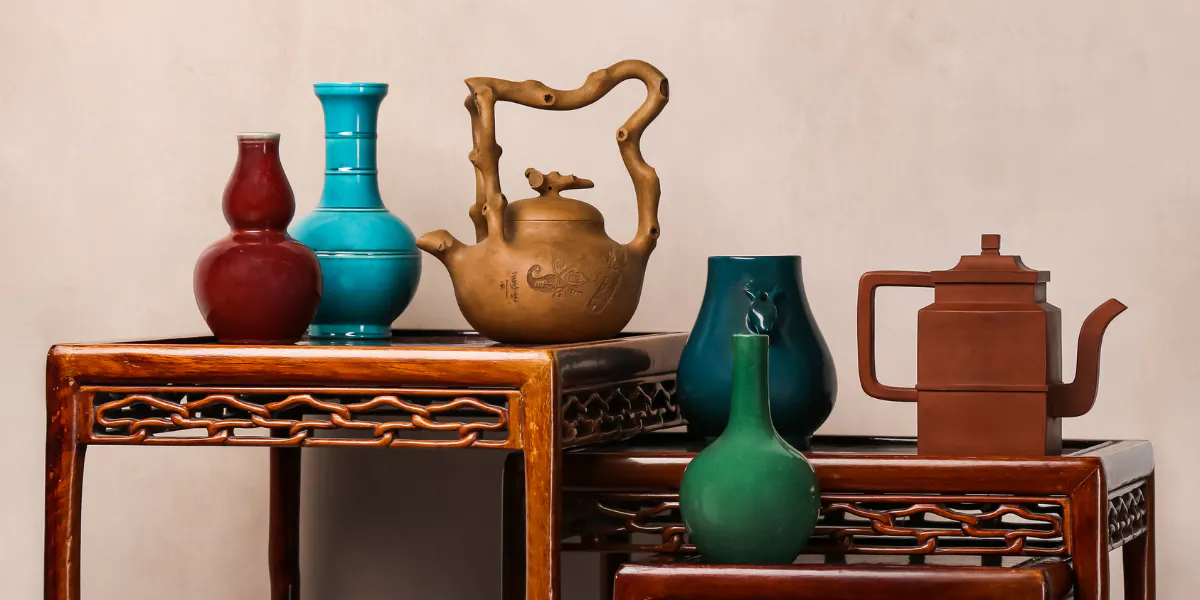
From handling exquisite treasures to witnessing the revival of dormant departments, this specialist's journey has been one of constant discovery and research. Join us as we ask Tiago Cordeiro-Soares, Head of Department of Asian Art at Chiswick Auctions, about all matters of evaluation, appreciation, and collection of Asian art.
1. Barnebys: Can you tell us a bit about your background, and what brought you into the world of auctions?
Tiago Cordeiro-Soares: I studied Chinese and Japanese at the University of Leeds and landed my first job in the art world with Sotheby’s, where I began working at the valuations counter, handling all sorts of objects. I spent around 8 years working for Sotheby’s, including time in the Chinese Department, working with one of the Chairmans but also in the formal valuations department, where I dealt with all sorts of tax and insurance valuations for big estates and private collections, as well as museums and institutions for exhibition loans.
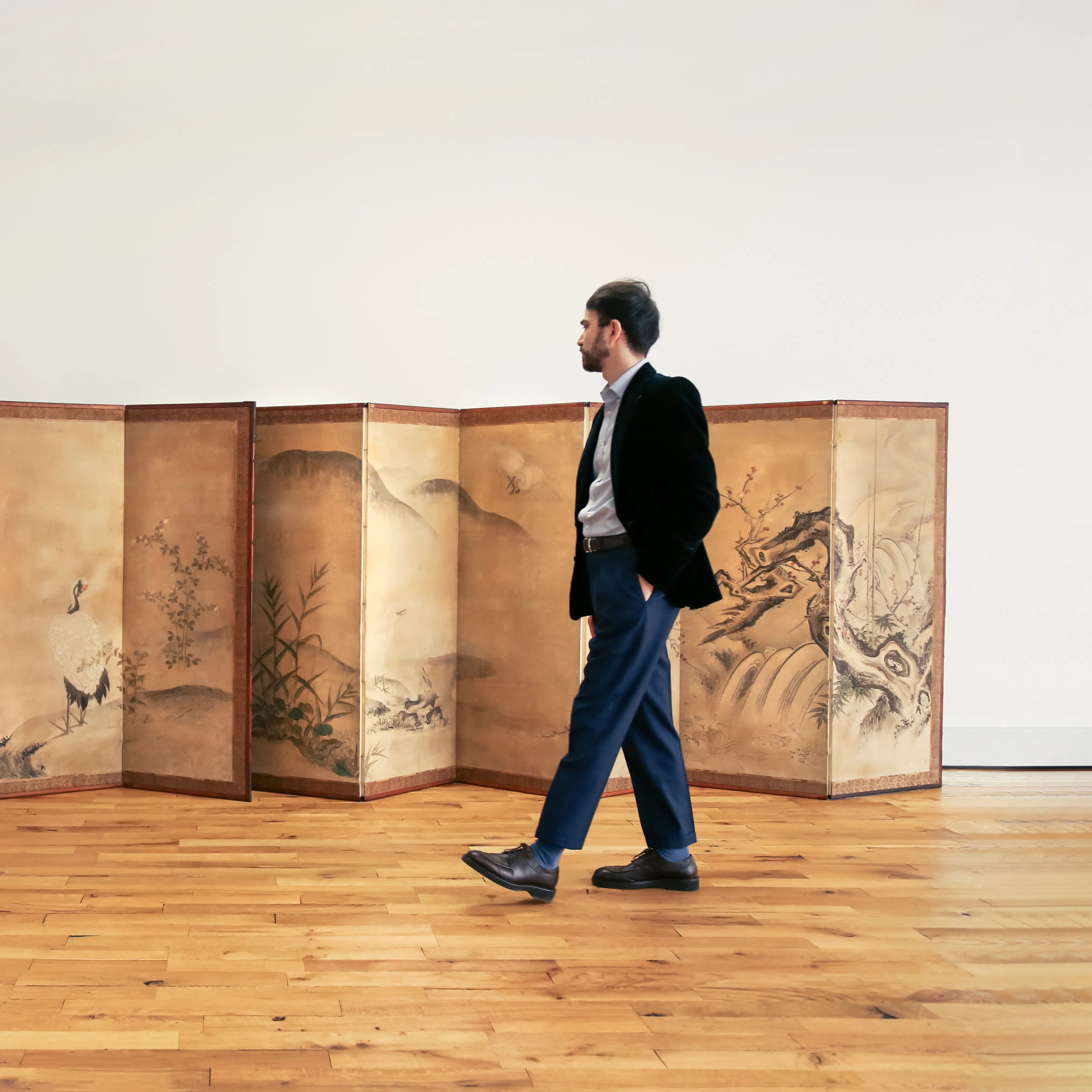
My passion always lay in Asian Art and Chinese Works of Art. I also had the wonderful experience of witnessing the re-opening of the Japanese Department which had been closed for 12 years, which was a great project to work on and see interest growing in that market once again. More recently, taking over the Asian Art Department here at Chiswick has been a wonderful experience, and there is certainly a lot of potential for growth. I am very excited about the future of the department. We are trying to focus on private collections as much as possible, aiming to grow the Japanese section alongside the Chinese section, and also other areas of Asian art.
2. Can you explain your process for evaluating and appraising Asian artworks before they go to auction?
There are always various factors that impact the value of an object, and provenance has always been of huge importance to the Asian art market, as it gives buyers a sense of credibility, which tends to impact the ultimate value substantially, often seen in the hammer prices achieved. We always take our time to research the objects as much as we can, and thankfully we have wonderful museum collections for comparison, but also a vast knowledge bank across all auction houses. Catalogues are valuable tools for both collectors and trade as they provide a wealth of knowledge. We monitor the market as much as we can and value objects according to market trends. There are always many factors such as authenticity, historical value, condition and provenance that are part of this.
3. What’s your favourite object to value, and why?
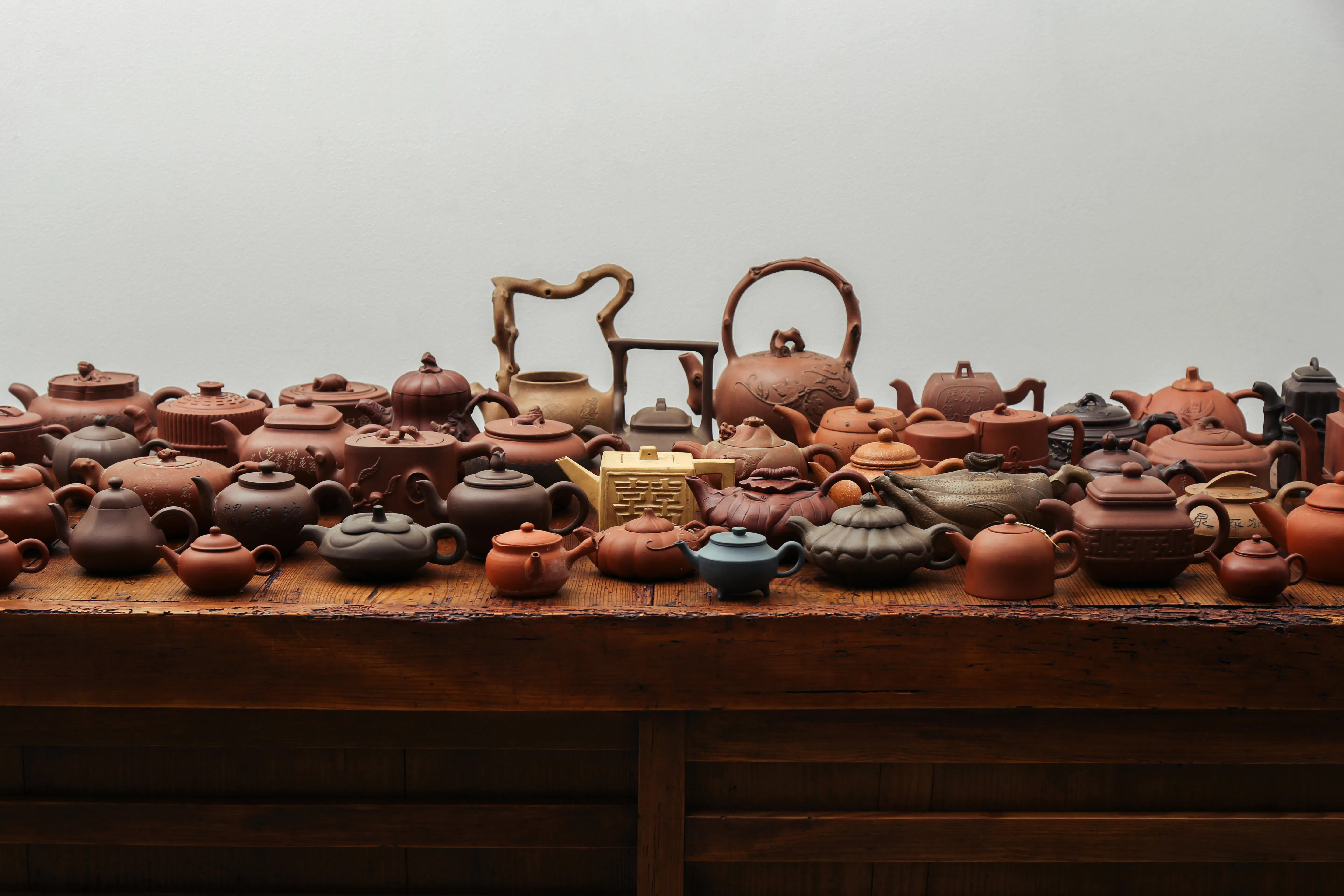
I have always had an affinity for textiles and the techniques involved in their production, such as kesi weaving. They tend to be more fragile and it is always astonishing how they survive the test of time. They are rich in meaning and can give us a wonderful insight into history. But of course, it is always very hard to pick a single category – I do love ceramics, lacquer and furniture just as much. Personally, I like handling collections, as it is always fascinating to learn about a collector and their collecting journey, what guided their choices and the stories behind how they sourced their items and the joy that these objects brought to them over the years.
4. What are some objects people may be surprised to find out are very valuable?
That’s an intriguing question. I guess that the most surprising tend to be those falling under the ‘scholar’s items’ category, often made of materials such as bamboo, rocks, soapstone, jade and all sorts of timbers. They can be playful objects of contemplation, but also purely for amusement and enjoyment. The value of these is often based more on their scholarly interest, which is always hard to measure but nevertheless fascinating.
5. The world of auctions can be intimidating for someone trying it out for the first time. What advice would you give to newbies?
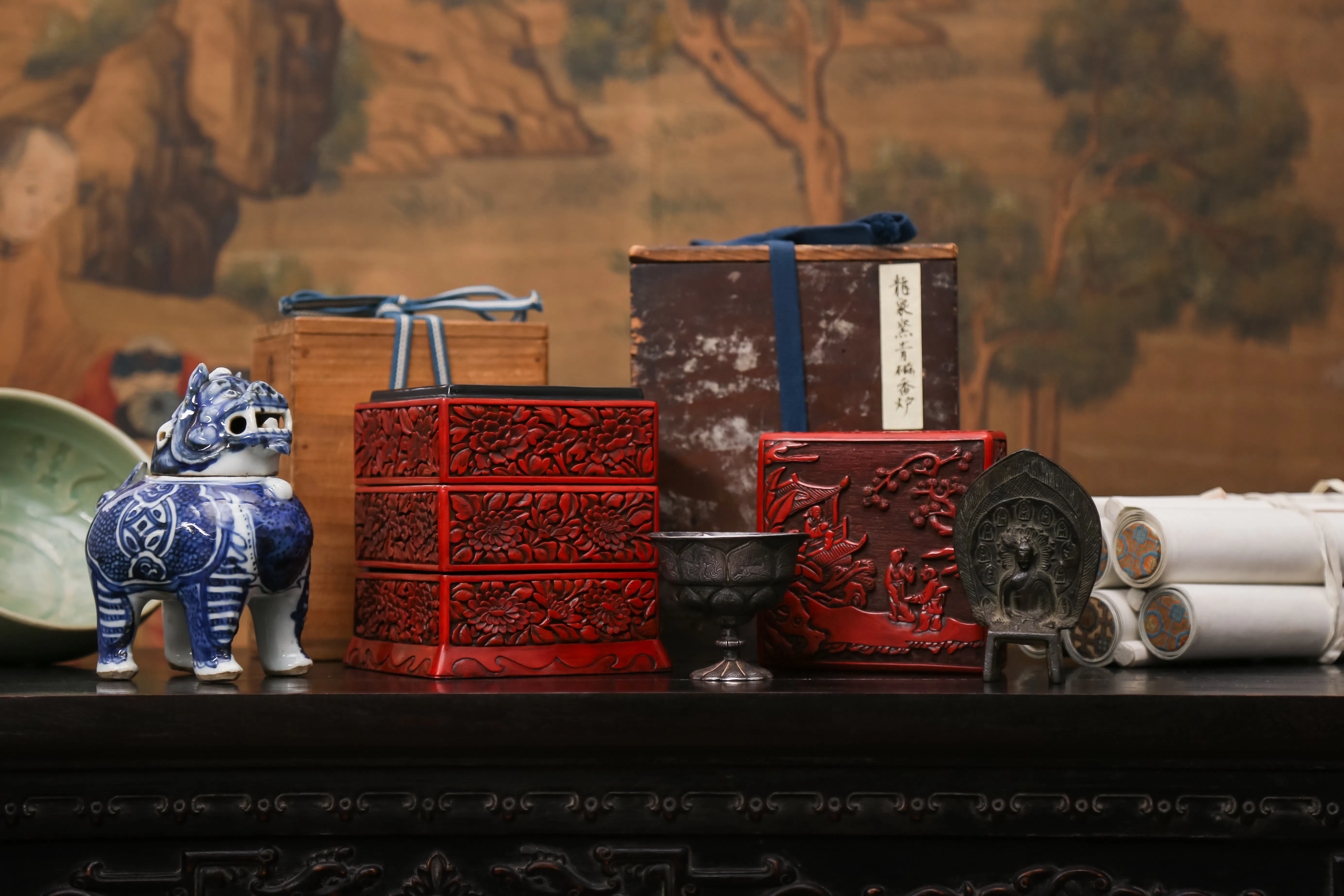
My advice would be to start small, but also to engage in discussion with others and learn as much as possible. Societies like the Oriental Ceramics Society are a wonderful and superb way not only to learn a great deal but also to meet interesting people with a common passion. Equally, coming along to auction previews is a great way to be able to handle objects, and specialists are always very happy to discuss objects. In the UK, we are also incredibly lucky to have some of the best collections of Asian Art outside of Asia, especially in the British Museum and the Victoria and Albert Museum. London is also home to some of the most reputable art dealers in the world, and they are more than happy to share their time and knowledge.
6. What kind of objects would you advise someone to first look for to build a collection? And what would be the ultimate treasure to top a collection, in your opinion?
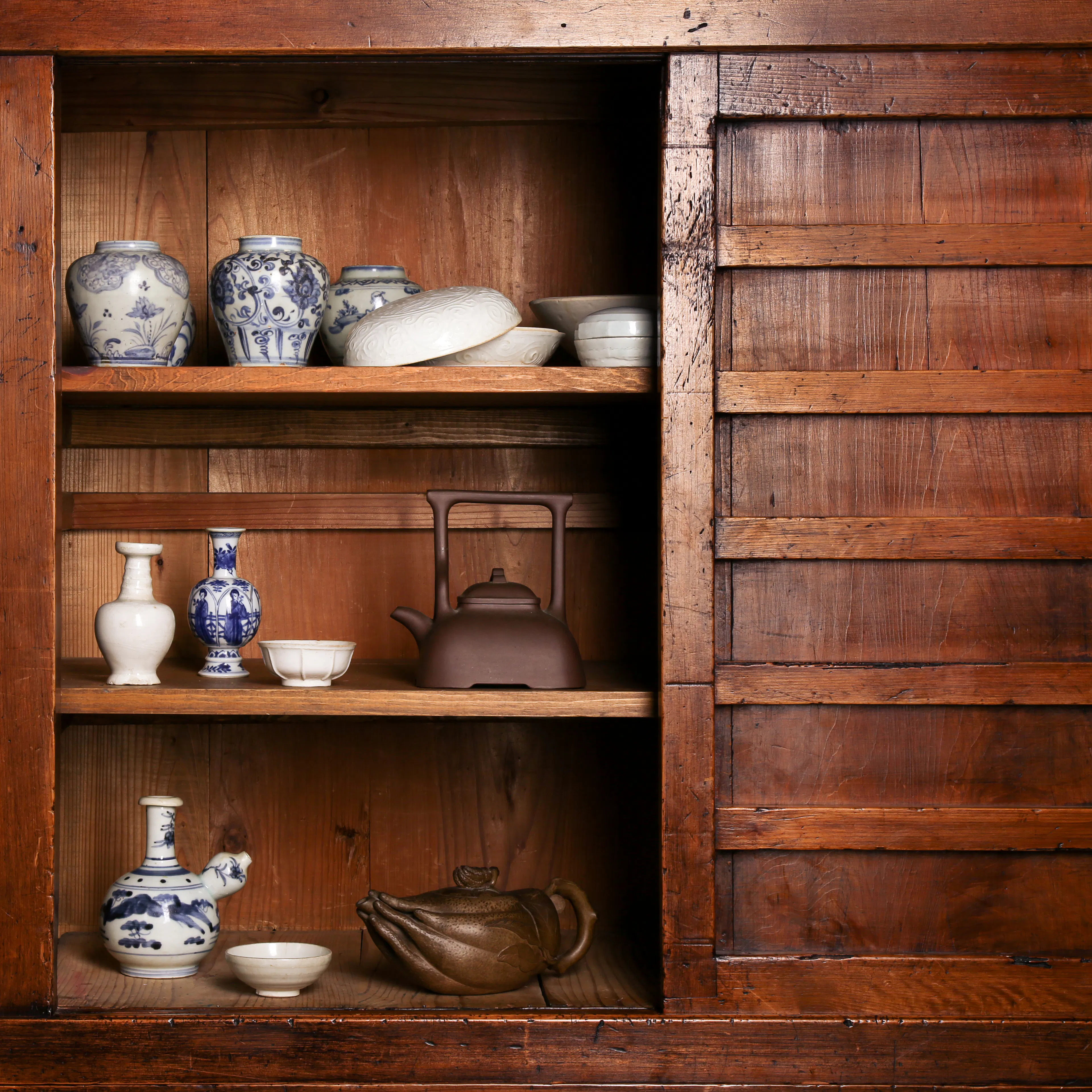
I think it is important to spend time visiting exhibitions and collections and have a good understanding of what you would like to collect before making rushed decisions. I think some of the collections that tend to perform better at auction are always those with a niche focus, for example, someone who collects from a certain period or perhaps objects of a certain medium that represent a range of periods. It can be as specific as collecting only rank badges, snuff bottles or ceramics from a specific reign. The choices are vast and of course, one has to take into consideration aspects that will directly impact collecting such as market prices and availability.
7. Could you share an example of a particularly significant or memorable lot you’ve auctioned? What made it stand out to you?
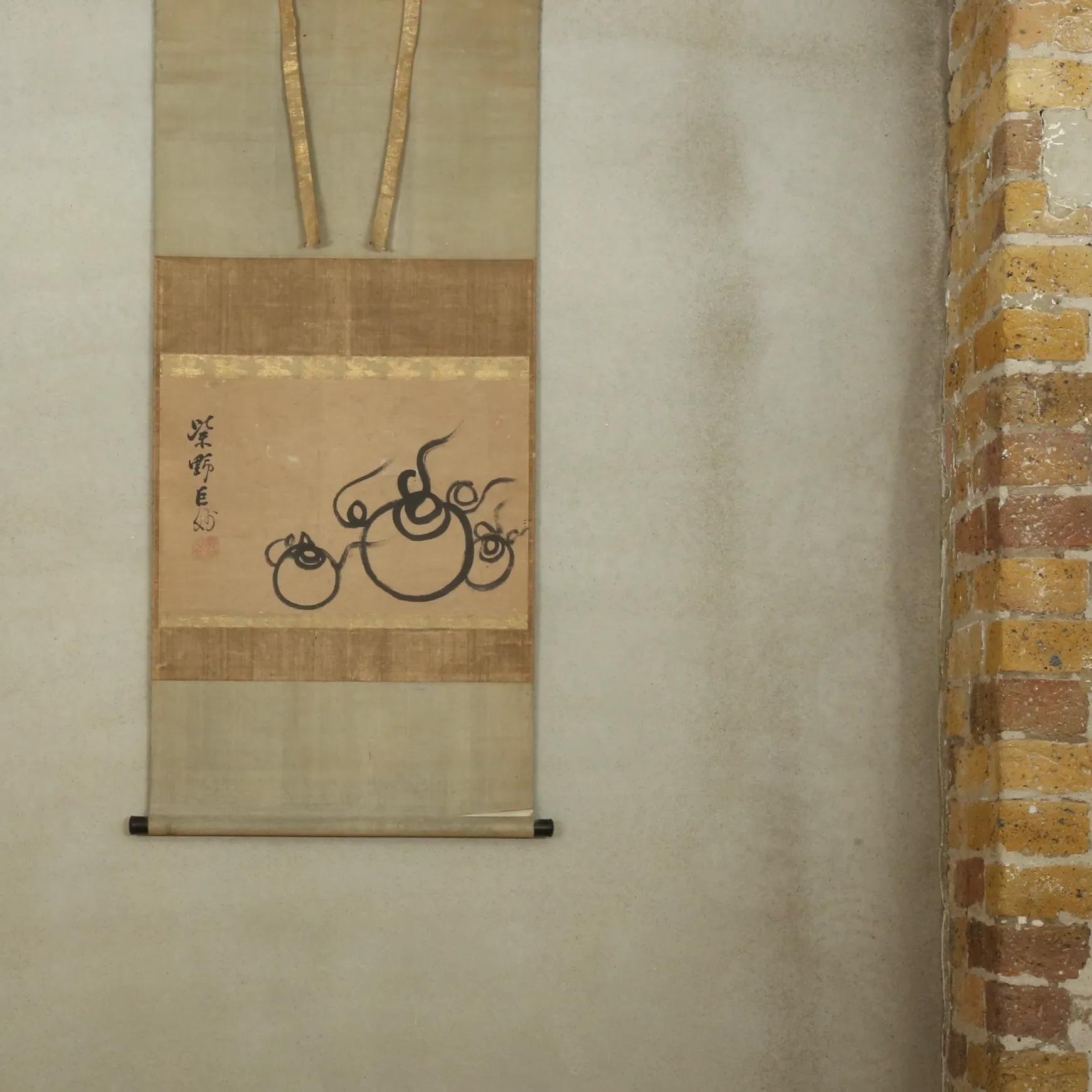
I have not auctioneered myself, yet! However, I have certainly worked on some very important collections over time. The quantity of exceptional objects still in private collections is incredible, not to mention their great historical value. More recently at Chiswick, we had some wonderful surprises come up from private collections, such as a painting by Wu Changshuo (1844-1927) depicting gourds which achieved £42,500. In our Japanese works of art section, we recently sold a rather impressive Meiji period life-size silvered bronze model of an eagle by Masatsune which achieved £36,250. Objects that are freshly offered to the market from private collections are always highly popular with prospective buyers, but equally, objects that come to market after a long time when collections are dispersed.
8. Asian art encompasses a wide range of cultures and time periods. How do you stay updated on the diverse art forms and trends within the Asian art market?
Well, a lot certainly comes with experience and having had the pleasure to work with various collections, or at least seen them come to market. Throughout the years I have travelled extensively to both China and Japan to see many of the major museum collections. So much has been devoted to the studies of Asian art that there are endless publications to catch up, but also societies and journals. When it comes to market trends, it does very much come to monitoring the auction market and the emergence of new collections and even museums, which are often private and common across Asia.
9. Are there any recent trends, rising collector’s markets or emerging artists in the Asian art scene that have caught your attention?
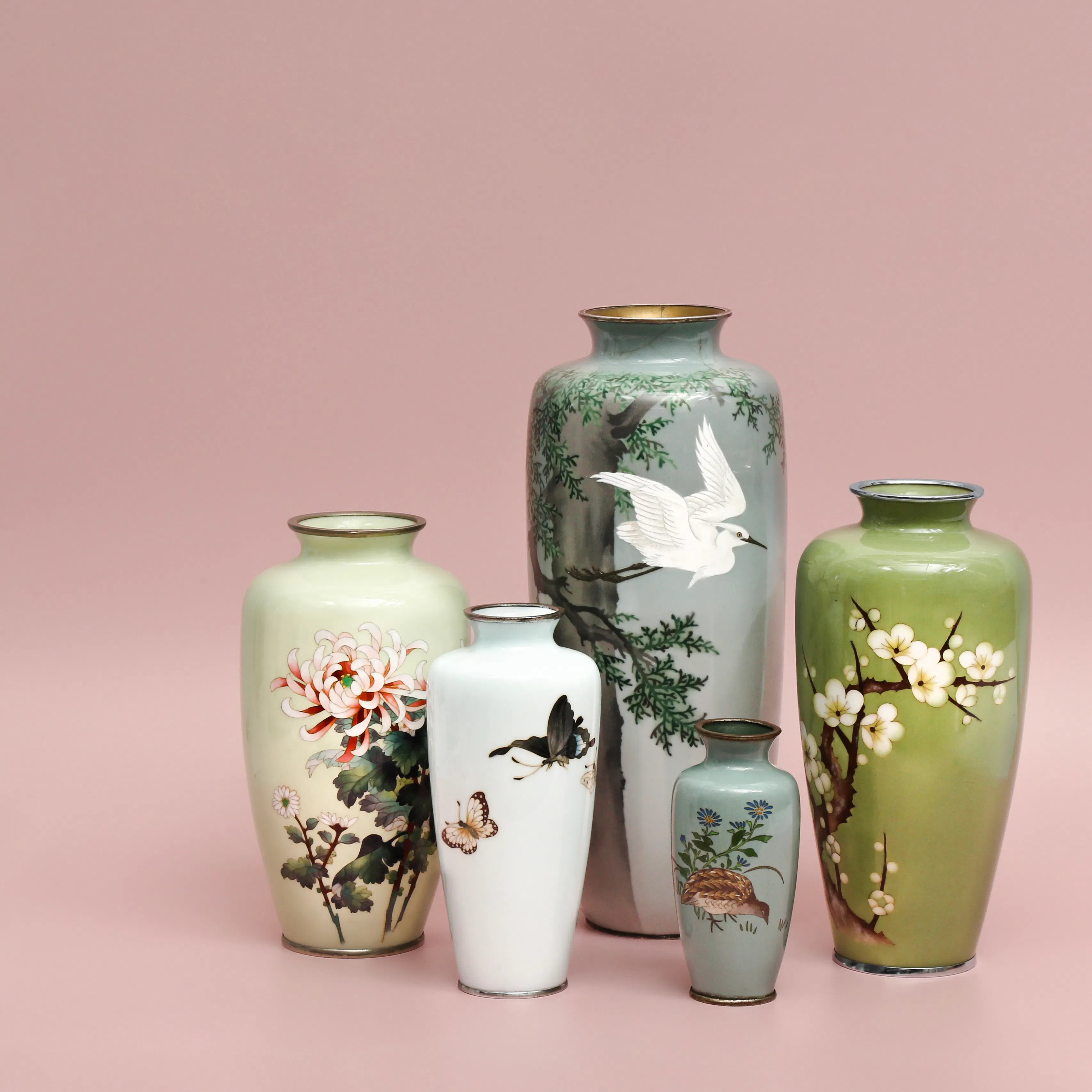
I think that the most obvious development has been the rise of young collectors, who are now setting new collecting trends more aligned with their interests. Contemporary art has certainly become hugely popular, and this has resulted in significant growth, for example especially with the likes of Contemporary Korean art. The same is evident with Chinese and Japanese young collectors, who are not only collecting more and more Chinese contemporary art and Japanese contemporary art, but also much more Western art. Often, they don’t exclusively collect this, and the mixture of both Contemporary art with more Classical art becomes a great aesthetic trend.
10. In your opinion, what has guaranteed Chiswick Auctions' continued success throughout 2023?
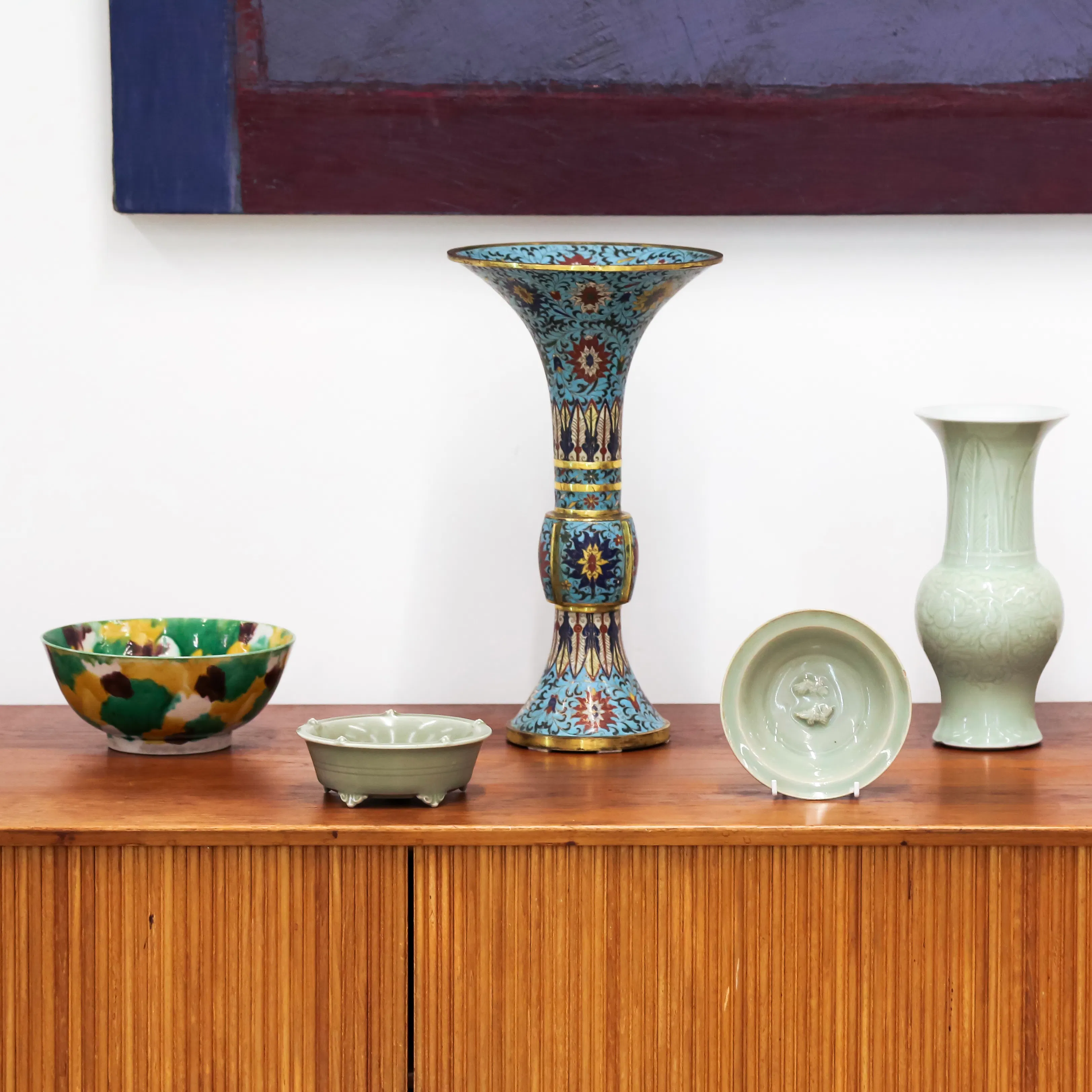
I think that innovation is always key to most auction houses, and we have to be constantly receptive to emerging trends. In the sales, we try to incorporate more Contemporary art alongside the more traditional works of art in order to engage our vast audiences. In addition, we also have works of art ranging in value that allow wider participation and hopefully cultivate new collectors. Social media has become a way to reach our audiences more and more and we aim to provide content as much as possible for exposure, especially with the Chinese market. Of course, the essential part is always to have great works of art to offer, and we strive to secure works from private collections as much as possible, to offer fresh and exciting works of art to the market.
The department of Asian Art is now accepting consignments for the November 2023 auction. You can get in touch here.