
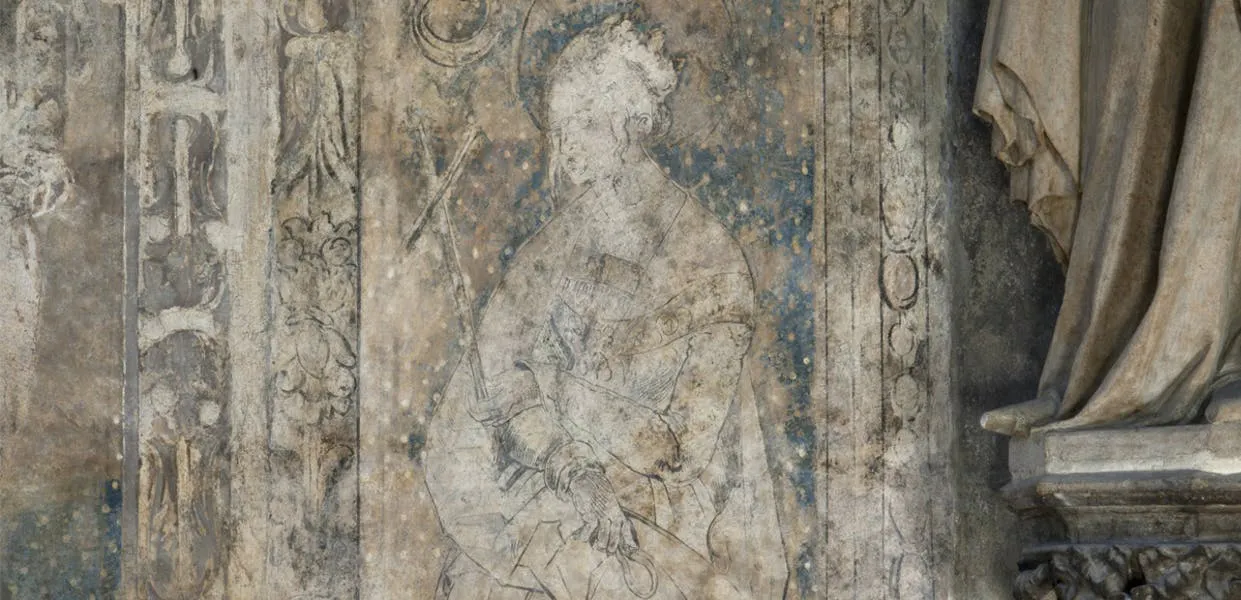
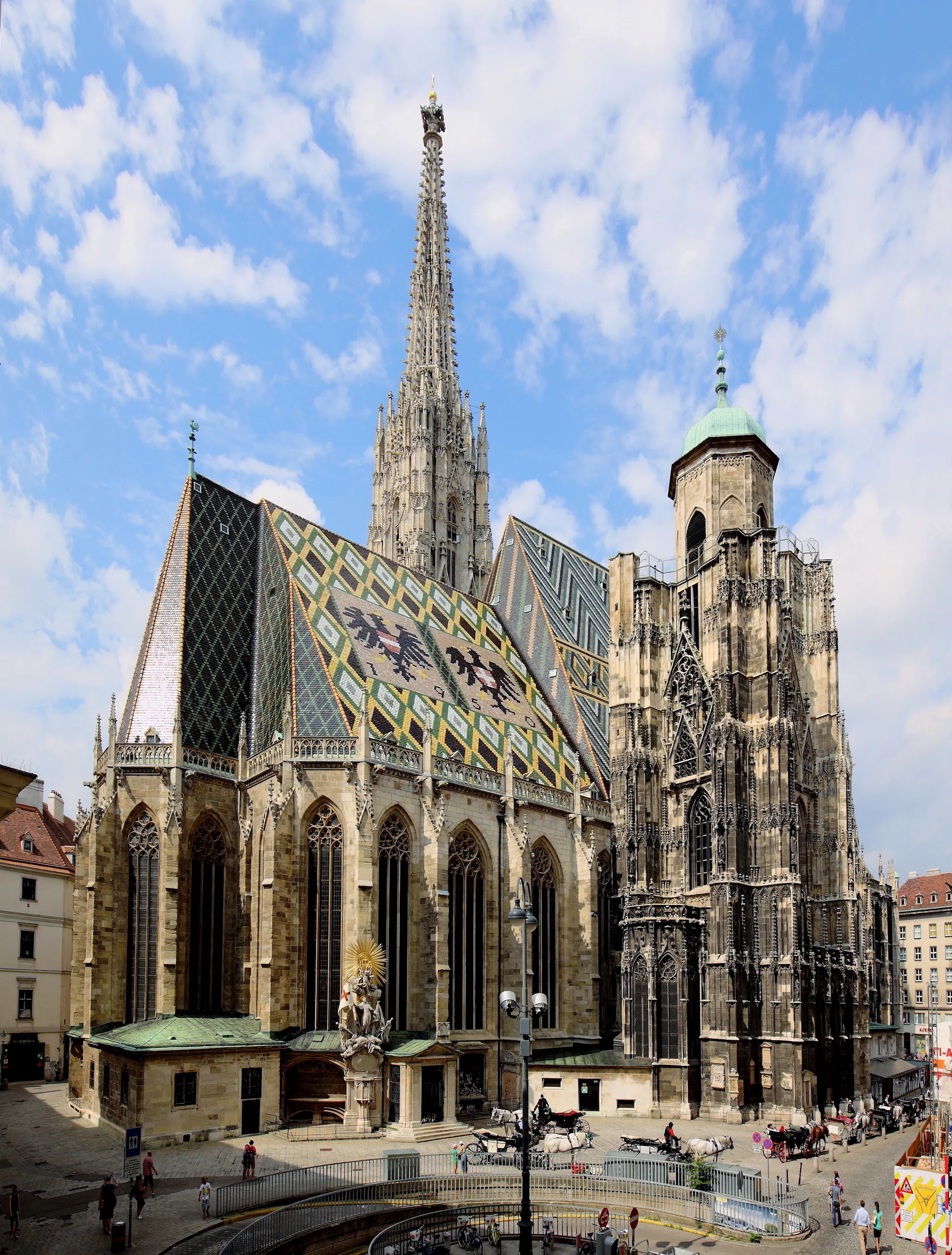
When a fresco above the door to the souvenir shop in St. Stephen's Cathedral in Vienna was restored, experts discovered something that surprised them all. A sketch was hidden under all the dirt that had accumulated for hundreds of years and appeared to be by the great German painter and printmaker Albrecht Dürer.
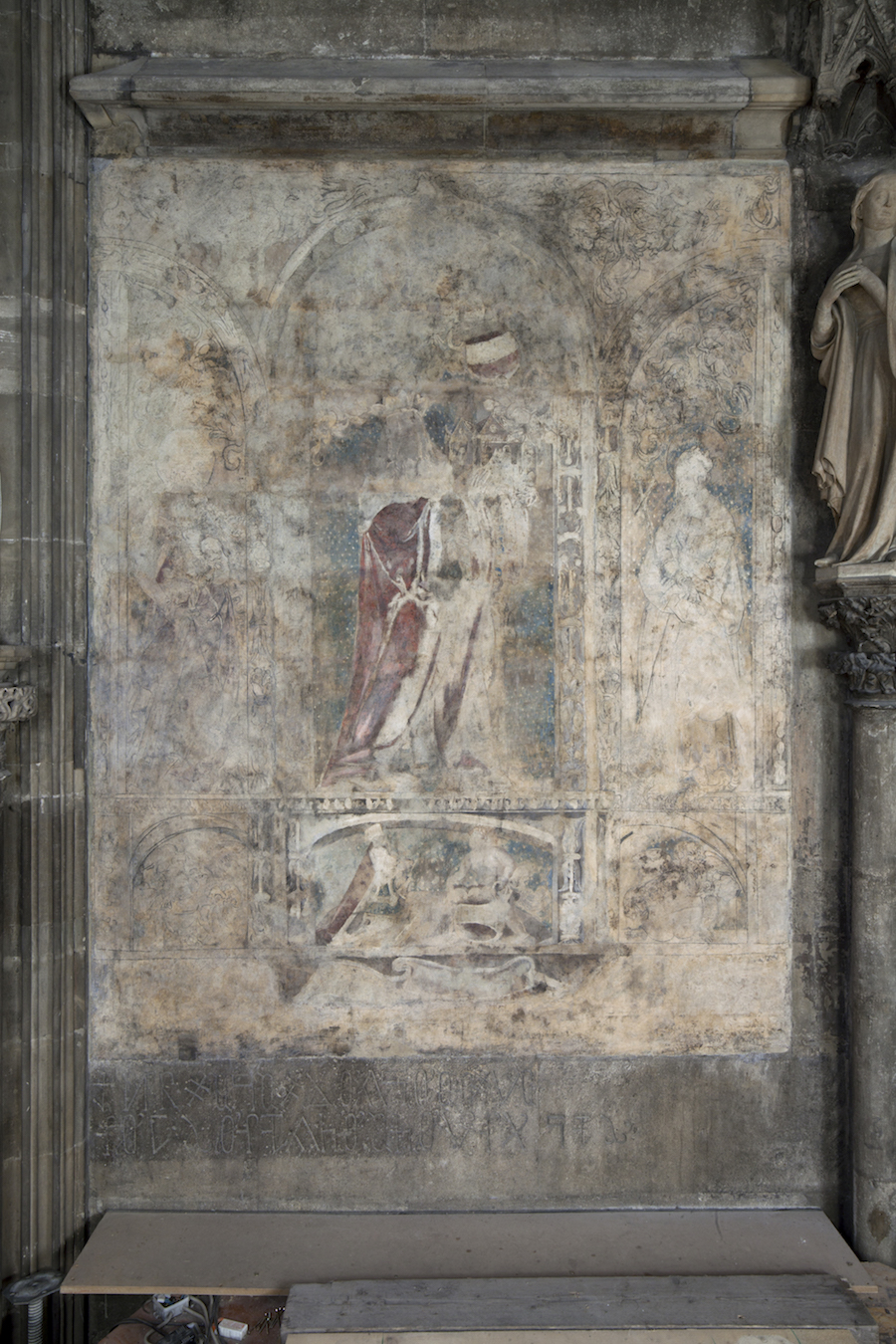
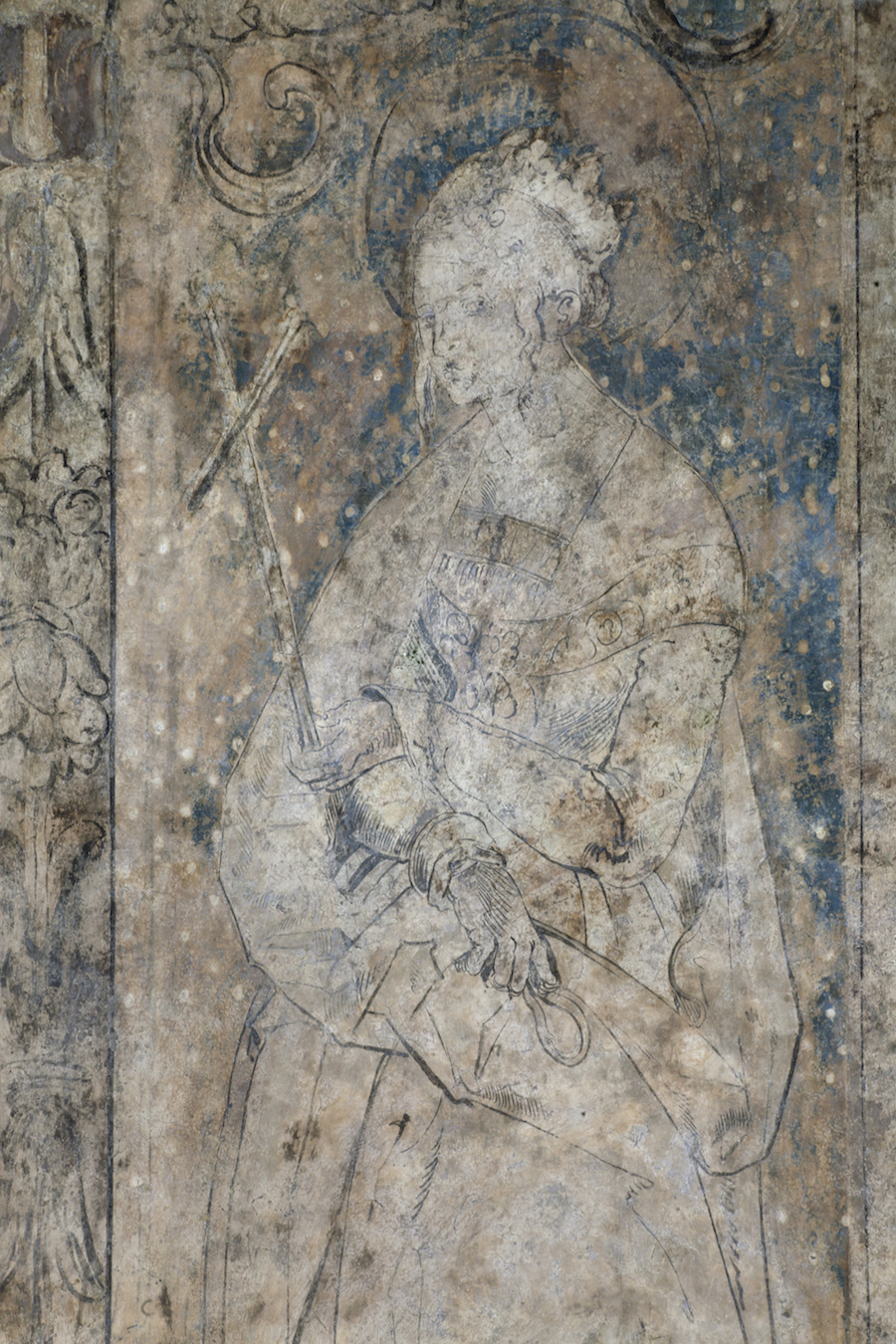
After experts examined the sketch, they were able to confirm that the artwork was created in 1505 on wet plaster. It is in the form of a triptych where the left wing depicts Saint Catherine, the right Saint Margaret and the middle Leopold III, Duke of Austria. All three were Austrian patron saints. Below the three saints is the lower frame of the altar. According to experts, the image of Leopold III and the frame appears to have been made by another artist around 1510, while the two women are the work of Albrecht Dürer.
It was not known that the German master worked in Austria, which makes this revelation particularly exciting. It is still unclear why Dürer did not finish the work but merely sketched the figures. Erwin Pokorny, one of the consulting experts, had believed that someone from Dürer's circle or apprentices had created the sketches, and it was unlikely that Dürer would have created them since it is not documented that he visited Vienna. But after careful examination of the brushstrokes, Pokorny is positive that it can be by no other than Dürer himself.
Dürer's only previously known fresco was in Nuremberg City Hall and completed in 1521. Unfortunately, the work was destroyed during the Second World War, making the sketch in St. Stephen's Cathedral the only fresco left by him. According to Pokorny, the question is no longer whether Dürer visited Vienna or not, but rather when he did. One explanation is that he stopped there when he travelled from Nuremberg to Venice in 1505, or perhaps when he visited his friend Conrad Celtis, a humanist who lived in Vienna.
There are still many questions surrounding the work and Dürer's connection to Vienna. Research on the work is ongoing and the final attribution will be published later this year in a journal of Austria's art and historical preservation. It is possible that the souvenir shop will also be moved so that visitors can view the new discovery.