Stay up-to-date with the antiques world

By subscribing, you are agreeing to the privacy policy. Unsubscribe anytime.

Barnebys

Barnebys HQ

Brahegatan 10
BOX 5038
114 37 Stockholm

Company

  • About Us
  • Join Barnebys
  • Our Partners
  • Press
  • Career

Explore More

  • Barnepedia
  • Buying / Selling at auction
  • Auction Houses / Dealers / Galleries

Support

  • FAQ
  • Terms of Use
  • Privacy and Cookies policy
  • Contact us
  • Barnebys Group AB
  • Barnebys.se
  • Barnebys.com
  • Barnebys.co.uk
  • Barnebys.de
  • Barnebys.fr
  • Barnebys.es
  • Barnebys.it
  • Barnebys.hk
  • All auction items
  • Categories
  • Auction results
  • Magazine
  • Ancient Art
  • Arts & Graphics
  • Asian Art
  • Books, Maps & Manuscripts
  • Carpets, Rugs & Textile
  • Coins & Banknotes
  • Contemporary Art
  • Ethnographical
  • Fashion & Vintage
  • Folk Art
  • Furniture, Design & Mirrors
  • Glass
  • Jewellery & Gems
  • Lighting
  • Medals, Arms & Armour
  • Miscellaneous
  • Music & Musical Instruments
  • Nautica, Technica & Optic
  • Photographs
  • Porcelain & Pottery
  • Postcards & Stamps
  • Sculptures
  • Silver & Gold
  • Sports & Leisure
  • Tin & Metals
  • Toys & Collectables
  • Vehicles
  • Watches & Clocks
  • Wine & Spirits
  • Works of art
  • All auction items
  • Auction results
  • Magazine
  • Get a valuation
  • Auction system

Barnebys Magazine

LatestEditor's picksTopics
Magazine/Drawing/Is this the Earliest Drawing by Michelangelo?

Is this the Earliest Drawing by Michelangelo?

Could a seated man be the earliest surviving and identified drawing of Renaissance master Michelangelo?

4 June 2019
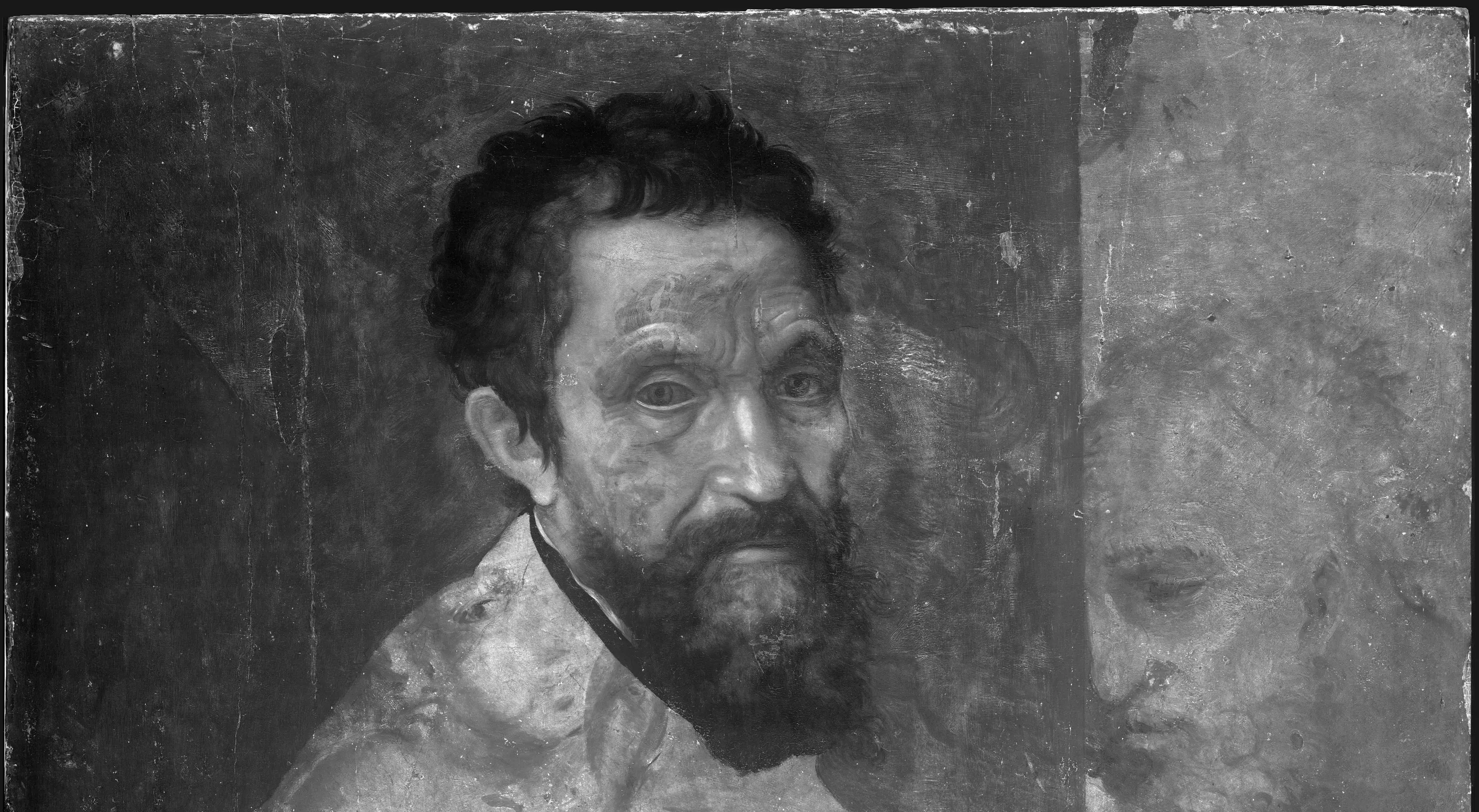
Infrared reflectogram of the Michelangelo Buonarroti painting attributed to Daniele da Volterra, c. 1545 [detail]. Photo public domain via Metropolitan Museum of Art.

Infrared reflectogram of the Michelangelo Buonarroti painting attributed to Daniele da Volterra, c. 1545 [detail]. Photo public domain via Metropolitan Museum of Art.

Until 30 June, the Museum of Fine Arts, Budapest's exhibition The Triumph of the Body is displaying drawings by masters of the 16th century, such as Leonardo da Vinci, Raphael, Agnolo Bronzino and Jacopo Pontormo. However, the primary focus of the exhibition is on the decades-long career of the brilliant Michelangelo di Lodovico Buonarroti, one of whose drawings in the exhibition is causing quite the stir.
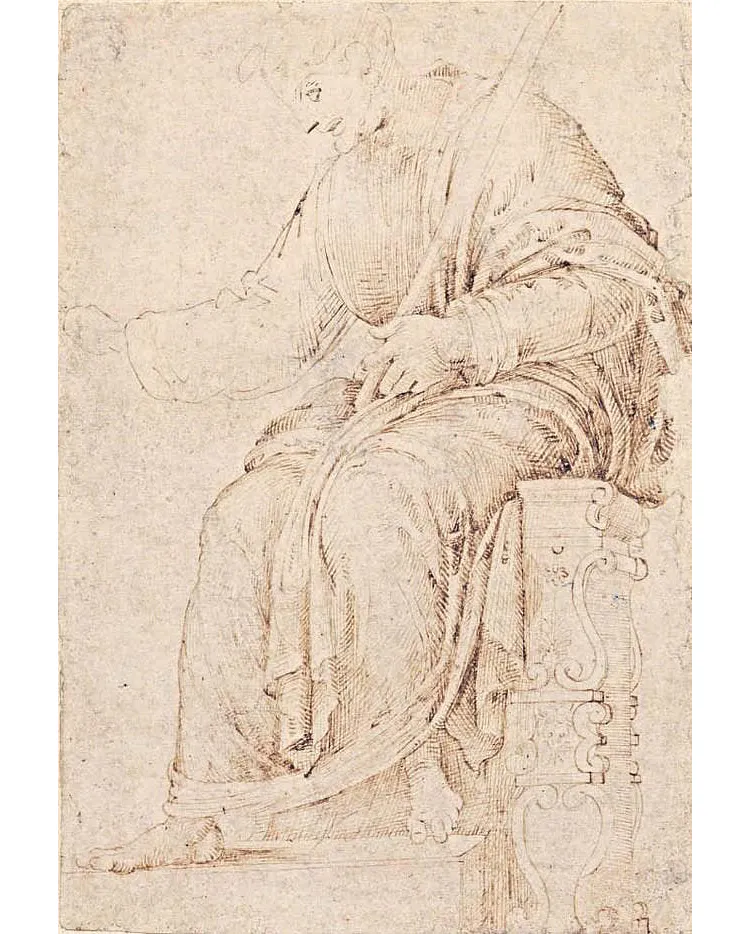
‘Drawing of a Seated Man’ has been identified as the earliest surviving drawing by Michelangelo Buonarroti. Photo public Domain

The work, Drawing of a Seated Man, is executed with pen and brown ink on paper and depicts an enthroned man wearing a toga with a sceptre in his hand, presumably an antique subject. Since 1989, the drawing has been in a private British collection. Its current owner acquired it as the work of an unidentified Renaissance artist at an auction in France and has now made it available for the first time for a major exhibition.

See also: Drawing of the Oldest View of Venice is Discovered

The owner also showed it to the Renaissance expert Sir Timothy Clifford, who identified it as a work by Michelangelo – the earliest attribution to the master of the Italian High Renaissance.

Sir Clifford dates the drawing to around the year 1487. Michelangelo was then about 12 years old and had just told his father, a respected citizen of Florence, that he would become an artist. He began training with Domenico Ghirlandaio, one of the then leading painters of Florence. If the date and the assignment are correct, one can only say that the drawing displays pure talent, demonstrating Michelangelo’s gift from a young age.
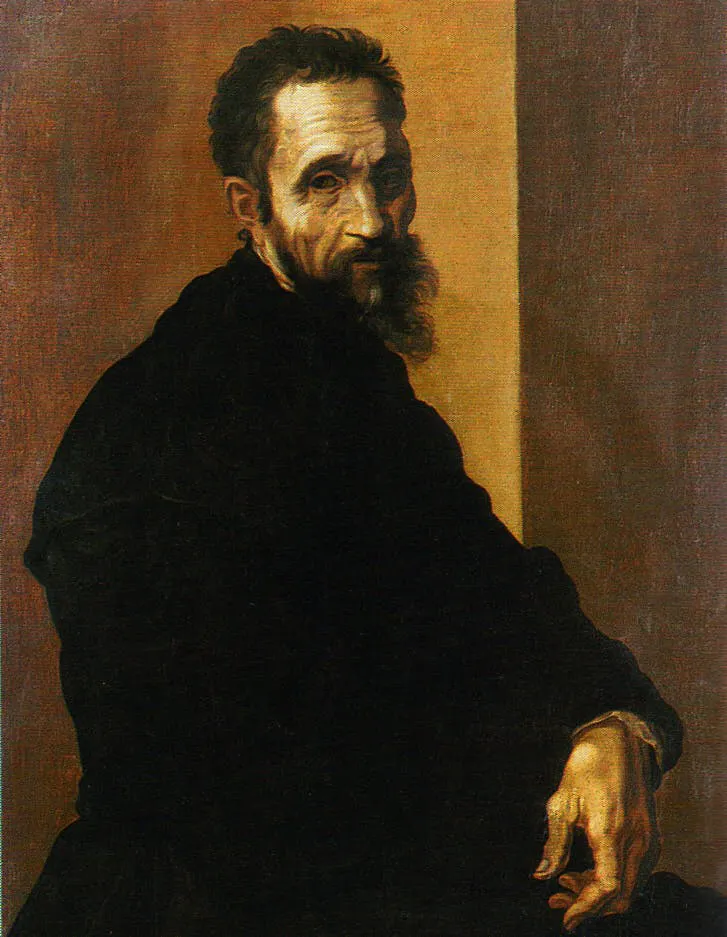
Michelangelo di Lodovico Buonarroti at the age of 60, painting by Jacopino del Conte, after 1635. Photo via Wikimedia Commons

The high quality of the drawing by such a young creator isn’t the only surprise here, but also the fact that it has survived to this day. As you can easily imagine from the ceiling paintings in the Sistine Chapel or the colossal marble statue of David in Florence, Michelangelo was an absolute perfectionist who wanted to impress his contemporaries with finished works of art only. As a result, for the genius Michelangelo, he would often choose to not divulge works – he regularly destroyed preliminary sketches and drawings, the last in two big fires shortly before his death in 1564.
Find the latest news on Barnebys Magazine

michelangelodiscoverydrawingrenaissance

Subscribe to Barnebys Magazine

By subscribing, you are agreeing to the privacy policy. Unsubscribe anytime.

Explore related articles

Albrecht Dürer (1471-1528), ‘The Virgin and the Christ Child with a Flower on a grassy Bench’, probably 1503, pen drawing on fine linen paper, monogrammed, 16.2 x 16.4 cm (detail). Photo © Agnews Gallery
Drawing

A Dürer Bought for $30 is Worth $50 Million

Bring your auction to collectors worldwide!