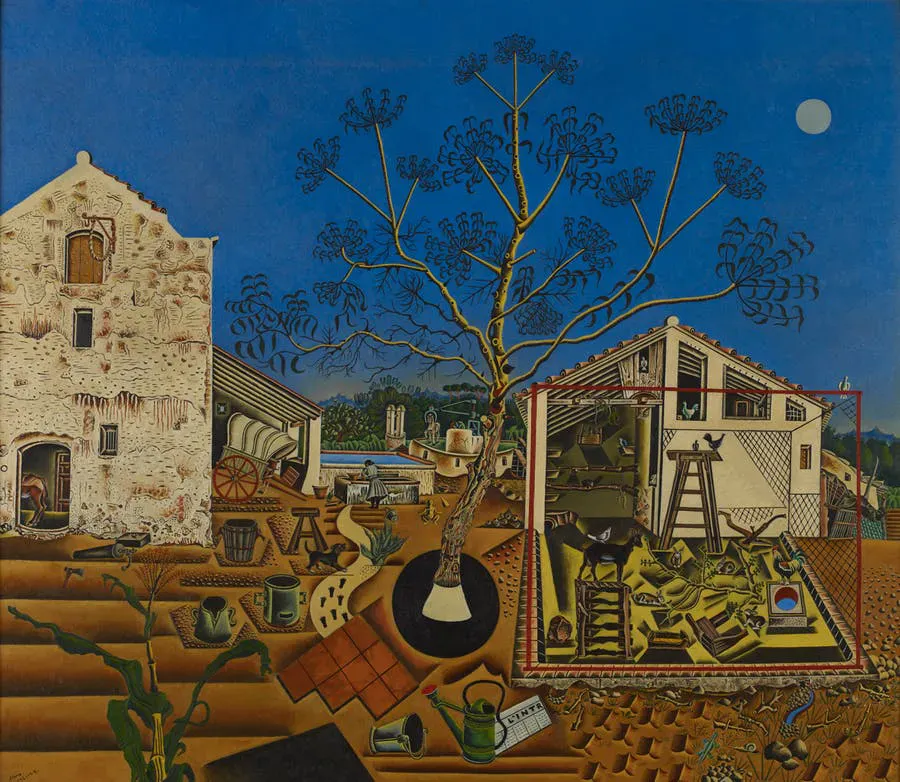
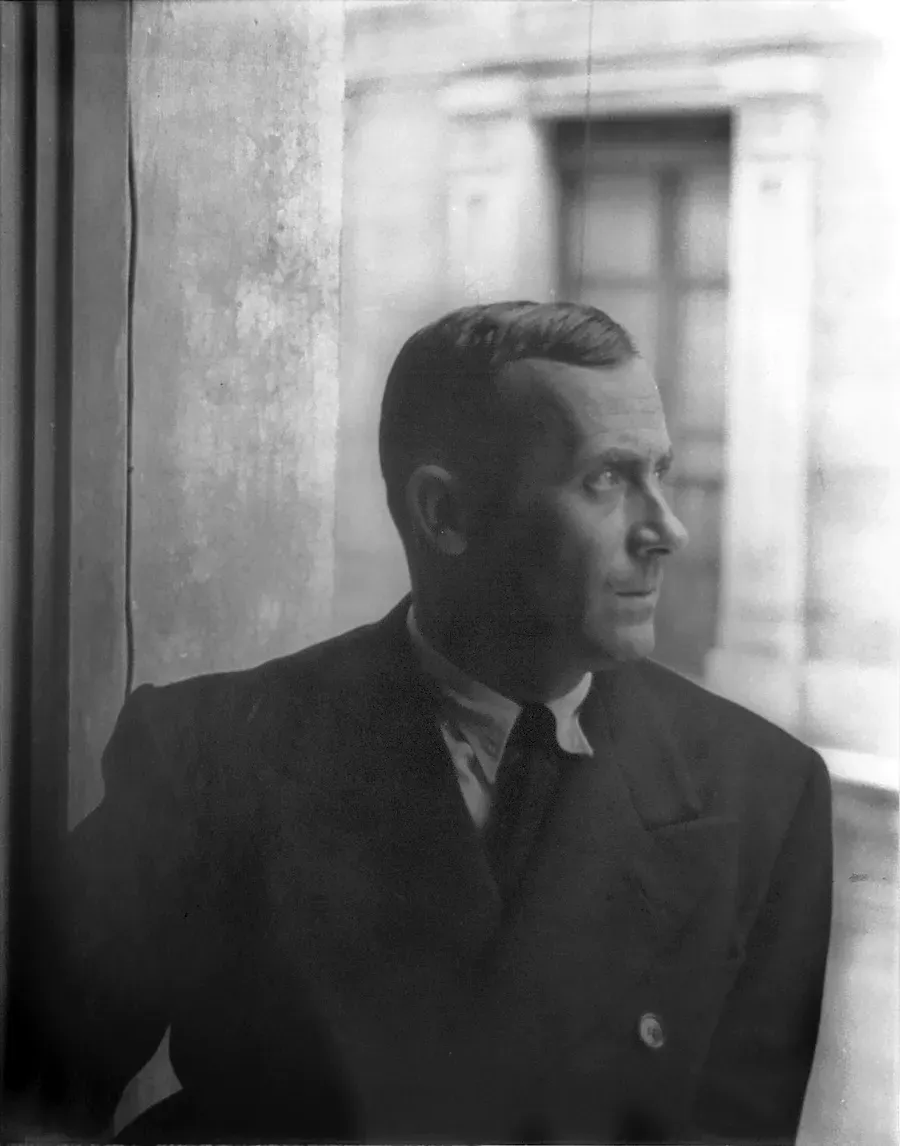
Joan Miró was born in Barcelona on 20 April 1893. It wasn’t until 1911, while recovering from typhus at his family's home in Mont-Roig del Camp in Tarragona, that he decided to become an artist. Miró's style was influenced by the house's surrounding landscape. One of his first and most significant works, The Farm (1920-22), shows the rural holiday home against a clear blue sky as a field stretches out in front of the house. He said of the work: "This place is a summary of my whole life. I wanted to illustrate in this painting everything I loved about this place." Today, the oil on canvas hangs on one of the walls of the National Gallery of Art in Washington D.C. and the little house that was painted has become the Fundació Mas Miró.
See also: Surrealism and the Subconscious
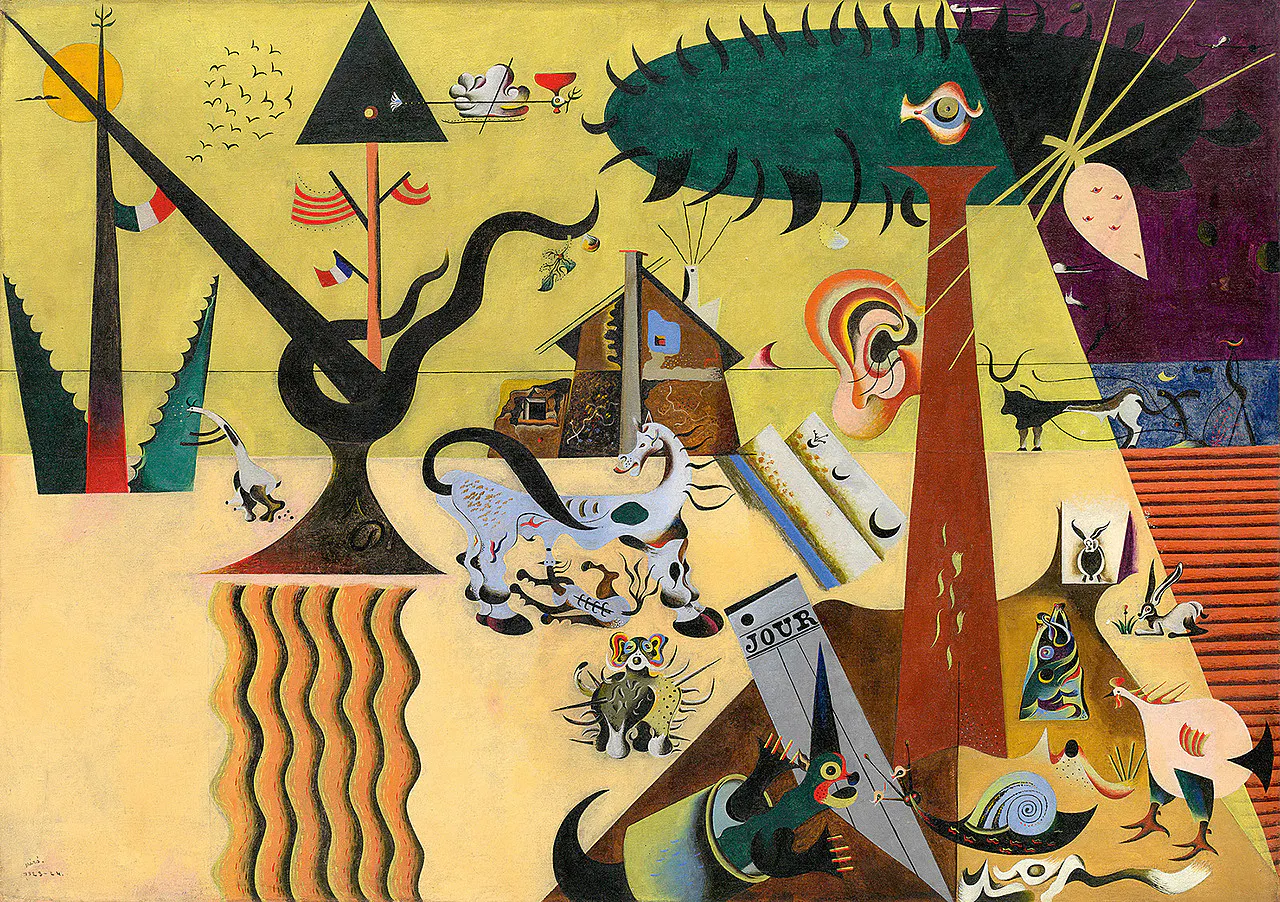
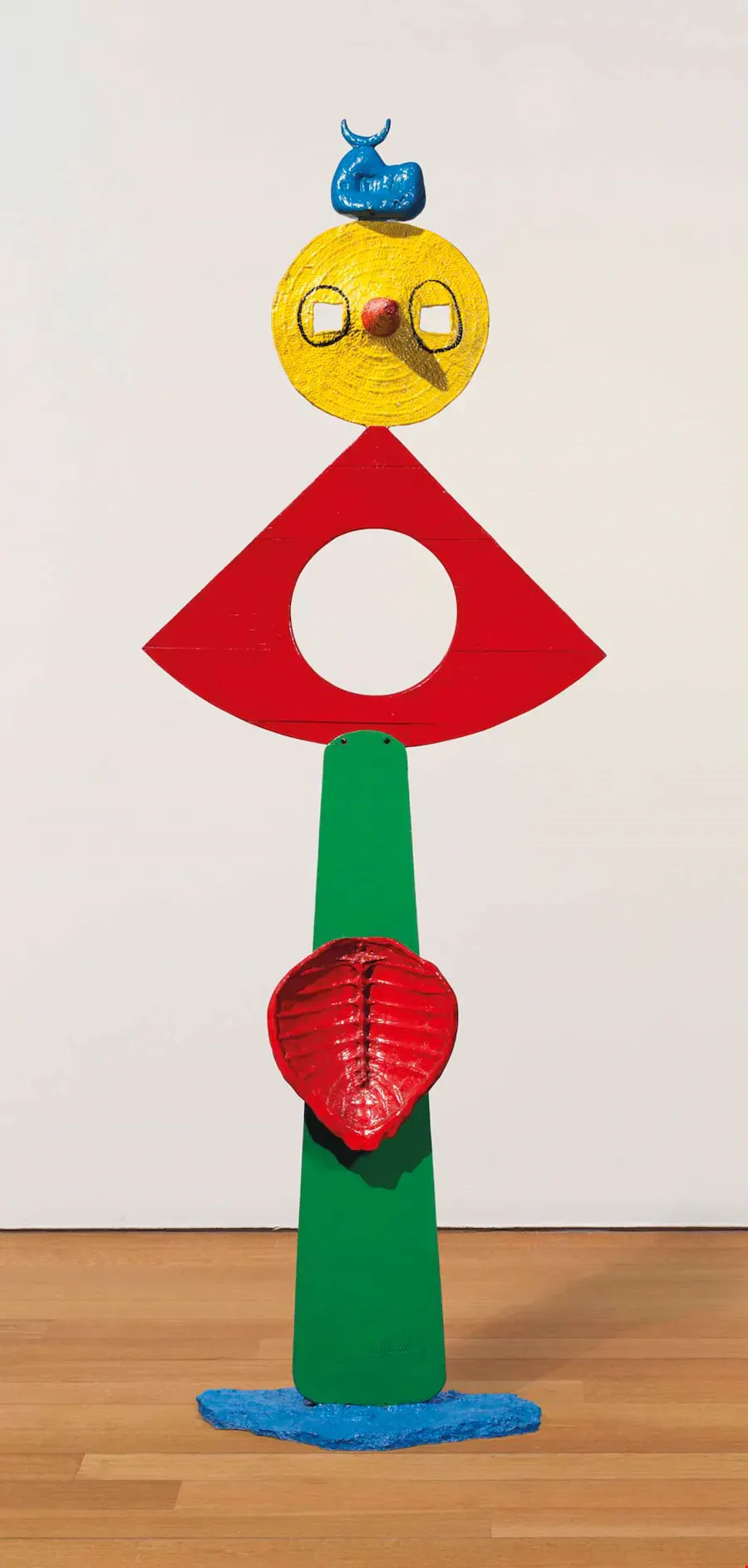
At the beginning of the 1920s, Miró's work was inspired by Pablo Picasso and the Cubist movement, but it was thanks to his stays in Paris that he developed his surrealist style. Between the 1930s and 1940s, Miró explored new techniques such as collage and incorporated non-pictorial materials into his paintings. His many experiments led him to work with ceramics and sculpture, giving birth to a new body of around 230 works.
See also: Picasso: The Universal Artist
At the end of the 1950s, Miró moved to Mallorca. Each new house, landscape, and studio helped the Catalan artist to forge his artistic universe, develop new techniques and become one of the most important artists of the 20th century. It was also in Mallorca that he executed two frescoes for the UNESCO headquarters in Paris. One, titled La Luna, is made of ceramic slabs and measures 220 x 750 cm. The other, bearing the title of El Sol, measuring 220 x 1500 cm, is made of 585 ceramic plates. The two monumental works won him the Biannual Prize of the Guggenheim Foundation in 1958.
In December 1966, the family suffered a tragedy. Joan Miró's daughter, Maria Dolors Miró, was hit by a train at the Mont-roig del Camp level crossing. A young doctor, Dr. Rafael Orozco, took care of her, and in lieu of payment for his services he asked Miró to paint a canvas to decorate the Red Cross hospital in Tarragona. The canvas then inspired the creation of a major work: a gigantic tapestry designed with Catalan artist Josep Royo. Entitled Tapís de Tarragona, the work laid the foundations for a lifelong collaboration between the two artists, and was presented in September 1970 at the Sala Gaspar Gallery in Barcelona. To this day, the tapestry is on display at the Museum of Modern Art in Tarragona.
Want more articles like this straight to your inbox? Subscribe to our free newsletter!
The artists' collaboration would result in four major works. One of them, completed in 1974 in wool, hemp and rope was called The Great Tapestry. Measuring 5.9 x 10.9 metres, it decorated the lobby of the World Trade Center in New York and was destroyed in the terrorist attack in 2001. The oil on canvas that served as a sketch is currently kept at the Joan Miró Foundation in Barcelona.
See also: Why You Should Collect Prints
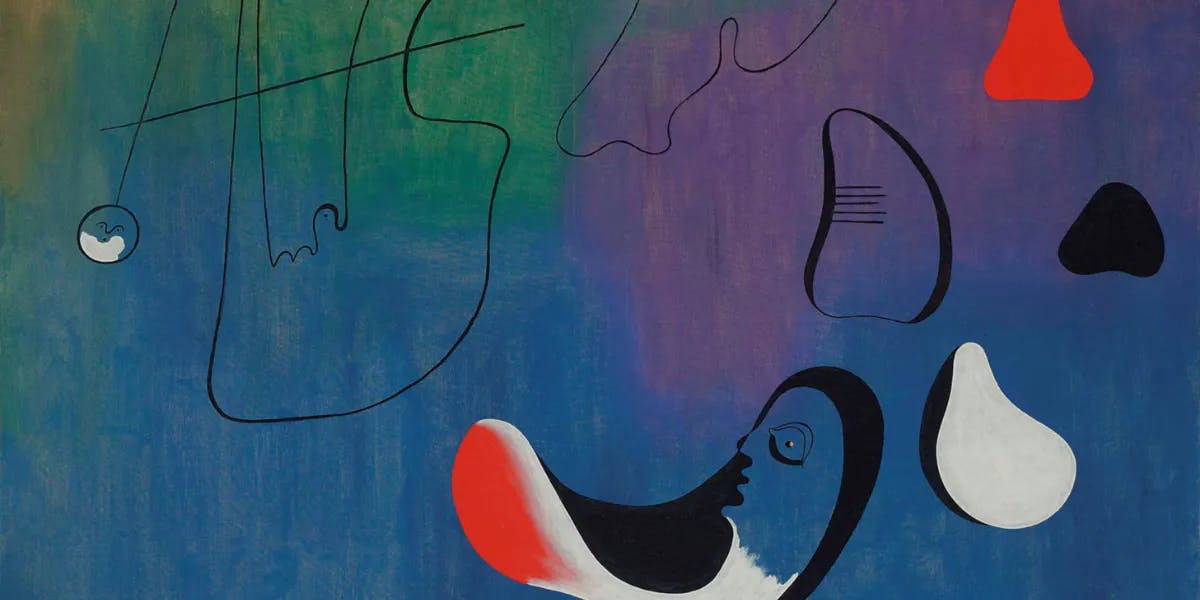
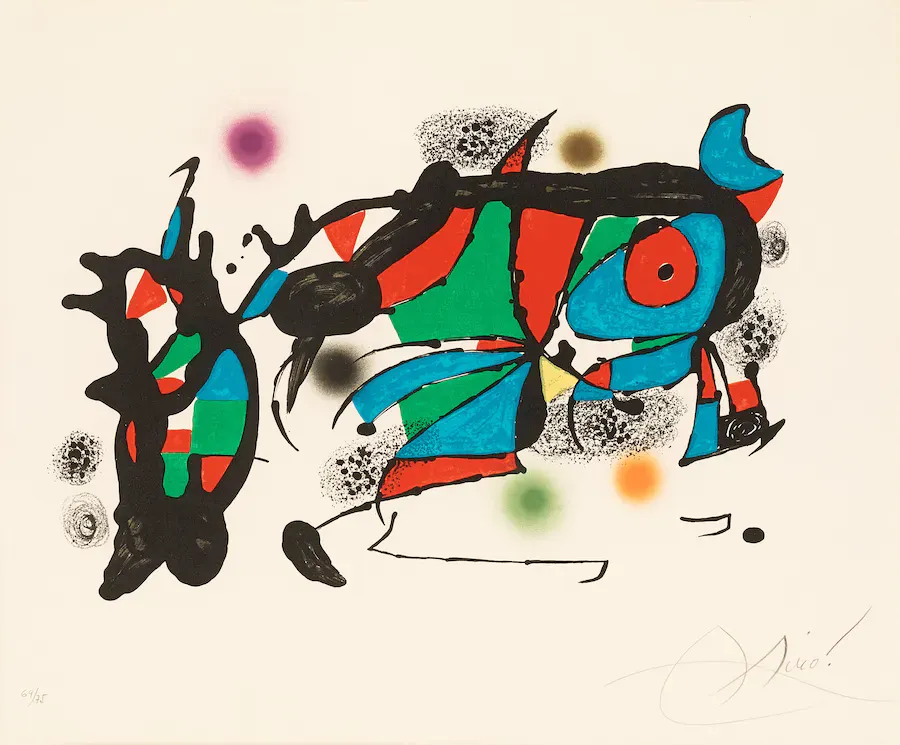
Joan Miró was a very prolific artist and created numerous works during his career. His Peinture series was created in the 1930s and consisted of 18 large paintings. The motifs consist of biomorphic figures that seem to float weightlessly through the space of the work. At the time, Miró wanted to “assassinate” painting and entered a phase of experimentation, breaking with the rules of traditional painting. He created subversive collages that brought painting and 'anti-painting' into conflict, giving rise to a series of enigmatic works.
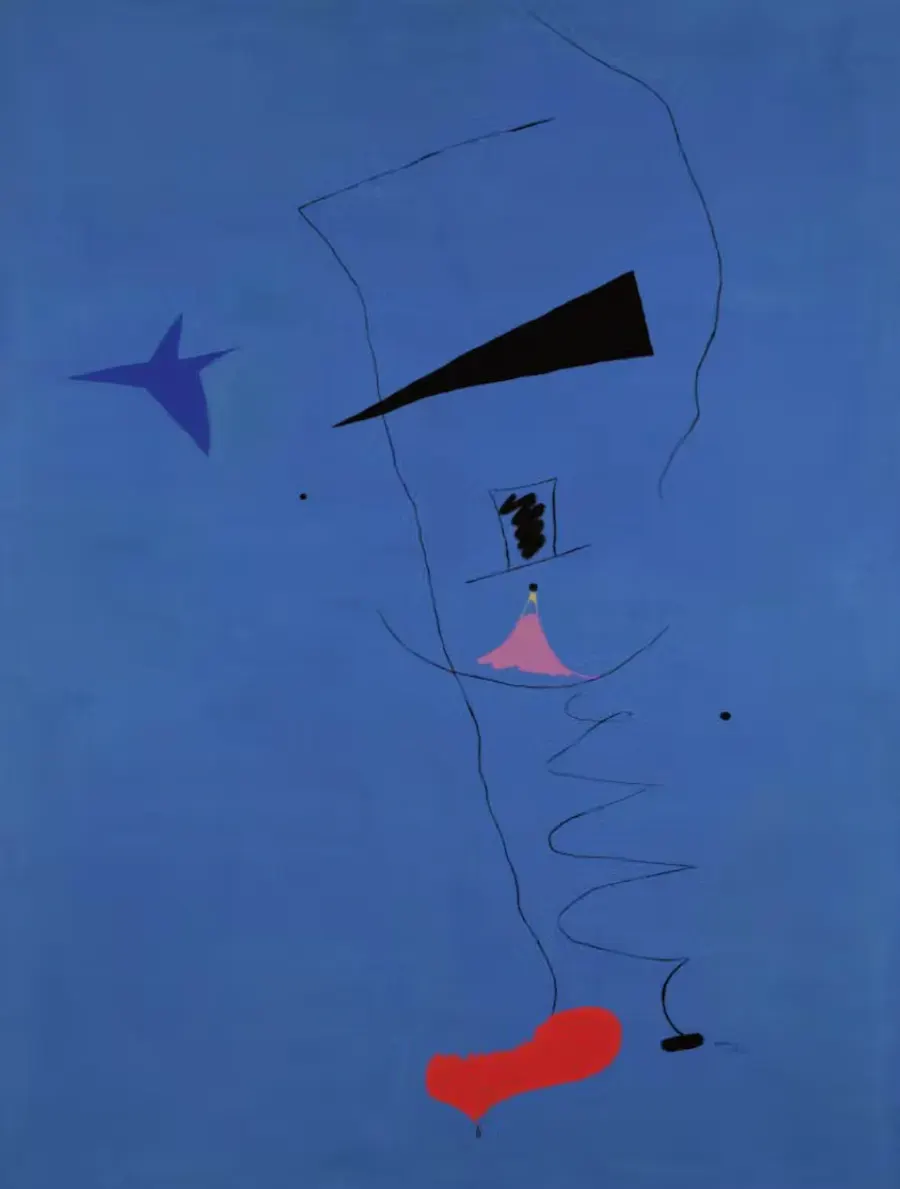
Among his most important works is Peinture (Étoile bleue), an extraordinary painting executed by Miró at the height of his surrealism. Exhibited for the first time at the Solomon R. Guggenheim Museum in New York in 1971, the canvas exceptionally brings together human figures and cosmic signs on a luminous blue background. It sold at Sotheby's London in 2012 for £23.5 million, setting a new record for the artist.
Like many 20th century artists, Miró occasionally commented on contemporary politics through his artistry, although he was not a political artist. The Aidez l'Espagne (Help Spain) painting was originally created as a postage stamp motif to be sold for the benefit of the Spanish Republic government. Spain suffered from civil war after a military coup was launched against the incumbent government. The motif represented a Catalan worker with a raised clenched fist who was painted in red and yellow (a nod to the Spanish flag).
See also: The Horrors Behind Picasso's Weeping Women
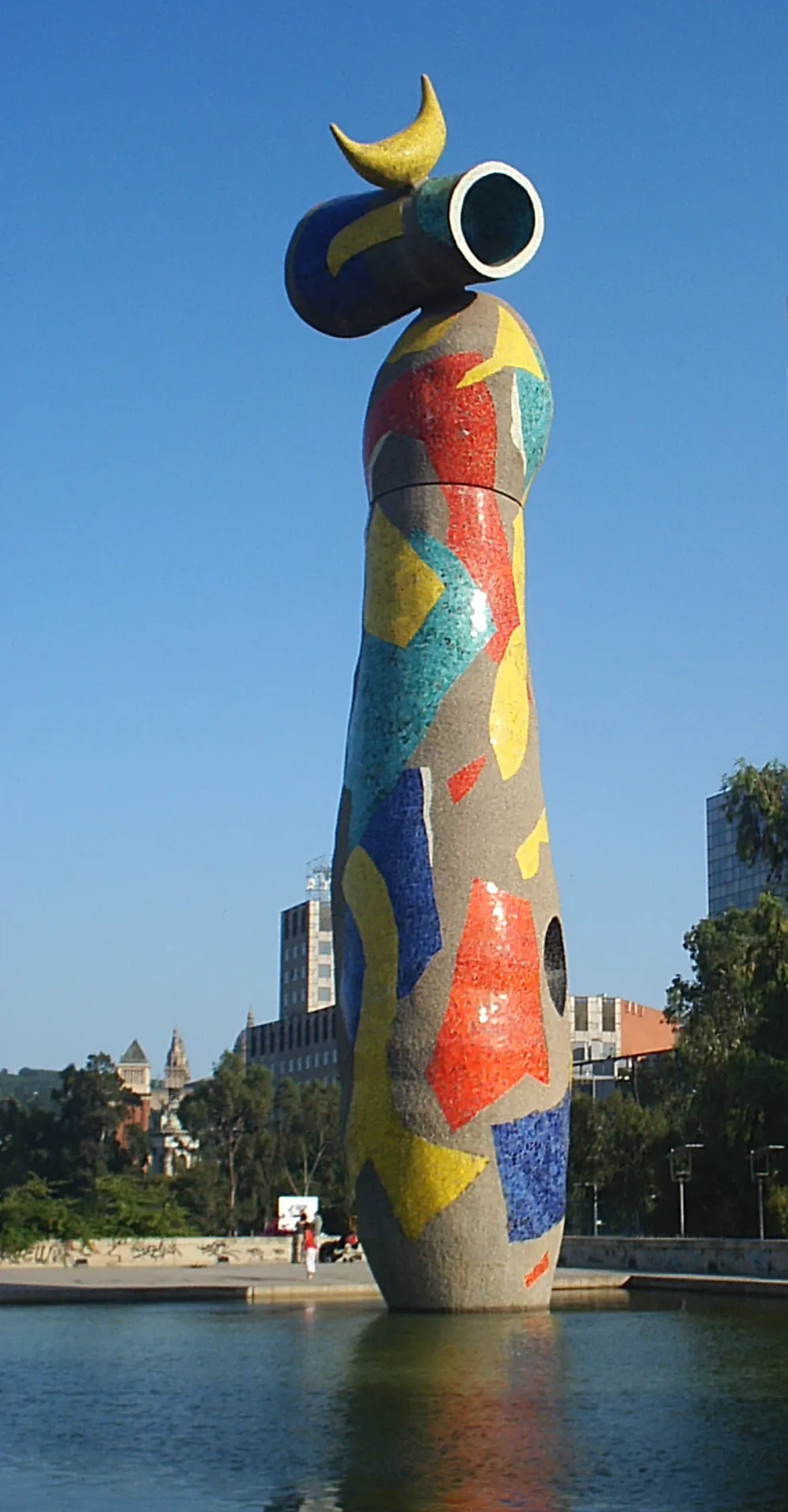
Miró continued to work throughout his life and was rewarded with both public commissions and awards. He passed away in 1983, only a year after finishing work on Dona I Ocell, a 72-foot-high sculpture in Barcelona. Miró's career reached its climax with this last work, but it is only one of many which testify to his importance to modern art.
Discover more artists in Barnebys Magazine
Updated repost.