
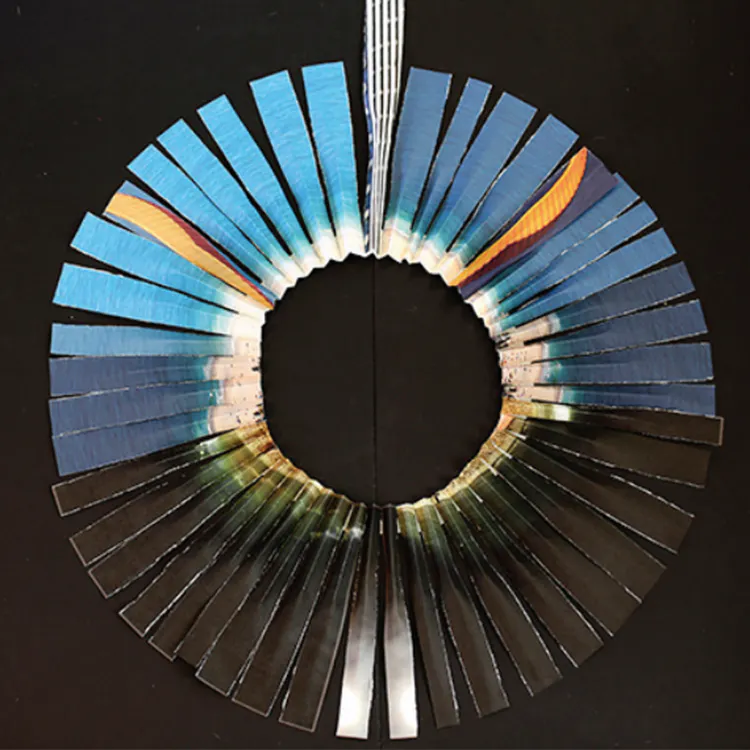
Born in 1985, the young artist Juliette-Andrea Élie already has several solo and collective exhibitions under her belt.

She returns this month with a solo show at the Galerie Baudoin Lebon which focuses on her latest work which inspired by her year in Rio de Janeiro.
The Brazilian city is home to the largest urban forest in the world, Foresta da Tijuca, a place of much reforestation that took place under the reign of Emperor Peter II (1841-1889). Juliette-Andrea Élie chose this point of departure for her anthropological study as the forest holds significance with the natives of Brazil and their connection with their surrounding nature.
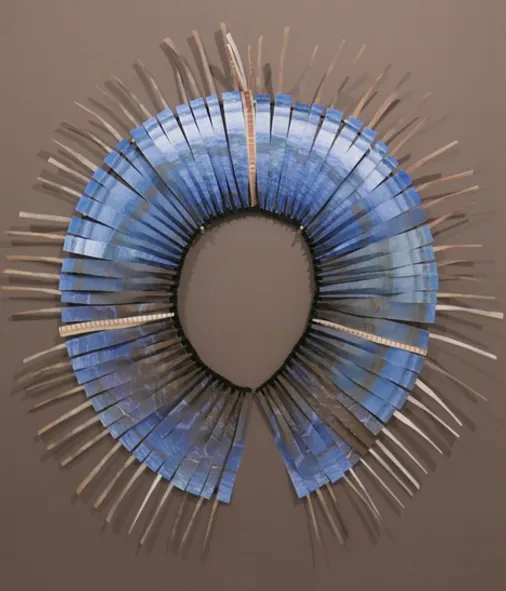
Juliette-Andrea Élie is particularly interested in the invisible forms she makes visible through her art. In this latter project, it represents the natives of the Tupi territory - which stretches along the Brazilian coast - through carved photographs of round and rectangular shapes.
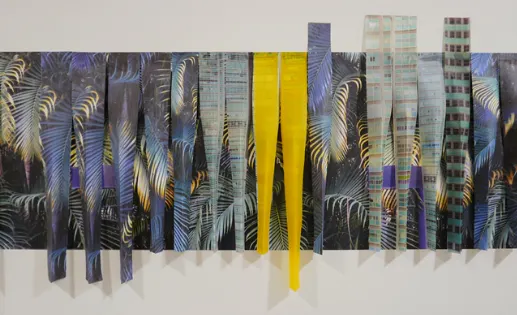
In her project dedicated to the relationship between man and his environment, Juliette-Andrea Élie brings native aesthetics back to the heart of the urban territory.
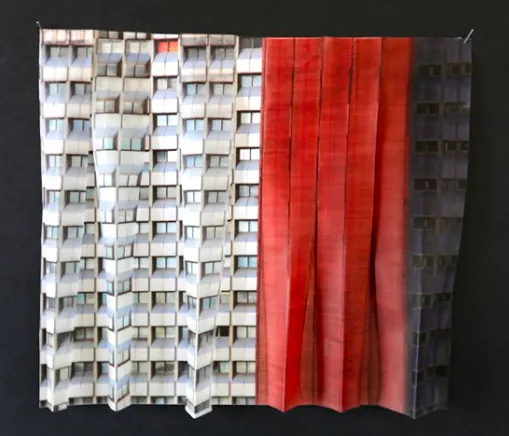
The landscapes are photographed on matte paper and tracing paper and are then worked in the shape of the Ars Plumaria headdresses worn by the Indians of Brazil.
Juliette-Andrea Élie's landscapes are reincarnated in forms precious to the natives by using folded, glued, embossed, staggered and superimposed paper designs.
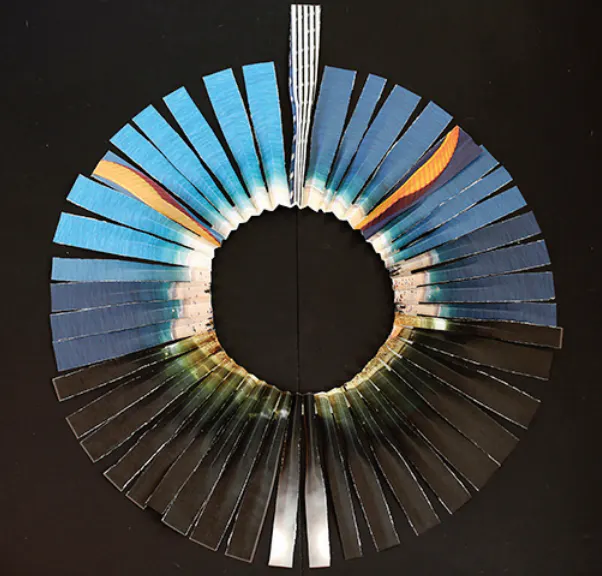
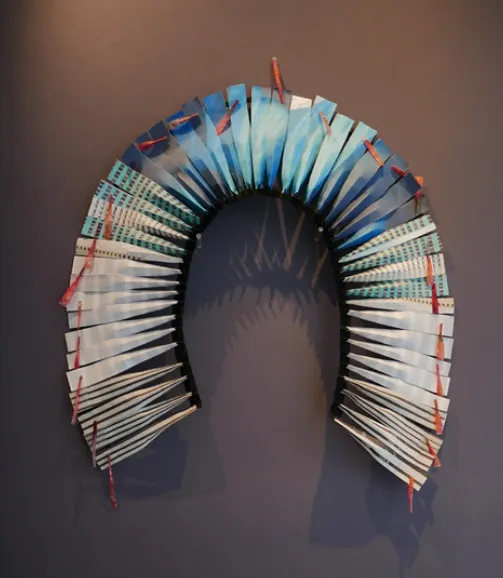
Through transforming these landscapes, they become worlds that resist the passing time.
The exhibition "Invisibles mondes visibles" will take place from 2nf March to 15th April, 2017, at the Galerie Baudoin Lebon, 8 rue Charles-François Dupuis Paris 3e.
More information at www.baudoin-lebon.com.