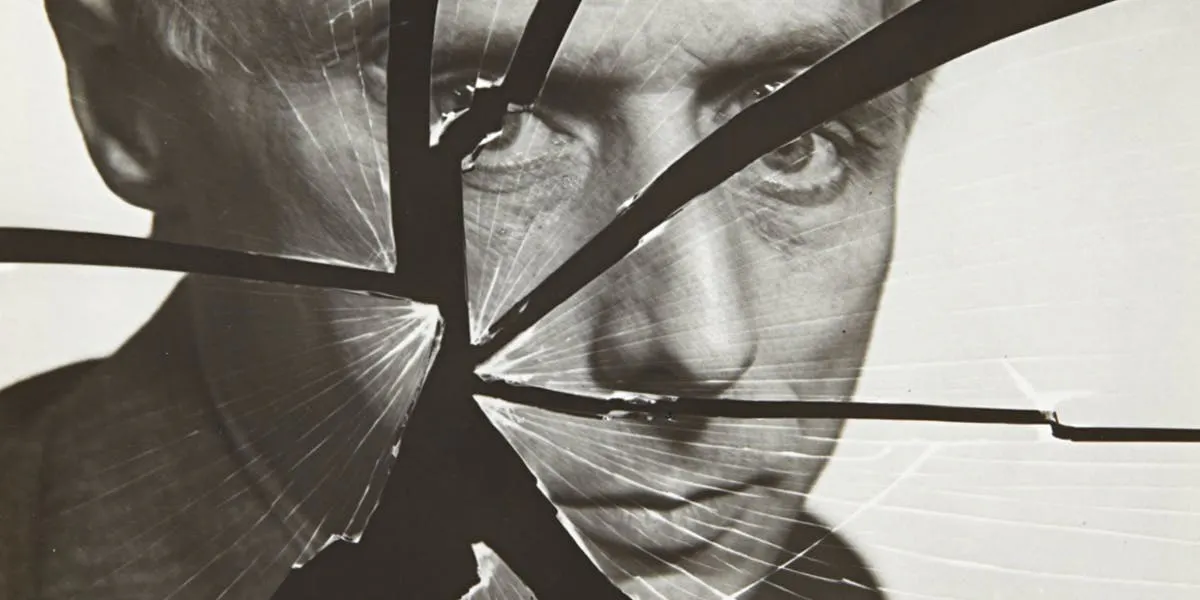
Max Ernst (1891-1976) was one of the most important artists of the 20th century. He turned to Surrealism after his Dadaist phase and played a decisive role in shaping the movement. He also developed several graphic techniques, known as frottage and grattage, which had a great influence on the generation of modern artists to follow. Here are five facts to know about the German artist.
1. Giacometti inspired him to experiment with sculpture
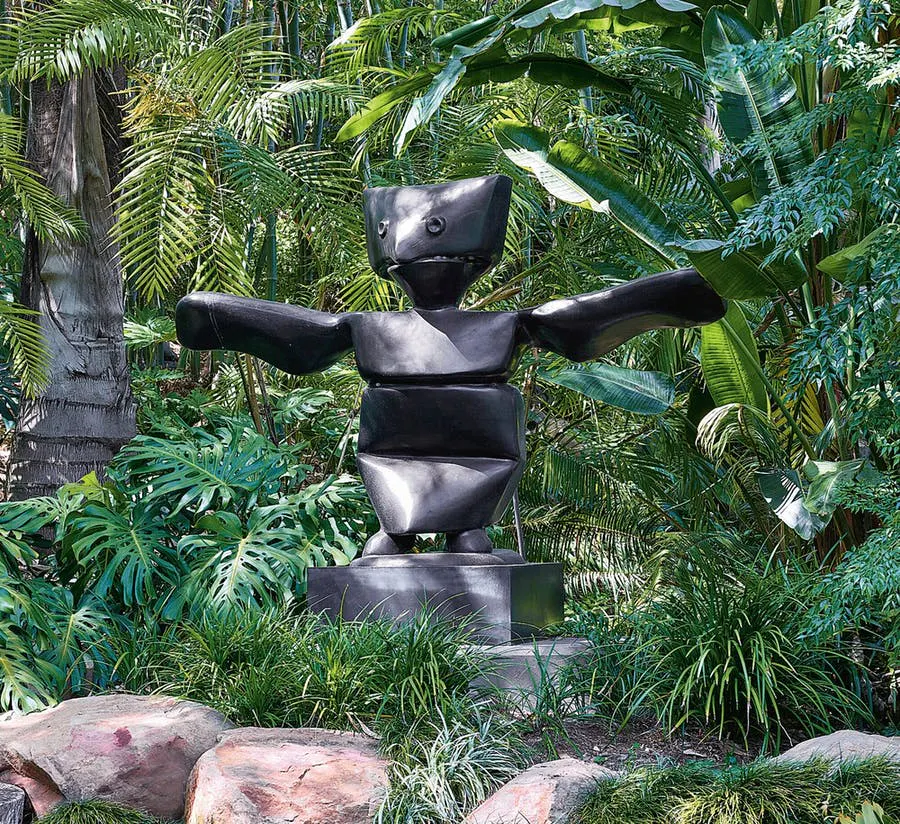
Ernst was an extremely versatile artist who not only painted, but also excelled as a graphic artist and illustrator. He was introduced to a new medium in 1934 when he visited Alberto Giacometti at his home in Graubünden, Switzerland. Ernst and Giacometti were neighbours in the Paris district of Montparnasse, but in the summer the brilliant sculptor moved to his studio in Switzerland. After his visit to Giacometti, Ernst became interested in sculpture, which he saw as a relaxing change from painting. In the years leading up to World War II, he was the only artist who tried his hand at surrealist sculpture.
See also: The 10 Most Expensive Sculptures Sold at Auction
2. He was in a love triangle with Paul Éluard and his wife
In 1922, Max Ernst moved to Paris. He stayed with the surrealist poet Paul Éluard and his wife Gala, whom he had met the year before in Cologne. Ernst and Gala fell in love and a ménage-à-trois was established in the household, which lasted for two years until Éluard could no longer stand it and fled to Vietnam, where his wife and her lover soon followed him. However, neither of the relationships in the love triangle were to last. In 1929, Gala fell in love with Salvador Dalí and later divorced Éluard. In 1934, Gala married Dalí, who was 10 years her junior.
3. Ernst fled the Nazis with Peggy Guggenheim
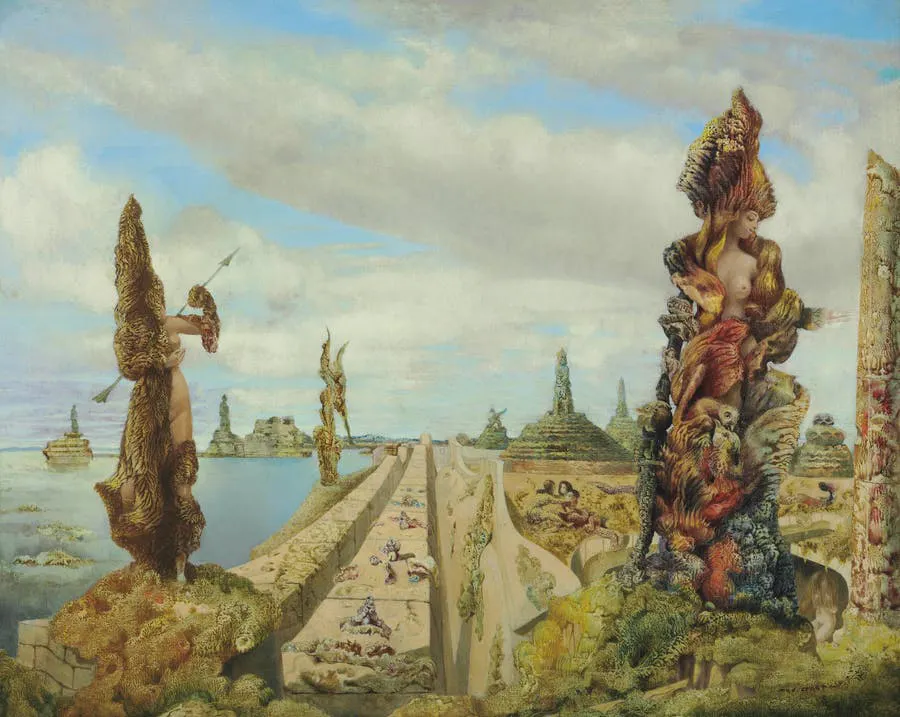
Defamed by the Nazis in his German homeland from 1933 and classified as a 'degenerate artist', Max Ernst was repeatedly imprisoned by the new rulers after the defeat of France. His old friend Paul Éluard brokered his release. Ernst then fled with his sponsor, the painter and gallery owner Peggy Guggenheim, to her native New York, where they married in December 1941. However, the marriage was short-lived. When Ernst met the American painter Dorothea Tanning a year after his wedding (in his wife's gallery), he separated from Guggenheim to remarry Tanning four years later.
4. He was the forefather of action painting
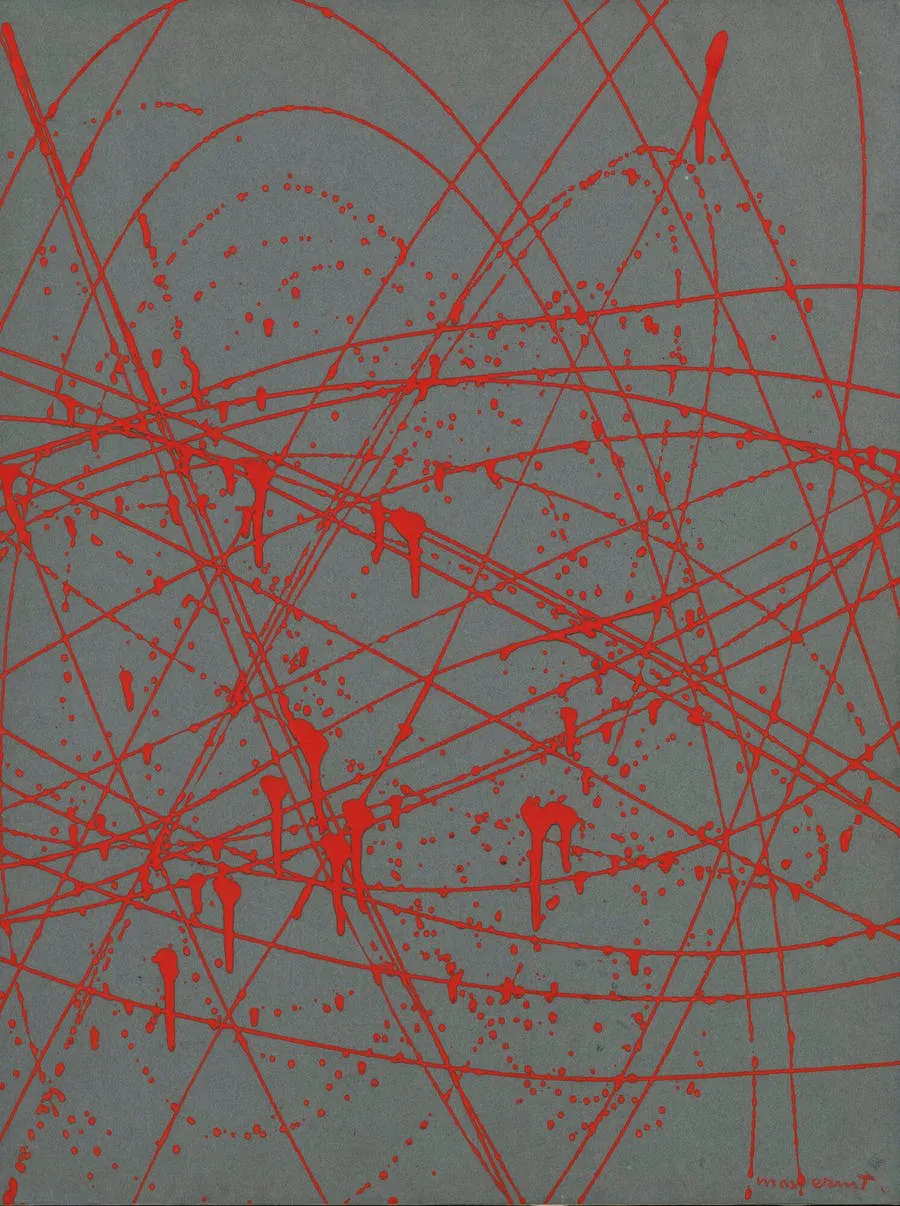
In the 1950s, the American artist Jackson Pollock became known for his large-format canvases on which he spread paint in a lively and dynamic manner. Pollock became inspired to make these works in 1942 in New York when he saw an exhibition of Max Ernst's paintings. At that time, Ernst had developed a new technique called 'oscillation' (also known as 'drip painting'). His approach consisted of hanging a can on a string, from which paint dripped onto the underlying canvas as it swung back and forth.
See also: Abstract Art: From Genre to Movement
5. Birds held special meaning to him
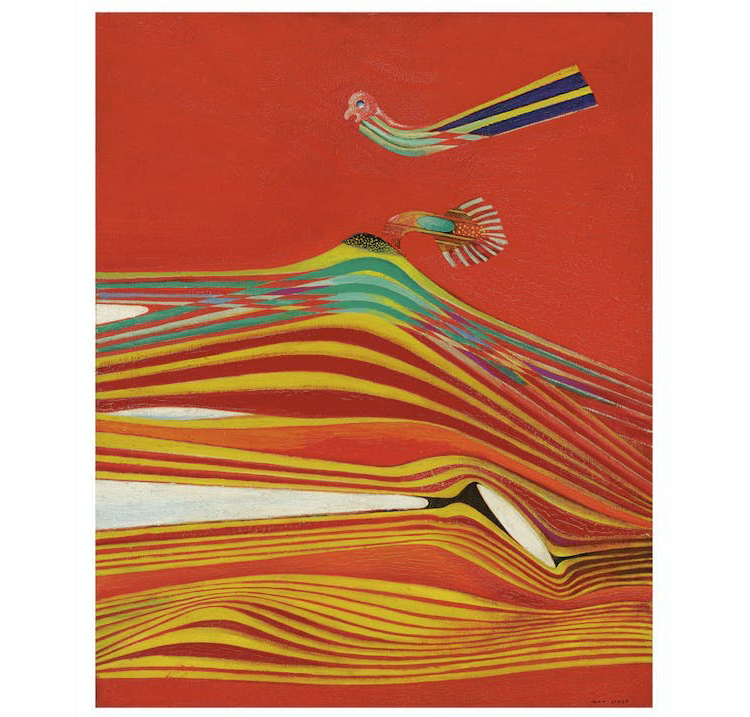
Max Ernst was particularly drawn to birds. In fact, he claimed to have been born from an eagle's egg that his mother had placed in a nest. From 1930, a bird alter ego named Loplop appeared in his work, a kind of 'supreme bird' with which he identified. Birds and their ability to hover and mediate between heaven and earth were a recurring motif for Ernst in his creative process.