Famed French restauranteur and chef of the early 20th century Marcel Boulestin once said, "Cookery is not chemistry. It is an art. It requires instinct and taste rather than exact measurements." However, Nathan Myhrvold, founder of Modernist Cuisine, believes the scientific and artistic elements of cooking are equally important to create new techniques and discover new flavours in the pursuit of innovative cuisine. His cookbooks and books of food photography reveal the detailed intricacies, remarkable capabilities and beauty of the food we eat.
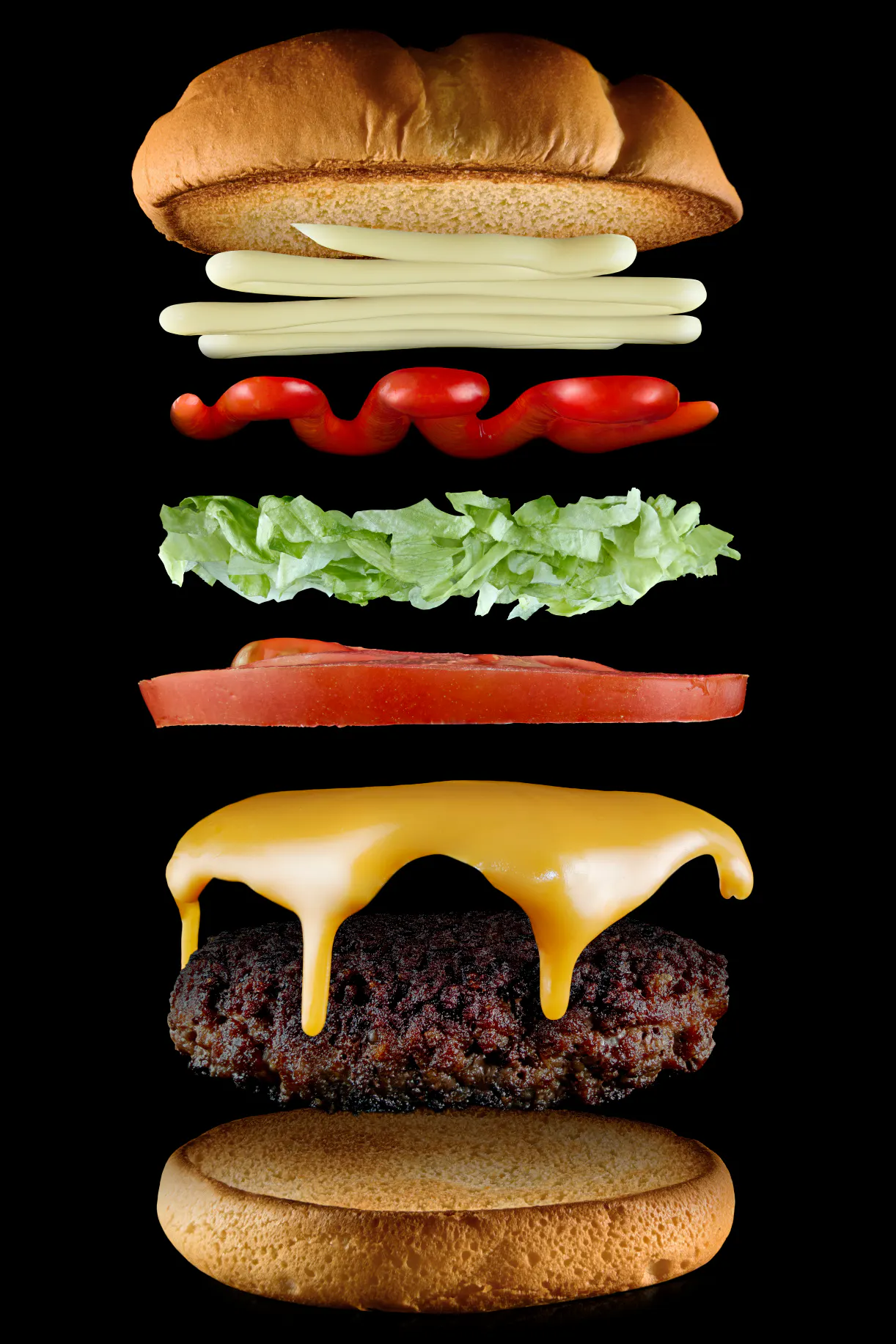
Myhrvold, who spent thirteen years as the Chief Technology Officer of Microsoft before founding licensing and patent company Intellectual Ventures, always had a passion for cooking and photography.
See also: Tour the Tuscany Home of Cheap Monday Founders
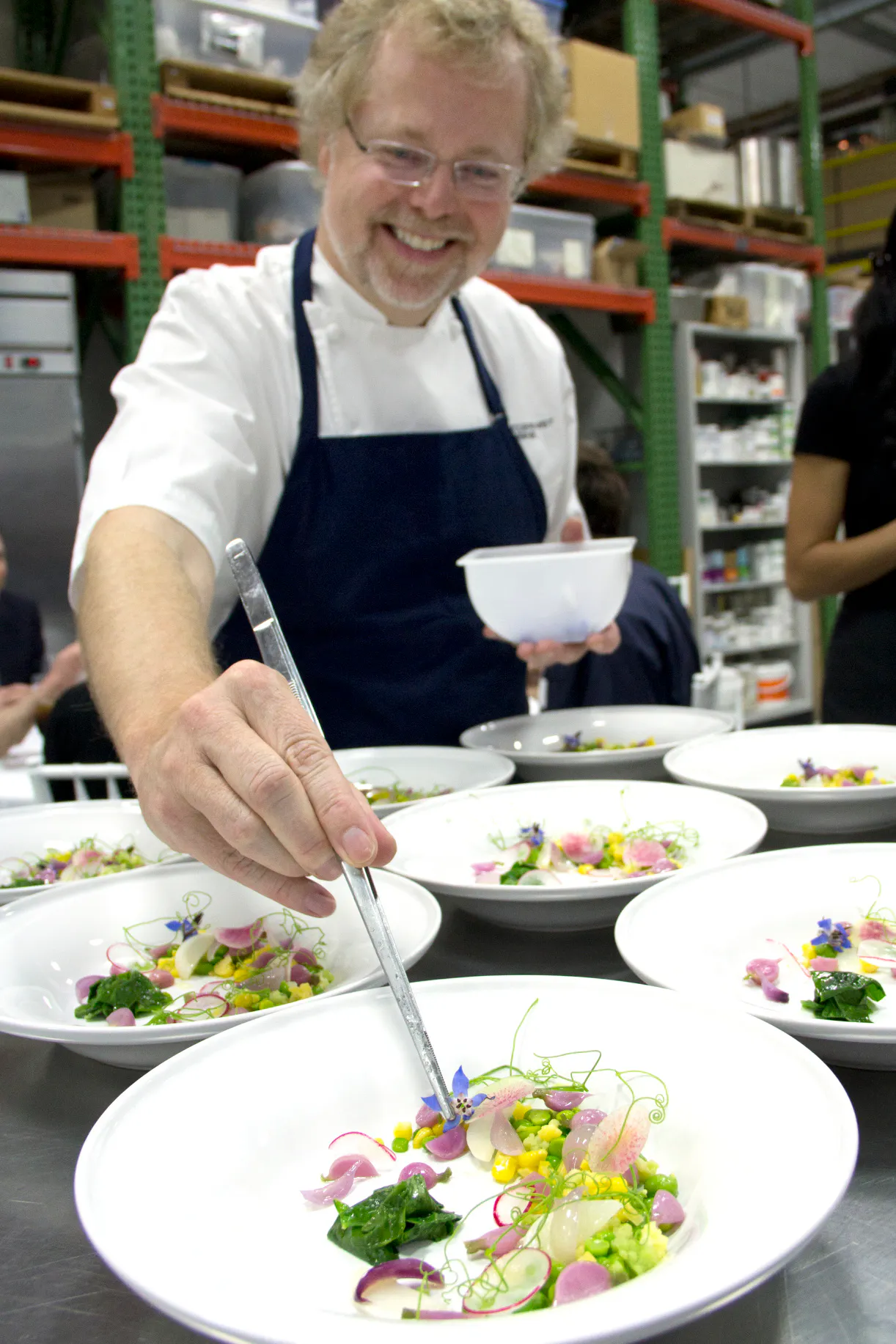
During his time at Microsoft, he attended French cooking school, but later found that many cookbooks only focused on traditional techniques and didn't expand upon the more contemporary styles that he had learnt and that current chefs were experimenting with.
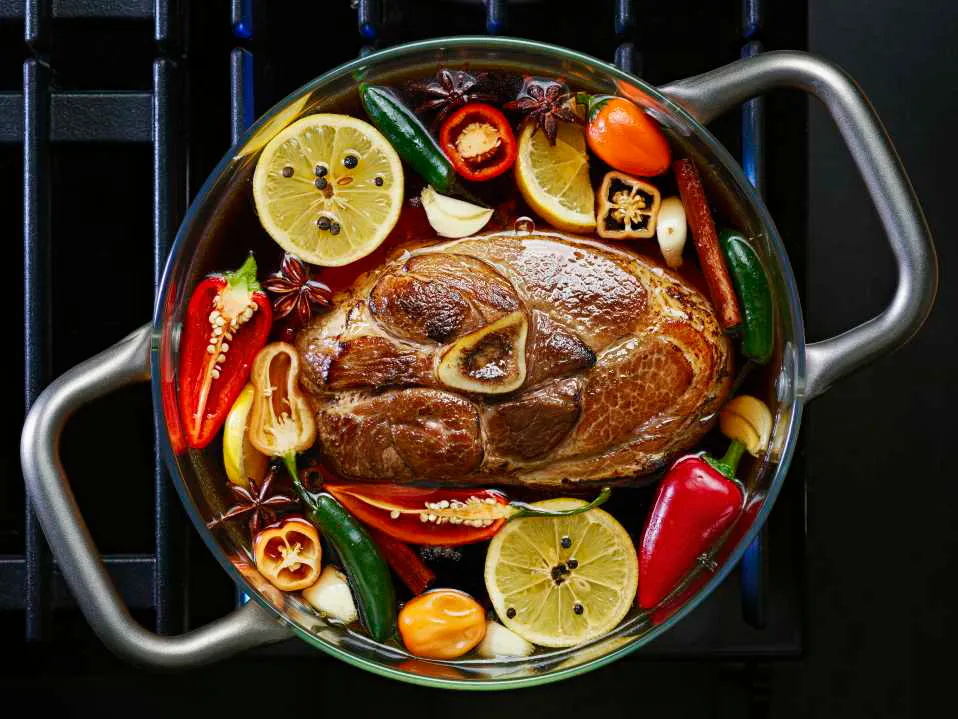
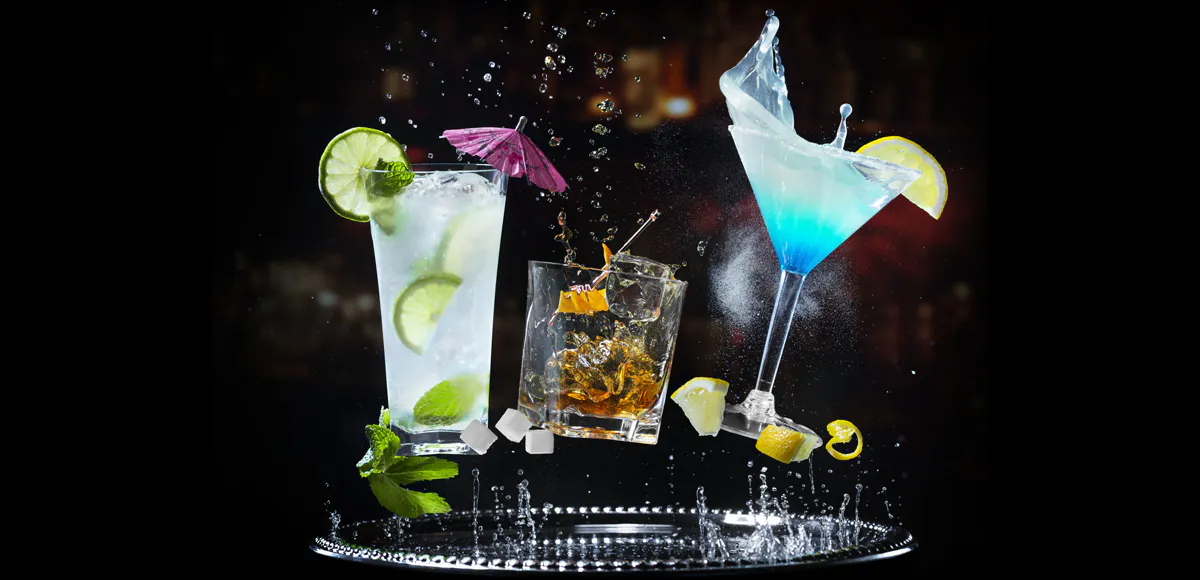
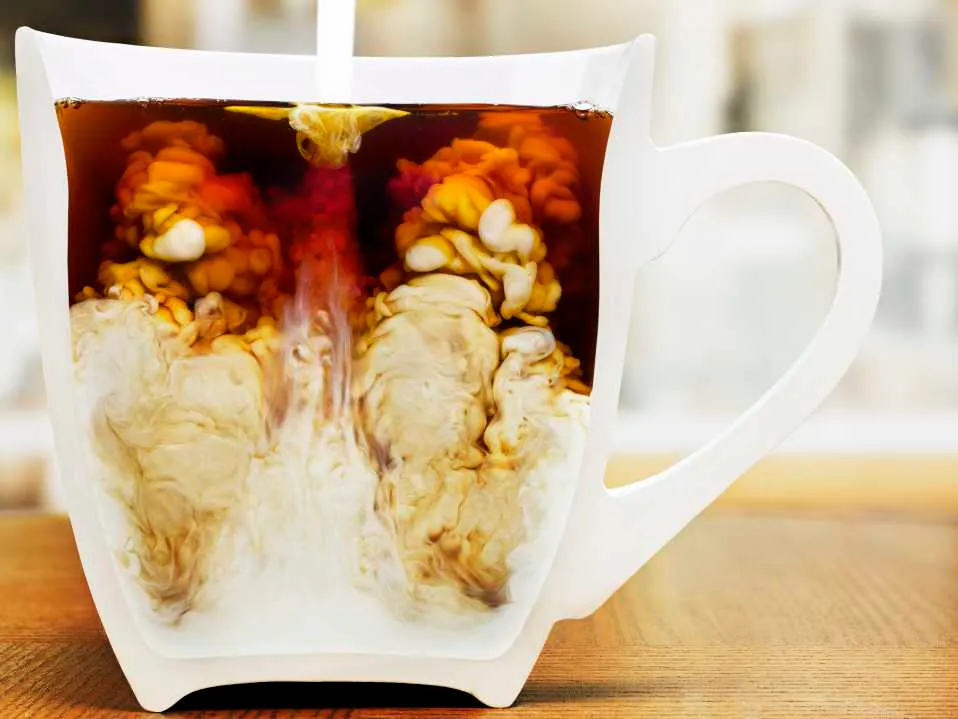
Modernist Cuisine, published in 2011, was his first book to be released, which introduced recipes featuring such modern concepts as brining fish and gelling and the science behind cooking techniques like caramelising and poaching eggs. After receiving positive feedback on the photography in the six-volume Modernist Cuisine, The Photography of Modernist Cuisine was launched in 2013, exclusively featuring large-scale photography that capture the brilliance of food in never-before-seen ways, like zoomed-in images of fruit that explode in a kaleidoscope of colour, cross-sections of a cup at the moment of fusion between coffee and milk and ketchup spraying over a packet of French fries.
See also: An Interview with Marina Abramovič
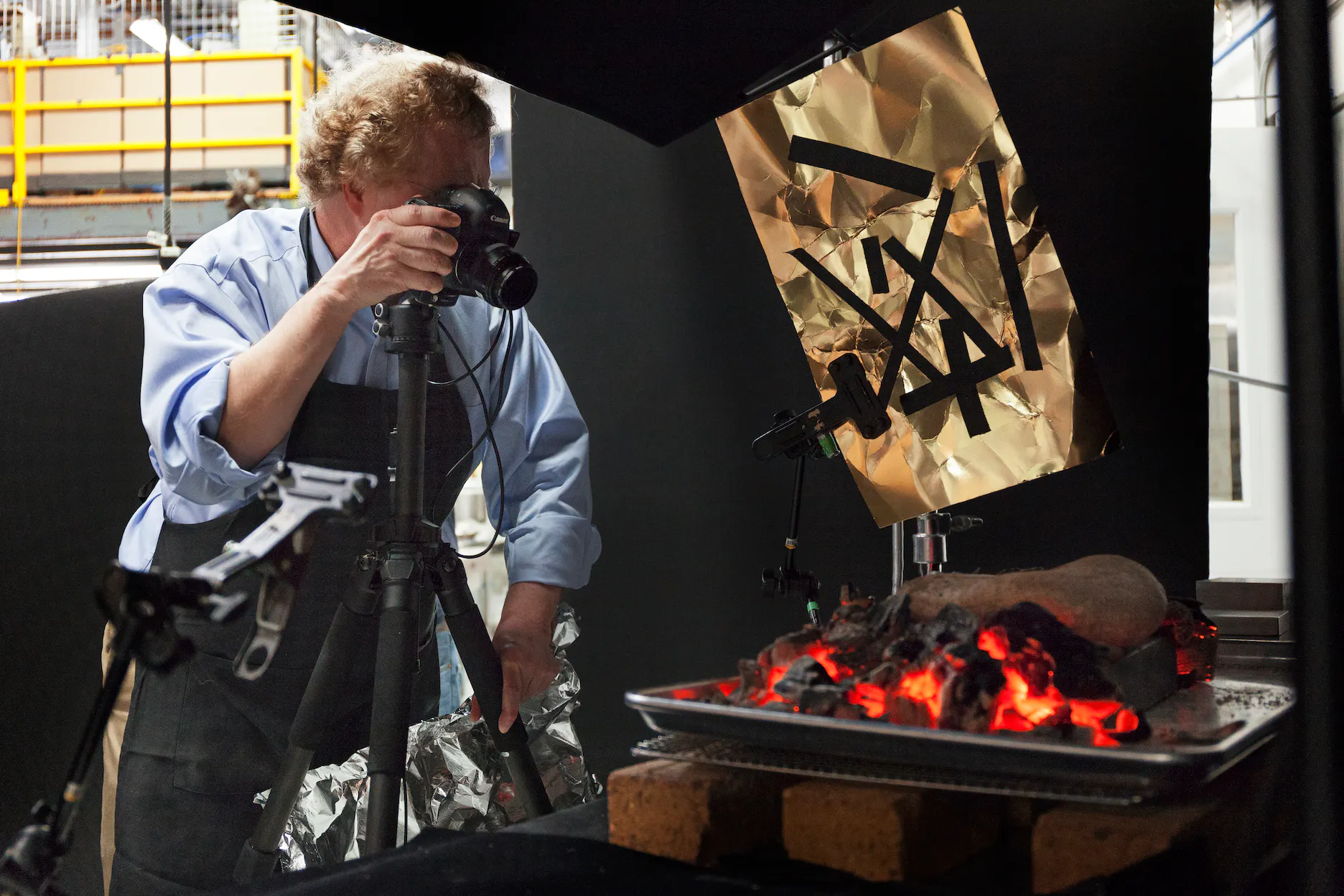
Myhrvold's background in technology inspired him to rethink the way food is presented in photographs, which led to the development of robotics, custom microscopes, sophisticated lenses, and laser cutters to present prepared food and its ingredients in both its most pared-down and manipulated forms.
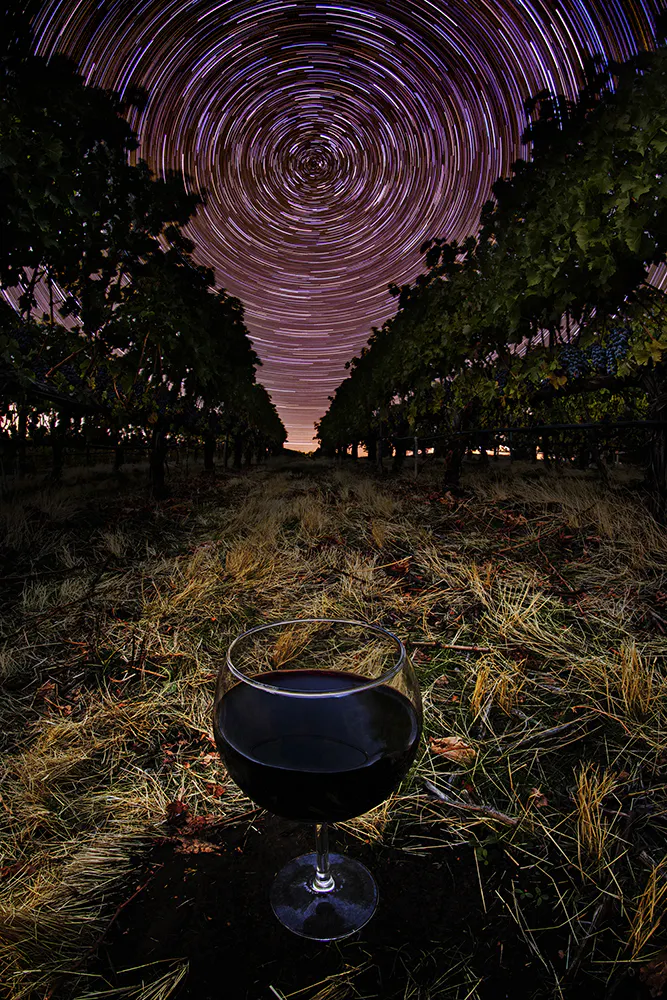
Now, Modernist Cuisine has published four books, Modernist Cuisine, The Photography of Modernist Cuisine, Modernist Bread and Modernist Cuisine at Home, with Modernist Pizza forthcoming, as well as opened four brick-and-mortar galleries, where framed versions of the photographs can be purchased. The evolution of Modernist Cuisine shows the intrinsic relationship between the science and artistry of cooking and the inherent wonders and complexities of the food we nourish ourselves with daily.
See also: 8 of the Most Creative Hotels in the World
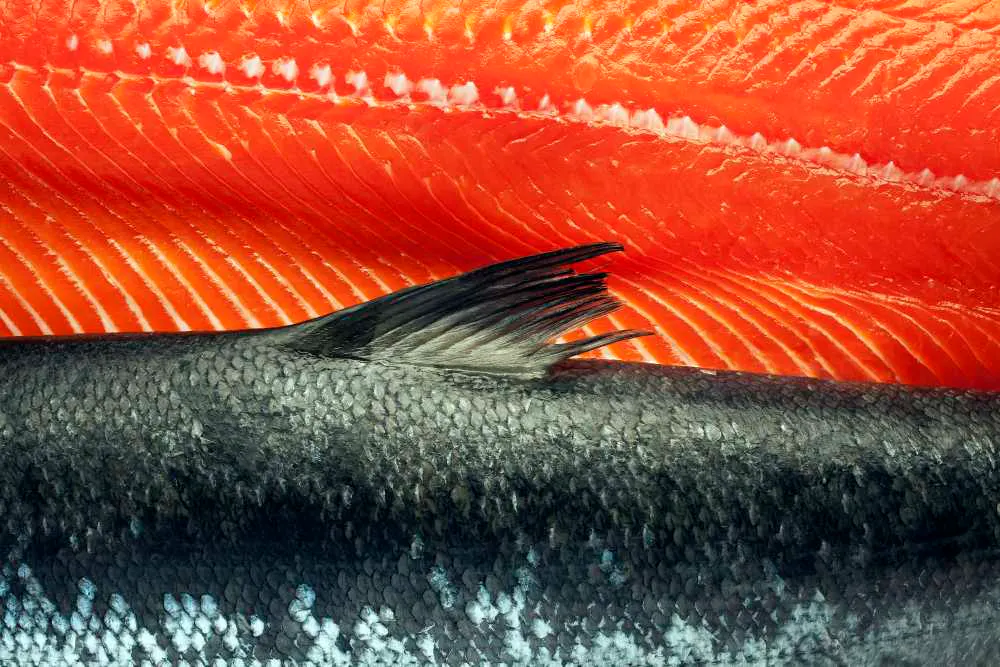
Here, Barnebys talks to Myhrvold about his inspiration for launching a cookbook, how his tech and scientific background influences his work and what's next for him.
Barnebys: How did you get the idea for a cookbook with photography?
Nathan Myhrvold: Cookbooks really only focused on traditional techniques, so I decided to write a cookbook that would introduce more modern practices that I had learned in cooking school and from fellow chefs. A lot of the received wisdom of cooking is wrong, and I wanted to provide an explanation of why something is made the way it is.
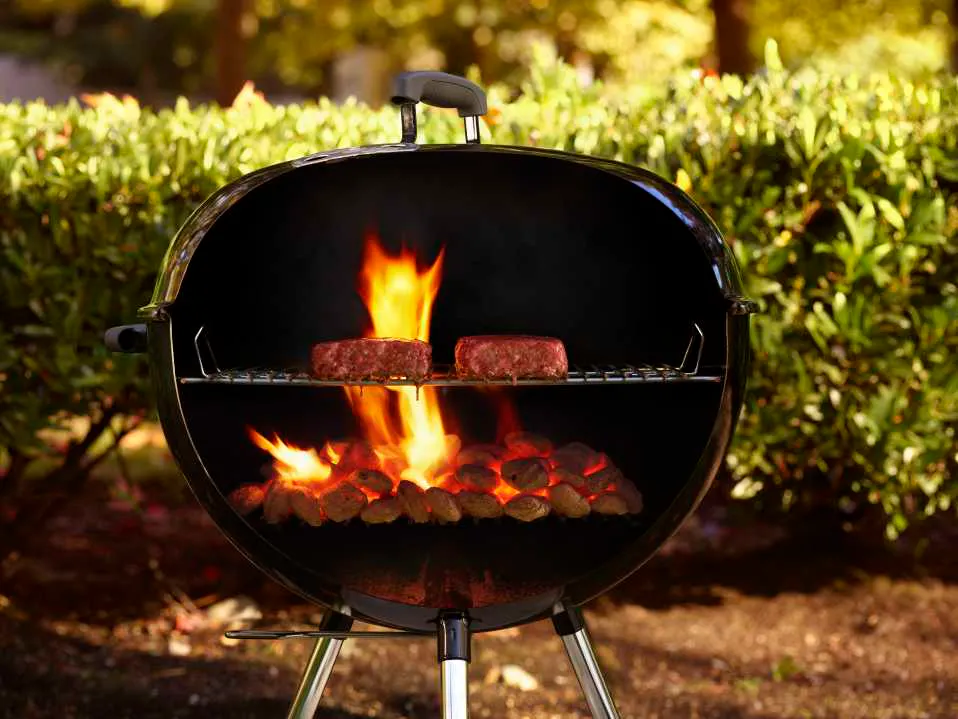
While food photography is very old, the photography in my cookbooks and later, The Photography of Modernist Cuisine, offers a vision of food that many haven’t seen before. There are more than 218 million photos tagged as food on Instagram alone, but it’s a small fraction of the number of food-related pictures people are sharing on social media platforms. In our book, food becomes art and helps inspire people.
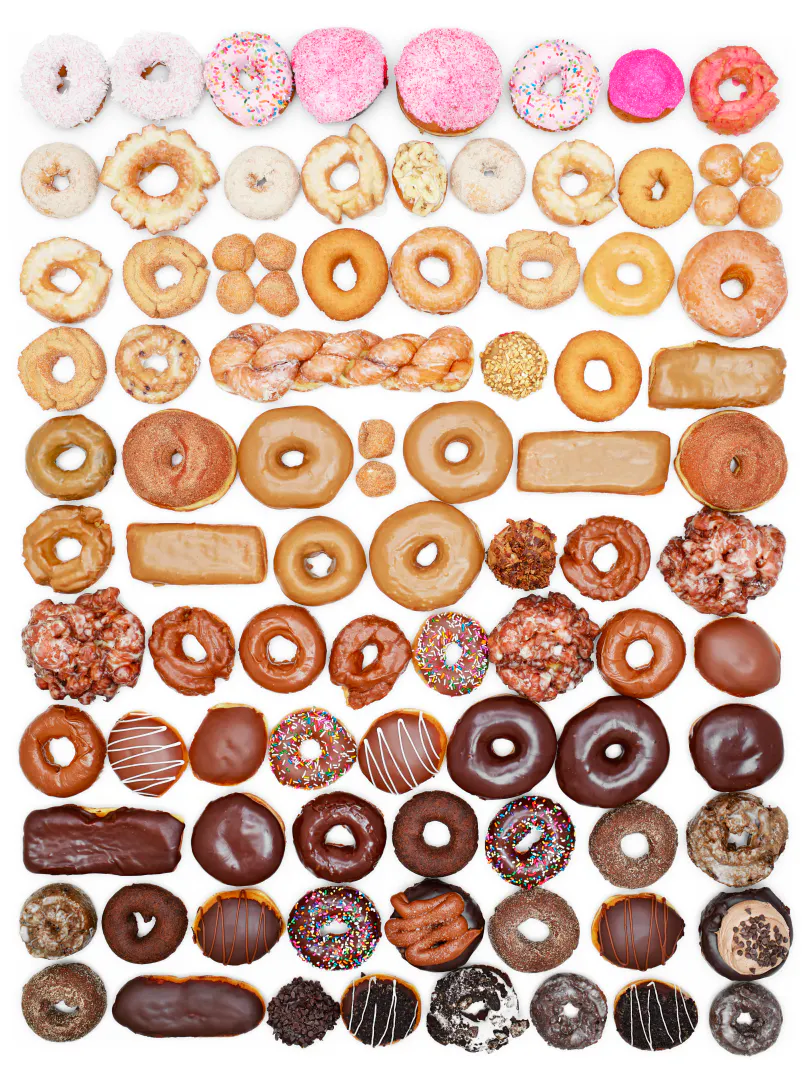
How does your background in technology and physics inspire both your cooking and photography?
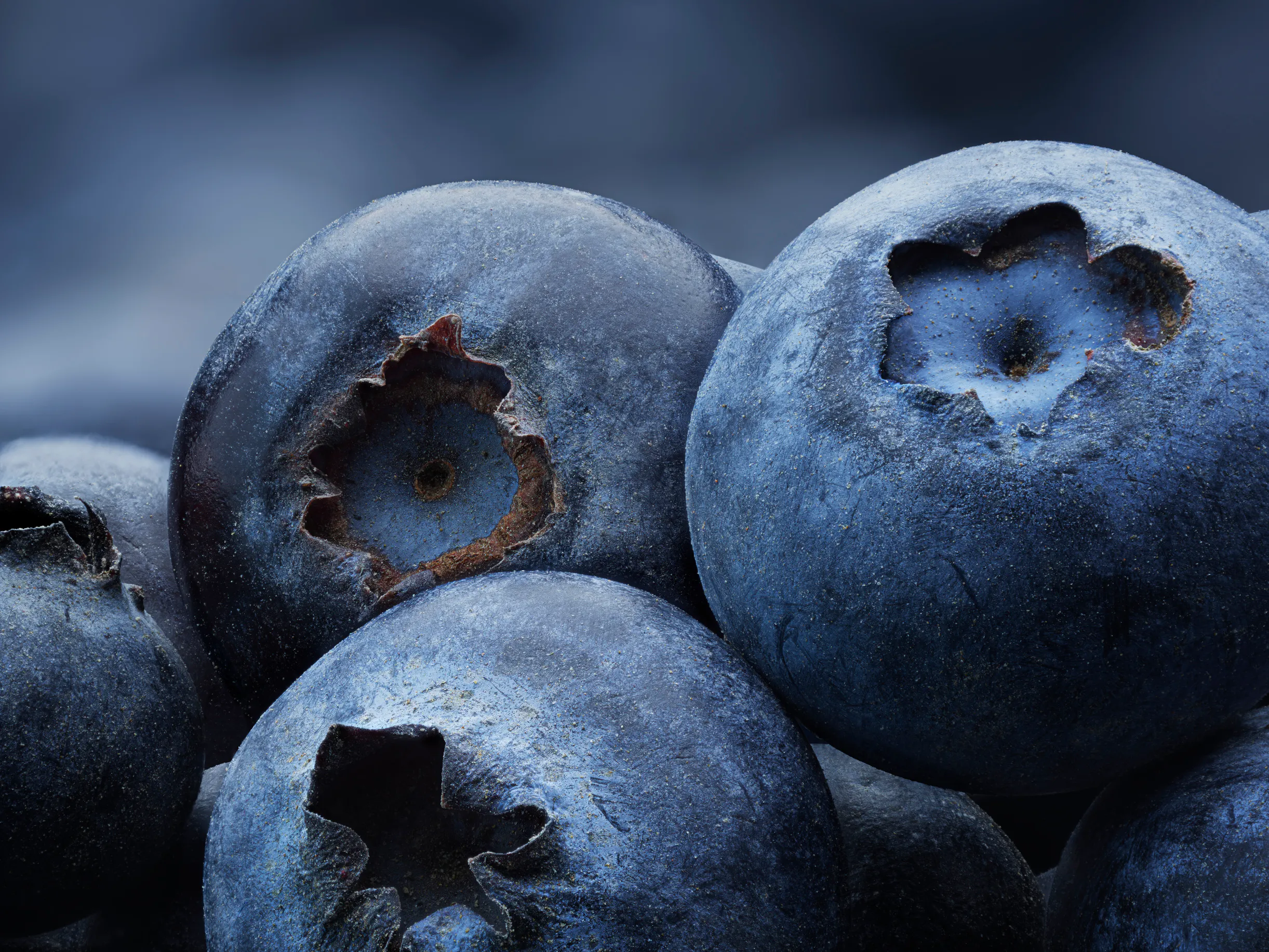
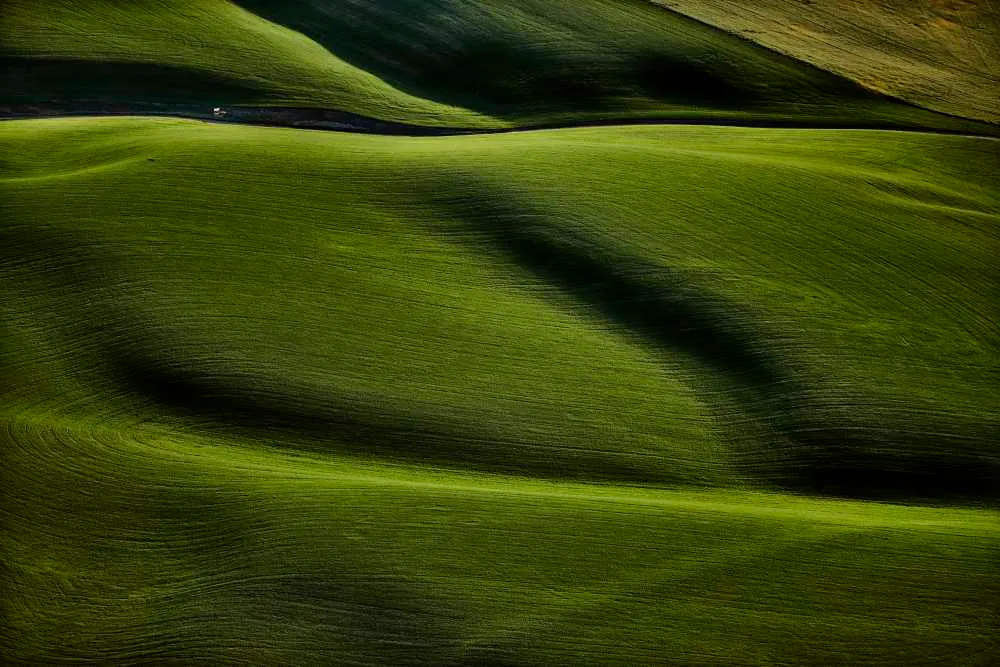
I wanted to show a side of food that wasn’t obvious. We cut kitchen equipment in half to show people a look inside food as it cooks, capture alluring perspectives of food with high-speed video and research microscopes, and turn simple ingredients like strawberries and grains of wheat into stunning monoliths with macro lenses. We custom-built cameras and lenses, developed special software for editing, and experimented with new photography techniques.
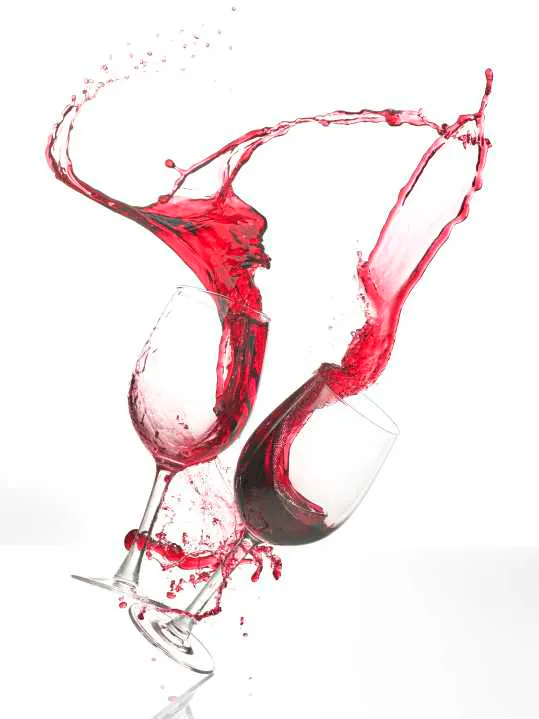
My team and I hoped that the resulting images would captivate readers and make the book’s content come to life. We made custom microscopes and computer-controlled robotics and contraptions to experiment with different methods of motion and panoramas. We wanted to show our relationship with food and how capturing food is an art form that should resonate with us and make us feel good.
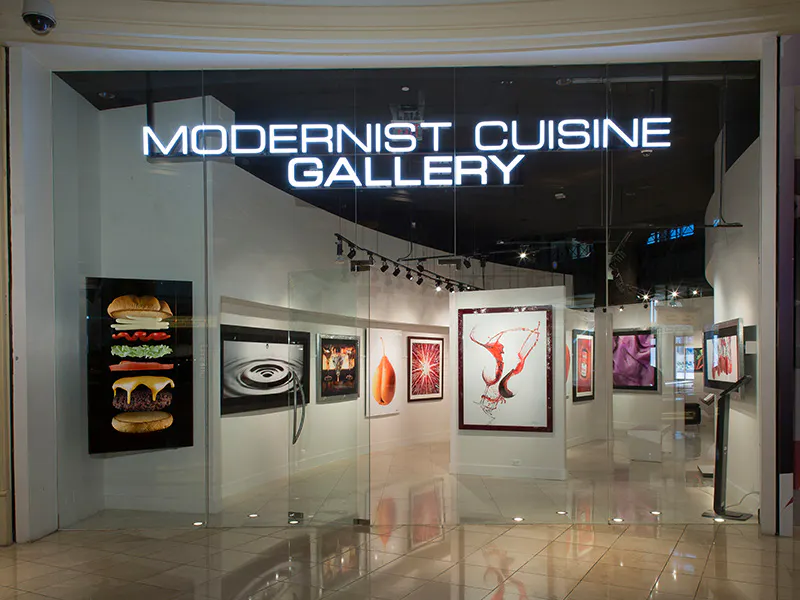
What was the idea behind opening your four galleries and how did you choose the locations (Las Vegas, New Orleans, Seattle and La Jolla (San Diego))?
We thought that the person-to-person interaction is so important when purchasing a work of art so we decided to open a brick-and-mortar gallery. We concluded that it’s the only way to show our pictures to people who might buy them, while also providing the right sales experience. We focused on places that have a relationship with both art and food. Las Vegas was the original location and next was New Orleans. Seattle made sense because it’s my base and La Jolla, where my mother lives, has many art galleries.
Why did you decide to write a book on bread?
Bread is the oldest food, but the making of it is highly technical. Bread, cheese and wine all are from natural and simple ingredients, but the development into what they are required human ingenuity. There’s also a lot of misinformation about bread, so we wanted to make right the story people have, such as what we expect to pay for bread as compared to pastries or dessert. The technique of making bread is more complex than people think.
What has been the biggest surprise in your work?
Chia seeds. The tiny one-millimetre seed in a microscope looks like marbleised stones or pebbles, which are really beautiful. Some foods do not look as great up close, like blue cheese.
What's next for you?
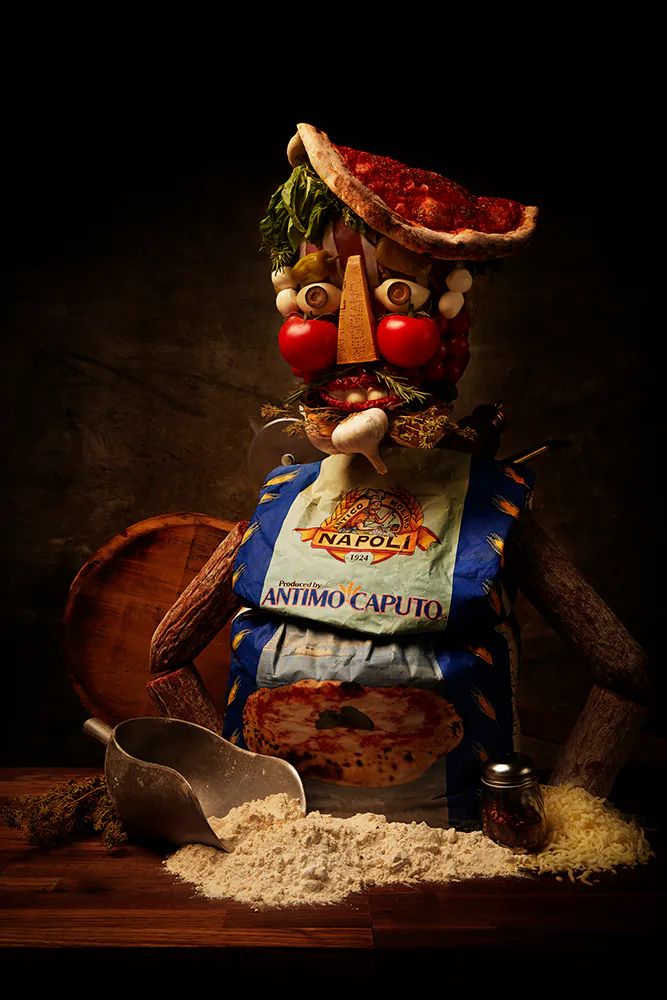
I am currently working on a book on pizza so I am doing pizza tours around the world. Each culture has their own interpretation of pizza, so we are going from the US to Tokyo to find cool types of pizza. Sweden, in particular, has a unique style of pizza with crazy ingredients. After that, we want to possibly focus on pastries or desserts.
I also want to focus on snowflake photography, as snowflakes are made of water, which is a source of food. However, this will require designing and building a microscope with custom pieces to make sure that the surface is chilled. Since glass is normally an insulator, you have to use artificial sapphire.