There is a long and rich history of animal symbolism in Western art, dating all the way back to antiquity. In the 12th century, scholars published Bestiary, in which they formalised readings and summations on natural history and moral associations for a number of creatures. In the Renaissance, artists like Leonardo da Vinci formed their own depictions and tellings of Bestiary. And in the 16th century, artists such as Titian created artworks rife with symbolic animals.
From peacocks to horses to canines and more, animals have a long place in art history, but here we focus on six specific works that depict the art of the animal. These are plucked from Sworders’ forthcoming ‘Sporting Art, Wildlife & Dogs’ online auction, taking place 2 June.
6. Anatoly Shapovalov, Good Catch
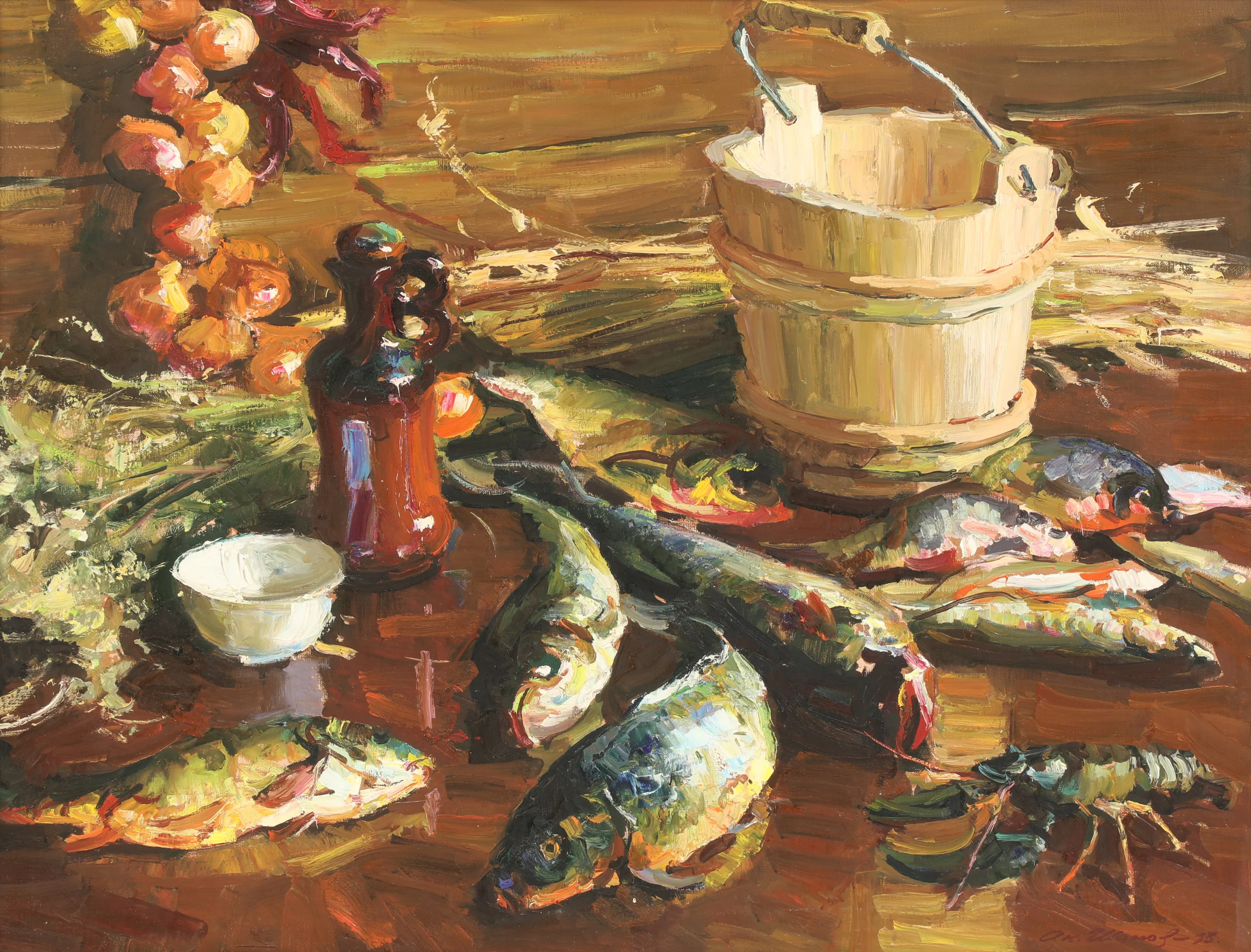
Ukranian artist Anatoly Shapovalov has two artworks in the sale, one depicting several horses enjoying the sunset over a river, and the other shown here: Good Catch. Almost Impressionist in style, calling to mind the words of Degas, Monet and Renoir, Shapovalov works with a soft palette, building colour in an almost hazy but radiant manner, capturing light’s changing pattern. Perhaps not for vegetarians, this artwork shows the goods of one recent fisherman’s catch.
5. Bob Crutchley, The Sentinel
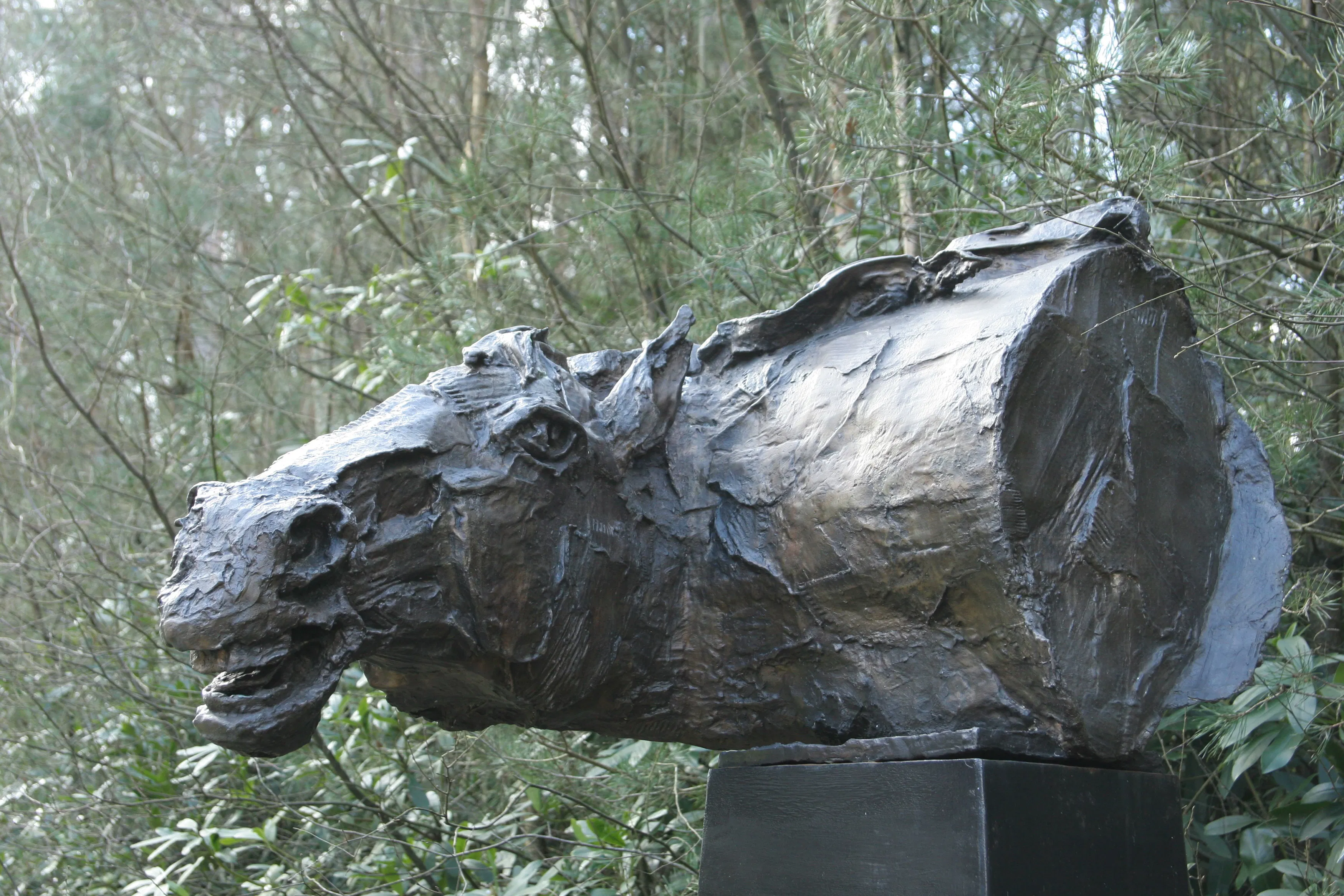
One of many works in the auction to capture man’s love of horses, this large bronze piece (80 cm wide x 110 cm deep x 64 cm high) is by English sculptor Bob Crutchley. Crutchley trained as a silversmith at the Birmingham College of Art, after which time he shortly began working with sculpture. He is best known for his animal and group figure portraits. His method is to work directly from life in terracotta and cement fondue, before using cardboard, paper and wax. His work is then finally cast in bronze, as with the work here, caught mid movement.
4. Heywood Hardy, In the Rose Garden
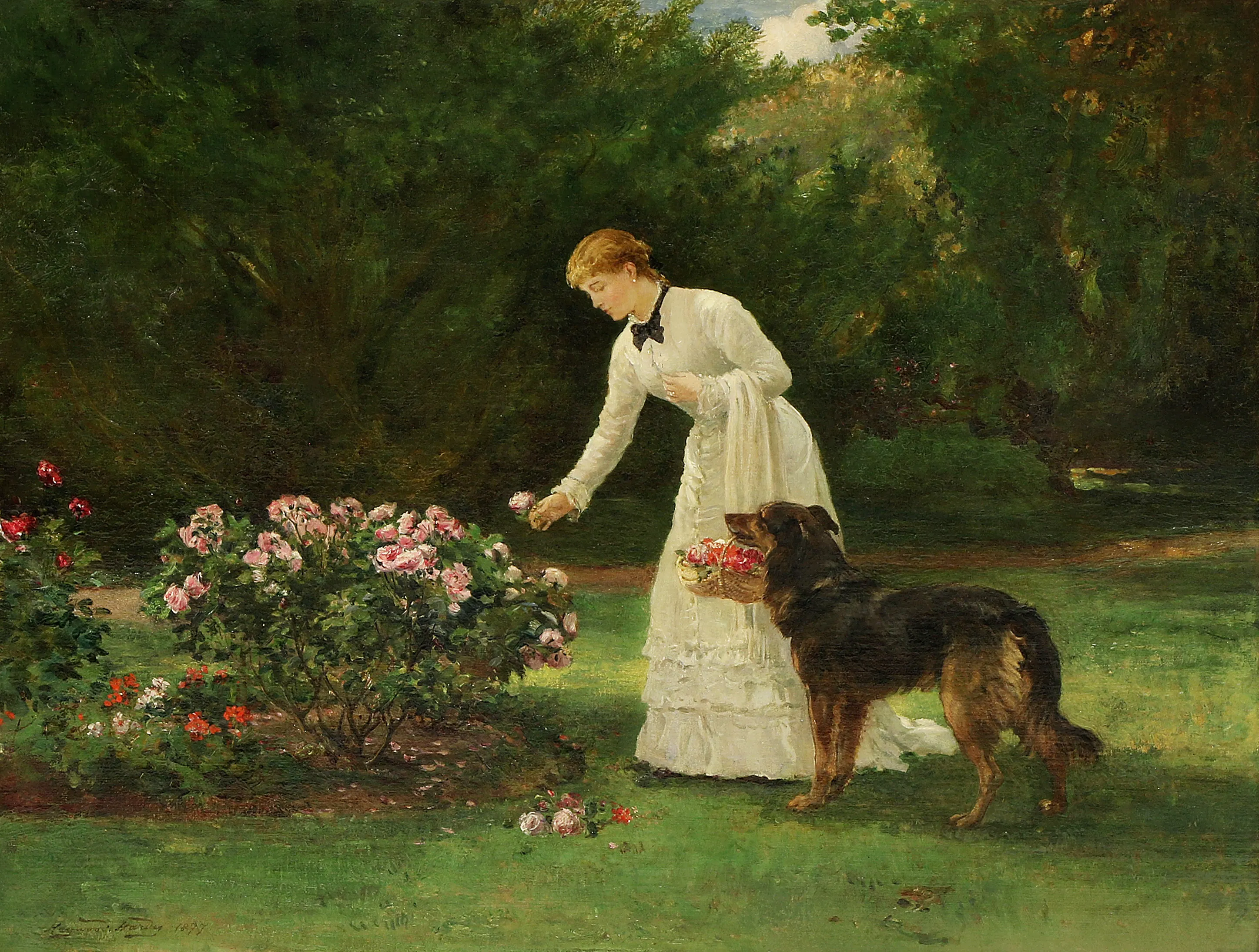
Heywood Hardy was a British artist working in the 19th and (early) 20th centuries. He was prolific when it came to animal painting, especially that of the equestrian genre, having travelled near and far to capture all sorts of creatures. It is said that, in order to further his study of lions, he acquired a lioness that had died at the London Zoo and had it mounted by Rowland Ward, one of the foremost taxidermists of his day. Here, in what is perhaps a more common scene than that featuring a lion, a faithful dog holds a woman’s basket as she collects flowers in her English garden.
3. Swan
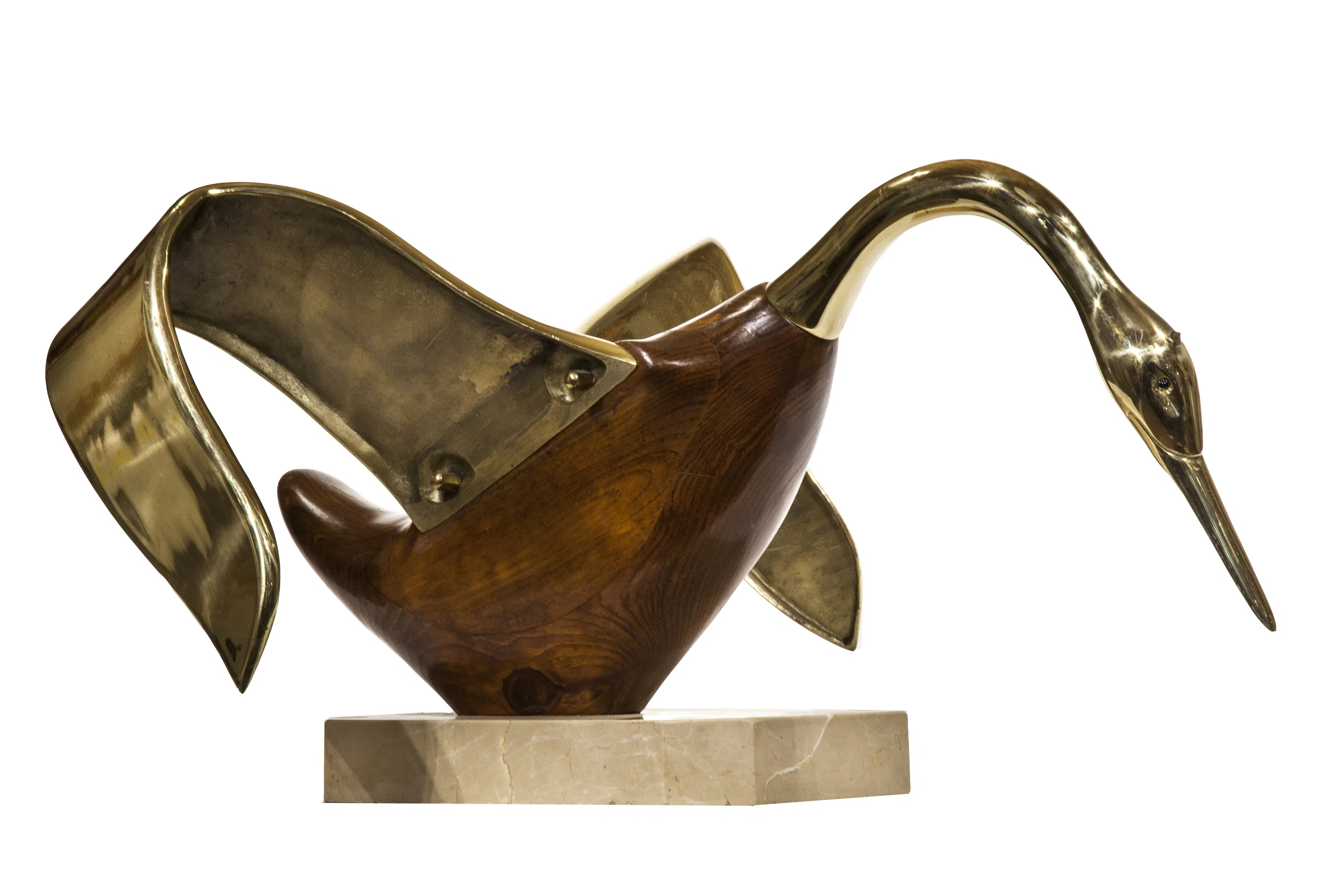
Traversing a century, we arrive with this brass and wood Swan set on a marble plinth. The piece, which measures 82 cm long, 79 cm wide and 43 cm high, is a contemporary but realistic representation of a Swan strutting its wings, poised to either glide into flight or reach its long, gleaming beak into the water to forage for food. With its smooth finish and polished tones, the sculpture captures the graceful essence of the majestic creature.
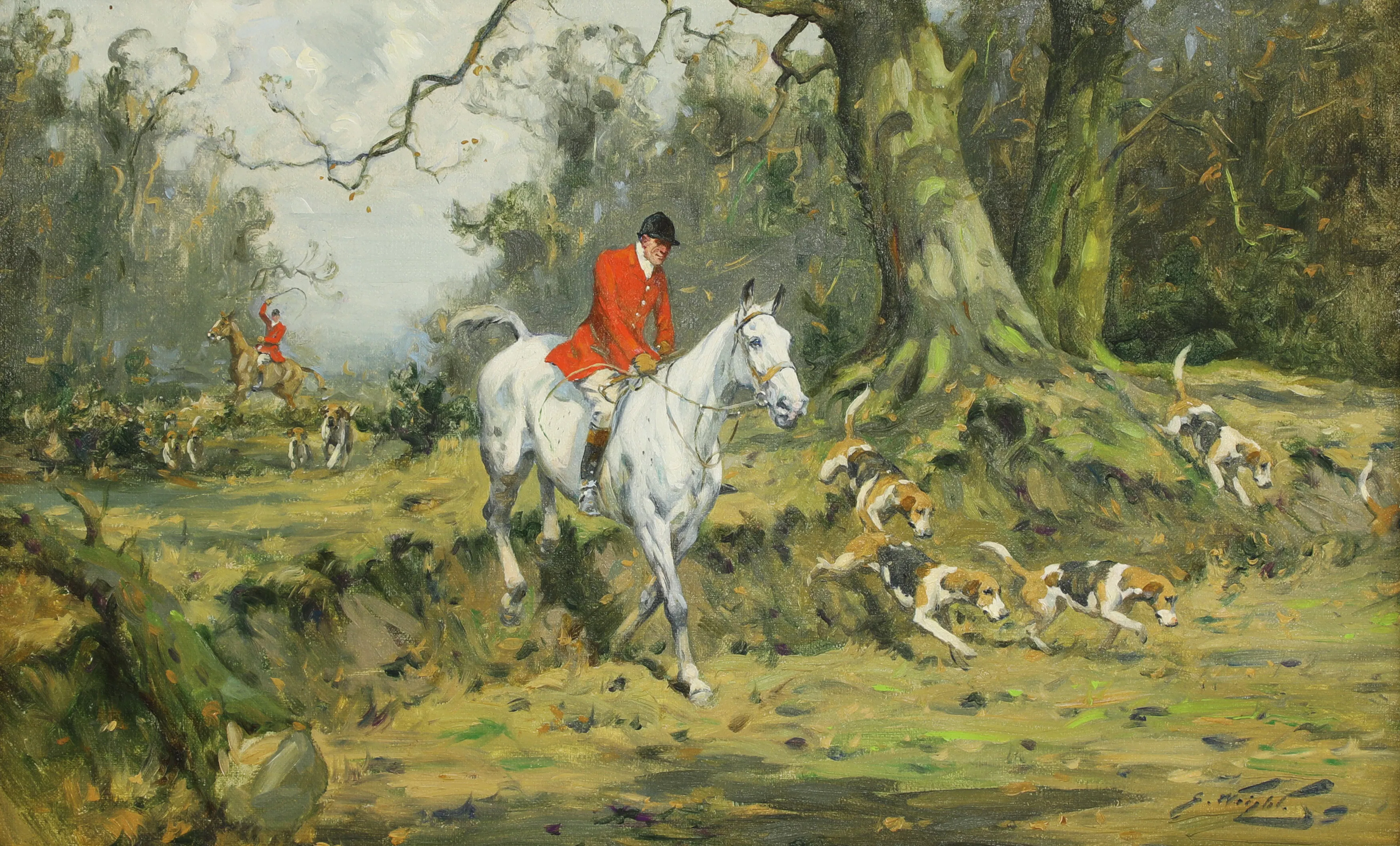
2. John Nost Sartorius, On the Scent and A Hunt in Full Cry
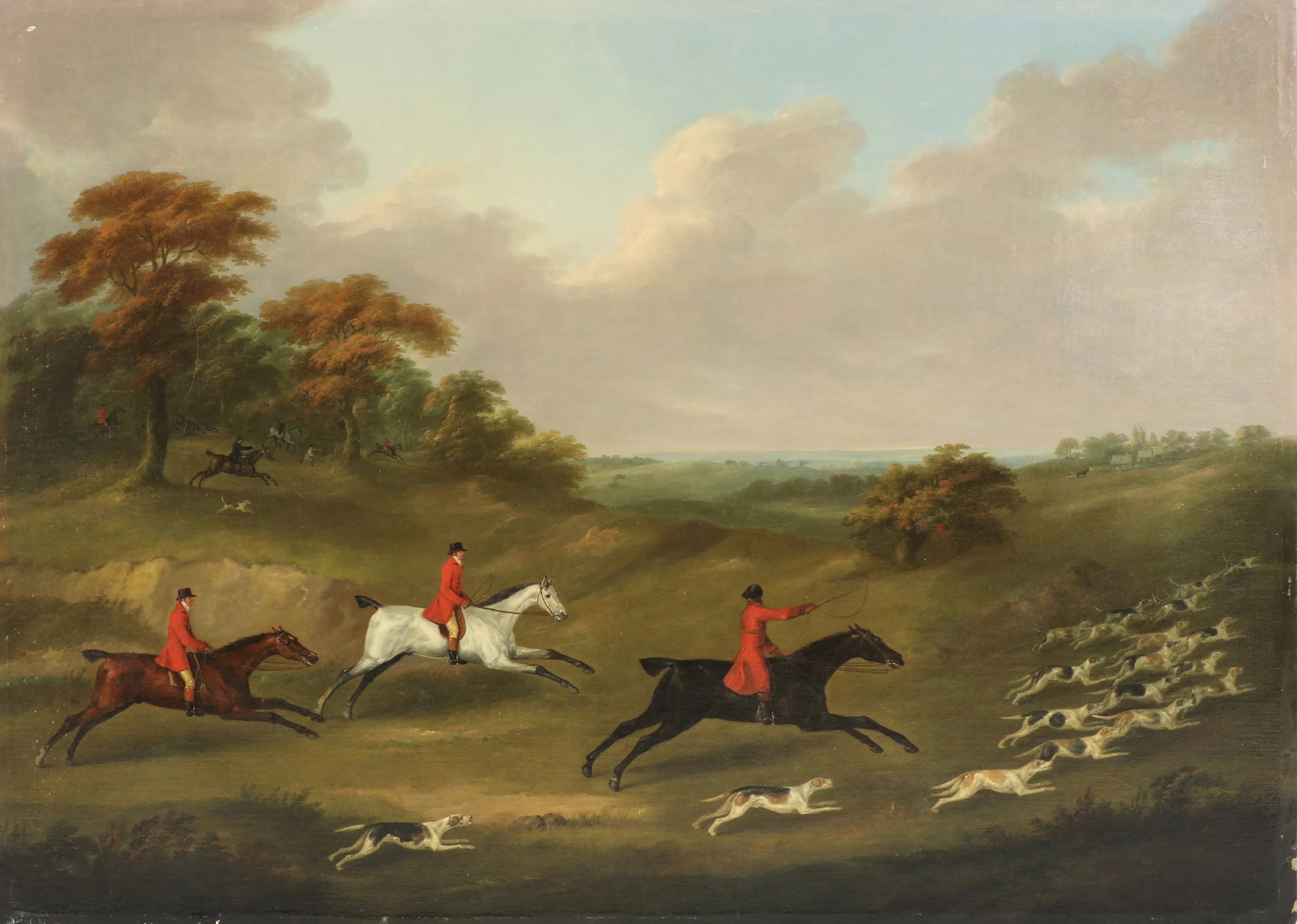
John Nost Sartorius was an English painter of horses, horse-racing and hunting scenes. True to his genre, the present work (which features two scenes, front to back), depicts a hunt in the English countryside, horses cantering through the rolling green fields, guided by hunters sporting red and black tails on their backs.
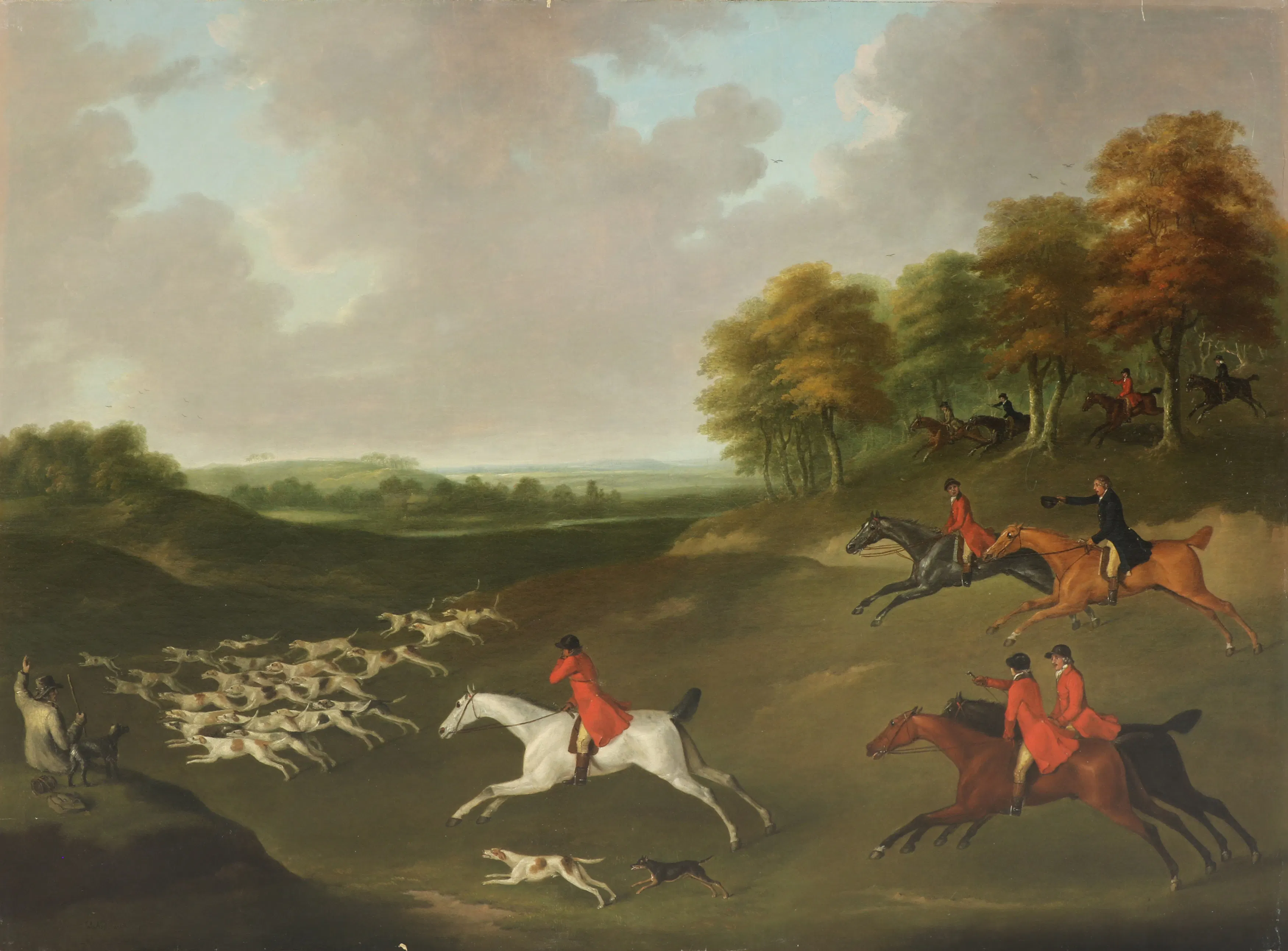
From 1781-1824, Sartorius’ name appeared as an exhibitor in the catalogues of the Royal Academy, and a list of the 74 works which he showed there can be found in Walter Gilbey's ‘Animal painters of England from the year 1650, volume 2’. ‘The Sporting Magazine’ from 1795-1827 also contained many engraved plates.
1. John Frederick Herring Snr, A Mallard Drake with Two white Ducks and their Ducklings
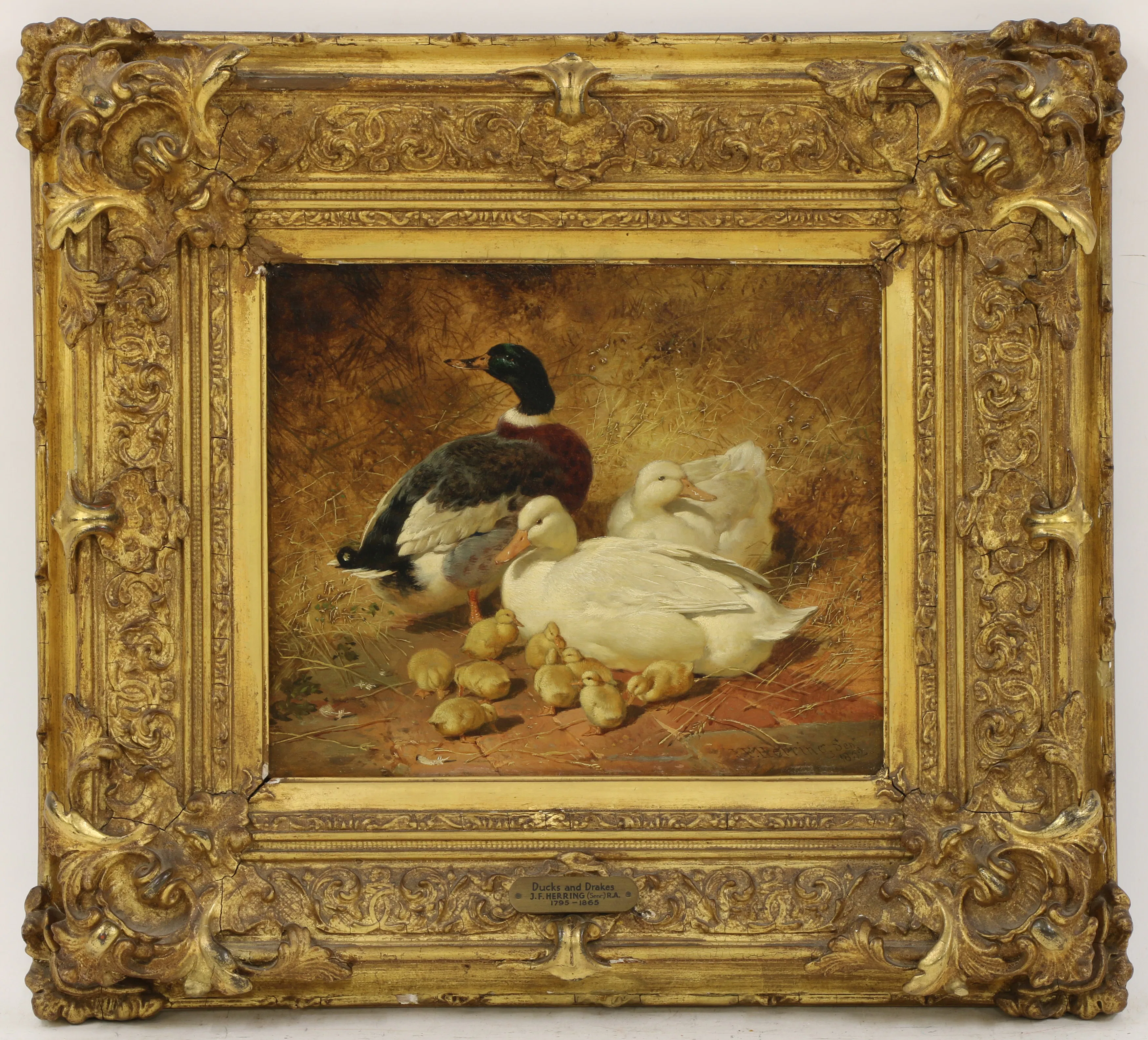
Also known as John Frederick Herring I, John Frederick Herring Snr was a painter, sign maker and coachman in 19th-century Victorian England. He predominantly painted horse portraits, and in fact the first eighteen years of his life, drawing horses was his greatest interest. His talent was recognised by wealthy customers, and he soon began painting hunters and racehorses for the gentry. In 1845, Herring was appointed Animal Painter to the Duchess of Kent, followed by a subsequent commission from the ruling Queen Victoria, who remained a patron for the rest of his life.
Though deviating from his famed horse genre, his depiction of ducks, drake and ducklings here is faithful to the species, with rich detail, luminous lighting and soft, warm colouring.