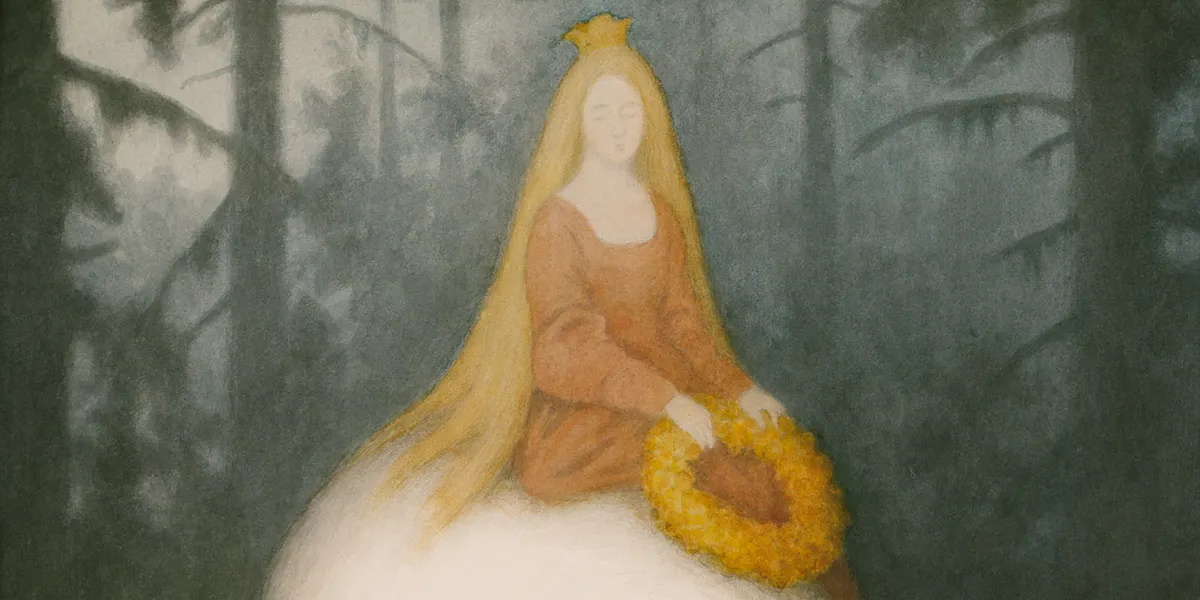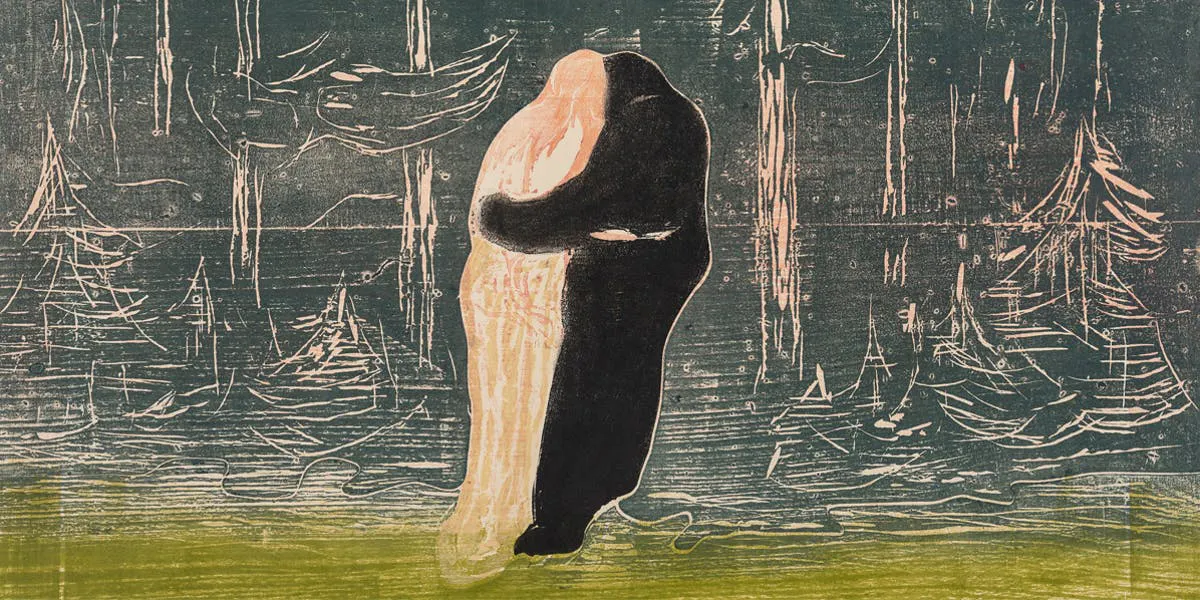
When Grev Wedels Plass Auctions began with the annual Munch Auction in Oslo in 2000, their aim was to challenge the more traditional sales of Edvard Munch's works offered in London and New York. With today's technology, it is no longer as important where the auction takes place, but rather that collectors are reached all over the world.
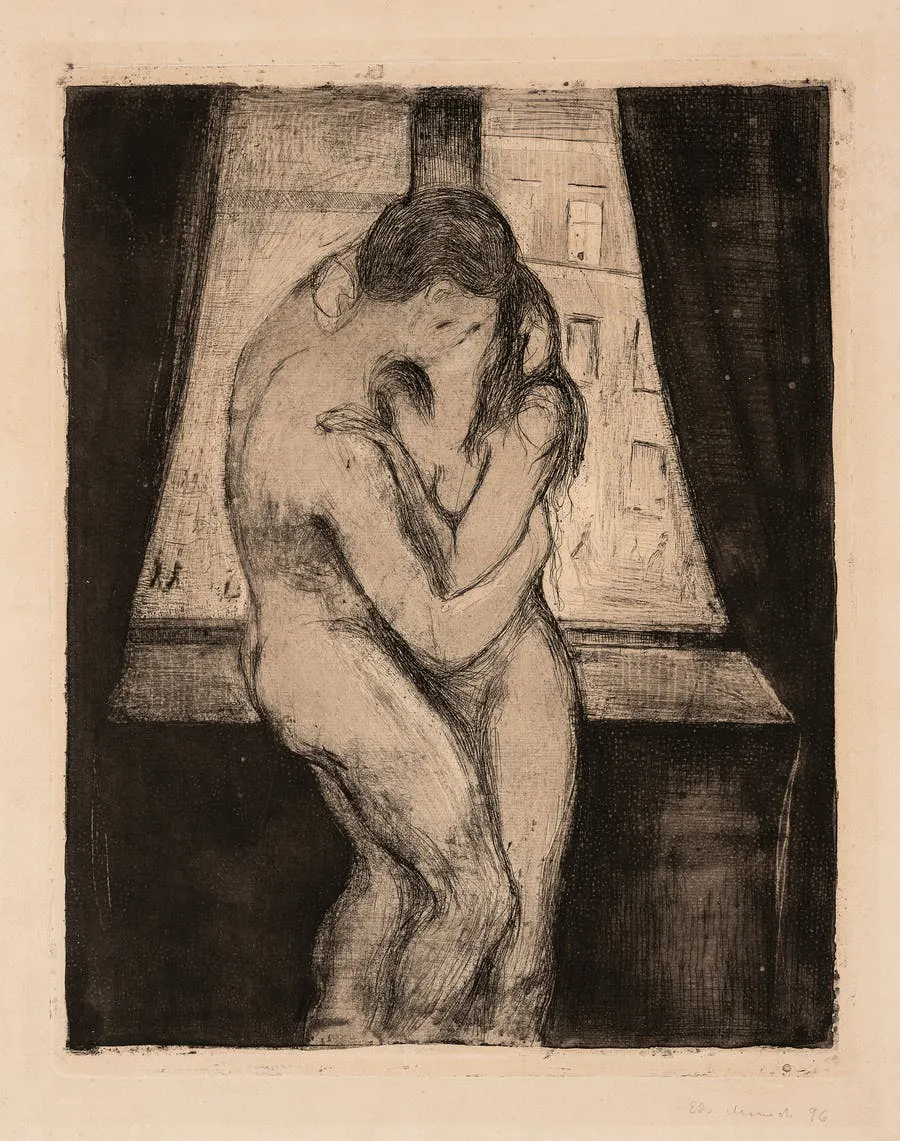
Over the years, the Annual Norwegian Edvard Munch Sale has sold over 550 graphic sheets and original works worth more than NOK 250 million (£20.9 million) and have set international auction records. The auction is the world's largest marketplace for Edvard Munch's works, where collectors from all corners of the world participate in the sale.
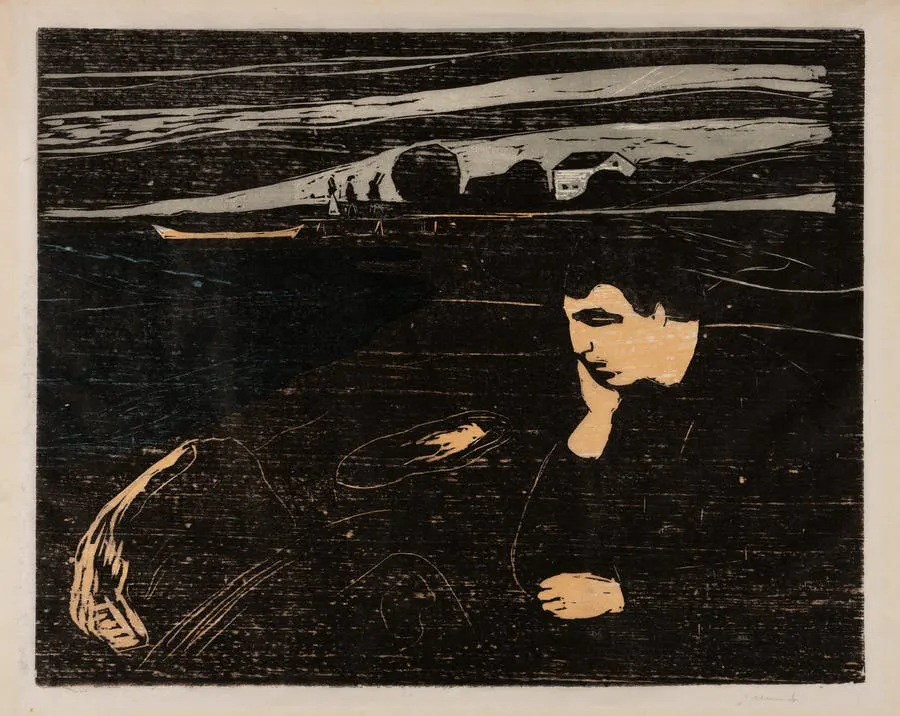
Edvard Munch worked with three different graphic techniques: etchings, woodcuts and lithographs. His most coveted works are his colour woodcuts that rarely appear on the market. This year's auction, which takes place in Oslo on 25 November, offers five woodcuts and the highest valued is Towards the Forest, which is estimated at NOK 3-5 million (£250,000-420,000).
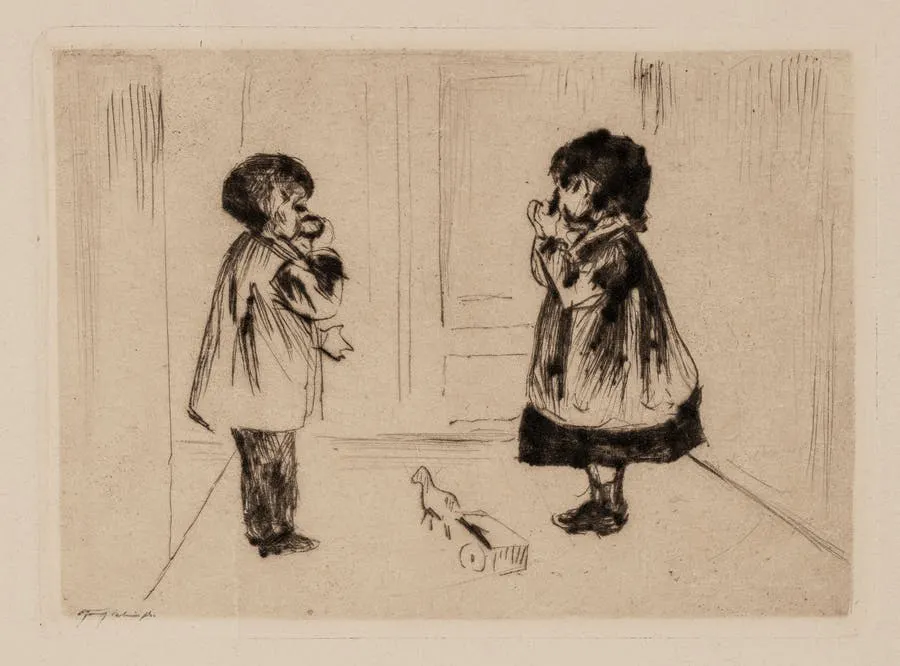
“It has always been important for us to offer a wide range when it comes to motifs and graphic techniques, in order to reach as many buyers as possible. The auction offers something for everyone, both discerning and new collectors. 'Everyone can own a Munch' has been our slogan for several years, to get rid of the myth that Munch's works are only available to a few," says Hans Richard Elgheim, founder of Grev Wedels Plass Auctions and The Annual Norwegian Edvard Munch Sale. Elgheim wants to highlight the work Two small children from 1902, which is valued at NOK 20,000-25,000 ($£1,670-2,090).
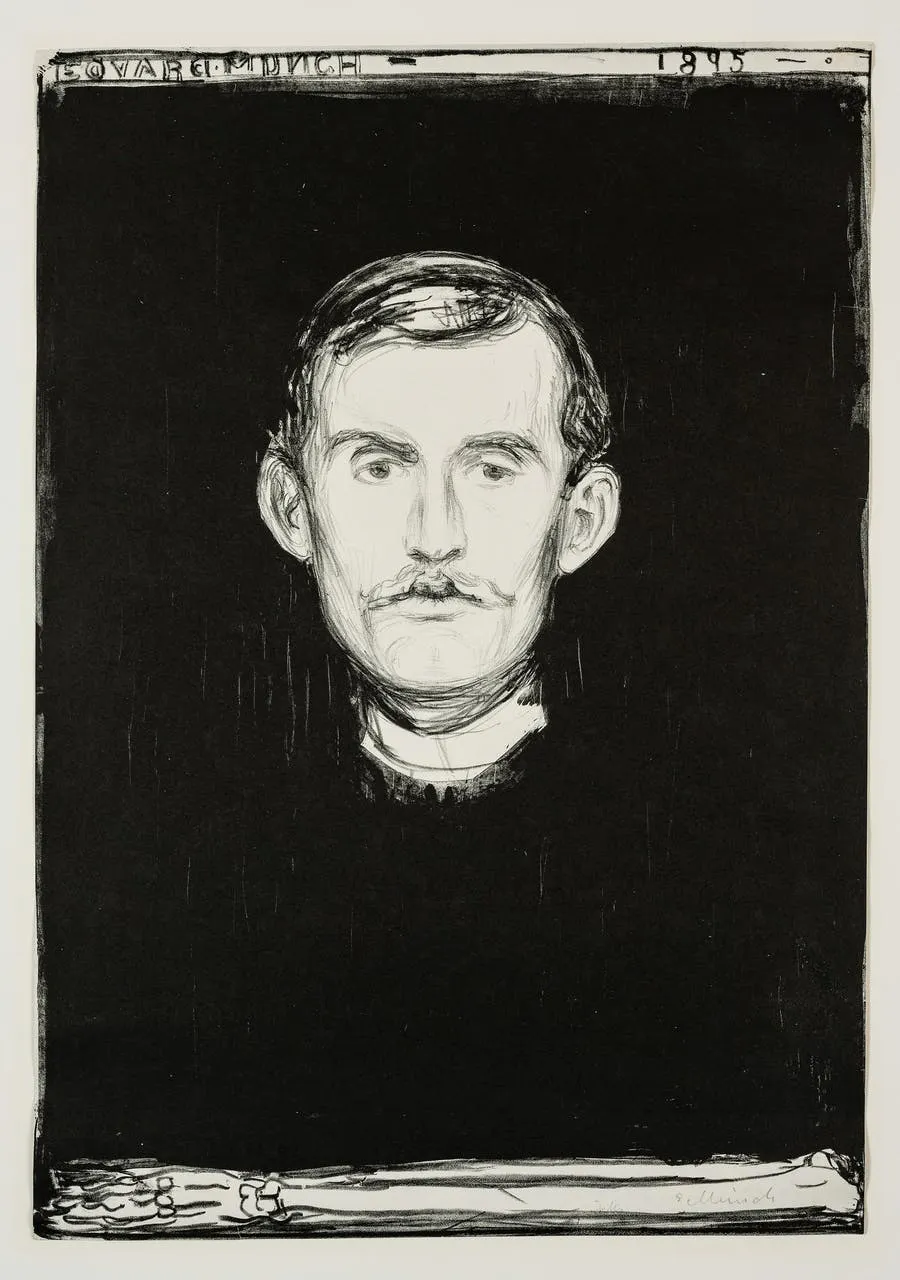
Edvard Munch (1863-1944) is not only Norway's most beloved artist but also one of the world's most famous. His melancholic works have both set records and been the subject of burglaries. When his masterpiece The Scream (1895) was sold at Sotheby's in 2012, it became the then most expensive painting sold at auction with a price tag of $120 million (£90 mil).
Did you know that The Scream has been painted in four different copies? Two of them have been stolen, the first time at the National Gallery in Oslo in 1994 and the second at the Munch Museum in 2004. Fortunately, both works were found and could be restored to their previous condition.
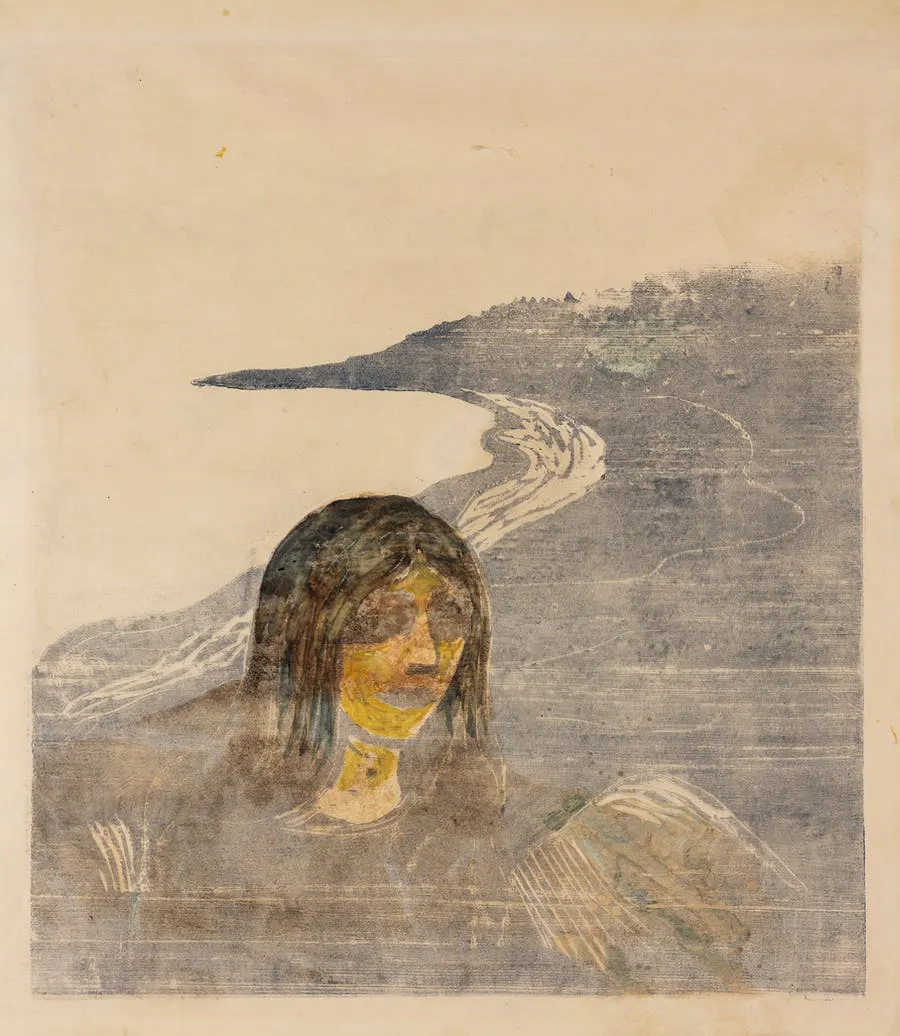
In his works, Munch explores the human psyche in the modern era, especially themes such as death, loneliness, anxiety and depression which then turn into symbolic naturalism, using rich colours and raw scenes.
Edvard Munch may seem to perpetuate the myth of the suffering artist with his expressionist and gloomy paintings. In the early 20th century, Munch also had to seek professional help due to his alcohol dependency and mental illness.