The 2024 Summer Olympics in Paris have come to an end, leaving behind many unforgettable athletic performances from around the world. However, what will likely be remembered most is the spectacular opening ceremony, which took place along the Seine and concluded movingly with a performance by Céline Dion, who suffers from stiff person syndrome.
See also: More Than Just Sports: The Art of the Olympic Games
Interestingly, it wasn’t the decapitated, Ah! Ça ira-singing Marie Antoinettes in the windows of the Conciergerie that caused the biggest stir. Instead, it was a segment of the celebration on the Passerelle Debilly, a pedestrian bridge near the Eiffel Tower, overlooking the Seine. This part featured a long catwalk showcasing drag queens and other performers, culminating in a musical number by the blue-painted singer Philippe Katerine. As with any fashion show, spectators flanked both sides of the catwalk, with DJ and activist Barbara Butch, crowned with a halo-like headpiece, at the centre.
See also: The Dinner Party: A Table for the World’s Most Influential Women
Organiser and director Thomas Jolly surely anticipated some criticism, but perhaps he didn’t expect the Vatican to intervene. The controversy arose from the comparison quickly drawn between the Paris scene and Leonardo da Vinci’s famous mural, The Last Supper, in the Dominican monastery of Santa Maria delle Grazie in Milan. The Holy See deemed the Paris performance an "offence to many Christians and believers of other religions."
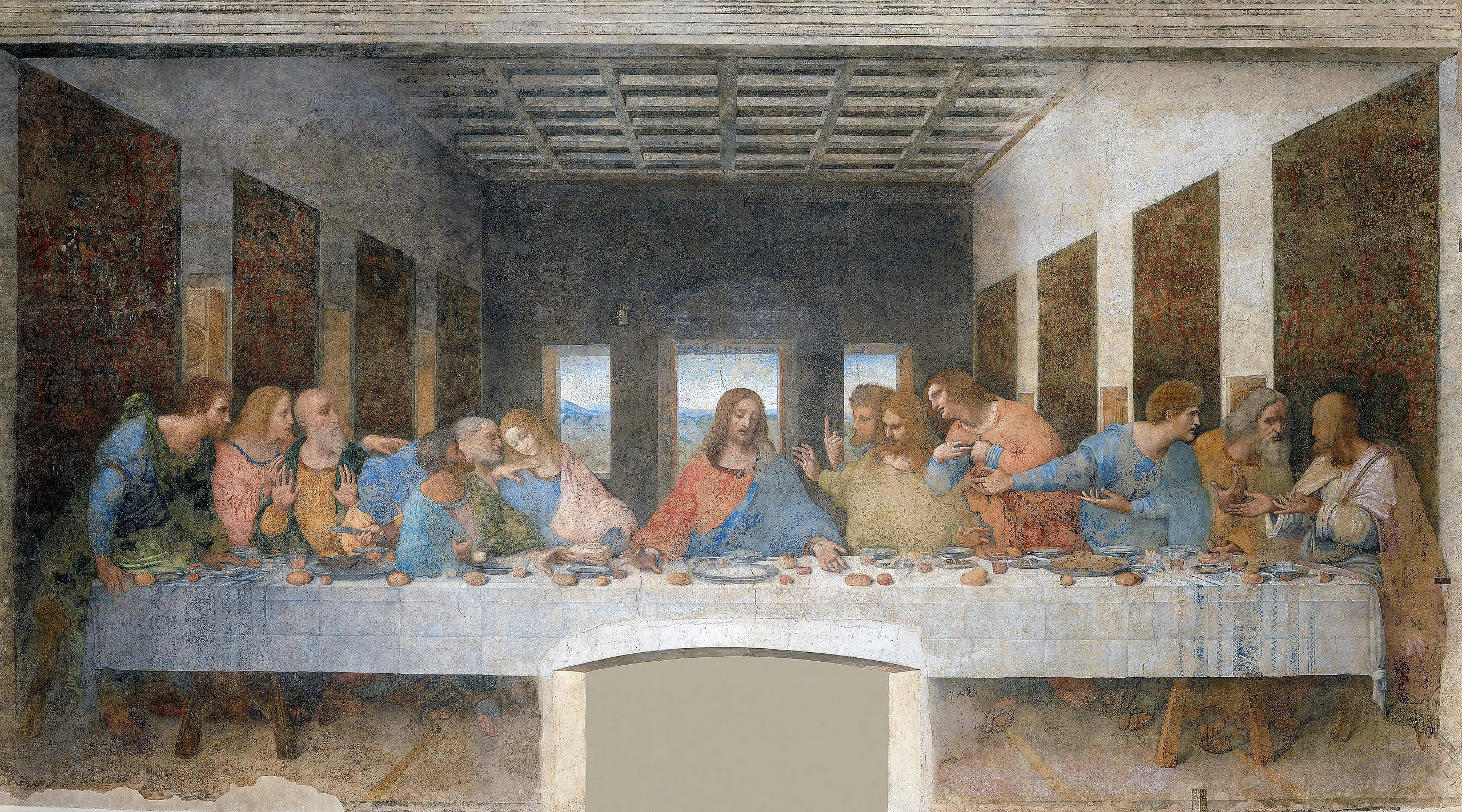
Thomas Jolly was quick to deny any connection to Leonardo’s work, stating that his inspiration came from Dionysus, the Greek god of wine, not The Last Supper.
See also: An Artistic Walk in the Footsteps of Bacchus
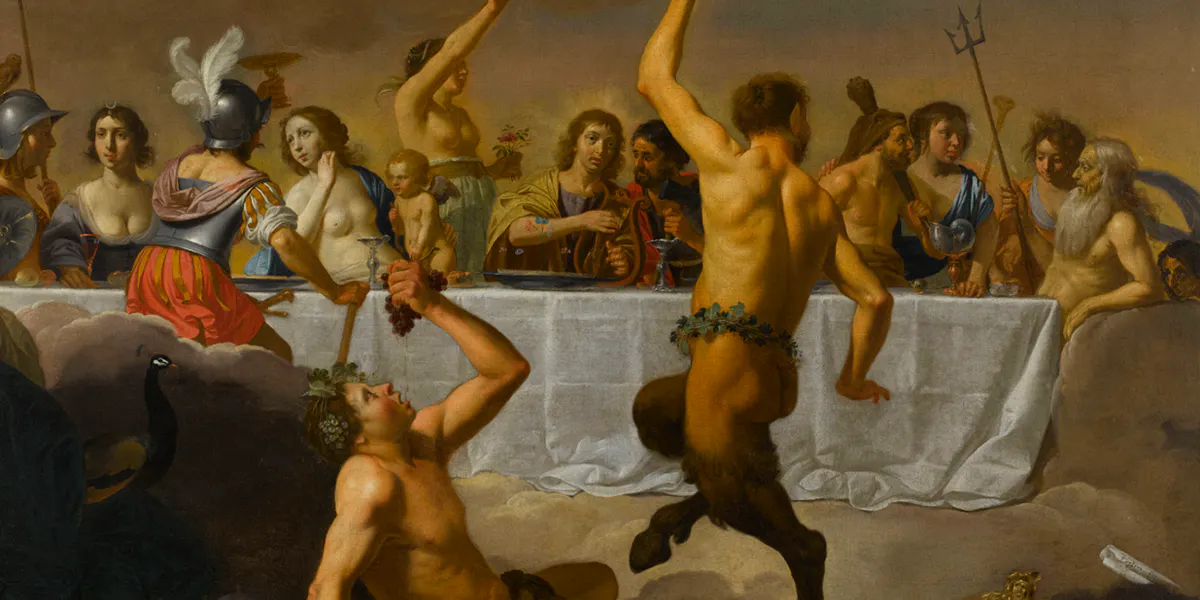
Nevertheless, an alternative "inspiration" for The Last Supper was soon identified, and the news spread rapidly on social media. It was Feast of the Gods by Dutch Baroque painter Jan van Bijlert (c. 1598-1671), painted in the 1630s and now housed in the Musée Magnin in Dijon, where it has resided for nearly 300 years. Following the opening ceremony, the museum saw a significant increase in visitor numbers—a development they eagerly promoted with an Instagram post, featuring a photo of the painting with the caption: "Ce tableau vous rappelle quelque chose? C'est le moment ou jamais de venir l'admirer au musée national Magnin, à Dijon !" ("Does this painting remind you of anything? Now or never is the time to admire it at the Magnin National Museum in Dijon!").
"Before 2024, we welcomed an average of around 61 visitors per day, but now we’re seeing about 230," reported Leslie Weber-Robardet, Communications Manager at the Musée Magnin, to BFMTV.com. Even more remarkable is the spike in the museum’s website traffic, which has soared from 150 visitors a day to 150,000.
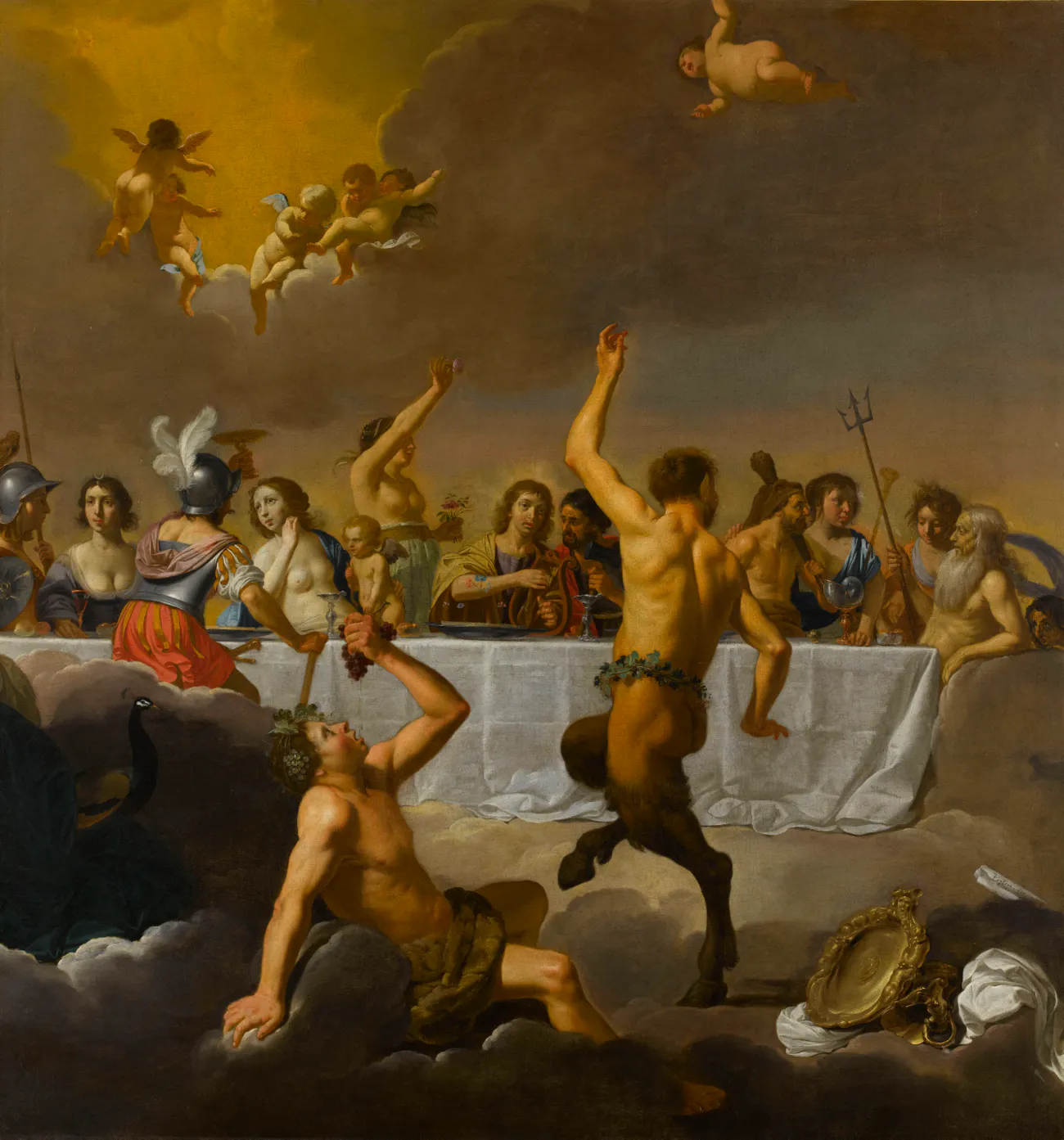
In his work, Jan van Bijlert, a member of the Utrecht Caravaggists, depicted a festive table where the gods of Olympus are seated, entertained by a dancing satyr. Among them are Artemis, Aphrodite, Poseidon, and, at the centre, Apollo. Dionysus is portrayed in the foreground, half-reclining, half-seated, about to nibble from a grapevine—a pose reminiscent of Philippe Katerine’s role in the opening ceremony. The choice of a theme featuring the Olympic gods is fitting, given the origins of the Games in ancient Greece. In fact, even the central figure of Apollo, surrounded by a halo of rays in van Bijlert's painting, is echoed by Barbara Butch in the Paris scene, where his lyre is reimagined as a DJ booth.
Want more news delivered to your inbox? Subscribe to our free newsletter!
Regardless of one’s stance on the controversial performance, one thing is clear: there is much to discover even in lesser-known museums, and a visit can be truly rewarding.