
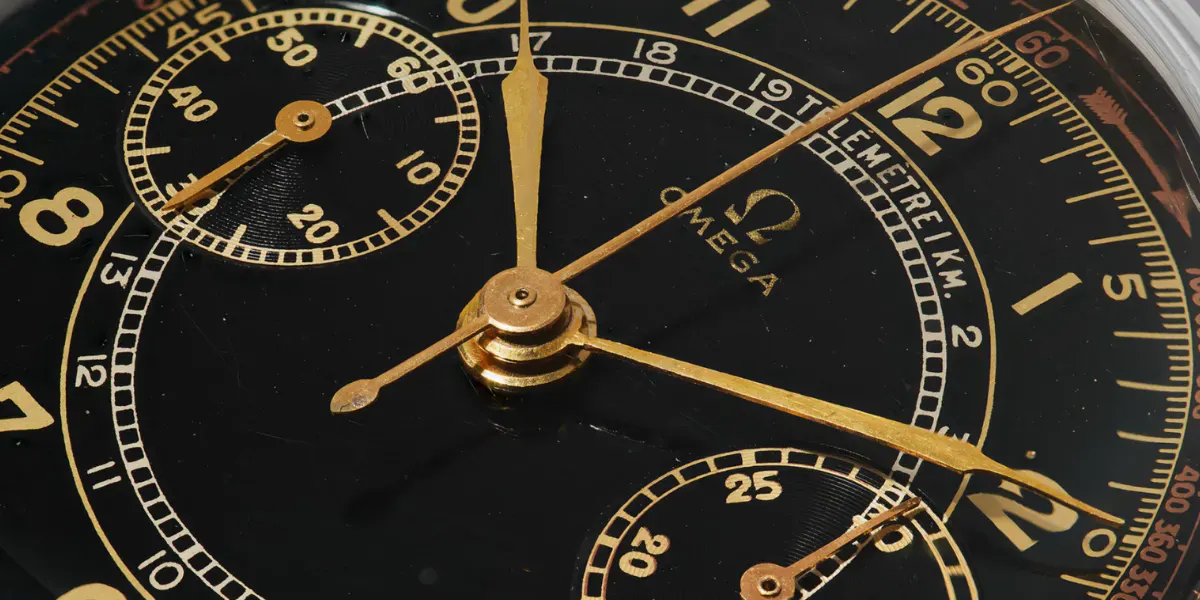
Founded in 1903, Swiss company Omega has proved time and again to be a favourite among movie stars, rock stars, political stars, sports stars – even people who travel among the stars.
Besides its long history and classic style, the main factor that has made Omega a favourite with some of the most influential people of the past century is that, plain and simple, it is more accurate than any other watch on (or off) the planet.
See also: Top 10 Most Popular Watch Brands
To claim the name Omega – the final letter in the Greek alphabet – might seem hyperbolic. But when the first Omega appeared, it employed such innovative technology that it seemed to represent the final word in timekeeping. The technology was developed by Louis and César Brandt, the two sons of Louis Brandt, owner of Swiss watchmaker La Generale Watch Company. Groundbreaking, interchangeable components in a revolutionary production system allowed the Brandts to mass-produce highly sensitive and accurate watches in-house.
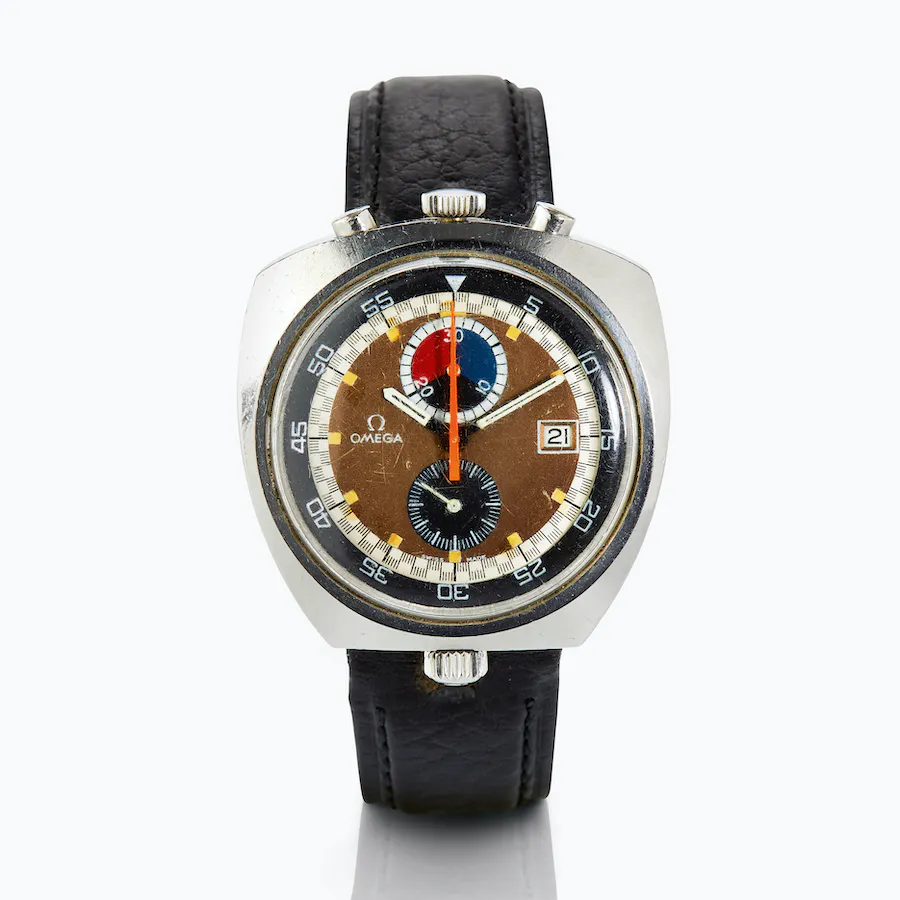
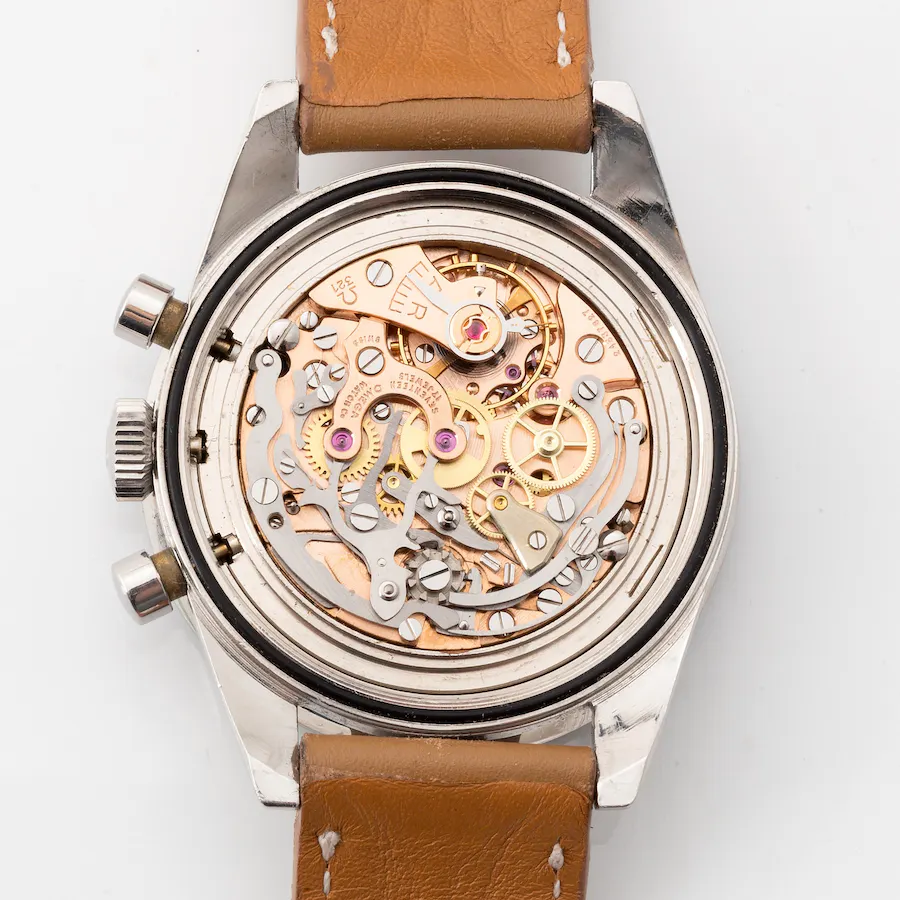
Within just 20 years of the brand’s existence, Omega earned a global reputation for durability and style. Reliability was added to that reputation in 1919, when Omega won first prize in international observatory trials designed to test the precision and accuracy of timepieces – a feat it repeated so often in ensuing years that, by 1931, the company earned the tagline, "Exact time for life."
See also: The Finesse of the Wristwatch
Omega first entered popular culture in 1932, when the company was chosen as the official timekeeper for the Summer Olympics in Los Angeles. Omega supplied all of the precision chronographs used to time that year’s competitions, becoming the first company in history to be trusted with the responsibility.
By the late 1950s, some of the biggest celebrities in the world had taken notice of the brand’s distinctive look. Buddy Holly and Ringo Starr were both spotted wearing Omega watches. John F. Kennedy was even seen sporting an Omega watch when he was inaugurated as the 35th President of the United States in 1961.
See also: The Star of the '60s: The Omega De Ville
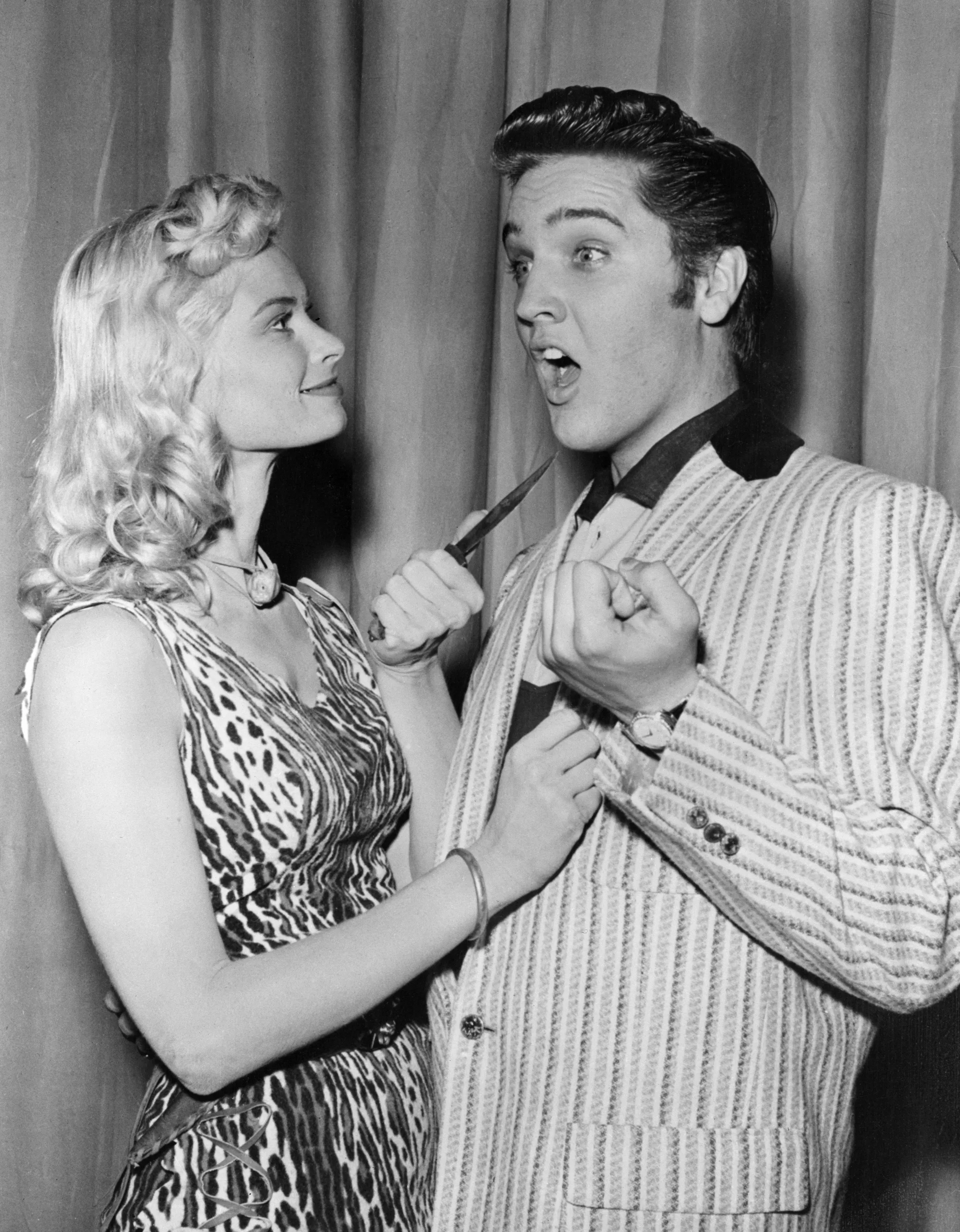
That same year, Elvis Presley was gifted an Omega watch by RCA records in commemoration of having sold 75 million records. On a whim, The King later traded that same watch with a fan’s.
See also: The Iconic Shades of Elvis
Glamour and politics aside, what originally established Omega’s reputation was its performance. In 1963, the company sealed that reputation once again when the famous ocean explorer Jacques Cousteau chose the Omega Seamaster Professional model for use in a series of submersion experiments in the Red Sea. It was such a success that the British Special Boat Service adopted the Seamaster as their official watch.
Two years after conquering the sea, Omega conquered the stars when NASA selected it as the official watch for their astronauts to wear on missions. To earn that accolade, the Omega Speedmaster beat out several other watches in a series of gruelling stress tests, to the point of destruction.
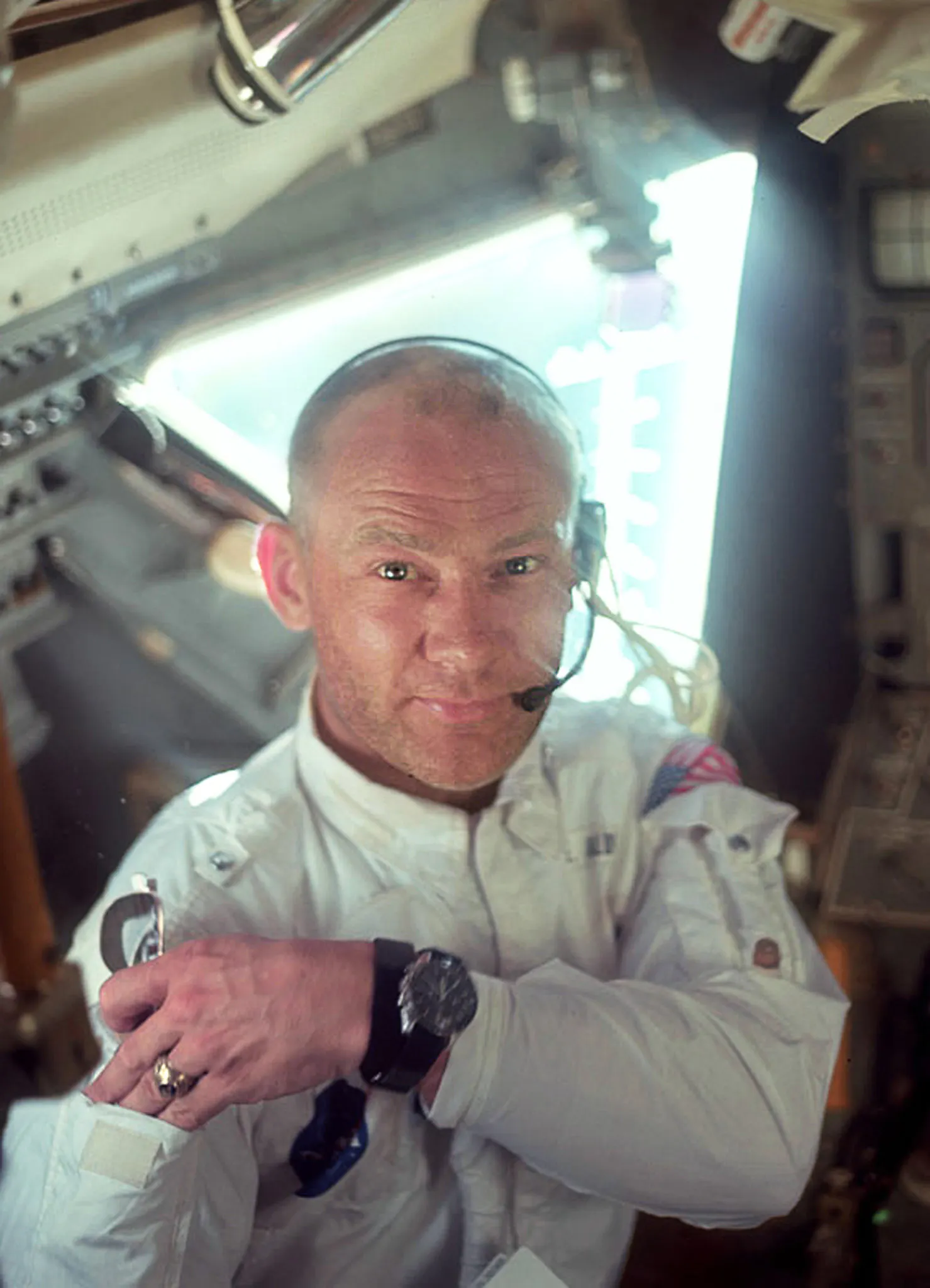
In 1969, the Omega Speedmaster worn by Buzz Aldrin, the lunar module pilot on Apollo 11, became the first watch worn on the moon. (The first man to walk on the moon, Neil Armstrong, had left his Speedmaster in the module.) And the Speedmaster’s space credentials were again immortalised when the Apollo 13 astronauts used their Omega watches to time their jet blasts in order to safely re-enter Earth’s atmosphere after their onboard timers malfunctioned.
See also: Inner Beauty: The World of Watch Complications
Considering its reputation for glitz, precision, and raw power, it is no surprise that in 1995, Omega became the official watch of 007 agent James Bond. To date, Bond has worn Omega watches in eight films. Two have sold at auction, each fetching more than £200,000.

See also: Podcast Ep #24 Time to Talk About Watches
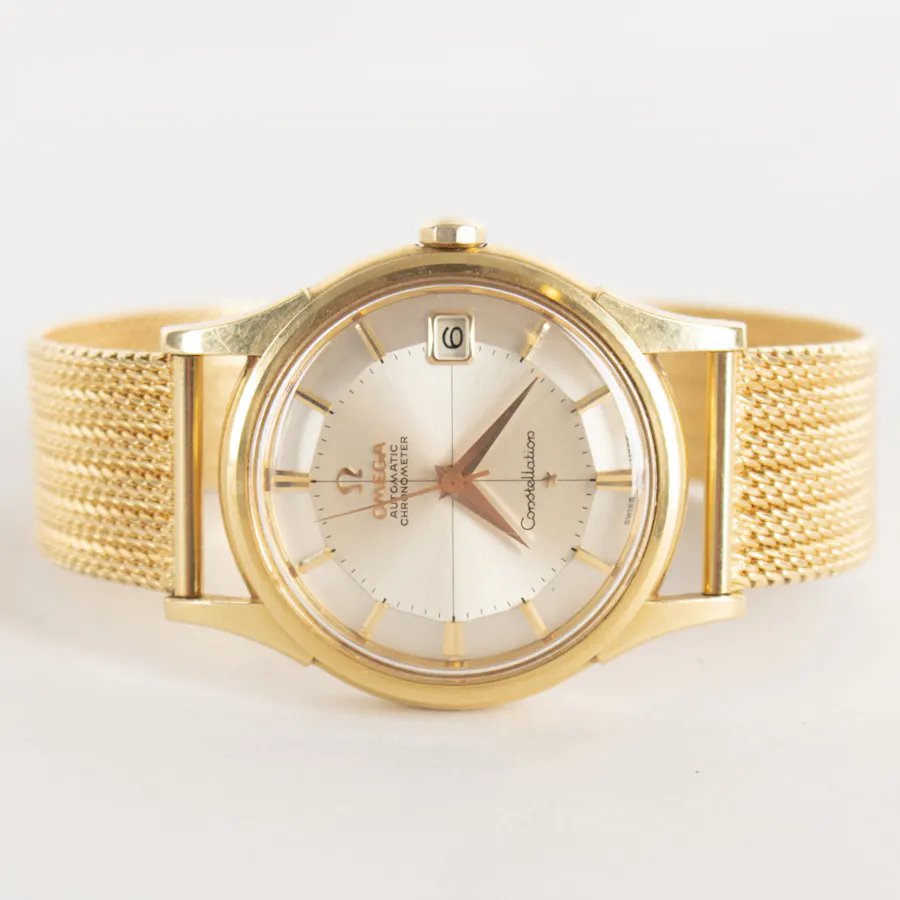
The auction record for an Omega was set in 2021 when a 1957 Speedmaster model was hammered for an unimaginable 3,115,500 Swiss francs (£2.8 million) at Phillips. However, this sale was marred by the fact that it was later revealed that the watch was a 'Frankenstein' watch, meaning it was made up of many different elements of vintage watches.
True Omega watches often sell in the six-figure range at auction.
See also: A Growing Movement: The Rise of Vintage Watches
While Omega’s prices at auction may seem extreme, the nice thing for prospective Omega buyers to note is that the brand is in fact accessible to almost anyone. New Omega watches start in the £3,000 to £8,000 range. So even if you’re not in the mood to spend six (or seven) figures on an Omega, the most precise and culturally recognised watch brand is still within reach.
Read more articles in Barnebys Magazine
This is an updated version of an article originally published on 22 March 2018.