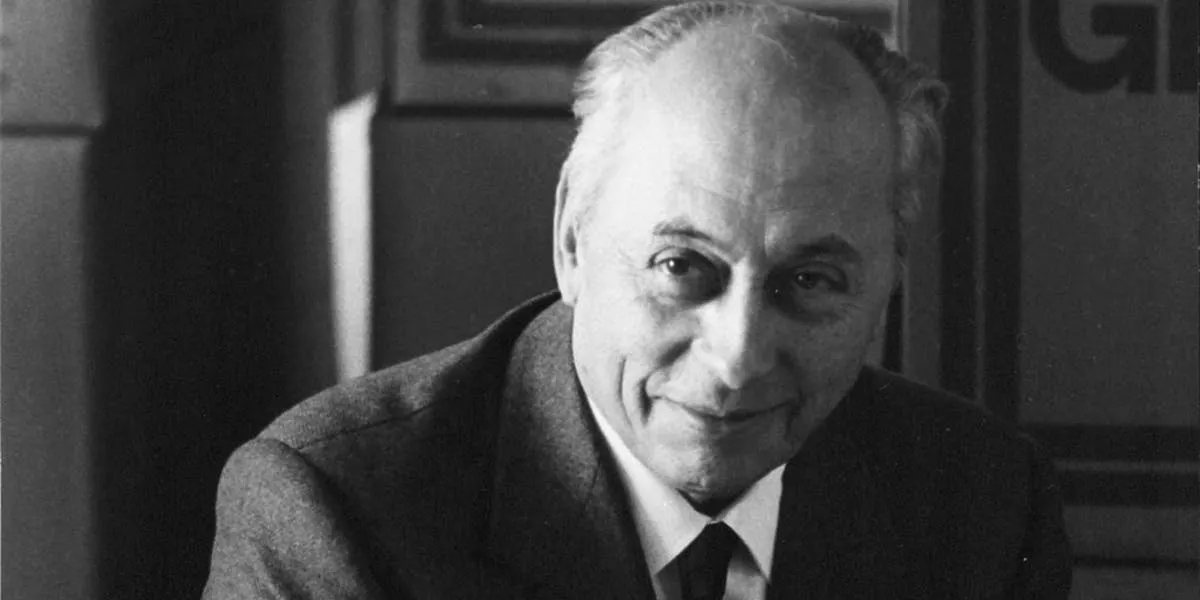
Architect, artist, entrepreneur. To Osvaldo Borsani, definitions have always been meaningful. ‘Designer’ is a term that, even in the ‘70s, he seemed to have a different view on, calling it banal and vulgarised:
When we used the word ‘design’ we did it with profound respect because a new way of thinking and building was mentioned: it was a word only used by us, the insiders, while we tried to explain, introduce and disseminate the methods of design applied to industry. Today we no longer use this word, it is so vulgarised and inappropriately used that sometimes we are suspicious. We are not made to work with things that are already known and assimilated, we look for new ways and therefore to name new things new words are needed.
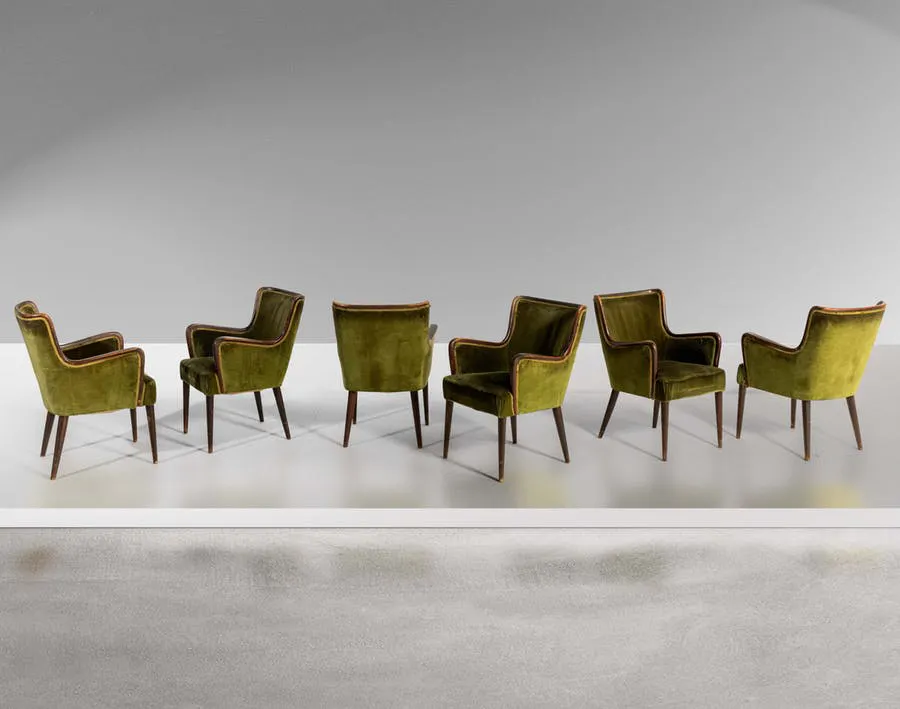
A precocious talent, the son of an established furniture manufacturer from Varedo, Italy, Borsani began his training in the family business at just 16 years old. He also studied at the Academy of Fine Arts and then graduated in Architecture at the Milan Polytechnic in 1937. Passionate, curious, open to innovation, Borsani was attracted to everything avant-garde and technological, as evidenced by his first projects, inspired by Walter Gropius and Sant’Elia.
Still a student, in 1933 he presented his debut project as architect at the V Triennale di Milano: Casa Minima, created with Cairoli and Varisco and enriched by the interiors from his father Gaetano’s atelier. It was awarded the silver medal. Ten years later, the creative genius of Borsani Architetto was in its most mature phase: Villa Borsani is the testimony to this, a synthesis between rationalist stylistic features and avant-garde language, enriched by works by the masters of contemporary art, such as Agenore Fabbri and Lucio Fontana.
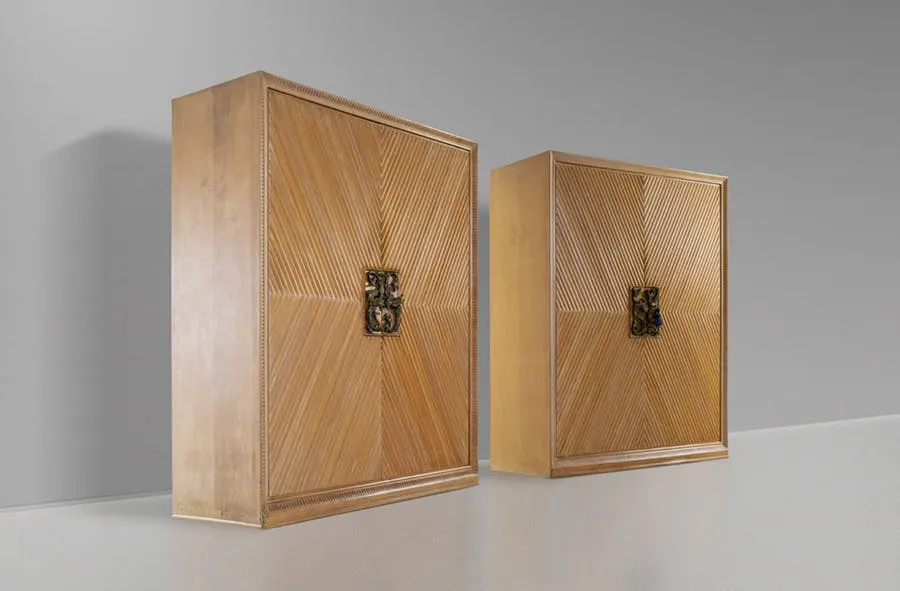
In those years, the renowned Atelier of Varedo, founded in the 1920s by his father Gaetano, was transformed into Arredamenti Borsani Varedo - ABV. It combined the historical activity of his father with the new vision of Osvaldo Borsani, who also became an entrepreneur, and Fulgenio, his brother. Thus a new era – and factory – was born, and a design studio also opened in Via Montenapoleone in Milan. The 1930s and ‘40s were dedicated to interior design, a lot of which was created for the Milanese bourgeoisie in collaboration with the greatest artists of the time. In addition to the aforementioned Agenore Fabbri and Lucio Fontana, there was also Crippa, Melotti and Pomodoro, who worked with Borsani on projects and in decorations of furnished elements.
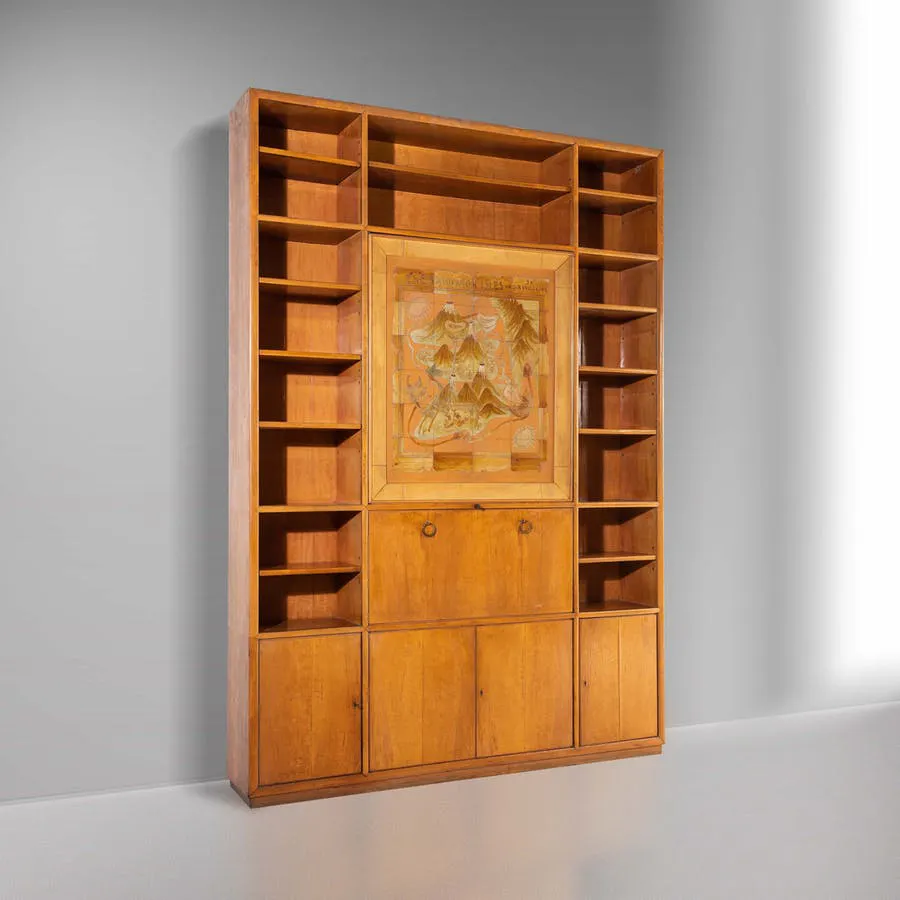
And it is precisely here that Osvaldo Borsani's real definition comes: Designer. He considered himself as such, regardless of the typology of his creations: buildings, furnishing accessories, industrial products or interiors. It was all design.
The success of Arredamenti Borsani was at its peak and even during the war production did not stop. Then, at the beginning of the ‘50s, in the midst of post-war expansion, when the needs of the market turned towards a demand for quantity and quality, Osvaldo and Fulgenzio decided to move from artisanal to industrial production: they opened Tecno.
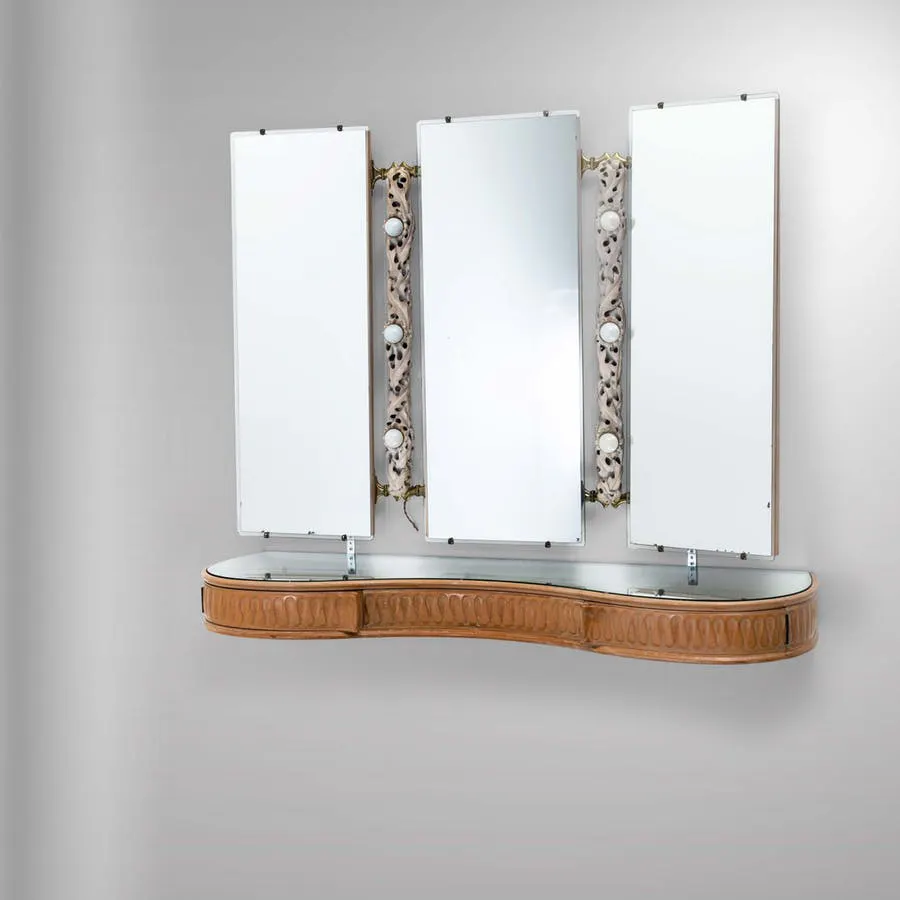
Tecno is nothing but the perfect synthesis between the craftsmanship of the Atelier of Varedo and ABV, as well as the entrepreneurial innovation so loved by Osvaldo Borsani. The furniture designed by Tecno was enriched in terms of mechanics, shapes and compositions, and the company created iconic, historical objects, such as the D70 sofa or the D40 armchair. Today, Tecno is a world leader in the creation of interior architecture and it retains the initial enthusiasm, the continuous search for technological innovation, and quality at the artisan level that distinguished, from the beginning, the two founders.
Osvaldo created Tecno's design: rigour of form, quality of materials and workmanship, attention to the opportunities of technology and the maturing of needs. His familiarity with the great artists of the time marked in an impalpable but certain way what is recognised as the Tecno style. We designed the company together.
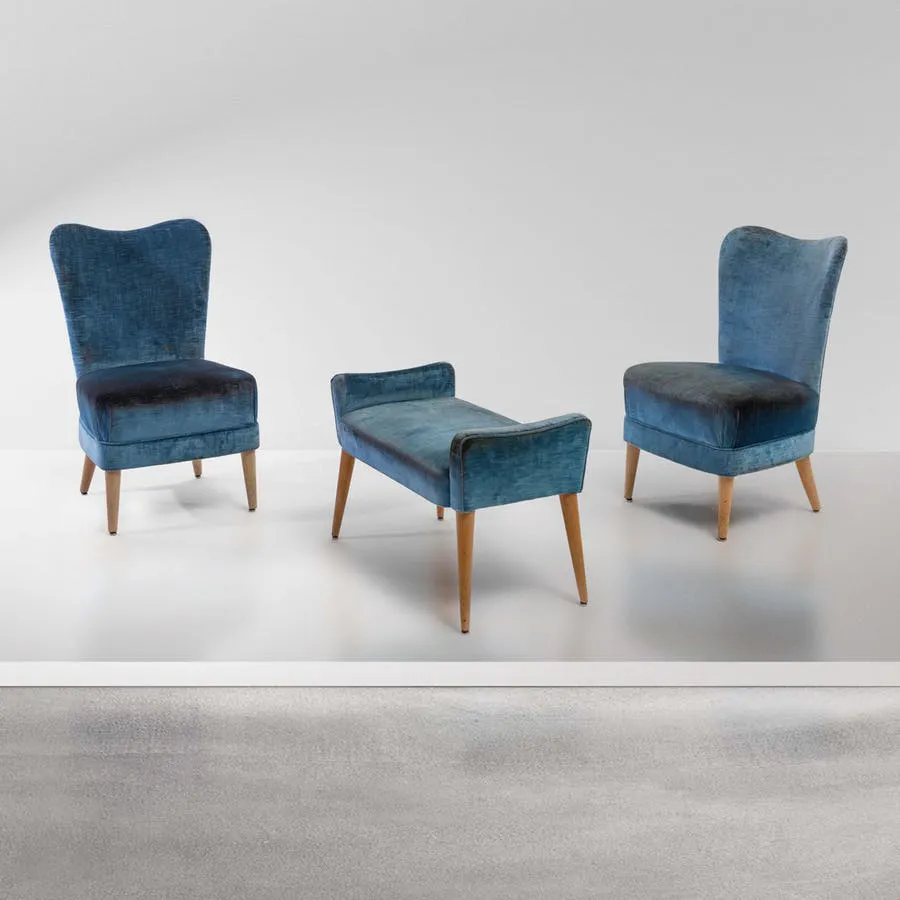
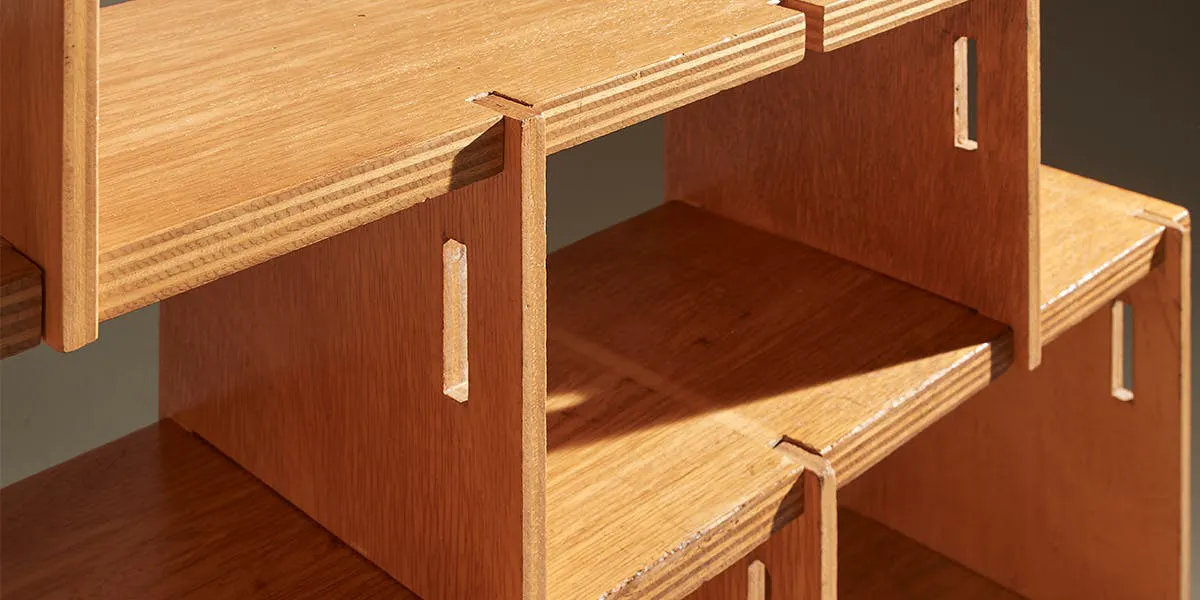
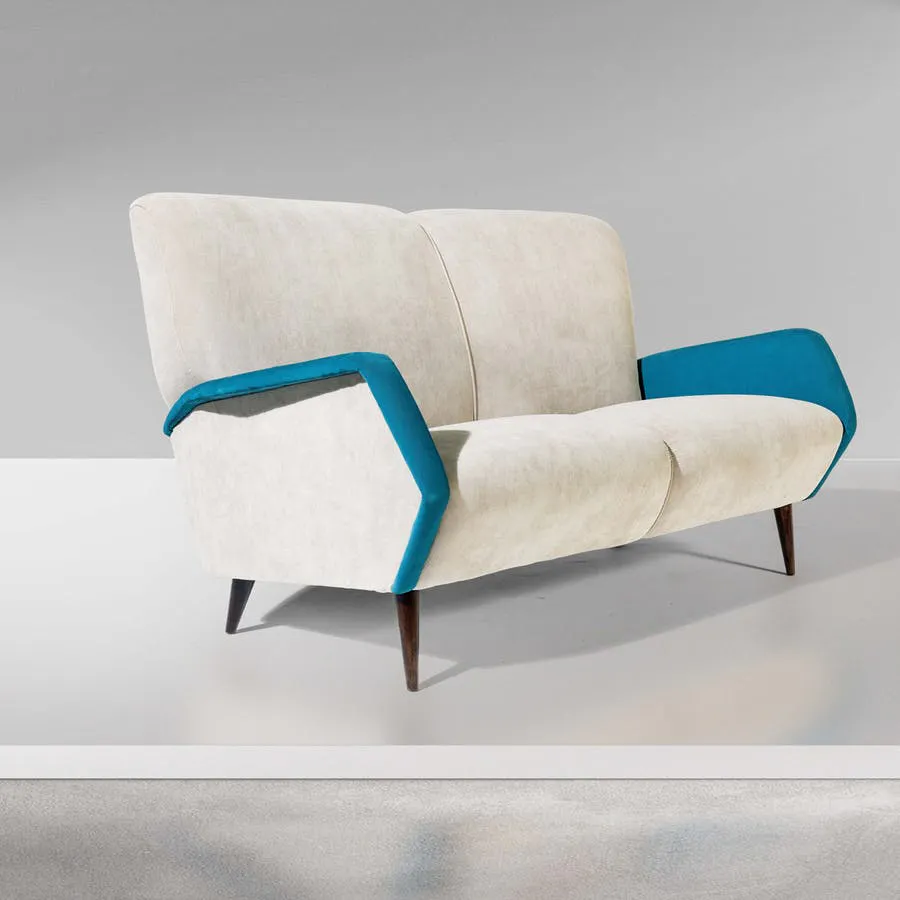
All the furnishing accessories by Osvaldo Borsani illustrated in the article are part of the highly anticipated auction of Design 200 by Cambi, which will open during the autumn season at their Milan headquarters. The 200 lots come from important private collections. Not only Borsani, to whom a special section is dedicated in the catalogue, but many other big names will also have an important role during the sale: Carlo Bugatti and Eugenio Quarti from early 20th century, followed by Venini, Barovier and Toso, then among others, Achille Castiglioni, Ico Parisi, Gino Sarfatti, Max Ingrand and Gio Ponti.
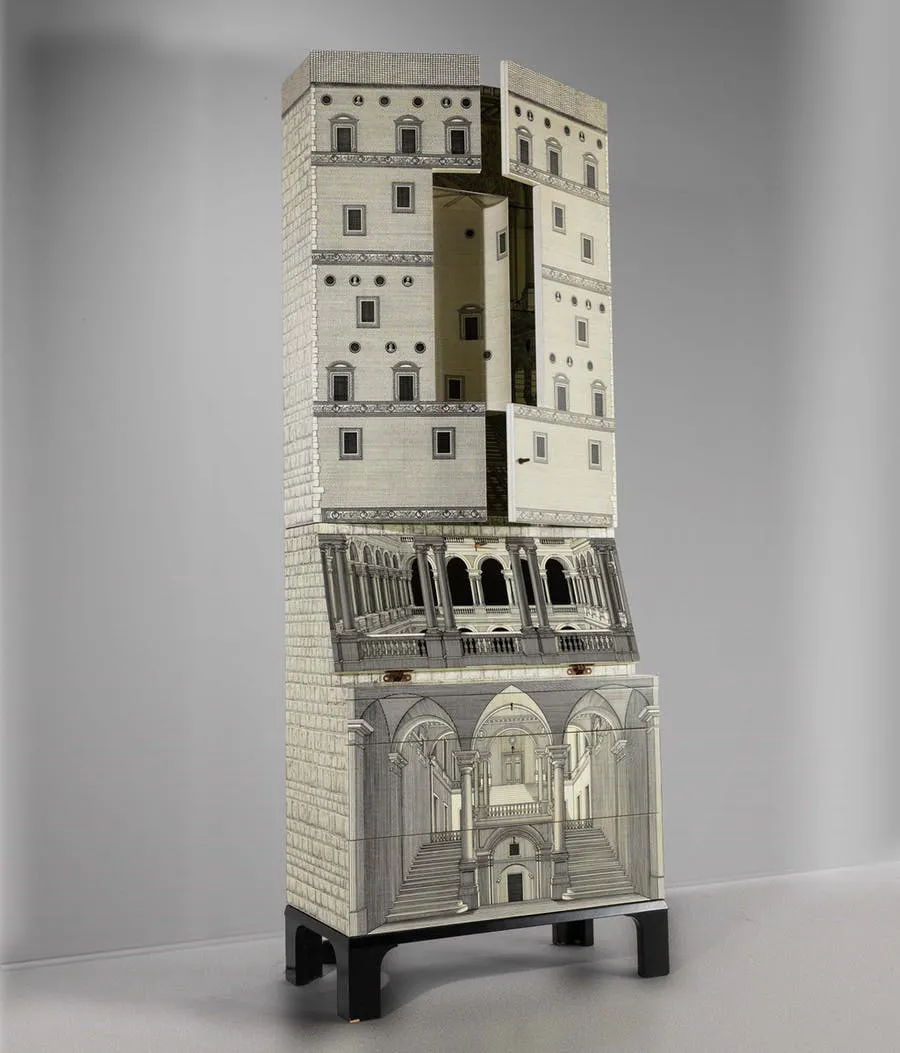
The selection dedicated to Piero Fornasetti, a leading name for Cambi, is also exceptional. The catalogue closes with Marco Zanuso, Ettore Sottsass, Carlo Scarpa, Gabriella Crespi and some interesting names in the contemporary landscape.
The Design 200 auction begins on is Tuesday 1 October, at the headquarters in Via San Marco 22. The exhibition will be open from Friday 27 to Monday 30 September.