Stay up-to-date with the antiques world

By subscribing, you are agreeing to the privacy policy. Unsubscribe anytime.

Barnebys

Barnebys HQ

Brahegatan 10
BOX 5038
114 37 Stockholm

Company

  • About Us
  • Join Barnebys
  • Our Partners
  • Press
  • Career

Explore More

  • Barnepedia
  • Buying / Selling at auction
  • Auction Houses / Dealers / Galleries

Support

  • FAQ
  • Terms of Use
  • Privacy and Cookies policy
  • Contact us
  • Barnebys Group AB
  • Barnebys.se
  • Barnebys.com
  • Barnebys.co.uk
  • Barnebys.de
  • Barnebys.fr
  • Barnebys.es
  • Barnebys.it
  • Barnebys.hk
  • All auction items
  • Categories
  • Auction results
  • Magazine
  • Ancient Art
  • Arts & Graphics
  • Asian Art
  • Books, Maps & Manuscripts
  • Carpets, Rugs & Textile
  • Coins & Banknotes
  • Contemporary Art
  • Ethnographical
  • Fashion & Vintage
  • Folk Art
  • Furniture, Design & Mirrors
  • Glass
  • Jewellery & Gems
  • Lighting
  • Medals, Arms & Armour
  • Miscellaneous
  • Music & Musical Instruments
  • Nautica, Technica & Optic
  • Photographs
  • Porcelain & Pottery
  • Postcards & Stamps
  • Sculptures
  • Silver & Gold
  • Sports & Leisure
  • Tin & Metals
  • Toys & Collectables
  • Vehicles
  • Watches & Clocks
  • Wine & Spirits
  • Works of art
  • All auction items
  • Auction results
  • Magazine
  • Get a valuation
  • Auction system

Barnebys Magazine

LatestEditor's picksTopics
Magazine/Collectibles/Rare Piece of the Moon for Sale for £2 Million

Rare Piece of the Moon for Sale for £2 Million

It’s the world’s fifth largest lunar meteorite, weighing over 13.5 kgs.

30 April 2020Jessica Douglas
NWA 12691 – The Fifth Largest Piece Of The Moon On Earth, Lunar Feldspathic Breccia, 13.535kg, Sahara Desert, Western Sahara [detail]. Photo: Christie’s

NWA 12691 – The Fifth Largest Piece Of The Moon On Earth, Lunar Feldspathic Breccia, 13.535kg, Sahara Desert, Western Sahara [detail]. Photo: Christie’s

Christie’s is offering NWA 12691 – the fifth largest piece of the moon – for private sale. Moon rock is amongst the rarest substances on earth, with less than 650 kgs known to exist. This particular example, valued in the region of £2 million, is larger than any lunar meteorite returned by the Apollo programme.

The experience of holding a piece of another world in your hands is something you never forget.

Lunar meteorites arrived on earth after they were blasted off the lunar surface by the collision with an asteroid or comet. All of the moon’s large craters were created by such kinds of impacts.

See also: New Secrets Revealed About Girl with a Pearl Earring
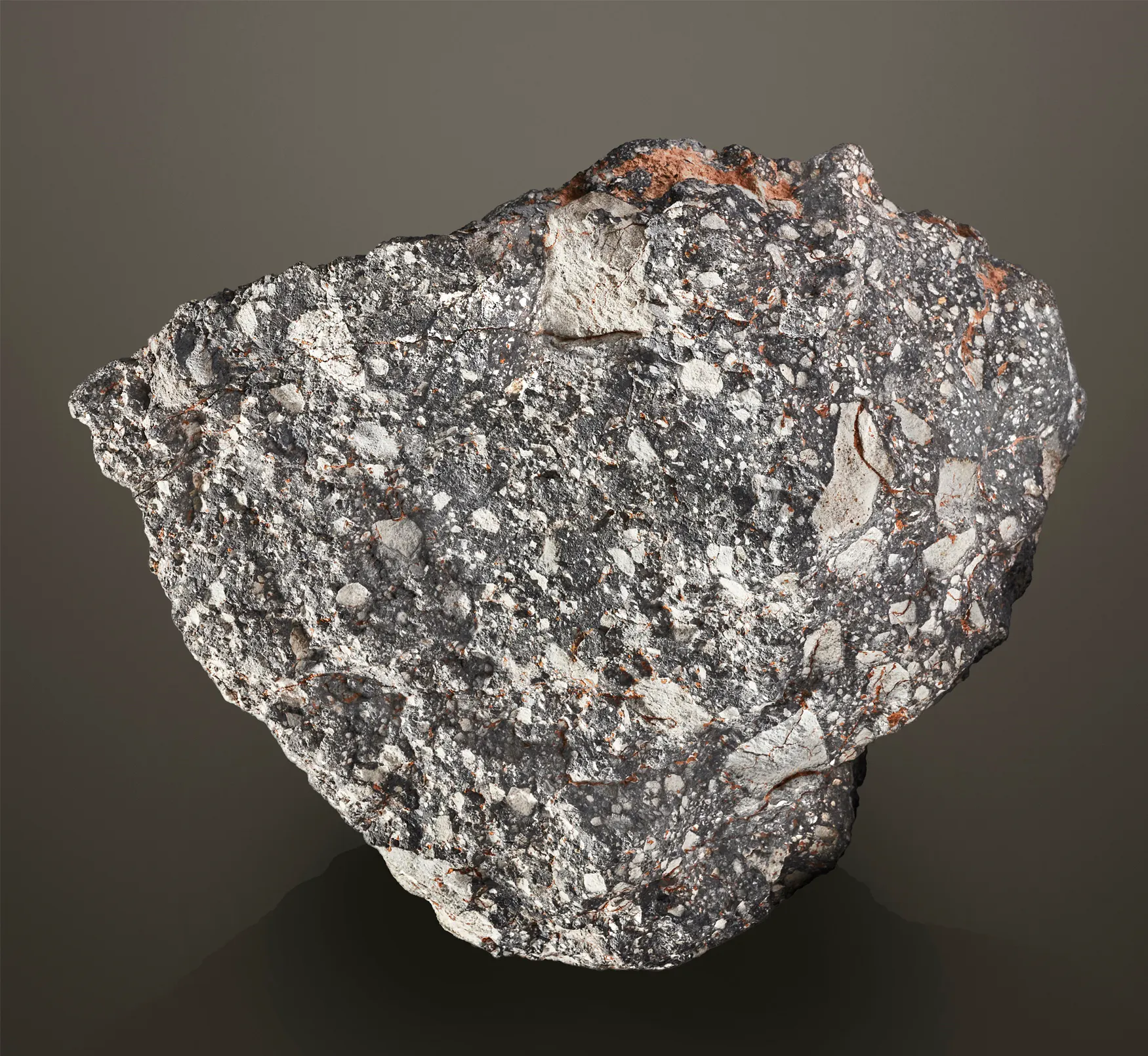
NWA 12691 – The Fifth Largest Piece Of The Moon On Earth, Lunar Feldspathic Breccia, 13.535kg, Sahara Desert, Western Sahara. Photo: Christie’s 

This piece at Christie’s arrived as part of a large meteorite shower straddling the Western Saharan, Algerian and Mauritanian borders, responsible for nearly half of all known lunar meteorites. Around thirty different meteorites were collected, analysed, classified and assigned different NWA numbers in the belief that they may have come from different events and represent different lunar samples. However, it has been determined that they all originate from the same lunar impact event as the current offering, NWA 12691, found in the Sahara Desert two years ago.
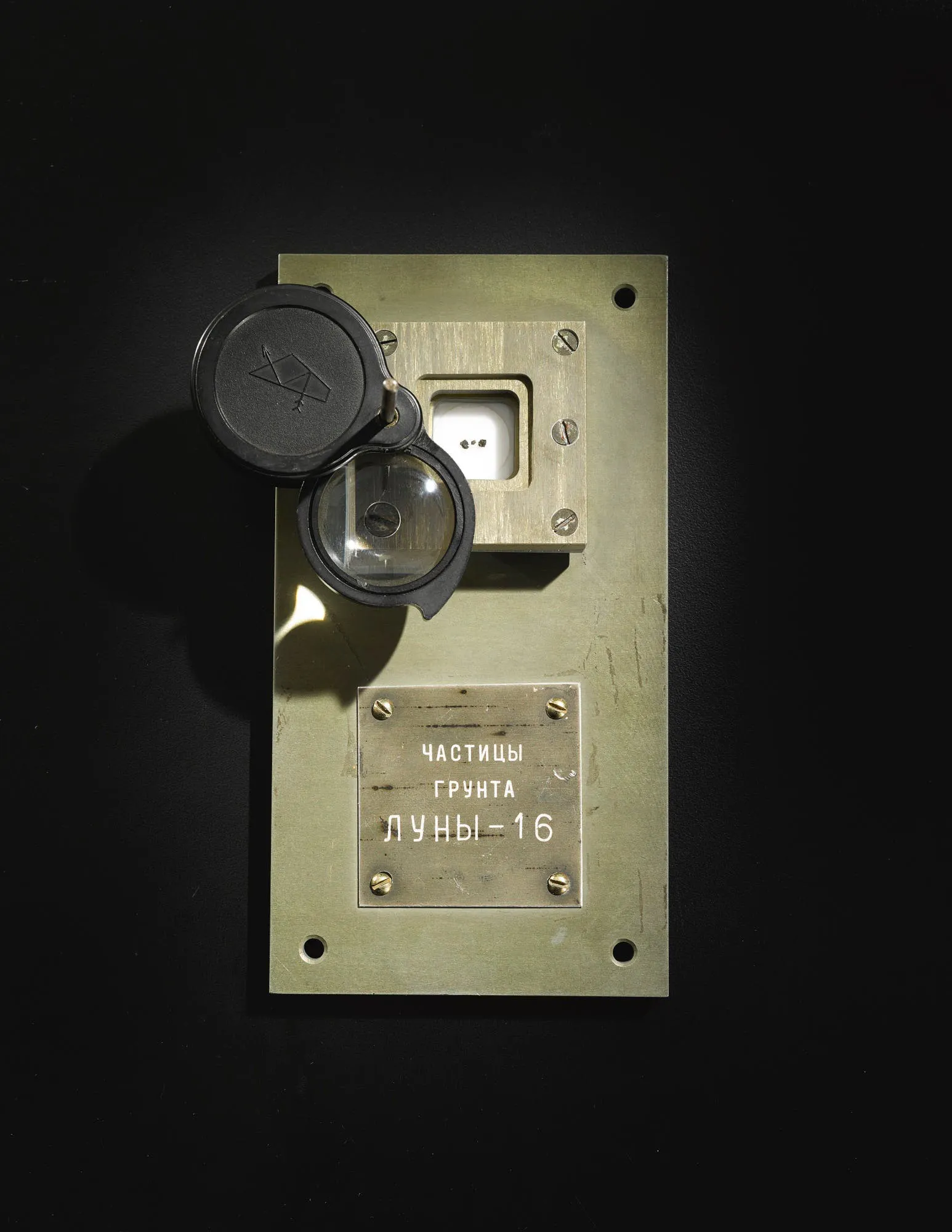
Soil Samples from Luna-16, collected September 1970, sold for £669,465 at Sotheby’s in November 2018. Photo: Sotheby’s via Barnebys Price Bank

James Hyslop, Christie’s Head of Science & Natural History, said in a press release: “I’ve been lucky enough to handle a few lunar meteorites at Christie’s over the years, but every time I see this specimen in the warehouse the sheer size of it bowls me over. Weighing over 13.5kg, it is so much larger than anything else that has ever been offered before. The experience of holding a piece of another world in your hands is something you never forget.”

See also: Multi-million Whisky Auction Hit by Cyber Attack

Scientists identify moon rocks by their specific textural, mineralogical, chemical and isotopic signatures. Many of the common minerals found on earth are rare or absent on the moon, while some lunar minerals are unknown on earth. In addition, moon rocks contain gases captured from the solar wind with isotope ratios very different from the same gases found on Earth.

Find more news on Barnebys Magazine

moonmeteoriteapollo

Subscribe to Barnebys Magazine

By subscribing, you are agreeing to the privacy policy. Unsubscribe anytime.

About the author

Jessica Douglas

Editor, UK

Read more from this author
Jessica Douglas

Explore related articles

original-30
Books, Maps & Manuscripts

Paint it black: Rare Dr Joseph Black lectures come to market

Bring your auction to collectors worldwide!