The long wait due to Covid-19 is finally over: from 4 to 10 June, the Viennese auction house Dorotheum is holding its traditional week of sales. Their four sessions, dedicated to old masters, 19th-century paintings, jewellery and handicrafts, are full of promise.
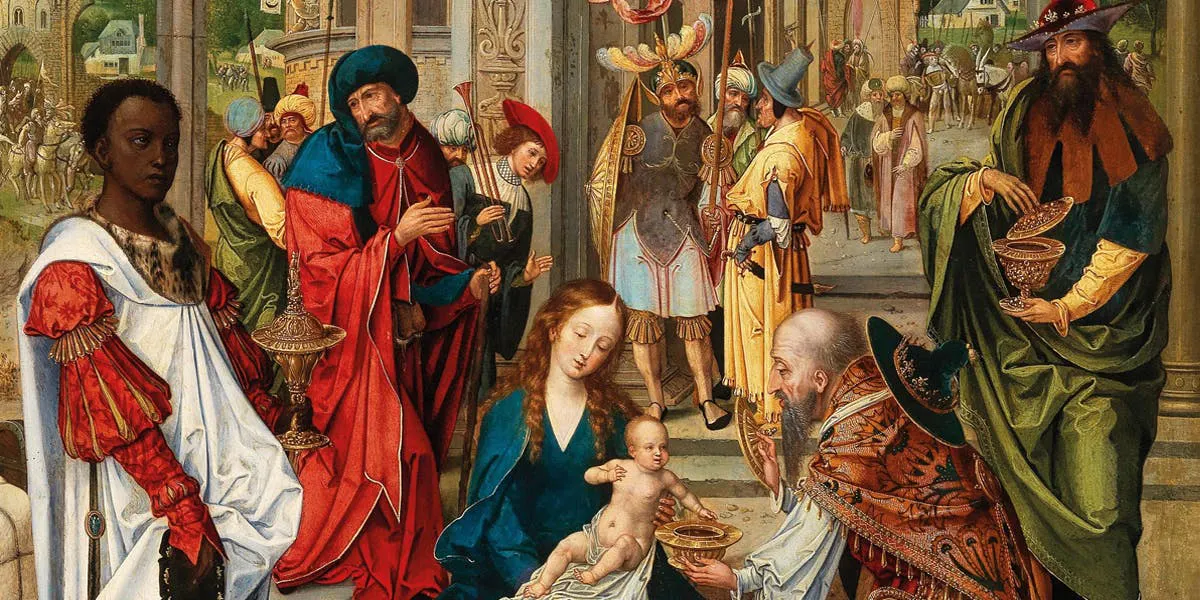
Among the most awaited lots in the selection of masterpieces, we find Adoration of the Magi, a masterpiece by the Flemish master Pieter Coecke van Aelst and which has prestigious provenance. This oil on wood from the first half of the 16th century was part of the collection of the Dutch king William II from 1840, for almost ten years, before coming into the possession of the royal family of Wied.
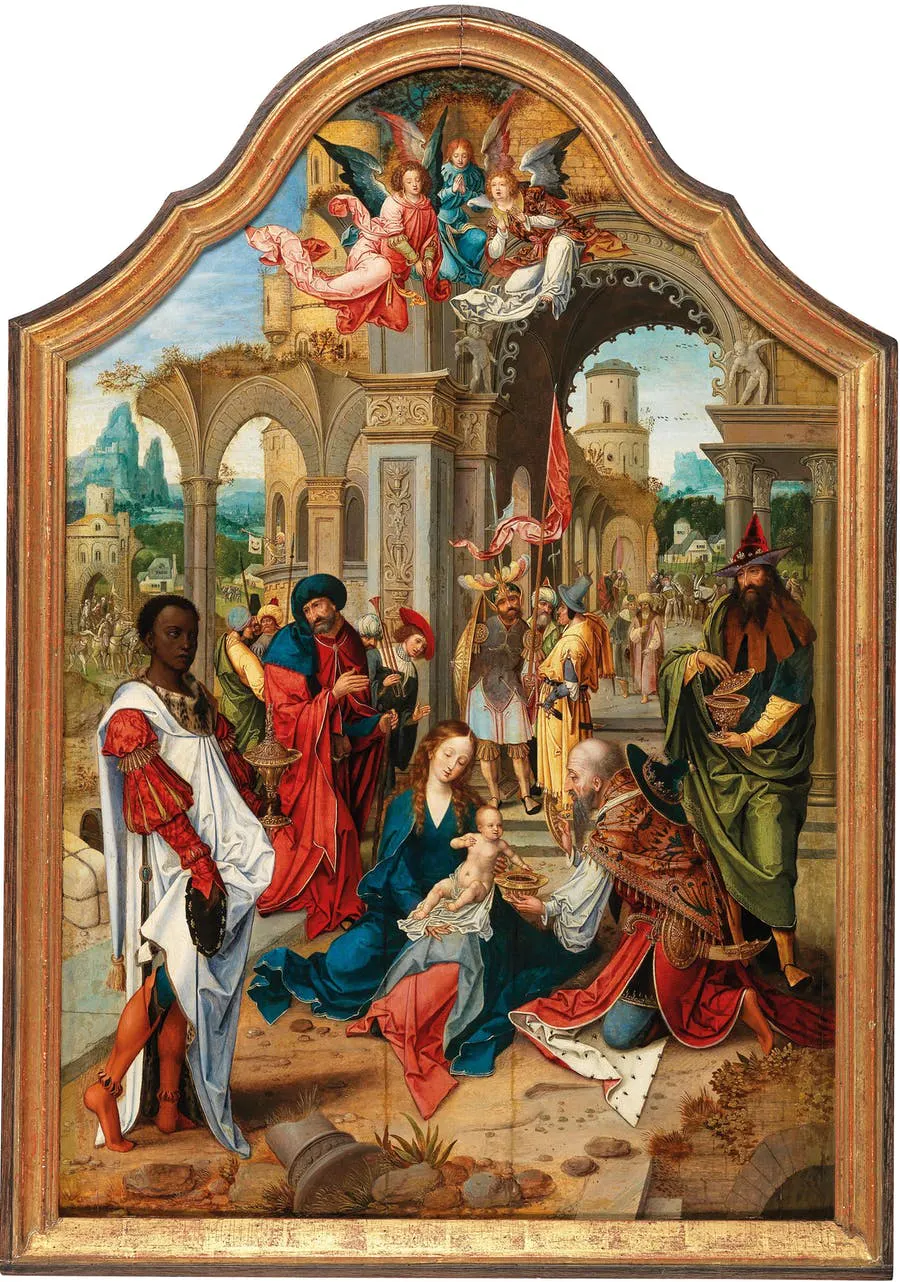
Long attributed to other masters, including Lucas van Leyden, the work was returned to the hand of Pieter Coecke van Aelst after comparative studies and analyses. According to experts, Van Aelst painted the work around 1523, at the end of his apprenticeship, probably for a private chapel or a prayer room.
With an estimate between €400,000 and €600,000 (£356,000-534,000), the record of Pieter Coecke van Aelst, currently set at €549,290 euros, could be surpassed.
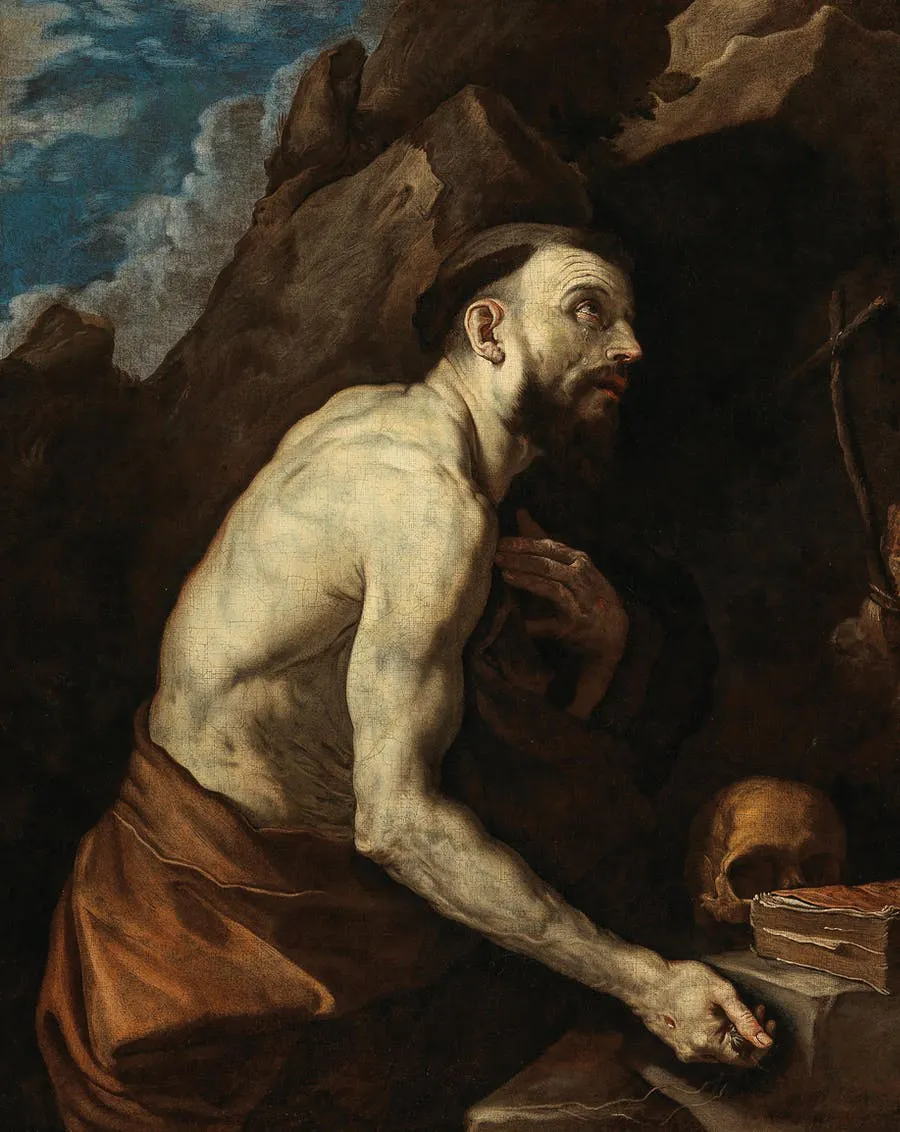
The oil on canvas entitled The Penance of Saint-Dominique could be attributed to the late work of the Baroque painter José de Ribera, who, at the end of his career, dared to combine the iconographies of Saint-Dominique, Saint-François and the Viennese bishop Hieronymus into a previously unmade composition.
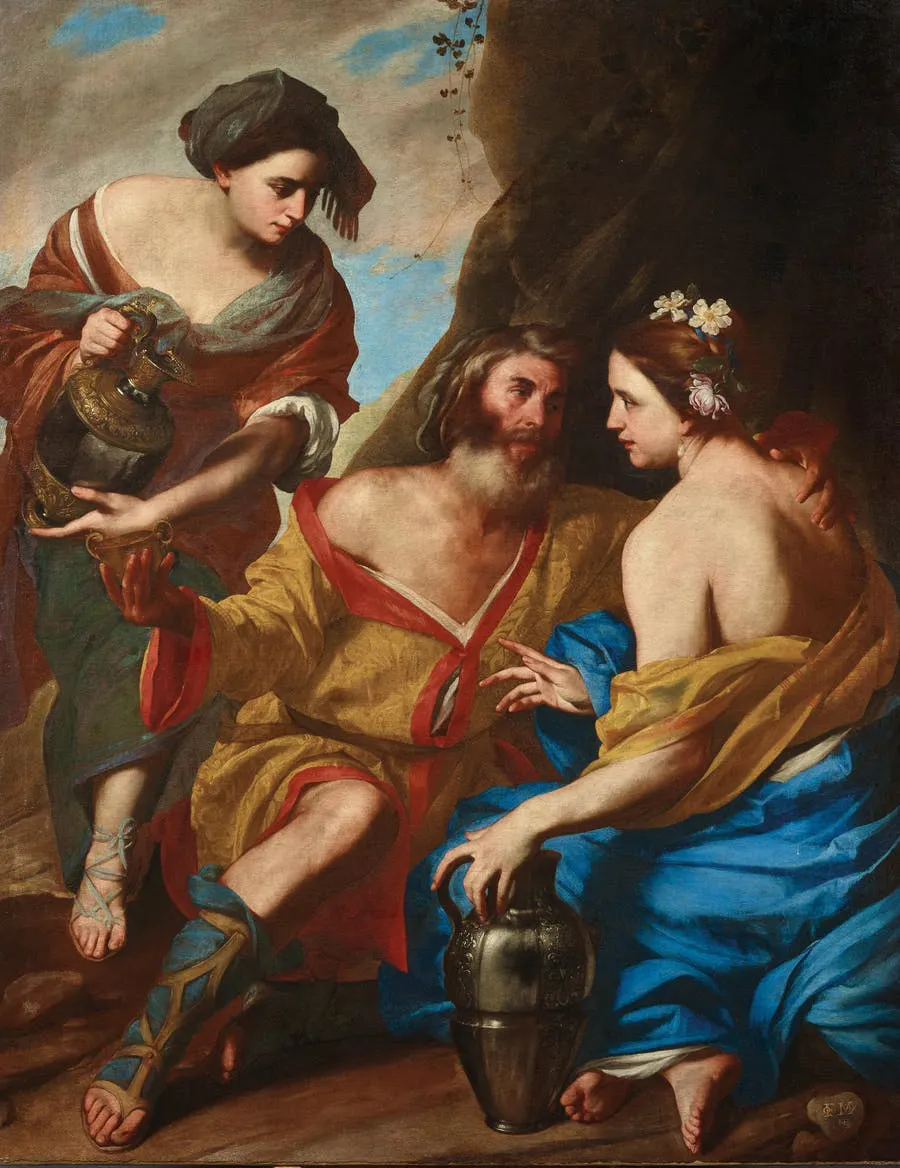
Here we find a work by a contemporary of Ribera, the Neapolitan painter Massimo Stanzione, which takes up the classic theme of Lot and His Daughters. Dated in the 1640s, the canvas would therefore also be part of the artist's late work.
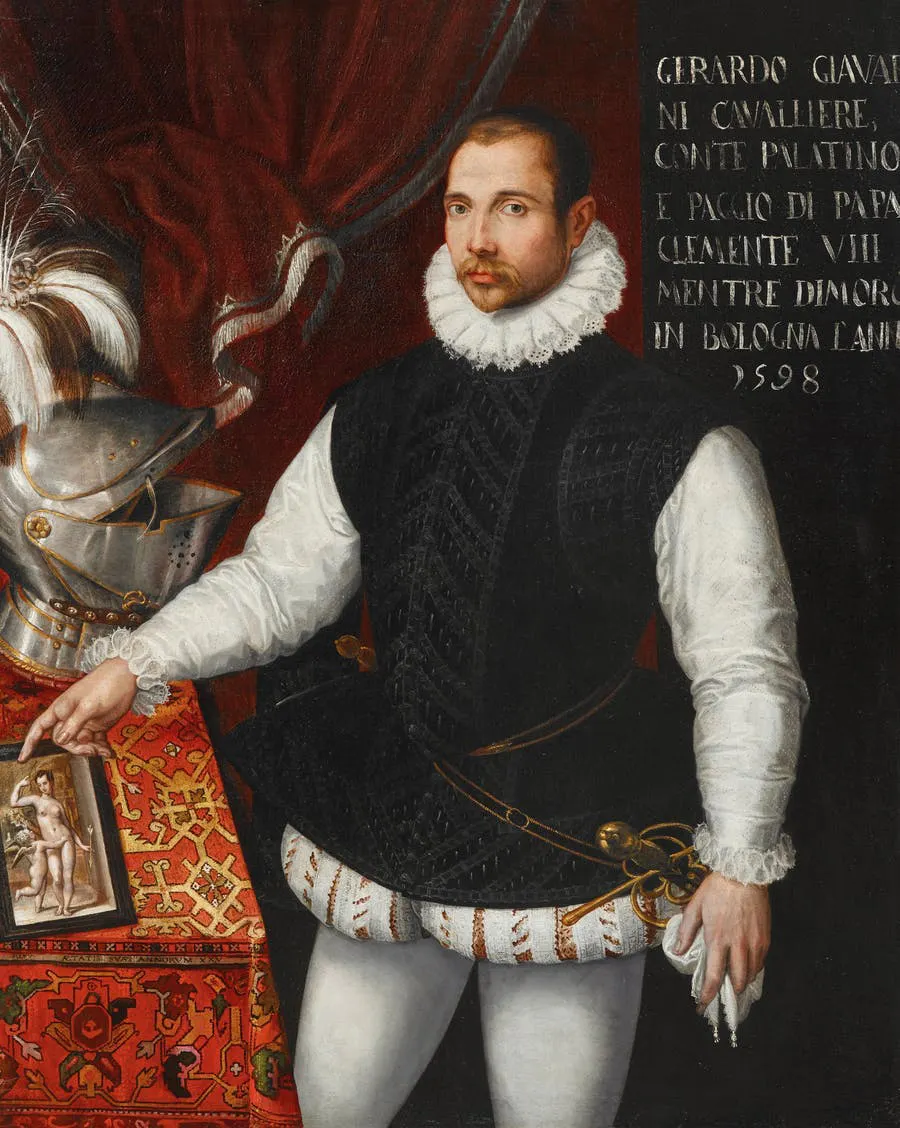
The Three-Quarter Portrait of Gerardo Giavarini was produced by portrait painter Lavinia Fontana in 1598. Fontana was an Italian mannerist from the Roman school who first worked in Bologna and then in Rome. A famous portrait painter from the end of the 1580s, Fontana received important orders, not only from noble women but also from important men and scholars. Even more impressive, between 1585 and 1613, she painted mythological paintings, becoming one of the first female painters to represent nude women. Fontana succeeded as a painter while maintaining a reputation as a virtuous woman, which was rare at the time.
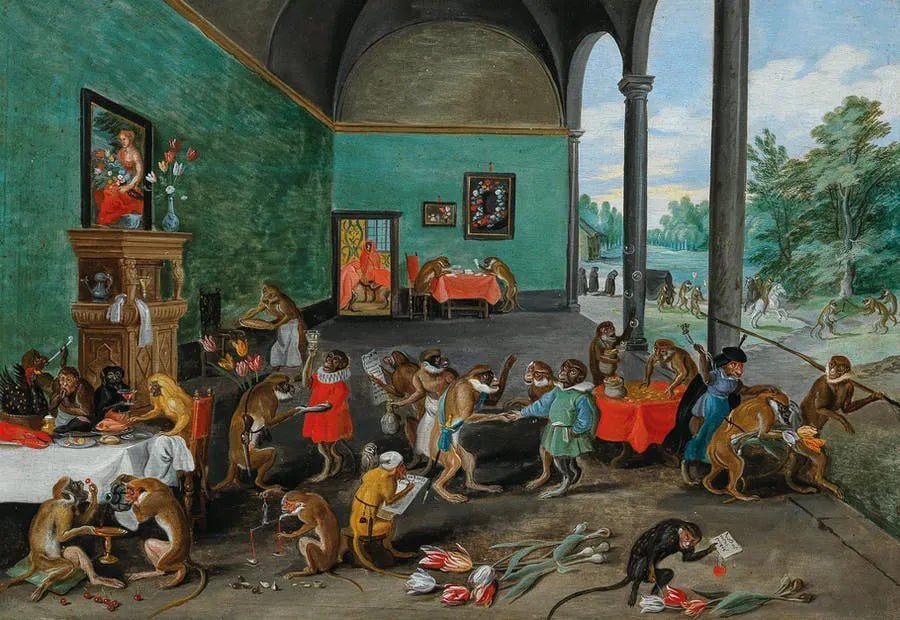
This allegory of Tulipomania by Jan Brueghel the Younger is being presented with an estimate between €250,000 and €350,000 (£222,5000-311,500). The first speculative and financial stock market bubble in history, Tulipomania appeared in the Netherlands during the 17th century, pushing farmers to invest their farms into a single tulip bulb. Thanks to this speculative frenzy, the beautiful flower made a place for itself in the history of art.
On 8 June, the old masters will give way to 19th-century paintings.
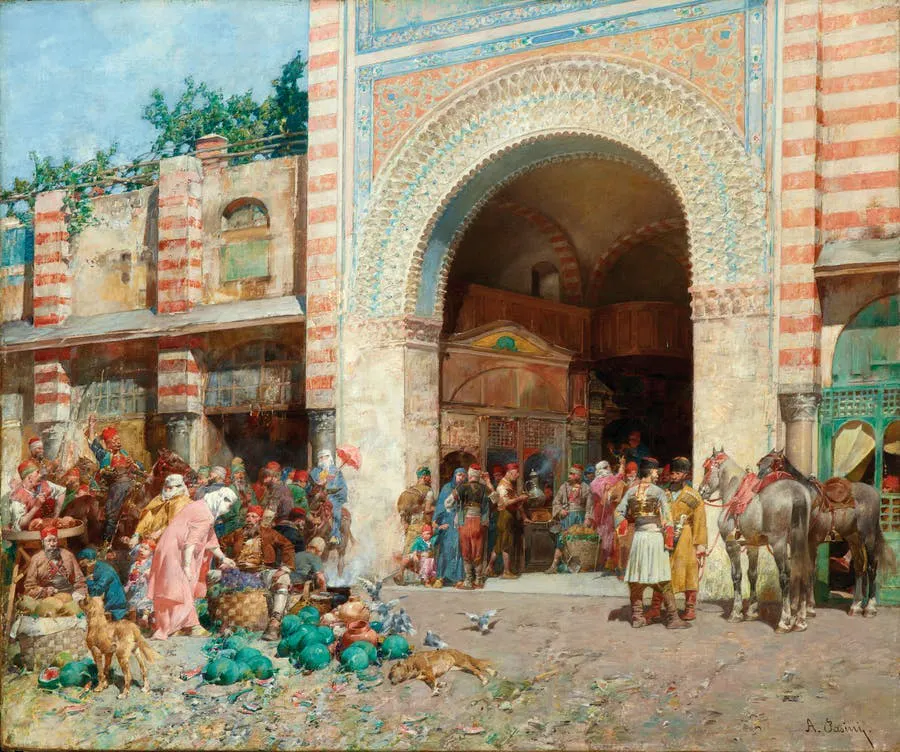
In Front of the Entrance to a Bazaar is a work by the Italian artist Alberto Pasini who, in 1855, became a painter on a diplomatic mission of the French state, whereupon he travelled to Persia, Turkey, Syria, Saudi Arabia and Egypt. Sixty paintings and numerous sketches resulted from this trip, and Pasini made his fortune in France and Italy.
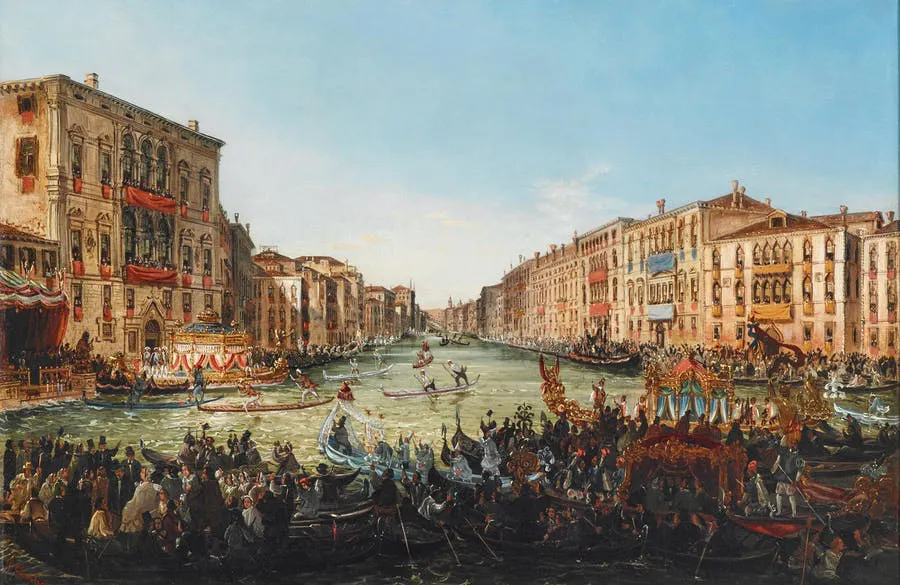
A view of Venice by Giovanni Grubas will also be presented, as well as one of his nocturnal versions of the City of the Doges.
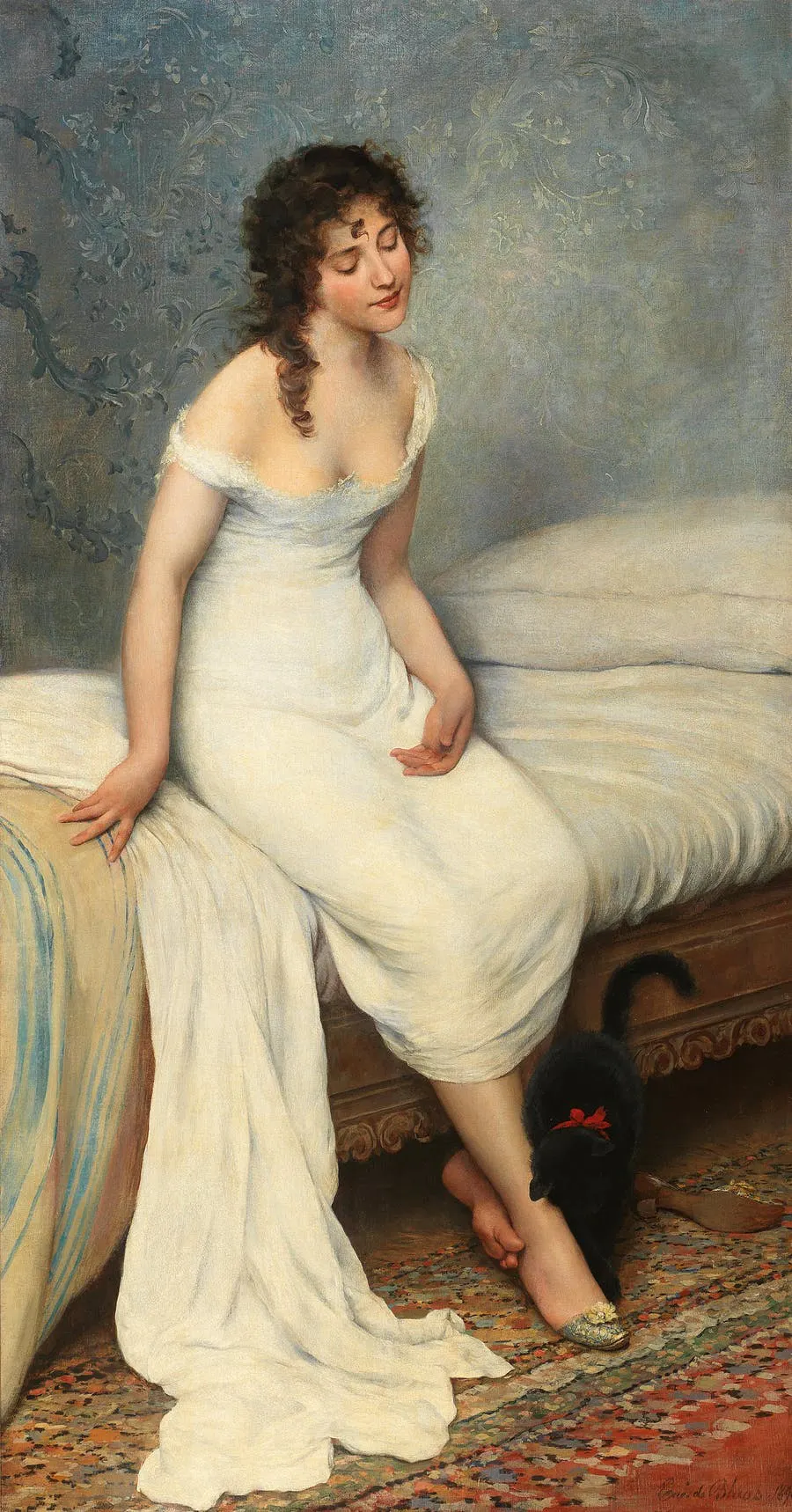
Another Italian master of the 19th century, Eugen von Blaas is represented with Morning Salvation, a canvas from 1893 representing a young woman in a nightgown sitting on her bed in the company of a black cat.
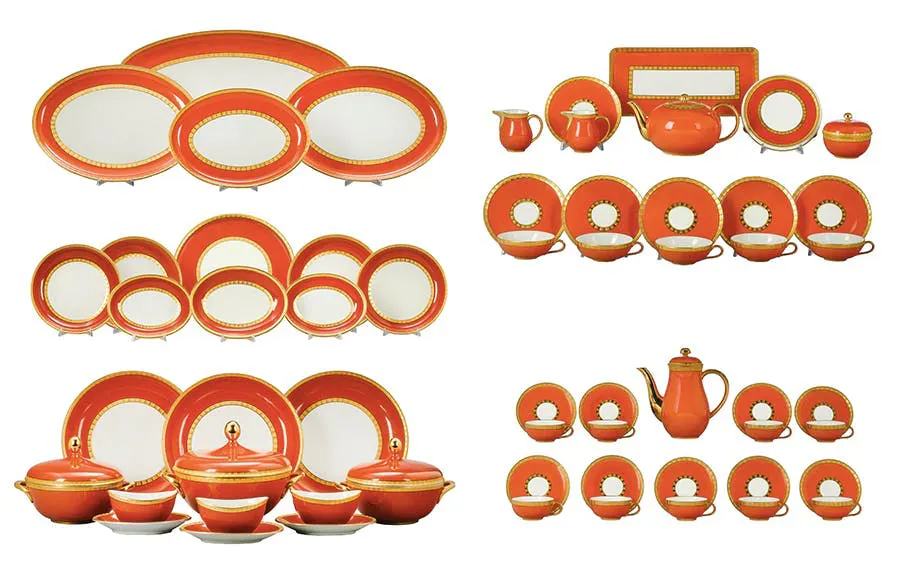
Furniture, decorative art objects, sculptures, antiques and porcelain will be presented on 4 June. The selection is led by a service of 227 pieces from the Nymphenburg factory. The service, known as ‘Lotos’, is a creation of designer Wolfgang von Wersin from 1932-36, thanks to which the spirit of New Objectivity took its first steps in the manufacture.
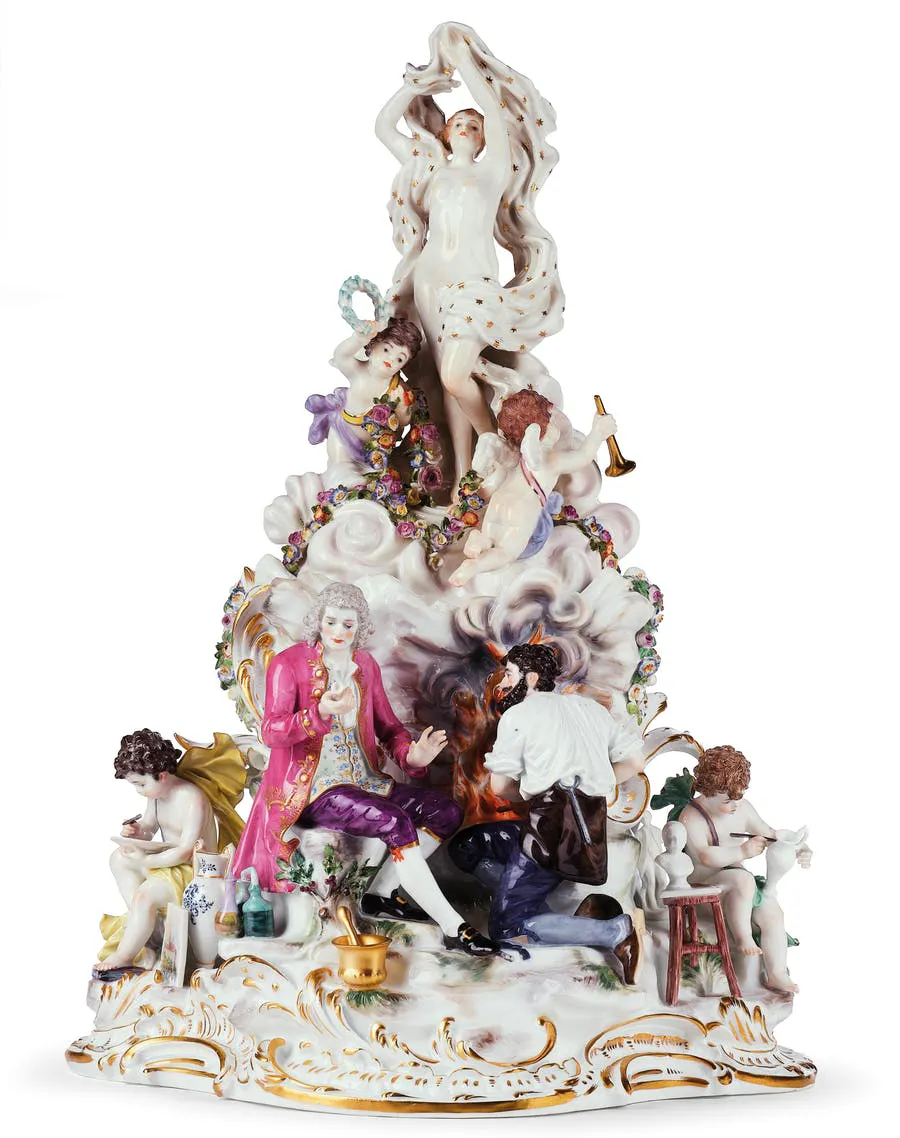
On the porcelain side, the house will notably present this group of characters from the Meissen factory, considered very rare and of great historical importance. Created by Paul Helmig in 1889-90, the work represents the beginning (as well as the style) of the first phase of European porcelain production.

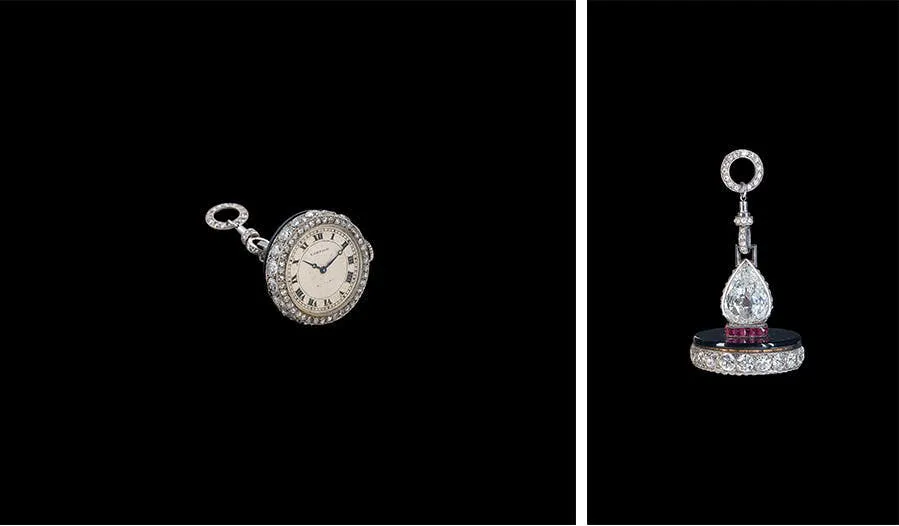
The auction week ends on 10 June with a jewellery auction, including, among others, two wonders of the house of Cartier.
We note on the one hand this delicate Art Deco tiara in platinum, set with aquamarines (weighing around 70 cts in total) and diamonds (4 cts in total), as well as a rare pendant watch set with a diamond drop size of about 2.20 carats. The two treasures were produced around 1930-35.
The auction will take place at the Dorotheum Palace in Vienna from 4 to 10 June.