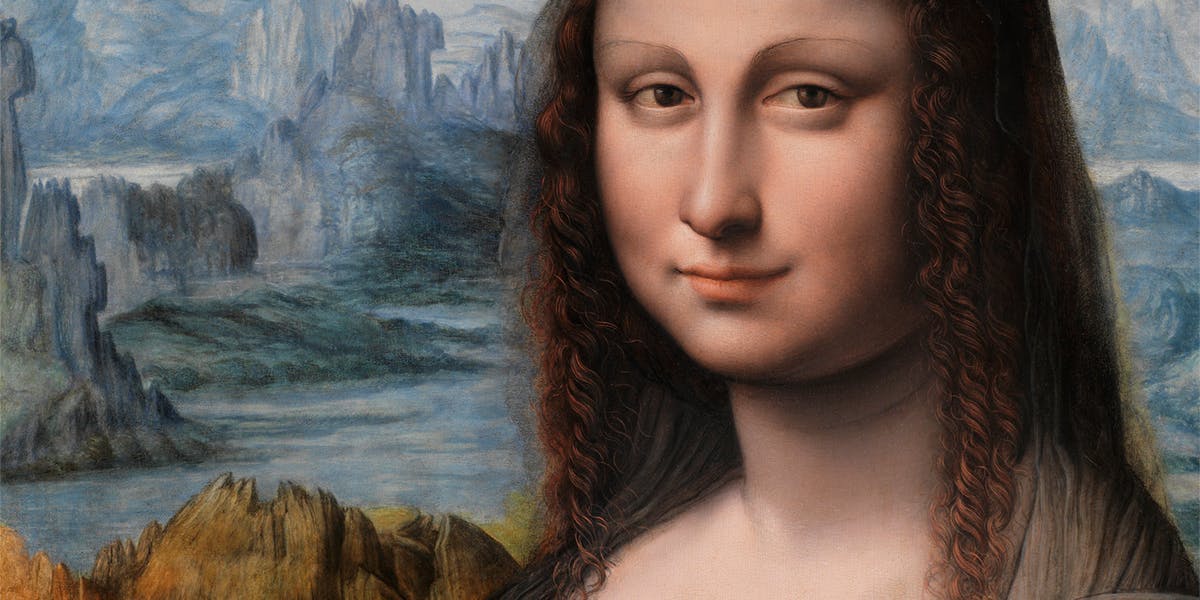
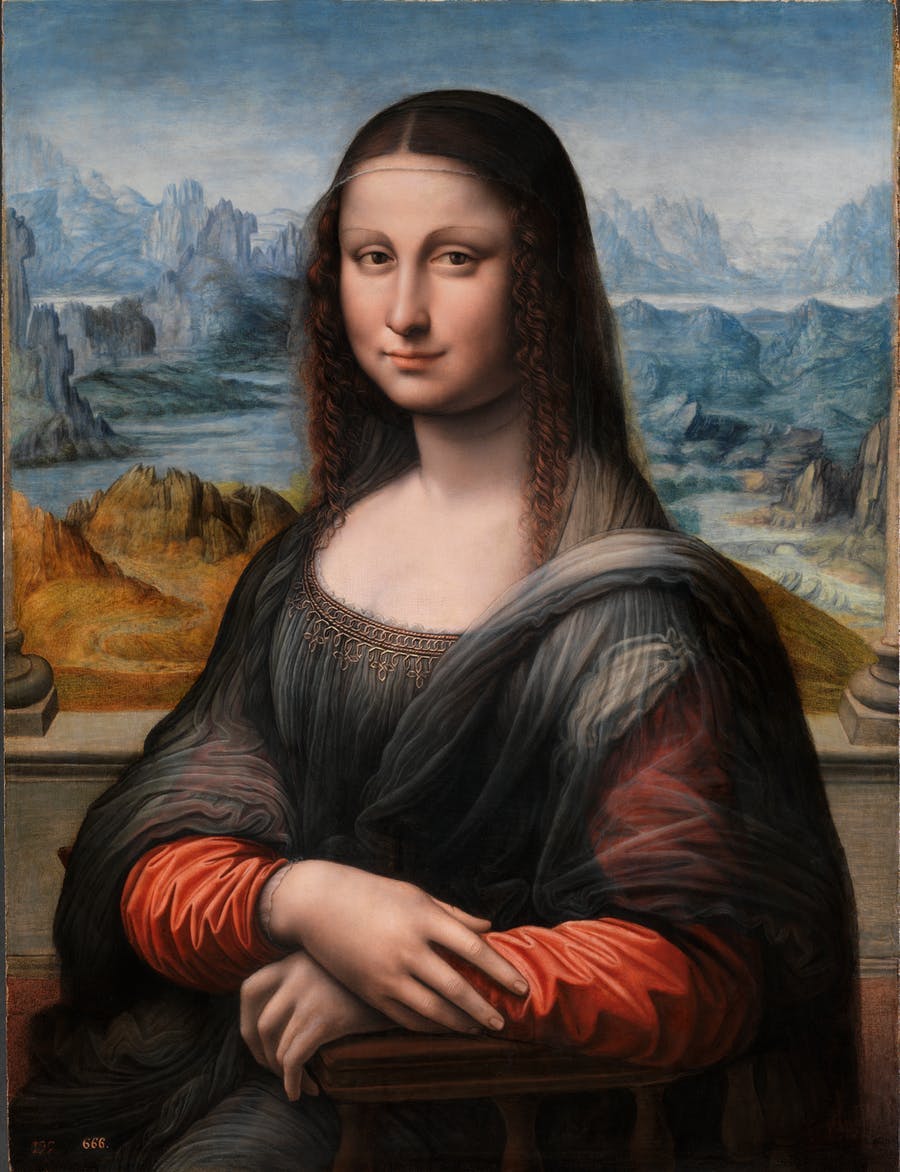
Almost ten years ago, new revelations behind the copy of Leonardo da Vinci's Mona Lisa in the Museo del Prado in Madrid came to light. The background, black lacquer instead of the Tuscan landscape of the original, was analysed and, on closer examination, turned out to be overpainting from the middle of the 18th century. In fact, this original Mona Lisa, with its superbly preserved details, sits in front of a rocky landscape that resembles that in the world-famous portrait of a woman. In addition, X-ray examinations showed preliminary drawings under the two paintings and also some corrections made during the painting process that are identical to the original painting. The conclusion was that the Mona Lisa in the Prado is not a later copy of the Mona Lisa in the Louvre, but a version that was created around the same time with Leonardo's work in his workshop.
See also: New Secrets About Mona Lisa Revealed
The exhibition, Leonardo and the Copy of the Mona Lisa. New Approaches to the Artist’s Studio Practices, which can be seen in the Prado until 23 January 2022, is the first time that the 'second Mona Lisa' takes centre stage and showcases da Vinci in his role as teacher. The exhibition summarises the research results that the Museo del Prado has been able to develop in recent years on the working methods in da Vinci's workshop, in collaboration with the Louvre, the Laboratory for Molecular Archeology of the Sorbonne and the National Gallery in London.
In addition to the Mona Lisa del Prado, other works featured in the exhibit are based on da Vinci's paintings or sketches by his students, the preparations of which was supervised and authorised by da Vinci.
For da Vinci, the focus of his teaching was conveying his original painting concepts and the sfumato technique that he had mastered of blurring colours in transition. The embellishment of his sketches by his students also enabled the busy da Vinci to check the actual effect of his teaching, while allowing his students to maintain their own style.