On 23 July, an exciting mix of items is going under the hammer at Durán Arte y Subastas. Here are six of our favourite artists from the sale and their works.
Spanish artist Agustín Úbeda (1925-2007) had a varied artistic style in which he alternated between surrealism and figurative expressionism. His works are poetic and sensual with elements of irony.
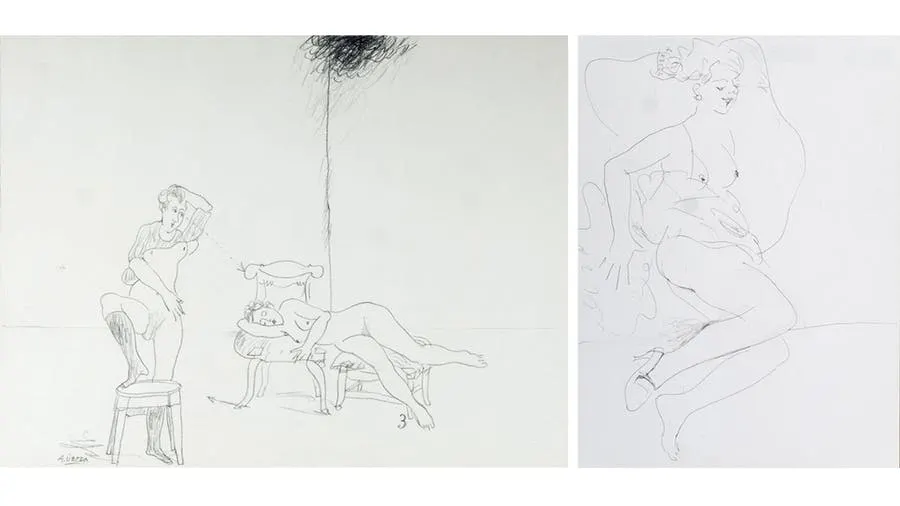
These simple but expressive drawings, Erotismo and Desnudo, are exemplary of the erotic elements in his art. According to Úbeda, art is both aesthetic and intellectual, but always with elements of passion. The artist's main source of inspiration was likely the 18th-century artist Francisco Goya.
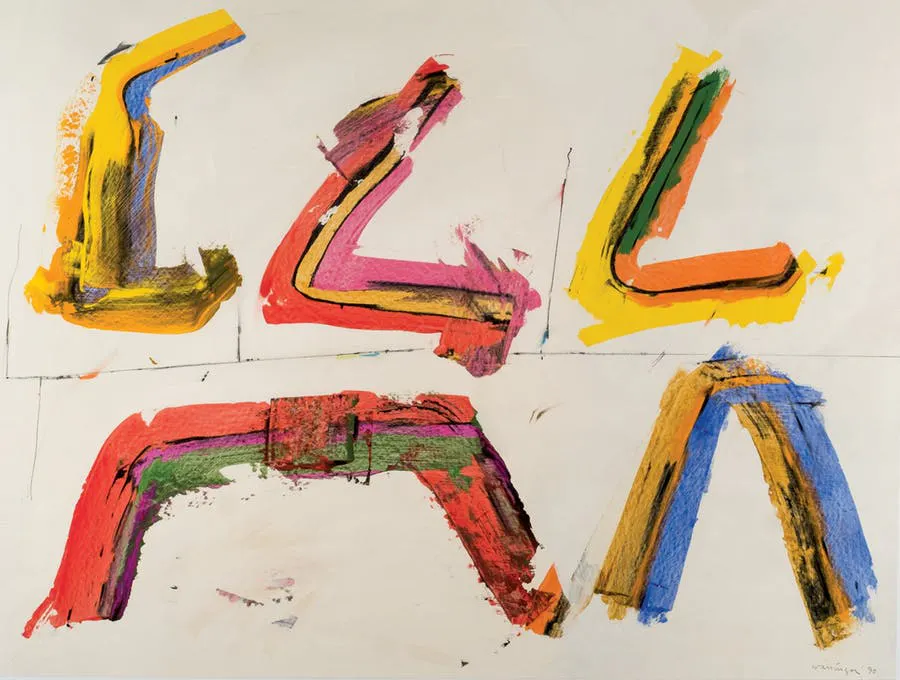
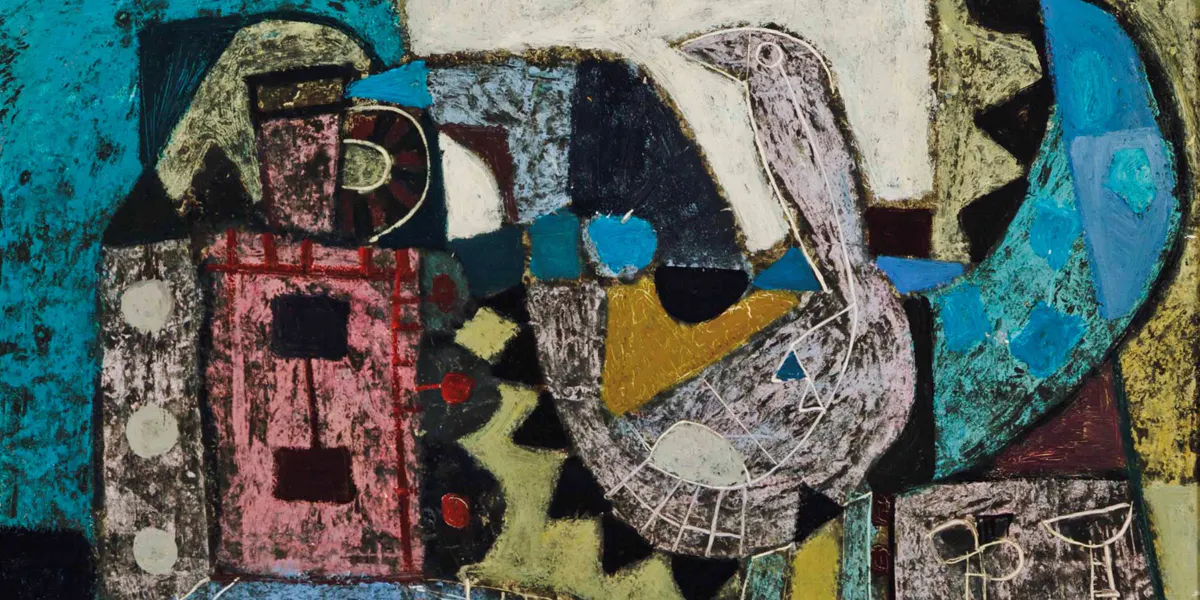
This untitled work from 1990 is by Dutch artist Francis Warringa (b. 1933), who has lived and worked in Spain periodically since 1961. The post-war and contemporary artist works with simplicity, and this abstract work with its clear colours is something that permeates Warringa's artistry. All his works get the same title, or rather no title, because Warringa wants the works to speak for themselves. He believes that if you give a work a title, the viewer is limited to seeing the work from a specific perspective, that is, the content of the work is always linked to the work’s title.
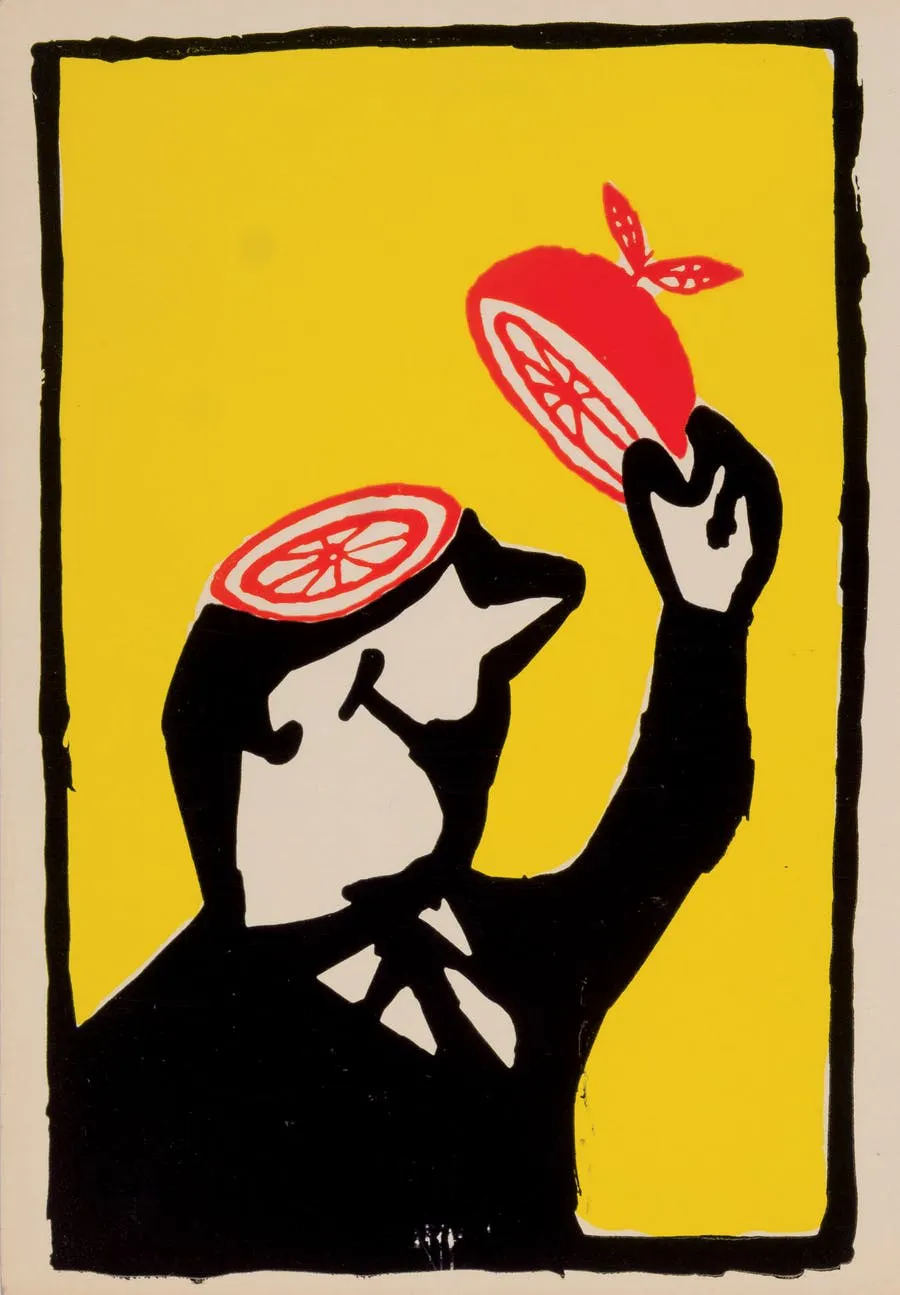
The artist group Estampa Popular was founded in the 1960s with the common denominator that all members opposed the Franco regime. The group consisted of about ten artists whose purpose was to convey criticism to the Spanish dictator Francisco Franco. Estampa Popular used figurative art that was clear and easy to interpret. The iconography in their works covered various subjects, but there was always a connection to the problem they felt the Franco regime brought about. The art was thus a way of bringing their struggle on.
The group was inspired by American pop art, which at that time dominated the international art scene. They were also inspired by the French new realism (Nouveau Réalisme) and Mexican print. The postcard Bon dia from the year 1966 is an example of all works created by Estampa Popular during the 1960s.
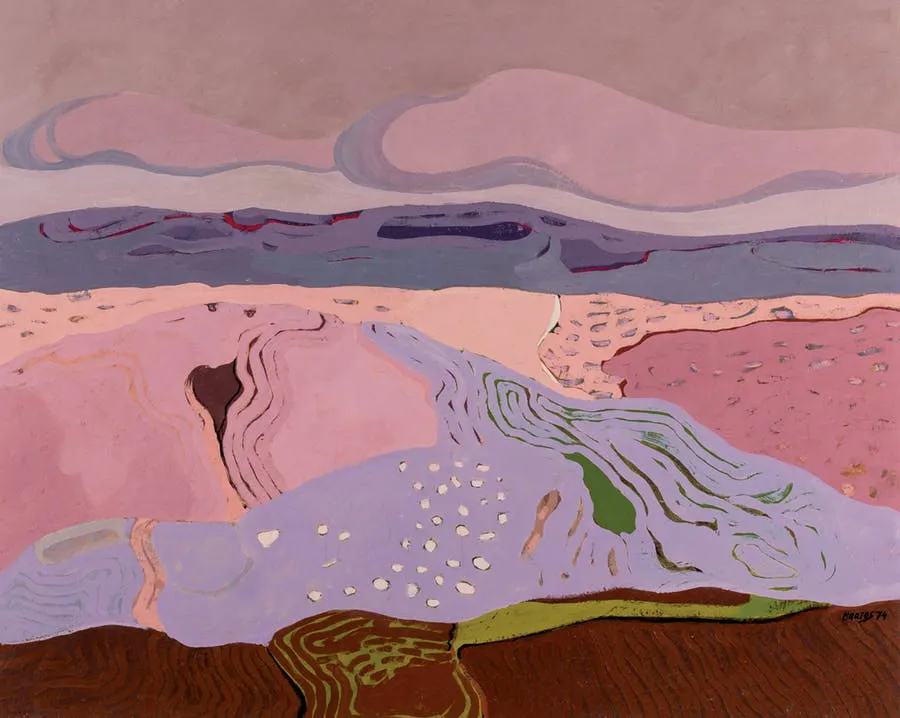
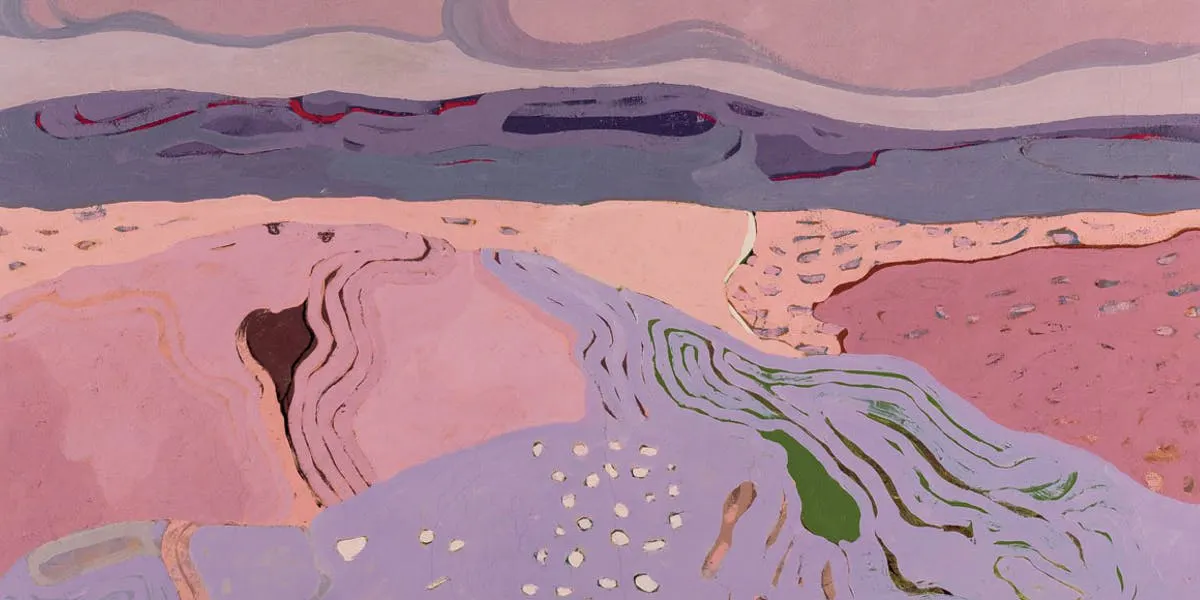
Manuel Martos (b. 1950) is a Spanish artist who usually follows the same theme: landscape paintings in a wide colour range. Marto's works, Paisaje from 1974, is no exception.
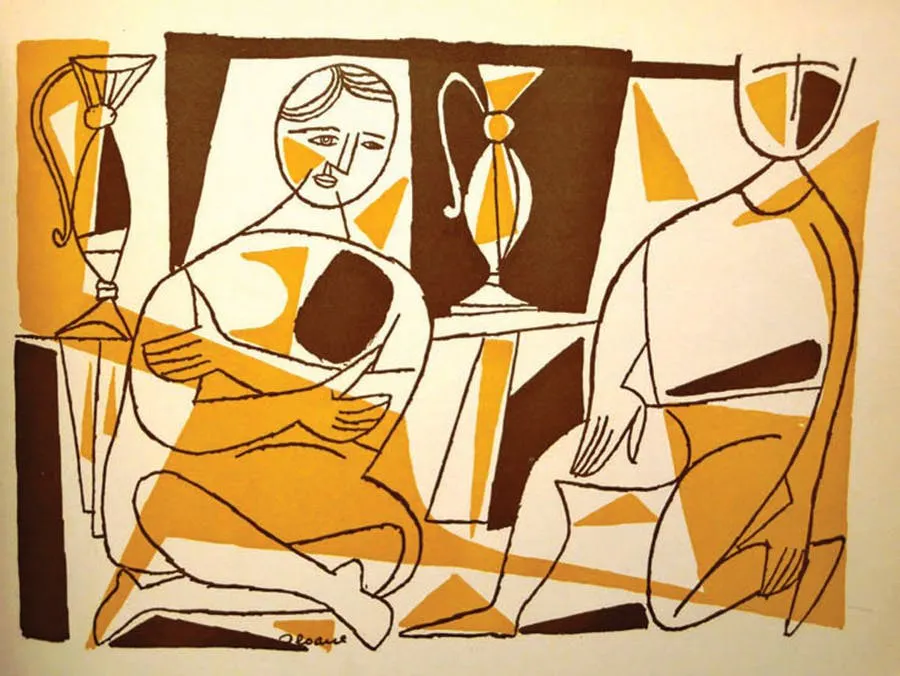
The artist and lithograph Luis Seoane was born in Argentina in 1910 and died in 1979. He grew up in Galicia but later moved back to Argentina because of the Spanish Civil War in 1936. Seoane became an important person within the cultural sphere and was responsible for a variety of public works around Buenos Aires.
In 1953 he created Libro de tapas and just a few years earlier, in 1947, he founded the publishing house Botella al Mar, which published works by Argentine authors. In combination with graphic design, they created highly symbolic works. Seoane's satirical drawings and graphic design were politically charged and, together with Botella al Mar, his paintings and graphics resulted in him becoming an important part of the publisher's history. In 1960, he returned to Galicia and became the front figure of the movement that came to relive the Galician culture.
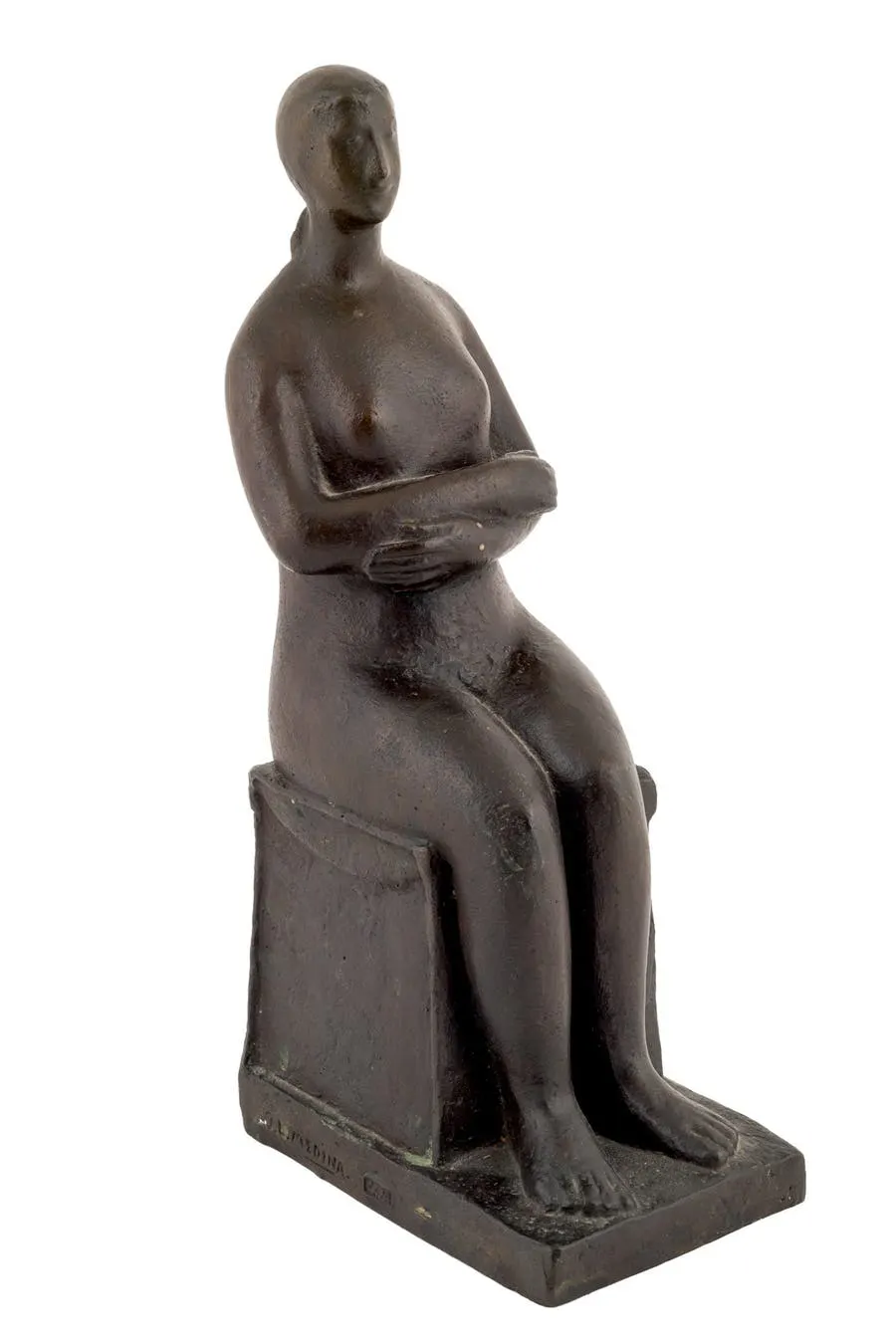
Spanish artist and sculptor José Luis Medina specialised in portraits and landscapes in the form of drawing, painting and sculpture. He was famous for his series of animal and human figures characterised by their calm and balance. In 1992, the artist attended the Expo 92 in Seville, where he exhibited his sculptures.
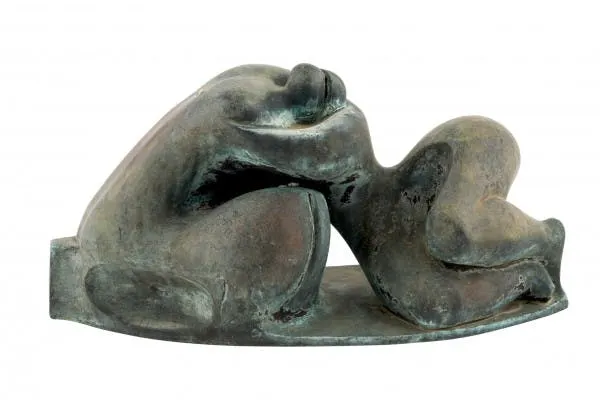
Durán is also auctioning two works by Medina, El Abrazo (1974) and Dama sentada, both in patinated bronze.