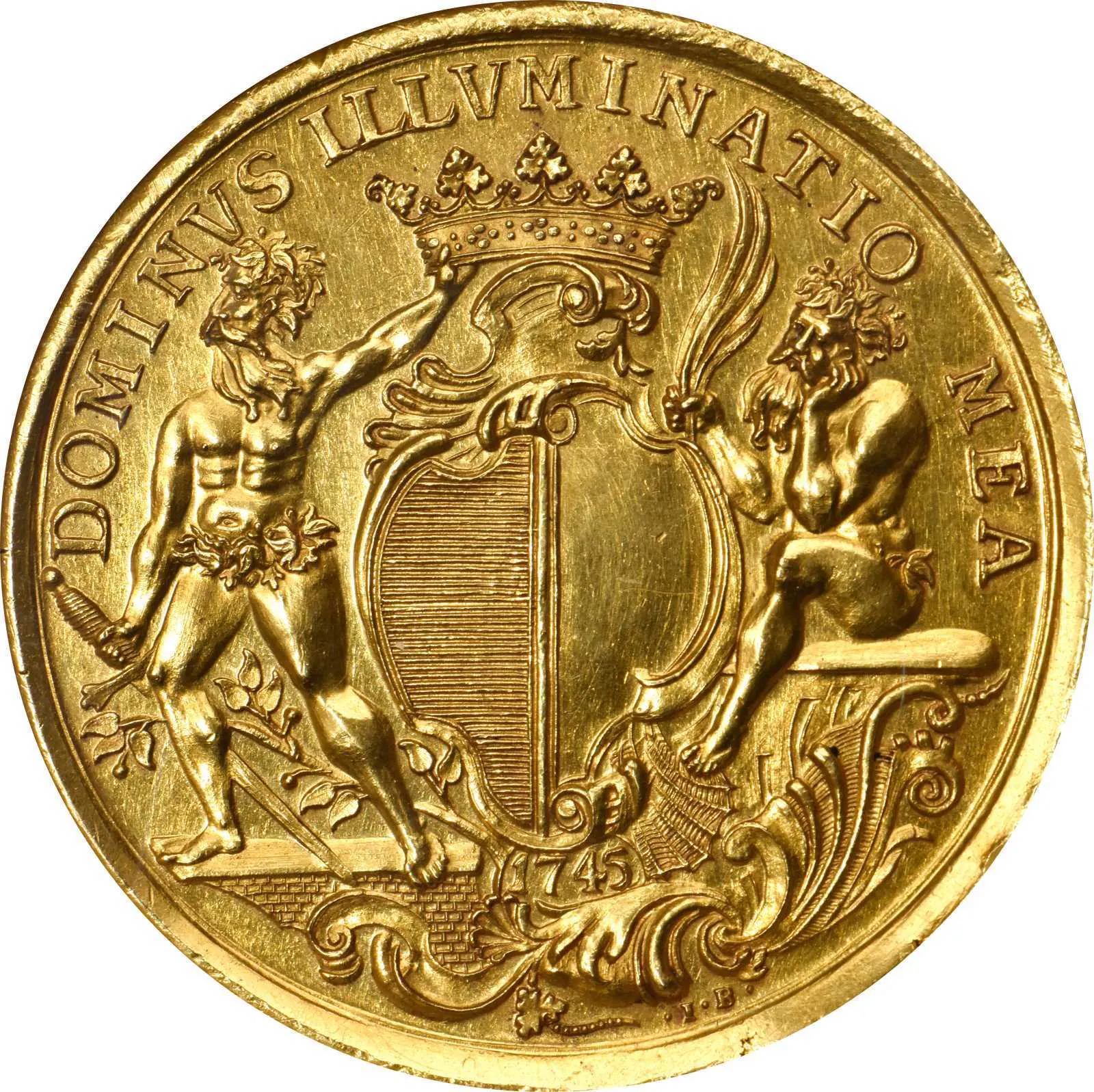
From August 14-15, Stack's Bowers will auction over a thousand lots of rare coins, paper money and more. Here are the highlights of the sale:
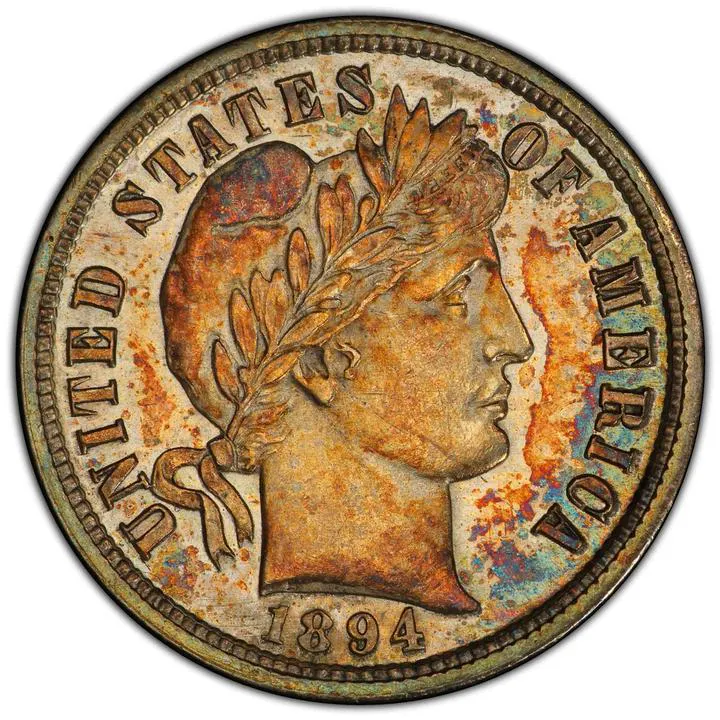
One of the premiere lots of the auctions is this 1894-S dime, which boasts the No 6. ranking in the 100 Greatest U.S. Coins book and is considered one of the rarest American coins. Only 24 examples were struck in the San Francisco mint in 1894 as gifts for the city's top financiers and now only nine specimens are positively confirmed to exist. Market appearances are few and far between, for 1894-S dimes have traditionally spent years, if not decades, sequestered in tightly held collections. The specimen offered here, in fact, is making its first market appearance in 31 years, all the proof one should need to recognize the fleeting bidding opportunity that this offering represents for the advanced collector. The front of the coin shows the profile of Lady Liberty with the back inscribed with "one dime" surrounded by a wreath. Estimated $900,000 to $1,200,000
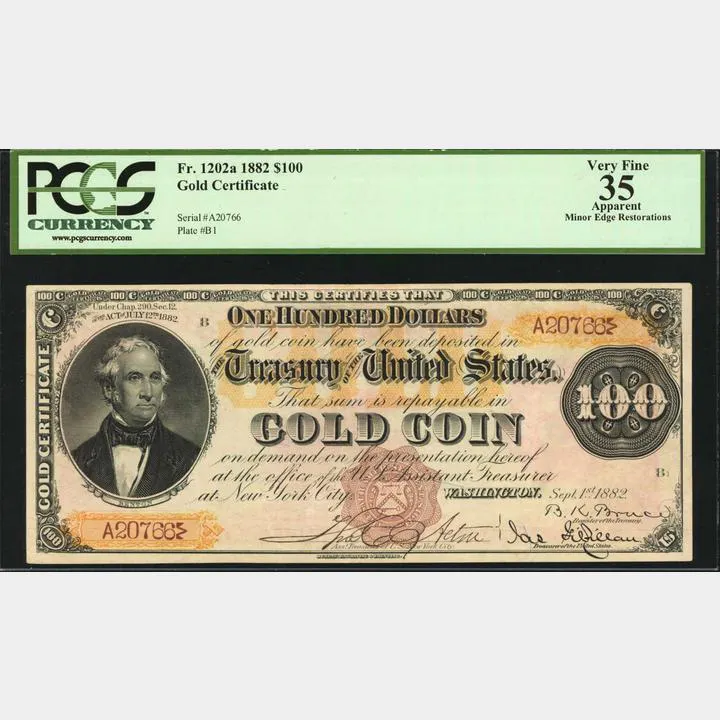
This "Triple Signature" 1882 Gold Certificate is one of just three pieces extant and the only such note remaining in private hands (the other two notes known reside in the collections of the Federal Reserve Banks of New York and San Francisco). The face of this note has the portrait of Missouri Senator Thomas Hart Benton, nicknamed "Old Bullion," to the left and the denomination in two conjoined rosettes at right. After December 17, 1878, gold coins and paper currency were exchangeable at par in general commerce. Accordingly, these are the first of the Gold Certificates that saw wide use. Estimated $800,000 to $1,200,000
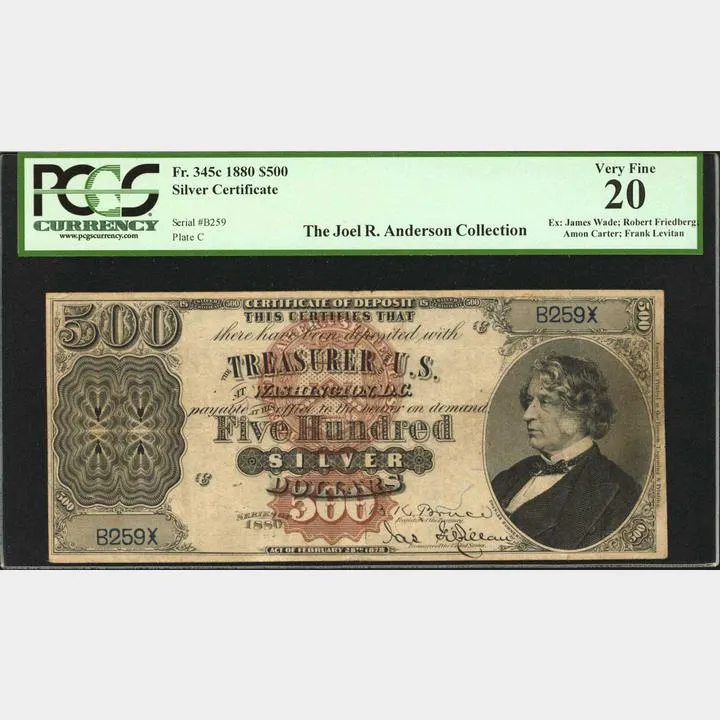
This 1880 $500 Silver Certificate is one of just two examples of the catalog number in private hands and one of three collectible examples known of the type. These $500 notes were printed and issued in accordance with an Act of Congress passed February 28, 1878, and featured the portrait of Massachusetts senator Charles Sumner at right. Sumner is perhaps most notable for being the victim of a vicious caning at the hands of South Carolina representative Preston Brooks on the floor of the United States Senate on May 22, 1856. Brooks had taken offense to an anti-slavery speech titled "Crime Against Kansas" that Sumner had recently given. Sumner was so severely injured that he left the Senate to recuperate. He was reelected in November 1856 and in time was able to return to Washington. Five examples of the Fr.345c are known to have escaped redemption. Of those five, three are permanently impounded in the collections of the Smithsonian Institution, the American Numismatic Association, and the Federal Reserve Bank of Chicago. Estimated $700,000 - $900,000
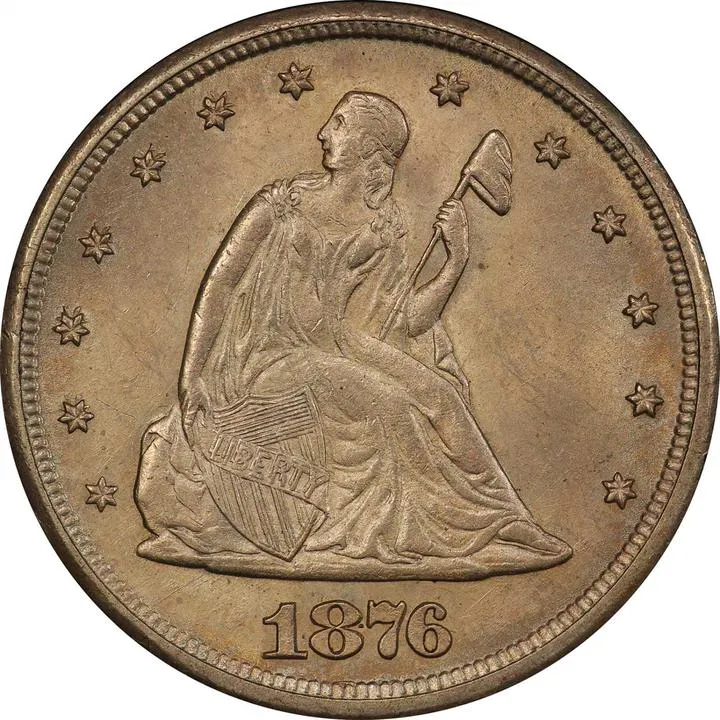
The Carson City Mint employed only a single pair of dies to strike 10,000 twenty-cent pieces in 1876. Twenty-cent pieces were proposed by a US senator to eliminate the proliferation of many smaller valued coins, but it proved to be a failure because of a confusion with the quarter and smaller discrepancy in value. They were only minted from 1875-78, so are these pieces are high in rarity. Estimated $400,000 to $500,000
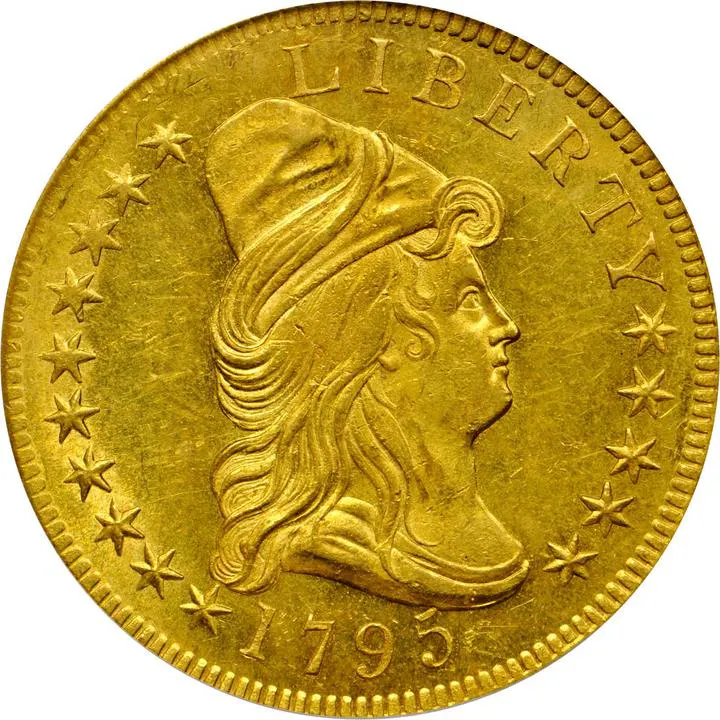
The first design of the half eagle (the $5 coin minted in 1795) was this capped bust profile of Lady Liberty. Numismatic scholars agree that this is the rarest die variety in the Capped Bust Right, Small Eagle ten-dollar gold series, with only 20 to 22 coins surviving in all grades. Estimated $500,000 to $700,000
Stacks Bowers is also hosting a Hong Kong auction on 20 August that will feature rare Chinese coins. Here are the highlights:
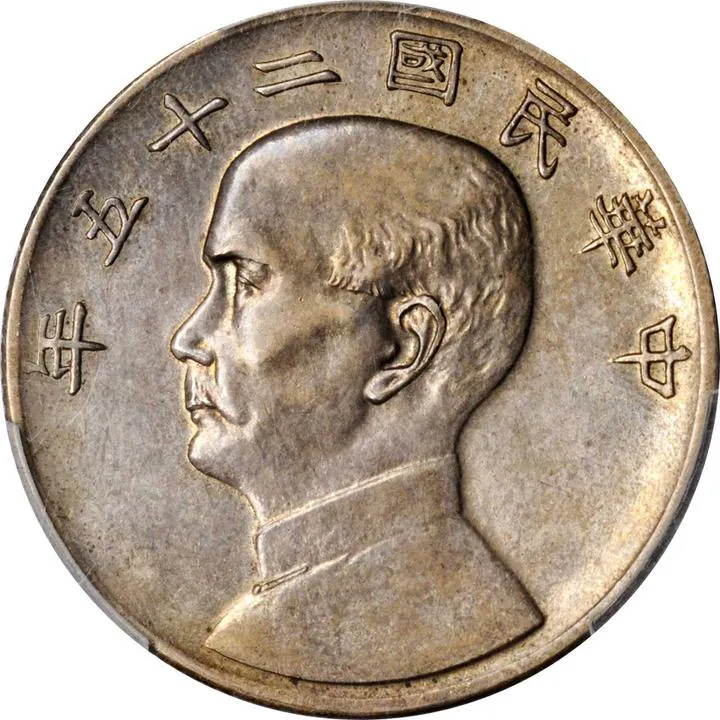
This Silver Reduced Size Dollar Pattern, Year 25 (1936) was struck in Shanghai at the Central Mint. According to famed author and collector Edward Kann, these issues were struck on a trial or essay basis for a proposed reduced module size dollar and 1/2 dollar. Struck in limited quantities, the Vice-Governor of the Central Bank of China sent samples of the proposed new Dollar and 1/2 Dollar to the U.S. Treasury Attache at Shanghai to the attention of Mr. M.R. Nicholson for inspection and critique. Estimated $70,000 - $100,000
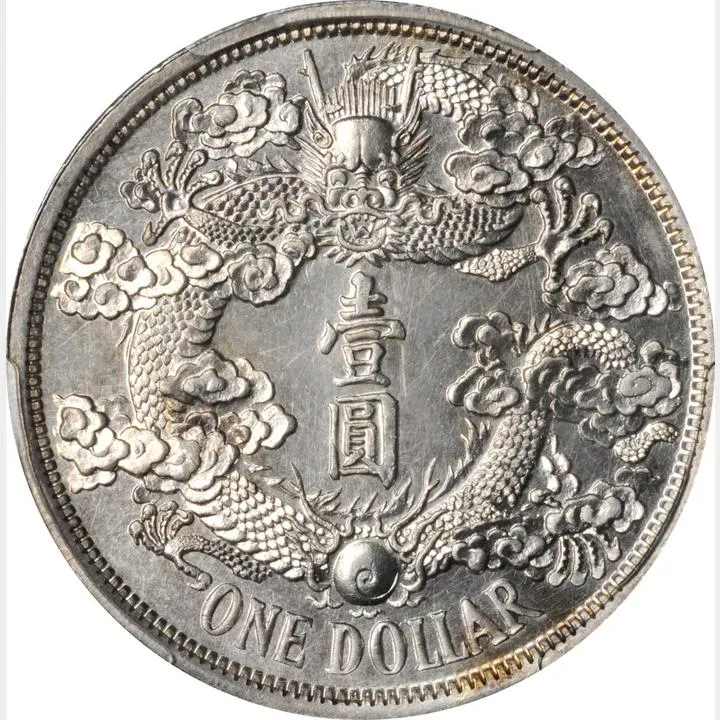
This Silver Reversed Dragon Dollar Pattern (Type II), Year 3 (1911) was the proposed pattern for the 1911 "Dragon in Clouds" Empire dollar with the dragon reversed from what later became the adopted design with raised veins on leaves. Minor other stylistic variants differ from that of the adopted design, including the general design of the dragon's body and claws. Estimated $70,000 - $100,000