This month, the Cologne auction house Lempertz presents three days of sales dedicated to Old Masters and decorative arts. Among more than 1,300 lots, six standout works deserve particular attention.
The series begins on 19 May at 2 p.m. with the “Jewellery and Watches” auction, which includes several notable Belle Époque pieces.
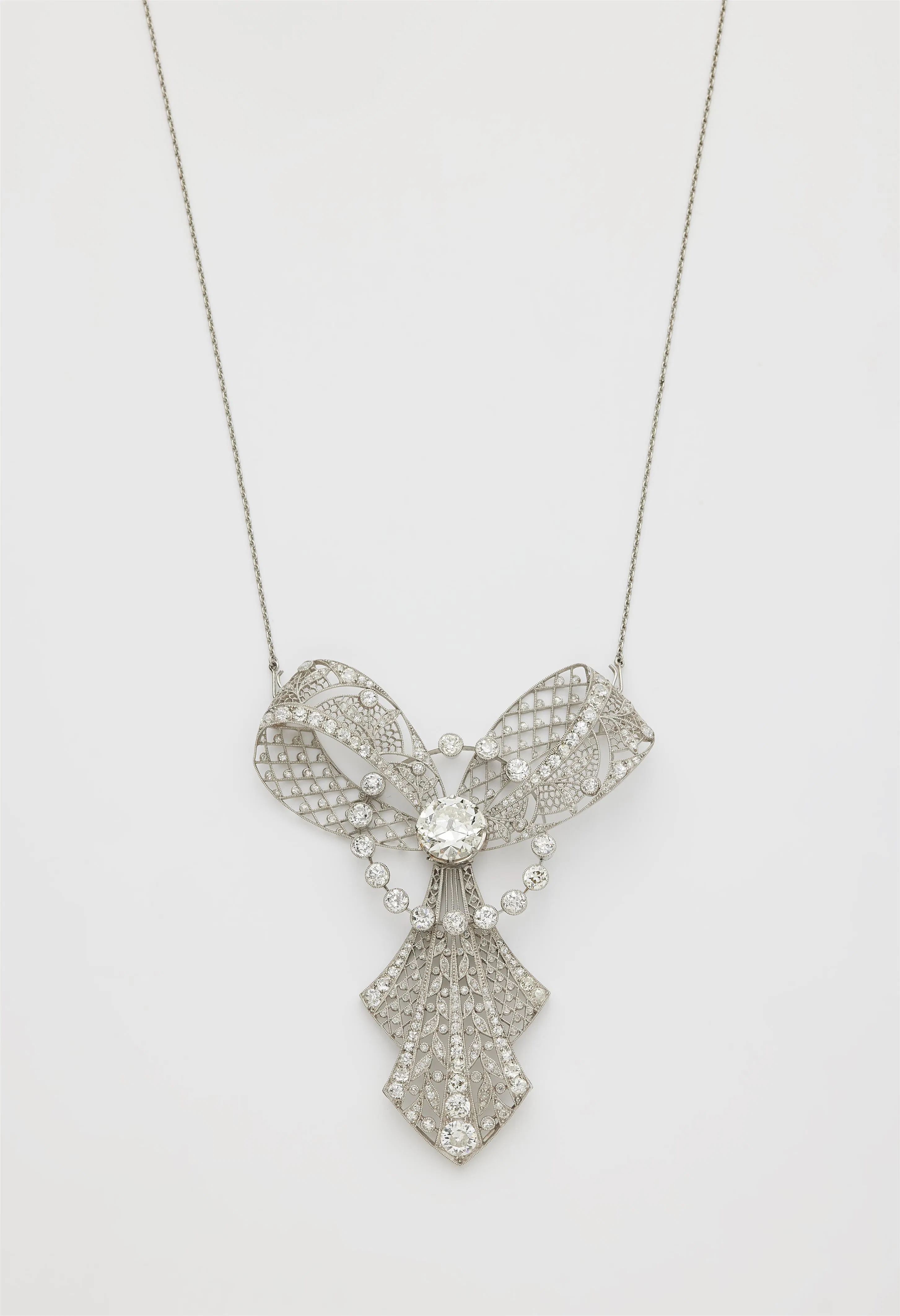
Alongside an important rivière necklace set with old and transitional-cut diamonds totalling around 42.41 carats, a platinum pendant necklace made around 1910 stands out in particular. Lavishly set with diamonds, it reflects the white-on-white style that was popular at the time. Shaped like a bow and fitted with a movable element, the piece is executed with lace-like precision.
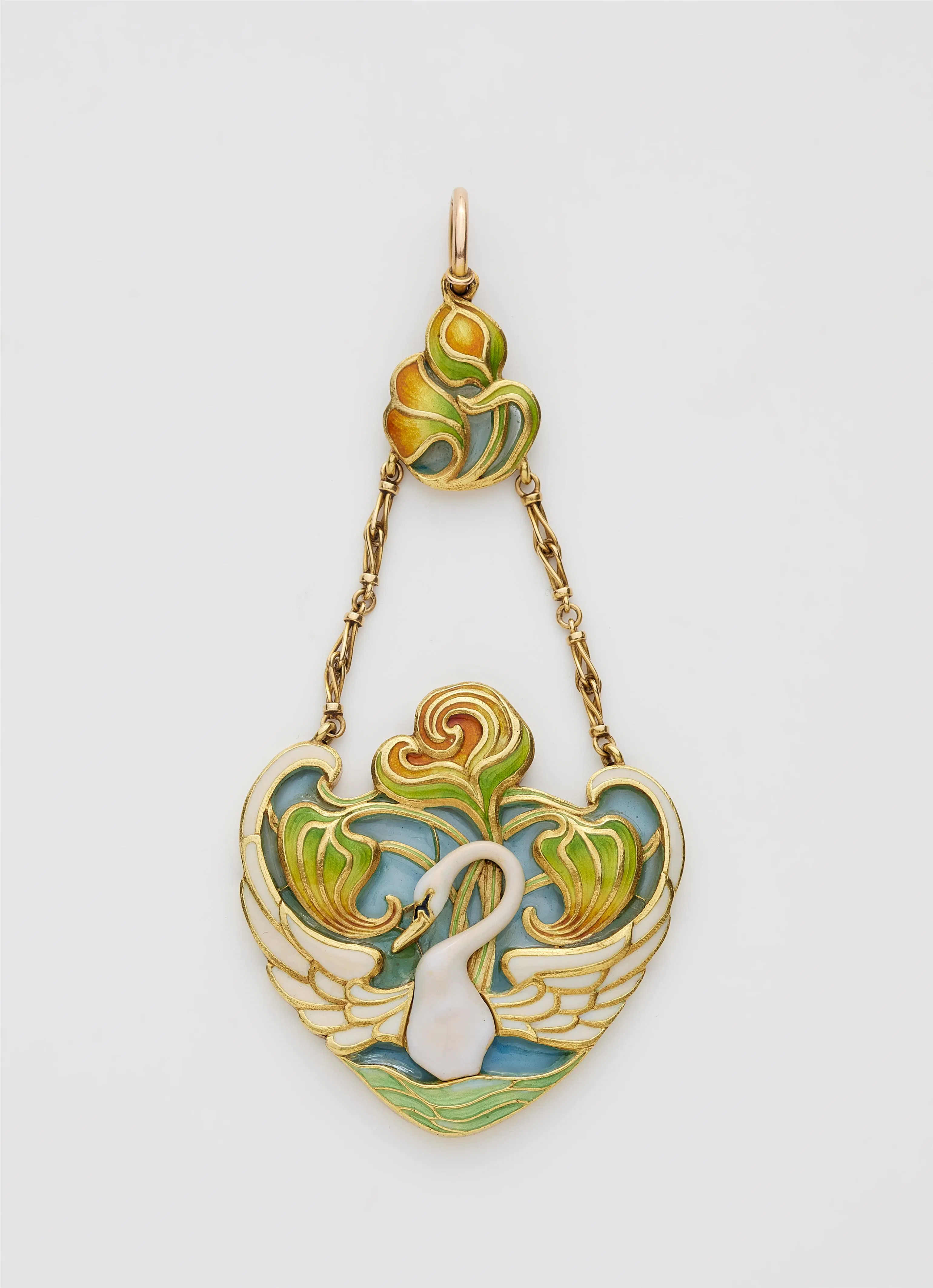
The tension between traditional and emerging styles around the turn of the century is reflected in another important lot. This gold and enamel pendant with a swan motif was made in Paris before 1899 by Marcel Bing, son of the Hamburg-born dealer Siegfried Bing, one of the key figures behind the spread of Japonism and Art Nouveau in Europe. Trained as a goldsmith, Marcel Bing produced both jewellery and decorative mounts for the vases sold through his father’s gallery.
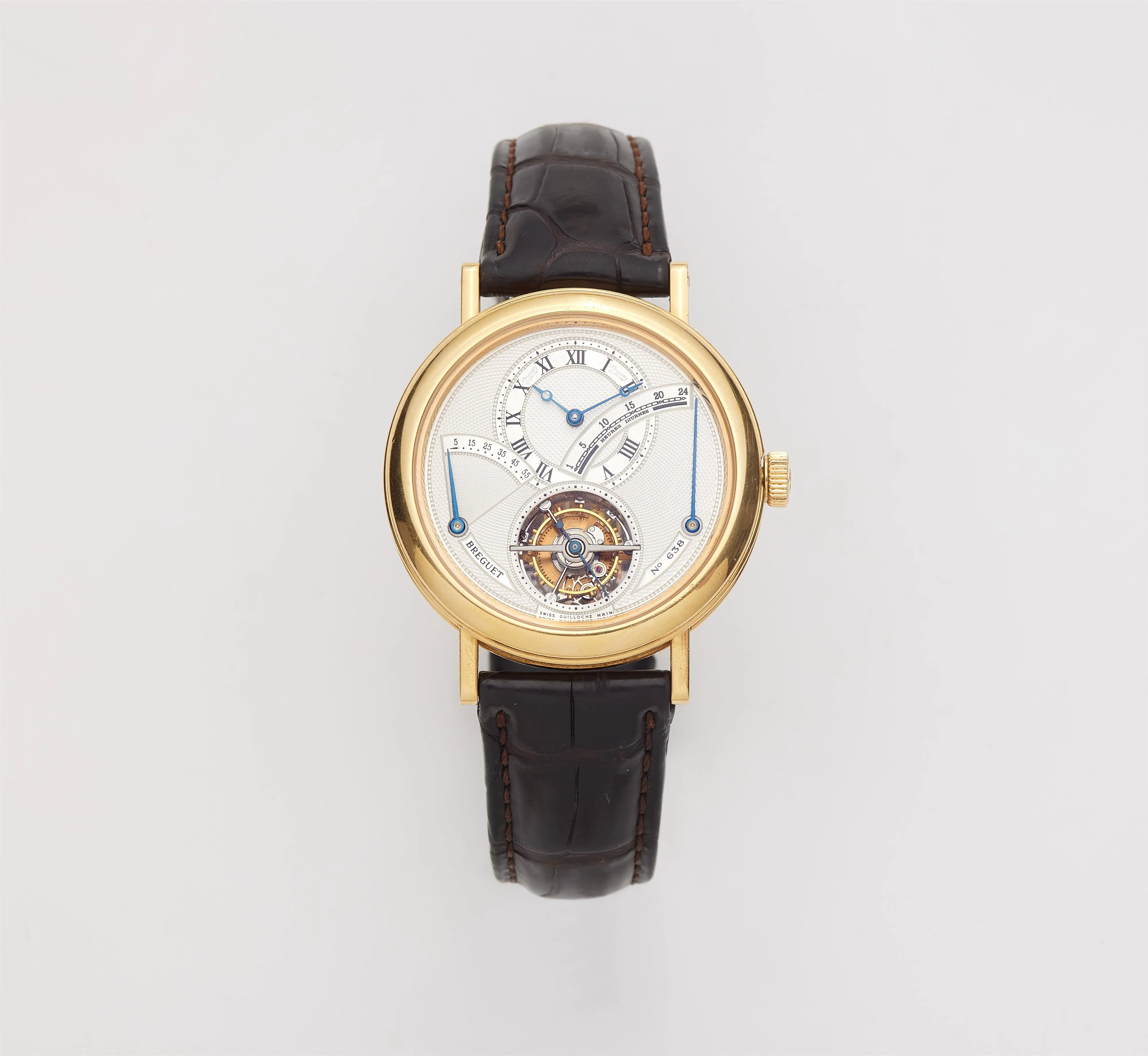
Further highlights include a multicoloured necklace set with Ceylon sapphires, wristwatches by Audemars Piguet and Breguet, and a Hermès Kelly bag in black lizard leather.
20 May is devoted to decorative arts. At 11 a.m., silver, decorative objects and mortars from the important collection of Ralf Jena will go under the hammer.
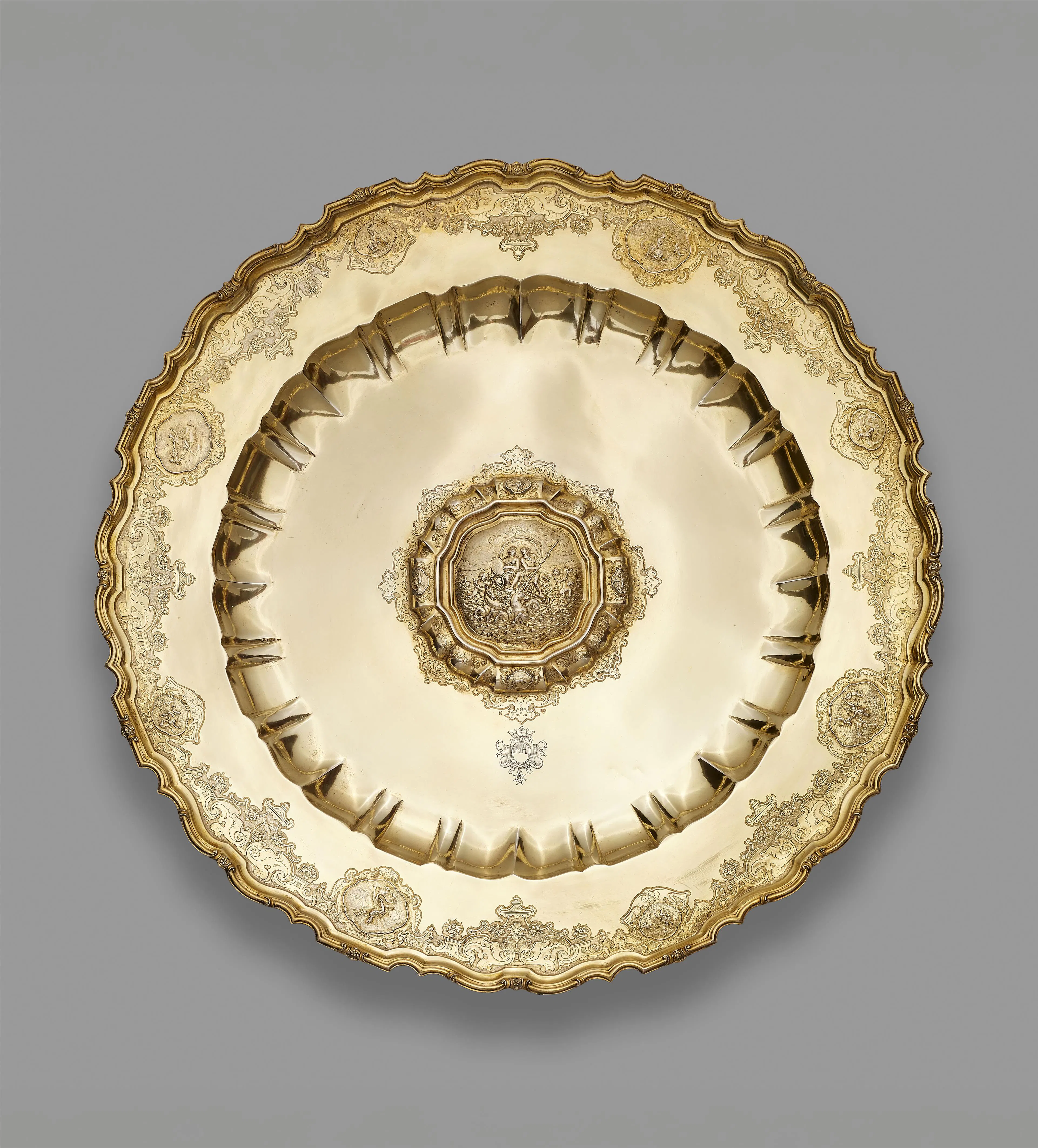
Other notable lots include a rosewater bowl made for the Counts of Preysing, ceramics by Lucie Rie and a Brussels tapestry depicting the Judgment of Paris.
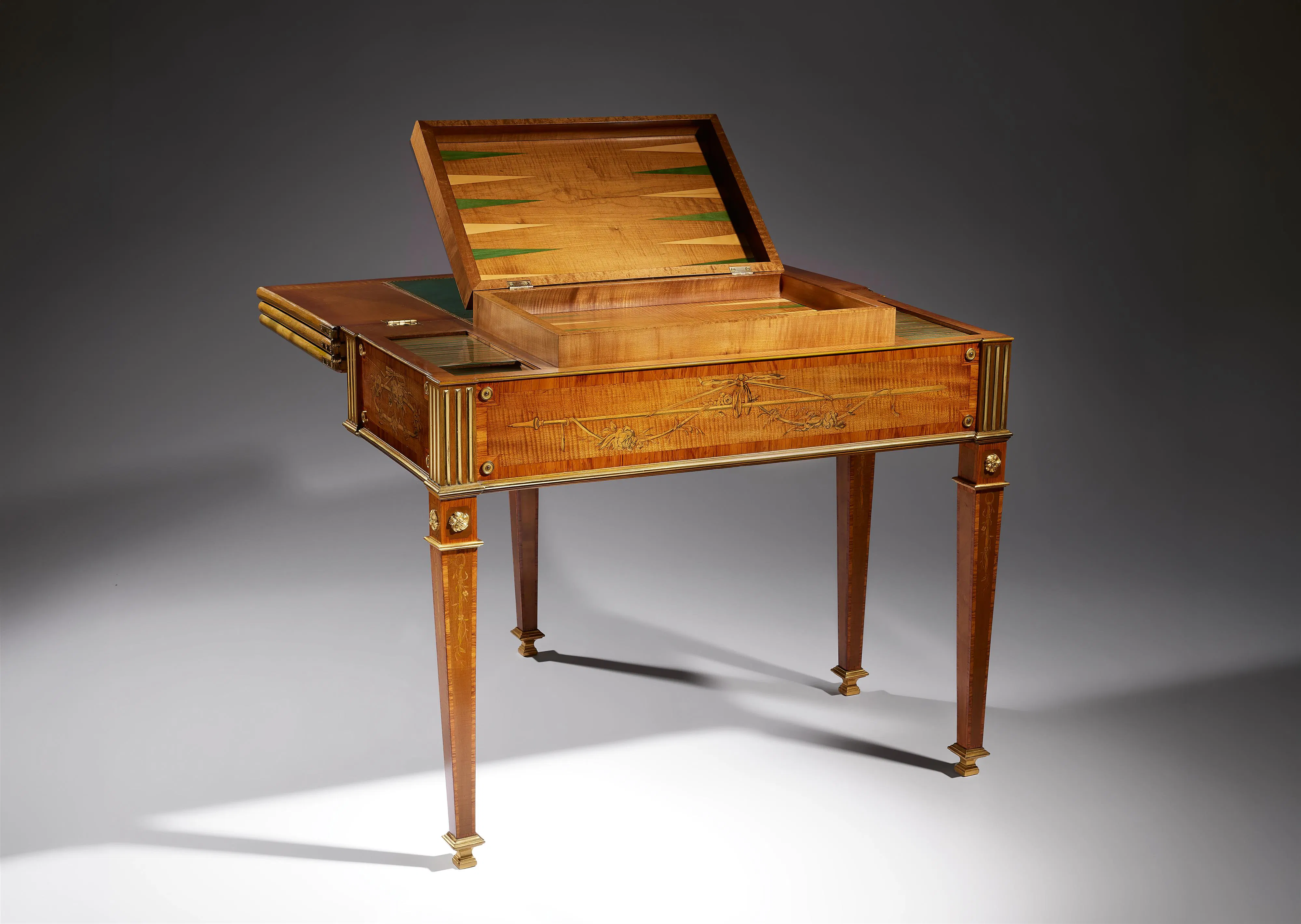
A rare transformation table by David Roentgen, made around 1775–80, is another highlight. Like many works from the Neuwied workshop, it combines exceptional craftsmanship with mechanical ingenuity. Originally part of a pair, the table can be extended and adapted for different uses, including chess, card games, Trictrac and reading.
At 2 p.m., the focus shifts to ceramics and porcelain. The sale includes two further collections as well as early Meissen pieces, among them a museum-quality cylindrical jug with vermeil decoration attributed to the important porcelain painter Johann Gregorius Höroldt.
The “Old Masters and 19th Century” auction follows on 21 May in two sessions, at 11 a.m. and 2 p.m.
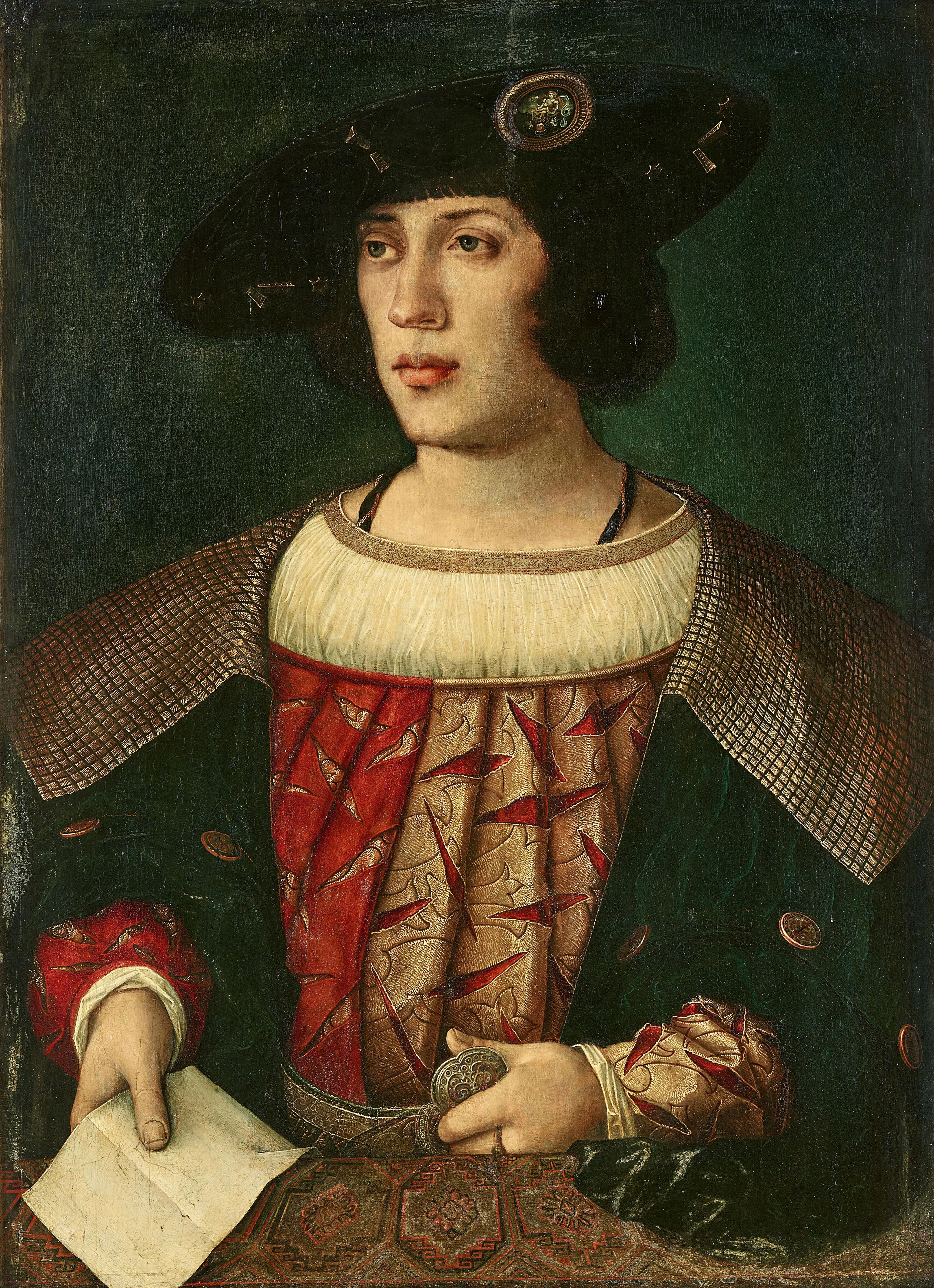
Among the Old Master paintings are works by Bernard van Orley, Pieter de Hooch, Jacob van Ruisdael and Giovanni Battista Tiepolo.
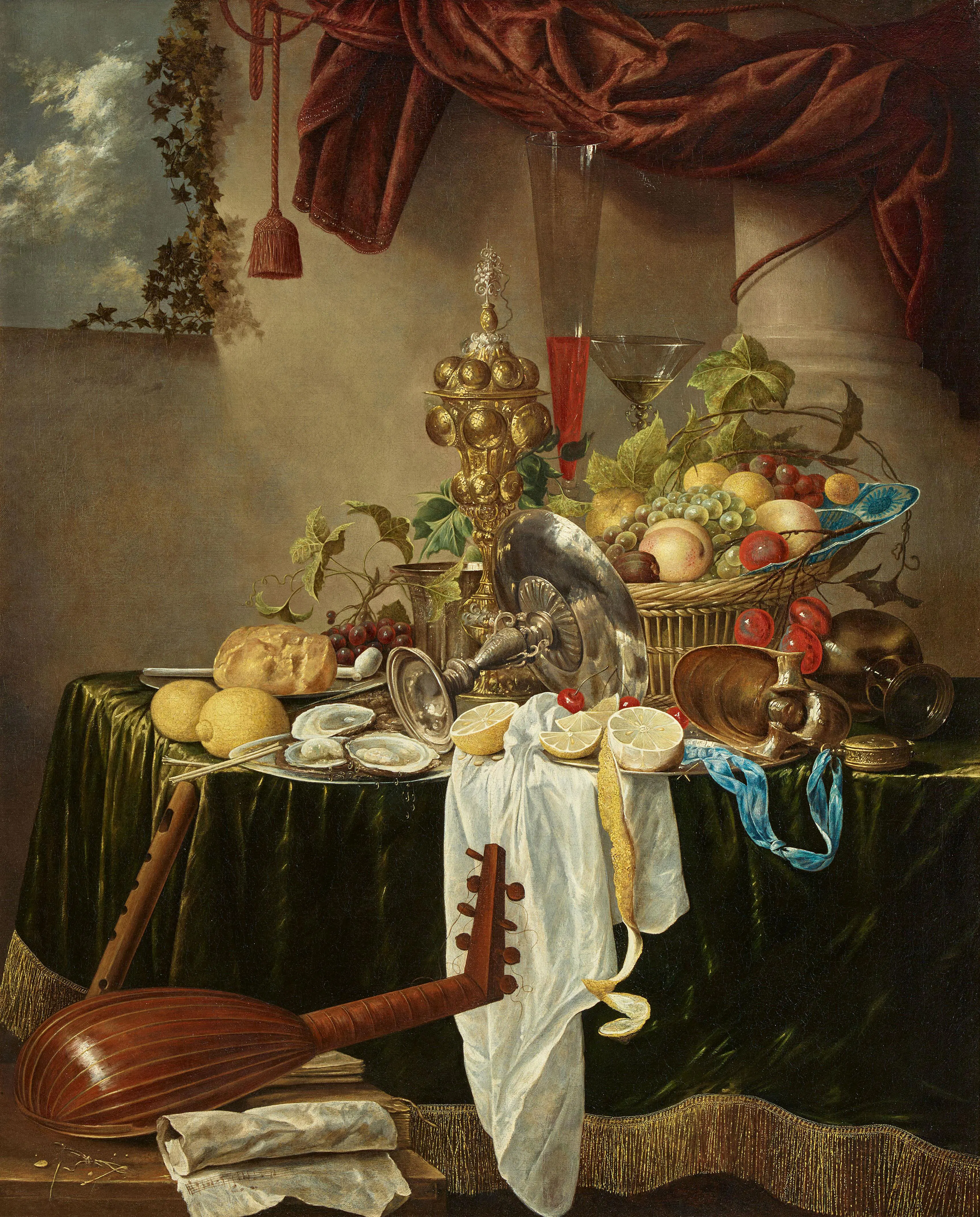
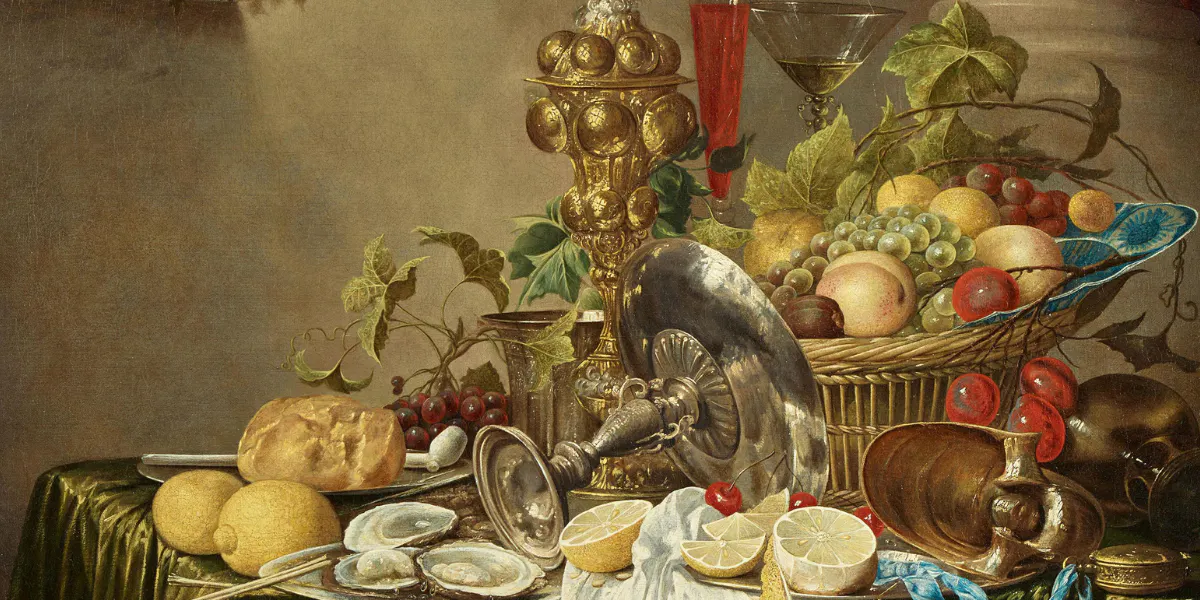
The leading lot of the sale is a large still life by Jan Davidsz. de Heem, following the successful sale of another work by the artist at Lempertz last year. Silverware, glass, Chinese porcelain, fruit, oysters and a lute are arranged in a richly layered composition designed to engage the senses. The objects and natural elements also allude to the four classical elements, with air represented by clouds visible through the tall window.
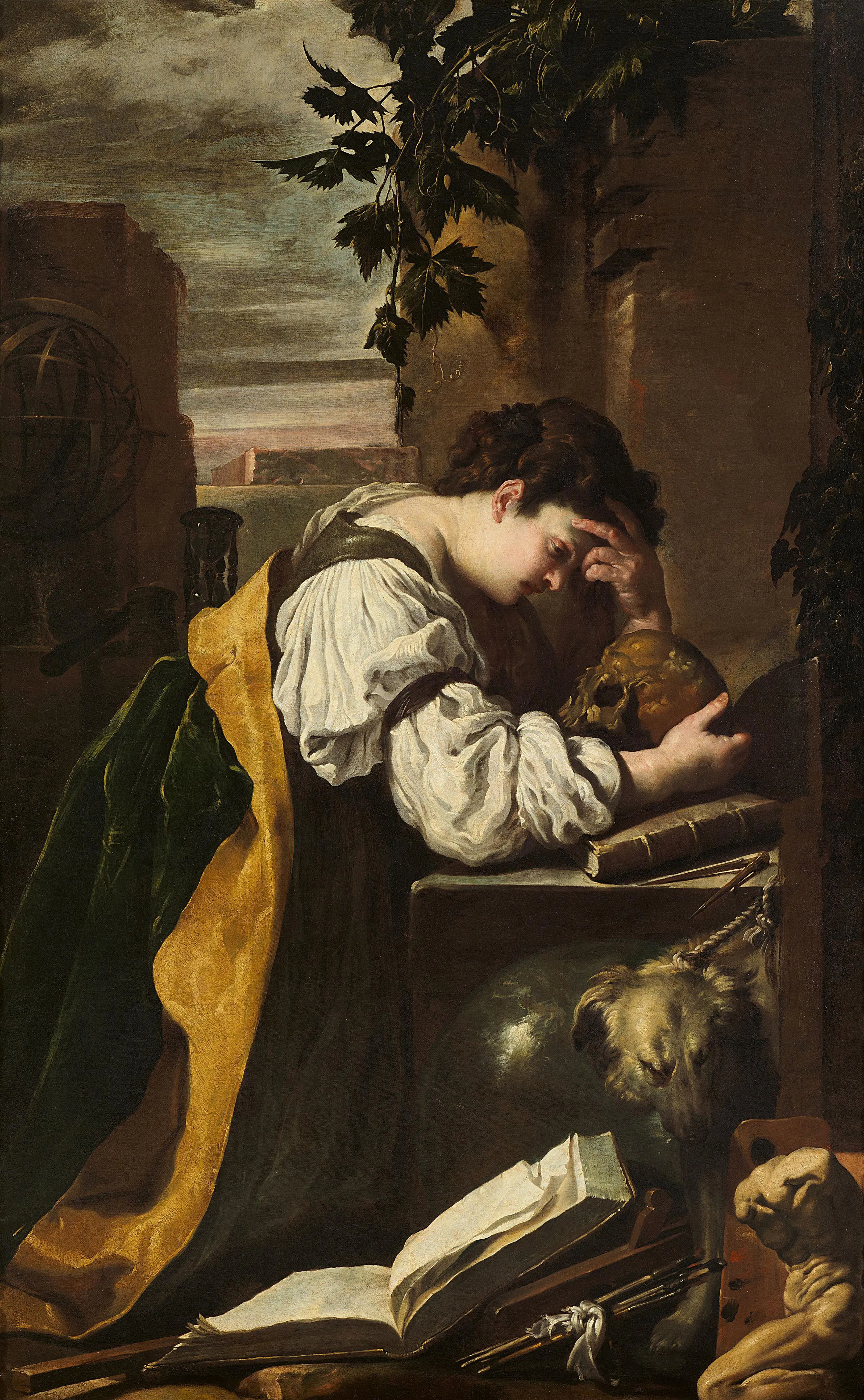
Also of note is Melancolia, attributed to the Italian Baroque painter Domenico Fetti, consigned from a private collection in Milan. Three other slightly different versions are known, now in Venice, Paris and Chicago. Fetti’s composition draws on Albrecht Dürer’s engraving Melencolia I, created roughly a century earlier, while introducing the skull as the central symbol of melancholy. The grapevines and skull, recalling images of the penitent Mary Magdalene, also give the painting a religious dimension.
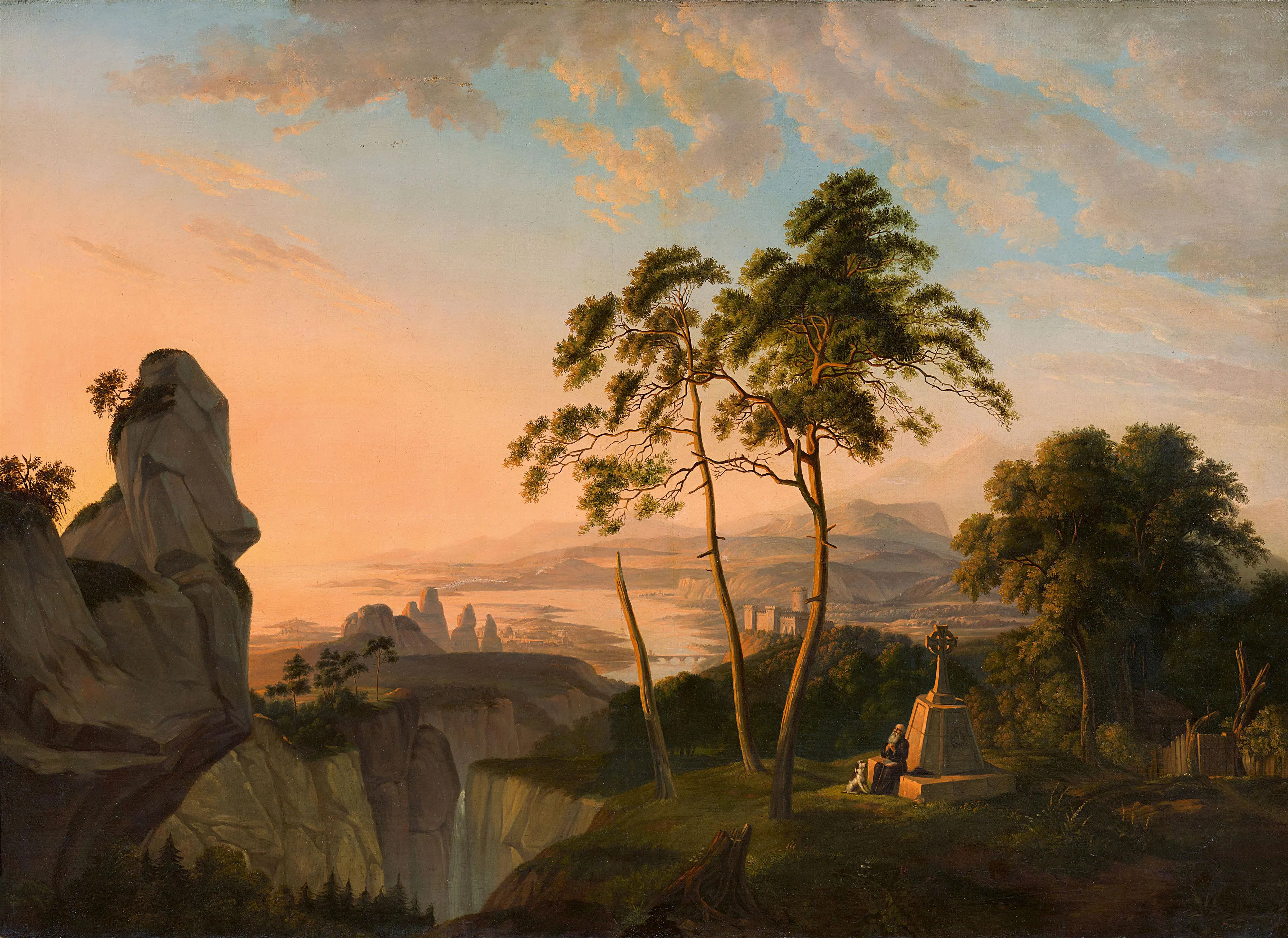
The 19th-century section includes works by Franz von Stuck, Francesco Hayez and Peder Mørk Mønsted. Its leading work is Carl Blechen’s rocky landscape with a hermit, Evening Mood, only recently rediscovered. Another version of the scene, showing it in daylight, is held at Branitz Castle, where Prince Hermann von Pückler-Muskau spent his later years. Both paintings belong to Blechen’s early period and reflect his ambition to demonstrate the full breadth of his abilities within a single composition.
The auctions take place from 19 to 21 May at Lempertz Auction House, Neumarkt 3, Cologne. Previews are open from 15 May.