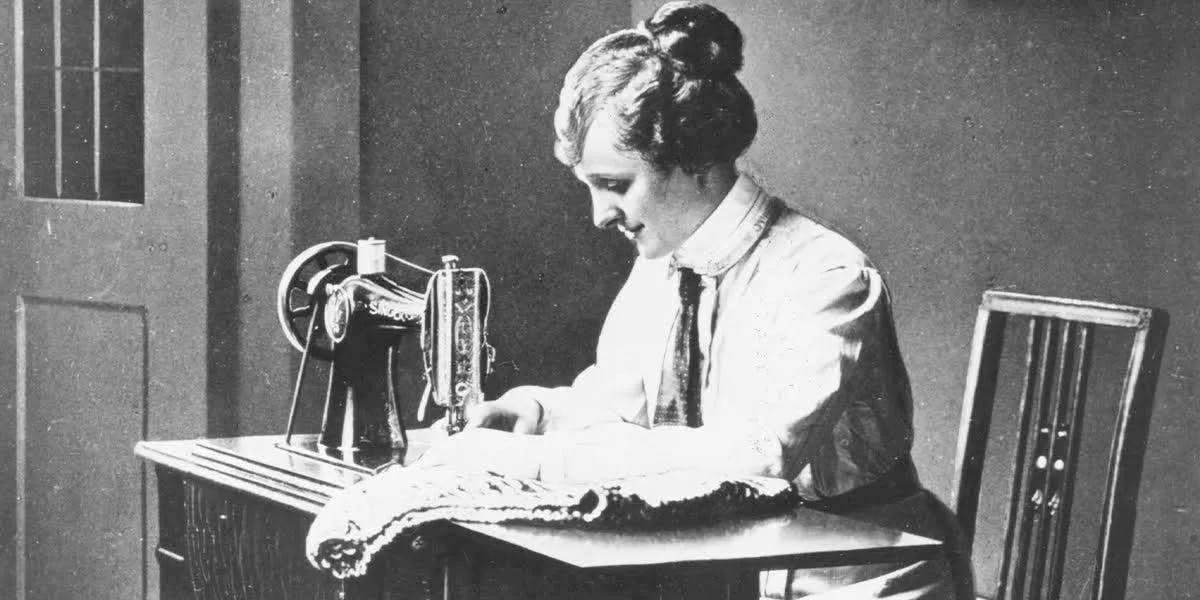
Hand sewing is a very ancient practice, which dates back to the Stone Age. The first sewing needles were made from animal bones or horns, while the first threads were made from animal tendons. Iron needles were invented in the 14th century, while the first eyed needles appeared in the 15th century.
The invention of the sewing machine is quite controversial: several people filed patents for mechanisms capable of producing seams over a period of a few years, starting in the late 1700s. However, its origin is attributed to England, the cradle of the Industrial Revolution.
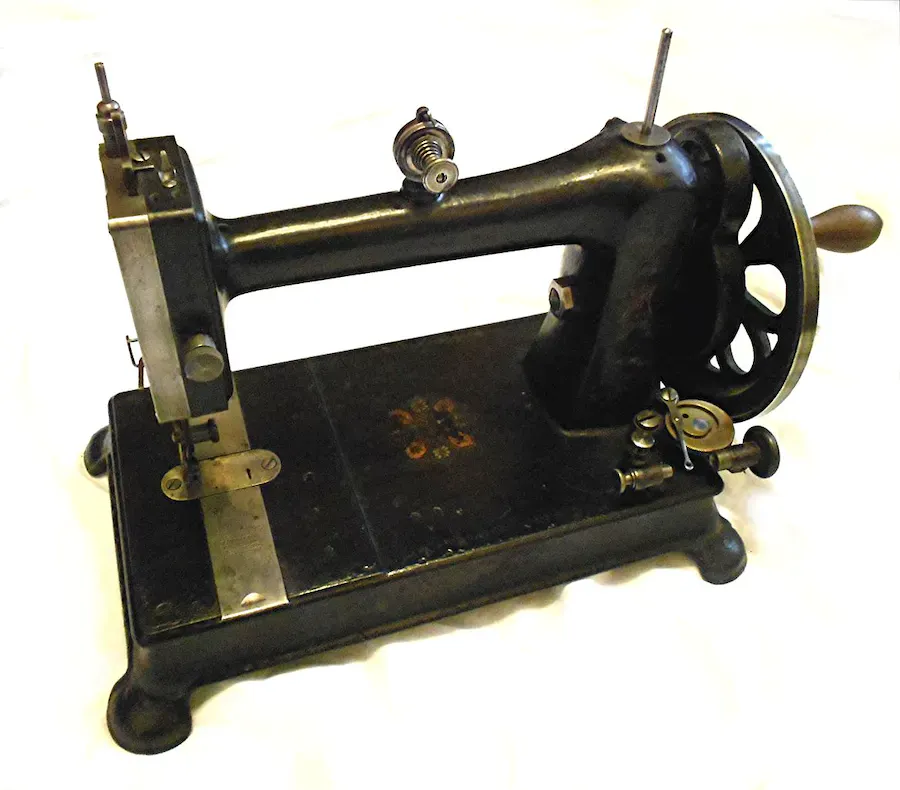
Charles Fredrick Wiesenthal obtained, in 1755, the first British patent for a mechanical device to aid in the art of sewing. His invention mainly referred to a double-pointed needle with an eye at one end, but there was no clear description of the whole machine. In 1790, English inventor Thomas Saint devised the first complete sewing machine design, intended for use on leather and canvas materials. A few years later, in 1829, a French tailor named Barthélemy Thimonnier put into circulation what became the first truly practical and widespread machine. The patent for his machine was issued on 17 July 1830 and in the same year the first machine-operated clothing manufacturing company in the world was also opened, aimed at creating military uniforms for the French army. The invention sparked a revolt by a group of French tailors who feared being unemployed: Thimonnier was almost killed and his factory was set on fire.
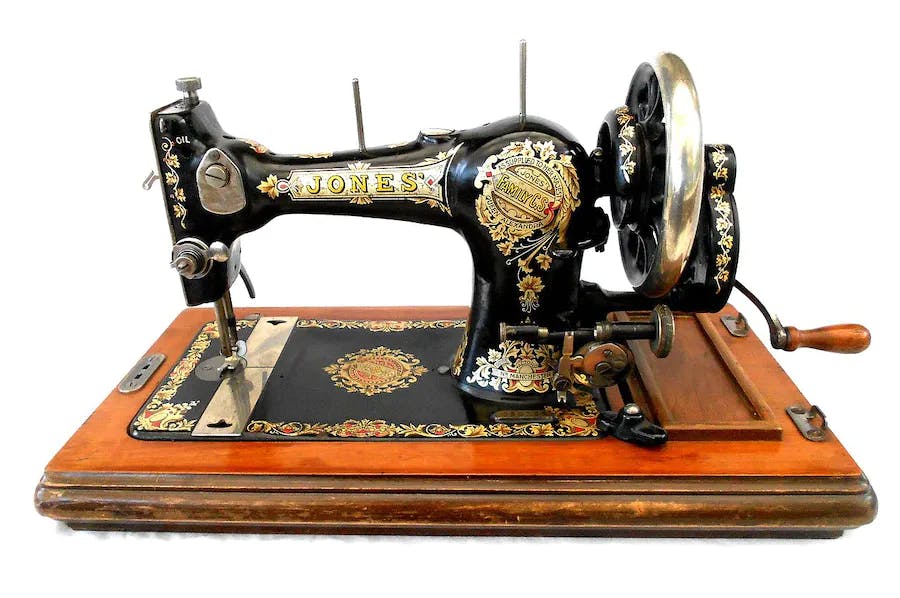
In America, the first successful sewing machine was built in 1834 by Walter Hunt, but he lost interest in patenting it because he believed his invention would cause unemployment and spark riots. It wasn't until 1846 that the first US patent was issued to Elias Howe for "a process using thread from two different sources."
The first machine that combined the various elements of innovation of the previous half century was the one built by the English inventor John Fisher in 1844, a little earlier than the very similar machines built by Isaac Merritt Singer in 1851 and earlier by Elias Howe. However, due to Fisher's incorrect filing of the patent in the Patent Office, the inventor did not receive due recognition for the modern sewing machine in priority legal disputes and instead it was Singer who prevailed in what was the first real "patent war."
See also: The Transformer of Type: The History of the Typewriter
Singer sewing machines soon became the most popular on the market and are still universally popular today. Among the reasons for the success was the introduction of the hire-in-place concept, introduced by Isaac Merritt Singer, who had the soul of a salesman and was very good at promoting his products. The new payment method allowed large numbers of people to buy the machines for home use and paved the way for affordable prices, effectively creating more jobs. In the 1860s, sewing circles also began to be created, where women met and talked about using the home sewing machine.
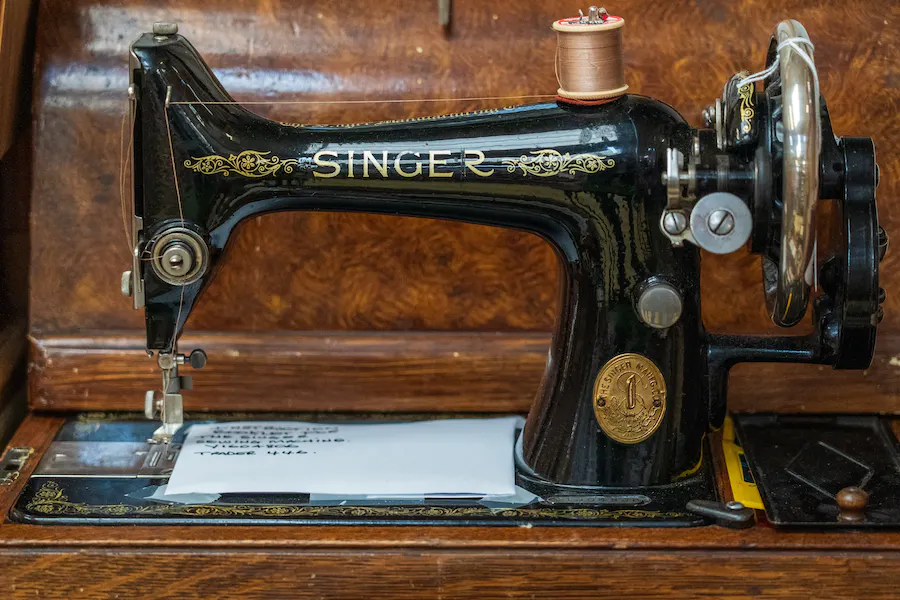
The oldest models of sewing machines were of the mechanical type and were operated by hand, through a crank applied to the flywheel. The right hand produced the movement of the needle and the bobbin and advanced the fabric, while the left hand controlled the position and direction of the latter. Later, sewing machines were foot-operated; the latter, placed under the table, produced the movement, leaving the task of guiding the fabric to the hands. Electrically powered machines were later introduced and began to be widely used from the beginning of the 20th century.
Do you have an old sewing machine that you would like to have evaluated? Trust ValueMyStuff!
After a halt due to World War II, further development of the machine continued in 1950, when a lighter portable machine manufactured by a Swiss company Elna was introduced. The important change was that the body of the machine was made of a light alloy instead of the heavy cast iron previously used. Sewing machines continued to evolve until the 1970s and 1980s – when they began to have the look and performance we know today – however, varying in appearance, size, tasks and cost.
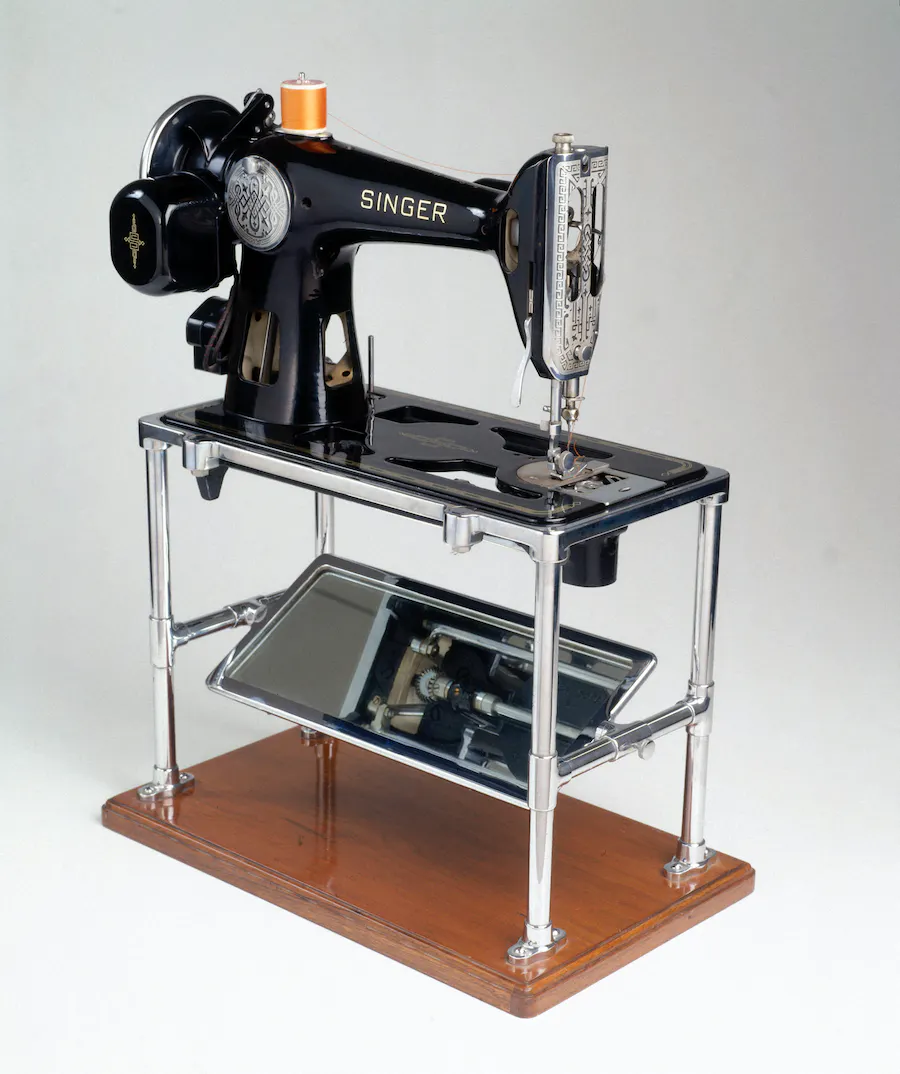
In Italy, the first models of sewing machines began to circulate at the end of the 19th century and, when they arrived in homes and small tailors' shops, they became the first true domestic technological object, even if at the beginning they were completely mechanical objects, which involved the use of a pedal.
Want to receive more articles like this by email? Sign up for our free newsletter!
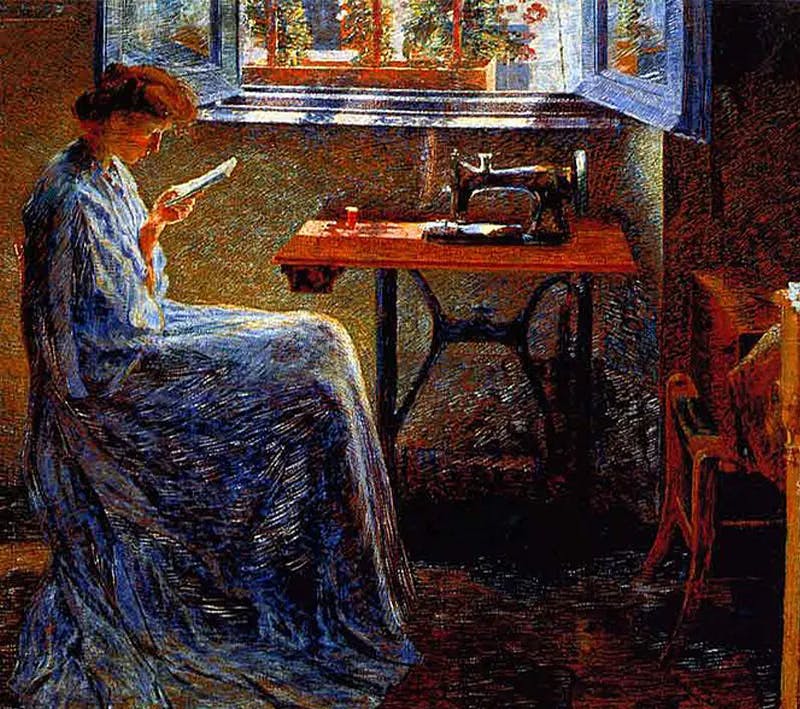
Entering the popular imagination, the sewing machine was also celebrated by artists, including Umberto Boccioni, who gave it a place of honour in the painting Novel of a seamstress (1908).
The social impact of sewing machines was enormous. Before these machines were introduced to the market, women spent a lot of time sewing and mending their family's clothes. Each item of clothing required a few hours of work and, for this reason, most of the population (excluding the very wealthy) could only have two items of clothing: one to use on weekdays and a 'good suit' or 'Sunday dress'. The advent of the sewing machine significantly reduced the time taken to make a garment and gave women the opportunity to have more free time, as well as the possibility to work outside the home. With the opening of sewing factories, there was an increase in productivity, followed by a decrease in clothing prices. The income of families also increased, due to the fact that many women, previously confined to the home, had the opportunity to start working elsewhere. Seamstresses, who initially lost their jobs following the introduction of sewing machines, later found a place in the other sectors created by the growth of the clothing industry.
See also: 10 Reasons to Buy Vintage
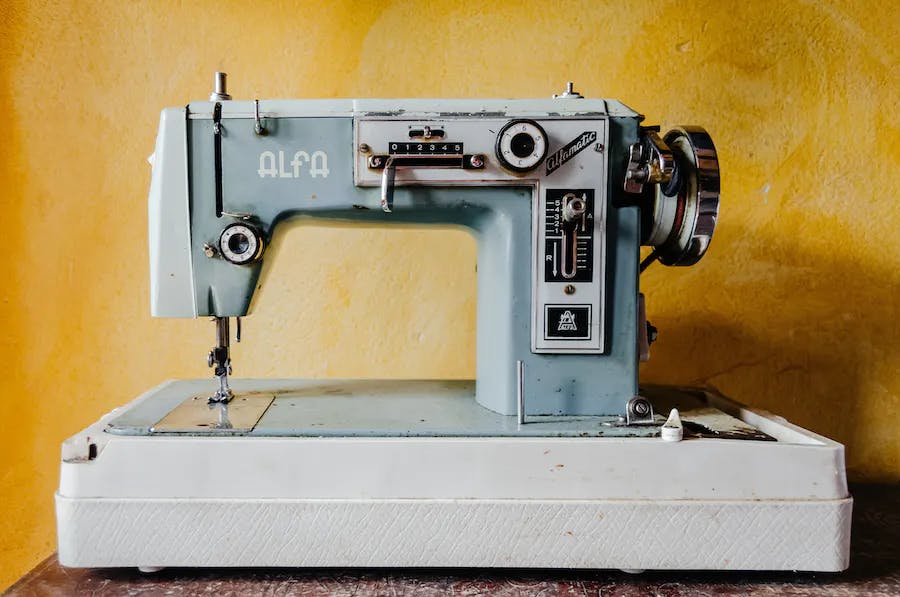
The sewing machine has therefore contributed to reducing a large part of the hard manual work in the field of textile processing and sped up its production. The acceleration of work and the reduction of costs has also contributed to making the prêt-à-porter (ready-to-wear) industry take off. Today the use of a sewing machine mainly belongs to the past, but its charm continues to occupy a place of honour in the hearts of many collectors. And as a result, it enjoys a certain interest on the auction market. To understand how much a particular machine is worth, a few factors must be taken into consideration. First, age. Sewing machines from the mid to late 1800s have historical significance, are rare, and are almost always valuable. The machines of the 20th century, such as vintage ones dating back to the 1940s and 1950s, are particularly popular, as they often feature bright, retro colours. Another indicator of value is represented by the brand. Among the most popular brands are the aforementioned Singer, Willcox & Gibbs (a company that produced starting from the 19th century), Wheeler & Wilson, and White (among the best-selling in the United States, after Singer). In addition to the age and make, the condition of the machine itself is very important to collectors. Chips, malfunctions, damaged elements, rust and so on obviously decrease the value of the object.
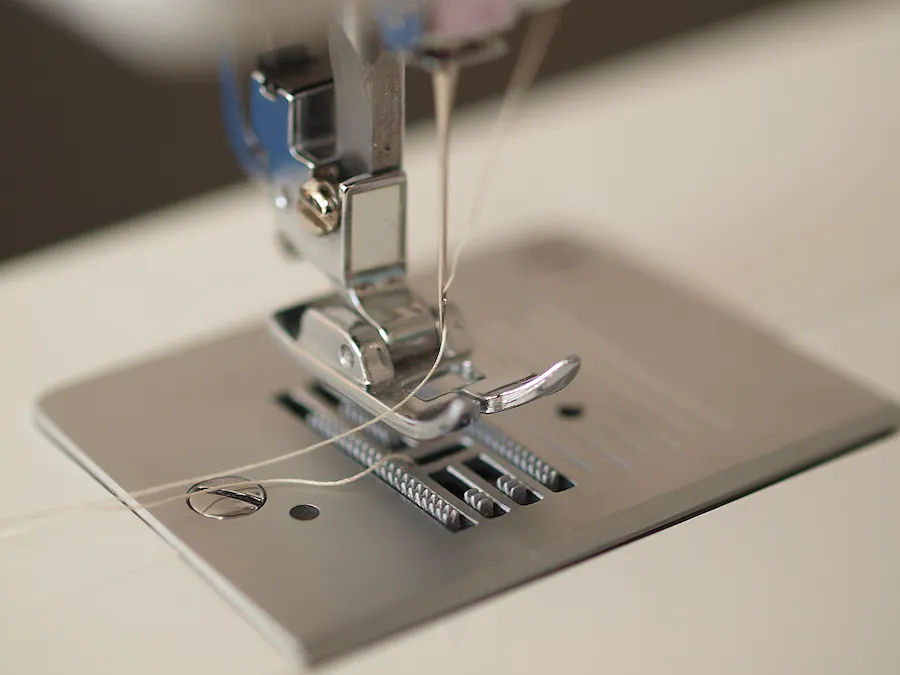
We end with a curiosity: did you know that September is National Sewing Machine month? It was President Ronald Reagan who declared September National Sewing Machine Month in 1982 to honour this important tool. Sewing fairs and celebrations are held in September to commemorate a machine that transformed the lives of so many women and designers around the world.