
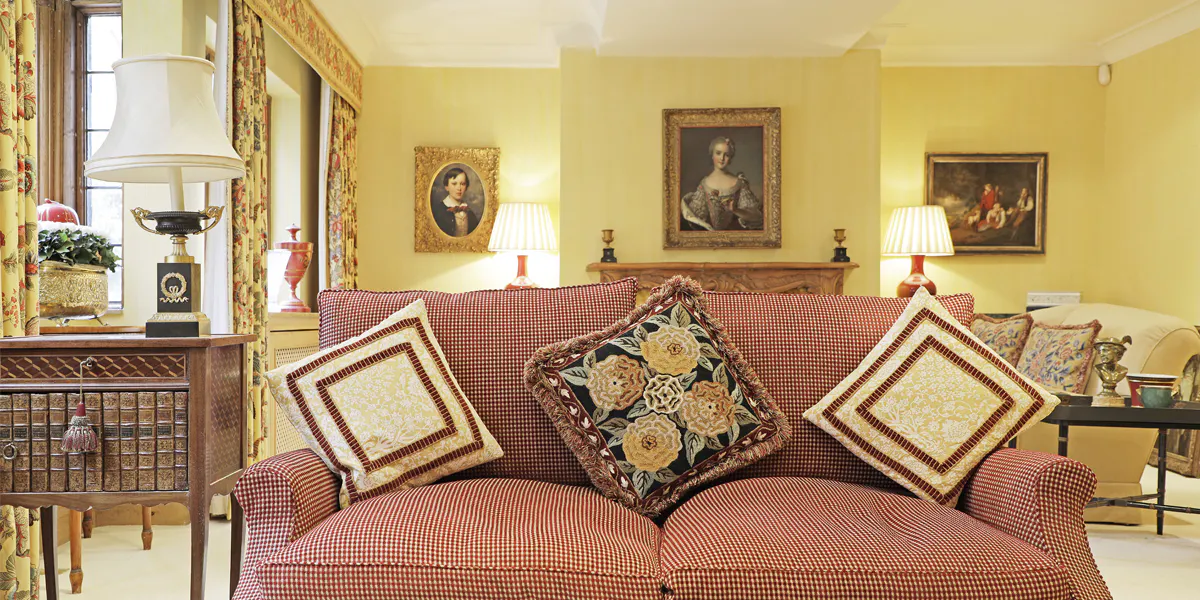
Whether you’re looking to refresh and redecorate your home, are a seasoned collector of design pieces, or new to the world of interiors, UK auction house Sworders has you covered: their forthcoming ‘Fine Interiors’ sale on 29-30 June features hundreds of exquisite lots at varying price points. From furniture to decorative and fine art, sculpture and ceramics, there’s something for everyone in each collecting category.
Antique furniture is more in vogue now than ever, particularly ‘brown wood’ pieces that go with just about any décor. These kinds of items are easy to dress up or down with a simple cushion or throw, and their age is a testament to their quality: you’re unlikely to ever run into issues with fittings coming apart or material breaking due to use. If they’ve lasted this many hundreds of years, surely they can outlive our dinner parties.
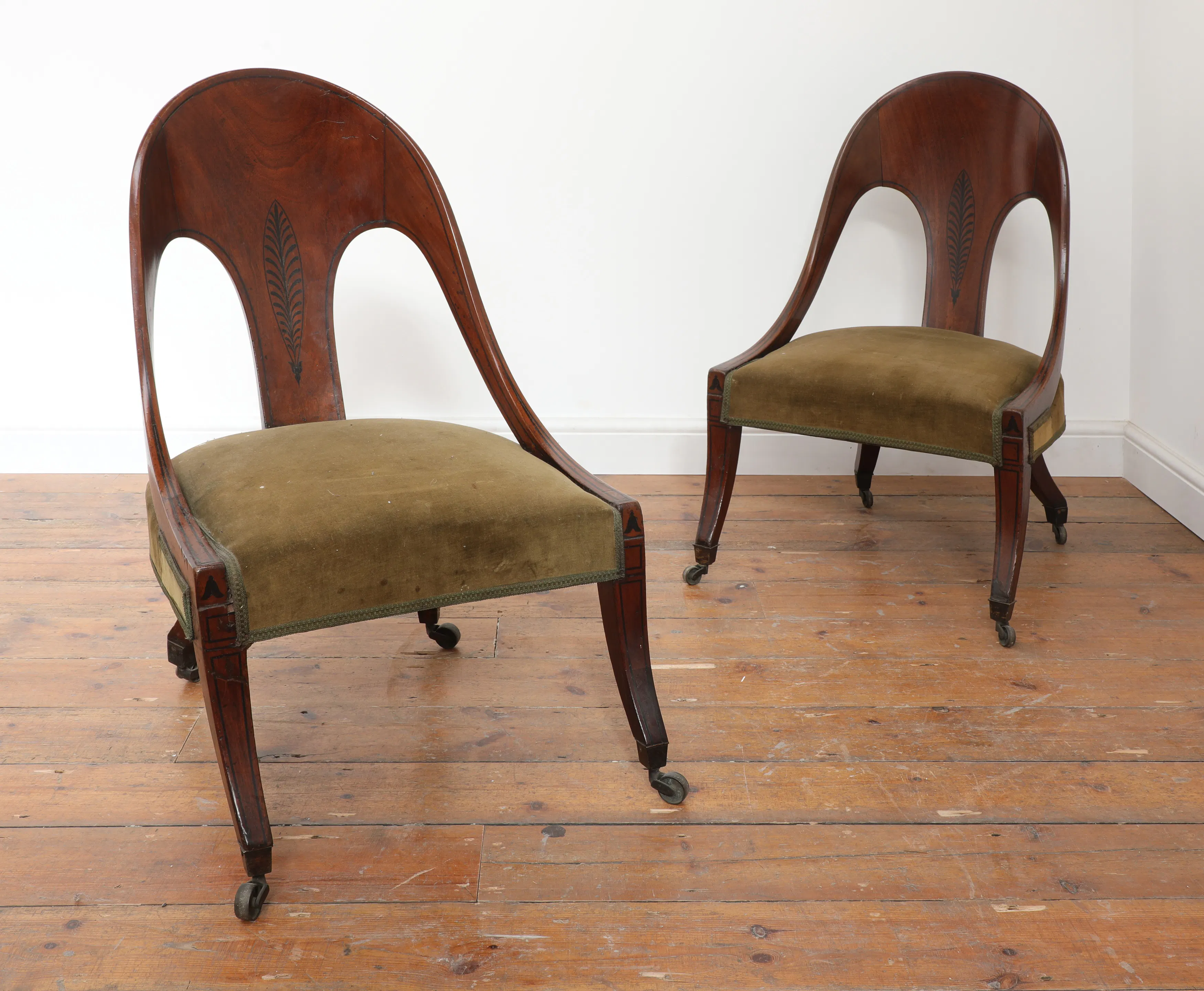
Sworders is offering two pairs of chic chairs in their sale. The first is a set of Regency mahogany klismos chairs, klismos being an ancient Greek design said to date as far back as the fifth century, with curved backrest and tapering legs. This set’s curved backs are inlaid with anthemion decoration above an upholstered seat and sabre front supports terminating in brass caps and castors.
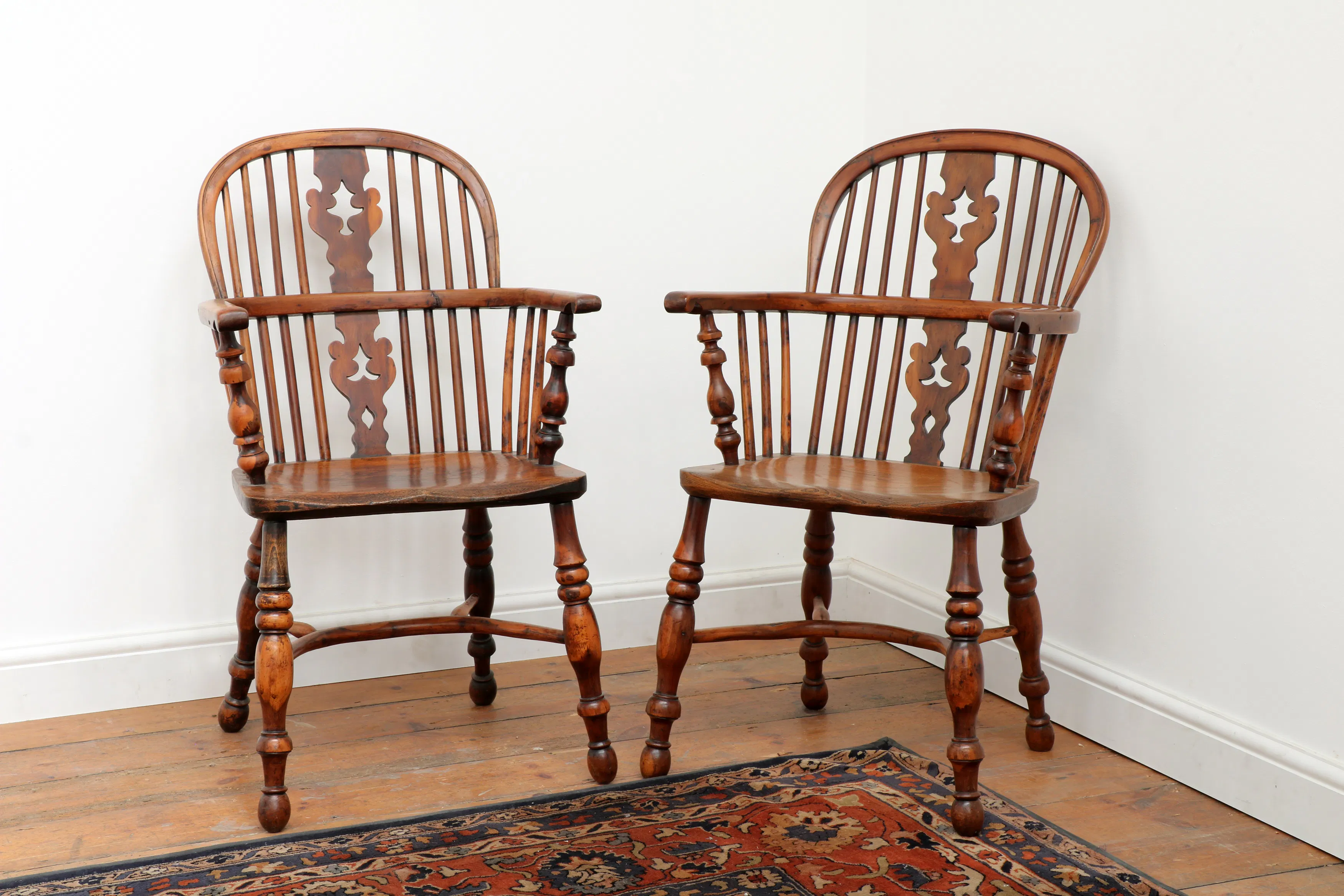
The second set is a pair of yew and elm low hoop back Windsor chairs. The nineteenth-century Nottinghamshire pieces each have a central fir tree motif splat and raised on double ring-turned supports, united by a crinoline stretcher, terminating in ball supports. The soaring market for Windsor chairs is shaped by their rarity, aesthetic appeal and condition.
A similar example to these chairs, figure NE272, can be found in B Cotton’s The English Regional Chair, p. 177, in which Cotton compares the regional design of the underarm supports with a known example by John Gabbitass of Worksop.
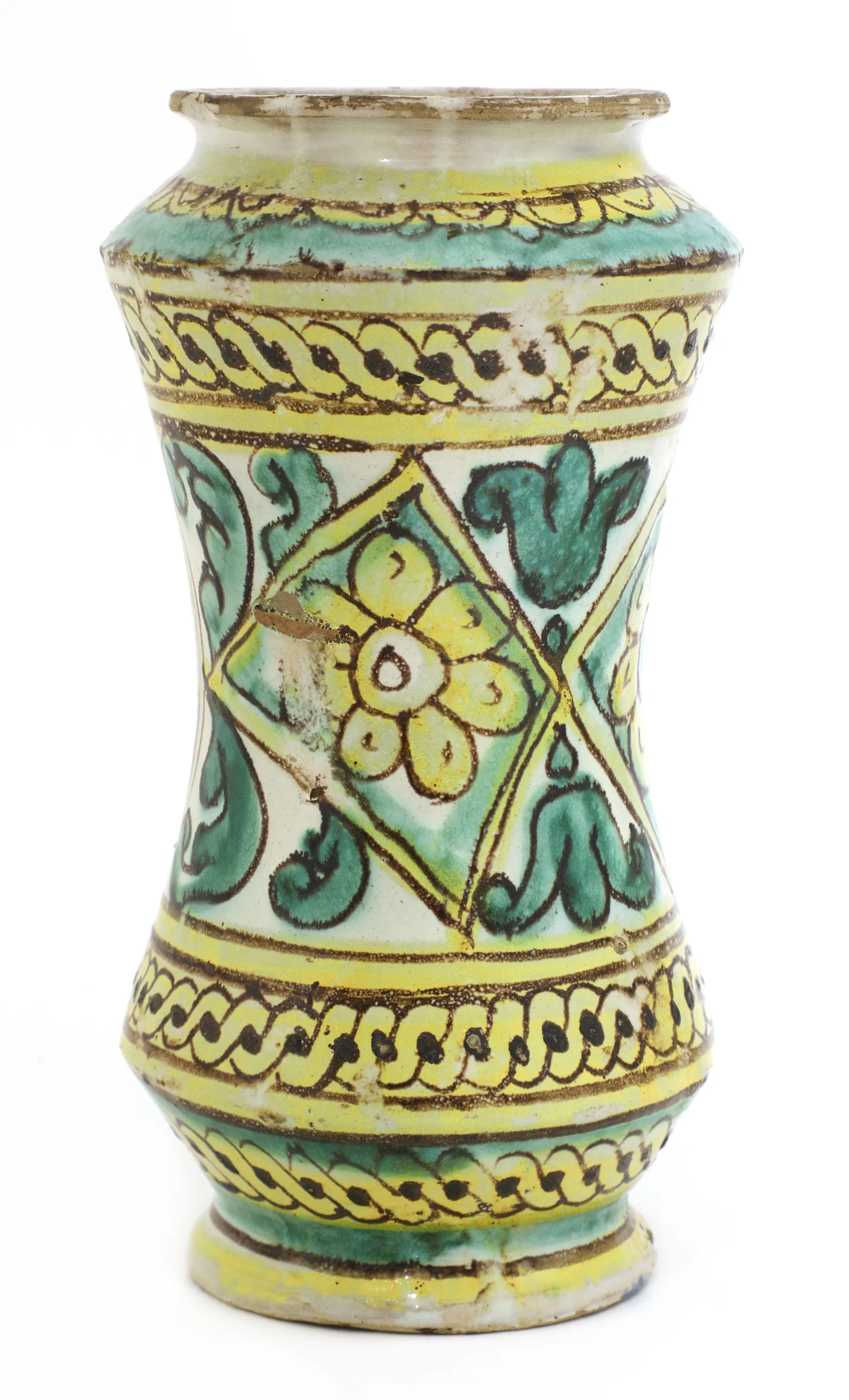
This beautiful green- and yellow-toned Italian maiolica albarello dates from the seventeenth century. Maiolica is a tin-glazed pottery decorated in colours on a white background, and an albarello is a type of maiolica earthenware jar, originally a medicinal jar designed to hold apothecaries’ ointments and dry drugs. The development of this type of pharmacy jar had its roots in the Middle East, during Islamic conquests, but were most frequently produced in late medieval and Renaissance Italy, as with this vessel.
This particular example was likely from Burgio, a region in Sicily, and is of waisted, cylindrical form, the body featuring a figure in profile among scrolling floral and foliate motifs, within guilloché bands, set on a circular base.
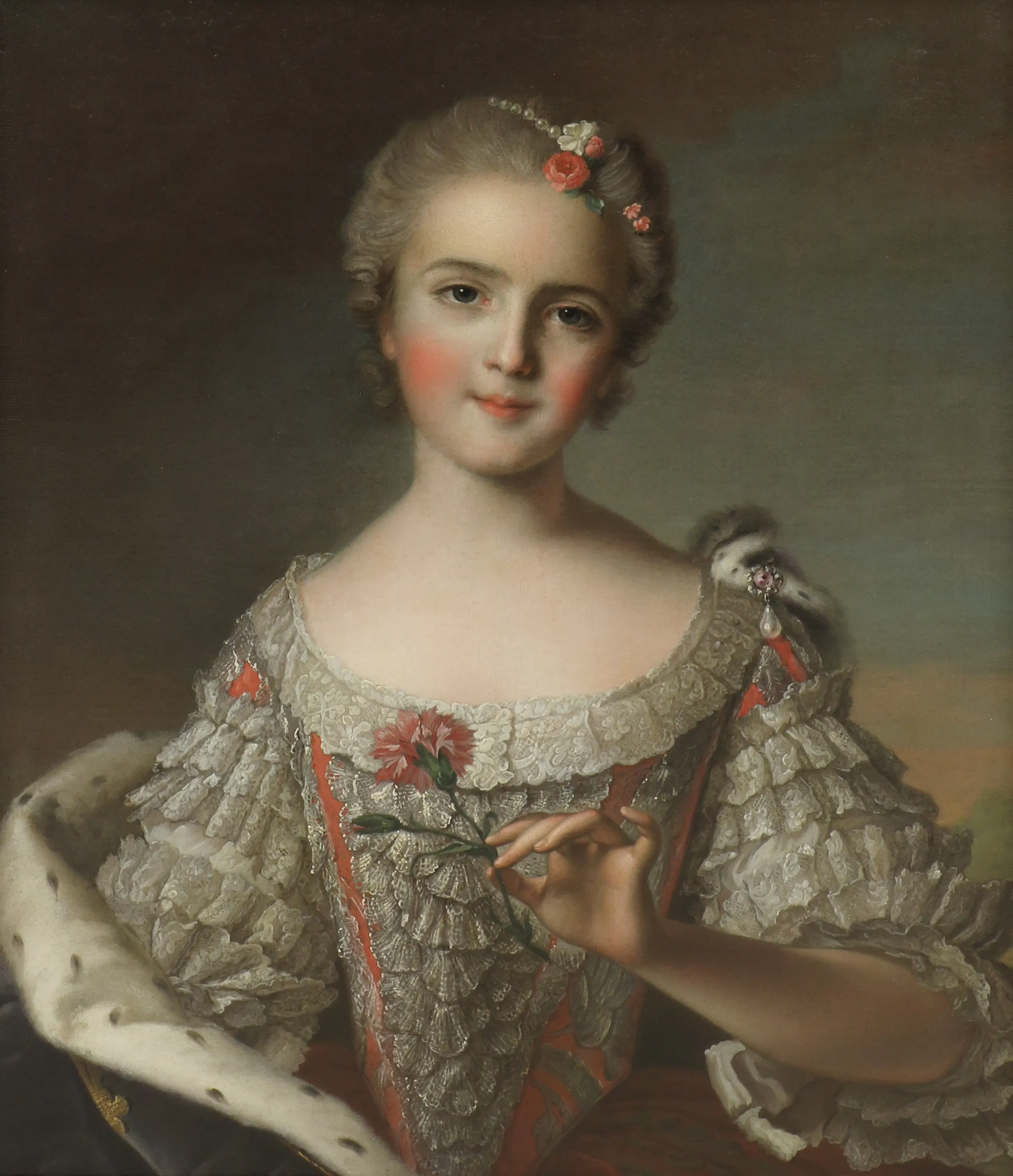
An exquisite painting in sumptuous, muted colours and soft brushstrokes, this oil portrait was completed by Circle of Jean-Marc Nattier (1685-1766), a French painter noted for his portraits of the women of King Louis XV’s court in classical mythological attire.
The woman depicted is Louise-Marie of France (1737-1787), also known as Madame Louise, the daughter of Louis XV. It is a half-length work, Madame Louise featured in a pink-and-white lace dress and ermine stole, holding a carnation. The provenance is from Farm House, Farm Street, Mayfair, London, a charmingly unconventional Tudor-style site in central London.
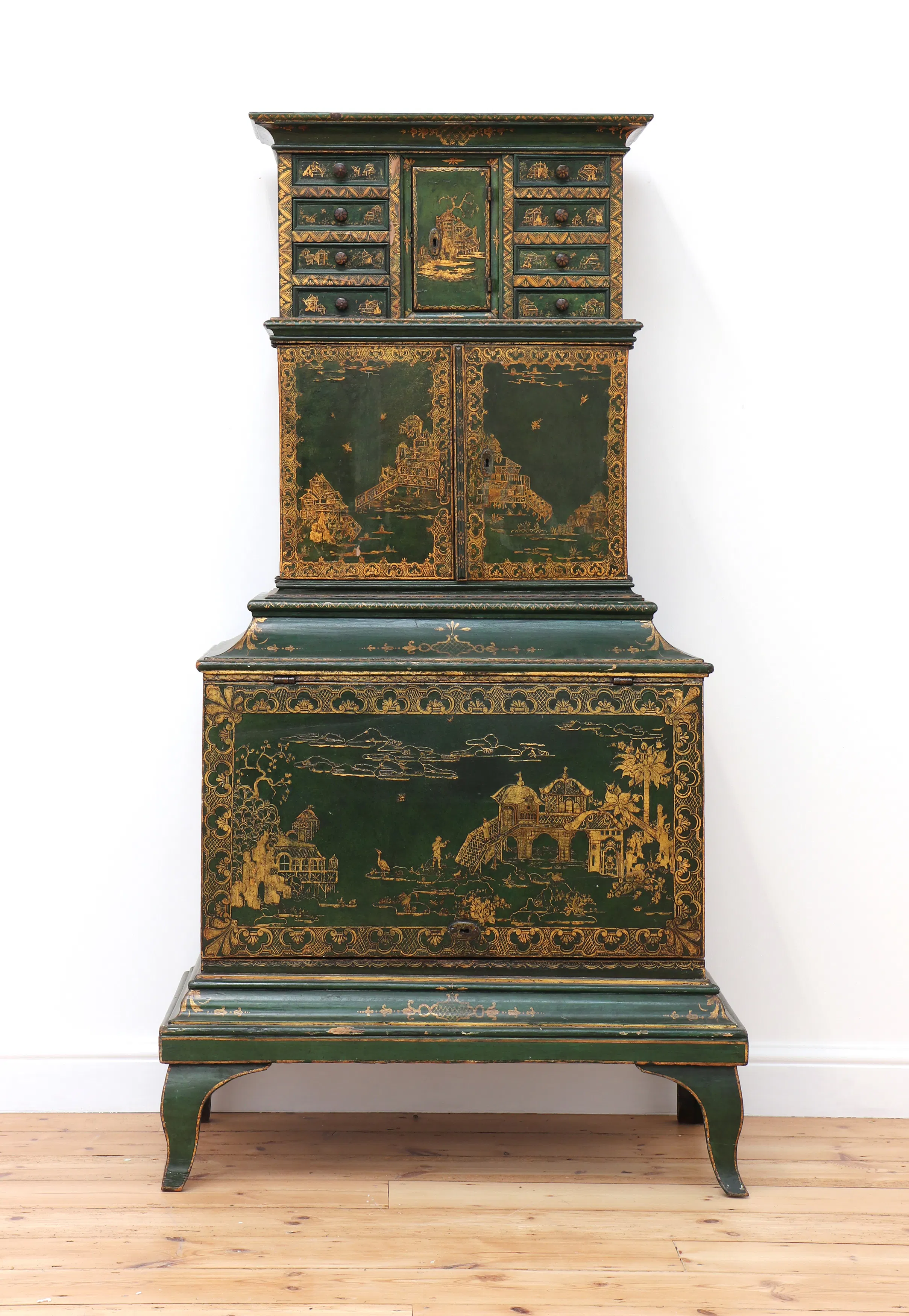
From the collection of Min Hogg (1938-2019), founding editor of The World of Interiors, comes this Northern European green-lacquered and japanned cabinet on stand. It is likely nineteenth century and comprises three tiers in two parts, the top fitted with eight drawers flanking a cupboard, interior painted red, and the second tier with a cupboard opening to reveal an orange-painted interior with découpage figures, animals and landscapes. This interior is also painted red, the lower drawer with a division, the third tier with a top-hung cupboard, all on iron supports on scroll feet.
What better place to hide your treasures and knick-knacks from prying eyes?
As a reminder, Sworders’ ‘Fine Interiors’ sale will be taking place on 29-30 June. What better excuse to revamp your house?