This article is sponsored by Doodlespot
As part of a collaboration with Doodlespot, the app that lets you turn your children’s masterpieces into framed artworks, Barnebys sat down with six-year-old Pelle, who lives in Stockholm and loves to paint. The following tells Pelle’s father’s story – about how Doodlespot came to be a part of their lives, spreading the love of art from wall to wall.
"Pelle, I was absolutely sure this would be your day of death."
Time passed in slow motion. We all heard the unfortunate sound of something bouncing off the stairs and rushed there – but we couldn't do anything to stop it, we could only stand and watch the little body reach the ground at full speed. When Pelle sat up and shook his head, we realised that he was still whole. The words from his big brother broke the ice and we all immediately started laughing.
I’m a fan of the word dödelsedag, which means day of death. In Swedish, it’s a rewrite from the word birthday. A child dying is beyond comprehensible for parents, and for brothers, living together is a part of life. I know my children will hang out together their whole life, from birthdays to their day of death.
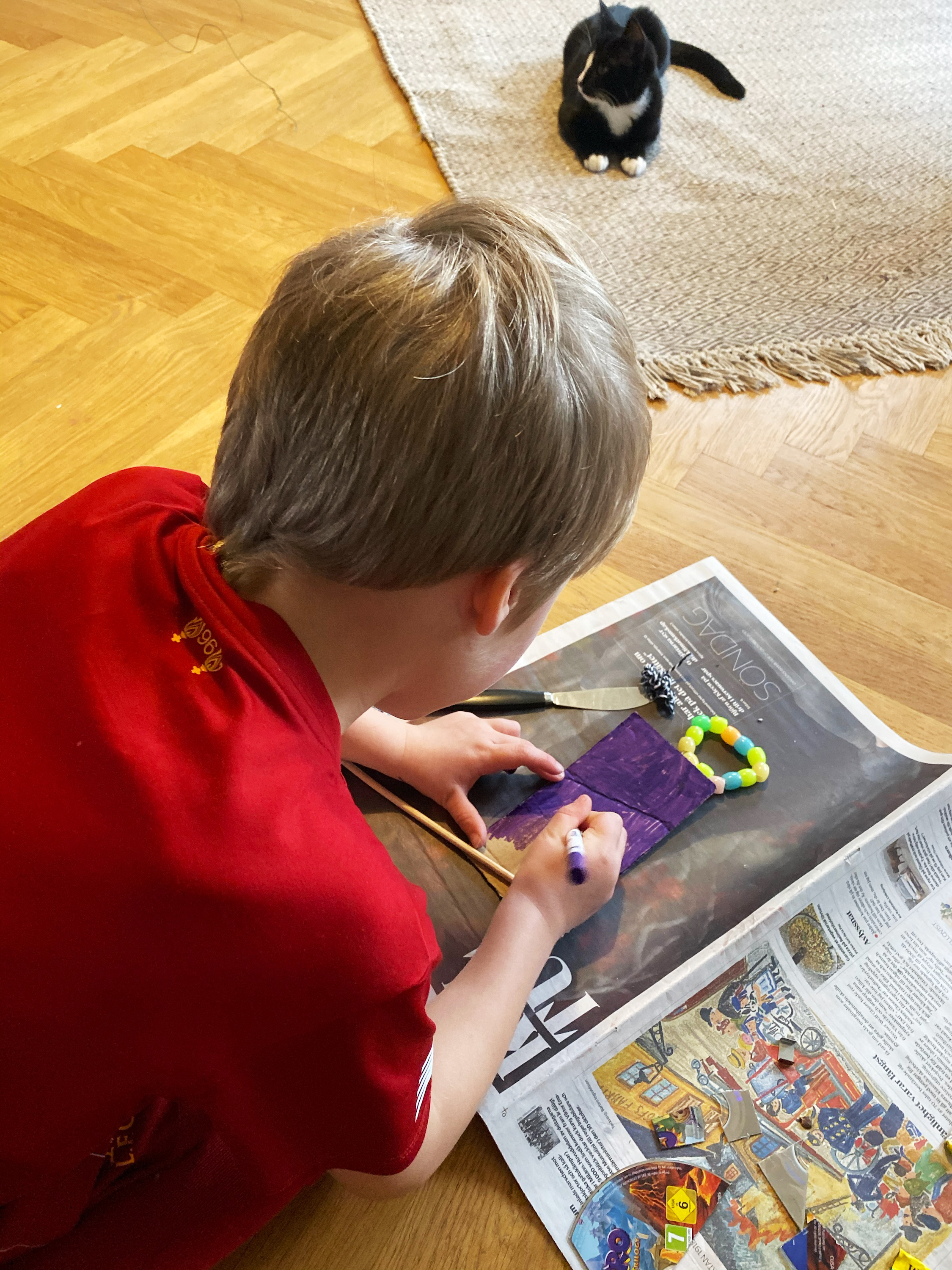
Someone once said that the brothers become world champions when playing with one another. Working with a four-year age difference means that Pelle is determined to always be as good as his older brother.
When big brother Jack started drawing complex monsters, and we [Pelle’s father and his wife] gave him points for his use of skillful names, Pelle soon forced the preschool staff to teach him how to spell more difficult synonyms. So he learned to write and read, and his monsters soon became more effective and aggressive. Suddenly, they could spit, vomit and spew in the same drawing.
Jack soon moved on from drawing with a shrug, and then Pelle got full domain – and he became the one to be exemplary at drawing. Soon enough, he had decided to become an ‘artist’.
“The most important thing in becoming good at painting is to exercise and to use your imagination. Good drawings make the fantasies real,” says Pelle.
He is porcelain sensitive in his creation – constantly in search of works that push boundaries.
Pelle is now six years old and operates as a living museum – with him, there is performance and contemporary art, classical art, pop art and puppetry. Experiments incorporate tape, glue and watercolour, plus cardboard and ink in a jumble. The results are desirable and dreamy.
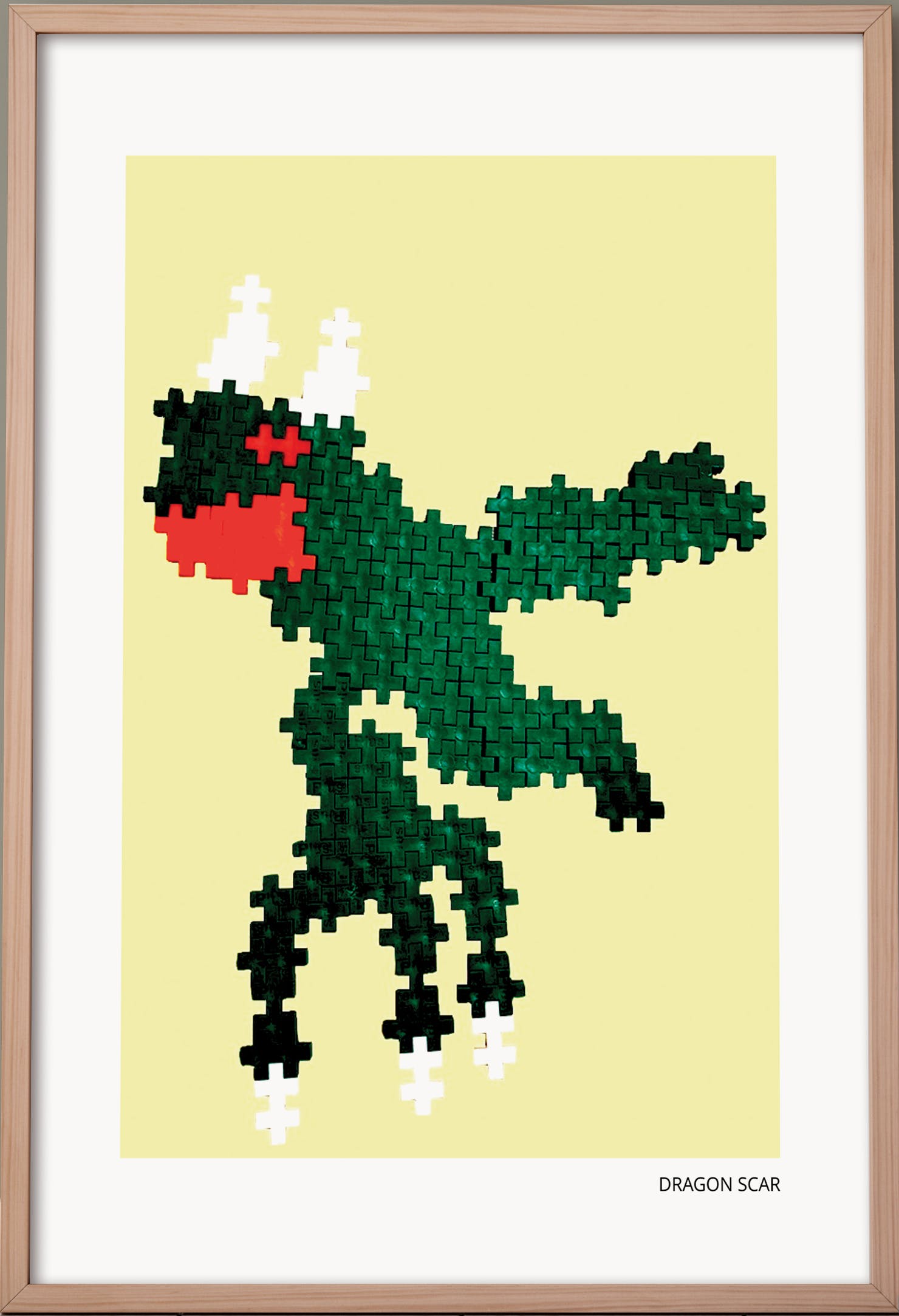
Pelle's bundle of drawings prove his confirmation as a sensitive artist. We as parents bounce between being different ends of the spectrum, unintelligent, sensible and mature, but Pelle is in constant search of creating work that’s good enough to show to his big brother. Big brother Jack stands as a lovely theatre for Pelle: it’s a small but important stage.
“I love to draw with a pencil first, and then use ink. Then you really get strong colours. If you are playing you lose energy. But painting always gives the most energy,” says Pelle.
The most important thing to be good at painting is to exercise and to use your imagination. Good drawings make the fantasies real.
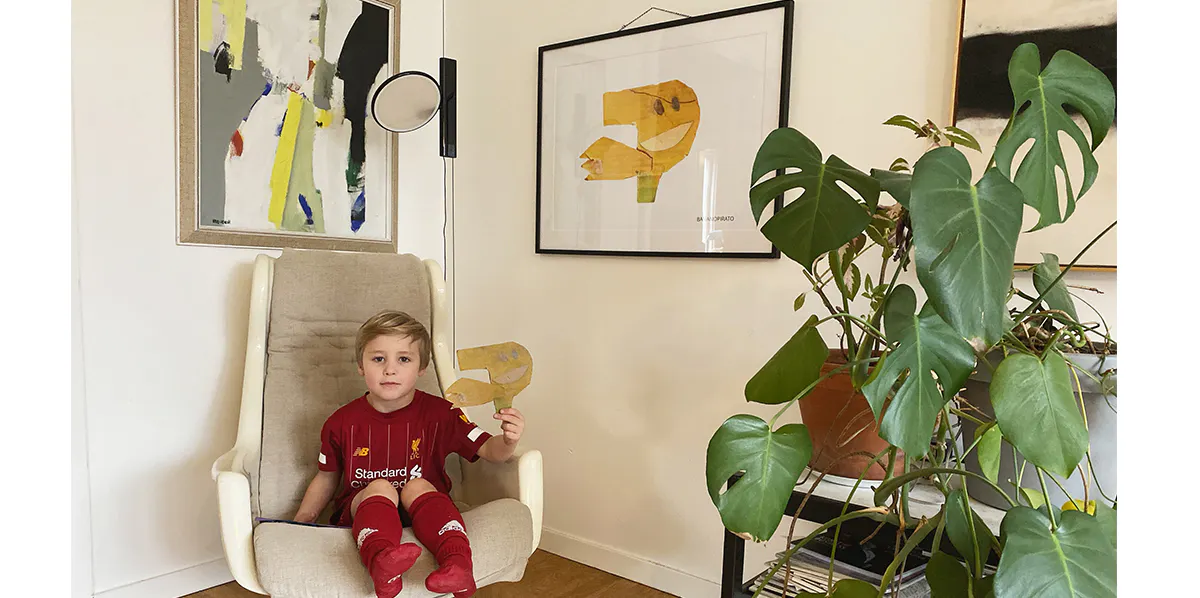
Using Doodlespot, we hang some of his works at home – the few that pass Pelle's needle-eye. And he is really proud that they are there; that’s what’s so great about the app. Next to them are canvases and photographs by other ‘gallery’ artists. But I don't think Pelle cares about them very much. For him, the whole world is his canvas and not the institution that is found in these other works. When we use Doodlespot and produce professional posters, his interest in art becomes even stronger, and Pelle's paintings become the equivalent to these other framed works. The paintings are also perfect gifts, and Christmas presents for relatives need hardly be mentioned...
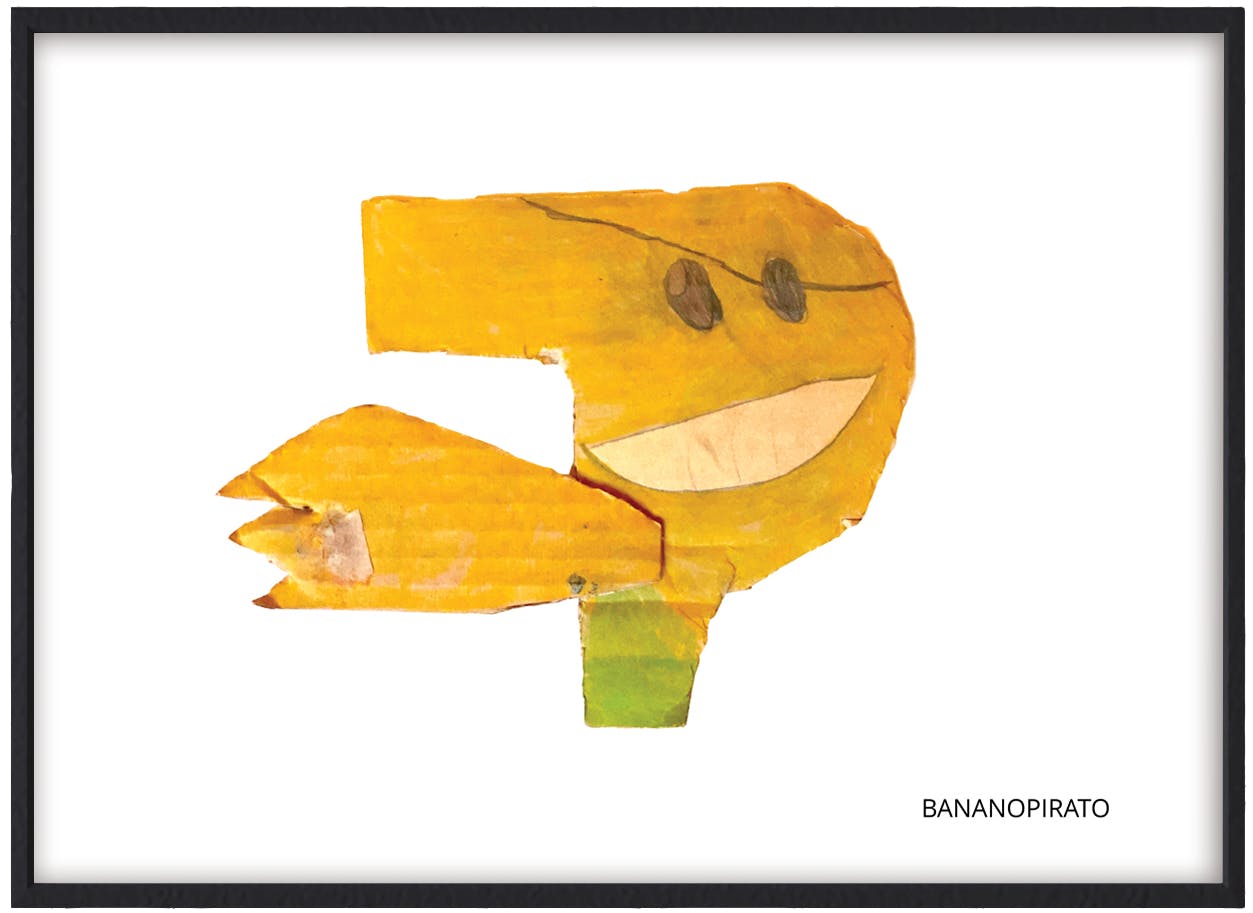
For us as parents, Pelle's work is far more important than all the ones we found at auction – it's about our family and it speaks to Pelle’s his relationship with his brother. The artworks show how the two brothers spur each other on and grow their development.
In addition, creation is something we enjoy supporting, which is where Doodlespot comes in. It’s a creative vein where Pelle feels good and gets the chance to dictate the conditions, to concentrate while also unwinding. Developing the works simultaneously becomes a sensible discussion where emotions are an important parameter – why should X be chosen over Y?
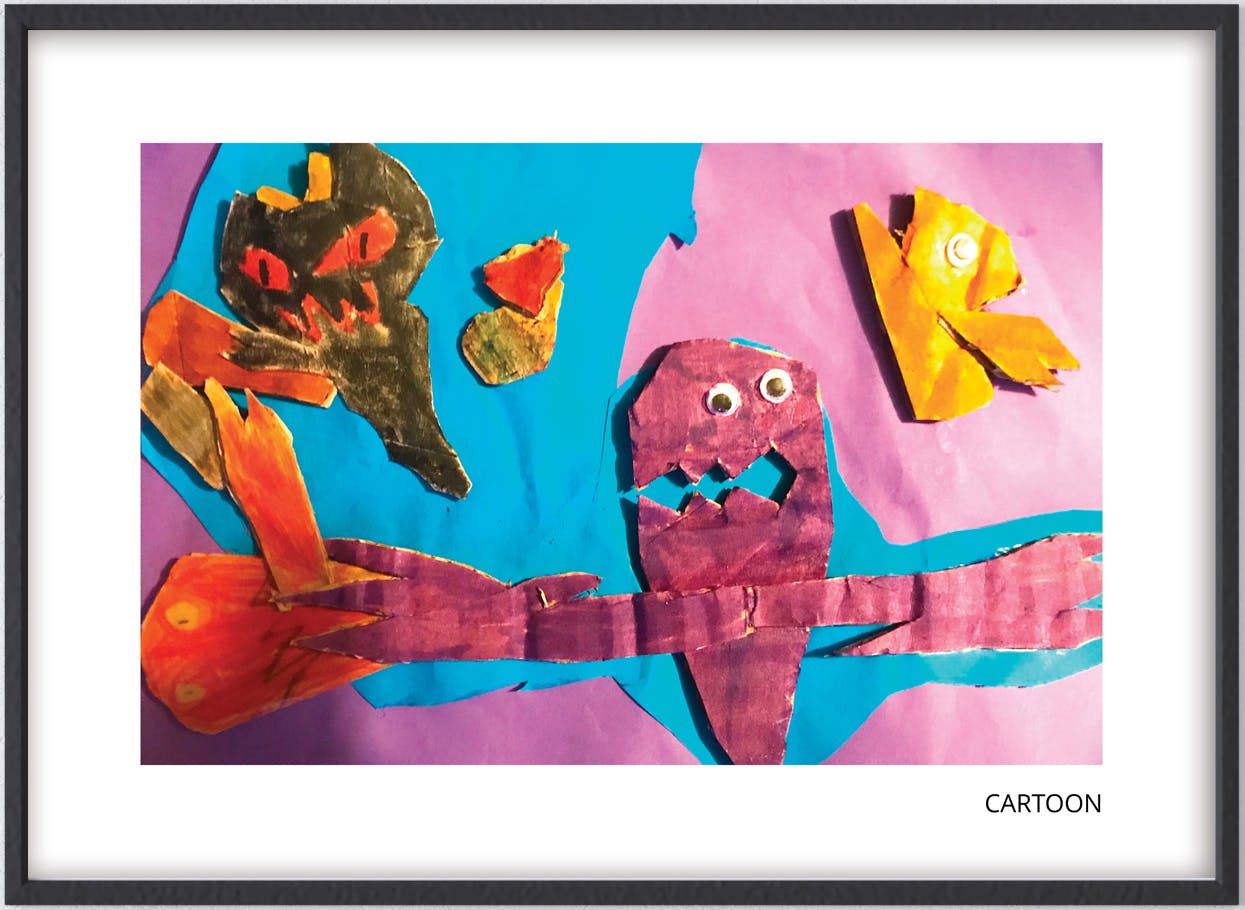
The framing of the artworks, something achieved with Doodlespot, also makes them last longer – and the risk of being left out and knuckled among other drawings decreases.
For Pelle, painting is a hobby that we hope he will stick to from birth to death, whether he later becomes an artist, a football professional, or something else entirely.
Valuing your children’s art
When it comes to placing a price value on your children's art, Barnebys co-founder Pontus Silfverstolpe says, "[that] is very difficult, since it is usually about face value. But there are some cases where extreme talent has been seen very early in age, but prices are still relatively low, as it is difficult to predict an eventual artistic continuity. In addition, of course, we have the celebrity aspect, that is, if suddenly a work of art performed at a young age by some famous person reach the market. Then prices can sometimes skyrocket."
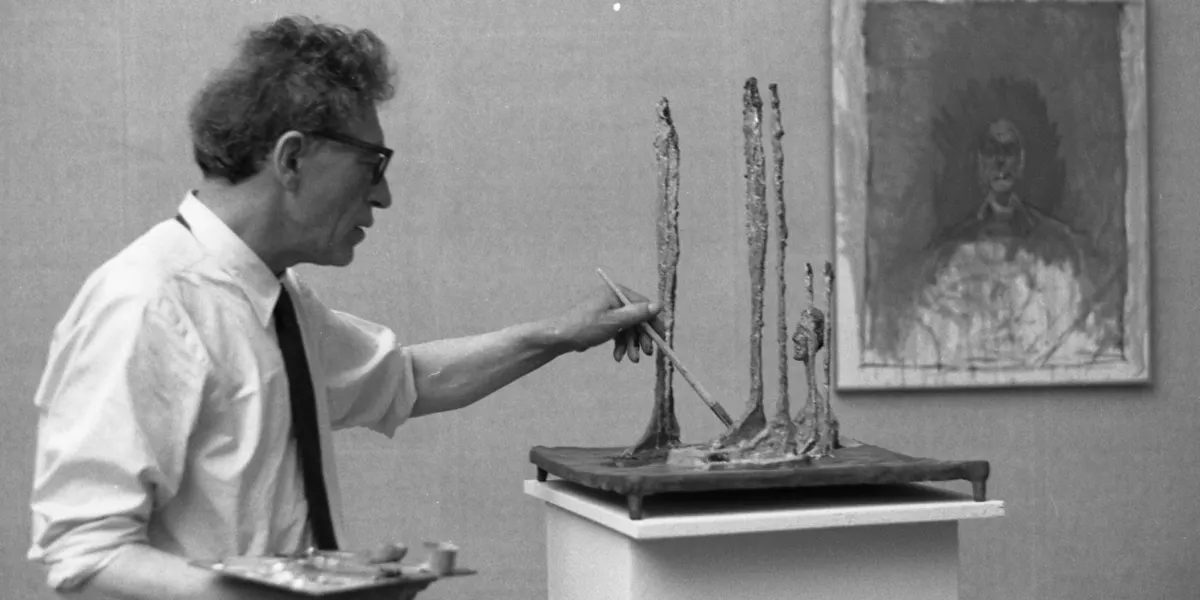
Talking of famous artists' early works, Silfverstolpe continues, "When you look at the works from a historical perspective, when you can follow an artist genius such as, for example, Pablo Picasso from early years and see where and when 'it happened', and that's when it gets exciting – seeing if [their artistic talent] existed at birth. I remember an exhibition I was in Paris once when they followed Picasso and Giacometti's art from early teens through life. So similar yet so different. It was interesting to see."
"Another obvious case is of course for the child's parents or other close relatives. Then the value [children's art] can be invaluable."
In the Barnebys’ price bank, which is filled with millions of sales, there are hardy any paintings by children except in extreme exceptions. It is with parents and relatives for whom children's drawings are priceless; some works might never reach an auction but feel best at home regardless.
Sara Mulloy, an contemporary art valuer and expert with ValueMyStuff says:
"There are many factors to consider when valuing a piece of art. Things like recent prices that similar pieces have realised, provenance, condition, size, and media all come into play. One thing that is typically not considered when valuing art is an emotional aspect, which heavily comes into play when talking about children's artwork. That really is the inherent value in a child's drawing; the emotional attachment of a parent to something that their child creates. It cannot be replaced because the value is the sentiment, the memory, so there cannot be an insurance value. Our children are not represented by galleries (unless they are some sort of a prodigy, which, in that case, the following does not apply) or concerned about their secondary market prices. The hype that comes along with building an artists' career isn't there, except in proud, bragging parents. The value is in seeing our children grow, to watch them learn how to hold pencils and paintbrushes and create, and the memories that come along with that."
Sara continues, "When it comes down to it, value is really just what one person can get another person to pay for something. It's subjective. I can tell you, as a mother who also has a modest art collection, if there was a fire in my home, I guarantee I would save my son's first painting rather than any of the other 'valuable' pieces of art on my walls."
ValueMyStuff Paintings Specialist, Nicholas Skeaping says:
"Any art can be valued but with the vast majority of child’s art the value of the work is for the parents only... in my opinion we could appraise any ‘work of art’ by a child in terms of our response to the work but point out that commercial value does not come with just doing a one-off and the work is unlikely to have value for someone outside the family of the child who produced it."
How Doodlespot works
Doodlespot lets you celebrate your child’s creativity by turning their doodles into invaluable artworks.
It takes only a few simple steps in the Doodlespot app to make beautifully unique artwork from your children’s doodles. Admire them on the walls of your own home, or give them as a gift to the ones you love.
When you hang your child’s artwork in a prominent place within your home, it affirms your child’s creativity, stimulating their creative development and self esteem. At the same time you get amazing home décor!