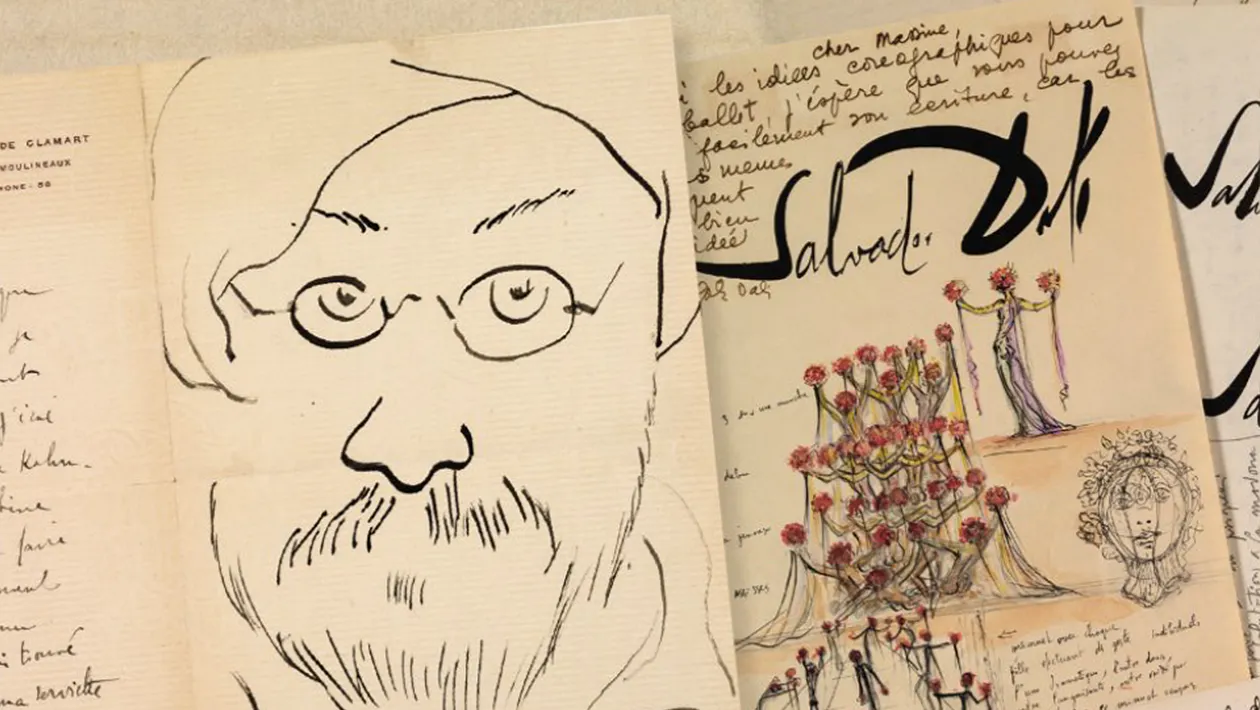
From 14-19 November, Aguttes (in collaboration with the OVA) will orchestrate five sales sessions gathering, as is customary with the Aristophil Collections, exceptional pieces that promise to delight lovers of art and literature, as well as those of science.
Though their sale last June held a theme of Fine Arts, this time collectors will also see dedication to theatre, cinema, and French song. The writings of Boris Vian, Jacques Brel, Jacques Prévert and Edith Piaf are among the flagship lots, to name a few.
The arrival of science within the collections is a major surprise, and an exceptional opportunity to discover (or rediscover) the work of the greatest researchers in history, such as René Descartes, Charles Darwin, Sigmund Freud, Pierre and Marie Curie and Albert Einstein.
Wednesday, 14 November 2018: Literature. Part I: Rare Books, Part II: Classical Writers
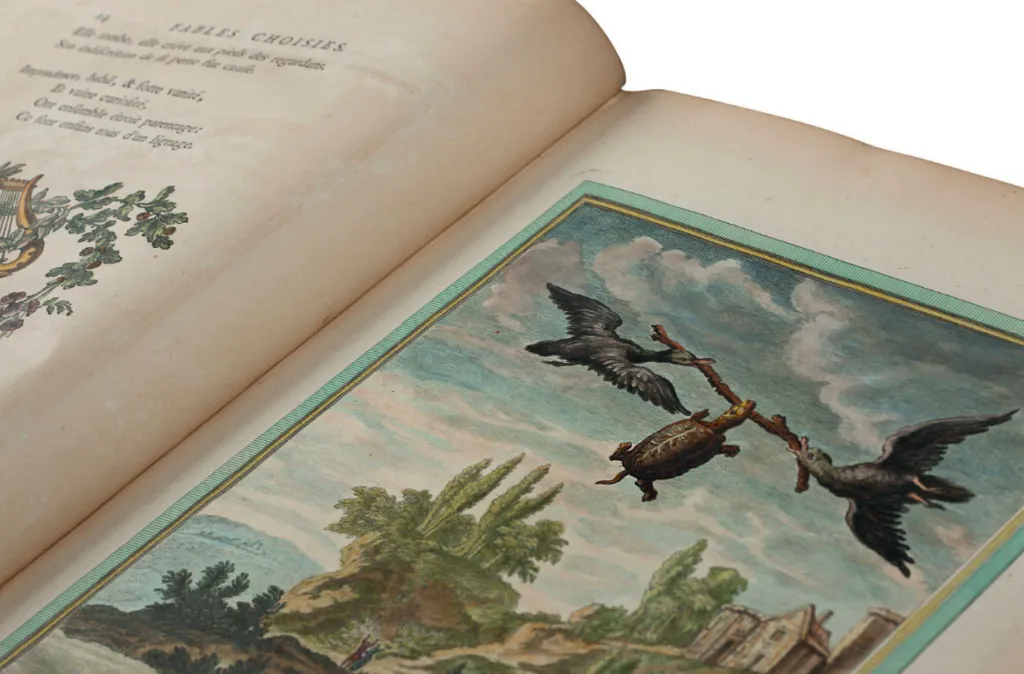
Wednesday 14 November will see a Literature sale that the experts at Aguttes have divided into two parts. The sale of rare books will be punctuated by Jean de La Fontaine's famous Fables, with four fabulous volumes that were dedicated to Louis XV by Louis de Montenault, the head of the publishing company Desaint & Saillant. The four copies include 275 boards by Jean-Baptiste Oudry, non-text illustrations engraved on copper and then coloured.
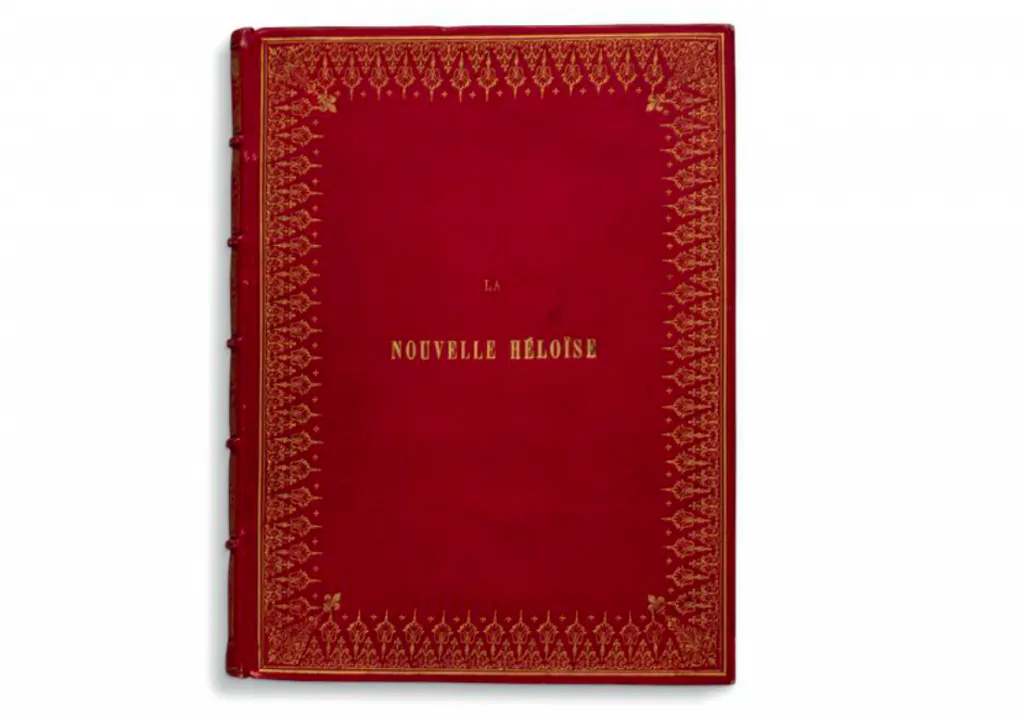
Classical writers are notably represented by Jean-Jacques Rousseau and his extraordinary personal copy of La Nouvelle Héloïse, a manuscript extensively corrected with more than 900 erasures and modifications of the writer's hand. An important correspondence between Rousseau and his friend Madame d'Epinay is also be presented.
Thursday, 15 November 2018: Literature. Part I: Fine Books of the XXth Century, Part II: Writers & Novelists
The second day will begin with Fine Books of the Twentieth Century, and more particularly the modern illustrated books, among which hides some original editions.
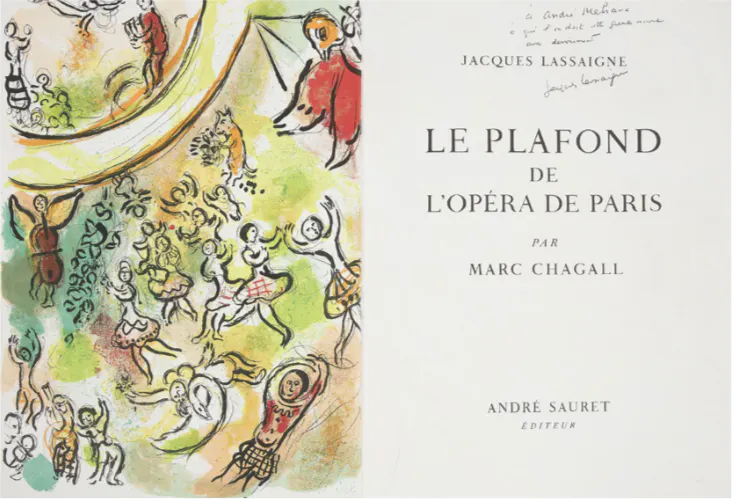
The Ceiling of the Paris Opera, by Marc Chagall and Jacques Lassaigne, features an original Chagall lithograph on a front page. The book has not had prints or signed proofs, and this extremely rare example is the most valuable because it belonged to André Malraux, Minister of Culture.
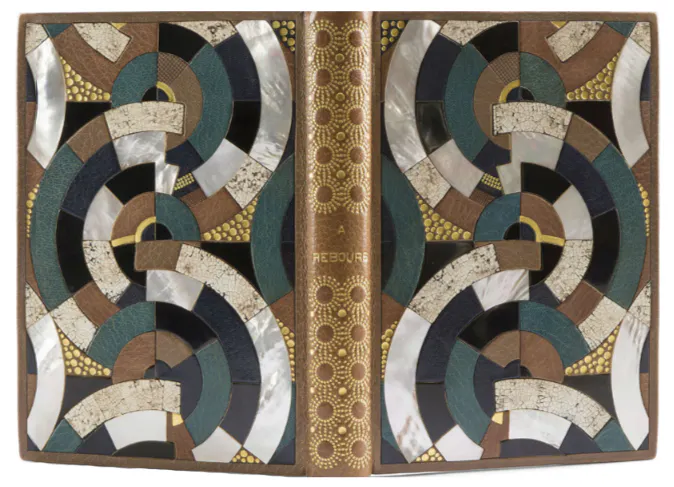
Also noteworthy is the presence of À Rebours, a remarkable edition decorated with 220 colour engravings by Auguste Lepère. It took the engraver three years of work to illustrate the book thanks to the forgotten technique he reinvented: engraving with a knife on wood of wire. The book has a beautiful binding signed Pierre Legrain, which combines eggshell, mother of pearl, lacquer and morocco.
Friday 16 November 2018: Fine Arts. Theatre, Song, Cinema
The live arts will be represented during a remarkable sale that will take you behind the scenes of French cinema, theatre and song. From Victor Hugo to Marcel Pagnol, from Jacques Prévert to Alfred Hitchcock, to Jacques Brel and Serges Gainsbourg, the auction promises writings and proofs signed by the greatest artists.
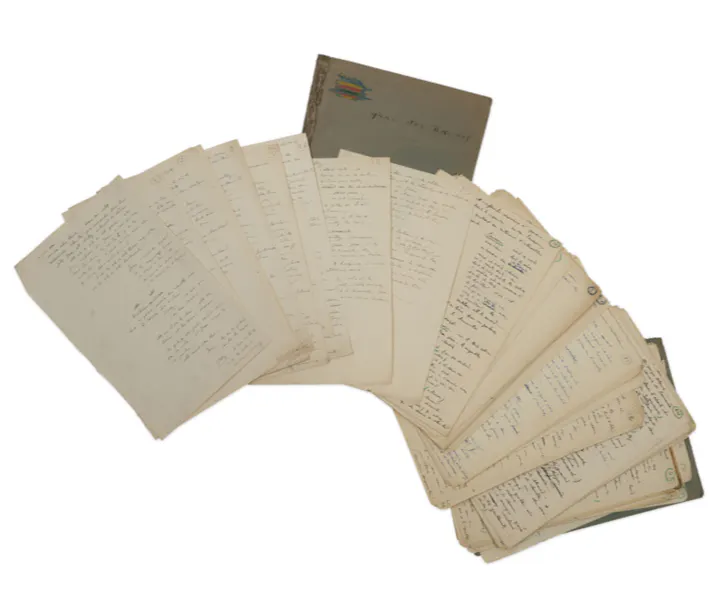
The first draft of the mythical Quai des Brumes, written by Jacques Prévert, is the undisputed flagship lot of the sale. This manuscript of the film was released in 1938 and is full of corrections and erasures, it was heavily reworked on when writing dialogues.
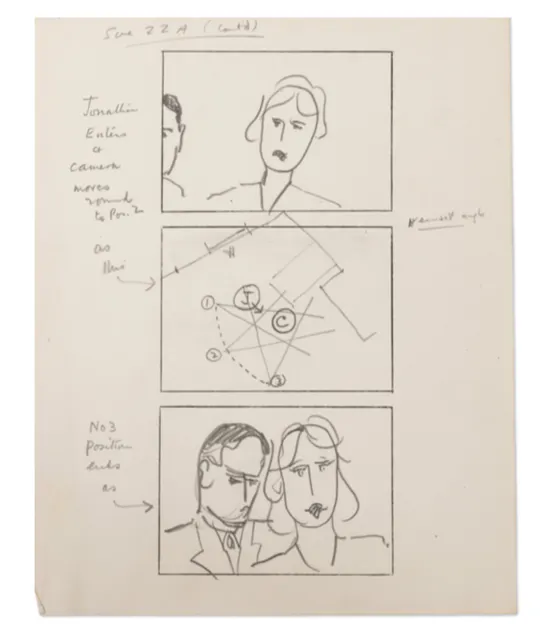
Also noteworthy is the storyboard Stage Fright (The Great Alibi), from the master of suspense Alfred Hitchcock, which consists of 130 sheets and 340 drawings in lead pencil. A witness document of the method of Hitchcock, where each scene is precisely written and drawn plan by plan.
Monday 19 November 2018: Science. From Galileo to Marie Curie From Malebranche to Einstein
We end with the theme of Science in a sale that will honour some of the scientific writings that have changed the course of the history of humanity since the 16th century.
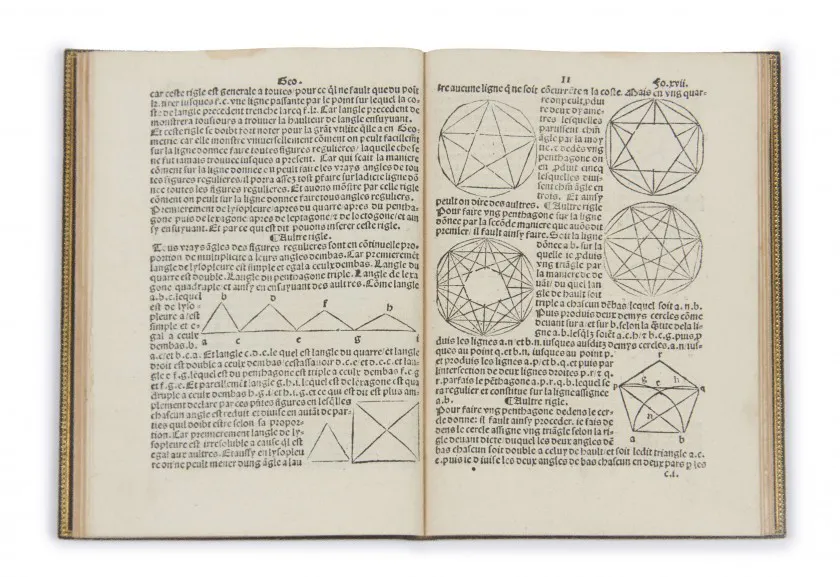
This is certainly the case for this book, the first manual of geometry in French published in 1511 by Charles de Bovelles, under the title Geometry in French. There are only three other known copies within French and foreign public collections.
Also included in the sale are writings and correspondences from scientific specialties, which puts an end to the five auction sessions. The 115 lots will offer a complete panorama of the work of great mathematicians, physicists, architects, naturalists, doctors, psychiatrists and inventors.
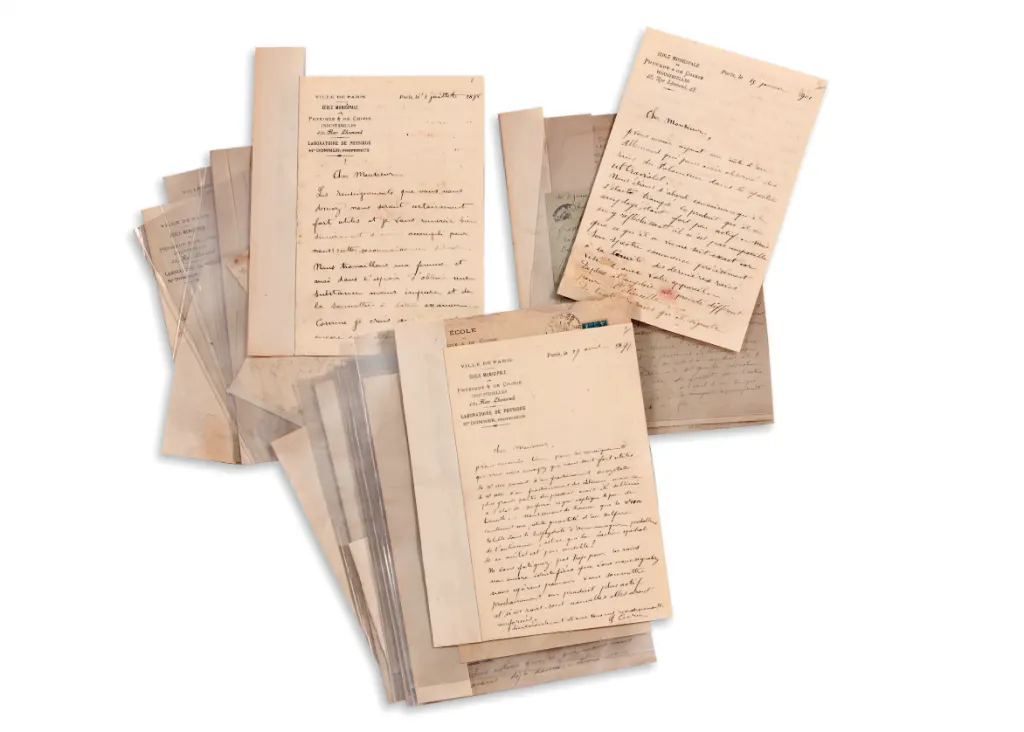
It includes a superb correspondence of 28 letters from Pierre Curie addressed to the chemist Eugène Demarçay, which track the intellectual and scientific path of Pierre and Marie Curie, resulting in the discovery of radium and its properties.
"We found, Mrs. Curie and I, a new, highly radioactive substance different from what you wanted to examine. This time, it is a substance with analytic properties similar to those of Barium which we could not yet separate. We see in the spectrum, in addition to the rays of Barium, lines in the violet. We would very much like to submit this spectrum for your consideration."