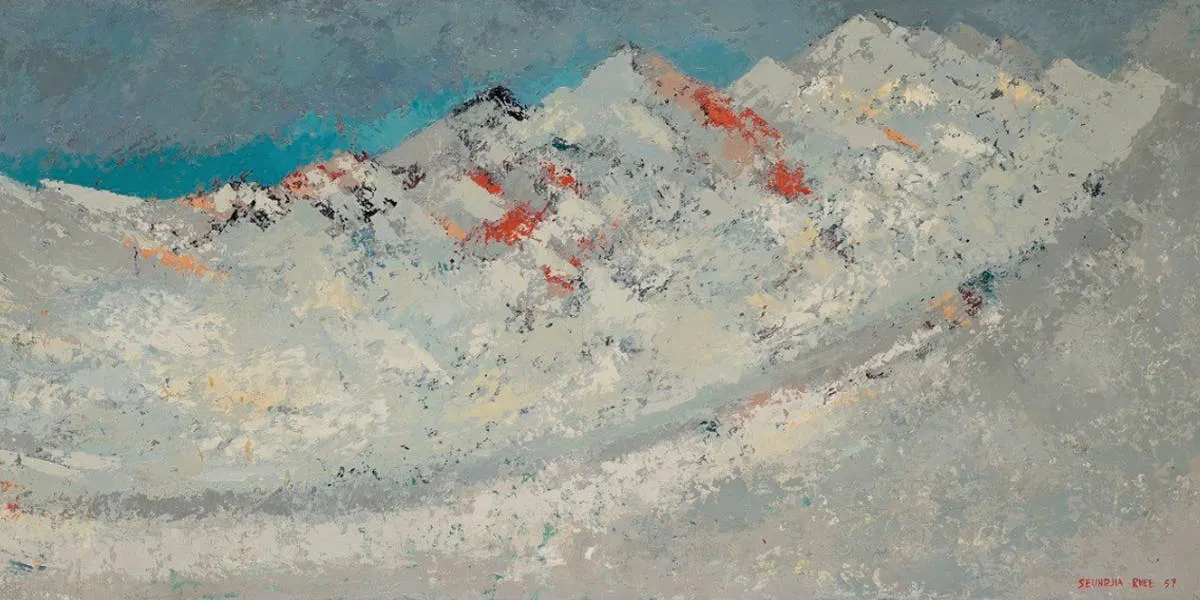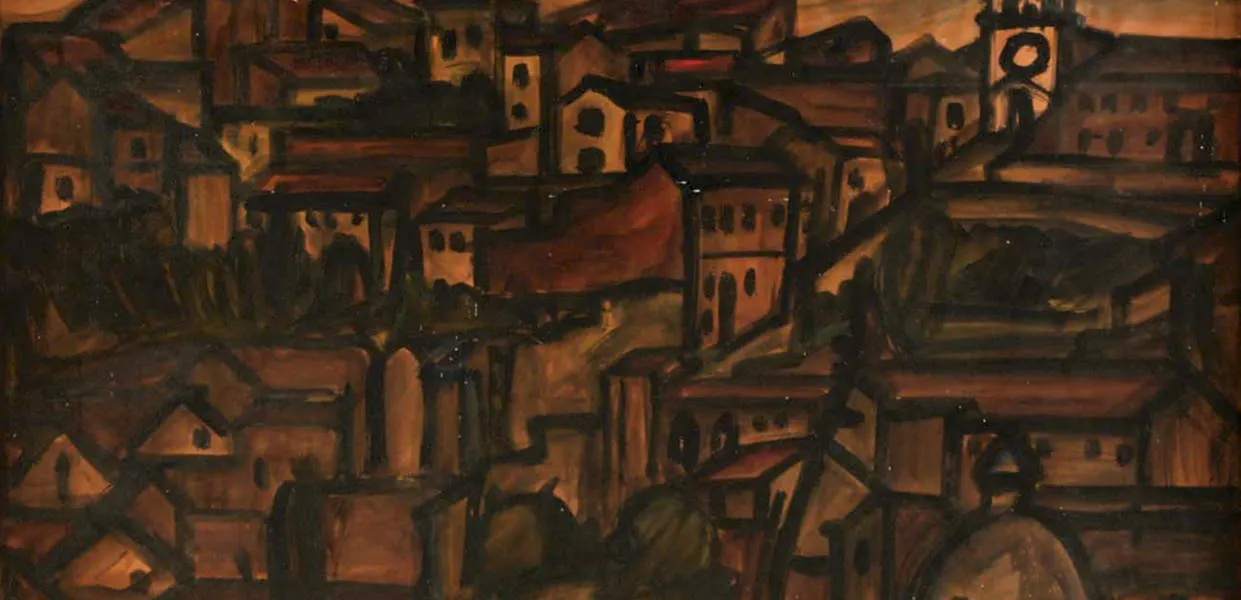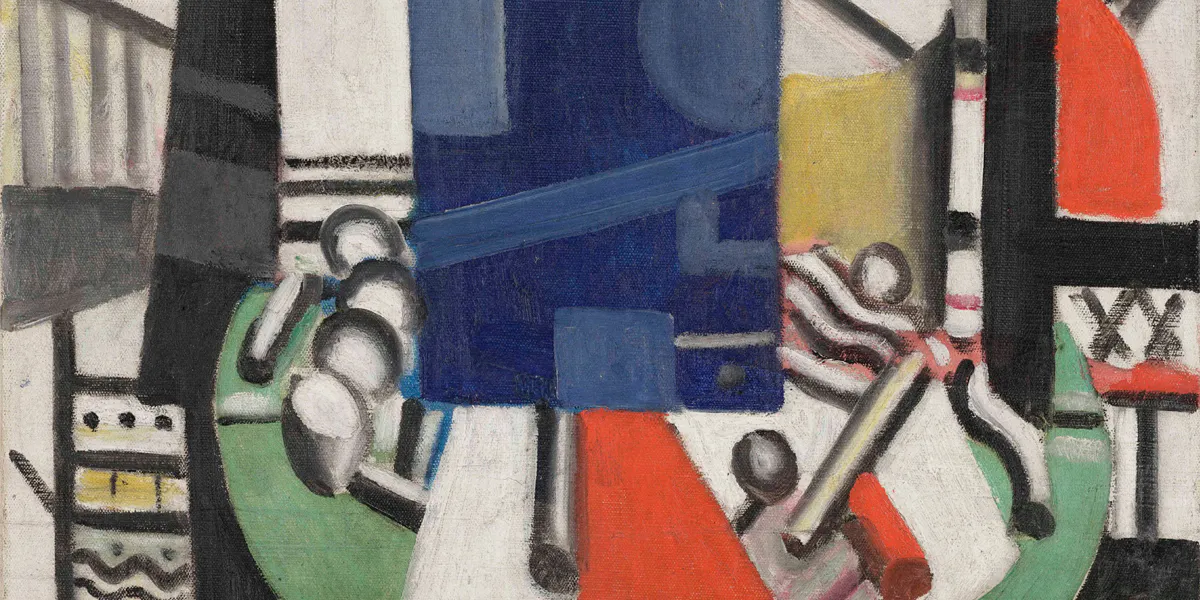
On 21 November, Rossini invites you to become immersed in some of the biggest modern and contemporary art pieces of all times. The auction will provide a panorama of masterpieces, such as a still life by Fernand Léger, a charcoal by Edgar Degas, a large painting by Martin Barré, and an oil on canvas by Léonard Foujita. The Korean artist Seund Ja Rhee, the sculptor Emile Antoine Bourdelle and post-impressionist Henri Lebasque will also be offered.
The catalogue, which includes near sixty paintings, drawings and sculptures, all well curated, offers a journey through the major artistic movements of the 19th and 20th centuries, from impressionism to abstractionism, including cubism and the École de Paris.
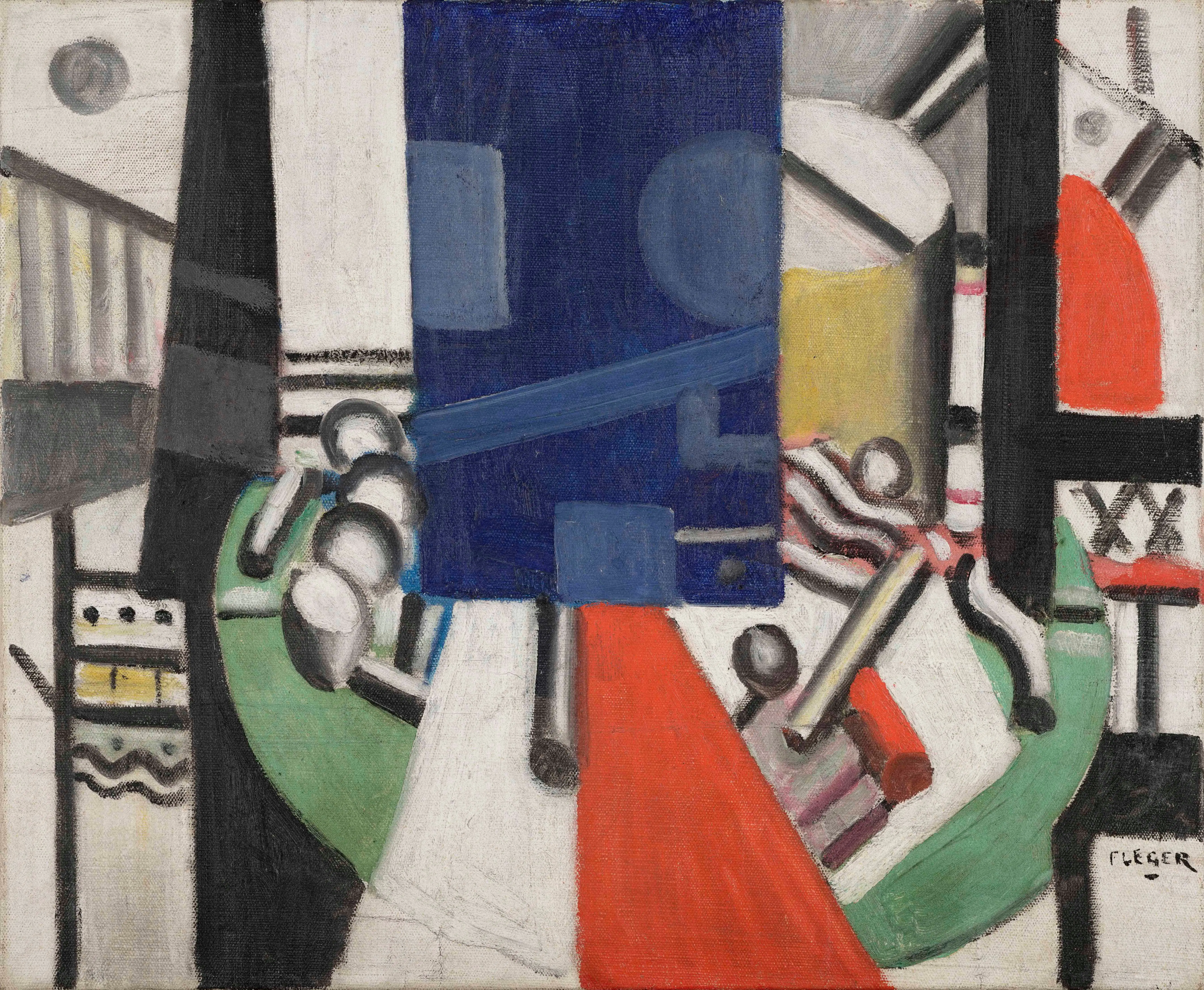
Fernand Léger is one of those artists that succeeded in keeping the characteristic trademarks of his work, while still embracing the trends and evolutions of his time. Léger created his first cubist paintings in early 1910; he was inspired by the contemporary world, mass production and he demonstrated a true modernism in his work. He stands out from his peers by according a particular importance to colours, laying the base for a coloured cubism.
This still life painting is typical of Léger's compositions, built by purely flat coloured surfaces, and falling within his mechanical period, in the early 1920. Very rare on the market, this piece of art is part of a series made between 1918 and 1920, of which only five other paintings are known.
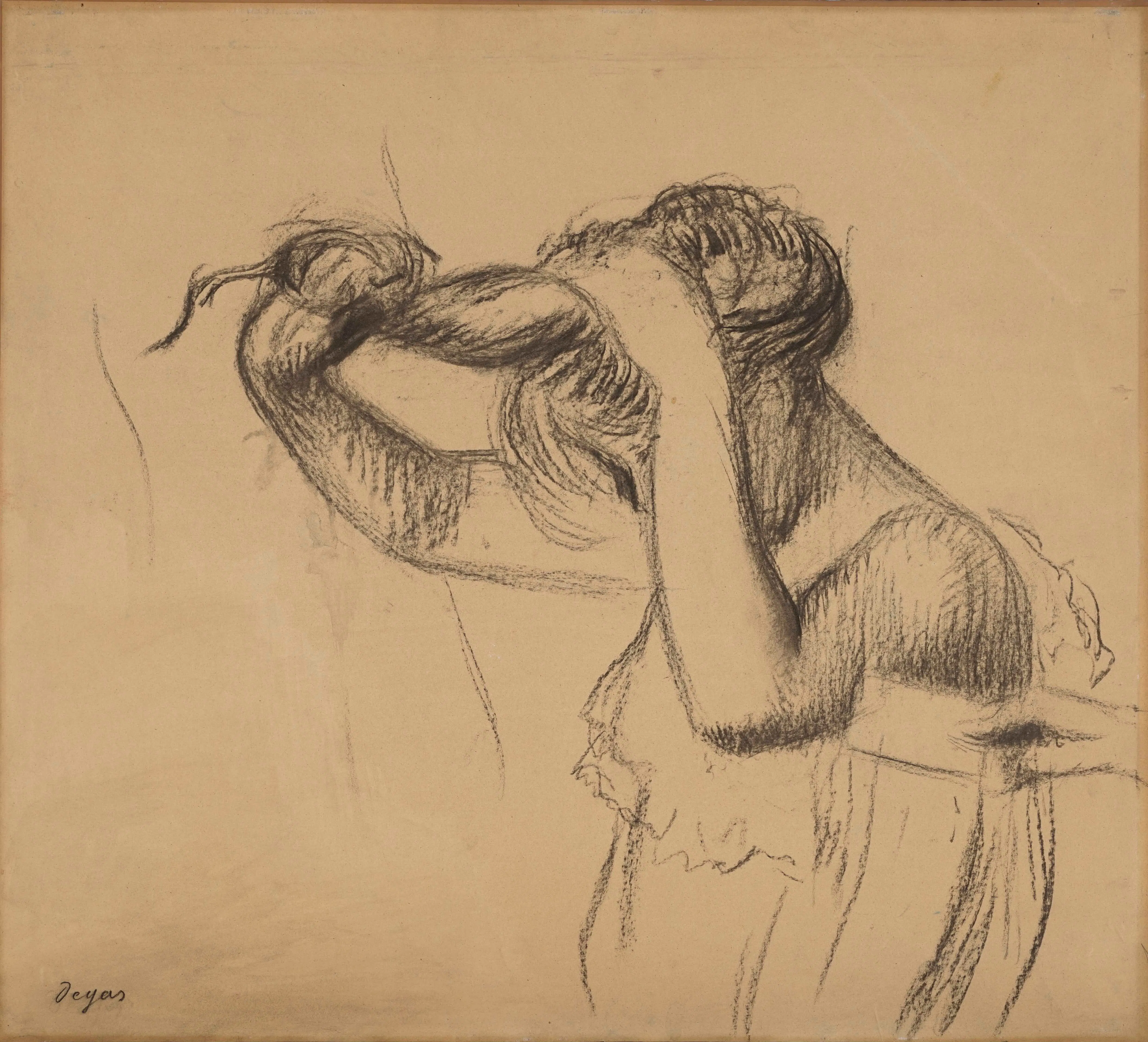
The charcoal portrait by Edgar Degas represents one of his favourite topics: women's privacy. Made around 1888-92, this piece of art is entitled Femme se coiffant, la lettre (Woman Styling, The Letter) and depicts a young naked woman holding her hair, captured in a moment of privacy. The model's face is hidden, and she is devoted to personal activities without any consideration to her surroundings. Degas places the viewer as stealing an instant, a passive witness of an ordinary but private scene.
A hand holding a letter appears on the right of the composition, allowing the viewer to let his or her imagination go free. Fascinated by his immediate environment, Degas devoted his career to simple subjects, such as dancing, urban life, horse racing and the study of women, while imbuing a sense of poetry into each of his works.
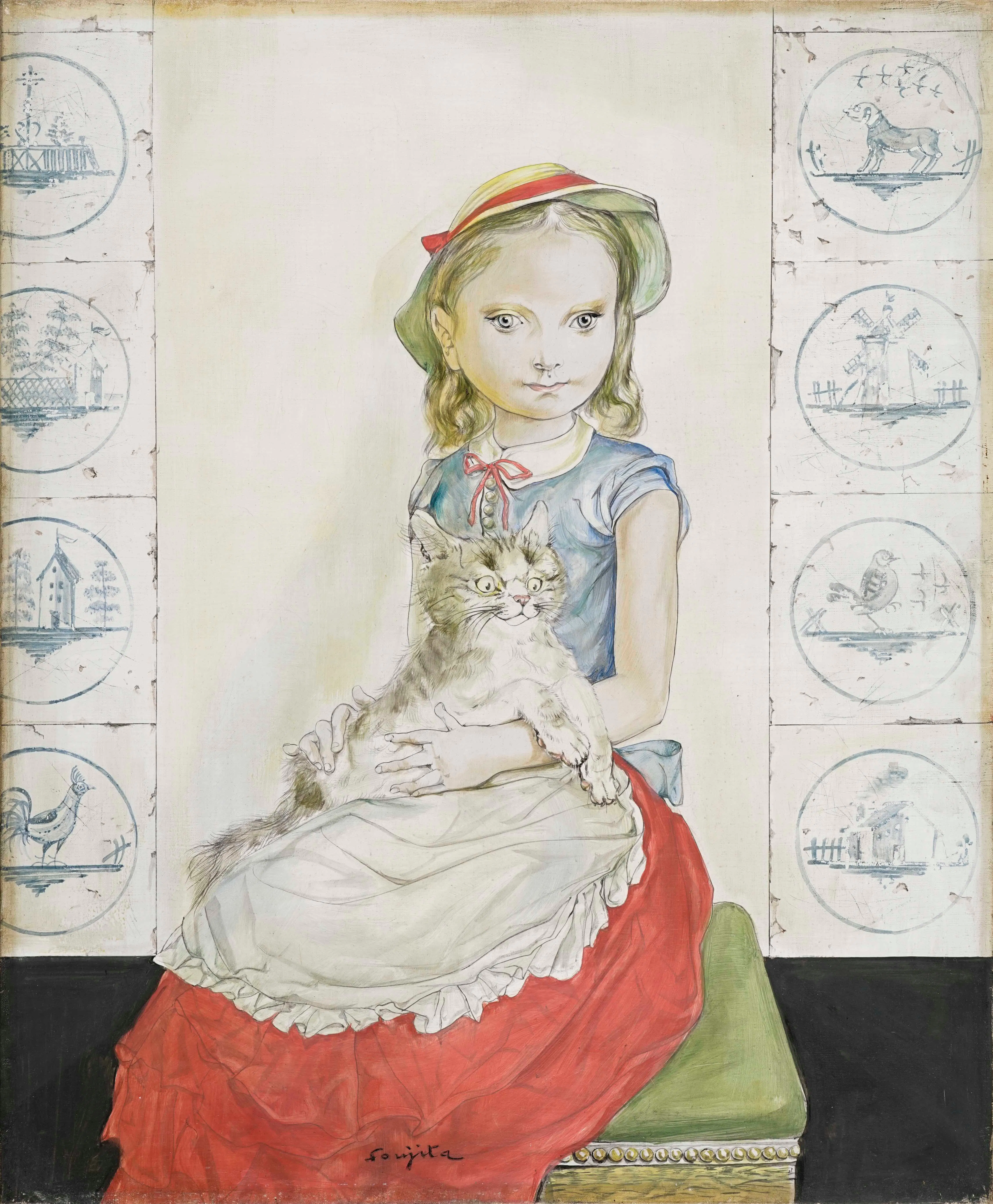
The iconic Japanese artist of the roaring twenties, Léonard Tsuguharu Foujita, concludes the auction with another high quality portrait of a female.
Jeune fille au chat (Young Girl with a Cat) is a remarkable oil on canvas made in 1956, which was displayed in the Pétrides Gallery from June-July 1956, and was used as a model for the exhibition poster. In the painting, a girl is posing with a cat, clearly in the artist's studio, in which we can recognise Delft tiles. Her elegant attitude contrasts with the mischievous attitude of her cat, which seems to be attracted by an outside element. Foujita's legendary brushstroke is executed with high finesse.
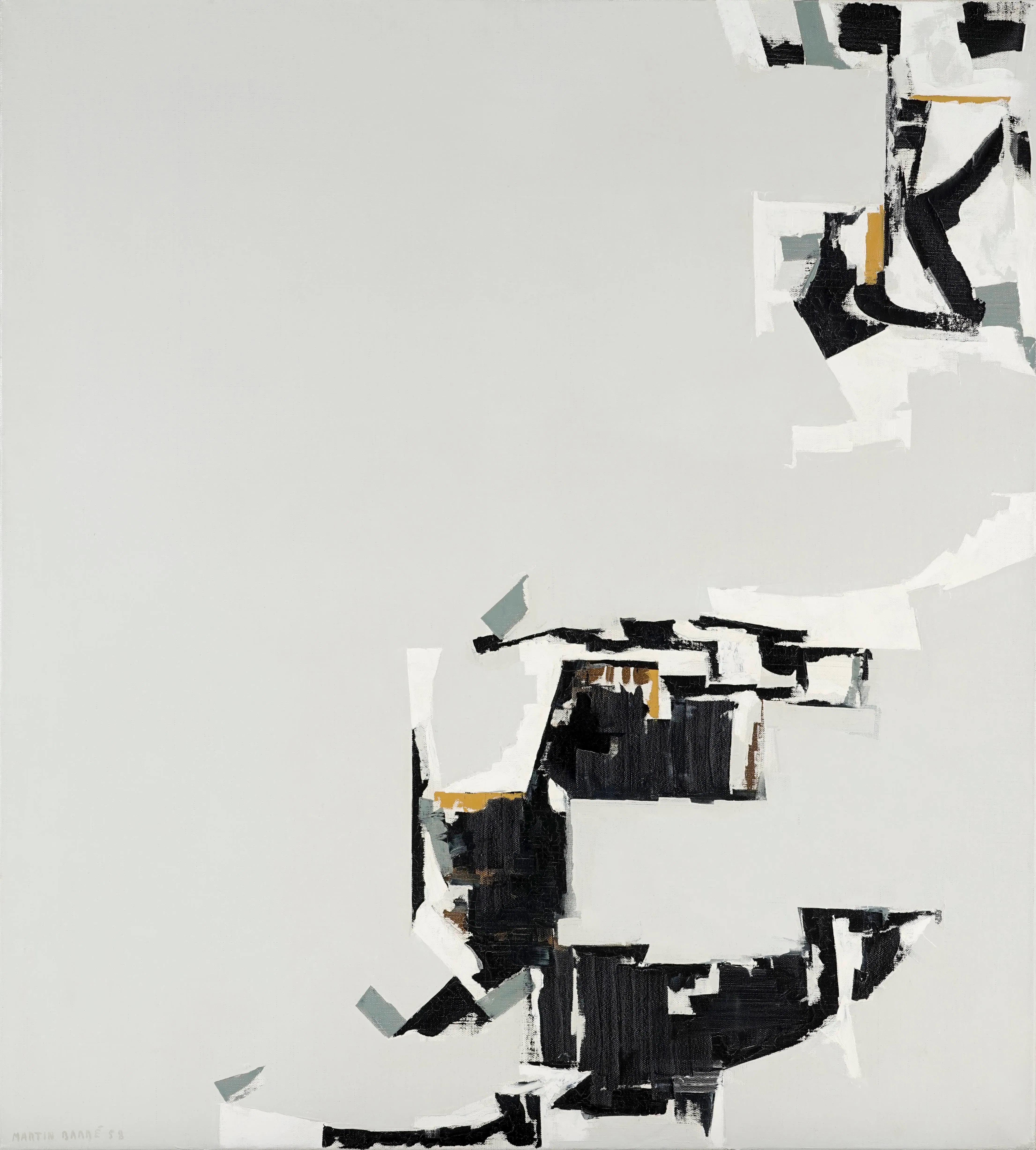
This oil on canvas by Martin Barré was made in 1958, and with it debuts his arena of abstraction. After a few trials, Barré choose the flat colour surfaces technique, giving a key role to shape and space. As in Untitled, the geometric shapes pace the painting, breaking the monochrome’s smooth background. Barré was awarded by the ‘Grand Prix National des Arts’ in 1998 for the entirety of his work.
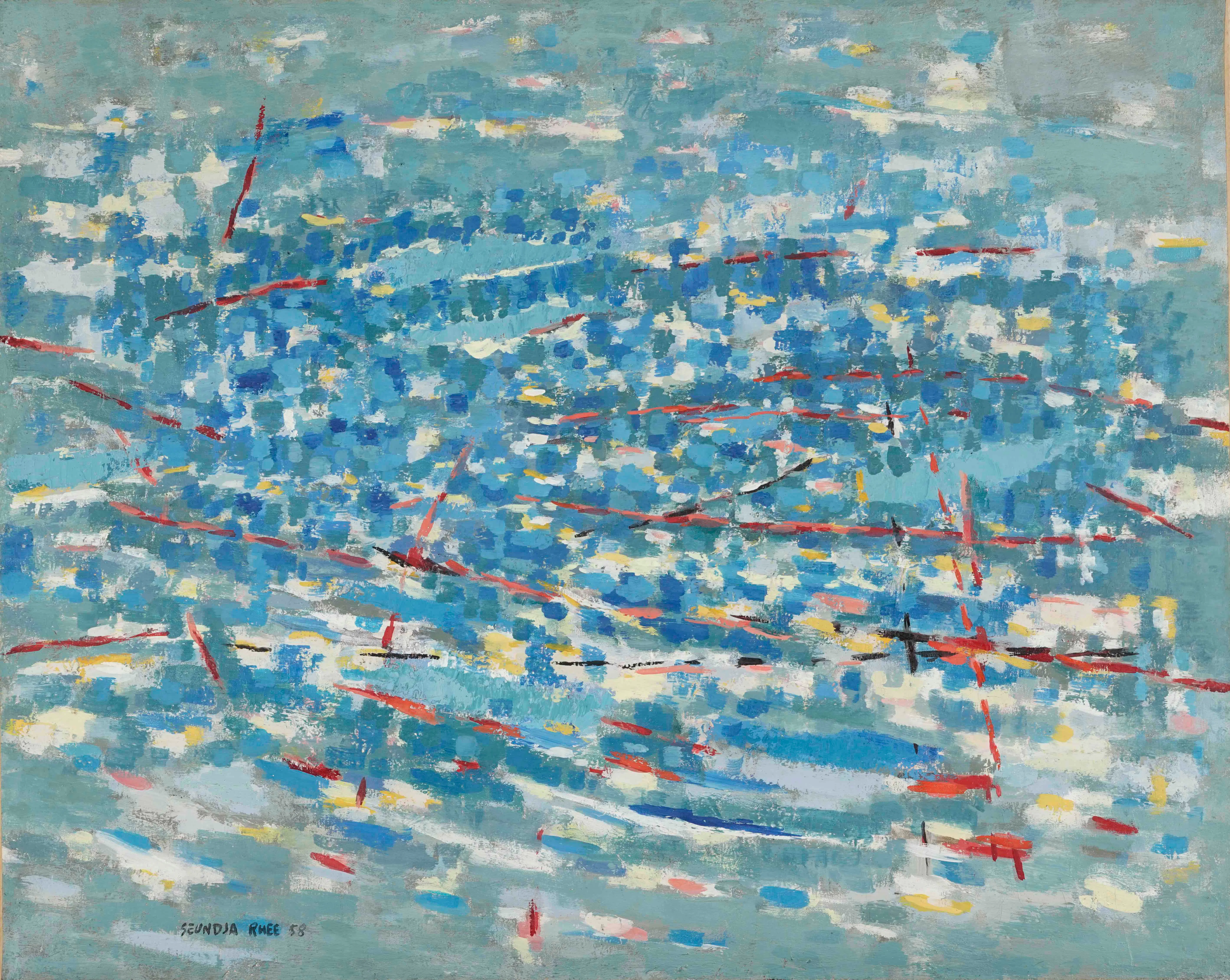
The Korean artist Seund Ja Rhee is represented twice during the auction. Her work, which comes in the scope of the lyrical abstraction, is inspired by the natural world and Asian culture, and reaches out to a simplification of forms.
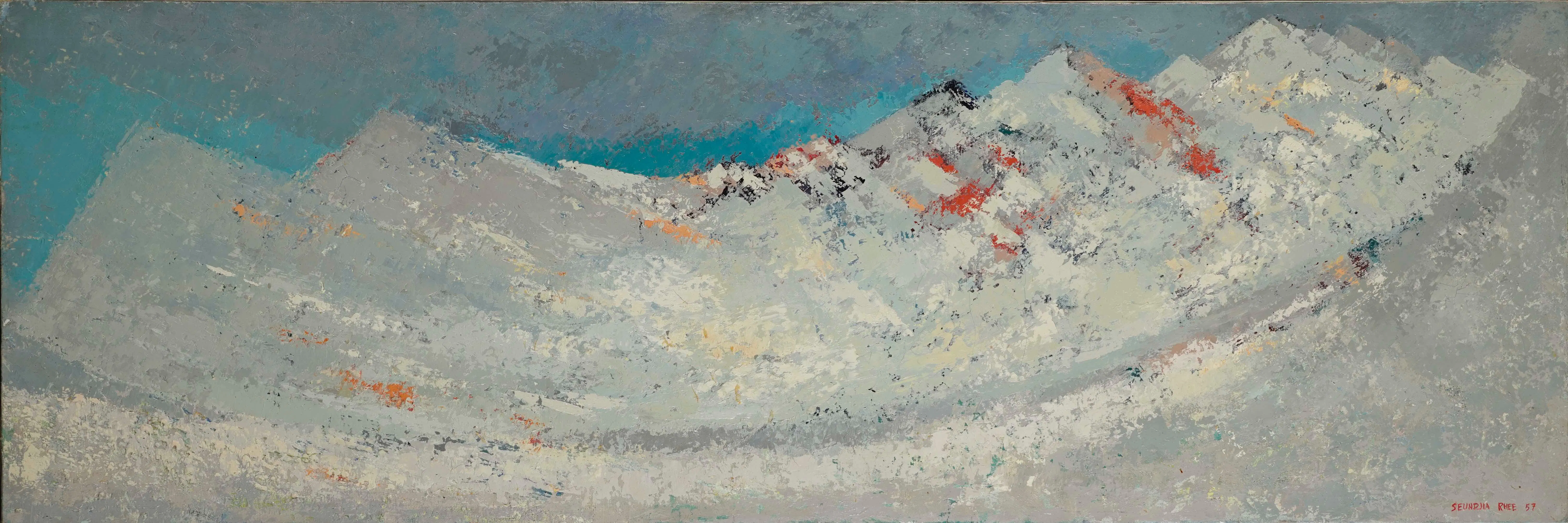
Rhee arrived in the French capital in 1951 and integrated herself in the Grand Chaumière Academy and becomes the only Korean artist of the École de Paris. The two paintings, compositions from 1957 and 1958, testify of a unique world which, with great serenity, combines the Orient and Occident legacies.
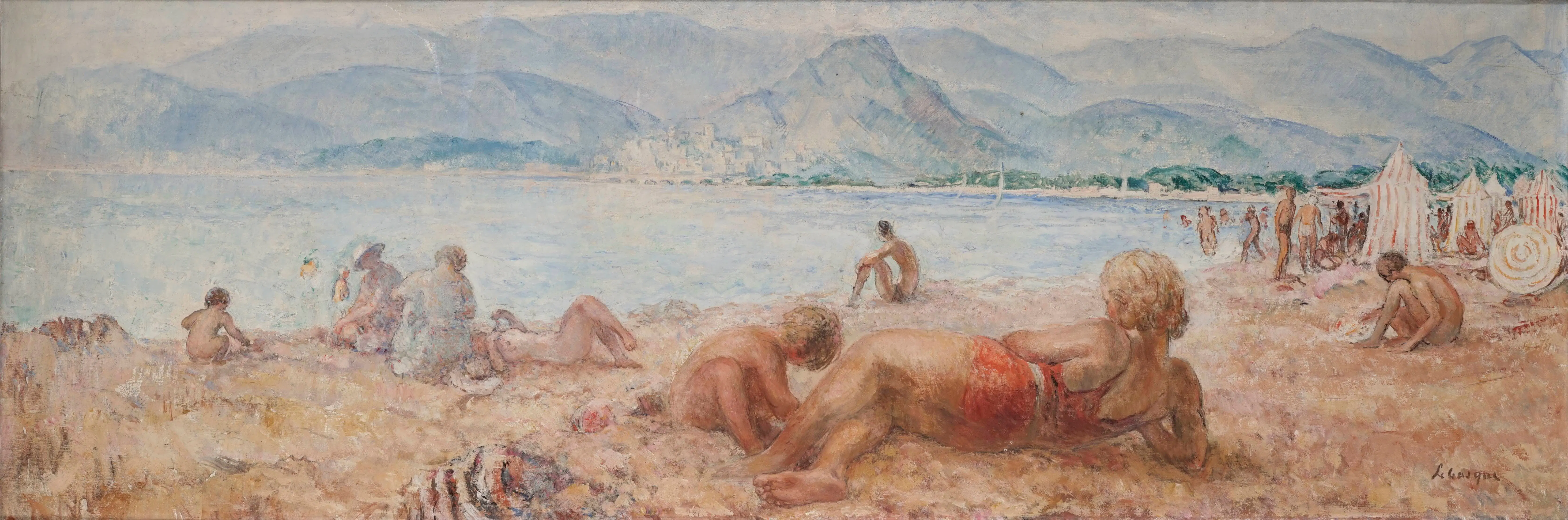
Henri Lebasque is a post-impressionist born into a modest family. He started collaborating on the Pantheon's frescoes in Paris from 1886 for six years, together with Ferdinand Humbert. He surrounded himself with artists, such as Maximilien Luce, Paul Signac and Camille Pissarro, all of whom had a great influence on his work, and he also worked with Félix Vallotton on various ceramic experiments at André Metthey in 1906. Lebasque made Baigneurs sur la plage de Cagnes-sur-Mer (Bathers on the Beach of Cagnes-sur-Mer) around 1928-29, at the end of his life, and in it demonstrates a certain artistic maturity.
A bronze bust by Emile Antoine Bourdelle titled La Polonaise (The Polish), based on the actress Maria Mrozinska, an oil on panel made by Roger Bissière, and two oils on canvas from artists Eugène Carrière and Victor Charreton will also be offered.
The auction, which will be held on Thursday 21 November, will be preceded by a public viewing exhibition (from 19-21 November) and will be broadcast live.
Find out all of Rossini’s pieces here
This article is sponsored by Rossini