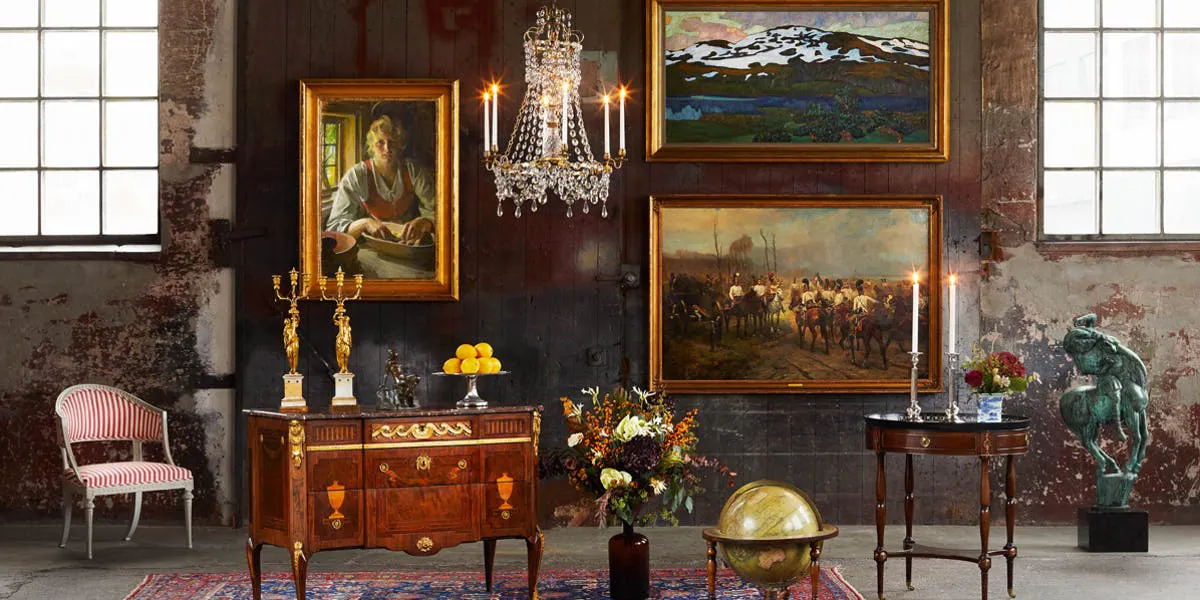
Soon it's time for Uppsala Auktionskammare to host its ‘Classic Sale’ and ‘Asian Sale’. Between 9 and 11 December, everything from historic works of art, high-quality furniture and antiques to enviable silver objects, sumptuous accessories and beautiful textiles will be presented.
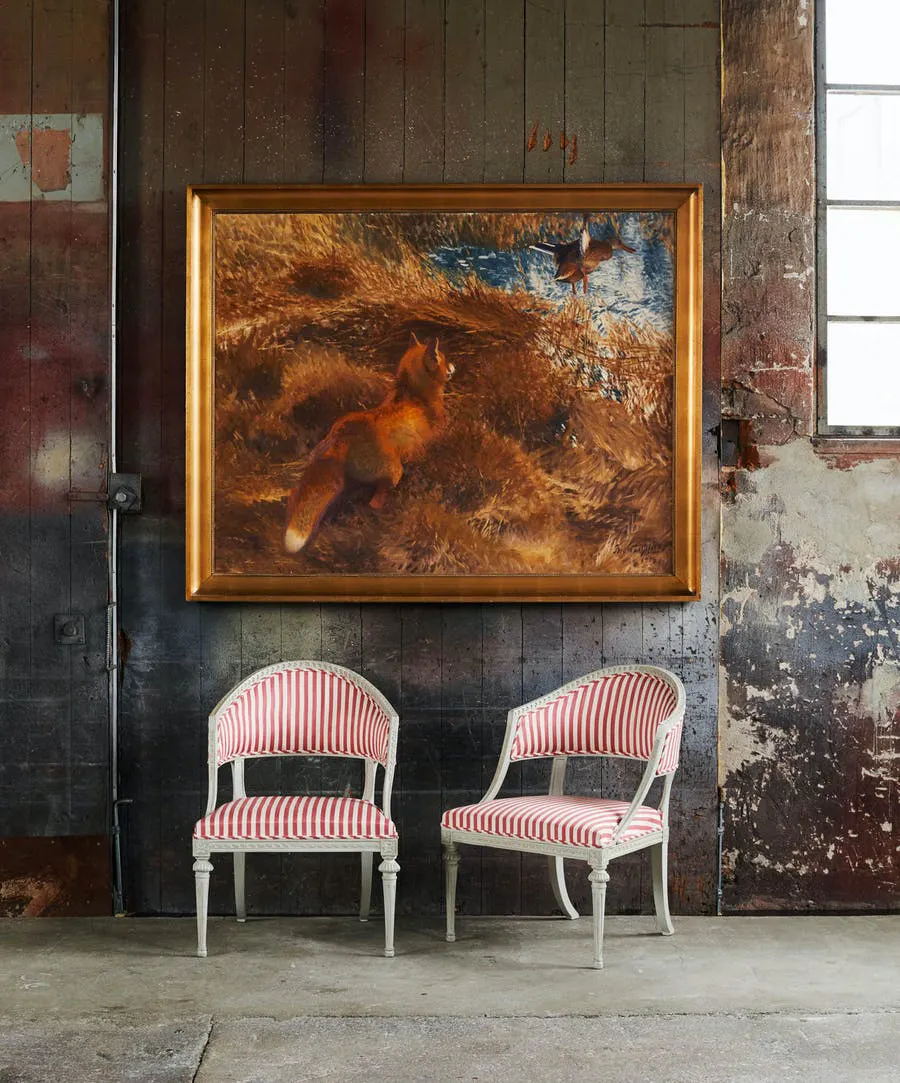
Among older and classic works of art, you’ll find Swedish masters such as Carl Larsson, Ernst Josephson and Jenny Nyström. Meanwhile, Nikolay Yegorovich Sverchkov, Peter Paul Rubens and Gasparo Lopez are some of the international stars represented.
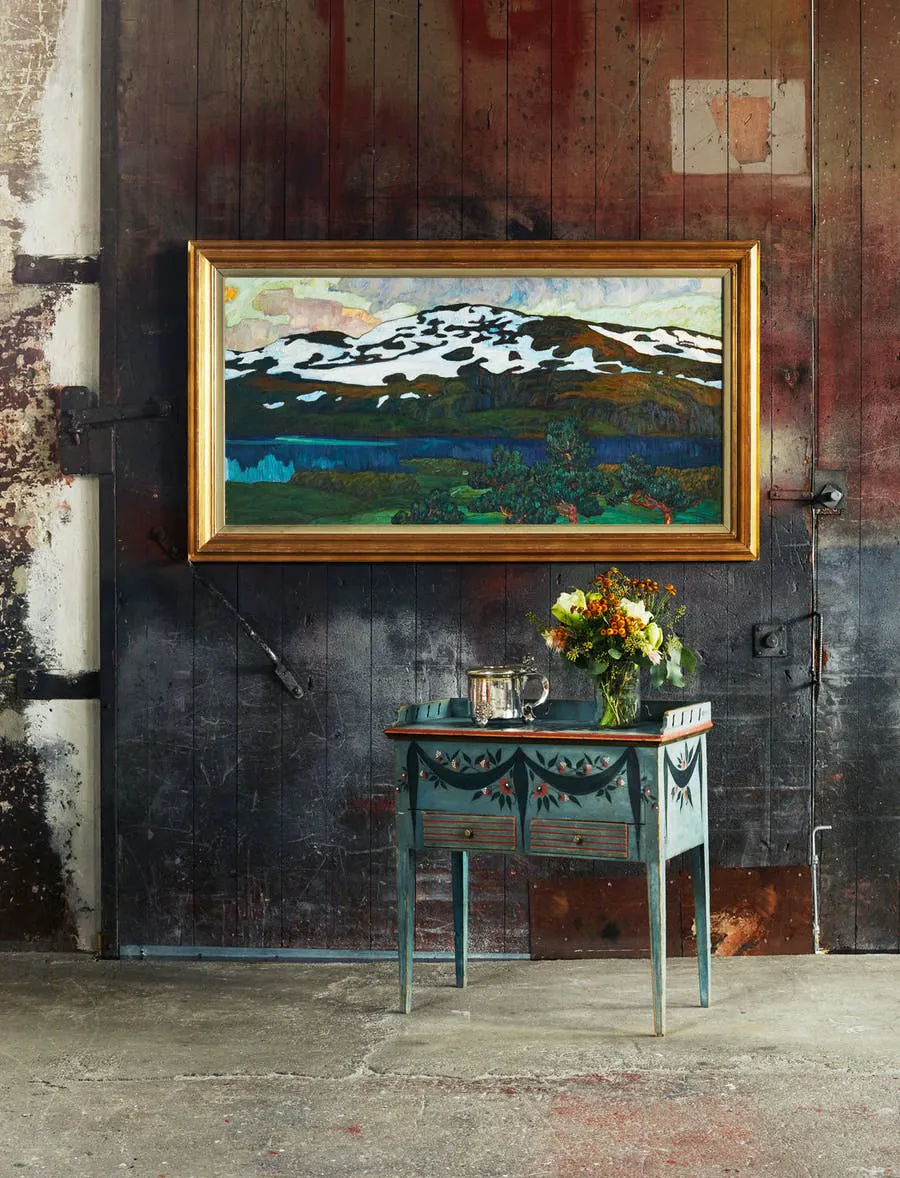
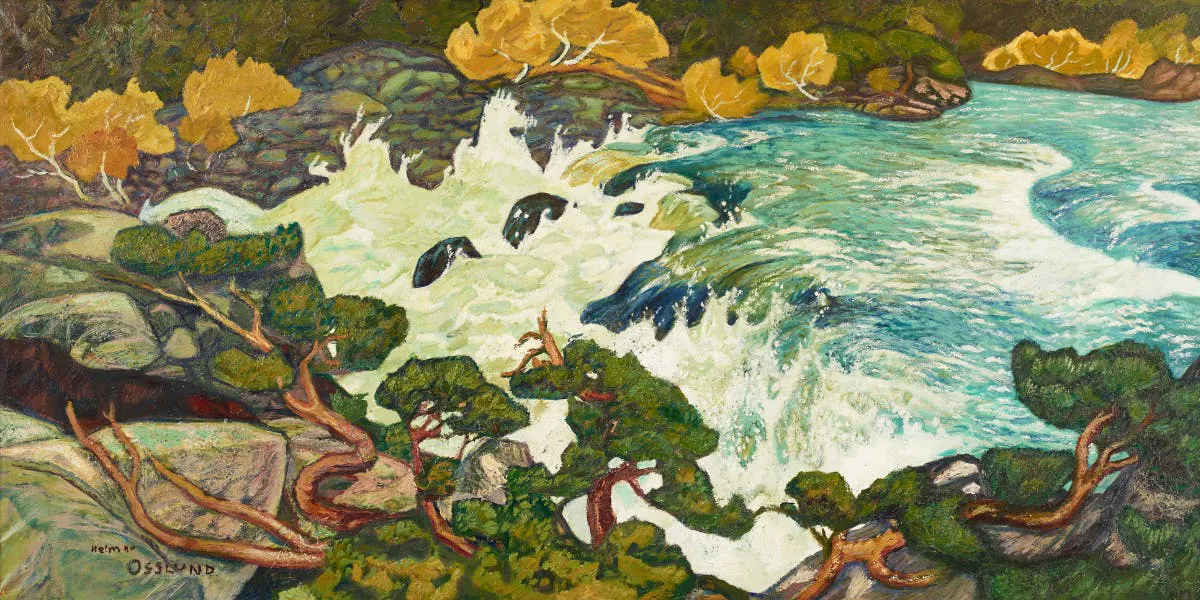
When Carl Larsson and Anders Zorn took inspiration from the surroundings in Dalarna, Helmer Osslund did the same but in Norrland. In 1898, he discovered the mountains and wilderness of this environment, which became the starting point for the artist’s travellers in the Swedish landscape. He was constantly on the hunt, seeking new inspiration and new lessons to imbue in his dynamic landscape paintings.
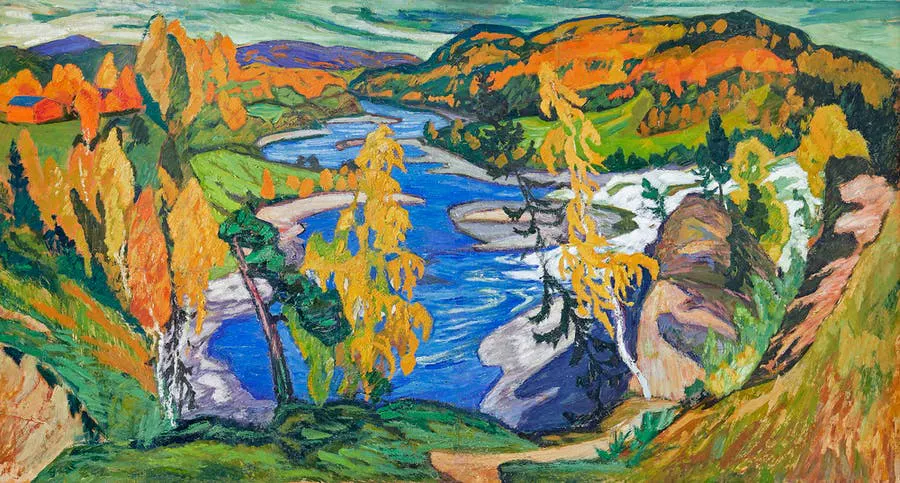
Osslund depicted his landscapes in clear colours and often worked with the same motifs, but in different variations which he further developed over the years. The Ångermanälven (a river in Sweden) can be found in several of his works, but the present painting is something out of the ordinary.
Another theme that recurred in the artist's oeuvre was autumn, which was Osslund's favourite time of year. The shifting colours of nature inspired him and countless interpretations of the colourful tones of autumn can be found in his paintings, as well as lakes, coasts, rivers and rapids. It was in the mid-1890s, when Osslund travelled to Paris, that he learned to paint on greaseproof paper. The material was not only affordable but also light and therefore easy to carry to the mountains. Ångermanälven mot Näsåke (Ångermanälven towards Näsåker), which is offered at Uppsala Auktionskammare, is painted with thick brush strokes on greaseproof paper, which is then laid on a panel.
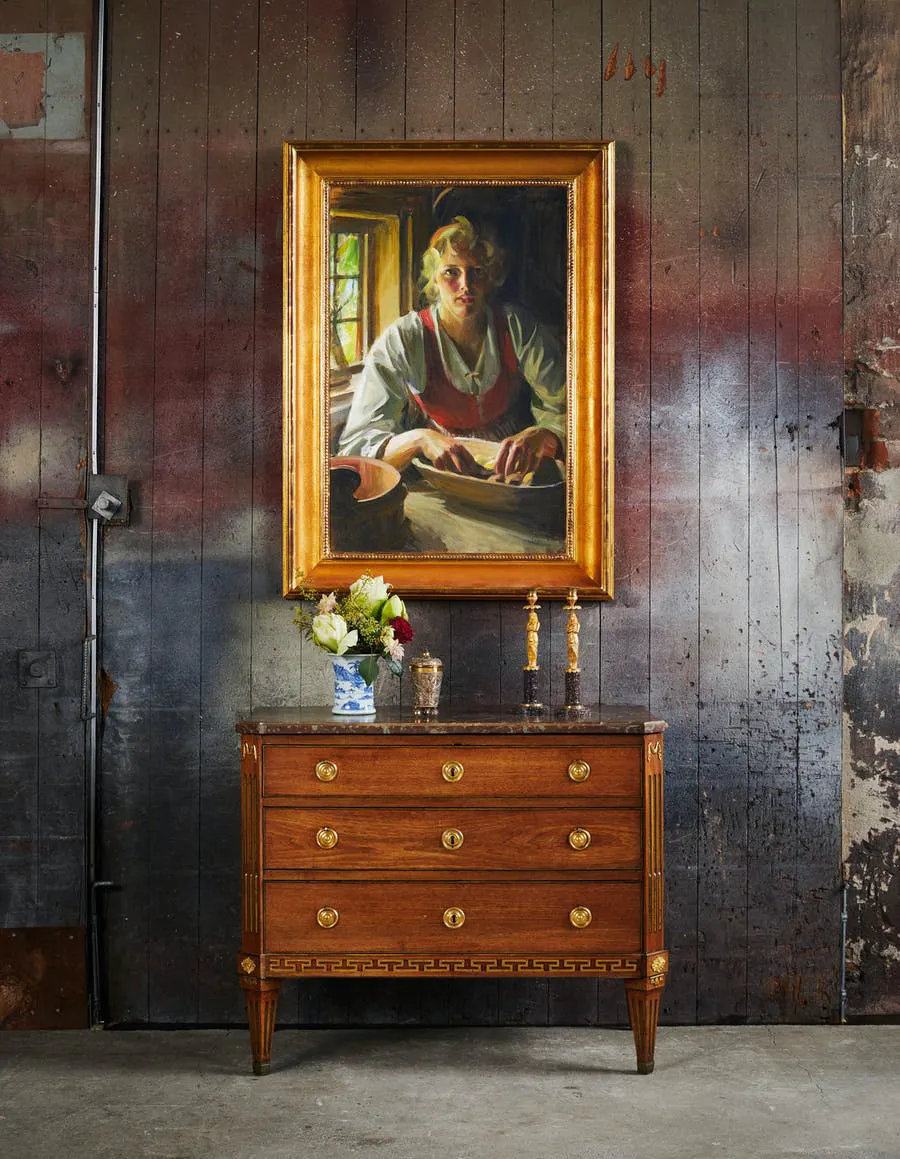
Anders Zorn was one of the greatest artists of his time who, among others, portrayed the American president Theodore Roosevelt and the Swedish king Oscar II. Zorn was appreciated by many and has been compared to masters such as John Singer Sargent and Giovanni Boldini. After living in Paris for a few years, Zorn and his wife Emma decided to move home to Sweden. In 1904, the artist bought land a few miles outside Mora and the place was named Gopsmor. The secluded area allowed Zorn to work undisturbed and it was here that he created some of his most acclaimed works. From portraying important figures in luxurious environments, he shifted to portray ordinary people in simple log cabins.
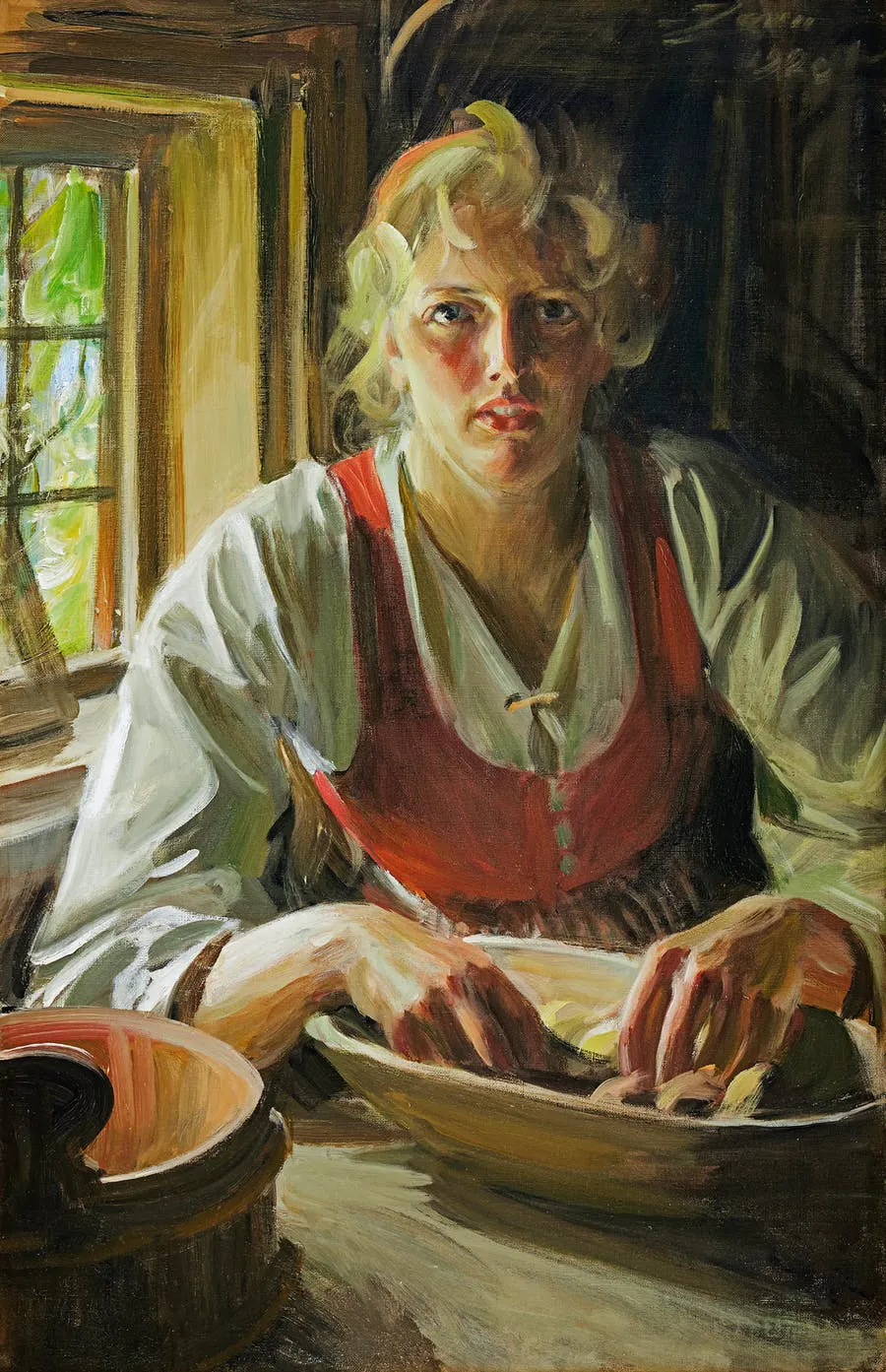
The portrait Skala Potatis (Peeling Potatoes) was painted in the early 1920s at the end of Zorn's career. Here, he managed to capture warmth, intimacy and unadulterated naturalness with a limited palette and fast brushstrokes. The painting of the beautiful älvdalskullan (a woman from Älvdal, an area in Dalarna) shows how the woman releases her concentration in the potato peeling, looks up and meets both artist and viewer. In the magazine Skansvakten, in 1951, the painting is described: “In June 1920, an Evertsberg ball, Hanna Alm, was a model for Zorn... First she was in the studio in Mora, where the great artist made a sketch of her head, then she was in Gopsmor where she sat for an hour a day for two weeks. Zorn was always happy and playful but sometimes became impatient, since Miss Alm could not sit really still because of the mosquitoes...”
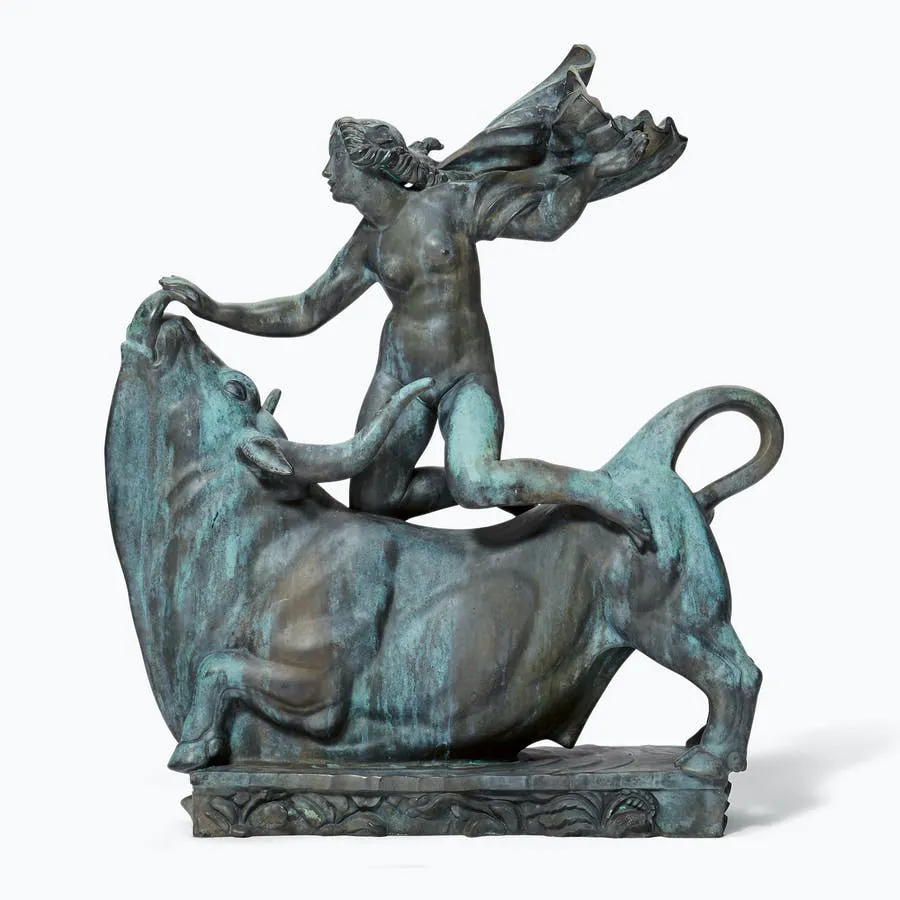
There had been a long discussion about how to decorate Stora Torget, an area in Halmstad, Sweden. In 1921, they turned to one of Sweden's foremost sculptors and five years later the sculpture was inaugurated in front of 4,000 expectant spectators. Inspired by the Trevi Fountain in Rome and Greek mythology, Carl Milles created Europa och tjuren (Europa and the Bull).
The composition depicts the mythological story of how the god Zeus, in the form of a bull, abducts the Phoenician princess Europa to the island of Crete. At first, Mille's sculpture group was criticised for its radical design language. The criticism was mainly directed at the exposed bodies of the Tritons, which was seen as immoral and offensive. Some even suggested that the naked princess, sitting on the bull's back, was distasteful. Today, it is considered one of Milles’ foremost masterpieces. Other editions of sculpture are located at the Cranbrook Educational Community in Michigan, at Millesgården in Stockholm and at the University of Tennessee in Knoxville, USA. The present example is a small version of the original work.
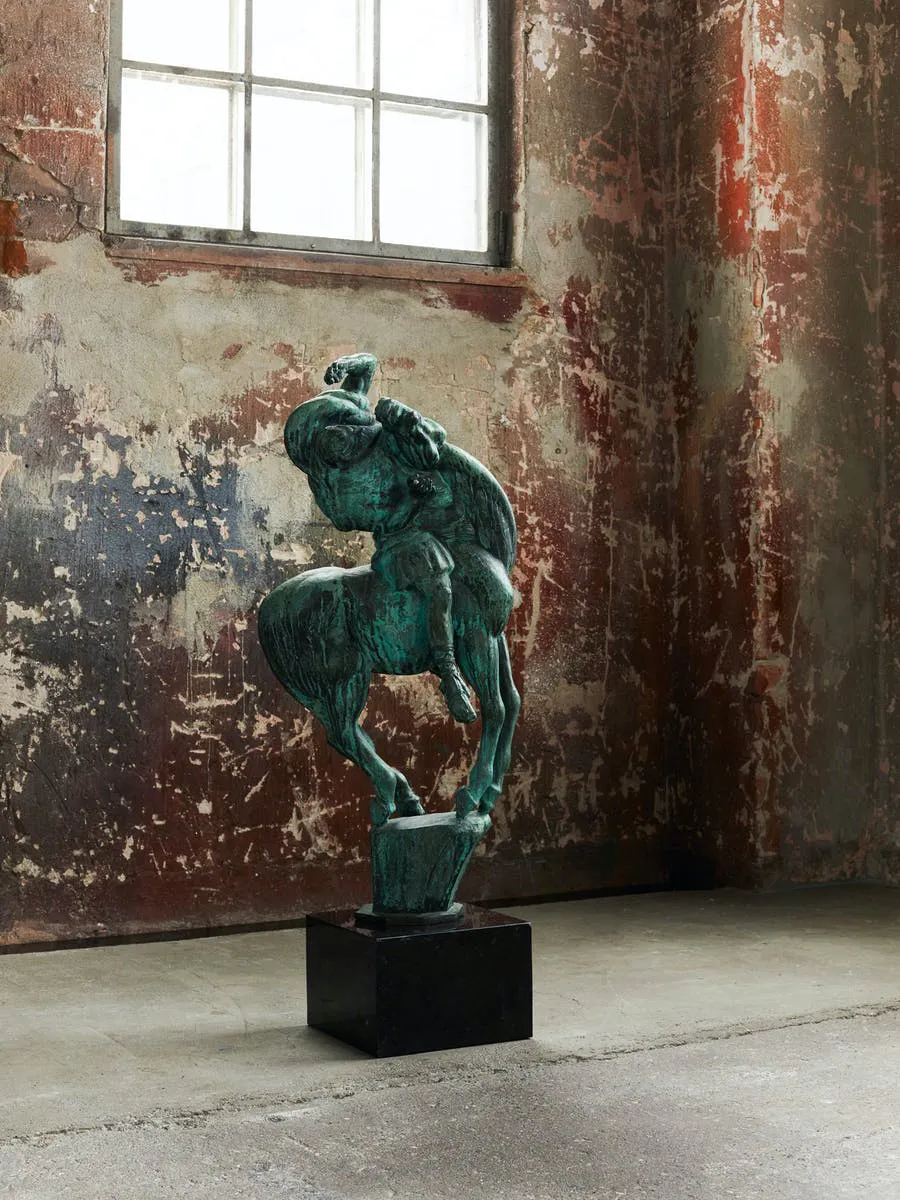
During the first half of the 20th century, Milles was the sculptor who dominated the Swedish art scene, creating a large number of public assignments in Sweden and abroad. Ancient and Christian mythology as well as Swedish history were often his sources of inspiration. He sculpted in heavy and hard materials, such as granite and bronze, and combined the sculptures with the lightest materials – water and air – by placing them in fountains or lifting them up in the air.
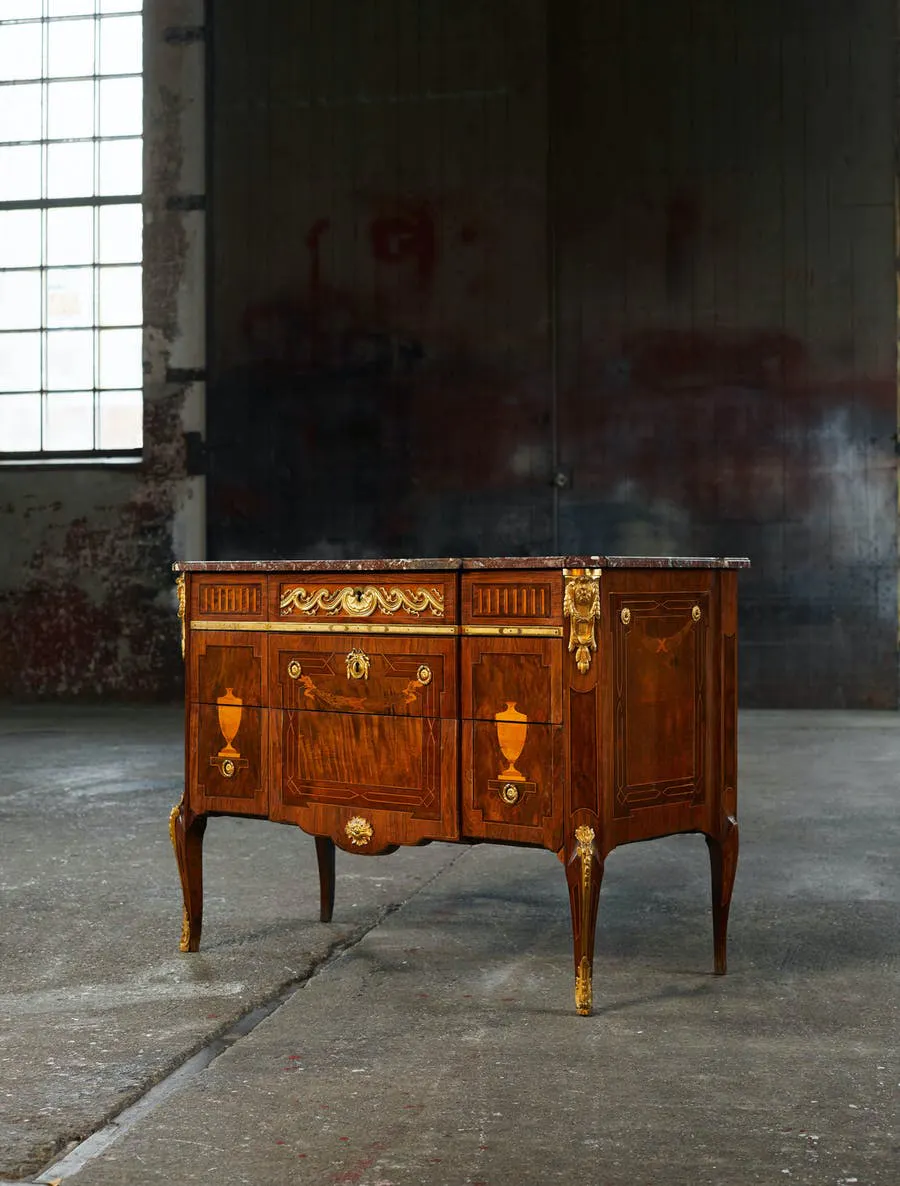
During his fifteen-year career in Stockholm, Georg Haupt revolutionised Swedish furniture. When he presented his desk in 1770, which was a gift to Queen Lovisa Ulrika from King Adolf Fredrik, neoclassicism was introduced to Stockholm. When it came to quality and innovation, Haupt took Swedish furniture to new levels. Together with the court superintendent Jean Eric Rehn, Haupt was one of the main characters behind the Gustavian furniture style.
The present bureau was manufactured around 1777, a time when Haupt's workshop was well established as a supplier of furniture to the Swedish court, the nobility and the wealthiest bourgeoisie. The rich art of marquetry with engraved details became Haupt's hallmark. The technique he used in the manufacture of his marquetry furniture he called incrustation, where the marquetry is fitted against a bottom veneer to create a smooth surface. Haupt reused his marquetry patterns but in different compositions.
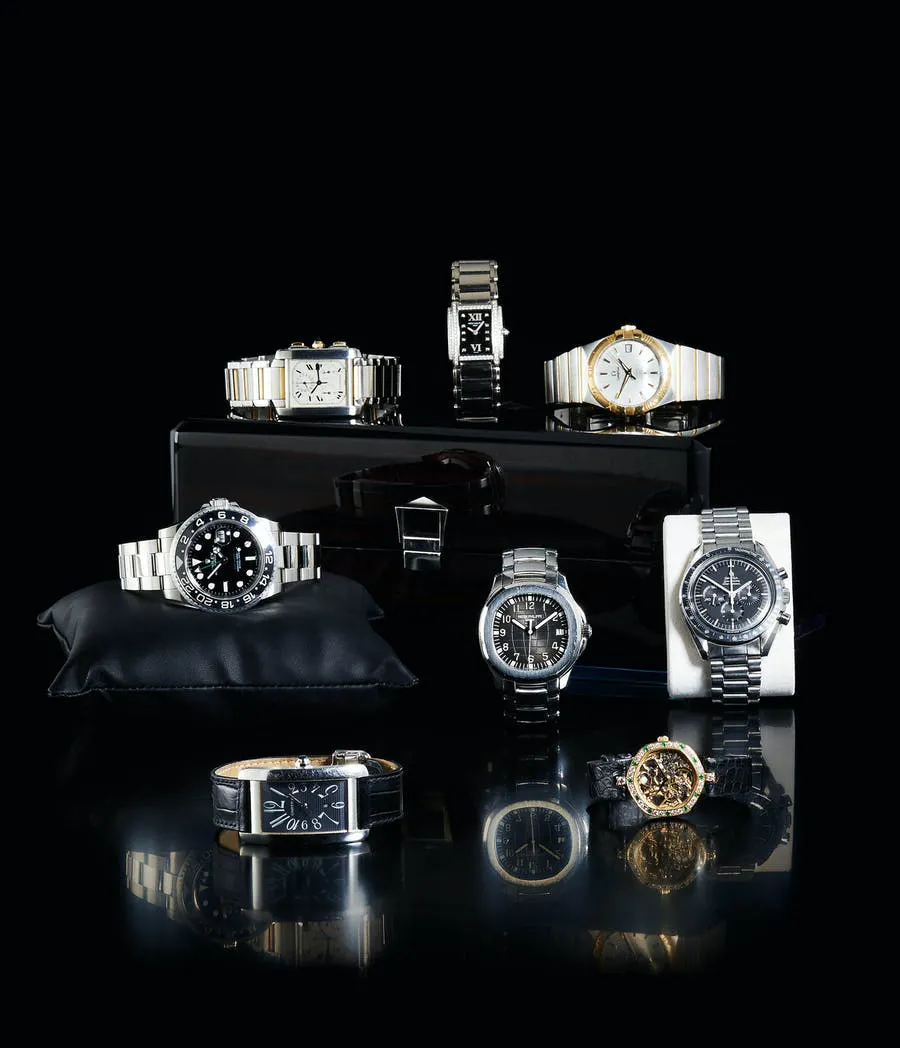
Also up for sale at Uppsala Auktionskammare is about ninety lots of jewellery and watches. Here you’ll find watch brands such as Patek Philippe, Omega and Rolex. The catalogue also offers jewellery and accessories from Buccellati and Georg Jensen.
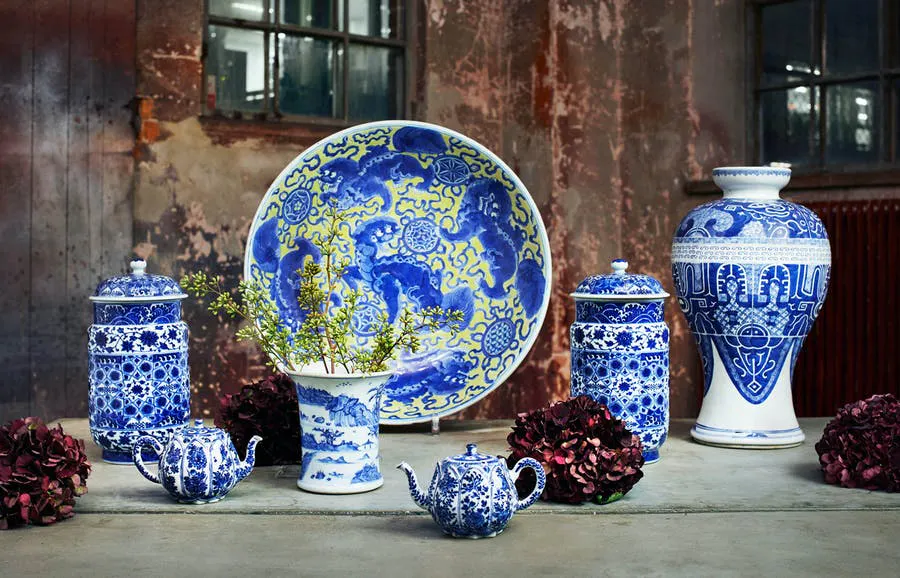
On 11 December, their Asian catalogue will be presented, which offers exciting bronze and porcelain objects, lacquers, textiles, ceramics and much more. A number of the objects come from significant private collections.
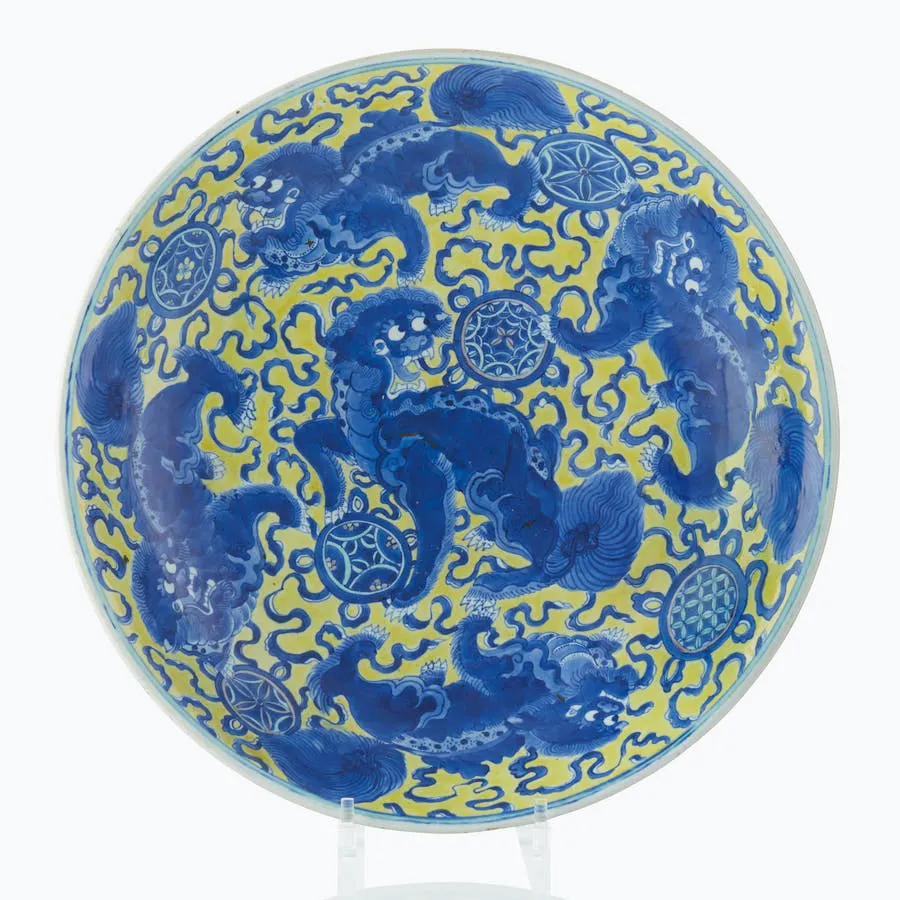
Although the lion does not originate from China, it has long been important in Chinese iconography. Lions are often depicted in statues, symbolising power and order, but became a common decorative motif during the Tang Dynasty. The mythological animal the lion dog was one of the most popular motifs and, in particular, a lion dog playing with a brocade ball. The decoration on this bowl, to be offered on 11 December, depicts the mythological animal and is made in blue and yellow glaze. The bowl previously belonged to the engineer and consul Arthur Nilsson (1881-1967) and his wife Hill Nilsson who lived in Hong Kong between 1904-20, where they bought the rare item.