
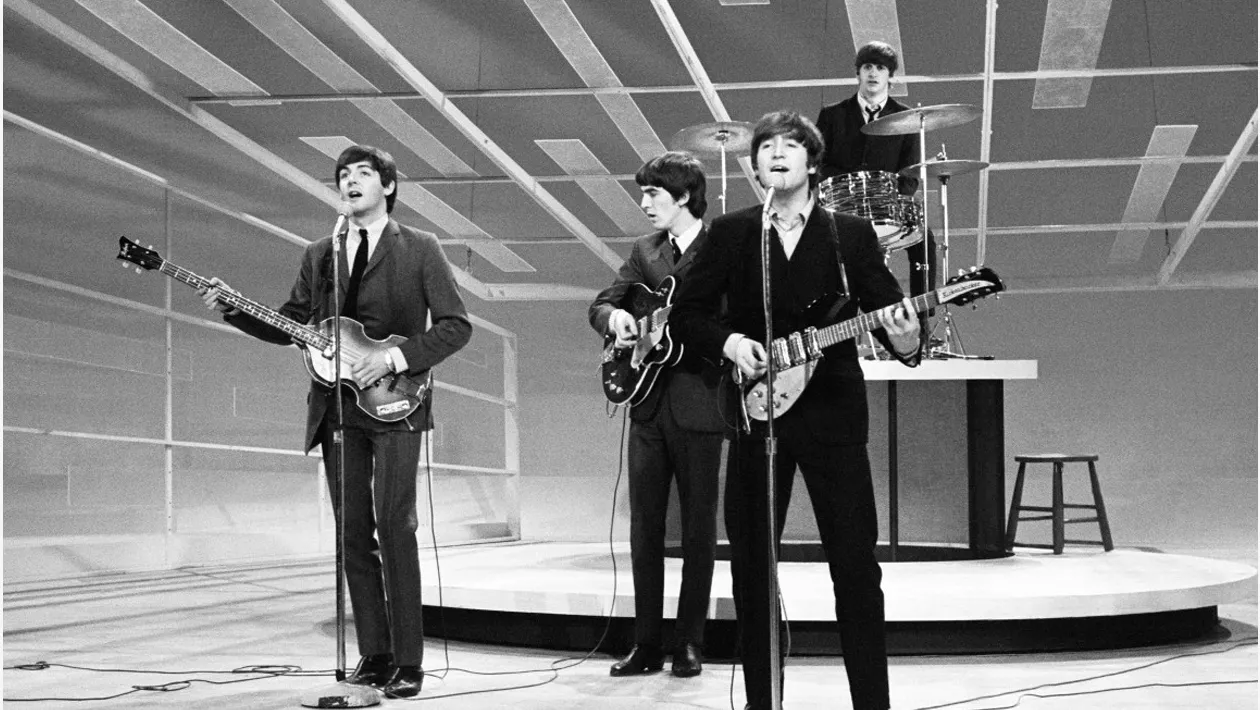
This contract was a transformative document not only for The Beatles, but also for the 1960s and popular culture of the time. We feel extremely privileged to be offering such a significant piece of history, a document that set the band on a path that brought them a level of success and cultural influence that was surely beyond their dreams when they put pen to paper to entrust their future together to Brian Epstein on that January day in 1962.
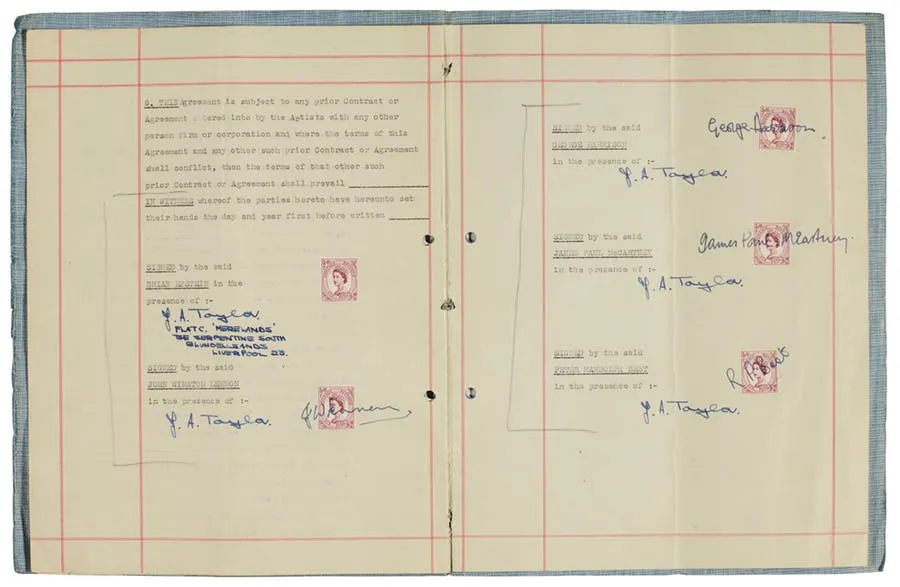
Having just sold at Sotheby's London, the piece of paper that forever transformed The Beatles' career, the contract with Brian Epstein signed by the band on 24 January 1962, marked the beginning of the conquest of the music world by four young English boys, John Lennon, George Harrison, Paul McCartney & Pete Best (who was soon replaced by Ringo Starr).
The key relationship between Epstein and The Beatles began around two and a half months before the contract was signed, on 9 November 1961, when Epstein, a twenty-year-old music lover at the time, went to the Cavern Club on Liverpool’s Mathew Street to hear a local band play. From the very first time he heard their sound, Epstein was determined to represent them. He always believed they could be “Bigger than Elvis”, not only because of their music but also because of their charisma and ability to speak to a new generation.
Epstein pitched his services to the band less than three weeks after he first saw them perform. The role of Epstein, who despite having no experience as an agent behind him, was decisive for the success of the British band, so much so that the group used to call him ‘the Fifth Beatle’.
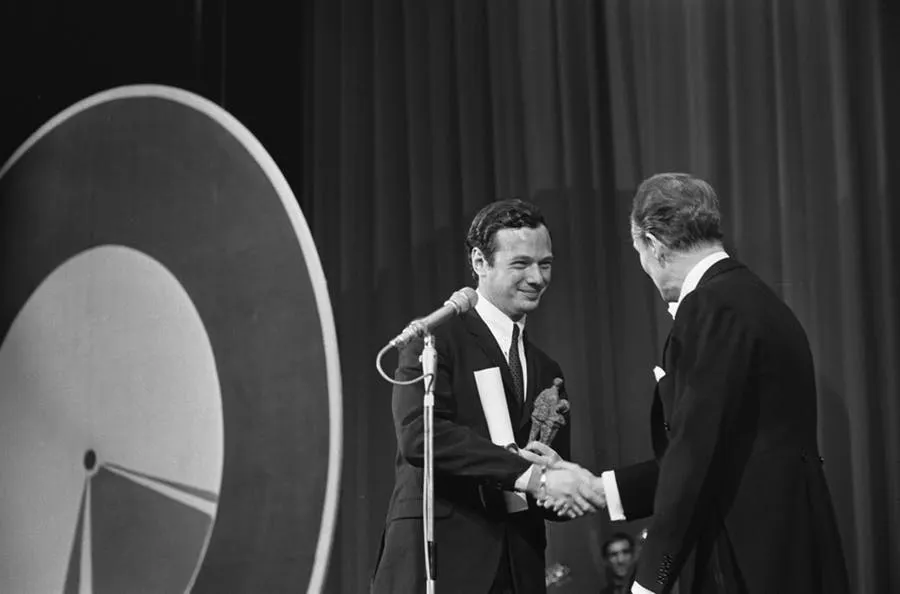
Epstein had a record store, not just any but the NEMS, the best in the city of Liverpool – a record shop thanks to which he had made several contacts on the English music scene. After only three weeks from the first time he heard the Beatles play, he had already contacted several acquaintances to arrange auditions for the group.
His passion hit the band, who took the unanimous decision to rely steadfastly on him. A few months later, here is the signed contract. However, Epstein’s signature is not included. The agreement bound Epstein to the Beatles but not vice versa: “It was because even though I knew I would keep the contract in every clause, I had not 100 per cent faith in myself to help the Beatles adequately. In other words, I wanted to free the Beatles of their obligations if I felt they would be better off.” (From Epstein's biography, p. 59).
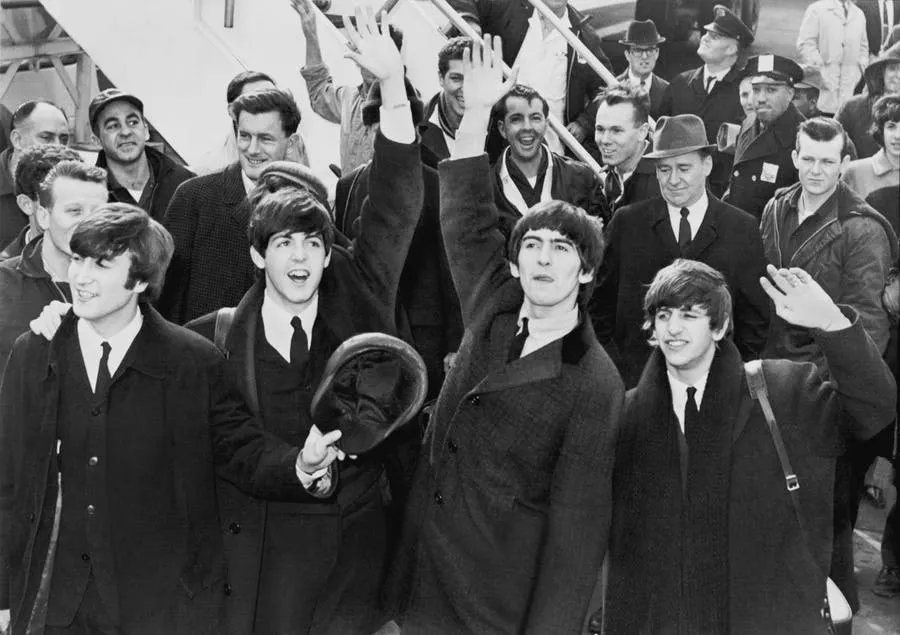
The same year, the Beatles became the band that conquered the world. Epstein encouraged them to have a more professional attitude, to be punctual and not to eat on stage. They also changed their appearance, setting regular appointments to fix their hair and clothes, even though John Lennon was never too enthusiastic.
Parlophone EMI's first contract with George Martin came on 9 May 1962. Shortly afterwards, with Martin as producer, Pete Best, the drummer, was replaced by Ringo Starr. The new agreement was signed in October 1962, with some modifications (this second contract was also sold by Sotheby's, this time in 2015 for £365,000).
The rest is history.
Brian Epstein died prematurely in 1967 due to an overdose, a huge loss for the whole group. "We loved him," said John Lennon, "he was one of us."
The proceeds from the sale of the contract went to charity, in favour of the Ernest Hecht Charitable Foundation.
Discover more of The Beatles at auction on Barnebys
Cover image: John Lennon, Paul McCartney, George Harrison and Ringo Starr rehearse their appearance on the Ed Sullivan Show in 1964. Photo via Sotheby’s