![Photo by Tina Witherspoon [detail]](https://images.prismic.io/barnebys/e7ddef2c-45d6-4d50-89b3-5b82c292cbc4_Cover.jpg?auto=compress,format)
Cocktail is a word that immediately evokes the image of a colourful drink synonymous with colour, imagination, conviviality and elegance. Its definition is an alcoholic drink consisting of a spirit or spirits mixed with other ingredients, such as sugar, water, juices, bitters, liqueurs and soda, added in varying proportions. The etymology of the word cocktail is not yet clear and there are various hypotheses and anecdotes regarding its origin.
According to some, it derives from a distortion of the Latin aqua decocta, or distilled water. Some say instead that it derives from a distortion of the French coquetier, an egg container used to serve liqueurs in the 19th century. According to others, it could come from the English terms ‘cock’ and ‘tail’ because of a colourful drink in vogue in England around 1400, inspired by the colourful tails of fighting cocks. Fighting roosters are also the protagonists of another interpretation, which dates back to 1600: the owner of an winning rooster received as a prize the tail of the defeated rooster, along with food and drink. Then there’s the legend of a Mexican woman named Xock who served American officers an almost magical drink that mixed ambrosia and other mysterious ingredients.
See also: Fire, Passion, Inspiration: Red Hair in Art
The list of interpretations and legends could go on: the history of the cocktail is much older than you might think. It is believed that even ancient Greeks and Romans used to mix wine with resins, honey and various spices, creating in this way a kind of cocktail ante litteram.
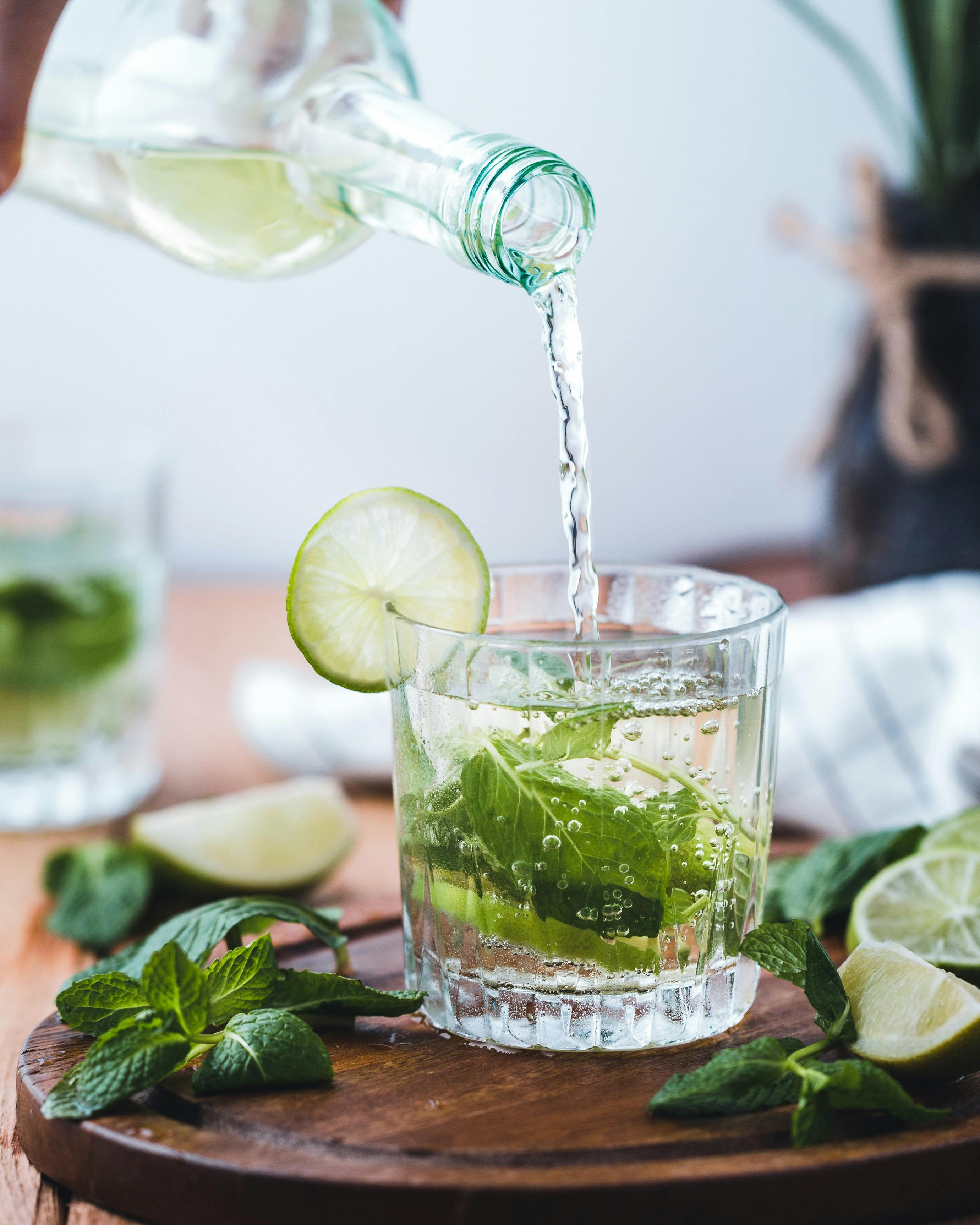
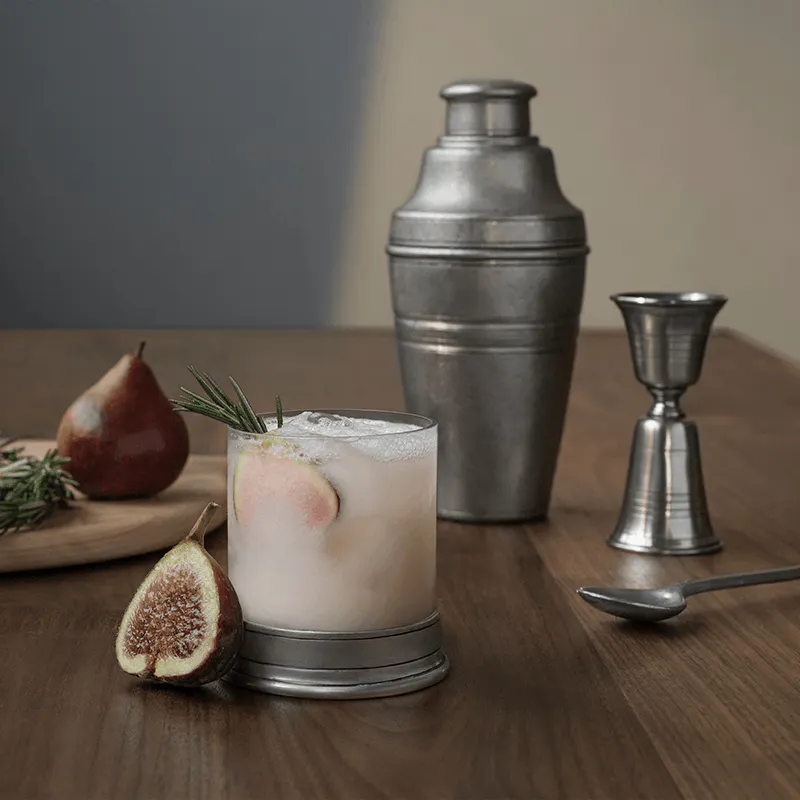
Behind every cocktail there’s an extraordinary mix between creativity and the search for a perfect balance between ingredients, which can often be very different from one another. Every self-respecting bartender must follow precise preparation rules, which provide for a certain dosage and the use of special tools, such as shakers, mixers, stirrers, spoons of various sizes, which pass through the transfer into the glass.
The latter, in particular, has enormous importance, as each cocktail requires a special container: from the tumbler to the glass, from the test tube to the highball, accommodating Manhattans to old fashions. The bartender then has the task of decorating the cocktail with various elements, such as orange or lemon peel, cherries, mint leaves or olives. In this sense, cocktails can become small ‘liquid works of art’ and the bartender an artist who puts his or her creative flair at the service of taste and colour, in a harmony of aromas and fantasy.
And cocktails really do extend into the world of art and creativity. Well-known French artist Henri de Toulouse-Lautrec invented the cocktail Tremblement de Terre (a mix of cognac and absinthe). The painter was passionate about culinary experiments, as well as alcohol.
See also: The Best Selling Novel of All Time
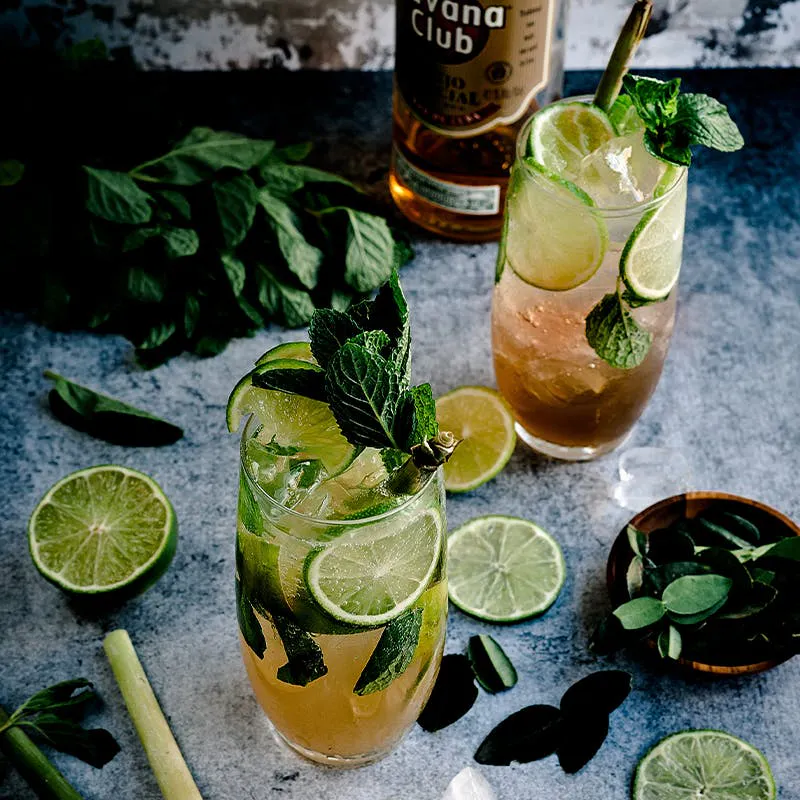
Toulouse-Lautrec was not the only artist to fall under the spell of cocktails: the world of literature is teeming with well-known names and equally well-known cocktails. The poet Gabriele D'Annunzio was crazy for a liqueur based on morello cherries, Luxardo Sangue Morlacco. Truman Capote loved what he affectionately called 'my orange drink', namely the Screwdriver, a drink made with orange juice and vodka. Charles Bukowski went for the Boilermaker, or beer with a shot of whiskey. Tennessee Williams enjoyed a Gin Fizz. The author of The Great Gatsby, F Scott Fitzgerald used to drink Gin Rickey and gin-based cocktails in general, as he believed it to be less detectable on the breath. The writer Ernest Hemingway had more than one favourite cocktail, including the Mojito, the Daiquiri and the Martini, drunk “very dry”. The character Colonel Cantwell in his novel Across the River and into the Trees drank it just like that.
Ian Fleming, born and raised in the same period of Hemingway, is also linked a character to a cocktail: the Vesper, a vodka martini, which his famous James Bond drinks “shaken, not stirred” – a phrase which has become a real catchphrase for 007 fans and which reflects the theatricality and charm contained in the secret agent.
See also: What’s Left When a Myth Disappears: Remembering Sean Connery
The relationship between cocktails and inspiration therefore comes very close. After all, writing itself (and creative activity in general) has many things in common with the preparation of these colourful drinks: how the artist must follow certain rules of grammar, spelling and syntax, mixing words in an original and creative manner, just as the bartender mixes the various ingredients, following a recipe and certain dosages, but always putting a personal touch and decorating the glass with his or her own creative flair.
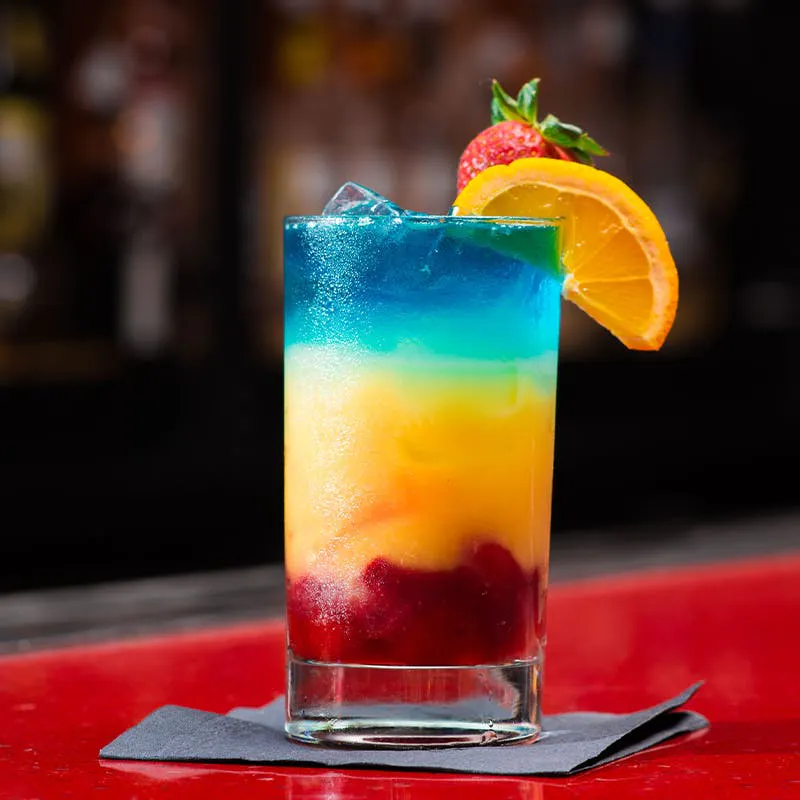
Speaking of cocktails, bartenders and creativity, a historical event important in the history of mixology need be mentioned. The period of American Prohibition saw the ban on sanctioned alcohol but, paradoxically, was an important turning point in the history of cocktails. In fact, speakeasies were born from this period, secret places where smuggled alcohol or alcohol produced in clandestine distilleries were illegally served. The result was such that the quality of the alcohol deteriorated and, to remedy the problem and cover up the unpleasant flavours, more and more creative flavouring techniques were developed.
There were two important consequences: on the one hand cheaper and more readily available materials began to be used (many famous cocktails still in use today were born). On the other hand, the American bartenders (who could not work at home) began to emigrate, taking their knowledge around the world and mixing it with the ingredients and tastes of the nations to which they moved, in a happy combination. And such the extraordinary variety and quality of cocktails available flourished.