Whether using highly innovative materials or avant-garde lines, here is Barnebys' selection of the design classics of the future.
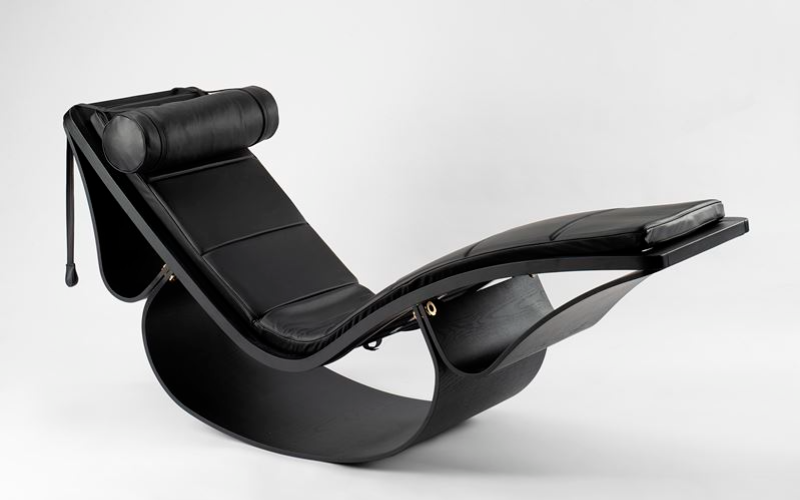
Oscar Niemeyer, Rio Chaise Longue
See also: 6 Giants of Mid-Century Modern Design
The iconic Rio chaise longue, designed by Oscar Niemeyer in collaboration with his daughter Anna Maria, pays tribute to their hometown Rio de Janeiro. Created in the 1970s, the Rio chair boasts soft yet clean lines and features highly innovative materials for its time: curved plywood veneered in open-pore dyed ash, brass, and leather. It stands as a timeless piece of furniture that not only celebrates the beauty of feminine forms but also honours the vibrant city of Brazil.
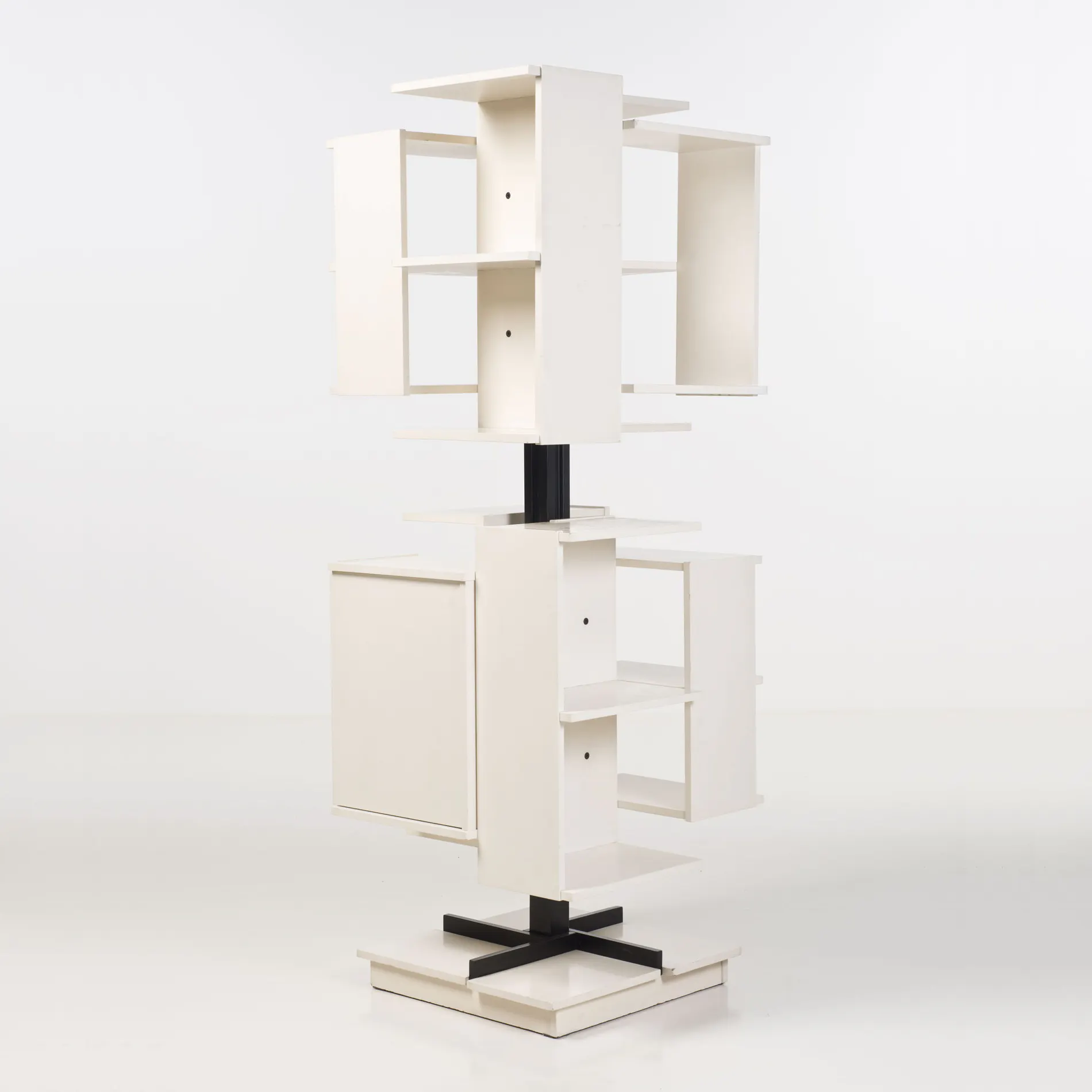
Claudio Salocchi, Revolving Bookcase
See also: Marco Zanuso: From the Navy to the Compasso d’Oro
Claudio Salocchi, an architect, designer, and professor at the Milan Polytechnic, earned the prestigious Compasso d’Oro award in 1979. Among his most interesting creations are a series of Revolving Bookcases designed in the 1960s for Sormani. These received considerable attention for their innovative rotating structures, made from enamelled and chromed metal, as well as veneered lamellar lacquered wood.
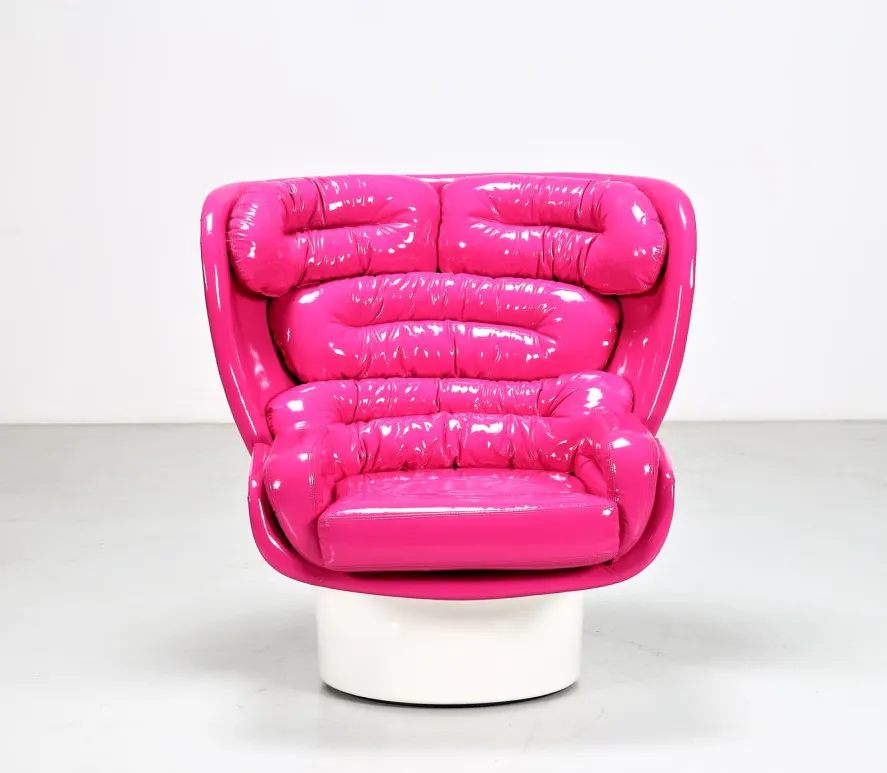
Joe Colombo, Elda Armchair
See also: The Futuristic Design of Joe Colombo
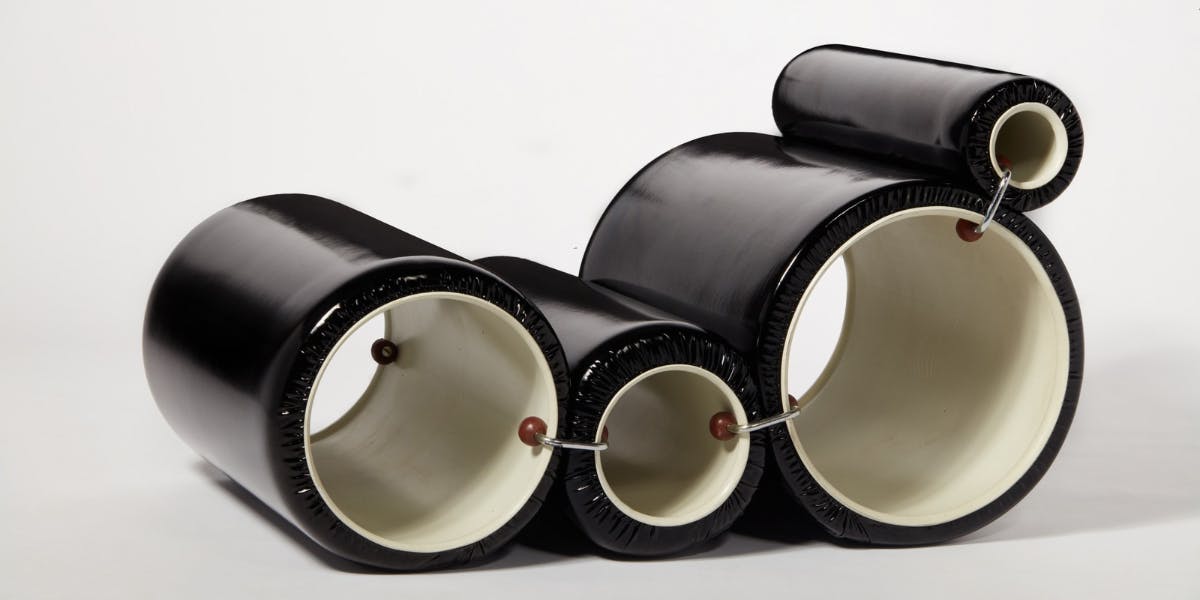
Although he tragically passed away at the age of 41, Joe Colombo nonetheless left a lasting imprint on the history of design. Colombo created memorable furniture with futuristic and daring lines, using bold and innovative materials for his time. He named the armchair Elda as a tribute to his wife, to whom Joe gifted the chair designed in 1963. Made of printed plastic and vinyl, this chair has not only been showcased in major international museums but has also made an appearance in the movie franchise The Hunger Games.
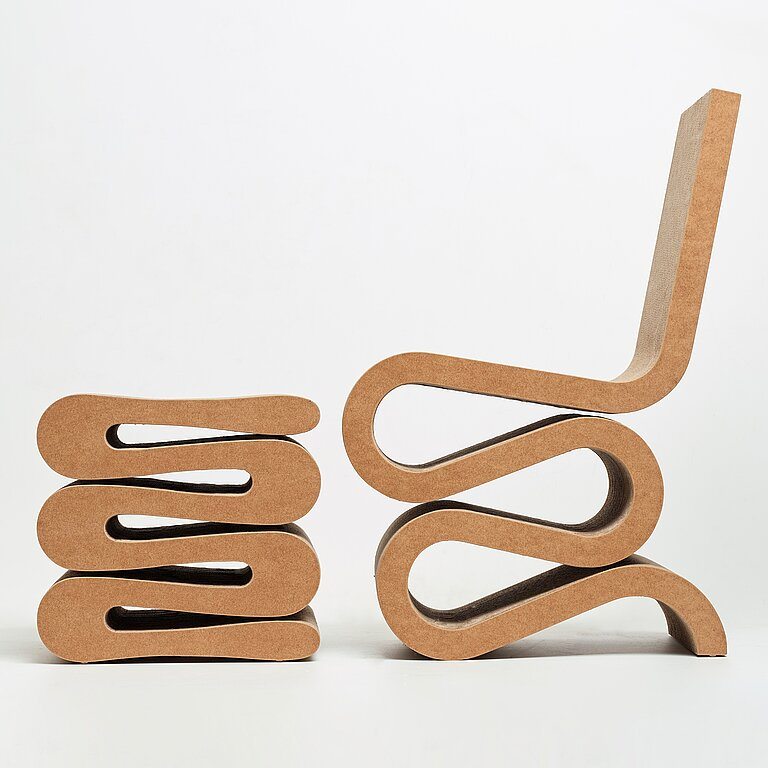
Frank Gehry, Wiggle Chair
See also: When Art is... Curvy
In 1969, Canadian-born American architect and designer Frank Gehry received a call from a group of artists and scientists at NASA to transform Robert Irwin's studio. Faced with tight budget constraints and limited time, Gehry opted to create a line of furniture crafted from stacks of cardboard. The result was a collection of sculptural and futuristic designs, with the most renowned piece being the Wiggle Chair. Later produced by Vitra, this iconic chair features a narrow slab bent into an S-shaped seat.
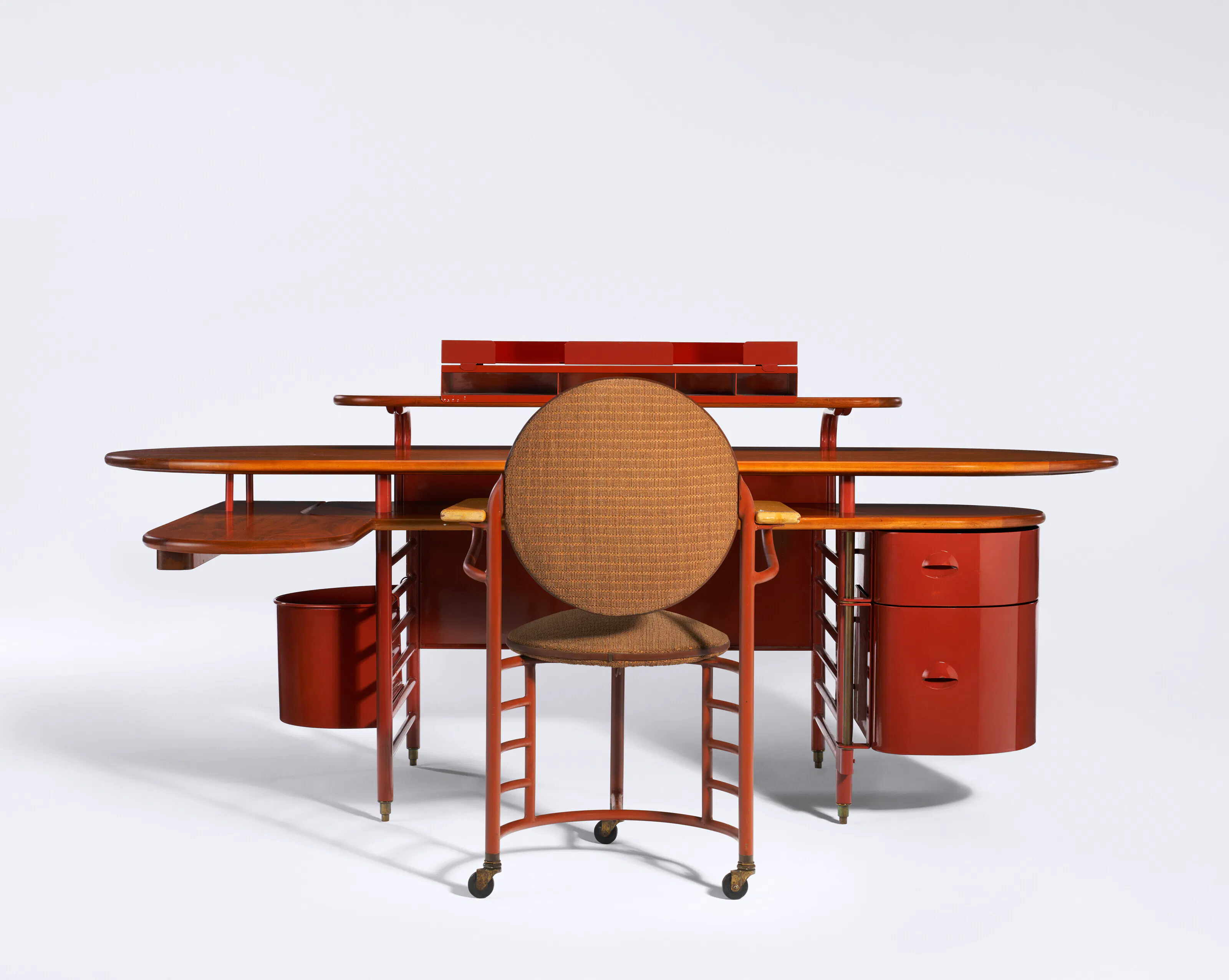
Frank Lloyd Wright, Racine Collection
See also: The Last House Frank Lloyd Wright Designed Is For Sale
In 1936, Frank Lloyd Wright undertook the project of redesigning the Johnson Wax Headquarters in Racine, Wisconsin. This architectural marvel is now known as one of Wright's most iconic projects, demonstrating exemplary 20th-century engineering. As part of the project, Wright also designed over 40 modular pieces of office furniture, including chairs, utility tables, and executive desks, most of which come in a distinctive red-brown shade. Now known as the Racine collection, these designs have been reinterpreted and are in production through a collaboration between Steelcase and the Frank Lloyd Wright Foundation.
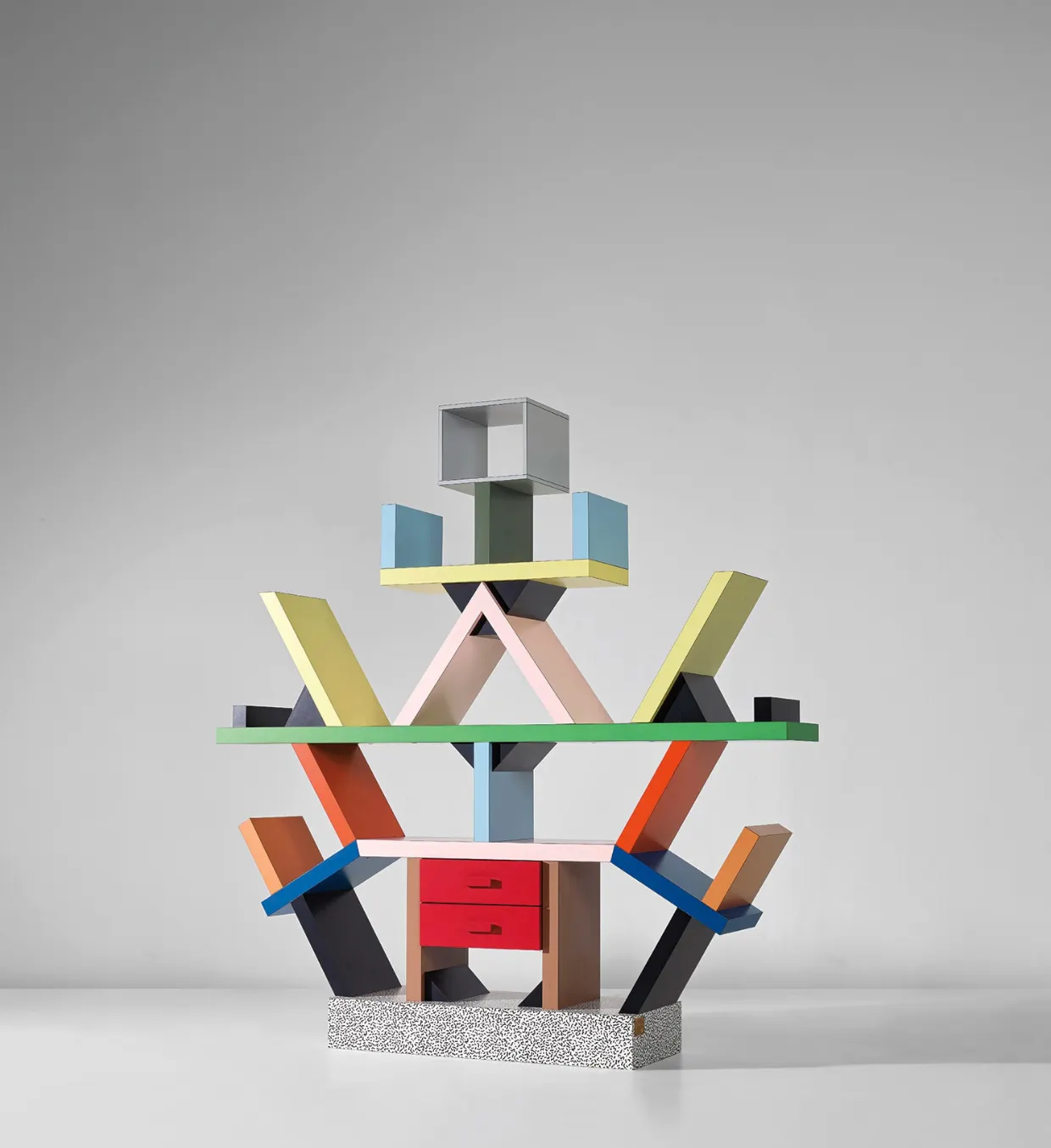
Ettore Sottsass, Carlton Room Divider
See also: Ettore Sottsass: The Sensory Thrill of Design
Ettore Sottsass dedicated his entire career to tirelessly bridging the worlds of design and art through his eclectic creations. A notable example is his collection of colourful, totemic Carlton room dividers — an icon of Memphis design. Crafted from medium-density fiberboard (MDF) and plastic laminate, this avant-garde piece of furniture is one of the most well-known Sottsass pieces in the market.
Find more articles in Barnebys Magazine
This is an updated version of an article originally published on 10 September 2018.