
When Bukowskis holds its 'Helsinki Design + Contemporary Art' auction from 9-25 October, you'll find a large selection of the best in Finnish design and contemporary art. Rut Bryk's ceramic relief, Micheal Schilkin's animal sculpture and Maija Kansanen's Barcelona rug are some of the highlights on offer. Here are the stories of these objects, as well as the designers behind them.
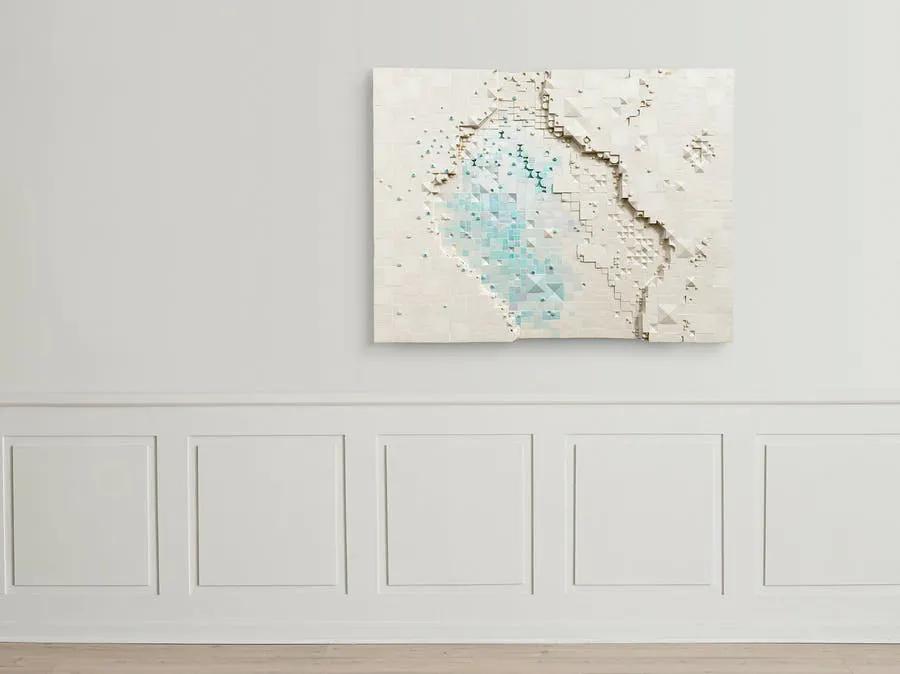
Rut Bryk (1916-1999) is considered one of the most important creators in Finnish ceramics. At the age of 20, she began studying art at Aalto University's University of Art, Design and Architecture in Helsinki. After graduation, Bryk participated in several competitions where her art was exhibited. These works were noticed by employees of the porcelain factory Arabia who were interested in the young promising artist. In 1942, Bryk was employed at Arabia, without any knowledge of ceramics. She therefore had to work together with Birger Kaipiainen who became Bryk's supervisor. She quickly became independent in her art and designed, during the late 1940s and '50s, figurative works with motifs of people and animals with the colour in the centre. During the 1960s, her works began to become increasingly abstract and the use of colour decreased. Her work was characterised by carpet and shiny surfaces on three-dimensional surfaces. Her art took a new turn in the 1970s when she began working with reliefs. These were abstract and sculptural, made of ceramics and comprised of thousands of tiles.
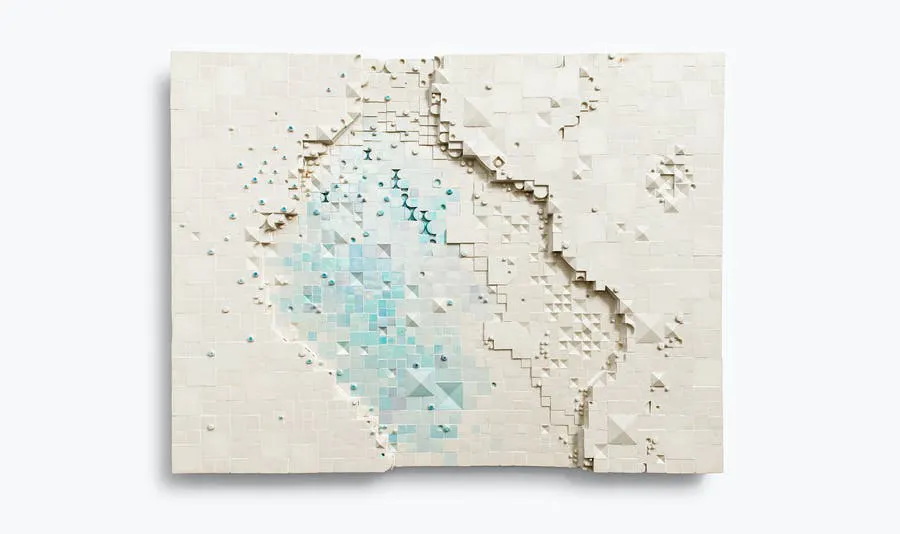
The same year she left Arabia (in 1991), Bryk created the shimmering relief wall Jäävirta(Ice Stream). This was made for the Finnish official Mauno Koivisto's official residence Talludden. The masterpiece served as a room divider that separated the public rooms from the private ones. The relief consists of Alkupilvet, Tunturi, Kuilu and Jäävirta, which are independent works but which together create a whole piece. It took Bryk three years to create the enormous work, which consists of thousands of tiles, composed of seven panels. Now, you have the chance to place a bid for a preparatory work for Jäävirta.
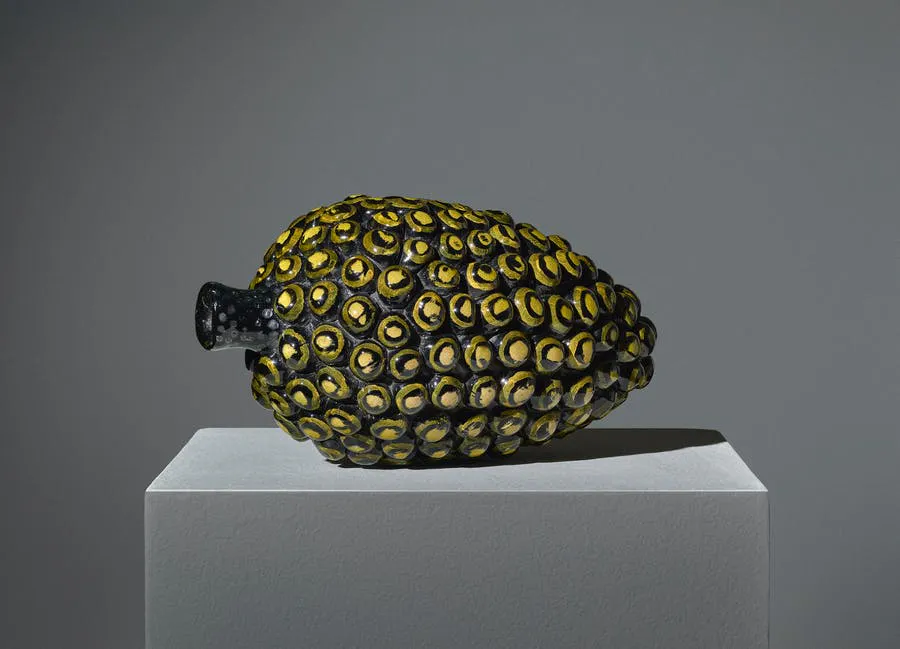
Rut Bryk's mentor and colleague Birger Kaipiainen (1915-1988) was employed at Arabia in 1937, at only 22 years old. Kaipiainen's colourful creations were successful and during his fifty years in Arabia he designed everything from sculptures to wall reliefs and tableware. He is best known for his decorative dishes, often with motifs of birds, fruit and flowers. But it was not only nature that inspired him but also Italian Renaissance art, Byzantine church art and Marc Chagall's dreamlike world. Kaipiainen was undoubtedly one of Finland's foremost artists and was called by his contemporaries the 'master of ceramics'.
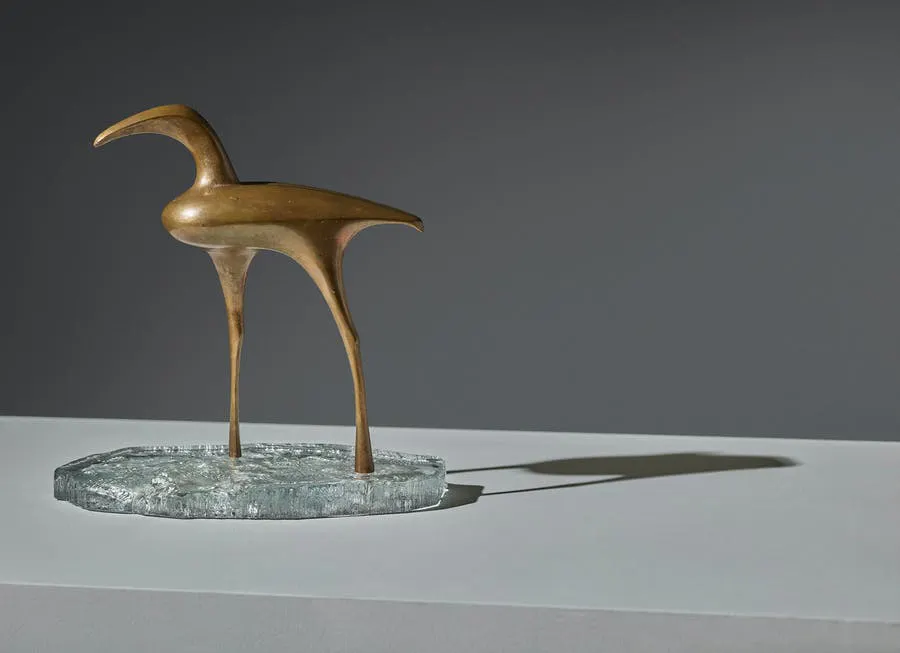
Another designer who had connections to Rut Bryk was Tapio Wirkkala (1915-1985). They were first colleagues when Bryk created decorative patterns that adorned Wirkkala's porcelain objects. They were also married for 40 years. Wirkkala's oeuvre is characterised by a timeless and original design. He worked with glass, porcelain, wood, metal and plastic and preferred to create simple shapes but which required a lot of work. He believed that the biggest challenge for a designer was to achieve clean and stripped lines. This made him the face of Finnish modernism and he managed to become one of the biggest names in European modernism. The National Biography of Finland, a collection of biographies of important Finns, considers post-war industrial design in Finland to be the 'Wirkkala era'.
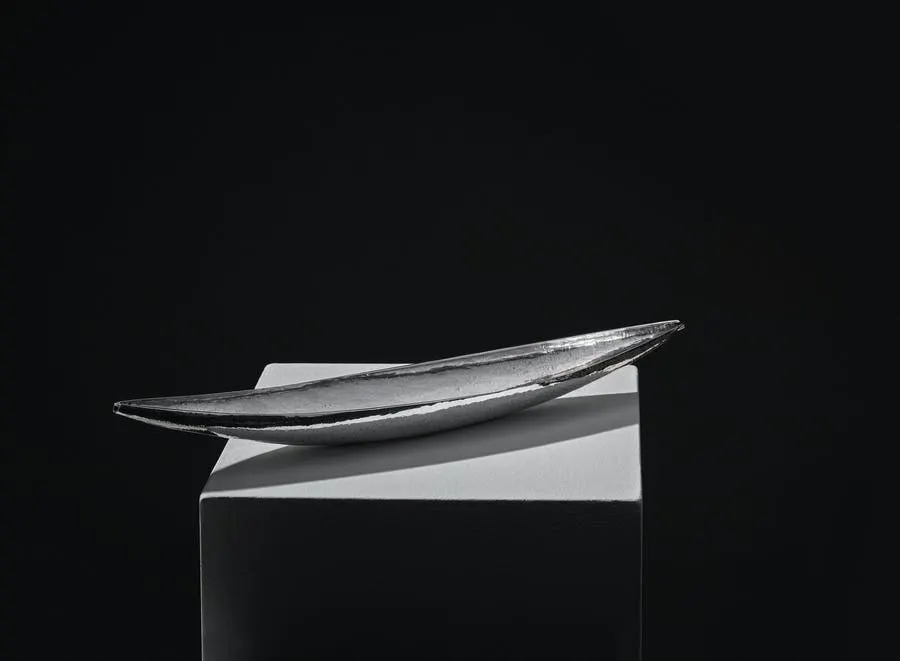
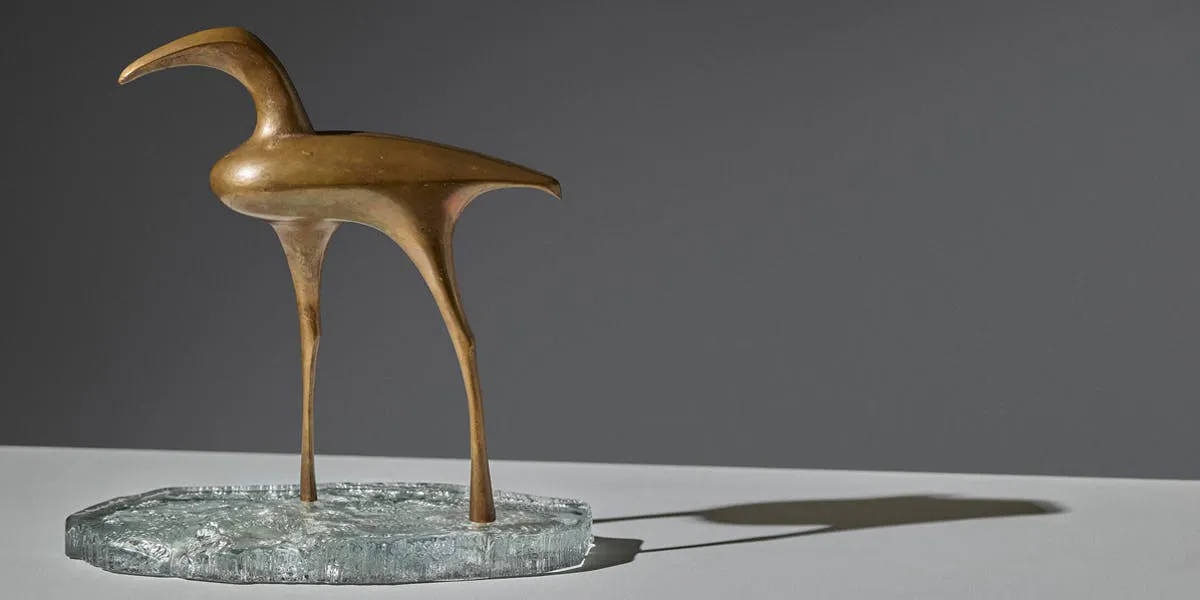
In Bukowskis' catalogue, you'll find Wirkkala's unusual bird sculpture made of bronze and glass, which was designed for Kultakeskus in 1975, as well as a handmade silver bowl from 1968.
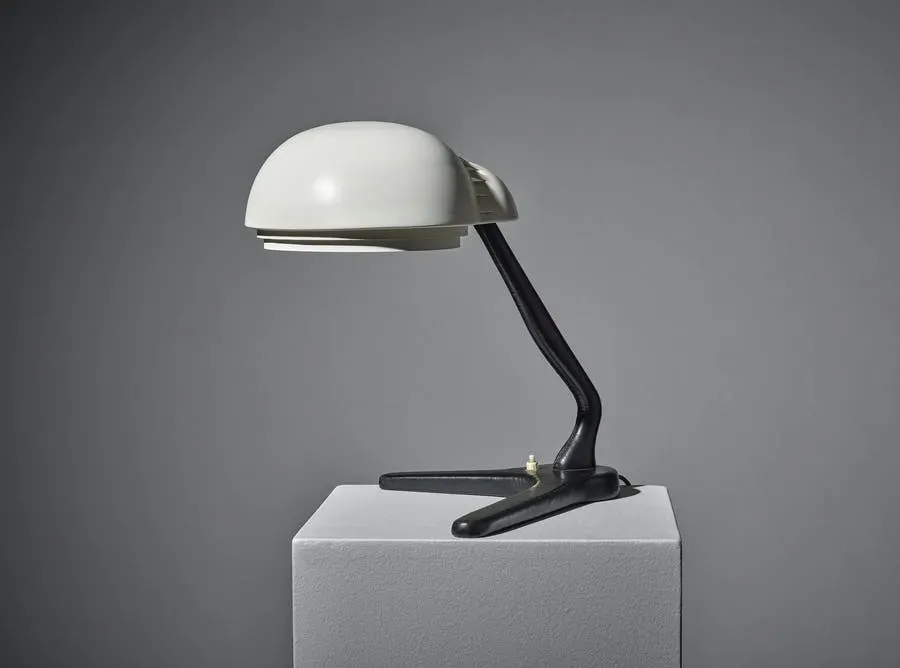
The architect and designer Alvar Aalto (1898-1976) has given shape to everything from furniture and glass objects to textiles and fixtures. During his career, inspired by the Finnish landscape, he designed a variety of functional furniture and buildings. His furniture is characterised by organic shapes and undulating lines, something that also characterised the buildings he designed, such as the private residence Villa Mairea and Pemar's sanatorium. Aalto was one of the world's foremost pioneers in organic modernism and he had a strong belief in human design adapted to the users of the objects he created. Here is Aalto's table lamp, in white painted metal and black leather, in model A704, which he designed for Valaistustyö during the 1950s.
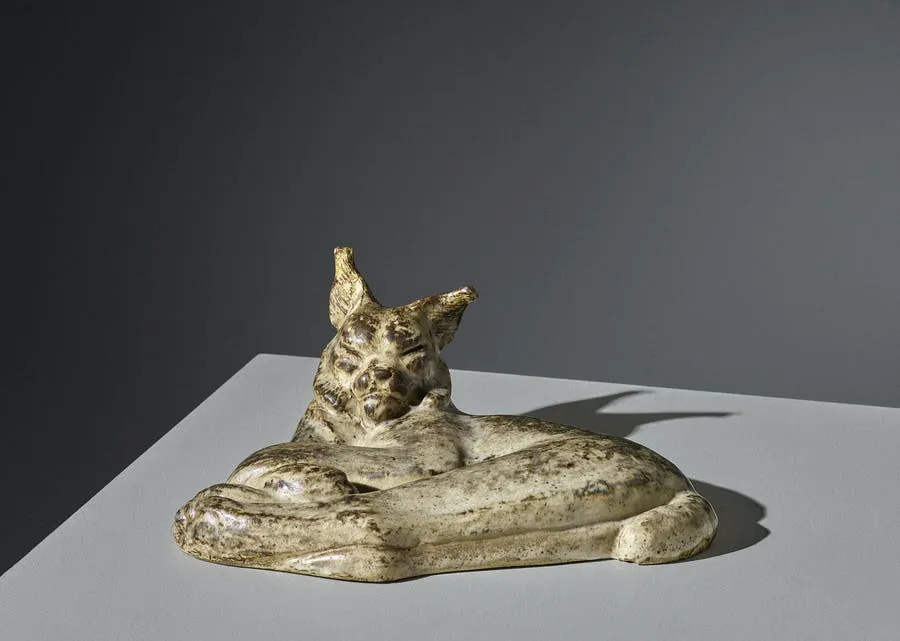
Among the highlights you will find works from the Finnish ceramicist Michael Schilkin (1900-1962). He was born in Trubino, Russia, but came to Finland as a refugee in 1921. Three years later, he began studying at the Central School of Arts and Crafts in Helsinki. When he graduated in 1927, he started working as a truck driver, at the same time that he devoted himself to the arts. Like Bryk, his work was noticed by Arabia, more specifically Kurt Ekholm, who was then artistic director at the porcelain factory. Schilkin began working at the factory together with Bryk, Wirkkala and Birger Kaipiainen. At the beginning of his career, he worked mainly with biblical motifs but then began to create what he is best known for today: animal sculptures. His stoneware and clay figures depicted wild animals such as lions, bears and locusts, which he glazed with rich earth tones. In the same year that Schilkin was employed by Arabia (1937), he received Finnish citizenship. This resulted in him representing the country at the World's Fair in Paris, where he was awarded a gold medal. Schilkin's oeuvre went from an expressive and stylised design language to a more cubist one, a style he discovered during his trip to South America in the 1950s.
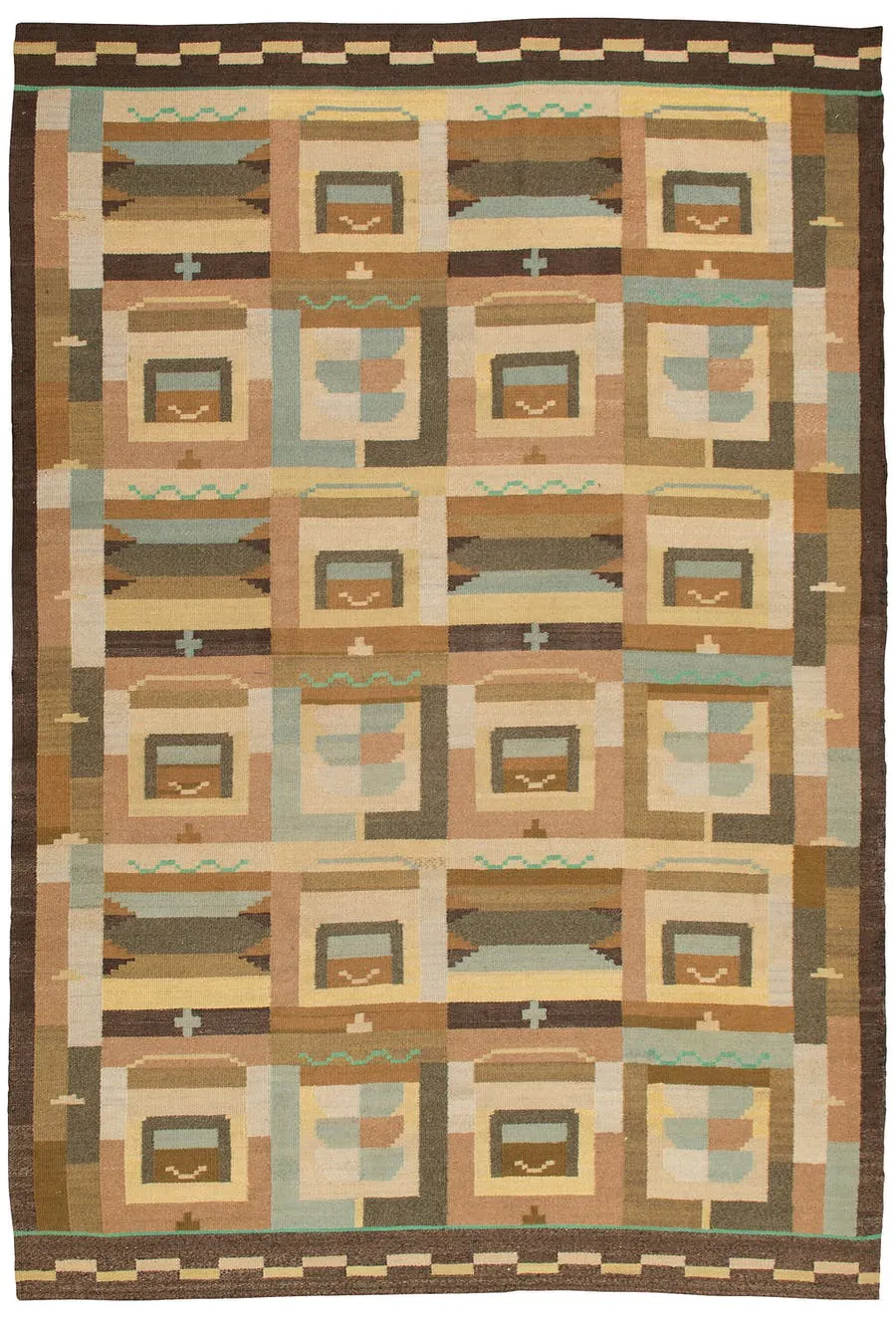
When it comes to textile art, Maija Kansanen-Størseth (1887-1957) was one of its leading artists. Like Michael Schilkin, Kansanen studied at the Central School of Arts and Crafts. Like many other female artists at this time, she focused on textile art. During the 1930s, textile art was considered a high-quality and advanced area in the art industry and the Finnish roots in folk culture were one of the reasons why textile art was so appreciated. When functionalism gained more ground in the Finnish art industry in the 1930s, textile artists were among the first to apply the movement's teachings, something that gained international recognition. At Bukowskis, Maija Kansanen-Størseth's rug Barcelona is being offered. The rug is the same model that gave the Kansanen Grand Prix at the World's Fair in Barcelona in 1929. The rug shows a combination of modern and traditional motifs, which was typical of the textile art of the time but also of Kansanen. Barcelona was manufactured in Aaltosen Mattokutomo in Kiika in the 1930s, the same weaving mill that produced carpets by Finland's other leading textile artists.
Discover Bukowskis' full catalogue with Barnebys