
It all started in 1976 when The International Foundation for Art Research, a not-for-profit organisation in New York, established an archive for stolen art to prevent and decrease crime within the business.
See also: 10 Major Art Thefts in 10 Different Years
From this, the Art Loss Register (ALR) was born. During the 1990s, the business expanded with offices opening in New York and Europe. The London head office opened up in January 2010. Today, ALR is the largest database for stolen artworks, antiquities and collectables. Technology and a team of experts make the organisation an important tool for collectors, dealers, auction houses and insurers everywhere.
The ALR business has two main areas of focus. Firstly, users can register their art and antiquities. The database has a crime preventive purpose so that a recently stolen item appearing on the market is easier to spot.
See also: The 5 Most Notorious Art Forgers
The other area focuses on locating the stolen item and returning it to the rightful owners. If one is subjected to theft, the ALR database can be used to track the art work. It can also be helpful for dealers and auction houses to ensure that the items they are selling are not stolen.
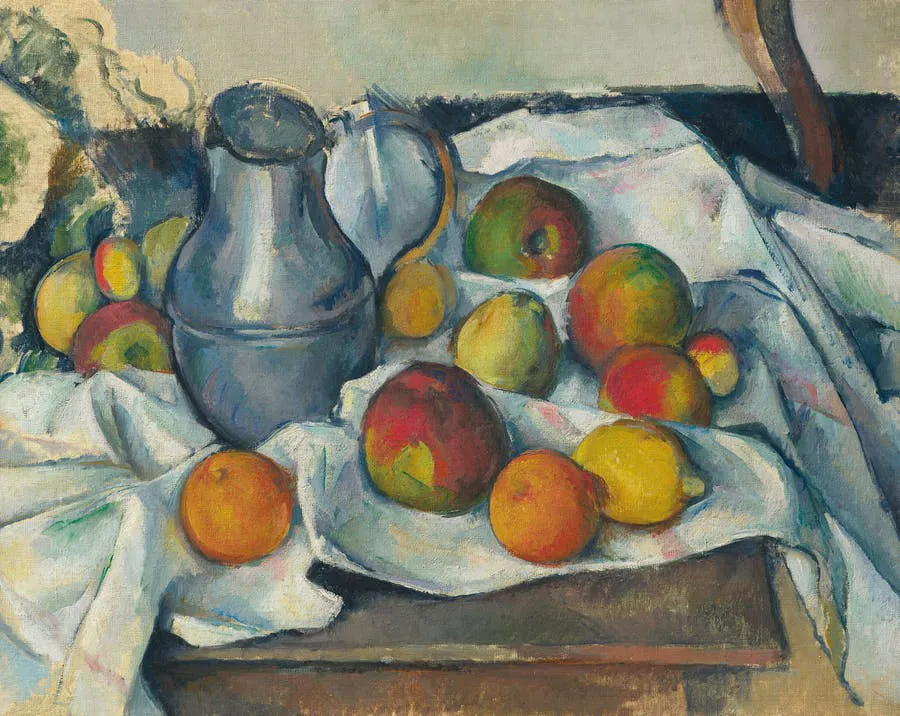
Through the years, the Art Loss Register has worked with many controversial cases, such as the Bakwin case. In 1978, seven paintings, including Cézanne’s Kettle and Fruit, was stolen from a residence in Boston. In 1999, the canvas reappeared on the market when a retired lawyer tried to sell the painting.
See also: The Top 10 Stolen Masterpieces
The illegal sale was reported to the ALR, who then started the negotiations to get the paintings back. Working with the FBI and the Swiss police, ALR found and returned the Cézanne, which was later sold for $29.3 million. The rest of the stolen works were found and returned during the next decade.
In 2017, the ALR worked on another high profile case regarding a bronze Matisse sculpture, which was stolen from a Swiss museum during the 1990s. The sculpture was donated to the institution in 1978, but despite quick police involvement after the theft, the artwork was lost. It was the insurance company that later contacted the Art Loss Register in the hope that the valuable work would one day be found.
Thirty years later, a French auction house contacted the ALR when the sculpture was submitted to the house. They could confirm that this was in fact the stolen original that had been bought from a bric-a-brac store, in the same Swiss town as the museum – for only a fraction of its actual worth. After hard negotiations, ALR could reinstate the sculpture, a touching portrait of Matisse’s daughter, to its original home.
See also: The 10 Most Famous Works of Art and Where to Find Them
The ALR's most recent successes include the return of a 15th century altarpiece stolen from the York Gallery in 1979 and the recovery of the painting Children Wading (1918) by Scottish artist Robert Gemmell Hutchinson, which was stolen from the Museum of Childhood at Haggs Castle in Glasgow in 1989.
You can learn more about the Art Loss Register here.
Find more articles in Barnebys Magazine
This is an updated version of an article originally published on 31 July 2018.