
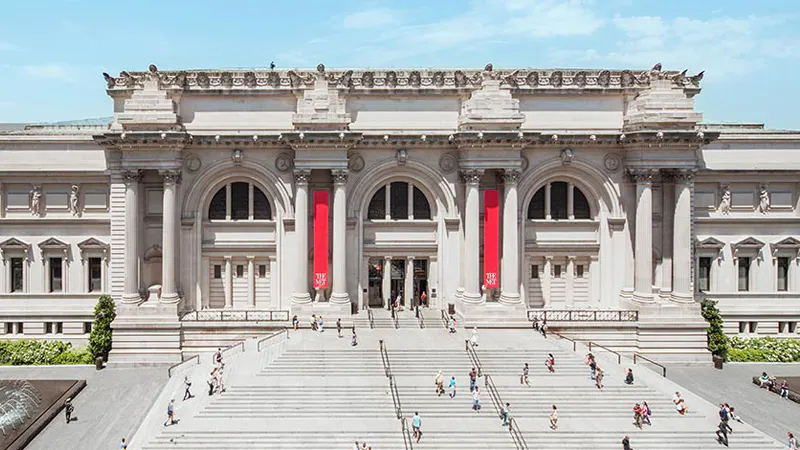
On 15 February, the Metropolitan Museum of Art in New York returned the gilded Coffin of Nedjemankh to the government of Egypt after discovering that it had been looted from the country in 2011. An entire exhibit, titled Nedjemankh and His Gilded Coffin, had been staged around the stunningly preserved piece with 70 other Egyptian artefacts since July 2018. Scheduled to run until 21 April 2019, the exhibit immediately ended when the stolen nature of the coffin was revealed.
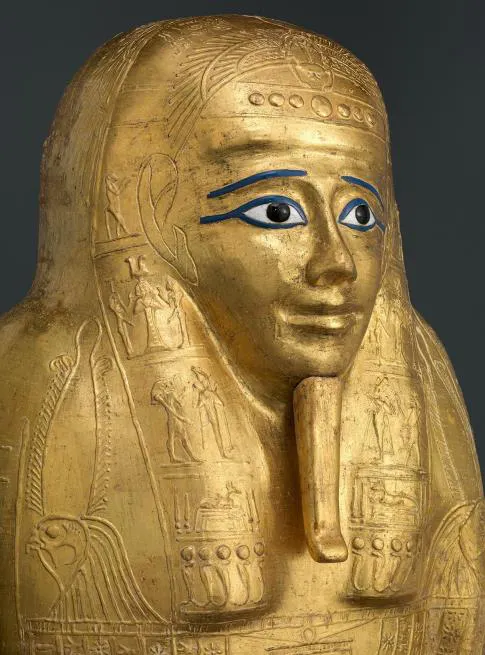
The museum purchased the coffin for almost £3 million in 2017 from Christophe Kunicki, an art and antiquities dealer in Paris. Kunicki led museum staff to believe that the coffin had been legally removed from the country in 1971 by providing a forged export license and other fake documentation. In fact, the museum has now discovered that it was likely stolen as little as eight years ago.
According to the Antiquities Coalition, a not-for-profit founded in 2015 to combat the illegal trade of antiquities globally, prior to the 1960s removing artefacts and selling them was largely unsupervised, and generally accepted. However, in the '60s museums and archaeological sites started to report the thefts as antiquities appeared in the art market and private collections. In 1970, UNESCO spearheaded laws which the US ratified in 1972 to more closely scrutinise antiquities imports coming into the country.
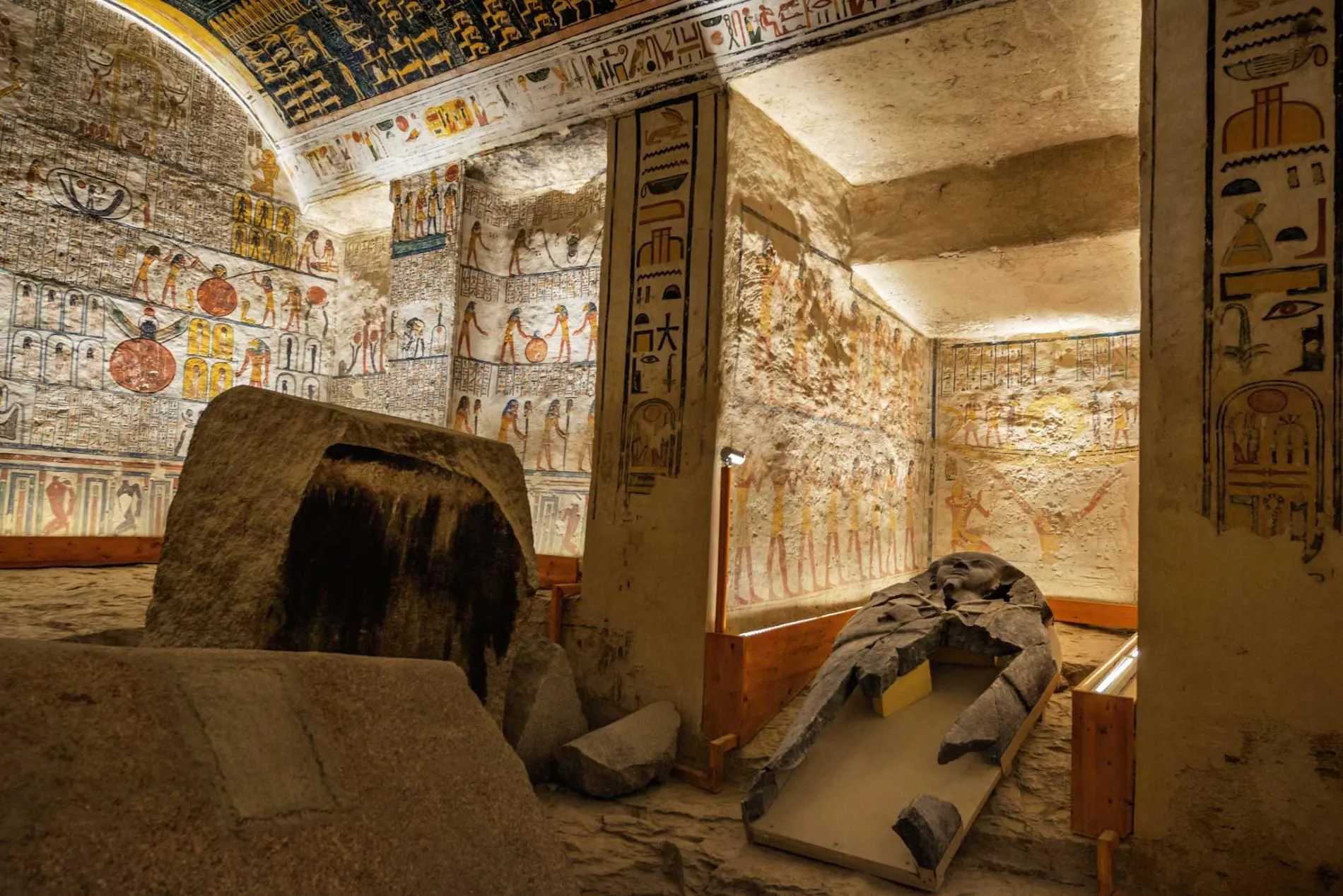
However, due to recent wars and political unrest, including lack of security at ancient sites, looting of antiquities has become prevalent again. This type of theft was particularly problematic in Egypt after the 2011 Egyptian Revolution and profits raised by the illegal trade of these antiquities was discovered to be a source of funding for terrorist groups such as ISIS.
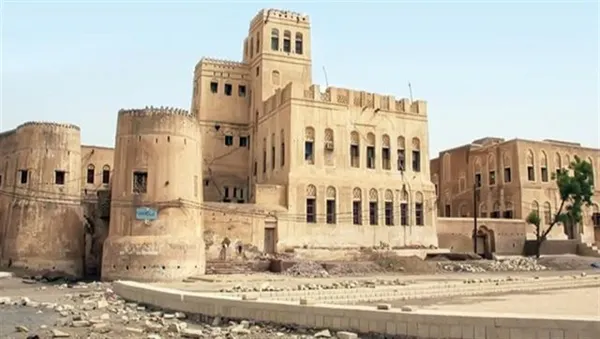
An echoing of the Egyptian situation is occurring now in Yemen, as the country's civil war has led to the plundering of churches, libraries, museums and UNESCO World Heritage Sites. The Antiquities Coalition reports that over £6 million worth of Yemeni antiquities were imported to the US between 2008-2018. The sales of these plundered treasures are said to be funding the Houthi rebels in the country's civil war, as well as other terrorist groups, and are stripping Yemen of its rich cultural history.
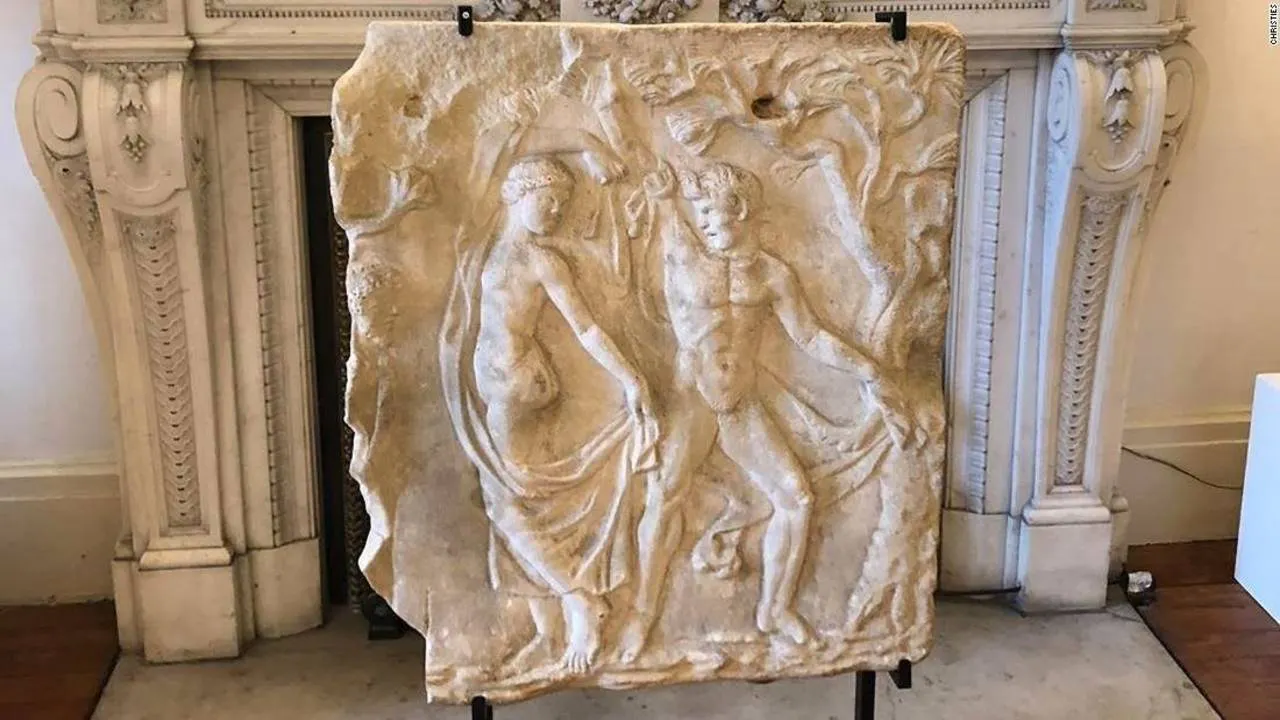
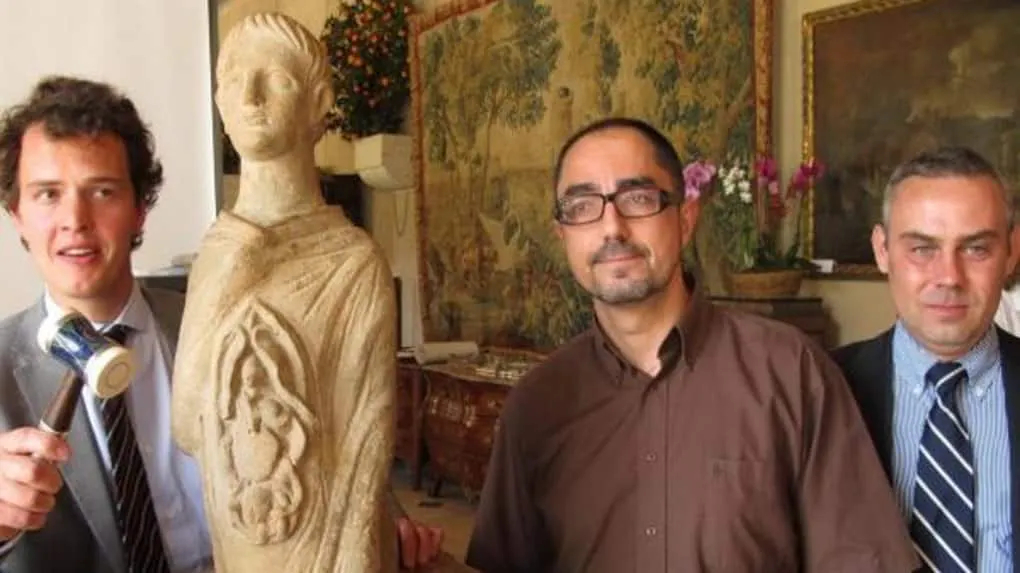
In light of this cultural racketeering, in recent years museum collections and the art market have been under close scrutiny and inspection. Earlier this February, Christie's returned eight pillaged antiquities to Italy that were revealed to have been stolen from the Rome's Villa Borghese and Catacombs in the latter half of the 20th century.
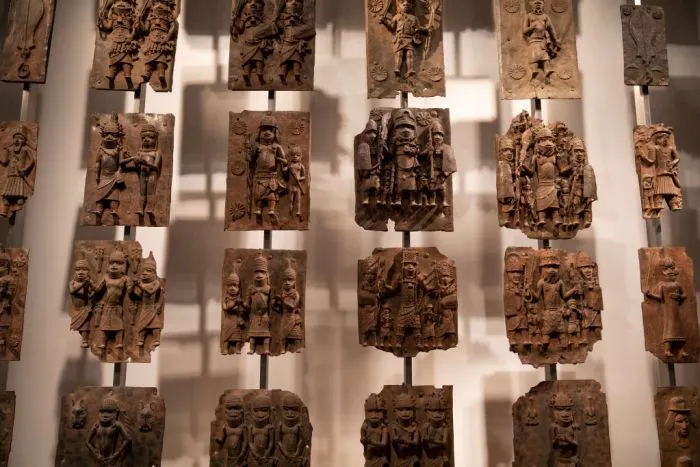
In November of 2018, the French president Emmanuel Macron called for the repatriation of 26 Benin bronzes at the Quai Branly Museum in Paris to Nigeria, which disappeared when the Behanzin palace was raided in 1892. The British Museum also agreed to return Benin bronze plaques back to Nigeria, but just on loan. In fact, Reuters reported in November that "over 90% of Africa's cultural heritage is believed to be in Europe".
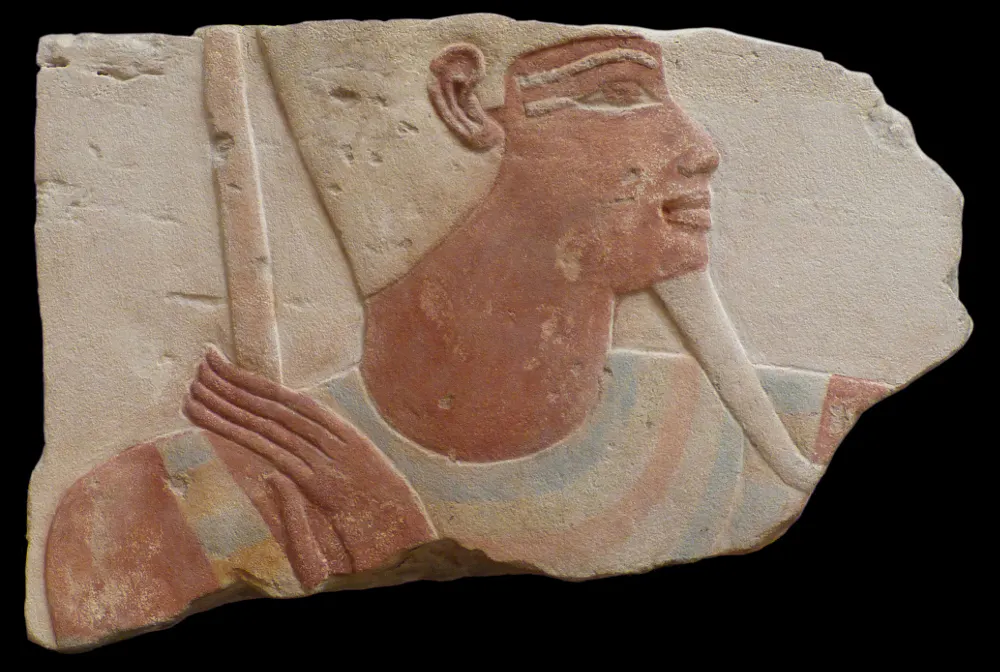
In January 2019, the British Museum announced that it has established a programme titled ‘Circulating Artefacts’, with a mission to create an "online semantic database of Egyptian and Nubian antiquities in circulation on the international art market and in private collections… to make the art market more transparent, while acting as a deterrent to looting and other illicit activity".
Max Hollein, director of The Met, echoed the British Museum's mission, stating “Our museum must be a leader among our peers in the respect for cultural property and in the rigor and transparency of the policy and practices that we follow. We will learn from this event—specifically I will be leading a review of our acquisitions program[me]—to understand what more can be done to prevent such events in the future."
As a global dialogue around the exchange of antiquities increases, hopefully more stringent conditions will be put in place by governments, as well as in museums and auction houses, to thoroughly inspect the provenance of antiquities and ensure that they remain in accurate historical context for future generations.
![Leonardo Da Vinci, ‘Mona Lisa’ [detail], 1503-06, Department of Paintings of the Louvre. Photo public domain](https://images.prismic.io/barnebys/1fc21453-719c-4ece-92a7-05b4d2543d5c_Cover+new.jpg?auto=format,compress)