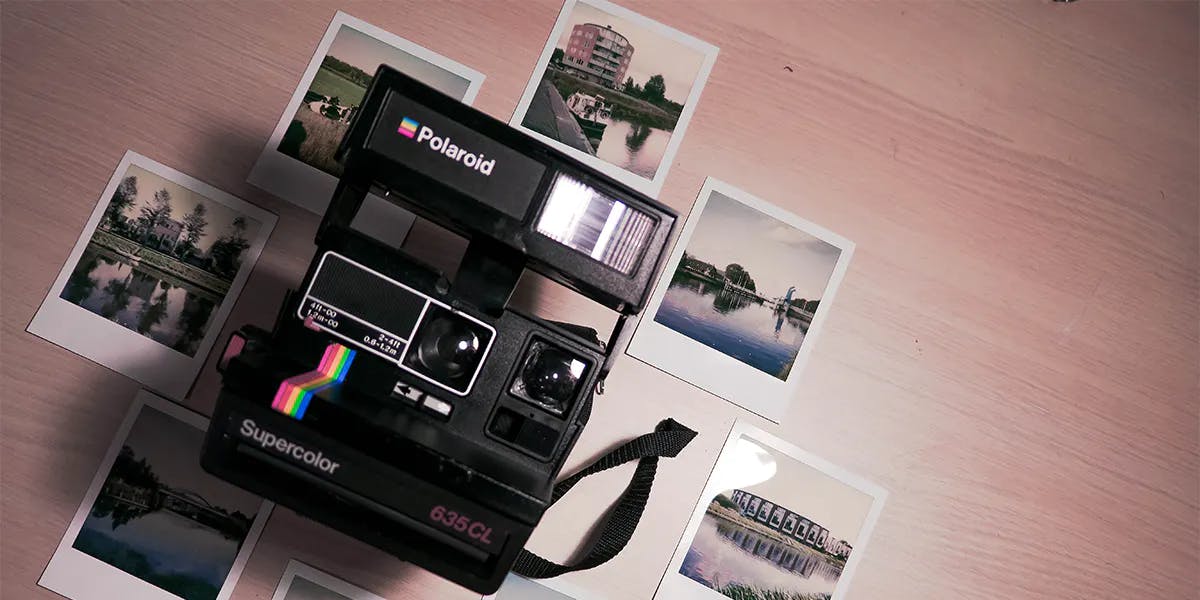
You look through the lens, press a button, hear the click, take out a small rectangle of film… and wait. And it is precisely in that short wait that part of the magic happens. The image you had in front of you materialises on the paper you're holding in your hand. In mere terms of time, between an image immortalised by a mobile phone and a photo taken with a Polaroid, there is a gap of a few moments. But the difference between the two experiences is enormous.

Nowadays millions of people own a smartphone capable of taking instant photos, which they can then edit and filter all in a few seconds. In this way you have infinite possibilities to capture moments, but have lost the intimate essence of the moment. The photos end up on the web and can be seen by an unlimited number of eyes, yet remain in a certain sense trapped in the internet. These digital images aren't printed, hung or pasted in an album of memories. Polaroids, which achieved instant success when they came out on the market, have suffered a blow with the advent of the latest generation of smartphones. However, the passion for vintage that has raged in recent years has given rise to a glorious revival of these cameras.
See also: The Female Look: 11 Women Who Changed Photography
The diffusion of instant cameras is attributed to Edwin Herbert Land, an American inventor with an enterprising and prolific spirit, second only to Thomas Edison for the number of patents filed and cited as a source of inspiration by the visionary Steve Jobs.
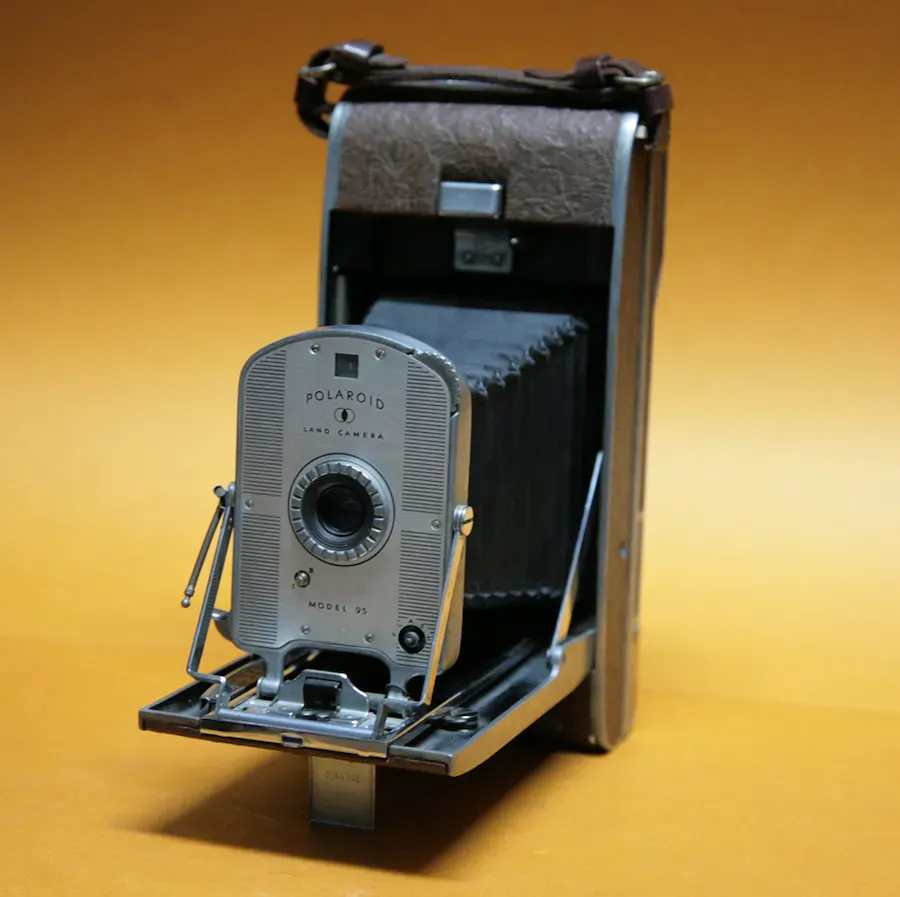
Land was on vacation with his family in Santa Fe, New Mexico and at one point he decided to take a picture of his 3-year-old daughter. The little girl, with the typical candour that characterises children, asked her father why she couldn't immediately see the photo taken. This request lit up the light bulb in the inventor's mind, and he set to work on the idea of an instant camera. After some research, the Polaroid 95 was born in 1948, also called the Land Camera, considered the first instant camera in history commercialised on a large scale. A legend destined to last over time was born. The extraordinary invention led to the immediate success of the Polaroid Corporation, whose products were sold quickly and were appreciated by both the general public and veteran photographers.
In the 1950s, millions of people had already started taking instant photos, but the real boom didn't come until the '60s. That was when the first colour self-developing film was born: Polacolor. The Polaroid Swinger was launched in 1965 to be aimed at a younger target audience. It was during these years that Polaroid became an iconic brand, loved all over the world and appreciated especially by the likes of Andy Warhol. The king of Pop Art became a famous endorser of the Polaroid cameras, which he carried with him everywhere to immortalise celebrities, document his artwork and capture important moments.
See also: 6 Artists in Front of the Camera

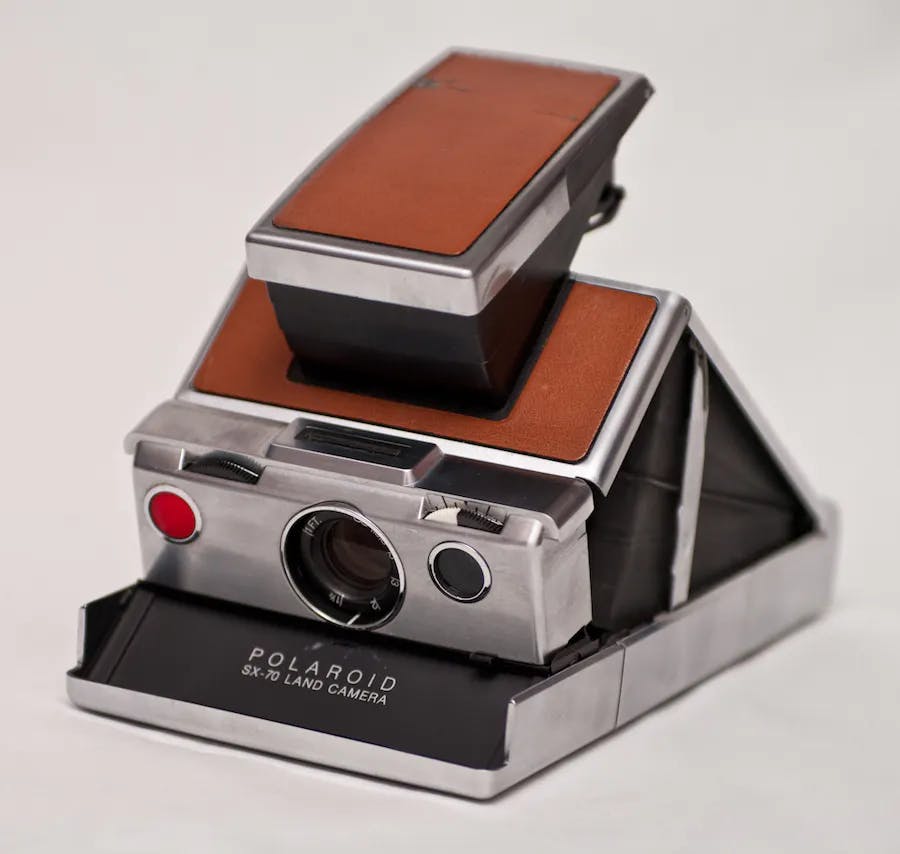
The enterprising Land did not rest on his laurels and in the early 1970s he created another model destined to become iconic: the Polaroid SX-70, a folding camera which, among other things, allowed you to take editable images with effects.
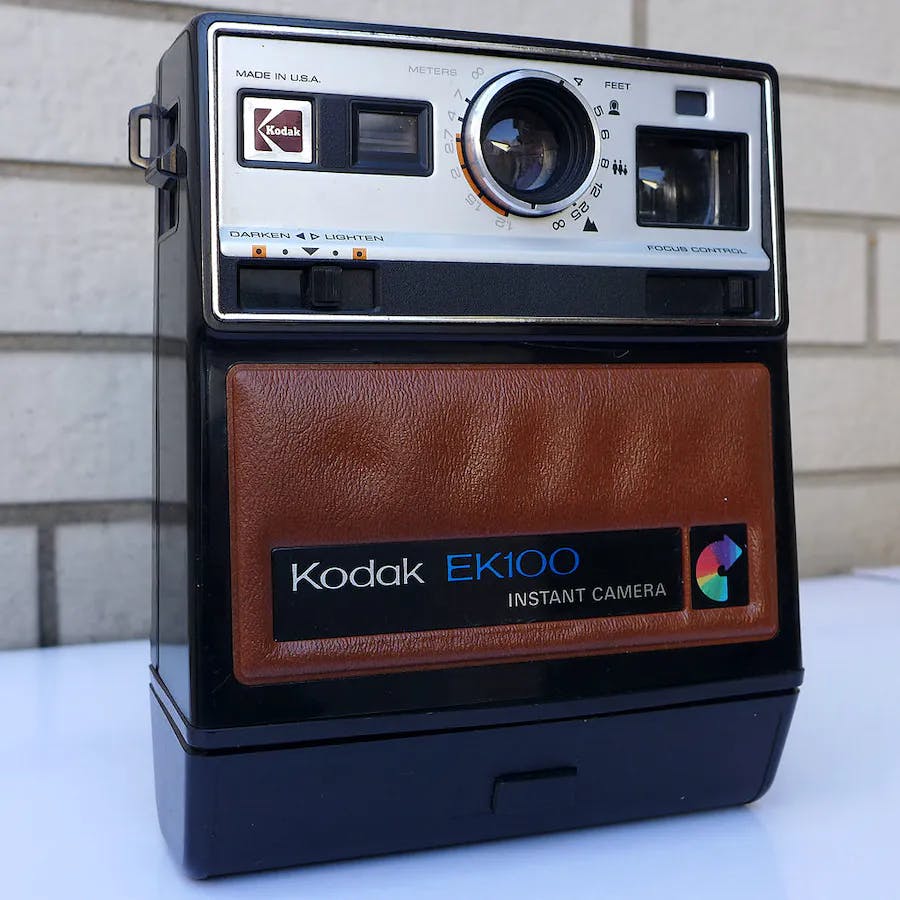
In those revolutionary years, Kodak entered the market for the production of self-developing films, and the advent of the Kodak Instant gave way to a patent war from which Polaroid emerged victorious.
The 1980s were characterised by the production of new models, but also by the flop of the Polavision instant home movie system, which turned out to be a financial disaster. Edwin Land decided to resign and left Polaroid in 1982. The company now found itself in a very competitive market, and was then dealt another major blow by the advent of digital. In 2008, the company declared bankruptcy. Edwin Land's dream, however, did not drastically end. The company was purchased in 2008 by a Polish billionaire and then acquired in 2017 by The Impossible Project, which was then renamed Polaroid Originals and shortened to Polaroid in 2020.
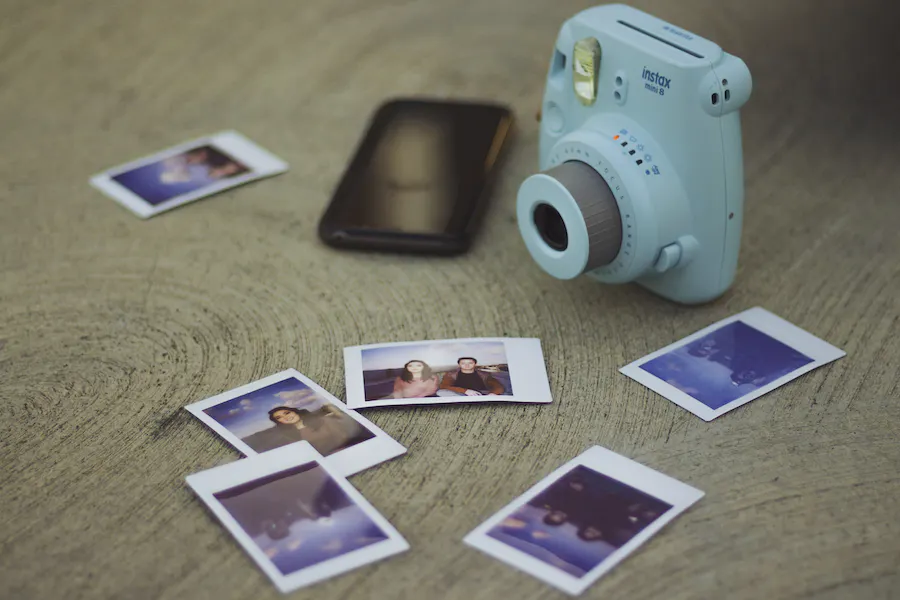
Polaroid has continued to produce today thanks to the recent interest and passion for vintage items. In addition to the Polaroid, there are many types of instant cameras on the market today, such as the Fujifilm Instax series that is particularly appreciated by young people, with its captivating and colourful design.
Want to receive more news and articles like this by email? Sign up to our newsletter!
French photographer Robert Doisneau once said, "You must remember: to suggest is to create; to describe is to destroy." Shots taken with instant cameras tend to suggest an image without clearly delineating it. They don't have the aseptic perfection of some filtered photos on social media, but they have a more subtle beauty, also given by the element of unpredictability.
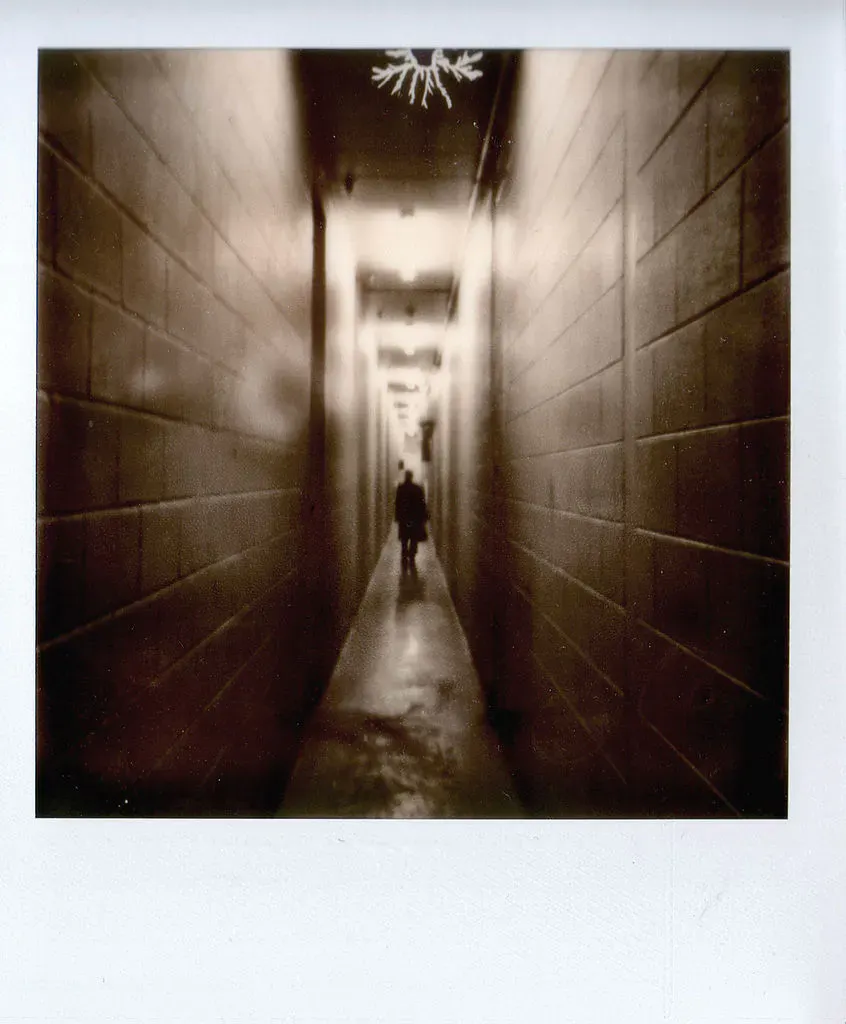
After pressing the shutter, the image produced will always have new textures and tones, different depending on the light and the moment in which the photo was taken. A moment which will never be the same and that is both unpredictable and unique, two features that will surely appeal to those who love to be original.
See also: The 11 Most Expensive Photographers
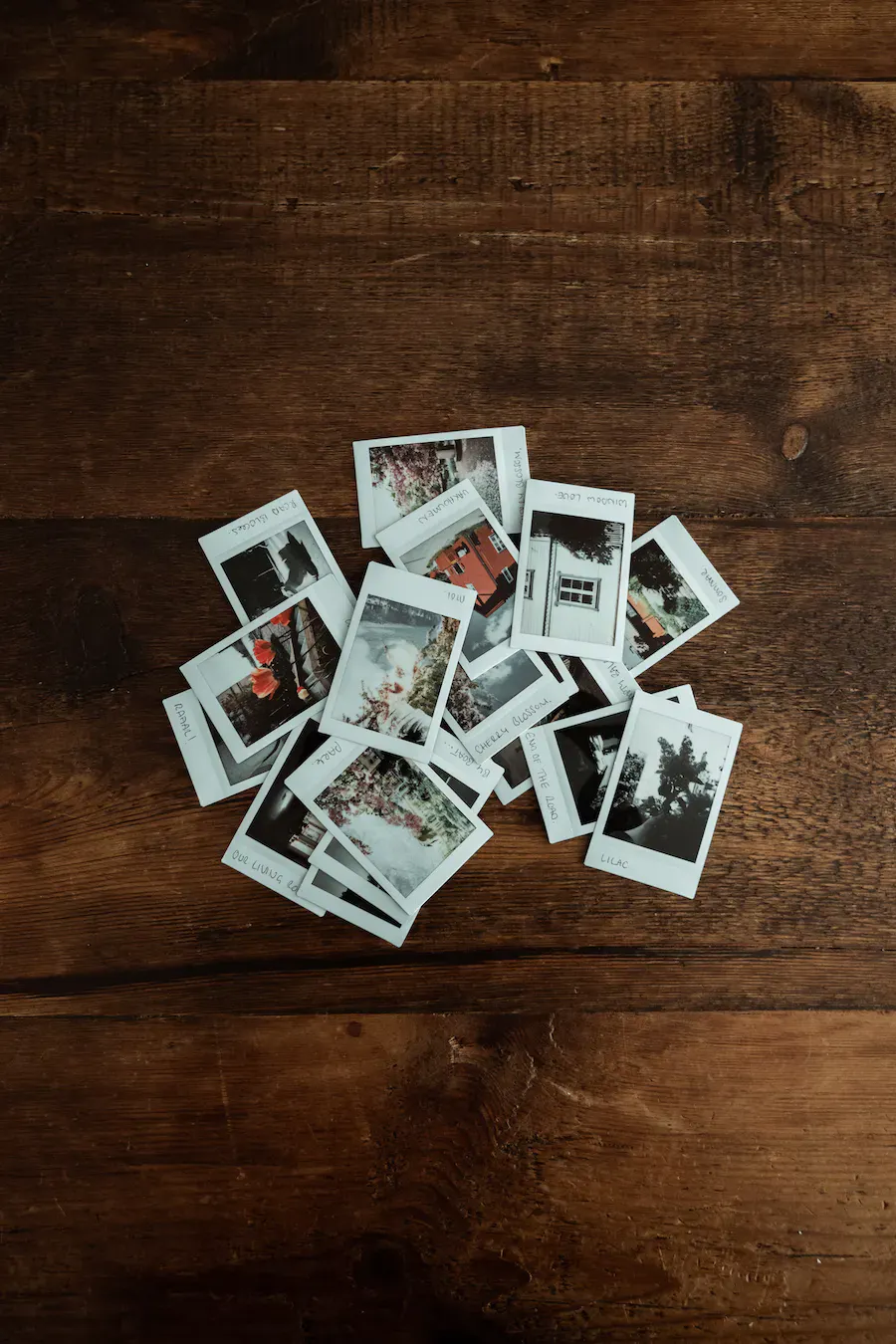
Instant photos are also well suited for a very personal and unusual gift, since it is possible to write a small sentence on the white part at the base of the image, and they can become fun name cards for a dinner party with friends. Or again, you can nicely hang them around the house with tiny clothespins, as if they were small watercolours hanging out to dry.
The Polaroid website states, "If you stop and think about it, our lives are built by moments: moments that can change your life, and everyday moments that create your life." In today's world everything seems temporary, and despite a certain appreciation for vintage and sustainability, many of our actions are based on throwaways and speed. From this point of view, an instant photo is a nice way to slow down a bit, take a break, capture a pleasant moment and relive it by holding it in your hand. A photo taken with a snapshot instead of a smartphone, with all its poetic dexterity, is a more permanent way to capture a fleeting moment and savour it.
Today, Polaroid photographs can fetch high prices, with the record set with the Polaroid photograph Andy Warhol took of Man Ray that sold for £545,600 in 2008 at Sotheby's. You can discover all the Polaroid photographs and vintage cameras available at auction on Barnebys, often at affordable prices.